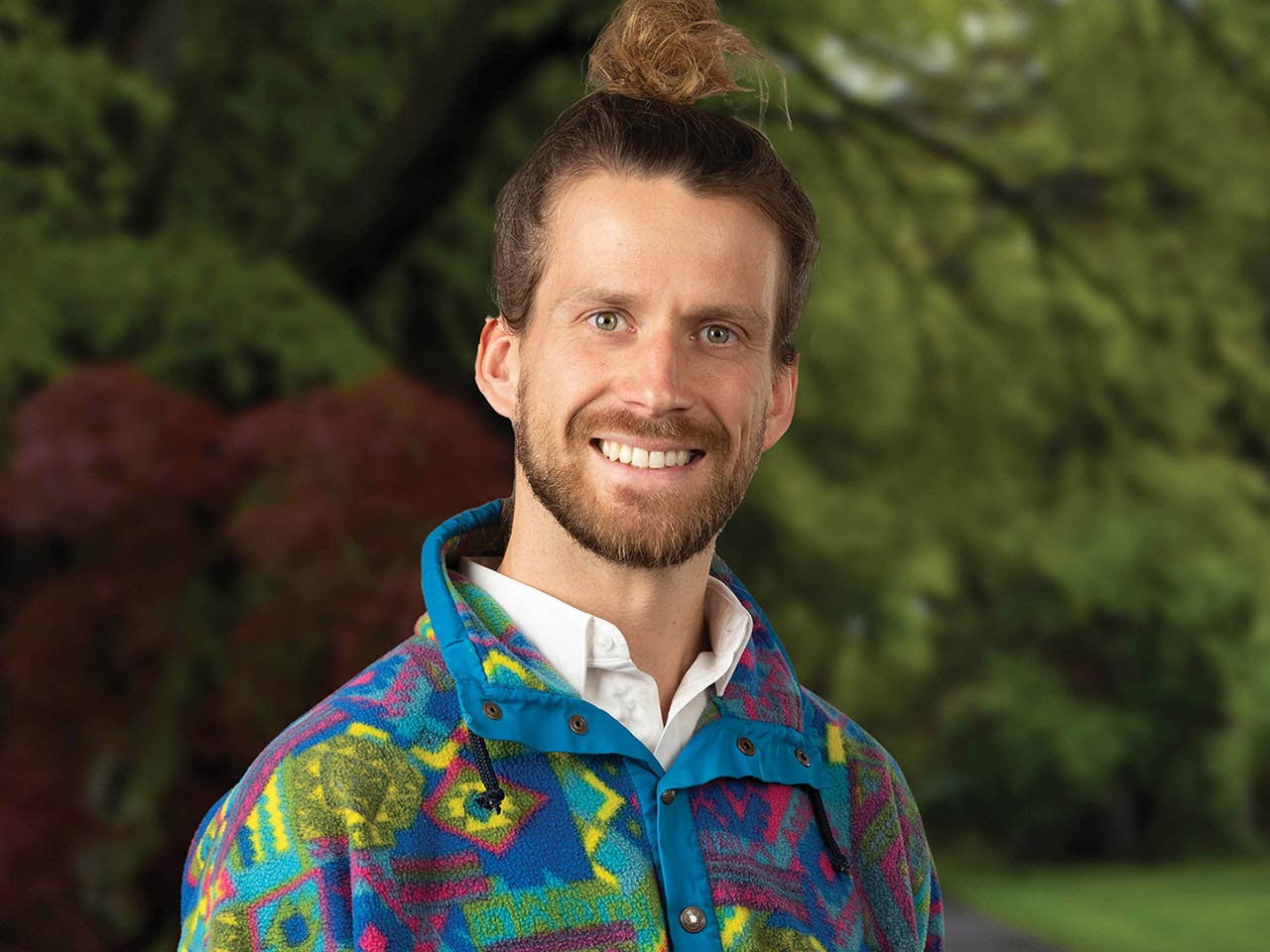
Ignacio Provencio is a Professor of Biology at the University of Virginia. His research focuses on melanopsin-based photoreception and its role in non-visual light responses, including circadian rhythm regulation, fear modulation, and glaucoma pathophysiology. His lab investigates melanopsin signaling pathways and their broader implications for vertebrate physiology. Education: B.A., Swarthmore College, 1987 Ph.D., University of Virginia, 1996 Postdoctoral Research, Uniformed Services University, 1996–1999 Key research interests include: Melanopsin phototransduction mechanisms Role of intrinsically photosensitive retinal ganglion cells (ipRGCs) in non-image-forming vision Impact of light on circadian rhythms and neurodegenerative diseases like glaucoma Light’s influence on fear behavior and weight regulation Recent work highlights: ipRGC survival in glaucoma models Melanopsin’s role in weight loss under dietary challenges Clinical applications of melanopsin-based light therapy His research spans in vivo and in vitro studies, integrating molecular, cellular, and behavioral approaches to understand light’s multifaceted effects on physiology.
David Klindt is Assistant Professor at Cold Spring Harbor Laboratory, leading research at the intersection of biological systems and artificial intelligence. His lab investigates how brains process sensory information and generalize knowledge across contexts, studying neural representations to inspire robust AI models. Research combines computational neuroscience and machine learning to develop algorithms mimicking biological learning efficiency. Current projects examine latent computing in biological neural networks through dynamical systems frameworks, sparse coding principles in neural representations, and geometric organization in visual processing. His group develops methods for mechanistic interpretability, self-supervised learning identifiability, and compute-efficient inference. Recent publications analyze toroidal representations in grid cells, retinal feature detection, and Cryo-EM structure disentanglement. Dr. Klindt's work has been recognized through publications in Nature Communications, eLife, and NeurIPS. Before joining CSHL, he was a Machine Learning Research Scientist at Meta Reality Labs and postdoctoral researcher at Stanford University and NTNU. He holds a Ph.D. in Computational Neuroscience and Machine Learning from the University of Tübingen.
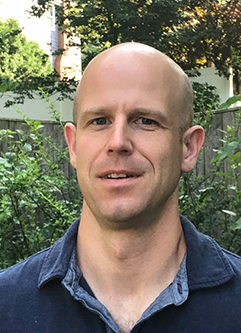
Jinsang Kim is a Professor in the Department of Materials Science and Engineering at the University of Michigan, with affiliations in Biomedical Engineering (BME). His research focuses on bio-micro/nanotechnology, bio-nanomaterials, and biomedical imaging technologies. He specializes in developing advanced materials for applications such as retinal hypoxia detection, organic light-emitting diodes, and sensor technologies. His work integrates polymer chemistry, organic electronics, and biomedical engineering to create innovative materials for medical diagnostics, optoelectronics, and nanotechnology. Key research areas include surface functionalization strategies, organic phosphorescent nanosensors, and stimuli-responsive materials. Kim’s publications emphasize cutting-edge advancements in organic phosphorescence, polymer design for high thermal conductivity, and biomedical imaging tools. His contributions span from fundamental material science to applied biomedical solutions, with a focus on translating discoveries into practical applications.
Karen Hampson is a Senior Lecturer in Optometry at the University of Manchester, serving as the first-year Optics Theme Lead. Her research focuses on adaptive optics systems for vision science, particularly using retinal imaging technology for early diagnosis of neurodegenerative and psychiatric diseases. She is a member of the Consortium for Vision and Oculomics in Psychiatry and co-founder of the European Adaptive Optics Summer School. Education: MPhys (Swansea University, 2000), PhD in Physics (Imperial College London, 2004), Post-Graduate Certificate in Higher Education Practice, and SEDA Professional Development Award. She trained in Transactional Analysis Psychotherapy and mental health first aid. Research interests include adaptive optics applications across vision science, microscopy, and astronomy. She led an EPSRC-funded project on pre-symptomatic disease diagnosis via ocular biomarkers. Key roles include Chair of Optica’s Applications of Visual Science Technical Group (2021–2024) and Associate Editor for Frontiers in Ophthalmology. Teaching contributions include senior laboratory roles at Oxford’s Physics Department and tutorial leadership at Corpus Christie College. Her work aligns with UN SDG targets for health and innovation.
Joel Blanchard, PhD, is an Associate Professor in the Departments of Neuroscience and Cell, Developmental & Regenerative Biology at the Icahn School of Medicine at Mount Sinai. He is also an Investigator at the Black Family Stem Cell Institute and the Ronald Loeb Center for Alzheimer’s Disease. His research focuses on developing human brain models using induced pluripotent stem cells to study and treat neurodegenerative diseases. Education: BS, St. Lawrence University MLA, Harvard University PhD, The Scripps Research Institute & MIT Research Interests: Dr. Blanchard’s lab is dedicated to understanding the genetic and environmental vulnerabilities that lead to neurodegeneration. His team develops cutting-edge 3D brain organoids and blood-brain barrier models to investigate diseases like Alzheimer’s, Parkinson’s, and ALS. A major focus is on the role of APOE4 in myelination, cholesterol metabolism, and vascular dysfunction. Scientific Awards: Friedman Brain Institute Scholar Award (2021) ISSCR Merit Award (2019) Glenn Foundation Postdoctoral Fellowship (2018) California Institute for Regenerative Medicine Pre-doctoral Fellowship (2011) Funding & Grants: Dr. Blanchard’s lab is currently funded by NASA, NIH, and the Cure Alzheimer’s Fund. Active projects include the development of miBrain (multicellular integrated brain tissue), blood-brain barrier modeling, and APOE4-mediated mechanisms of neurodegeneration. Lab & Team: The Blanchard Lab is a multidisciplinary team of postdocs, graduate students, and research associates. The lab is actively recruiting postdoctoral fellows and is known for its collaborative, innovative environment focused on translational neuroscience.
Albert H. Titus is a Professor in the Department of Biomedical Engineering and an Adjunct Professor in the Department of Electrical Engineering at the University at Buffalo, State University of New York. He serves as Associate Vice President for Regulatory Support in the Office of the Vice President for Research and Economic Development. His research focuses on analog VLSI design for neuromorphic visual processing, biosensors, wearable devices, optoelectronic systems, and neural networks. Education: PhD in Electrical and Computer Engineering, Georgia Institute of Technology (1997) MS in Electrical Engineering, University at Buffalo (1991) BS in Electrical Engineering, University at Buffalo (1989) Research Interests: His work spans wearable and implantable sensors, bioinstrumentation, neural network-based visual processing, analog VLSI implementations, optoelectronics, and electronic packaging. He pioneered CMOS-based neuromorphic systems and developed patented technologies for glare sensing and RF power calorimetry. Publication Trends: His recent articles emphasize CMOS-integrated sensors, machine learning for bioimpedance analysis, implantable medical devices, and xerogel-based optical biosensors. These works bridge biomedical engineering and microelectronics. Scientific Recognition: He is a Fellow of the National Academy of Inventors and has received the SUNY Chancellor’s Award for Excellence in Service (2017), NSF CAREER award, and Western New York Inventor of the Year (2010). His inventions include a patented low-power glare sensor (U.S. Patent 7,586,079) featured in Popular Science’s 2011 Top Ten Inventions. Academic Leadership: As a faculty member, he has supervised nearly 20 PhD and over 40 MS students, while teaching courses in circuits, IC design, sensors, and signal processing across electrical and biomedical engineering disciplines.
Thomas Longden is an Associate Professor in the Department of Physiology at the University of Maryland School of Medicine. He leads a research group focused on neurovascular interactions in health and disease, with particular emphasis on understanding how blood flows through the brain under normal conditions and how this process is disrupted in diseases like Alzheimer's. Dr. Longden received his B.Sc (Hons) and Ph.D. in Pharmacology from the University of Manchester in the UK (2006 and 2010), followed by postdoctoral training at the University of Vermont under Professor Mark Nelson (2011-2015). He was promoted to Assistant Professor at Vermont in 2015 before joining the University of Maryland in February 2019. His research focuses on the control of blood flow in the brain, particularly the mechanisms of neurovascular coupling where neuronal activity triggers changes in blood flow. His lab has made significant discoveries including identifying the brain's capillary network as a 'sensory web' that translates neural activity into vasodilatory electrical signals, and demonstrating how pericytes function as metabolic sentinels that control blood flow through KATP channel-dependent mechanisms. Analysis of Dr. Longden's recent publications reveals a strong focus on pericyte function in neurovascular coupling, electrical signaling in the capillary network, and how these mechanisms are disrupted in Alzheimer's disease and other dementias. His work increasingly incorporates advanced imaging techniques, computational approaches, and innovative tools to study vascular plasticity. 2023: Fellow of the American Physiological Society Cardiovascular Section 2020: NIH Director's New Innovator Award 2017: American Heart Association Scientist Development Grant Multiple travel awards and postdoctoral fellowships Dr. Longden currently mentors several graduate students and postdoctoral fellows in the Longden Lab, which is supported by multiple NIH grants including an NINDS New Innovator Award and an NIA R01 grant. His lab develops and employs advanced techniques including multiphoton microscopy, electrophysiology, optogenetics, and molecular biology to study vascular cells in the brain. The lab is particularly focused on understanding vascular signaling plasticity and how pericytes control brain blood flow in health and Alzheimer's disease.
Lucca Geurts is a Senior Lecturer at the Faculty of Industrial Engineering Sciences at KU Leuven, where he is affiliated with the Department of Computer Science. He serves as chairman of the Leuven Centre for Accessible Health Technology, subdivision head of Subdivision 3, Campus Group T Leuven, and Head of Education of the OC Innovative Health Technology. Additionally, he is an active member of DigiSoc – KU Leuven Institute for Digital Society. His research focuses on Technology for Tangible and Playful Interactions, particularly in healthcare applications. Dr. Geurts leads numerous research projects including therapeutic games for children with visual disorders, flexible activity measurement systems, intimate interactive systems, and early-stage glaucoma screening platforms. His work bridges human-computer interaction with accessible health technology, emphasizing user-centered design principles and practical healthcare solutions. Dr. Geurts' publication record demonstrates a consistent trajectory from fundamental interaction techniques to applied healthcare contexts. His recent work shows increasing sophistication in squeeze interactions, emotion regulation through tangible interfaces, and medical applications of interactive technology. The research trends indicate a growing focus on accessible medical diagnostics, therapeutic applications, and user experience in healthcare technology. As an educator, Dr. Geurts teaches across multiple domains including Electronics, Computer Architectures, Health Entrepreneurship, Sensors and Circuits for Healthcare Applications, and Extended Reality. His educational leadership extends to Master's theses and internships in health engineering, reflecting his commitment to training the next generation of healthcare technologists. Committee for Culture, Art and Heritage Faculty Council of Industrial Engineering Sciences Evaluation Committee of the Faculty of Industrial Engineering Sciences POC Advanced Education Faculty of Industrial Engineering Sciences Secretary of the OC Innovative Health Technology Departmental Council for Computer Science Interfaculty Council for Global Development (as substitute member) Dr. Geurts maintains an active research profile with numerous publications in top-tier human-computer interaction conferences and journals. His work shows a clear progression toward increasingly impactful healthcare applications, with strong emphasis on accessibility and user experience in medical technology development.
Professor Stuart L. Graham is a Professor of Ophthalmology at Macquarie Medical School and Head of Ophthalmology and Visual Science at Macquarie University Faculty of Medicine. He also serves as a Visiting Professor at the Save Sight Institute, University of Sydney. With expertise in glaucoma subspecialty and electrophysiology, his research focuses on optic nerve damage mechanisms, vascular and molecular factors, neurodegenerative pathways, and neuroprotective therapies for glaucoma and multiple sclerosis. He holds a MBBS, MS, PhD, and FRANZCO. His research projects include studies on retinoid agonists for glaucoma, early diagnosis of Alzheimer's via retinal screening, and retinal vascular changes in sleep apnea. He has received prestigious awards such as the FARVO (2023), Gillies Medal (2017), and RANZCO Distinguished Service Award (2015). With 384 research outputs and 64 active projects, his work spans clinical trials, drug development, and collaborative studies. His team explores novel therapies and imaging techniques to address vision loss and neurodegenerative diseases.
Craig Jones is an Assistant Professor of Computer Science at Johns Hopkins University's Whiting School of Engineering. He is affiliated with the Malone Center for Engineering in Healthcare and contributes to the Precision Medicine Analytics Platform's Imaging and Data Science Subcommittees. BSc in Computer Science and Mathematics from Simon Fraser University MSc in Medical Biophysics from the University of Western Ontario PhD in Physics from the University of British Columbia His research focuses on applying artificial intelligence and neural networks to medical image processing, particularly for MRI, CT, optical coherence tomography (OCT), and ultrasound datasets. Key areas include 2D/3D image processing, anomaly detection, segmentation, and uncertainty quantification, with clinical applications in neurosurgery, ophthalmology, and oncology. Projects span robotic imaging, neuroendoscopic guidance, and cancer boundary detection. Recent publications highlight advancements in vision-language models for 3D medical imaging, automated segmentation of venous malformations, and AI-guided neurosurgical tools. Articles emphasize multimodal data fusion, self-supervised learning, and federated learning for rare cancer analytics. He received a $310,000 Department of Defense grant in 2022 to develop AI-guided treatments for venous malformations. His work bridges clinical imaging domains and computer vision as a member of the Radiology AI Lab (RAIL), a collaborative effort across Johns Hopkins Hospital, the Whiting School of Engineering, and the Applied Physics Laboratory.
Alex V. Levin, M.D., M.H.Sc., serves as Professor in the Department of Ophthalmology at the University of Rochester School of Medicine and Dentistry, holding the Adeline Lutz - Steven S.T. Ching, M.D. Distinguished Professorship. He concurrently holds joint appointments in the Center for Visual Science and the Department of Pediatrics, Genetics. As Chief of the Flaum Eye Institute's Pediatric Ophthalmology and Ocular Genetics team and Chief of Clinical Genetics at URMC, he leads cross-functional teams comprising ophthalmologists, optometrists, pediatric specialists, geneticists, nurses, and genetic counselors. Medical Degree: Jefferson Medical College Residency: Pediatrics at Children's Hospital of Philadelphia Residency: Ophthalmology at Wills Eye Hospital Fellowship: Pediatric Ophthalmology and Strabismus at Toronto's Hospital for Sick Children Masters of Health Science in Bioethics: University of Toronto (2001) Dr. Levin's research spans ocular genetics and gene therapy, children's vision screening, pediatric glaucoma/cataract/uveitis, ocular manifestations of child abuse, and bioethics. His work integrates clinical expertise in pediatric anterior segment eye conditions with scientific investigation into genetic eye diseases. He maintains the only simultaneous US Board Certifications in pediatrics, ophthalmology, and child abuse pediatrics worldwide. Analysis of his 15 most recent publications reveals predominant focus on genetic eye disorders (73%), with significant emphasis on retinal hemorrhage patterns in trauma (13%) and pediatric glaucoma (7%). His research demonstrates consistent translational application from basic science to clinical practice, particularly in ocular genetics and abusive head trauma diagnostics. Resident Guardian Award (2022) Edward A. Jaeger and John B. Jeffers Citizenship Award (2020) Albert Marquis Lifetime Achievement Award (2018) Al Biglan Medal in Pediatric Ophthalmology (2014) Ray E. Helfer Society Award for Child Abuse Research (2011) With over 35 years of experience and hundreds of peer-reviewed publications, Dr. Levin has secured funding from the National Institutes of Health, Canadian Institute of Health, and private foundations. His research portfolio demonstrates exceptional continuity in pediatric ophthalmology and ocular genetics, with recent emphasis on deep learning applications for retinal hemorrhage analysis and international registry development for childhood glaucoma. He has established comprehensive vision screening programs for underserved urban populations and pioneered ethical frameworks for genetic testing in pediatric ophthalmology. Dr. Levin directs the Ocular Genetics Program at URMC, which provides multidisciplinary care through the Pediatric Ophthalmology and Ocular Genetics team. His laboratory investigations focus on nascent chromatin structure in fibrosis and protein modeling for inherited retinal diseases, with active collaborations across the Montalcino Aortic Consortium and Sturge-Weber Foundation research networks.
Ulrich Lächelt is an Assistant Professor in the Department of Pharmaceutical Sciences at the Faculty of Life Sciences. His research focuses on nanoparticle technology, drug delivery systems, and gene therapy, with a particular emphasis on CRISPR/Cas9 genome editing and RNA-based therapeutics. He leads a project on nanoformulations of prime editing ribonucleoproteins (2025–2029), aiming to advance precision medicine. His work contributes to UN Sustainable Development Goals, particularly in health and innovation. Research Interests: Nanoparticle design and material science CRISPR/Cas9 delivery systems siRNA and mRNA therapeutic formulations Cancer-targeted drug delivery Biomedical engineering applications Publications (2025–2023): Highlighted studies include dual pH-responsive CRISPR delivery systems and accelerated endosomal escape mechanisms. His work spans 40+ peer-reviewed articles, with recent trends focusing on xenopeptide carriers and tumor-targeted therapies. Grants & Projects: Current research funding includes a nanoformulations project (2025–2029). He actively collaborates on international initiatives, with recent presentations at global conferences on CRISPR delivery and gene editing strategies. Labs/Teams: Involved in interdisciplinary teams developing novel drug delivery platforms and screening tools for prime editor RNPs.
Sanjana Mudduluru is an Assistant Professor in the School of Computer Science at the University of Oklahoma (OU). She holds a BS from Jawaharlal Nehru Technological University (India), an MS in Data Science & Analytics, and a PhD in Computer Science, all from OU. Her research focuses on applying computer vision and machine learning to biomedical imaging, particularly in cancer research and medical diagnostics. She has extensive experience in software development and programming. Education: Ph.D., Computer Science, University of Oklahoma M.S., Data Science & Analytics, University of Oklahoma B.Tech, Computer Science, Jawaharlal Nehru Technological University Her research interests span machine learning, medical image processing, data analytics, and computer science education. She explores innovative deep learning models for medical image segmentation, classification, and synthetic data generation to enhance AI efficacy in healthcare. Recent work includes hybrid models for computer-aided diagnosis and self-supervised learning for rock image analysis. Awards: Dissertation Excellence Award (2023) Tomorrows Engineer Scholarship (2021–2022) CS Alumni Graduate Fellowship (2021–2022) Dr. Mudduluru has no listed advisees but has contributed to grants related to biomedical imaging research. She is affiliated with OU’s Devon Energy Hall and actively publishes in interdisciplinary fields blending computer science with healthcare applications.
Professor Ahmad Hariri is a faculty member in the Department of Psychology & Neuroscience at Duke University, part of the Trinity College of Arts & Sciences. He holds affiliations with the Duke-UNC Brain Imaging and Analysis Center, the Duke Institute for Brain Sciences, and the Duke Initiative for Science & Society. His research integrates neuroimaging, pharmacology, and molecular genetics to study biological pathways underlying individual differences in behavior and psychopathology risk. Education: Ph.D. in Psychology from UCLA (2000), M.S. and B.S. in Psychology from the University of Maryland, College Park (1997, 1994). Research interests include understanding how genetic and environmental factors influence brain function and behavior, with a focus on psychopathology, stress, and resilience. His work explores neural correlates of traits like psychopathy, childhood adversity effects on brain structure, and biomarkers of aging. Recent studies highlight links between lead exposure and neurodegeneration, neighborhood disadvantage and dementia risk, and the role of brain connectivity in self-regulation. Key achievements include over 200 publications, including high-impact papers in Nature Aging , Neuron , and Biological Psychiatry . Honors include the APA Distinguished Scientific Award for Early Career Contribution (2009) and being named a Highly Cited Researcher (2014). Grants include leadership roles in the Duke-NCCU Postdoctoral Training Program in Child Psychiatric Conditions and the Duke Psychiatry Physician-Scientist Residency Program. He has contributed to editorial boards of journals like Cortex and Biology of Mood and Anxiety Disorders . Professional activities include mentoring in the Summer Neuroscience Program and serving as a Bass Connections Faculty Team Leader.
Dr. Zhi-Ping Feng is a Bioinformatician at the John Curtin School of Medical Research (JCSMR), Australian National University (ANU). Her research focuses on integrating omics data with protein structure-function relationships to study interactions between macromolecules. She has expertise in analyzing genomic and transcriptomic data (e.g., RNA-Seq, ChIP-Seq) and protein structure determination via nuclear magnetic resonance (NMR) spectroscopy. Previously, she held a Senior Research Fellow position at the Walter and Eliza Hall Institute (WEHI) from 2009, working on quality control in omics research and genomic data analysis. Her postdoctoral work at WEHI (2002–2005) involved structural biology of malaria-related proteins, supported by an Australian Postdoctoral Fellowship. She holds a PhD in protein bioinformatics from China and a physics background from Peking University. Education: PhD in Protein Bioinformatics (China) Bachelor’s in Physics, Peking University Research Interests: Her work bridges computational biology and structural biology, with emphasis on: Intrinsically unstructured proteins (IUPs) and their applications in malaria proteomics Omics data integration for disease modeling (e.g., cancer, diabetes, neurodegeneration) Protein-protein interaction networks and structural bioinformatics Publications: Recent work spans cancer immunotherapy, miRNA regulation in retinal degeneration, and T cell biology, with contributions to understanding Wnt signaling in joint replacement complications and genetic fusions in pediatric brain tumors. Awards: Australian Postdoctoral Fellowship (2005) Grants/Teams: Currently affiliated with ANU Bioinformatics Consultancy, supporting translational medical research in immunology, cancer, and genomics. Labs/Teams: Collaborates with the JCSMR’s multidisciplinary teams focusing on biomedical informatics and translational research.