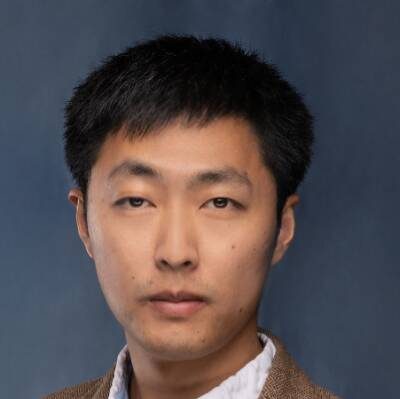
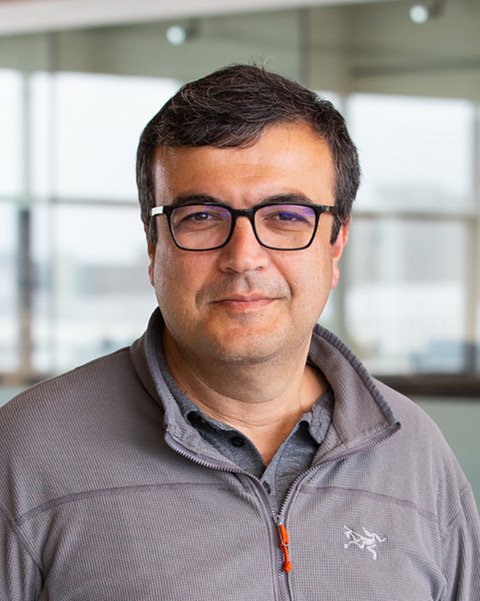
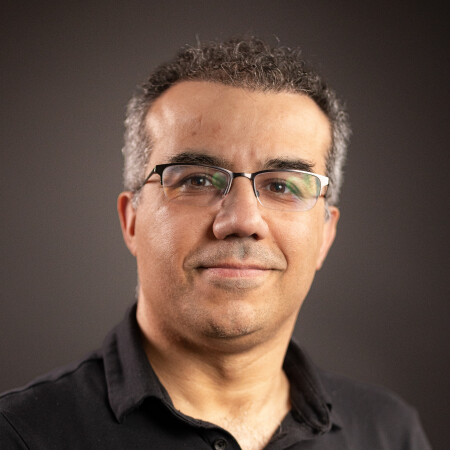
Michael Webster is a Professor of Psychology at the University of Nevada, Reno, serving as Co-Director of the Graduate MS/PhD Neuroscience Program and Undergraduate BS Neuroscience Program, and Director of the NIH-funded COBRE for Integrative Neuroscience. His research focuses on visual perception, particularly how perception adapts to environmental and physiological changes. He leads major initiatives like the $10 million COBRE grant establishing an fMRI facility and neuroscience programs. Education: Ph.D., Psychology, University of California, Berkeley (1988); B.A., Psychology, University of California, San Diego (1981). Research Interests: Cognitive neuroscience of vision, visual adaptation mechanisms, color and face perception, and cultural/environmental influences on perception. Notable contributions include discoveries about face adaptation, color constancy, and blur correction. His work is funded by NIH grants and recognized through awards like the Outstanding Researcher Award. Grants/Awards: NIH COBRE Directorship, foundation professorship, grants for radiology adaptation studies. His lab (Visual Perception Lab) explores neural and cognitive bases of visual processing.
Dr. Dierck Hillmann is an Associate Professor at the Faculty of Science, Department of Biophotonics and Medical Imaging, Vrije Universiteit Amsterdam. He holds a PhD in Holoscopy from Luebeck University (2013). His research focuses on advanced optical imaging techniques, particularly Optical Coherence Tomography (OCT), with applications in retinal imaging, functional signal analysis, and computational imaging. He is affiliated with the LaserLaB - Biophotonics and Microscopy research group. Key research areas include improving OCT resolution through holographic methods, functional imaging of retinal neurons and photoreceptors, and developing computational adaptive optics to enhance imaging quality. His work addresses challenges like speckle reduction, aberration correction, and real-time data processing in biomedical imaging. Dr. Hillmann’s contributions span over 37 publications, including innovations in full-field OCT, optoretinography, and phase-sensitive measurements. He teaches courses such as Computational Optical Imaging and Light-Tissue Interaction. His current project explores imaging individual retinal cells and their functions using advanced techniques. No scientific awards are explicitly listed, but his extensive publication record reflects significant academic impact. Students advised are not specified in the provided materials.
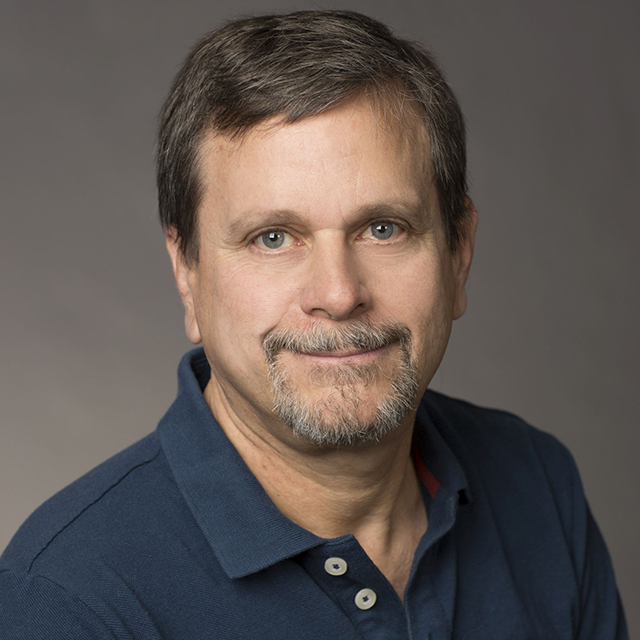
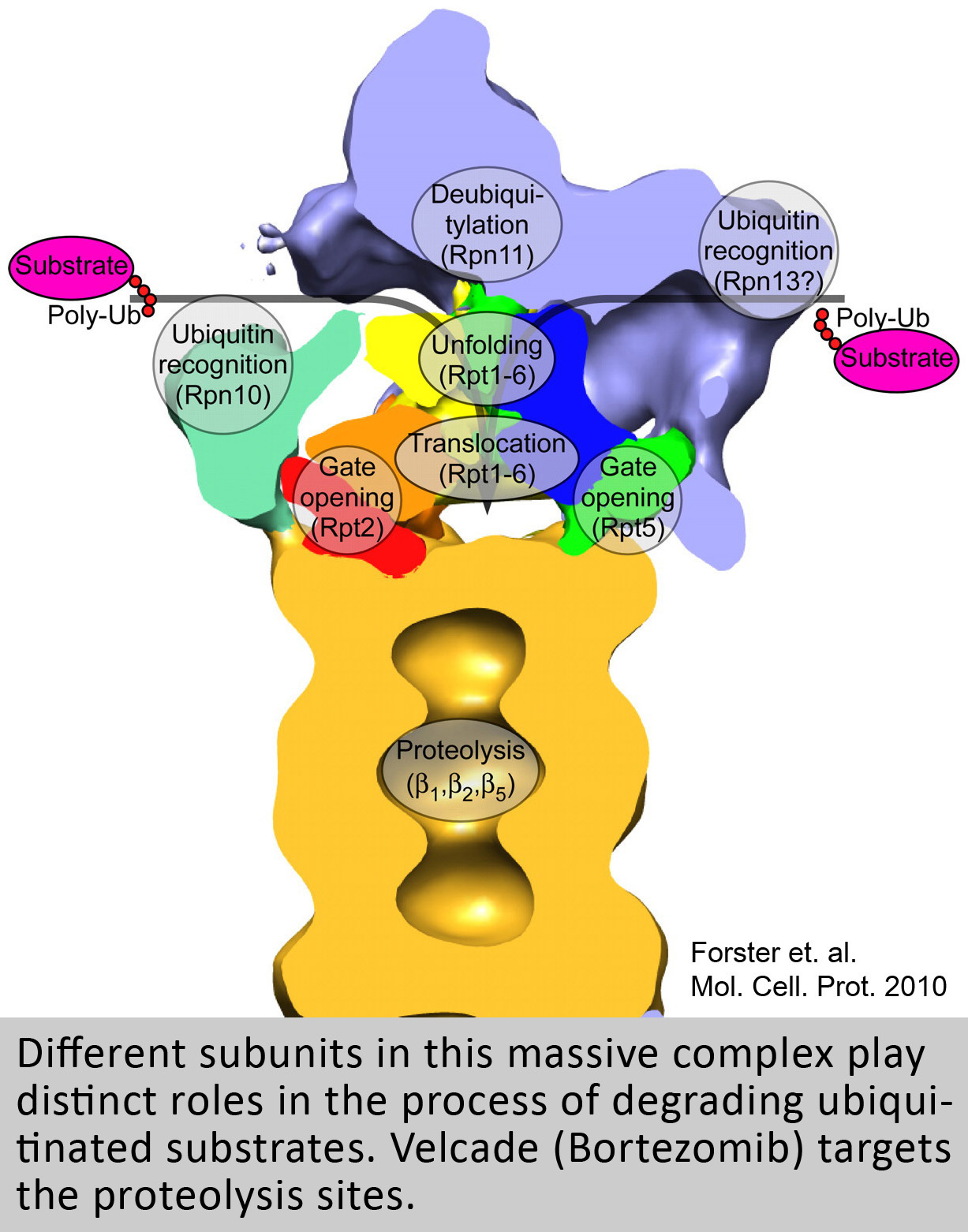
David M. Smith is a Professor at the West Virginia University School of Medicine , holding dual appointments in the Biochemistry and Molecular Medicine and Neuroscience departments. He is also a member of the WVU Cancer Institute and affiliated with the Rockefeller Neuroscience Institute . PhD from the University of South Florida School of Medicine Postdoctoral training at Harvard Medical School Research Focus : Molecular mechanisms of proteasome function, including substrate recognition, unfolding, and degradation. His work bridges fundamental enzymology with translational applications in cancer therapy and neurodegenerative diseases like Alzheimer's and Parkinson's. Key Article Trends : Recent publications emphasize proteasome activation mechanisms , neurodegenerative disease models , and structural insights into ATPase function . Grants : NIH R01 GM107129 (Mechanisms regulating proteasomal degradation), NIH R01 AG064188 (Proteasome function in Alzheimer's), and collaborations on projects like Protein-unfolding chaperones for blindness treatment . Lab Personnel : Includes graduate students Thomas Bradley, David Salcedo-Tacuma, Giovanni Howells, and Md Qamrul Islam, along with research technicians and undergraduates. Training emphasizes biochemical, biophysical, and computational techniques.
Professor Mihran Tuceryan is a Professor of Computer Science at Purdue University Indianapolis, affiliated with the Department of Computer Science within the College of Science. He holds a PhD from the University of Illinois at Urbana-Champaign (1986) and a BS from MIT (1978). His expertise spans Computer Vision, Image Processing, Pattern Recognition, and Augmented Reality. Recent research focuses on crime prediction via video analysis, forensic imaging, and distributed tracking systems. He is a Senior Member of IEEE and ACM. Key research interests include augmented reality integration for industrial training, real-time illumination modeling, and monocular SLAM algorithms. His work addresses challenges in photorealistic AR, dynamic object labeling, and medical imaging applications such as hepatic fibrosis detection. He has contributed to projects like the e-DOTS indoor tracking system and forensic 3D impression acquisition. His publications span over three decades, emphasizing real-world applications in security, healthcare, and robotics. Education: Bachelor of Science in Computer Science and Engineering, MIT, 1978 PhD in Computer Science, University of Illinois at Urbana-Champaign, 1986 Awards: Senior Member, IEEE Senior Member, ACM Labs/Teams: Focus on AR, SLAM, and medical imaging applications Collaborative frameworks for distributed visual SLAM
Dr. Zhengqing Hu is a tenured, full-time Professor in the Department of Otolaryngology – Head and Neck Surgery at Wayne State University School of Medicine. He holds joint appointments in the Department of Physiology/Cell Biology and has active research programs in stem cell-based hearing restoration. Dr. Hu's academic journey includes dual MD and PhD training in China, a second PhD at Karolinska Institute, Sweden, and postdoctoral work at the University of Virginia. Education : MD from Shanghai Medical University, PhD in neurotology from China, second PhD in cell replacement therapy at Karolinska Institute Grants : NIH R01, DoD grants, VA SPiRE, and Wayne State OVPR funding His research focuses on auditory synapse regeneration , epigenetic reprogramming for hair cell repair, and development of biological hearing restoration models . The Hu lab employs stem cell biology, in vitro and in vivo transplantation, advanced microscopy, and electrophysiology to investigate inner ear progenitor cell differentiation and neural integration. Recent publications highlight DNA demethylation strategies for hair cell regeneration and auditory neuron synaptogenesis. Dr. Hu serves on multiple NIH, VA, and international grant review panels. He teaches graduate courses in Stem Cell Biology , Molecular Physiology , and Cell Biology at Wayne State University, including directing the Embryonic Stem Cell Biology course. His lab's work aims to establish a Biological-EAR model for future hearing loss treatments.
Marc Sommer is a Professor of Biomedical Engineering and Psychology & Neuroscience at Duke University. He directs the Duke Institute for Brain Sciences and contributes to the Duke Initiative for Science & Society. His research focuses on neural circuits for cognition , particularly how the brain maintains visual perception and behavior through interactions between frontal cortex and subcortical regions. Key Techniques : Single neuron electrophysiology, optogenetics, psychophysics, computational modeling Translational Goals : Improving transcranial magnetic stimulation (TMS) and viral vector therapies for psychiatric and motor disorders Scientific Awards : Capers and Marion McDonald Award for Excellence in Teaching and Research (2021) Capers and Marion McDonald Award for Excellence in Mentoring and Advising (2017) Bass Fellow, Duke University (2017) Research Fellowship in Neuroscience, Alfred P. Sloan Foundation (2005) Marc Sommer's recent publications span visual stability across saccades , optogenetics in primates , TMS mechanisms , and viral vector applications . His work bridges cognitive neuroscience and biomedical innovation , with significant contributions to corollary discharge theory and neural circuit mapping . Lab Collaborations : Interdisciplinary partnerships across Duke University and external institutions, integrating engineering , neurobiology , and computer science to decode primate brain circuitry.
Robert G. Salomon is the Charles Fredrick Mabery Professor of Research in Chemistry at Case Western Reserve University and holds a secondary appointment as Professor of Ophthalmology in the Department of Ophthalmology & Visual Sciences. With a career spanning over four decades at Case Western since 1973, Dr. Salomon leads the Lipid Research Group focused on understanding the role of lipid oxidation in disease processes and developing new diagnostic tools and therapeutic strategies. Dr. Salomon received his B.S. in Chemistry from the University of Chicago in 1966, followed by a Ph.D. in Organic Chemistry from the University of Wisconsin in 1971. He completed postdoctoral studies at both the University of Wisconsin and Indiana University before joining Case Western Reserve University, where he progressed from Assistant Professor to his current named professorship. Dr. Salomon's research bridges chemistry, biology, and medicine with groundbreaking work on lipid oxidation products. His laboratory discovered critically important compounds including levuglandins and isolevuglandins - highly reactive oxidized lipids that contribute to disease through reactions with proteins and DNA. His work has established connections between lipid oxidation and conditions such as age-related macular degeneration, atherosclerosis, and cancer. The research employs a multidisciplinary approach combining organic synthesis, analytical chemistry, immunology, and cell biology to investigate disease mechanisms and develop potential interventions. Analysis of Dr. Salomon's recent publications reveals a continued focus on the biochemical and pathological effects of lipid oxidation products, particularly their role in retinal diseases and cancer. His work demonstrates how compounds like HOHA lactone and carboxyethylpyrroles contribute to disease mechanisms through protein modification, inflammation, and cellular dysfunction, with significant implications for understanding disease progression and developing targeted therapies. Mortar Board 'Top Prof' Award (2003) Cleveland Clinic Innovator Award (2006) Editorial Advisory Board, Chemical Research in Toxicology (2009-) Editorial Advisory Board, Journal of Lipids (2009-) Editorial Advisory Board, Organic Chemistry International (2009-) NIH Synthetic and Biological Chemistry A Study Section (2012-16) Director, Visual Sciences Research Center Tissue Culture & Hybridoma Core (2015-) Associate Editor, Free Radical Research (2019-) Dr. Salomon's Lipid Research Group operates from the Millis Science Center at Case Western Reserve University, working in a laboratory previously occupied by Nobel Laureate George A. Olah. His laboratory features extensive capabilities for HPLC analysis, radiochemical experiments, cell culture (bacterial and mammalian), immunological studies, organic synthesis, and tissue fractionation. Through strong collaborative interactions with biomedical researchers at the CWRU School of Medicine and the Cleveland Clinic Foundation, Dr. Salomon's research extends into sophisticated mass spectroscopic analyses, animal studies, and clinical investigations on human subjects.
Jungeun (Jenny) Won is an Assistant Professor of Research in the Department of Biomedical Engineering at the School of Engineering and Applied Sciences, University at Buffalo. Her research focuses on optical imaging , biomedical device development , medical image analysis , and artificial intelligence in OCT . She leads the Translational Biophotonics Laboratory , where she develops advanced OCT techniques for medical applications such as diabetic retinopathy , otitis media , and biofilm analysis . Contact: 215J Bonner Hall, Buffalo NY 14260, jungeunw@buffalo.edu Related Links: CV PDF , Google Scholar , Lab Website Her recent work involves high-resolution OCT for longitudinal studies on retinal degeneration, VISTA OCTA for blood flow analysis, and 3D motion correction algorithms to enhance image quality. She also explores multimodal imaging combining OCT with Raman spectroscopy for bacterial differentiation and microplasma-based therapies for ear infections.
Dr. Wei Shao is an Assistant Professor in the College of Medicine at the University of Florida, specializing in artificial intelligence applications in medical imaging. His work focuses on developing machine learning algorithms for medical image registration, segmentation, and diagnosis, with a particular emphasis on integrating these tools into clinical workflows. Dr. Shao holds a Ph.D. in Electrical and Computer Engineering from Stanford University (2022), preceded by M.S. degrees in Mathematics and Electrical and Computer Engineering from the University of Iowa (2019-2018). His postdoctoral training focused on deep learning and medical imaging. His research projects include: Machine learning algorithms for multimodal image registration and segmentation AI-driven disease diagnosis on medical images Integrating image processing into clinical practices Notable contributions include advancements in 3D medical image segmentation, text-guided models for radiology, and AI-enhanced micro-ultrasound for prostate cancer screening. His work bridges computational methods with clinical needs, aiming to improve diagnostic accuracy and patient care. Recent publications highlight innovations in diffusion models, vision-language integration for medical imaging, and robust artifact detection in 4DCT scans. These studies underscore his commitment to advancing AI-driven solutions in healthcare.
Roziana Ramli is an academic affiliated with Northumbria University, holding a PhD in Computer Science. Her research focuses on medical imaging techniques, cybersecurity in healthcare systems, and bio-inspired optimization algorithms. She has contributed to advancements in retinal fundus image registration and IoT security protocols. Her work integrates computer vision with biomedical applications, addressing challenges in healthcare monitoring and assistive technologies. Key research areas include federated learning in healthcare networks, prosodic feature analysis for language recognition, and secure communication for drone networks. Her systematic literature reviews and algorithmic innovations highlight her interdisciplinary approach to solving technical and clinical problems. Though no formal awards are listed, her active publication record from 1999 to 2024 demonstrates sustained academic engagement.
Ozgur Yilmaz is a Professor in the Department of Mathematics at the University of British Columbia (UBC). He is the Director of the Pacific Institute for the Mathematical Sciences (PIMS) and has held roles such as Interim Deputy Director at PIMS and Deputy Director at the Banff International Research Station (BIRS). His research focuses on applied harmonic analysis, signal processing, compressed sensing, and seismic signal processing. Education: PhD in Applied and Computational Mathematics from Princeton University (2001), B.Sc. in Mathematics and Electrical Engineering from Boğaziçi University (1997). Research Interests: Mathematical problems in analog-to-digital conversion, blind source separation, sparse approximations, compressed sensing, and their applications in seismic exploration. He has contributed to advancements in sigma-delta quantization, low-rank matrix recovery, and compressed sensing algorithms. Funding: Recipient of NSERC Discovery Grants, UBC Data Science Institute grants, and leadership in collaborative research groups (CRGs) on high-dimensional data analysis and applied harmonic analysis. His work bridges theoretical mathematics with practical applications in signal processing and AI-driven medical imaging. Students and Postdocs: Supervised numerous PhD and MSc students in areas like compressed sensing, seismic data reconstruction, and machine learning. Current advisees include Aaron Berk and Xiaowei Li. Former students hold positions at academic institutions and tech companies. Labs and Collaborations: Affiliated with UBC’s Data Science Institute (DSI), Centre for Artificial Intelligence Decision-making and Action (CAIDA), and the Institute of Applied Mathematics (IAM). Collaborates on projects integrating AI with scientific discovery, such as retinal biomarker identification using deep learning.
Mario Dipoppa is an Assistant Professor in the Department of Neurobiology at the University of California, Los Angeles. His research focuses on computational neuroscience, cortical adaptation, and neural circuit dynamics. Position: Assistant Professor, Neurobiology Email: mdipoppa@g.ucla.edu Research Interests: Mario's work explores how neural populations in the visual cortex adapt to sensory input, with a particular emphasis on the interplay between neural oscillations, synchrony, and cognitive functions like working memory. His recent studies investigate optimal coding strategies in visual adaptation, contextual modulation mechanisms, and the role of transcriptomic diversity in cortical interneuron function. Publications Trends: His research spans computational modeling of cortical networks, visual neuroscience, and neurogenetic analyses of brain circuits. Early work (2013-2016) focused on working memory mechanisms and neural oscillations, while recent studies (2022-2025) emphasize visual cortex adaptation, population coding, and cross-species circuit comparisons.
Baris Coskunuzer is a Professor in the Department of Mathematical Sciences at the University of Texas at Dallas (UT Dallas), part of the School of Natural Sciences and Mathematics. He holds a PhD from Princeton University (2004) and has held academic positions at institutions including Yale University, MIT, Boston College, and Koç University. His research focuses on Geometric Topology, Topological Data Analysis (TDA), and Machine Learning, with applications in medical imaging, drug discovery, and blockchain analysis. He has led multiple NSF-funded research grants and collaborates internationally. Education: PhD in Mathematics, Princeton University, 2004 M.S. in Mathematics, Caltech, 2001 B.S. in Mathematics, Bogazici University, 1999 Research Interests: Geometric Topology Topological Data Analysis Machine Learning Medical Imaging Blockchain Analysis Data Science Grants & Awards: NSF-DMS ATD Research Grant (2023–2026) NSF-DMS AMPS Research Grant (2022–2025) Young Scientist Award, Turkish Science Academy (2016) Fulbright Scholar Award (2014) Over 60 peer-reviewed publications in journals such as Communications on Pure and Applied Mathematics and NeurIPS Advising & Labs: Supervises a research group focused on Topological Machine Learning (TML) Collaborates on projects like Topo-ML for medical diagnostics and GraphPulse for temporal graph analysis
Xinyan Zhang is a Researcher in the Department of Cell Biology at Yale School of Medicine, Yale University. Her research focuses on understanding the molecular mechanisms of viral infections, particularly cytomegalovirus (CMV), and their interactions with host cellular processes such as autophagy and apoptosis. She investigates how viral infections trigger inflammatory responses and contribute to pathologies in organs like the retina and liver. Her work includes studies on the role of caspase-12 in retinal cell death during CMV retinitis, the impact of autophagy inhibition on viral replication, and the long-term ocular pathologies caused by neonatal CMV infection in mice models. She also explored adipokine involvement in Kawasaki disease and meta-inflammation in obese children during her graduate studies. Zhang collaborates with mentors Dr. Feng Fang (pediatric infectious disease expert) and Dr. Ming Zhang, contributing to interdisciplinary projects at the Su Lab. Her research integrates molecular biology, immunology, and clinical insights to address translational challenges in virology and infectious diseases.
Michael Brown is a Professor of Chemistry and Physics at the University of Arizona, holding a joint faculty appointment. His research focuses on atomic, molecular, and optical physics, biological physics, and nuclear physics. He holds a Ph.D. from the University of California at Santa Cruz (1975). His work explores membrane protein dynamics, lipid interactions, and the role of hydration in G-protein-coupled receptor (GPCR) activation. He employs advanced techniques like solid-state NMR, femtosecond X-ray scattering, and quantum mechanical/molecular modeling. Education: Ph.D., 1975, University of California at Santa Cruz Research interests emphasize understanding how lipid membranes, cholesterol, and water modulate protein function. Key areas include rhodopsin activation mechanisms, antimicrobial peptide interactions, and membrane stiffening effects of cholesterol. His interdisciplinary work bridges computational simulations and experimental techniques. Recent articles highlight studies on lipid-protein interactions, rhodopsin activation dynamics, and membrane mechanics, showcasing his focus on ultrafast biophysical processes and structural biology. Awards: None explicitly stated in provided texts. Advising and grants: No student advisees or grant details listed. Collaborations are central to his research, as seen in joint projects on lipid membranes and GPCRs.