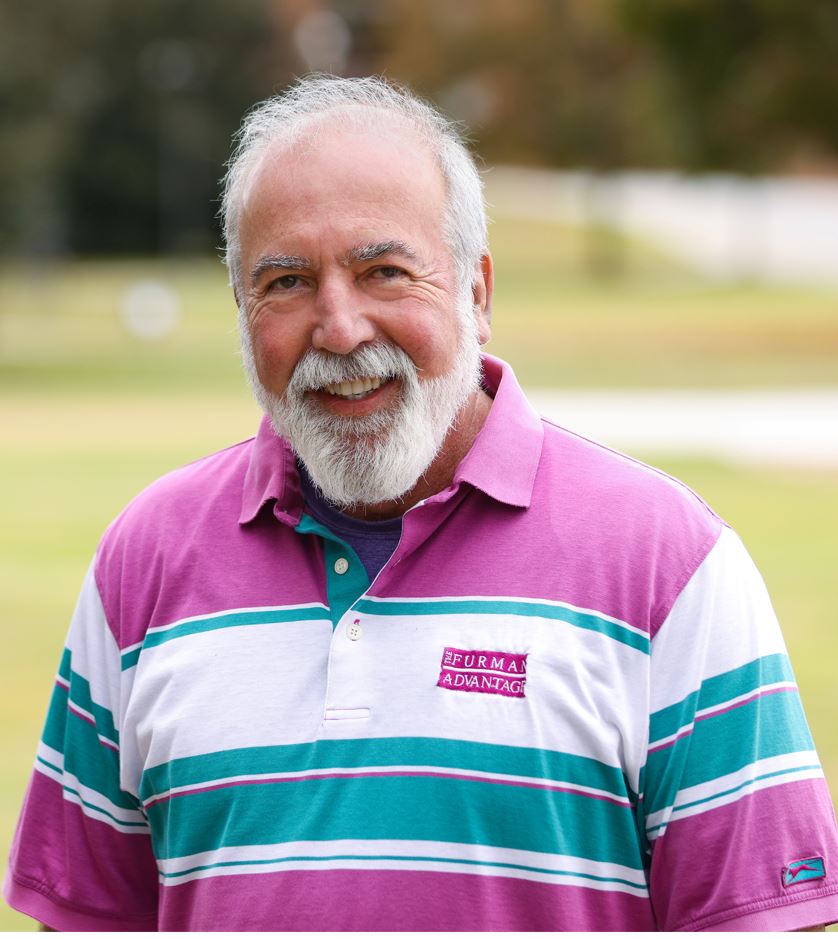
Anthony Caterisano is a Professor of Health Sciences at Furman University, with over 35 years of academic and athletic leadership. He holds a Ph.D., M.A., and B.S. from The University of Connecticut, SUNY, and UNC Chapel Hill. His research focuses on exercise physiology, resistance training, and sports medicine, with notable publications in journals like Medicine and Science in Sports and Exercise . Dr. Caterisano is a Fellow of the American College of Sports Medicine (FACSM) and has authored/co-authored books on football training and resistance techniques. He has served as wrestling coach at Furman, Spartanburg Methodist College, and currently coaches at Wade Hampton High School. As a competitive powerlifter, he has secured 16 South Carolina state titles, 10 national titles, and 10 world gold medals in masters-level competitions. His work bridges scientific research and practical application, with grants and presentations on topics like strength training methodologies and cardiovascular adaptations. Key contributions include studies on Tsunami Barbell training, metabolic responses to exercise, and core muscle engagement. His awards reflect both academic excellence and athletic achievement, while his grants and presentations underscore his commitment to advancing sports science.
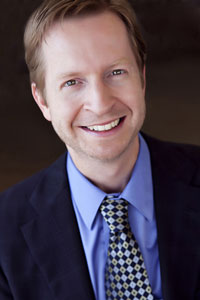
Matthew Garver is a Professor and Chair of the Department of Nutrition, Kinesiology, and Health at the University of Central Missouri (UCM). He joined UCM in Fall 2016 after completing his Ph.D. in Exercise Science at The Ohio State University and teaching for five years in Abilene, Texas. Education: Ph.D. in Exercise Science (The Ohio State University) Garver’s research focuses on applied human performance, with emphasis on resistance training, interlimb asymmetry in athletes, and the intersection of exercise science with diversity, equity, and inclusion (DEI). His work spans collegiate sports, track and field, and health interventions for special populations. Recent publications highlight his exploration of artificial intelligence in sport science ethics, DEI initiatives in exercise research, and position-specific training in collegiate female soccer. His studies also address exercise-induced bronchoconstriction, biomechanical asymmetry in American football players, and affective responses to resistance training. Garver has contributed to understanding physical activity’s role in older adults, particularly patients with knee osteoarthritis, through the IMPACT-P trial. His interdisciplinary approach bridges kinesiology, physiology, and social science in promoting health and athletic performance. At UCM, he teaches courses in Kinesiology and leads research initiatives aimed at optimizing human performance and health outcomes through evidence-based strategies.
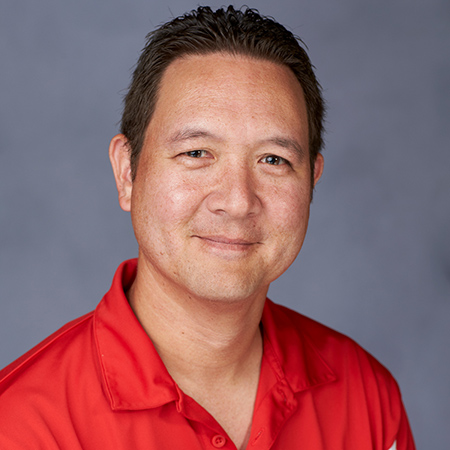
Professor Guy Williams is a leading academic at the University of Cambridge with a focus on imaging science and clinical neurosciences, affiliated with Downing College and the Wolfson Brain Imaging Centre . Holding a PhD in Physics from his initial Natural Sciences degree, he specializes in nuclear magnetic resonance (NMR) and MRI techniques for brain imaging. Education: BA, PhD in Physics His research centers on non-invasive imaging of brain structure and function, particularly in traumatic brain injury (TBI) and dementia. His work involves developing novel MRI pulse sequences and advanced data analysis algorithms, including AI-based diagnostic tools. He leads studies on white matter integrity post-trauma, longitudinal dementia assessment, and applications of MRI in disorders of consciousness and addiction. Recent publications highlight collaborations in traumatic brain injury outcomes, AI-guided dementia prediction, and neuroimaging of post-COVID cognitive deficits. His team's work on ultra-high field laminar fMRI and distortion correction methods has advanced clinical neuroscience applications. Key techniques include diffusion tensor imaging (DTI), 7 Tesla MRI, and positron emission tomography (PET/MR). His research spans from basic NMR physics to clinical translation, with a strong emphasis on multi-site studies and real-world diagnostic implementation.
Dr. Bill Sheel is a Professor and Distinguished University Scholar at the School of Kinesiology, University of British Columbia. His research focuses on the integrative physiology of exercise, particularly respiratory and cardiovascular interactions. Email: bill.sheel@ubc.ca Office: Chan Gunn Pavilion, Room 221B, Vancouver, BC Lab: Health and Integrative Physiology Laboratory Research Interests: Dr. Sheel investigates respiratory physiology during exercise, cardiovascular modulation by breathing patterns, and human performance optimization. His work spans elite athletes, aging populations, and clinical applications. Publication Trends: Recent studies include pulmonary mechanics in exercise physiology, respiratory muscle training applications, and socio-cultural factors in sports science. Collaborative works address aging interventions and environmental influences on athletic performance. Scientific Recognition: Distinguished University Scholar, UBC Laboratory & Collaborations: Leads the Health and Integrative Physiology Laboratory at UBC, focusing on respiratory-cardiovascular integration and exercise tolerance mechanisms.
Michael Kjær is a Clinical Professor at the Department of Clinical Medicine, University of Copenhagen, Faculty of Health and Medical Sciences. He specializes in Internal Medicine: Rheumatology and leads research groups focused on exercise physiology, sports injuries, and aging. His work addresses the impact of physical activity on the human organism, with particular emphasis on tissue damage and repair mechanisms. Dr. Kjær's primary research interests center around sports medicine, physiology, and exercise science. His work investigates tendon pathology, muscle physiology, sports injuries, and the effects of exercise on aging populations. He has made significant contributions to understanding sports-related injuries, particularly tendon overuse conditions, and the physiological responses to physical activity across different age groups. His recent publications (2025) demonstrate a strong focus on tendon research, sports injury treatment dilemmas, effects of anabolic steroid abuse, muscle physiology, and bone health in athletes and older adults. The research spans from basic science investigations of cellular mechanisms to clinical studies addressing practical sports medicine challenges. His work shows particular strength in connecting molecular and tissue-level changes with clinical outcomes in sports medicine. With 415 research outputs including 369 journal articles, 15 book chapters, and 15 reviews, Dr. Kjær maintains an active research program with substantial impact. His work has been referenced in Wikipedia pages, cited by Bluesky users, and picked up by news outlets, demonstrating its relevance to both academic and public discourse. Dr. Kjær leads multiple research groups within the Center for Healthy Aging Damage and Repair at the Department of Clinical Medicine. His laboratory work focuses on tissue response to injury and exercise, particularly examining tendon and muscle physiology using both in vivo and in vitro approaches. His research bridges basic science with clinical applications in sports medicine and rehabilitation.
Matthew Santa serves as Professor of Music Theory and Chair of the Music Theory and Composition Area at Texas Tech University School of Music, with prior teaching appointments at Queens College and Hunter College. His leadership shapes curriculum development and academic initiatives within the department. Academic credentials include advanced degrees from Louisiana State University and The City University of New York, establishing foundational expertise in theoretical frameworks and analytical methodologies. Research focuses on post-tonal analysis , diatonic set theory , and parsimonious voice leading , bridging complex theoretical concepts with practical pedagogy. His work integrates popular music analysis and metrical studies, emphasizing accessibility for diverse learners through innovative teaching resources. Publications demonstrate evolving scholarly trends from late-20th century set theory toward contemporary applications in musical form and rhythm. Recent textbooks synthesize Rothstein, Krebs, and Mirka's theories into unified analytical approaches for undergraduate and graduate education. Scientific recognition includes: MTSNYS Young Scholar Award (1998) Mentorship encompasses graduate and undergraduate students across composition and theory disciplines, though specific advisees aren't documented in source materials. No grant funding details appear in available records. Collaborative projects include the Flute/Theory Workout series with Lisa Garner Santa and Thomas Hughes, blending performance technique with theoretical concepts through MIDI accompaniment systems.
Valerie Viet Triem Tong is a Research Professor at the Paris Institute of Electrical and Electronic Engineering, School of Electrical and Electronic Engineering. She has established herself as a leading researcher in cybersecurity with a particular focus on information flow control systems, Android security, and malware analysis. Her work spans both theoretical foundations and practical security tools development. Her research interests center on Information Flow Control , where she has developed frameworks for monitoring and enforcing security policies at both operating system and application levels. She has made significant contributions to Android Security , creating tools for detecting malicious behavior in mobile applications and addressing privacy concerns in smartphone environments. Her work in Malware Analysis includes developing advanced techniques for tracking and visualizing malware behavior, with emphasis on evasive Windows malware and Android malware in the wild. She also investigates Peer-to-Peer Network Security , focusing on Sybil attack resistance and distributed identity management. Analysis of her publication record reveals a consistent trajectory from foundational work in information flow theory to increasingly applied security research. Her recent work shows a strong emphasis on practical security tools (DaViz, GUI-Mimic, BAGUETTE), security evaluation methodologies (Digital twin, CERBERE), and addressing contemporary challenges in malware analysis (debiasing datasets, handling obfuscated applications). A notable trend is her integration of visualization techniques with security analysis to make complex security data accessible to both experts and machine learning systems. As an advisor, she has mentored numerous researchers who have become first authors on significant publications, including Radoniaina Andriatsimandefitra, Tomás Concepcion Miranda, and Cedric Herzog. Her research has been supported by multiple grants focused on cybersecurity infrastructure, though specific grant details are not provided in the available information. Dr. Tong is actively involved with the CIDre security research group in Rennes, contributing to collaborative projects that bridge theoretical security models with practical implementation challenges. Her work on information flow monitoring has evolved from basic research to applied systems that address real-world security concerns across multiple platforms.
Professor Holly Thorpe is a Professor of Sociology in Te Huataki Waiora / School of Health at the University of Waikato, specializing in Sport and Human Movement. She serves as Associate Dean Research in the Division of Health PVC Office and is an internationally recognized sociologist of sport, physical culture and gender whose work has earned prestigious fellowships and awards including Fulbright, Leverhulme, and Royal Society honors. Her educational background includes a PhD from the University of Waikato and Papa Reo Level 1 certification from Te Wananga o Aotearoa, reflecting both academic excellence and cultural engagement with Māori language and knowledge systems. Professor Thorpe's research centers on equity and inclusion in sporting cultures, with particular attention to women's health and wellbeing, sport and gender, and the impact of social media on athletic experiences. She employs critical and feminist theoretical frameworks with expertise in qualitative methods to examine how sport, physical activity, and health intersect in rapidly changing social landscapes. Her work spans gender studies, feminist methodologies, sports science, sociology of health, and digital media studies within sporting contexts, with a strong commitment to community-engaged research. Her extensive publication record reveals consistent thematic focus on contemporary issues including menstruation in sport, digital technologies and athlete experiences, pandemic impacts on wellbeing, and the gendered dimensions of mega-sport events. Her work frequently employs intersectional analysis and collaborates across disciplines to address complex questions about embodiment, identity, and social change in sporting cultures, particularly as they relate to women and marginalized communities. Professor Thorpe's significant scholarly recognition includes: Royal Society Early Career Research Excellence Award for Social Sciences (2018) Fellow of the North American Society for the Sociology of Sport (2018) Royal Society James Cook Fellowship for a two-year project focused on women's wellbeing through and beyond pandemic (2021) She actively supervises students and has secured substantial research funding including the Te Punaha Matatini CORE Research Institute project 'Youth Wellbeing in Uncertain Times: The Voices of Rangatahi from Flood-Effected Tairāwhiti Gisborne' (2023-2025). Professor Thorpe collaborates extensively with international and national sports organizations including the International Olympic Committee, High Performance New Zealand, Sport New Zealand, Skateistan, and Voice in Sport to ensure her research has real-world impact on policy and practice. She serves as Series co-editor for 'New Femininities in Digital, Physical and Sporting Cultures' and maintains active media engagement through The Conversation and other outlets. Professor Thorpe leads several significant research initiatives including 'Reimagining Fields of Play' (2023) and co-organized the 'Gender, Health and Wellbeing Symposium' (2022), demonstrating her commitment to creating spaces for critical dialogue about sport, gender, and health while advancing culturally responsive methodologies that center Indigenous and diverse perspectives.
Emmanuel Stamatakis is a Professor of Physical Activity, Lifestyle, and Population Health at the University of Sydney's School of Health Sciences (Faculty of Medicine and Health). He holds NHMRC Leadership Fellowships (2021-2025 and 2026-2030) and leads the Charles Perkins Centre's Physical Activity & Exercise Theme. His research focuses on lifestyle behaviors' impacts on cardiometabolic conditions, cancer, and cardiovascular health, using large-scale cohort studies and wearable device data. Key roles include directing the Mackenzie Wearables Research Hub and co-chairing WHO's Physical Activity Guidelines Development Group. Education: PhD from University of Bristol (2003), post-doctoral training at University College London. He leads the ProPASS consortium, involving 45 cohorts with wearable data. Over 460 peer-reviewed publications, including Clarivate's Highly Cited list since 2019. Research interests integrate physical activity, sedentary behavior, and sleep analytics with clinical outcomes. Current projects explore wearables-based measurement innovations, SPAN (sleep-physical activity-nutrition) synergies, and intervention designs for GLP-1 receptor agonist users. Recent articles emphasize VILPA (vigorous intermittent lifestyle physical activity) benefits, sleep-cardiovascular links, and multimodal lifestyle optimization. Awards include Australia's Top Researcher in Sports Medicine and multiple NHMRC grants. Supervises PhD projects on physical activity measurement and intervention design. Active in 50+ peer-reviewed journals and national/international funding bodies.
Joshua D. Rabinowitz is a Professor of Chemistry and the Lewis-Sigler Institute for Integrative Genomics at Princeton University, where he also serves as Director of the Ludwig Princeton Branch. His research focuses on achieving a quantitative, comprehensive understanding of cellular metabolism, with applications in both basic science and medical research. Dr. Rabinowitz's research interests span multiple areas of metabolism and systems biology: Quantitative analysis of metabolic networks and regulation Metabolomics and measurement of metabolite concentrations and fluxes Cancer cell metabolism and therapeutic targeting Metabolic regulation in microbes (E. coli, Saccharomyces cerevisiae) Biofuel production (focusing on Clostridium acetobutylicum) Metabolic impact of pathogen infection (viral infection of human cells) His laboratory has developed innovative methods for measuring cellular metabolites using state-of-the-art mass spectrometry technology and approaches for quantitating metabolic fluxes through isotope-labeling data interpretation. Analysis of recent publications reveals a strong focus on NAD+ metabolism, cancer metabolism, metabolic adaptations in disease states, and the intersection of metabolism with immunology and neuroscience, particularly in areas like T cell metabolism, Alzheimer's disease, and cardiac function. Dr. Rabinowitz has received recognition as a Highly Cited Researcher by Web of Science, indicating significant impact in his field. He advises several graduate students and has mentored numerous alumni, including Michel I. Nofal, Edmundo Leiva III, and Sean Hackett. His research is supported by multiple programs including NIH NHGRI Training Program and QCB Graduate Program. The Rabinowitz Lab operates at the intersection of chemistry, biology, and computational science, with all projects involving a mix of biological experiments, metabolomics, and computation to achieve their goal of a holistic understanding of cellular metabolism.
Gustavo Nader, Ph.D., is a Professor of Kinesiology at The Pennsylvania State University's College of Health and Human Development, where he holds the Dorothy Foehr Huck and J. Loyd Huck Endowed Chair in Molecular, Cellular and Integrative Physiology. His research laboratory at 101 Noll Lab focuses on molecular mechanisms of skeletal muscle adaptation, employing human, animal, and cellular models to investigate ribosome biogenesis, transcriptional regulation, and muscle growth control in contexts ranging from exercise hypertrophy to cancer cachexia. Dr. Nader's research examines fundamental processes including: Ribosome biogenesis and its role in muscle growth regulation Epigenetic control of RNA Polymerase I activity Molecular pathways in mechanical overload-induced hypertrophy Tumor-induced muscle wasting mechanisms Biomimicry approaches inspired by hibernator physiology His work spans exercise physiology, cancer biology, and environmental stress responses. Analysis of his 15 most recent publications (2015-2025) reveals predominant themes in muscle hypertrophy mechanisms, cancer cachexia pathophysiology, ribosomal function analysis, and environmental stress impacts on muscle. His work consistently integrates molecular techniques with physiological models across species. Notable scientific recognitions include: Dorothy Foehr Huck and J. Loyd Huck Chair appointment (2024) Huck Institutes Leadership Fellowship (2025-2026) Dr. Nader leads an active research team investigating muscle plasticity, with current projects funded through the Huck Institutes of the Life Sciences. He collaborates extensively through Penn State's Integrative and Biomedical Physiology graduate program and Center for Cellular Dynamics.
Dr. James W. Navalta is an Associate Professor in the Department of Kinesiology and Nutrition Sciences at the University of Nevada, Las Vegas. His research focuses on physiological responses to outdoor exercise (hiking, trail running) and the validity/reliability of wearable technology. He earned his B.S. in Physical Education and Biology from Brigham Young University–Hawaii, M.S. in Kinesiology from UNLV, and Ph.D. in Exercise Physiology from Purdue University. Education: B.S. - Physical Education & Biology, Brigham Young University–Hawaii M.S. - Kinesiology, University of Nevada, Las Vegas Ph.D. - Exercise Physiology, Purdue University His research portfolio includes: Wearable technology validation for physiological measurements Comparative studies of indoor vs outdoor exercise environments Impact of gender-inclusive approaches on sports science Metabolic and cardiovascular responses to unconventional workouts Psychological benefits of nature immersion Recent publications demonstrate expertise in: Wearable device accuracy testing VO2max and lactate threshold validation Environmental influence on exercise physiology Methodological improvements in data collection Gender-inclusive research design Outdoor activity impact assessment As co-founder and executive editor of the International Journal of Exercise Science, he contributes significantly to academic discourse. He also serves on editorial boards for journals related to digital health and exercise technology.
Chris Till is a Senior Lecturer in Sociology at Leeds Beckett University, specializing in the intersection of digital technologies, health practices, and social theory. His academic work critically examines how digital health technologies mediate contemporary social relations and subject formations within capitalist structures. Dr. Till's educational background includes studies at Nottingham Trent University and the University of Leeds. His research primarily focuses on self-tracking devices, corporate wellness programs, and the sociological implications of digital health technologies within contemporary capitalism. His scholarly work reveals consistent themes around digital labor, biopolitical control through health technologies, and the transformation of exercise and wellness practices into forms of labor under financialized capitalism. Till's research demonstrates how seemingly personal health tracking practices become integrated into broader systems of capital accumulation and social control. His publications show a clear trajectory examining the sociological dimensions of digital health, with particular attention to how corporate wellness initiatives transform individual health behaviors into productive labor for capital. The recurring themes across his work include the examination of self-tracking as a form of digital labor, the commercialization of bodies through wellness technologies, and the construction of new subjectivities within digital capitalism. As an educator, Till has developed academic writing tools to support student development, demonstrating his commitment to pedagogical innovation alongside his research interests in digital practices.
Angelica Lindén Hirschberg is a Professor of Obstetrics and Gynecology (specializing in reproductive medicine) at Karolinska Institutet and a Senior Consultant in gynecological endocrinology at Karolinska University Hospital. She holds dual roles in academic leadership and clinical practice, focusing on disorders of reproductive function, endocrine-metabolic dysfunction, and hormonal conditions in women. Her affiliations include the Department of Women’s and Children’s Health, Reproductive Endocrinology and Metabolism Research Group, and the Division for Neonatology, Obstetrics, Gynaecology, and Reproductive Health. Education and Career: MD (Karolinska Institutet, 1984) PhD (Karolinska Institutet, 1989) Professor in Obstetrics and Gynecology (2007) Board member of international societies (ISGE, EMAS) Research Focus: Her translational research spans PCOS, obesity-related reproductive dysfunction, premature ovarian insufficiency, and disorders of sex development. Projects include hormonal impacts on athletic performance, immune therapy for ovarian dysfunction, and endometrial cell biology. Collaborations involve national/international networks and clinical trials (e.g., PROBES trial). Publications: Recent work emphasizes PCOS pathophysiology, menopausal health, and hormonal interventions in athletes. Key trends include single-cell profiling of endometrium, immunomodulatory therapies for POI, and non-hormonal treatments for vasomotor symptoms. Awards: King’s Seraphim Medal (2018) 2016 Grand Prize in Sport Science Appointed Royal Gynecologist (2009) Teaching and Mentorship: Coordinates courses on reproductive endocrinology, supervises PhD students (e.g., Esin Ylmaz), and chairs the PhD Study Director at her department. Authored over 25 book chapters on women’s health and sports medicine. Grants and Labs: Secured Swedish Research Council funding for POI trials. Her lab integrates experimental (Bioclinicum) and clinical (Women’s Health Research Unit) research.
Vignesh Ram Somnath is a Professor in the Biosciences of Sports at the University of Hildesheim since 2018. Previously, he served as an Acting Professor (2016-2018) and Research Associate (2010-2016) at the Institute of Sports Science, German Sports School Cologne. His work bridges molecular biology with sports science, focusing on skeletal muscle adaptation. Current: University Professor W2, University of Hildesheim 2016-2018: Acting Professor, University of Hildesheim 2010-2016: Research Associate, German Sports School Cologne 2005-2007: Research Assistant, German Sports School Cologne Research Interests: Regulation of molecular signaling pathways in skeletal muscle Mechanoprotective mechanisms during exercise Protein degradation dynamics Optimization of training and nutrition in competitive sports Integration of molecular biology with traditional sports science Key Publications (2020-2017) demonstrate expertise in: Metabolomics of muscle hypertrophy AMPK signaling in training Mitochondrial adaptations Extracellular vesicle analysis Calcium signaling pathways