Joseph TzanopoulosView profile
Professor
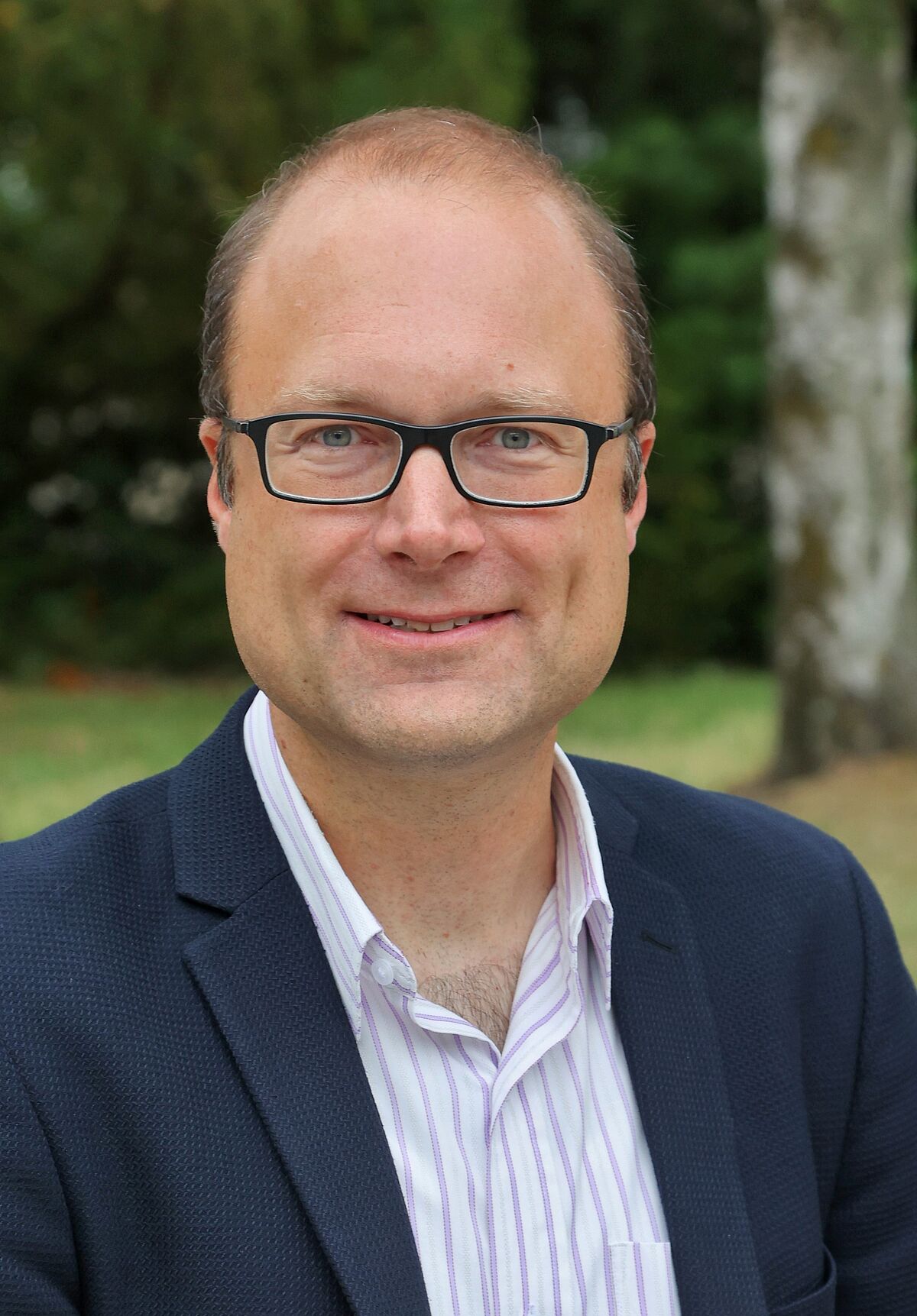
Professor Joseph Tzanopoulos is a Professor in Landscape Ecology and Biodiversity Conservation at the School of Ecology and Conservation , University of Kent , and serves as the Academic Lead for SEDarc. He is also a member of the Durrell Institute of Conservation and Ecology. His interdisciplinary research integrates ecological, geographical, and socio-economic perspectives to evaluate the impacts of policy and land-use change on biodiversity and rural sustainability. His educational background includes a BSc in Agricultural Sciences from the Agricultural University of Athens and a PhD in vegetation ecology from Imperial College London. Prior to his appointment at Kent, he held research fellow positions at Wye College, Imperial College London, Aristotle University of Thessaloniki, and the Centre for Agri-Environmental Research at the University of Reading. Professor Tzanopoulos’s research spans landscape ecology, biodiversity conservation, agricultural landscapes, land-use change, GIS, remote sensing, sustainability assessment, and environmental governance . He employs interdisciplinary methods to analyze drivers of change in complex land-use systems, with a focus on reconciling conservation with sustainable development. His recent publications reflect a strong trend in large carnivore conservation, human-wildlife conflict, agroecology, climate change perceptions, and landscape connectivity . Many studies apply spatial modeling and scenario analysis in regions such as Colombia, Oman, Southern Africa, and Europe, often in collaboration with interdisciplinary teams. He is actively involved in supervision, mentoring numerous PhD students on topics including jaguar conservation, lynx reintroduction, marine protected areas, and socio-ecological dynamics. He has also contributed to policy-relevant research and serves on the editorial board of Nature Conservation . His work is supported by collaborations across national and European-funded projects, emphasizing stakeholder engagement, participatory governance, and science-policy integration. He teaches undergraduate modules in geography and GIS, contributing to the training of future environmental scientists.