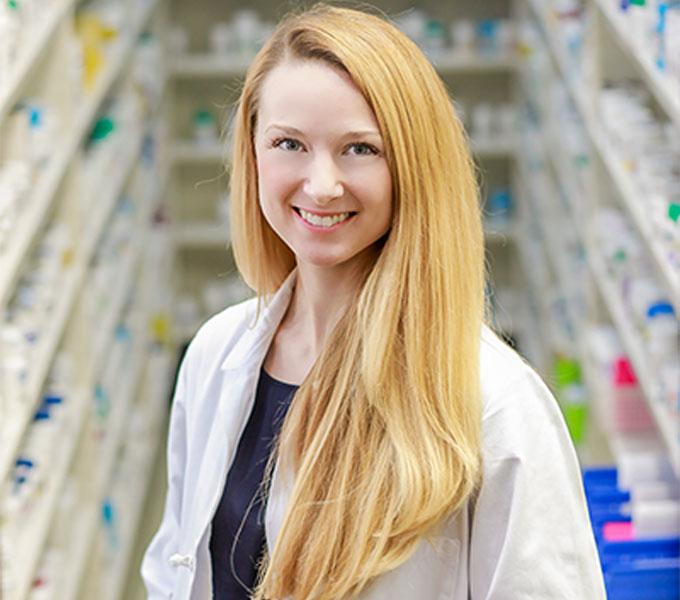
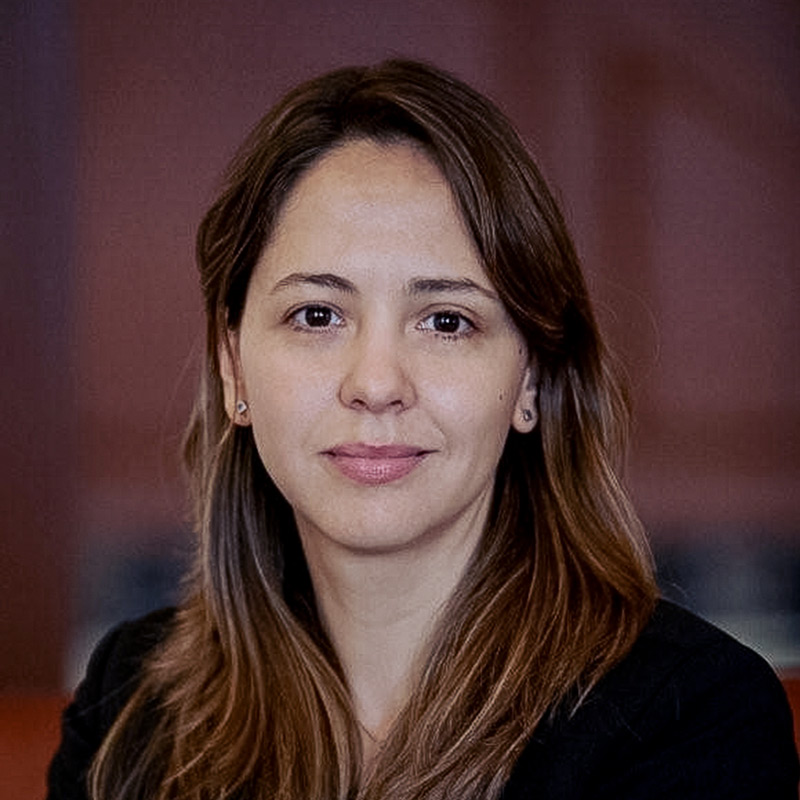
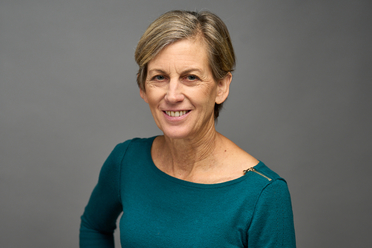
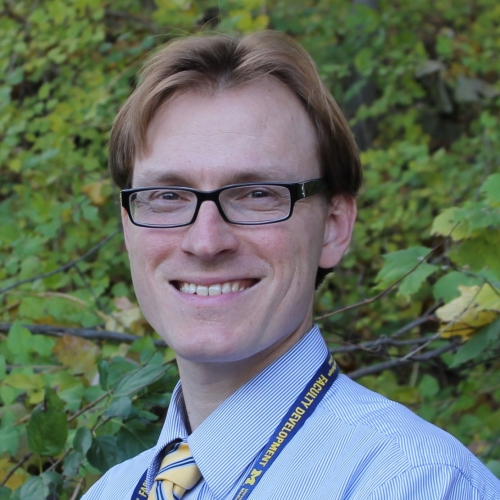
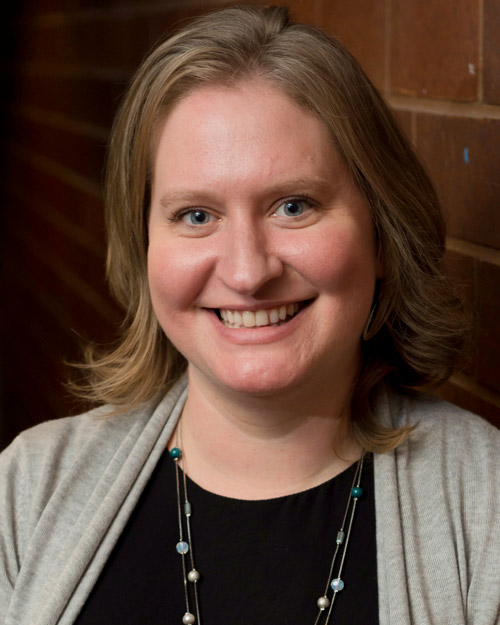
Dr. Olivia Lust is an Assistant Professor in the Department of Family and Preventive Medicine at the University of Oklahoma College of Medicine. She also serves as Associate Residency Program Director, Residency Education Director, and Clinical Medicine Course Assistant Director. She received her medical education at Texas College of Osteopathic Medicine and completed residency training at University of Oklahoma Family Medicine Residency Program. Her clinical and research interests focus on medical education innovation, obstetrics/women's health, pediatric care, and office-based procedures. Dr. Lust's work emphasizes curriculum development for medical training programs and clinical practice improvement. Outside academia, she enjoys live music, tacos, and traveling.
Dr. C. Kwang Sung is an Associate Professor of Otolaryngology — Head & Neck Surgery at Stanford University and holds a courtesy appointment in the Department of Music. He serves as the Residency Program Director in the Department of Otolaryngology and has administrative roles including Director of the Medical Student Clerkship. His clinical expertise includes voice disorders, laryngology, and airway management, with a focus on professional voice users and surgical techniques like phonomicrosurgery and laryngeal framework surgery. Education & Training: Bachelor's in Chemistry (Harvey Mudd College, 1989) MS in Organic Chemistry (University of Pennsylvania, 1992) MD (SUNY Downstate Medical Center, 2004) General Surgery Internship (Mount Sinai School of Medicine, 2005) Otolaryngology Residency (Mount Sinai School of Medicine, 2009) Laryngology Fellowship (Harvard Medical School/Massachusetts Eye and Ear Infirmary, 2010) Research & Scholarly Interests: Development of office-based laryngeal surgical methods Clinical outcomes in vocal fold pathology and glottic insufficiency Medical education curriculum development AI applications in vocal pathology detection (e.g., deep learning models) Awards & Recognition: Bay Area Top Doctors (2017-2024) Honor Award from American Academy of Otolaryngology (2023) Patient-Centeredness Honoree (Stanford Health Care, 2018-2019) Teaching & Mentorship: Course Director for Otolaryngology Grand Rounds Lecturer on vocal pedagogy in the Department of Music Advisor for medical students and residents Clinical Affiliations: Stanford Voice & Swallowing Center Veteran’s Administration Palo Alto Health Care System
Stephen C. Cannon, MD, PhD, is a Professor in the Department of Physiology at the David Geffen School of Medicine at UCLA. He holds academic appointments in Physiology and Molecular and Medical Pharmacology. His primary research focuses on ion channelopathies of skeletal muscle, investigating how ion channel mutations cause diseases such as periodic paralysis and myotonia. He has held leadership roles, including Chair of Physiology at UCLA and Associate Dean at UT Southwestern Medical Center. Education: B.S. and M.S. in Mechanical Engineering (Washington University, 1980), Medical Scientist Training Program at Johns Hopkins (MD and PhD). Residency at Massachusetts General Hospital and postdoctoral training with David Corey. Faculty positions at Harvard Medical School, UT Southwestern, and UCLA since 2015. Research Interests: Molecular mechanisms of ion channel mutations in muscle diseases, computational modeling of muscle excitability, and pre-clinical therapeutic strategies. Key discoveries include sodium channel defects in periodic paralysis and gating pore currents in calcium channels. Current projects explore exercise-induced triggers for periodic paralysis attacks. Awards: Over 20 awards, including the Biophysical Society Award (2022), MERIT Award (NIH, 2009), and multiple endowed chairs in neurology and neuromuscular disease. Lab: The Cannon Lab at UCLA focuses on ion channel dysfunction and develops mouse models to study disease mechanisms. Collaborations include translational research on drug repurposing for periodic paralysis treatment.
Dr. Danielle Kain is an Assistant Professor in the Division of Palliative Medicine at Queen’s University’s Department of Medicine (DOM). She currently serves as Interim Division Chair of Palliative Medicine and Clinical Director of Palliative Care at Providence Care Hospital. Additionally, she holds the role of President of the Medical Staff Association at Kingston Health Sciences Centre. Dr. Kain completed her medical degree at the University of Toronto in 2009, followed by Family Medicine and Palliative Medicine residencies at Dalhousie University. Her career includes roles at Dalhousie and the University Health Network before returning to Queen’s in 2018 to lead palliative care program expansion, integrating palliative care into outpatient clinics such as ALS, COPD/ILD, and lung cancer diagnostics. Her research focuses on palliative care integration and medical education innovation. She has pioneered curriculum design for Goals of Care and Serious Illness Conversations across undergraduate, postgraduate, and continuing medical education. Dr. Kain has been recognized for her teaching and clinical excellence, including the 2024 D. Laurence Wilson Award for Professionalism and multiple teaching awards from the Department of Medicine. Her scholarly work spans palliative care access optimization, end-of-life symptom management, and interprofessional collaboration. Recent publications address return-to-work strategies for cancer survivors, ultrasound training in residency programs, and cost-consequence analyses of genomic testing in oncology. She advocates for equitable palliative care models and has led quality improvement initiatives in care coordination.
Dr. Judson Brewer is a Professor of Behavioral and Social Sciences and an Associate Professor of Psychiatry and Human Behavior at Brown University. He serves as Director of Research and Innovation at Brown University’s Mindfulness Center. His work focuses on habit formation, addiction, and behavior change science, integrating mindfulness with neuroscience to develop clinical tools and digital therapeutics. Education: B.A. in Chemistry from Princeton University M.D./Ph.D. from Washington University in St. Louis (thesis: molecular mechanisms of stress hormone regulation of the immune system) Psychiatry residency at Yale University Research Interests: Dr. Brewer’s research explores how mindfulness training disrupts addictive processes by targeting neural reward pathways. Key areas include anxiety management, emotional eating, and smoking cessation interventions. He employs EEG neurofeedback, fMRI, and experience sampling to bridge basic neuroscience with real-world applications, emphasizing mobile health (mHealth) solutions for scalable behavior change. Recent Articles Trends: His latest work focuses on app-based interventions for healthcare professional burnout, feasibility trials in vulnerable populations (e.g., low-income HIV patients), and socio-ecological barriers to dementia prevention. He also validates mindfulness teaching criteria and investigates wearable technology for real-time habit disruption. Scientific Awards: While no formal awards are listed, Dr. Brewer’s TED talk on habit change was the 4th most viewed in 2016 with over 20 million views. His work has been featured on 60 Minutes , The New York Times , and Forbes . Advising and Grants: Dr. Brewer’s clinical trials and programs suggest active grant-funded research, though specific grants or advisees are not listed. His interventions target smoking cessation, anxiety, and eating behaviors, often involving interdisciplinary teams at Brown’s Mindfulness Center. Labs and Teams: He leads the Mindfulness Center’s research team and collaborates globally through the ENIGMA-Meditation consortium. His lab develops app-based programs, such as Craving to Quit (C2Q), and employs innovative methods like sensor reduction in EEG devices to improve neurofeedback applications.
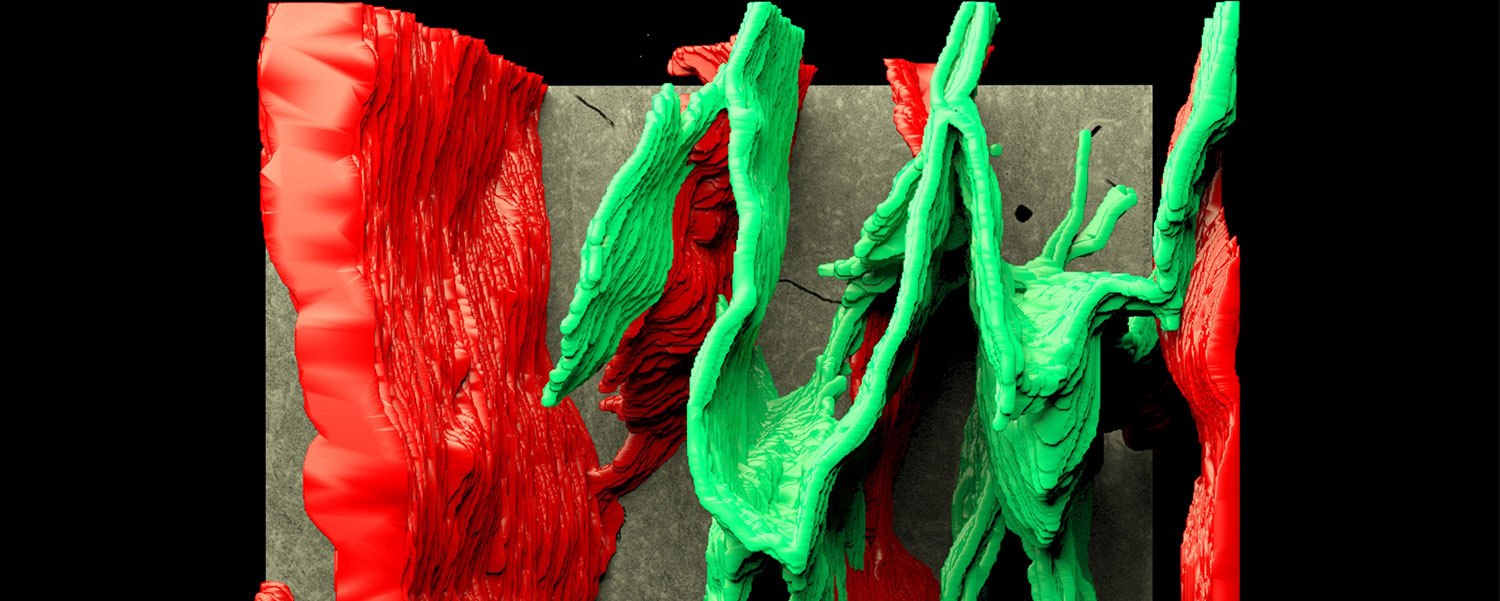
Jonathan I. Leckenby is an Assistant Professor in the Departments of Surgery (Plastic Surgery) and Neuroscience at the University of Rochester School of Medicine and Dentistry. He holds joint credentials and is affiliated with the UR Medicine Faculty Group and Accountable Health Partners. His research focuses on peripheral nerve regeneration, facial paralysis reanimation, and vascularized composite allotransplantation. He has been involved in groundbreaking work, including pioneering techniques like free functional platysma transfer for eye closure restoration and using 3D electron microscopy to study nerve regeneration. Dr. Leckenby’s academic journey includes degrees from King's College London and St. George's Hospital Medical School, followed by training in plastic surgery and postdoctoral research at Harvard under Jeff Lichtman. Education: Bachelor's in Basic Medical Science and Advanced Human Anatomy, King's College London M.B.B.S., St. George's Hospital Medical School Ph.D. in Neuroscience (postdoctoral, Harvard University) Research Interests: Dr. Leckenby’s lab investigates mechanisms to enhance peripheral nerve regeneration, reduce chemotherapy-induced neuropathy, and improve outcomes in facial paralysis surgery. His work integrates advanced imaging (e.g., diffusion MRI for facial nerve pathways) and 3D microscopy to visualize axonal behavior. Key projects include developing standardized outcome measures for facial reanimation and optimizing immunosuppression in transplant patients. Publications: His 2024 paper on rodent nerve regeneration models highlights advancements in repair techniques. Recent work includes systematic reviews on VCA complications and novel surgical techniques for facial paralysis. His research often bridges clinical practice and laboratory science, aiming to translate findings into patient care. Awards: Recipient of the CMSR Discovery Award (2021), W.G. Stuber Fellowship (2020), and the Wissenschaftpreis (2016). His contributions span international collaborations, including work in Switzerland and the U.S. Grants & Advising: Secured a Department of Defense grant for lymphatic system research in transplantation. Advised over a dozen students/postdocs, including Miranda Chacon and Scott Echternacht. His lab collaborates widely, focusing on translational medicine. Labs/Teams: Lead of the Leckenby Lab, which combines clinical innovation with basic science. Projects include developing an automated facial symmetry index (AFSI) and studying murine models for neuropathy prevention.
Joni Carroll is an Assistant Professor at the University of Pittsburgh School of Pharmacy and Lead Pharmacist at the Allegheny County Health Department. Her research focuses on healthcare equity, implementation science, and leveraging community pharmacists' roles in public health. She directs the Public Health Pharmacy Fellowship and mentors students, residents, and fellows on pharmacist-led patient care initiatives. Dr. Carroll holds a PharmD from the University of Pittsburgh School of Pharmacy, a PGY-1 pharmacy residency from the Stratton VA Medical Center, and a Pharmacist Practice Development Fellowship from the University of Pittsburgh. She is Board Certified in Ambulatory Care Pharmacy and advocates for arts in education through part-time dance teaching at Hill Dance Academy Theatre. Key research projects include opioid stigma education, pandemic vaccination strategies, and community pharmacy practice-based networks. She has received awards such as the 2022 Pharmacist Mutual Distinguished Young Pharmacist Award and led initiatives like the Pennsylvania STI test-to-treat program. Dr. Carroll’s work bridges clinical practice and research, emphasizing stakeholder collaboration and health equity. She actively participates in policy advocacy and community engagement to expand pharmacist responsibilities in public health crises and chronic disease management.
Andrea Mari Lluch is an Associate Professor at the Faculty of Management, University of the Andes, Colombia, and a researcher at the National Scientific and Technical Research Council of Argentina (CONICET). She is also a Full Professor at the National University of La Pampa, Argentina (currently on leave), and affiliated with Harvard University as a non-resident researcher at the David Rockefeller Center and associate of the Creating Emerging Markets Project at Harvard Business School. PhD in History, National University of the Center of the Province of Buenos Aires (2004) Bachelor of History, National University of La Pampa (1996) Her research focuses on the business and economic history of Latin America, especially Argentina, with emphasis on family businesses, multinational corporations, management education, and corporate networks in the 20th century. She explores the evolution of capitalism, entrepreneurial strategies, and the role of women and diasporas in business development. Her recent publications analyze climate change adaptation in the wine industry, trademark registration as a property rights strategy, and the transnational influences on management training in Argentina. Her recent scholarly output reveals a strong thematic focus on the historical development of Latin American capitalism, the interplay between foreign and domestic business actors, and the institutionalization of management knowledge. She frequently collaborates with international scholars and contributes to major edited volumes and high-impact journals in business history. Mérito al Valor Científico, Honorable Senate of Argentina (2018) Corresponding Member, Argentine National Historical Academy (2022) Lluch has advised doctoral students and leads the History and Entrepreneurship Research Group (GHE) at the University of the Andes. She has received research grants from Fulbright, CONICET, the National Agency for Scientific and Technological Promotion (Argentina), the Latin American Studies Association, and Harvard Business School. She co-founded the Business History Research Network and co-created the Foreign Companies in Argentina Database (FCAD). Her academic leadership includes former presidencies of the Argentine Association of Economic History (2017–2021) and the Business History Conference, USA (2021–2022).
Mitchell D. Feldman, MD, MPhil, is a Professor and Chief of the Division of General Internal Medicine at the University of California, San Francisco (UCSF) School of Medicine. He also serves as Associate Vice Provost for the UCSF Faculty Mentoring Program, underscoring his leadership in academic medicine and faculty development. His educational background includes a BA in Anthropology from Johns Hopkins University, an MPhil in Medical Anthropology from Cambridge University, and an MD from UCSF, where he also completed his residency in internal medicine. Feldman’s research is centered on mentoring in academic medicine, depression care in primary care, and reducing health disparities. His work explores how mentoring and sponsorship can promote equity in academic advancement and how institutional practices affect access to mental health treatment. He has investigated patient-physician communication, depression screening, and the impact of patient requests on clinical decisions. His recent publications (2020–2024) reflect a strong focus on telemedicine, depression screening equity, mentorship evaluation, and organizational culture change in response to physician burnout. These works appear in leading journals such as JAMA Internal Medicine , JAMA Network Open , and Journal of General Internal Medicine . Visiting Professor, Peking Union Medical College, Beijing, China, 2018 Elnora M Rhodes Service Award, Society of General Internal Medicine, 2017 Inducted into Academy of Medical Educators, UCSF, 2015 Best Doctors in America, 2014–2018 Robert H Crede Award for Excellence in Clinical Research, UCSF, 2013 Fellow, American College of Physicians, 2012 Fulbright Research Scholar, Kyoto, Japan, 2011–2012 Feldman has played a significant role in mentoring and faculty development, leading the UCSF Clinical & Translational Science Institute Mentor Development Program and publishing extensively on mentorship quality and evaluation. He has no known advisees listed in the provided texts. He is also deeply involved in editorial leadership as a long-time editor at the Journal of General Internal Medicine . He practices as a general internal medicine physician at UCSF’s Mount Zion campus, where he has been recognized for compassionate, thorough care over decades. He leads initiatives to improve primary care systems using Lean leadership principles and has contributed to understanding HIV care in global settings, particularly in Japan, Thailand, and Zambia.
Beth Griffiths, MD, MPH, is an Associate Professor in the Department of Medicine at the University of California, San Francisco (UCSF) School of Medicine. She provides primary care to adults and is deeply involved in medical education, health policy, and community advocacy. Associate Professor, Department of Medicine, UCSF School of Medicine Co-Associate Director of Training and Policy Programs, Philip R. Lee Institute for Health Policy Studies Education Lead, CTSI IMPACT Core Director of Advocacy and Community Engagement, Internal Medicine Residency Health Equity and Advocacy Pathway Community Engagement Liaison, School of Medicine Core Faculty, Healthforce Center at UCSF and National Clinician Scholars Program Dr. Griffiths holds the Gold-headed Cane Endowed Teaching Chair in Internal Medicine, reflecting her excellence in medical education. Her research and teaching focus on primary care, health policy, advocacy, medical education, and community engagement. She explores how physicians can be trained and assessed in advocacy, how health systems can support clinician well-being, and how evidence can be translated into policy. Her recent publications examine advocacy curricula for residents, valuation of primary care beyond financial metrics, and methods for assessing patient advocacy in medical training. Her work spans journals like The New England Journal of Medicine and Journal of General Internal Medicine , demonstrating a strong impact in both clinical and educational domains. Member, UCSF Haile T. Debas Academy of Medical Educators (2022) Excellence in Teaching Award, UCSF Haile T. Debas Academy of Medical Educators (2021) PISCES Outstanding Preceptor Award (2021) Robert H. Crede Award for Community Service (2021) Dr. Griffiths mentors medical students and residents through her roles as preceptor and educator. She leads policy and training programs and collaborates with researchers to influence health policy. Her work is supported through institutional roles and endowed positions rather than explicit grant funding mentioned in the text. She is active in multiple research and education centers at UCSF, including the Philip R. Lee Institute for Health Policy Studies, Healthforce Center, and the National Clinician Scholars Program, where she contributes to shaping the next generation of physician leaders in policy and advocacy.
Susan Kohl Malone is an Assistant Professor at the College of Nursing, New York University (NYU), where she conducts research on chronic disease prevention, with a focus on sleep, circadian rhythms, and cardio-metabolic health. She is actively involved in funded intervention studies, including those addressing metabolic syndrome and prediabetes, and accepts PhD students into her research program. PhD, University of Pennsylvania MSN, University of Pennsylvania BSN, Georgetown University Postdoctoral Fellowship, Center for Sleep and Circadian Neurobiology, University of Pennsylvania Her research centers on how timing and rhythmicity of lifestyle behaviors—such as sleep, eating, and physical activity—affect health outcomes. She investigates circadian disruption, social jet lag, and sleep variability in diverse populations, from adolescents to older adults, using both actigraphy and population-level data. Her work bridges nursing science, public health, and behavioral medicine, with applications in diabetes, obesity, and cardiovascular disease prevention. Her recent publications (2023–2024) show a strong trend in examining the interplay between sleep timing, metabolic health, and social determinants. Themes include the impact of automated insulin delivery on sleep, the role of social isolation in insomnia, and how variability in sleep and eating patterns contributes to subclinical atherosclerosis. Her research increasingly integrates real-world, free-living data and emphasizes health equity. Marion R. Gregory Award (2015) Heilbrunn Nurse Scholar Award (2014) Research Poster Winner, National Association of School Nurses (2013) Leadership Identification Scholarship (1985) Susan Kohl Award, Georgetown University Susan Malone has been principal investigator on multiple NIH-funded projects, including NYU’s P20 Exploratory Center for Precision Health in Diverse Populations. She leads a randomized controlled trial on sleep and glycemic control in prediabetes and has developed culturally appropriate recruitment strategies for diverse research populations. Her work is supported by grants from the National Institute of Nursing Research and other federal agencies. She is a member of several professional societies, including the American Academy of Nursing, Sleep Research Society, and Society for Research in Biological Rhythms. She leads a research team focused on behavioral interventions that incorporate circadian principles to improve chronic disease outcomes. Her lab uses actigraphy, continuous glucose monitoring, and mixed-methods approaches to study sleep, metabolism, and behavior in real-world settings.
Michael M McKee is a Professor of Family Medicine and Professor of Physical Medicine and Rehabilitation at the University of Michigan Medical School, serving as Disability Fellowship Director and leading the MDisability program to advance disability-inclusive healthcare. His educational background includes: Family Medicine Residency, Palmetto Health Richland, Columbia, SC (2004) Research Training in Preventive Cardiology, University of Rochester Medical Center (2010) Dr. McKee's research centers on healthcare disparities for deaf and hard of hearing populations, health literacy, communication barriers, and disability health equity. He develops interventions to improve accessibility through telemedicine, interpreter services, and policy advocacy, emphasizing patient-centered solutions for marginalized communities. His 2024-2025 publications reveal a cohesive focus on disability health across diverse contexts: digital health tools for physical/visual disabilities, cervical cancer screening disparities, preconception care for mobility disabilities, operating room communication challenges, and maternal health outcomes for deaf women. These studies employ mixed-methods approaches to expose systemic barriers and pioneer accessibility innovations. No individual scientific awards are listed, though the MDisability program he directs received a University of Michigan Catalyst Award for disability-inclusive healthcare education. Dr. McKee mentors through the Disability Fellowship and directs MDisability's initiatives, including the Disability Health Elective for medical students. The program partners with the Institute for Healthcare Policy and Innovation to develop curriculum frameworks adopted nationally at the ACGME Summit. As a Center Member of the e-Health and Artificial Intelligence Initiative, he integrates technology with disability health research. MDisability's sixth-year expansion includes community outreach programs addressing hospital accessibility, interpreter utilization, and telehealth equity for disabled populations.
Natalie Bonfine, Ph.D., is a tenured Associate Professor in the Department of Psychiatry at Northeast Ohio Medical University (NEOMED), with a joint appointment as Assistant Professor of Family and Community Medicine. She holds Graduate Faculty status in the College of Graduate Studies. Her research focuses on mental health system collaboration with criminal justice systems, particularly addressing the overrepresentation of individuals with mental illness in these systems. She emphasizes jail diversion strategies, stigma reduction, and interdisciplinary care coordination. Dr. Bonfine earned her Ph.D. in Sociology from Kent State University (2013), with a focus on mental health and medical sociology. She also holds an M.A. (2005) and B.A. (2003) in Sociology and Psychology from Kent State. She has received notable awards, including the 2020 Primary Care Transformation Fellowship, 2018 Junior Faculty Award, and 2017 FAME Leadership Track Fellowship. Her research interests include criminogenic risk assessment, mental health court effectiveness, and stigma resistance. Recent work explores sequential intercept mapping to improve community responses to mental health crises and evaluates interventions targeting systemic gaps in assisted outpatient treatment. She advocates for physician involvement in Crisis Intervention Team programs to enhance mental health crisis management. Publications highlight her contributions to violence risk screening tools (RROVS), the Ohio Adversity and Resilience Study (SOAR), and cross-systems collaboration strategies. She is actively involved in educational initiatives to address mental health stigma among health professions students and in advancing policies to reduce criminal legal system involvement of vulnerable populations.
Stephen Carpenter, MD, PhD, is an Assistant Professor in the Departments of Medicine (Division of Infectious Diseases & HIV Medicine) and Pathology at Case Western Reserve University School of Medicine. His research focuses on understanding T cell and macrophage interactions in Mycobacterium tuberculosis (Mtb) infections, with the goal of developing novel TB vaccines. Previously, he held roles as an Attending Physician at Brigham and Women’s Hospital/Dana-Farber Cancer Institute and Director of Early Clinical Development at Regeneron Pharmaceuticals. His lab employs cutting-edge techniques like single-cell transcriptomics and TCR sequencing to study immune responses in latent TB infection. Education: MD and PhD from University of Massachusetts Medical School. Key career milestones include postdoctoral training under Dr. Sam Behar, residency at NYU School of Medicine, and fellowship at Harvard Medical School/Massachusetts General Hospital. Research Interests: Vaccine-elicited T cell responses, Mtb-host interactions, macrophage biology, and translational immunology. His lab’s work bridges basic science and clinical applications, aiming to translate findings into therapeutic strategies against chronic infections. Lab Members: Includes post-doctoral scholars (Robert Schauner, Vlad Stetsenko), research assistants (Dan Gail, Nancy Nagy, Scott Reba), and PhD candidates (Vinicius Suzart, Avinaash Kaur Sandhu). The lab is located at BRB1040, Biomedical Research Building, Cleveland, OH.
Emily Sharrock is a researcher at Bank Street College of Education's Bank Street Education Center, specializing in early childhood education systems and workforce development. Her work focuses on creating comprehensive approaches to professional learning for early childhood educators, with particular emphasis on birth-to-three education and equitable compensation models. Her research interests center on transforming early childhood education systems through evidence-based workforce development strategies. Sharrock's work demonstrates a commitment to improving quality in early learning environments by addressing systemic issues in educator preparation, compensation, and professional growth pathways. She has developed frameworks for coaching, apprenticeships, and residency models that emphasize reflective practice and adult development. Analysis of her publications reveals a consistent focus on practical implementation of workforce development strategies in early childhood education. Her work spans from foundational research on the first 1,000 days of life to practical guides for implementing apprenticeship programs and wage ladders. A recurring theme is the connection between educator quality and child outcomes, with particular attention to equity and accessibility in early learning systems. Through her research at Bank Street Education Center, Sharrock has contributed significantly to understanding how to build sustainable, high-quality early childhood education systems. Her collaborative work with Courtney Parkerson and others has produced actionable resources for policymakers and practitioners seeking to improve early childhood workforce conditions and educational quality.