Tracy Brain is a Professor of Creative Writing and English Literature at Bath Spa University's School of Writing, Publishing and the Humanities. Her work bridges literary criticism and creative practice, with a focus on Sylvia Plath, the 18th–19th century novel, and the medical humanities. PhD, University of Sussex MA, University of Sussex BA, University of California, San Diego Her research explores the intersections of literature and reproductive medicine, examining how historical novels depict concealed pregnancy and how medical humanities inform creative writing pedagogy. Recent projects include a forthcoming monograph The Pregnancy Question and the Novel (Palgrave Macmillan, 2026) and interdisciplinary collaborations on medical ethics. Brain's recent publications and conference presentations (2011–2022) emphasize Sylvia Plath studies, medical themes in literature, and creative practice PhD training. She has co-organized the PhD in Creative Writing Research Forum since 2012 and developed low-residency programs for international students. Scientific Awards: Bath Spa University Teaching Fellowship (2007/2008) As Course Director of Bath Spa's PhD in Creative Writing, Brain has supervised 29 doctoral candidates to completion. She serves on editorial boards for journals like Plath Profiles and reviews for publishers including Cambridge University Press.
Suzanne Rice is a Senior Lecturer in Education Policy and Leadership at the Melbourne Graduate School of Education, University of Melbourne. Her work focuses on teacher diversity, workforce policies, and educational equity, particularly in disadvantaged schools. Education: PhD (University of Melbourne, 2008), Master of Education (University of Melbourne, 2003), Graduate Diploma in Humanities (La Trobe University, 1991), Diploma of Education (La Trobe University, 1984), Bachelor of Music (Honours) (University of Melbourne, 1983). Research Interests center on high-stakes testing, student engagement, and teacher pathways. She advocates for policies like grow-your-own programs and teacher residencies to diversify the workforce and address shortages in rural/remote schools. Publication Trends highlight her analysis of NAPLAN testing, teacher diversity, and strategies to improve retention in disadvantaged schools. Her work emphasizes equity, standardized assessments, and systemic reforms. Scientific Awards Jack Keating Scholarship Fund (2023) Australian Research Council funding Grants and Collaborations include Whitlam Institute support (2012) and partnerships with researchers like Alice Garner and Lorraine Graham on teacher diversity and policy frameworks.
Irina Strigo, Ph.D. is Professor-in-Residence in the Department of Psychiatry at the University of California, San Francisco (UCSF) School of Medicine and Research Biologist at the U.S. Department of Veterans Affairs. She is affiliated with the UCSF Weill Institute for Neurosciences and maintains the ePainLab research group. Her academic journey began with a B.Sc. and Ph.D. in Physiology from McGill University, Montreal, Canada, followed by research training at Columbia University (Radiology), Barrow Neurological Institute (Neurosurgery), and UC San Diego (Psychiatry). Dr. Strigo's research focuses on brain networks that process pain and emotion in individuals with depressive disorders, anxiety disorders, chronic pain, and traumatic brain injury. Her work seeks to understand how individual differences in pain response relate to pain chronification, with particular emphasis on interoception, pain anticipation, and the neural mechanisms underlying pain-emotion interactions. She has pioneered research connecting traumatic experiences with altered pain processing, particularly in veterans with PTSD and traumatic brain injury. Analysis of her recent publications (2023-2025) reveals a strong focus on chronic low back pain mechanisms, interoceptive attention training using digital platforms, and the intersection of pain with mental health conditions. Her work increasingly incorporates machine learning approaches for pain phenotyping and shows a growing emphasis on translational applications of neuroscience to develop novel pain interventions, particularly for veteran populations. The research spans multiple disciplines including neuroscience, psychology, pain medicine, and digital health. Dr. Strigo has secured significant research funding through multiple NIH grants as Principal Investigator, including projects examining mu opioid mediated pain vulnerability in combat mild Traumatic Brain Injury (I01CX001652), neurobehavioral correlates of pain in PTSD (I01CX000816), and neural processes underlying pain perception in depression (R21MH077205). Her work has also been supported by the National Alliance for Research in Schizophrenia and Depression (NARSAD), the U.S. Department of Veterans Affairs, and the Painless Research Foundation. She leads the ePainLab at UCSF, which investigates the neural basis of pain processing and modulation. Her research bridges basic neuroscience with clinical applications, particularly in veteran populations, and has contributed significantly to understanding the relationship between trauma, mental health conditions, and pain processing. Dr. Strigo has established herself as a leading researcher in the field of pain neuroscience with over 150 publications and extensive collaborations across multiple institutions.
Dr. Eve-Lyne Marchand serves as an Assistant Clinical Professor in the Department of Radiology, Radiation Oncology and Nuclear Medicine at the University of Montreal, providing specialized radiation oncology care at Maisonneuve-Rosemont Hospital since 2013. Her clinical expertise focuses on gynecological and hematological malignancies, integrating advanced radiotherapy techniques with multidisciplinary patient management while maintaining strong longitudinal therapeutic relationships through comprehensive treatment monitoring. Her educational background includes: Bachelor of Science in Biochemistry from University of Montreal PhD in Pharmacology (2003) from University of Montreal, researching cardiovascular remodeling with CIHR scholarship Doctor of Medicine (2007) from University of Montreal Radiation Oncology Residency (2012) from University of Toronto/Princess Margaret Hospital Subspecialty Fellowships in gynecological cancer treatment and quality indicators at University of Toronto/Queen's University Dr. Marchand's research centers on technological innovation in radiation delivery systems and precision oncology. Key focus areas include: Interstitial brachytherapy implementation for gynecological/breast cancers Radiotherapy bridging protocols for CAR T-cell therapy in lymphoma Transition from cobalt to linear accelerator treatments for bone marrow transplant patients Biomarker development using circulating HPV DNA for cervical cancer recurrence prediction Her 2024 Journal of Clinical Oncology publication exemplifies her translational approach, demonstrating how viral DNA detection in blood can stratify recurrence risk after cervical cancer treatment. This work reflects her broader research trajectory toward personalized, biomarker-driven radiotherapy protocols that directly enhance clinical decision-making. As Chair of the Departmental Research Grant Allocation Committee and Summer Student Grant Program, she directs funding distribution for resident and undergraduate research initiatives. She actively mentors medical students through the Introduction to Clinical Method course and supervises radiation oncology residents, emphasizing evidence-based practice and technological innovation in clinical training. Dr. Marchand collaborates extensively within multidisciplinary teams including radiation oncologists (Drs. Audrey Roux, Israël Fortin, Maryse Bernard), hematologist-oncologist Dr. Isabelle Fleury, and national/international research groups. Her institutional innovations—such as interstitial brachytherapy implementation and novel radiotherapy protocols for CAR T-cell therapy—demonstrate systematic integration of research findings into clinical workflows at Maisonneuve-Rosemont Hospital.
Anne A. Fallon, MD, is an Associate Professor in the Department of Pediatrics at the University of Rochester Medical Center's School of Medicine and Dentistry. She specializes in Pediatric Hospital Medicine and Clinical Informatics, focusing on optimizing electronic health records (EHR) to enhance patient care and reduce clinician burden. MD | Icahn School of Medicine at Mount Sinai (2014) Residency & Internship in Pediatrics at Children's Hospital of Philadelphia (2014–2017) Her research addresses critical gaps in clinical informatics and quality improvement, including: Designing EHR clinical decision support tools to implement evidence-based care Mitigating "alert fatigue" through passive decision support systems Improving employee safety via pediatric behavioral health programs Enhancing vaccination rates in hospitalized children Developing data-driven strategies to reduce clinical deterioration She has contributed to 12 journal publications spanning topics from EHR optimization to rare pediatric nutritional deficiencies, with recent studies in 2025 addressing interruptive alerting systems in pediatric care. Her work consistently targets clinical workflow improvements and patient safety innovations. Scientific Awards Bela Schick Pediatric Society Prize (2014) Alpha Omega Alpha Honor Society Inductee (2013) President's Volunteer Service Gold Award (2011) Princeton ReachOut Fellowship (2008–2009) Sigma Xi Book Award (2008) Phi Beta Kappa Inductee (2008) Sigma Xi Scientific Honor Society Inductee (2008) Shapiro Prize for Academic Excellence (2005)
Henry Boateng, MD, is a Professor in the Department of Orthopaedics and Rehabilitation Division of Trauma. His research focuses on acetabular fractures, complex poly-trauma, pelvic fractures, and trauma mortality, with a multidisciplinary approach to patient care. He has active collaborations in orthopedic trauma research and has contributed to studies on surgical timing, femur fractures, and global health initiatives. MD from Georgetown University (2003) Orthopaedic Surgery Internship at Johns Hopkins University (2004) Orthopaedic Surgery Residency at Johns Hopkins University (2008) Orthopaedic Trauma Fellowship at Brigham and Women's Hospital and Harvard Medical School (2009) Dr. Boateng's research explores the intersection of orthopedic trauma surgery, geriatric care, and diagnostic imaging. His work includes studies on CT accuracy in detecting elbow arthrotomies, factors influencing trauma mortality, and outcomes of international surgical rotations. His publications emphasize multidisciplinary care and surgical optimization. His recent articles highlight advancements in orthopedic trauma diagnostics, geriatric mortality analysis, and global surgical capacity-building. Dr. Boateng has received multiple teaching awards, including the Dean's Award for Excellence in Teaching (2016) and Lion Care Award (2017). He serves on the Pennsylvania Trauma Systems Foundation's Board, Conflict of Interest Committee, and Research Committee since 2017.
Hope T. Jackson, MD, FACS is a Clinical Associate Professor in the Department of Surgery at the University of Michigan Medical School . Her clinical expertise spans bariatric surgery , benign foregut disease (including achalasia and gastroesophageal reflux), and robotic surgery . She plays a central role in surgical education, training residents and medical students while conducting outcomes research. Education : MD (2009) and Master Teacher Certificate (2014) from George Washington University School of Medicine & Health Sciences; BA in Psychology (Magna Cum Laude, 2003) from Emory University Training : Minimally Invasive Foregut/Bariatric Surgery Fellowship (University of Washington, 2017); General Surgery Residency (George Washington University, 2016) Research Focus : Jackson's work examines knowledge retention in surgical clerkships , the evolution of surgical training , and social media's role in medical education . She also investigates disparities in access to minimally invasive surgery and professional development frameworks for physicians. Scientific Contributions : Recent publications analyze robotic surgery implementation , gender representation in surgical conferences , and digital educational tools . Her work on YouTube content quality for cricothyrotomy training highlights digital literacy in emergency procedures. Awards : 2024 Inductee, Academy of Surgical Educators Professional Leadership : Co-created surgical resident leadership training programs and pioneered research on social media applications for medical education and collaboration.
Elizabeth Gil García is a Full Professor at the Department of Economic and Financial Disciplines, Faculty of Law, University of Alicante. Her office is located at the San Vicente del Raspeig campus in Alicante, Spain. Education: Degree in Law, University of Alicante, 2012 (Extraordinary Degree Award) Master's Degree in Environmental Law and Sustainability, University of Alicante, 2013 Doctor of Law, University of Alicante, 2016 (International Doctoral Mention, Cum Laude unanimously, Extraordinary Doctorate Prize 2019) Research Focus: Professor Gil García specializes in three interconnected domains: International Taxation (examining cross-border tax frameworks and treaties), R&D Taxation (analyzing innovation incentives and patent regimes), and Environmental Taxation (developing sustainable fiscal policies for ecological challenges). Her work frequently engages with EU law principles, addressing contemporary issues like digital taxation and demographic shifts. Publication Trends: Her recent scholarship demonstrates strong emphasis on European Union tax jurisprudence (2025), sustainable fiscal policy design (2024), and the intersection of customary international law with taxation (2023). Methodologically, she combines doctrinal analysis with policy evaluation, frequently referencing landmark court rulings and EU directives. Awards: Extraordinary Doctorate Prize in Law, University of Alicante (2019) No information is available regarding student advising, research grants, or laboratory affiliations in the provided materials.
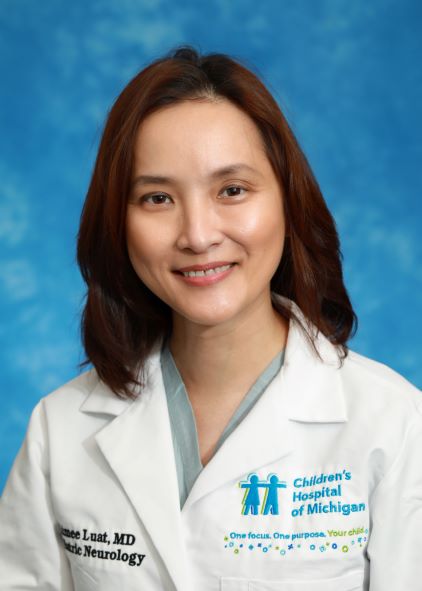
Aimee F. Luat, MD is a Clinical Associate Professor in the Department of Neurology at Wayne State University School of Medicine and a board-certified pediatric neurologist and epileptologist at Children's Hospital of Michigan. She serves as the medical director of the Pediatric Epilepsy Surgery Program and the Tuberous Sclerosis Complex (TSC) clinic at Children's Hospital of Michigan, as well as the program director of the Pediatric Epilepsy Fellowship Program. Dr. Luat completed her undergraduate studies at Manila Central University, College of Arts and Sciences in the Philippines (B.S. 1990) and earned her medical degree from the University of Santo Tomas in Manila (M.D. 1994, Cum Laude). Her clinical training includes pediatric and medical internships at Children's Hospital of Michigan and University of Santo Tomas Hospital, pediatric neurology and adult neurology residencies at Detroit Medical Center, and fellowships in neurophysiology and pediatric neurology. Dr. Luat's research focuses on the intersection of clinical epilepsy features with advanced diagnostic modalities including brain MRI, PET scans, and EEG. Her clinical and research interests particularly emphasize epilepsies associated with Tuberous Sclerosis Complex, Sturge-Weber syndrome, and Lennox-Gastaut Syndrome. Her work bridges cutting-edge neuroimaging techniques with practical clinical applications for pediatric epilepsy patients. Analysis of Dr. Luat's publications reveals a strong focus on pediatric epilepsy, particularly in the areas of surgical treatment, neuroimaging applications, and specialized epilepsy syndromes. Her research spans both clinical practice guidelines and fundamental neurophysiological investigations, with recent work emphasizing high-frequency oscillations, functional brain connectivity, and multidisciplinary approaches to complex epilepsy cases. Dr. Luat has contributed to significant consensus statements in her field, including guidelines for Sturge-Weber syndrome management. Her publications appear in prestigious journals such as Clinical Neurophysiology, NeuroImage, and Pediatric Neurology. As program director of the Pediatric Epilepsy Fellowship Program, Dr. Luat plays a key role in training the next generation of pediatric epileptologists. Her leadership positions in the Pediatric Epilepsy Surgery Program and TSC clinic demonstrate her expertise in specialized areas of pediatric neurology.
Harry W. Sutherland, MD, is an Assistant Professor in the Department of Neurology at Yale School of Medicine and Associate Program Director of Epilepsy & Clinical Neurophysiology Fellowship Programs. He specializes in epilepsy and seizure disorders while caring for adults with neurological conditions. Education: MD from Rutgers New Jersey Medical School (2019) BS in Neuroscience and History of Science from Johns Hopkins University (2015) Current MHS in Medical Education at Yale School of Medicine (2026) Research Interests: Focuses on medical education research, epilepsy/clinical neurophysiology, and educational technology for neurological training. Recent publications examine neurology residency curricula, EEG diagnostic methods, and seizure management. Training: Completed internship in internal medicine (2020), neurology residency (2023), and fellowship in epilepsy (2025) at Yale New Haven Hospital. Holds Clinician Educator Distinction Pathway certification from Yale Neurology Department (2023). Teaching: Serves as clinical faculty for courses including Structural and Functional Organization of the Human Nervous System (INP 510) and lecturing for MAP Neurology Component (MD 2025). Active in mentoring students, residents, and clinical fellows.
Jane Harrison is a Research Associate and Tutor in Archaeology at the University of Oxford's Department of Archaeology, where she has taught since 2010 and served as Senior Associate Tutor (2014–2017). Her fieldwork spans England, Scotland, and Orkney, with key roles in projects like the East Oxford Archaeology Project and Birsay-Skaill Landscape Archaeology Project. She holds a first degree in History from Cambridge University, an MSc in Applied Landscape Archaeology, and a DPhil in Archaeology from Oxford. Her research explores Viking/Norse colonization, landscape transformation, and urban development in northwestern Europe. Key interests include: Settlement identity in the North Atlantic Placed deposits in domestic contexts Community archaeology methodologies Medieval material culture Theoretical approaches to landscape archaeology Publications emphasize Viking-era settlements, coastal landscapes, and social organization in Orkney and northern Scotland, with recurring themes of cultural adaptation, environmental interactions, and colonial strategies. Her forthcoming book analyzes Viking settlement in the North Atlantic. Harrison directs the Appleton Area Archaeological Research Project (funded by CBA/Mick Aston) and co-directs the Origins of Wessex Project. She oversees fieldwork training and dissertation supervision for postgraduate programs, focusing on practical archaeological skills and medieval landscape analysis.
Jessica W Templer, MD is an Associate Professor in Neurology and Neurological Surgery at Northwestern University's Feinberg School of Medicine, specializing in Epilepsy/Clinical Neurophysiology with board certifications in Neurology, Clinical Neurophysiology, and Epilepsy. Her clinical practice integrates epilepsy care with neuro-oncology at Northwestern Medicine affiliates including Central DuPage Hospital, Lake Forest Hospital, and Northwestern Memorial Hospital. Her educational journey comprises: MD from Chicago Medical School (2010) Internal Medicine Internship at Rush University (2011) Neurology Residency and Chief Medical Resident at Rush University (2014) Neurophysiology Fellowship at Northwestern Feinberg School of Medicine (2015) Dr. Templer's research pioneers the intersection of epilepsy and brain tumors, focusing on tumor-related seizure mechanisms, standardized assessment tools for glioma trials, and minimally invasive surgical interventions. Her work bridges clinical neurophysiology with neuro-oncology to optimize seizure control and preserve neurological function in complex cases, particularly through RANO-TREAT development and excitatory milieu investigations. Recent publications (2025) reveal a cohesive research trajectory centered on tumor-related epilepsy, combining clinical trial methodology (RANO-TREAT), molecular mechanisms in glioma, surgical innovation, and technical standardization. These works collectively advance precision medicine approaches for brain tumor patients with epilepsy across neuro-oncology, surgical neurology, and clinical neurophysiology domains. Honors include consecutive Castle Connolly recognitions as Exceptional Women in Medicine and Chicago Top Doctor (2023-2025), the Weill Award for Experimental Neuropathology (2022), and multiple teaching excellence awards from medical students and epilepsy fellows. Her Gold Humanism Honor Society membership (2010) underscores enduring commitment to patient-centered care. As an educator, she mentors medical students through Northwestern's College Mentor program, trains epilepsy fellows (earning their Teaching Award in 2018), and shapes national curricula via the American Neurological Association's Education Innovation Committee and ACNS Resident Education Committee. Her leadership in the Tumor-related Epilepsy Special Interest Group drives collaborative research frameworks. Dr. Templer co-leads the RANO seizure working group developing clinical trial standards, chairs professional committees advancing neurophysiology guidelines, and serves on the Epilepsy Foundation of Chicago's Advisory Board. Her editorial role at Epilepsy & Behavior Reports amplifies translational research impact across neurological care systems.
Dr. Mary Westergaard is a Professor (CHS) in the Department of Emergency Medicine at the University of Wisconsin School of Medicine and Public Health, currently serving as Vice Chair of Faculty Development and founding Immediate Past Vice Chair of Education. Her leadership spans medical education innovation, clinical emergency care, and institutional diversity initiatives across UW-Madison's health system. Her academic foundation includes: Undergraduate: University of Kentucky Medical School: Johns Hopkins University School of Medicine Residency: Denver Health Medical Center (Chief Resident) Dr. Westergaard's research centers on Medical Education with pioneering work in entrustable professional activities (EPAs), residency curriculum design, and diversity frameworks. As national Chair of the American Association of Women in Emergency Medicine, she founded UW SMPH's Group on Women in Medicine and Science and co-chaired GME diversity committees. Her clinical expertise in emergency medicine integrates with educational scholarship on physician mentorship and academic promotions systems. Analysis of her 15 most recent publications (2014-2024) reveals three dominant trends: (1) Systematic implementation of EPAs across surgical and emergency medicine residencies; (2) Investigations into residency match dynamics including thank-you note impacts and rank list authenticity; (3) Development of assessment tools for resident autonomy using machine learning and multi-disciplinary approaches. These works consistently address diversity gaps and educational innovation in graduate medical training. Her accolades include: 2023 Clinical Educator Excellence Award (UW Health) 2024 Clinical Science Teaching Award (Wisconsin Medical Alumni Association) Alpha Omega Alpha Honor Medical Society membership As an educator, Dr. Westergaard has directed medical student education and residency programs while currently mentoring SMPH students through the Academic and Career Advising Program. She leads departmental diversity committees and serves on the Wisconsin Women’s Health Foundation board, with grants focused on global emergency medicine capacity building in East Africa. Her clinical teams operate at University Hospital and East Madison Hospital emergency departments. Dr. Westergaard chairs UW SMPH's inaugural Group on Women in Medicine and Science while collaborating with national organizations like the American College of Emergency Physicians. Her global health work in East Africa (initiated in 2024) extends her educational leadership internationally, maintaining active clinical and scholarly engagement through UW's emergency medicine infrastructure.
Richard J. Barth Jr, MD is Professor of Surgery and Chief of the Section of General Surgery at Dartmouth's Geisel School of Medicine, where he has significantly expanded the surgical faculty from 10 to 24 members. His clinical practice focuses on breast cancer, melanoma, pancreas cancer, and metastatic liver tumors, performing approximately 250 operations annually with over 95% patient satisfaction ratings. Dr. Barth earned his A.B. in Biochemical Sciences from Princeton (1981) and his M.D. from Harvard (1985), followed by a research fellowship in Steve Rosenberg's lab at the NCI Surgery Branch. His educational background established the foundation for his dual career in surgical oncology and immunotherapy research. His research spans three major domains: 1) Development of novel methods to increase precision in breast conserving surgery, including founding CairnSurgical, Inc. to commercialize the Breast Cancer Locator device; 2) Appropriate opioid prescribing after surgery, where his work demonstrated that 75% of prescribed opioids go unused and developed interventions to reduce prescriptions by 50%; and 3) Cancer immunotherapy, with seminal work on tumor infiltrating lymphocytes and dendritic cell vaccines. His clinical trial of a dendritic cell vaccine for metastatic colorectal cancer showed 66% of patients developed immune responses with improved 5-year recurrence-free survival. Analysis of his recent publications reveals a consistent trajectory from foundational immunology research toward practical clinical innovations addressing surgical precision and the opioid epidemic. His work increasingly focuses on implementing evidence-based changes in surgical practice through device development, clinical guidelines, and healthcare system interventions. Arthur Naitove Award and Surgery Chief Resident's Award for teaching excellence Dartmouth Mosenthal Surgical Fellowship and DMS Excellence in Teaching Award Alma Hass Milham Award for clinical excellence and compassionate patient care Recognition as Leading Physician in Breast and General Surgery by NH Magazine Finalist for Leonard Tow Humanism in Medicine Award (twice) Dr. Barth has mentored 25 residents, medical and PhD students in research projects resulting in national presentations and publications, with two advancing to surgical oncology faculty positions. His administrative leadership includes directing the GI Oncology Program, chairing the Clinical Cancer Care Committee, and co-directing the Immunology and Cancer Immunotherapy Research Program. He has secured significant funding including NIH R21 and SBIR grants for his surgical device development work. As Section Chief of General Surgery, he developed a multidisciplinary collaboration with four community hospitals and established specialized divisions in colorectal surgery and acute care/trauma. His laboratory work in cancer immunotherapy evolved into clinical applications through the Dartmouth Immunology COBRE grant-funded DC vaccine trial, demonstrating the translational research pipeline from bench to bedside.
Prof. Hui Chen is a Professor and Associate Head of School (Research) at the School of Life Sciences, University of Technology Sydney (UTS), within the Faculty of Science. She holds leadership roles including Director of the Surgical and Anatomical Science Facility and Deputy Leader of the Molecular Biotechnology Discipline. Her research focuses on environmental toxin exposure impacts on neurological and metabolic disorders, particularly maternal exposure effects on offspring health. Key areas include Alzheimer’s disease, air pollution-induced cognitive dysfunction, and diabetes mellitus. She has extensive academic experience, progressing from Lecturer (2008) to Senior Lecturer (2011), Associate Professor (2019), and Professor (2022). Education: PhD in Neuroscience (University of Melbourne, 2006), MD and Master of Medicine (Nanjing University, China). Postdoctoral training at UNSW and clinical residency in gastroenterology. Languages: Fluent in English and Mandarin, capable of peer review and academic mentorship. Research Interests: Environmental toxins (air pollution, e-cigarettes), neuroinflammation, metabolic disorders, and translational therapies (stem cell, drug development). Over 237 publications, including recent work on AI in education, lunar dust toxicity, and vitamin D in diabetes. Grants and Leadership: Significant funding from NHMRC, NASA, and industry partnerships. Editor roles in journals like Frontiers in Immunology and Toxics . Teaching includes pathophysiology courses and program development for nursing and biotechnology. Labs/Teams: Active in the China Programs Office and Advanced Science Program. Collaborates globally on interdisciplinary projects, including space physiology and integrative medicine.