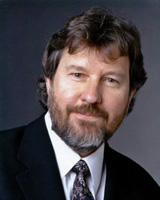
Mr. Bruce Chittenden is an Assistant Professor in the Department of Computer Science at Hampton University's School of Science. With over four decades of experience in system software and engineering leadership, he bridges academic expertise with real-world innovation in high-tech startups. Education: BS in Mathematics (University of Missouri), MS in Computer Science (University of Hawaii) Research Interests: A pioneer in software development and operating systems, his work spans compilers, automata theory, and formal linguistics. His career includes securing over 1,000 patents and co-founding Citrix Systems, transforming it from a startup to an S&P 500 company. Publications Trends: Focus on system software fundamentals (UNIX architecture, automata theory), security kernel design, and educational technologies. Early work (1977-1985) emphasizes formal methods and OS security, while recent publications (2011-2017) explore pedagogical tools and email reputation systems. Industry Experience: Vice President of Engineering at six high-tech startups, including Citrix Systems. Instrumental in scaling companies through IPOs and managing global patent strategies.
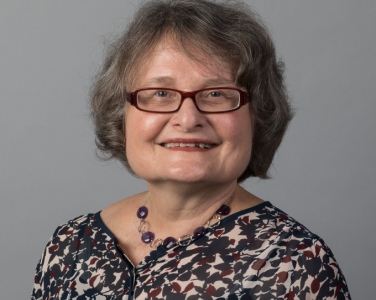
Esther Gal-Or holds the Glenn Stinson Chair in Competitiveness and serves as Area Director for Marketing & Business Economics at the University of Pittsburgh's Katz Graduate School of Business, where she has been a faculty member since 1980. She has also taught as a visiting professor at the Technion-Israel Institute of Technology and Northwestern University's Kellogg Graduate School of Management. Education PhD in Managerial Economics and Decision Sciences, Northwestern University MSc in Economics, Technion-Israel Institute of Technology BSc in Economics, Technion-Israel Institute of Technology Gal-Or's research centers on microeconomic theory and industrial organization , applying game-theoretic frameworks to analyze competitive dynamics in digital markets. Her work examines strategic interactions in healthcare, media, and Internet platforms, with emphasis on pricing models, market segmentation, and regulatory impacts. She integrates theoretical rigor with real-world business applications, particularly in platform economics and two-sided markets. Her 15 most recent publications (2014-2022) reveal a dominant focus on digital platform competition , covering subscription services, crowdfunding, sharing economy models, and advertising markets. Key thematic clusters include network effects in streaming services, privacy concerns in online advertising, and matching efficiency in peer-to-peer markets, demonstrating consistent application of industrial organization principles to emerging technological contexts. Scientific Awards University of Pittsburgh President’s Distinguished Research Award (1989) Fellow of the International Journal of Industrial Organization National Science Foundation Awards (1985-87, 1990-92, 1994-96, 1999-2001) Agency for Health Care Policy and Research Award (1994-95) Katz School Excellence in Teaching Awards (2001, 2010) Katz School Excellence in Research Awards (2006-07, 2013-14, 2014-15, 2016-17) Gal-Or has secured over 15 years of continuous research funding through multiple National Science Foundation grants and an Agency for Health Care Policy and Research Award. She serves as PhD advisor for industrial organization and microeconomics students, teaching core MBA courses like Economic Analysis for Managerial Decisions alongside specialized PhD seminars. Her editorial leadership includes Editorship of the European Economic Review (2002-2012) and Coeditorship of the Journal of Economics and Management Strategy. While no formal lab structure is documented, her collaborative research network spans multiple institutions as evidenced by co-authored publications with scholars across economics and management disciplines, particularly focusing on platform competition dynamics.
Dr. Timothy Sellnow is a Professor at Clemson University's College of Behavioral, Social and Health Sciences, specializing in risk and crisis communication. He holds a Ph.D. in Communication from Wayne State University, an M.S. from North Dakota State University, and a B.S. from St. Cloud State University. His research examines: Crisis communication frameworks for disaster response Risk perception and messaging in public health emergencies Instructional communication for agricultural biosecurity Social media dynamics during disasters Dr. Sellnow’s publications (2016-2024) demonstrate a consistent focus on developing evidence-based communication strategies for crises, with recent emphasis on pandemics, natural disasters, and food safety. Theoretical innovation in message convergence and practical applications for government agencies characterize his scholarly contributions. Major Honors: Pegasus Professor Award (UCF, 2022) Gerald M. Phillips Award (NCA, 2015) Journal of Applied Communications Article of the Year (2018) William J. Petak Best Paper (2021) He has advised federal agencies including FEMA, CDC, and WHO, and secured research funding from DHS, USDA, EPA, and NSF. His collaborative projects emphasize interdisciplinary solutions for complex risk scenarios.
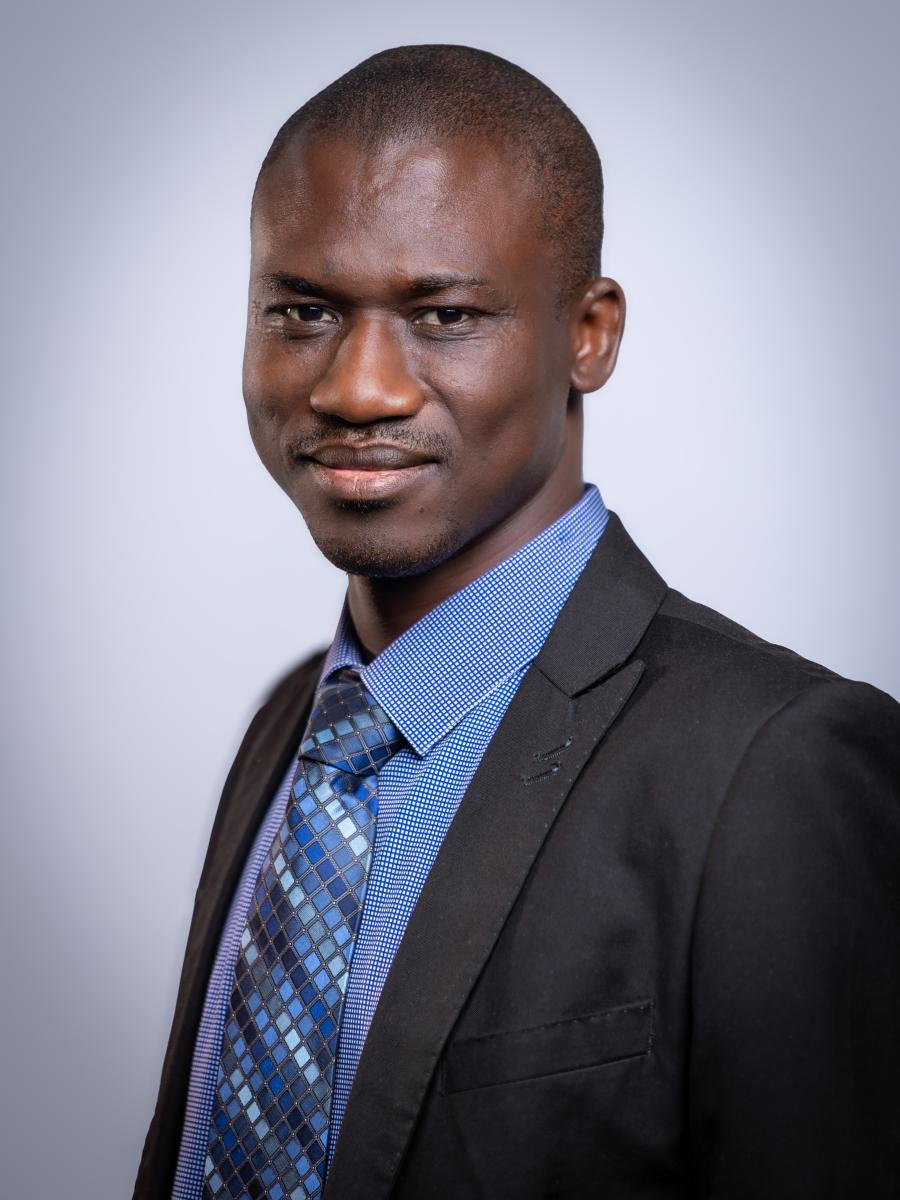
Emmanuel W. Ayaburi serves as an Assistant Professor in the Department of Information Systems and Business Analytics at Baylor University, where he teaches MIS 4342 - Fundamentals of Information Security. His academic profile reflects a strong foundation in both engineering and business disciplines, supporting his interdisciplinary research approach. His formal education includes: PhD in Business (Information Technology), The University of Texas at San Antonio (2017) MBA, Colorado Heights University, Denver, Colorado (2012) BSc in Electrical/Electronic Engineering, Kwame Nkrumah University of Science and Technology, Kumasi, Ghana (2006) Dr. Ayaburi's research program critically examines human-technology interactions in cybersecurity and innovation contexts. He investigates behavioral determinants of phishing susceptibility through reformulated locus of control frameworks, organizational image repair strategies following data breaches, and user engagement dynamics in open innovation platforms. His work bridges information systems theory with practical organizational security challenges, emphasizing psychological and sociotechnical factors. His publication record (2023-2025) demonstrates consistent contributions to premier information systems journals, revealing three interconnected research trajectories: behavioral cybersecurity (phishing, protective technology adoption), data breach consequences (victimization, reputational repair), and digital innovation mechanisms (crowdfunding bundling, decolonial fundraising). These works employ diverse methodologies including longitudinal surveys, field experiments, and multi-stakeholder analyses. No formal scientific awards or major honors are documented in the provided materials, though his service as a reviewer for top-tier journals and mini-track chair for international conferences indicates significant peer recognition within the information systems community. The available information does not specify doctoral or master's students advised by Dr. Ayaburi, nor does it reference externally funded research grants. His scholarly activities appear focused on independent and collaborative publication in high-impact venues without mention of dedicated research teams or laboratory facilities.
Prof. Dr. Hayri Sever is a full-time faculty member at Çankaya University, Department of Computer Engineering, since 2018. He previously held professorship roles at Hacettepe University (1997-2018), University of Massachusetts Amherst (2000-2002), and Başkent University (2003-2007). His academic journey includes a PhD in Computer Science from the University of Louisiana at Lafayette (1995), a Master's from the University of Maine (1991), and a BSc in Computer Engineering from Hacettepe University (1987). Education: PhD (1995), Computer Science, University of Louisiana at Lafayette MS (1991), Computer Science, University of Maine BSc (1987), Computer Engineering, Hacettepe University Prof. Sever's research spans Artificial Intelligence, Data Mining, Natural Language Processing, Cybersecurity, and Machine Learning . His recent work focuses on applications in violence detection in videos, sentiment analysis, blockchain security, medical decision support systems, and Turkish language processing. He has supervised over 40 graduate students in topics ranging from deep learning to blockchain and IoT security. His 15 most recent publications (2019-2024) highlight expertise in deep learning for video analysis , blockchain reputation systems , 3D CNN applications , and sentiment analysis in Turkish/Arabic . Collaborations include institutions like Hacettepe University, University of Massachusetts, and international projects funded by TÜBİTAK, UNESCO, and the UN. He has led projects such as "KGYS: Smart Support Software Development" and "DiCoMa: Disaster Control Management" , with roles as researcher, coordinator, and advisor. Professional memberships include IEEE (2005-), ACM (2002-), and Tübitak (2005-).
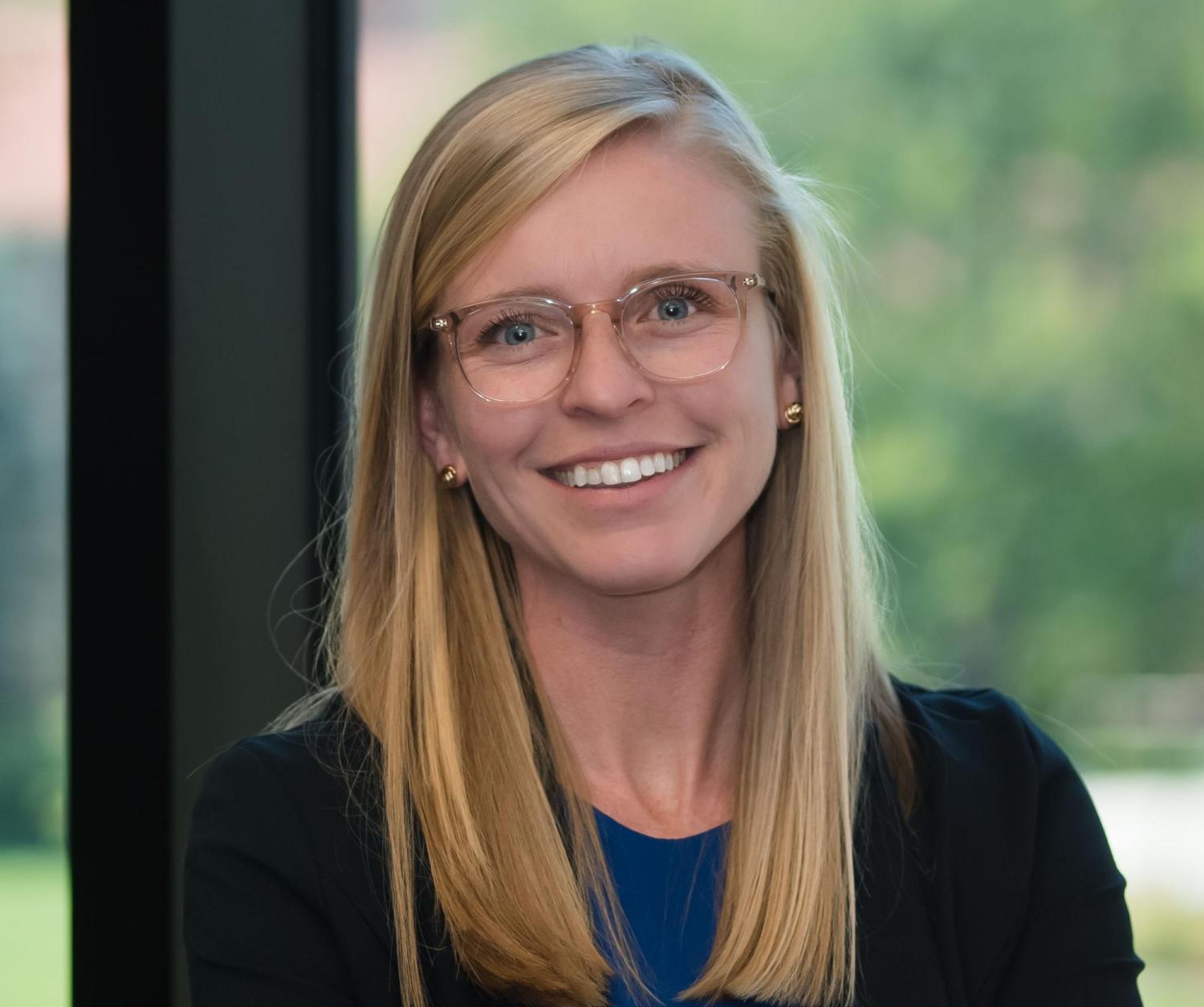
Nikki Skinner is an Associate Professor of Accounting at the Leeds School of Business, University of Colorado Boulder, holding the prestigious KPMG Accounting Faculty Fellowship. She is based in office KOBL 402C and contributes significantly to the Accounting department's research and teaching mission. Dr. Skinner's research focuses on financial reporting, disclosure practices, and the intersection of accounting information with investor decision-making. Her work examines how companies communicate financial and non-financial information, the impact of regulatory requirements on disclosure quality, and the strategic aspects of voluntary reporting. She investigates topics ranging from environmental disclosure and litigation risk to audit quality and the value relevance of business information in registration statements. Her research has been published in leading accounting journals with a strong recent output, addressing critical issues at the forefront of financial reporting including non-financial disclosure integration, regulatory mandates like the hyperlink requirement, and strategic implications of voluntary disclosure practices. Her work often employs empirical methods to examine how disclosure characteristics affect market participants' information processing and decision-making. Dr. Skinner has received recognition for her scholarly contributions through the KPMG Accounting Faculty Fellowship, which supports promising accounting researchers. Her work has implications for standard-setters, regulators, and practitioners seeking to understand the economic consequences of disclosure requirements and voluntary reporting practices. As an educator in the Accounting department at Leeds School of Business, she contributes to developing the next generation of accounting professionals and researchers, bringing her research insights into the classroom to enhance student learning about contemporary issues in financial reporting and disclosure.
Aradhna Tripati is a Professor at the University of California, Los Angeles with joint appointments in the Institute of the Environment and Sustainability, the Department of Atmospheric and Oceanic Sciences, the Department of Earth, Planetary, and Space Sciences, the Institute for Geophysics and Planetary Physics, and the California Nanosystems Institute. She serves as the faculty director and founder of the Center for Developing Leadership in Science (CDLS) at UCLA. Dr. Tripati received her B.S. in Geological Sciences from California State University, Los Angeles in 1996, where she received the Aaron Waters Award for Outstanding Senior. She earned her Ph.D. in Earth Sciences at UC Santa Cruz in 2002, where she was a Gates Millennium Scholar, an Ocean Drilling Program Fellow, and a UC Regents' Fellow. Following her Ph.D., she was a research fellow at the University of Cambridge, holding the Thomas Nevile Fellowship in Natural Sciences, a Comer Abrupt Climate Change Fellowship, a National Environmental Research Council Fellowship, and a Marshall Sherfield Fellowship. She also served as a visiting scientist at the California Institute of Technology for several years before joining UCLA as an assistant professor in 2009, receiving tenure in 2014. Dr. Tripati's research focuses on climate change, the history and dynamics of changing Earth systems including climate, ice sheets, oceans, the water cycle, and carbon dioxide levels. She specializes in tool development and clumped isotope geochemistry, using the chemistry of natural compounds as well as models to understand how the Earth works. Her work addresses pressing questions pertaining to climate change, earth systems history, geochemistry, geobiology, and sedimentary geology. She also integrates geochemical data with field-based observations, sedimentologic and micropaleontologic data, and models. Her interdisciplinary approach spans multiple fields, connecting geological records with modern climate science to understand past and present environmental changes. Dr. Tripati's extensive publication record, with 66 publications including 12 in Nature journals, Science, or PNAS, demonstrates her significant contributions to paleoclimatology and geochemistry. Her recent work shows a continued focus on clumped isotope thermometry, with applications to understanding past climate conditions, hydrological cycles, and Earth system processes. Her research spans various time periods from the Miocene to the Holocene, examining climate dynamics across different spatial scales from local lake systems to global ocean circulation patterns. A notable trend in her recent publications is the increasing integration of community engagement and environmental justice perspectives with traditional geochemical research. Presidential Early Career Award in Science and Engineering from President Obama NSF CAREER award (NSF's most prestigious award for early career faculty) Bromery Award for Minorities from the Geological Society of America Hellman Fellow National Academy of Sciences Kavli Fellow E.O. Wilson Award for Outstanding Science on climate change Chair International D'Excellence in Stable Isotopes by IUEM Vasa Cube Awardee for UCLA's Fiat Lux Freshman Seminar program UCLA Career Development Award Dr. Tripati has mentored over 130 postdoctoral fellows, researchers, PhD students, Master's students, undergraduates, high school teachers, and high school students. Her commitment to education extends beyond traditional academic mentoring, as she has developed numerous outreach programs to promote diversity in STEM fields. She has secured substantial research funding, including the NSF CAREER award which supported her work from 2014-2018, and has established world-renowned laboratories for clumped isotope geochemistry. Her research program is highly collaborative, involving partnerships with institutions worldwide and interdisciplinary teams addressing complex environmental questions. Dr. Tripati directs the UCLA Geochemistry Facility, which houses specialized equipment for clumped isotope measurements including Thermo Finnigan MAT 253 and Nu Perspective IS mass spectrometers. Her 'Tripati Lab' (also known as the Climate & Biogeochemistry Group or Climate & Carbon Cycle Group) focuses on using the chemistry of natural compounds to understand Earth systems. The lab has established a strong reputation in clumped isotope geochemistry and maintains active collaborations with researchers globally. The lab follows a 'Star Wars naming convention' for its instruments, reflecting the team's enthusiasm for both science and pop culture. Dr. Tripati has also founded the Center for Developing Leadership in Science (CDLS), which aims to develop leadership skills in science students while promoting diversity and inclusion in environmental science and geoscience.
Dr. Megan Blake is a Senior Lecturer in Human Geography at the University of Sheffield's School of Geography and Planning, where she has been employed since 2000, initially as a visiting instructor before becoming a full lecturer in 2002 and being promoted to Senior Lecturer in 2010. She received her PhD in Geography from Clark University in 2001 and has established an international reputation as an expert in food security and food justice. Dr. Blake's educational background includes: PhD in Geography from Clark University (2001) Dr. Blake's research focuses on the intersection of food security, social justice, and community resilience. She is particularly known for her work on surplus food chains, community organizations and self-organization practices, and social inequalities. Her practice-based theoretical approach examines how social institutions, everyday practices, and place create possibilities for and constraints on everyday practices in domestic and community spaces. She has developed the Food Ladders framework, a multi-scaled and asset-based approach that uses food to increase everyday food security, connect communities, and build local resilience. Analysis of Dr. Blake's recent publications reveals a strong focus on food insecurity in both developed and developing contexts, with particular attention to community-based solutions and the social dimensions of food access. Her work spans public health, urban geography, and social policy, with a consistent emphasis on practical applications that can drive real-world change. A notable trend is her development and application of the Food Ladders framework across multiple contexts, examining how community-based food initiatives can address not just hunger but broader social issues like isolation, mental health, and community cohesion. Dr. Blake actively collaborates with numerous organizations to translate her research into practice: Sheffield City Council, Doncaster Council, and Barnsley Council Greater Manchester Poverty Action and Sustainable Food Cities Food Power and FareShare UK (where she served as their first Academic in Residence) The Bread and Butter Thing, City Harvest London, and Community Shop She is a member of Feeding Britain's Academic Advisory Board Dr. Blake has designed and taught a wide array of modules covering urban geography, social geography, cultural geography, economic geography, and food geographies, as well as research methods and professional skills. She serves as a personal tutor to undergraduate students and supervises dissertations at levels 2 and 3. Her public engagement includes frequent media appearances, writing for The Conversation and The Mint Magazine, and organizing community workshops and conferences. Dr. Blake's work extends to practical applications through initiatives like the Food Ladders Toolkit launched in September 2024 and her film "More than just food," which illustrates how community-based food initiatives can transform places. She has developed strong partnerships with community organizations that implement her Food Ladders framework, such as The Bread and Butter Thing, and has been instrumental in shaping local food policy through her collaborations with multiple local authorities across England.
Mairead McCoy serves as a Teaching Assistant (academic rank mapped to Lecturer) at Ulster University's School of Communication and Media within the Faculty of Arts, Humanities & Social Sciences. Based at Jordanstown Campus in Newtownabbey, United Kingdom, she contributes to communication and media studies programs with contact email m.mccoy@ulster.ac.uk. Her research expertise centers on Social Return on Investment (SROI) methodology applied to domestic violence interventions, crisis communication in public sector contexts, and community-based program evaluation. She bridges communication studies, public health, and social policy through work aligned with UN Sustainable Development Goals for gender equality (Goal 5) and peaceful institutions (Goal 16). Key contributions include developing economic evaluation frameworks for social impact assessment in UK community settings. Analysis of her 2010-2015 publications reveals consistent methodological integration of quantitative and qualitative approaches to evaluate social programs. Her work demonstrates specialized focus on domestic violence intervention economics and crisis response strategies, particularly through case studies like Northern Ireland Water's freeze/thaw incident communications. This research trajectory establishes her niche at the intersection of social impact measurement and organizational communication.
Man-Ki Yoon serves as an Assistant Professor in the Department of Computer Science at North Carolina State University's College of Engineering. His academic journey includes a Ph.D. in Computer Science from the University of Illinois at Urbana-Champaign (2017), an M.S. from the same institution (2011), and a B.S. in Computer Science and Engineering from Seoul National University in Korea (2009). Prior to joining NC State, he worked as a research scientist in Computer Science at Yale University. His educational background demonstrates a strong foundation in computer systems with progressive specialization in real-time and embedded computing. The transition from his undergraduate studies in Korea to doctoral research in the United States reflects an international academic trajectory focused on increasingly specialized aspects of computer systems. Yoon's research centers on trustworthy and accountable computing for autonomous systems, with particular emphasis on autonomous vehicles and unmanned aerial vehicles. His work bridges theoretical formal methods with practical security applications in real-time embedded systems and the Internet of Things. This research agenda addresses critical challenges in verifying temporal behavior of real-time applications while maintaining strong security guarantees against timing-based side channel attacks. His approach combines insights from operating systems, security, and distributed systems to develop novel solutions that enable reasoning about fault events, component responsibility, and evidence trustworthiness in complex cyber-physical environments. Analysis of his recent publications reveals a clear evolution in research focus from foundational real-time scheduling problems toward increasingly sophisticated security mechanisms for autonomous systems. His work demonstrates consistent progression from theoretical verification techniques to practical implementations addressing accountability in distributed systems and security challenges in autonomous vehicle ecosystems. The publications show growing emphasis on AI/ML integration with traditional real-time systems, particularly in safety-critical applications where accountability and verifiability remain paramount. NCDOT Transportation Center of Excellence: Sustainable and Resilient Infrastructure – Cyber–Resilient Traffic Management Centers Faculty Research and Professional Development Award IBM Workforce Development Initiative Award SaTC: CORE: Small: Partition-Oblivious Real-Time Hierarchical Scheduling Yale Course-based Undergraduate Research Experience (CURE) Grant Qualcomm Roberto Padovani Scholarship Intel PhD Fellowship Qualcomm Innovation Fellowship Yoon actively mentors students through research projects and teaching, with numerous publications featuring student co-authors spanning topics from autonomous vehicle security to real-time system verification. His current NSF-funded research on partition-oblivious scheduling demonstrates significant grant acquisition capability, addressing fundamental security challenges in real-time hierarchical scheduling where conventional time-partitioning mechanisms fail to achieve strong temporal isolation from a security perspective. This work develops algorithmic solutions enabling non-interference-based security among partitions, allowing systems to employ advanced hardware and software technologies for high-end real-time applications in secure environments. His laboratory environment emphasizes hands-on experimentation with autonomous systems, evidenced by his self-driving car course where students build software systems for miniaturized autonomous vehicles. This practical approach complements theoretical research with tangible implementations, creating a comprehensive research ecosystem that spans from formal verification to physical system deployment.
Professor Shu-Kay Angus Ng is a Professor of Biostatistics at Griffith University's School of Medicine and Dentistry, where he has been a faculty member since January 2018. He is an active researcher with the Centre for Applied Health Economics (CAHE) and serves as an Associate Editor for the Journal of Statistical Computation and Simulation. Professor Ng earned his PhD in Statistics from the University of Queensland in 1999 and has since established an international reputation in statistical methodology. His research expertise spans both theoretical and applied statistics: Mixture models and cluster analysis for complex data Random effects modeling for correlated data structures Machine learning applications in medical contexts Survival analysis and longitudinal data methods Image analysis and pattern recognition techniques Professor Ng's work addresses critical challenges across multiple health domains including oncology, comorbidity research, medical imaging, and health economics. His methodological contributions have significantly advanced evidence-based practice in medical and health research. With over 160 publications accumulating more than 9,000 citations (H-index of 37), Professor Ng's scholarly impact is substantial. His 2019 monograph 'Mixture Modelling for Medical and Health Sciences' represents a landmark contribution to the field. He has secured significant research funding, including seven ARC Project grants and participation in the NHMRC Centre of Research Excellence in Better Health Outcomes for Compensable Injury. Professor Ng's major recognitions include: Membership in the ARC College of Experts (2022-2025) Editorial role at the Journal of Statistical Computation and Simulation Successful leadership of multiple ARC and NHMRC-funded projects Extensive citation record reflecting scholarly influence As an educator and mentor, Professor Ng has supervised five PhD students to completion since 2017 while currently guiding four additional doctoral candidates. His supervision spans diverse topics from comorbidity patterns to advanced statistical techniques for big data analysis in health contexts. He contributes to research training through professional advice on study designs, randomized controlled trials, and analytical strategies across multiple health disciplines.
Christian Koch is an Assistant Professor (Docent) in Marketing at Kristianstad University's Faculty of Economics, specializing in brands and brand management. He holds a PhD from Lund University's School of Economics and Business Administration. His roles include Program Area Manager for the Center for Food, Health, and Retail (FOHRK), Environmental Leader, and contributor to Frontiers in Marketing. Education: PhD in Marketing from Lund University His research focuses on brand activism , market creation , and strategic change , with methodological expertise in longitudinal studies, interviews, archival data, and (n)ethnography. Recent projects analyze scenario planning for sustainable food and mobility futures, including the 'Retailing for a Sustainable Future' initiative. Key research themes include: Sustainable brand strategies Collaborative retail ecosystems Climate change mitigation Futures studies in business Work-integrated learning He has advised diverse industries and been featured in media like Swedish Radio and BrandEins magazine, discussing topics such as sportswashing, sustainable dairy transitions, and corporate responsibility.
Heiko Karle is an Associate Professor of Microeconomics at the Economics & Law Department of Frankfurt School of Finance & Management since August 2019. Previously, he held a Junior Professorship (equivalent to Assistant Professor) at the same institution from September 2016 to August 2019. He is also a CEPR Research Fellow and CESifo Research Fellow . His career includes a postdoctoral position at the Center for Law and Economics of ETH Zurich (2012–2016), research at the European Centre for Advanced Research in Economics and Statistics (ECARES) of the Université Libre de Bruxelles (2009–2012), and graduate training at the University of Mannheim (PhD, 2012; Diplom in Economics, 2007). He has held visiting positions at the Toulouse School of Economics (PhD studies) and the University of California, Berkeley (undergraduate studies). His research focuses on Industrial Organization and Behavioral Economics , particularly on how loss aversion and psychological switching costs influence consumer behavior and firm strategies in competitive markets. His work explores topics such as advertising dynamics , platform competition , contract design , and pre-purchase information . He has published extensively in top-tier journals including the Journal of Political Economy , RAND Journal of Economics , and Management Science . Recent publications highlight trends in behavioral pricing , digital market design , and psychological incentives in economic interactions. His 2025 Management Science article on Imperfect Targeting and Advertising Strategies demonstrates how firms optimize marketing under consumer loss aversion. Scientific Awards & Affiliations: CEPR Research Fellow CESifo Research Fellow He leads the DFG-FWF funded research group “Consumer Preferences, Consumer Mistakes, and Firms’ Response,” which secured several million EUR in grants and filled three full-time postdoc positions starting in Fall 2023. His teaching includes Microeconomics and Decision Theory at the undergraduate level.
Prof. Dr. Ebru Günlü Küçükaltan is a full-time Professor at Dokuz Eylül University, Faculty of Business Administration, Department of Tourism Management. She holds a doctoral degree from Dokuz Eylül University and an associate professorship in Management and Organization from the United States. Her career spans international teaching, administrative roles as former Vice Dean and Department Head, and leadership in academic development centers. Education : PhD in Tourism Management (2003), Dokuz Eylül University MA in Tourism Management (2000), Dokuz Eylül University BA in Tourism Management (1998), Dokuz Eylül University Specializing in organizational behavior , sustainable tourism , and crisis management , her research explores dimensions like gender dynamics in tourism academia, workplace relationships, and resilience strategies. Her work bridges social psychology with hospitality management , focusing on employee performance and ethical practices . Key publication trends include studies on distance education during crises, organizational resilience in hospitality, and CSR strategies for sustainable development. Her awards highlight recognition from Emerald Publishing and contributions to tourism research. She has advised 33 theses and served in international projects across the US, Armenia, and North Africa. Her leadership roles include Vice Dean (2017-2023) and Acting Dean of the Faculty of Tourism (2023-2025).
Carl S. Bjerre serves as the Wallace L. & Ellen A. Kaapcke Professor of Business Law at the University of Oregon School of Law, where he teaches courses ranging from first-year Contracts to Advanced Commercial Law. A nationally recognized authority on the Uniform Commercial Code (UCC), he actively shapes commercial law through leadership roles including membership on the Permanent Editorial Board for the UCC and gubernatorial appointment to the Uniform Law Commission. His educational background includes a J.D. magna cum laude from Cornell Law School and undergraduate studies in Literature and Philosophy at the University of California, Berkeley. Prior to academia, he practiced transactional finance law for six years at Cleary, Gottlieb, Steen & Hamilton LLP in New York City. Professor Bjerre's research centers on secured transactions, securities law, and UCC modernization, with particular expertise in Articles 8 and 9. His scholarship bridges theoretical legal principles with practical transactional applications, addressing critical issues like choice-of-law rules for intermediated securities, adverse claims, and international conventions including the Hague Securities Convention. This work reflects his commitment to harmonizing commercial law across jurisdictions while maintaining functional legal frameworks for modern finance. His recent publications (2020-2023) demonstrate sustained scholarly productivity with a focus on contemporary challenges in secured transactions and securities law. Key themes include the implementation of the Hague Securities Convention, resolution of adverse claims in collateral enforcement, and adaptation of UCC principles to evolving financial instruments – revealing a consistent trajectory toward enhancing legal certainty in complex commercial transactions. Professional honors include: Appointed member of the Permanent Editorial Board for the Uniform Commercial Code Gubernatorial appointee to the Uniform Law Commission Elected member of the American Law Institute Visiting Fellow at Oxford's Commercial Law Centre At Oregon Law, Professor Bjerre contributes significantly to the Business Law Program through teaching and curriculum development. His extensive involvement in national law reform projects – including service on Joint Drafting Committees for UCC revisions and participation in U.S. delegations for international securities conventions – demonstrates leadership that extends beyond traditional academic boundaries into practical legal development. While specific grant funding isn't detailed, his judicial citations (including a 2024 New York Court of Appeals decision involving $9 billion in Venezuelan bonds) confirm real-world impact of his scholarship. As a core faculty member of the Business Law Program, he participates in the program's academic initiatives and contributes to its reputation for excellence in commercial law education. His work with the Uniform Law Commission and American Law Institute positions him at the forefront of business law development, influencing both domestic and international commercial legal frameworks through sustained scholarly and practical engagement.