Kelly Arnold is an Associate Professor in the Department of Biomedical Engineering at the University of Michigan. Her research integrates systems engineering principles with immunology to investigate variability in immune responses across infection, vaccination, and injury, with a focus on computational modeling and clinical translation. Research Focus Systems-level immune response modeling Vaccination and antibody functionality Vaginal microbiome-host interactions Chronic lung disease progression Computational serology and proteomics Recent Work Her 2025 studies examine SARS-CoV-2 vaccination responses in cancer patients and computational frameworks for vaginal probiotics. Earlier works (2024-2007) span COPD progression, lupus fibrosis, HIV susceptibility, and tissue engineering for fertility preservation. Methodologies include proteomic profiling, network modeling, and microfluidic systems.
Elin Org is a Professor of Microbiomics at the University of Tartu's Institute of Genomics, where she also serves as Head of the Estonian Genome Centre and Vice Director of the Institute. Her academic career spans over two decades with significant contributions to microbiome and genomic research. Education: PhD in Genetics, University of Tartu (2006) Master's Degree in Molecular Biotechnology and Biomedicine, University of Tartu (2000) Bachelor's Degree, University of Tartu (1997) Classical Singing, Heino Eller Tartu Music School (1996) Professor Org's research primarily focuses on the intricate relationships between host and gut microbiota and their influence on metabolism and common complex diseases. Her work bridges microbiomics, genomics, and complex disease research, with particular emphasis on understanding how gut microbiome composition affects human health. She has pioneered research connecting long-term antibiotic usage with microbiota-dependent effects and has made significant contributions to understanding the role of gut microbiome in conditions such as gestational diabetes, endometriosis, and polycystic ovary syndrome. Her approach integrates advanced computational methods with comprehensive health data to uncover causal relationships in microbiome research. Her recent publications demonstrate a strong trend toward integrating microbiome data with extensive digital health metrics, using machine learning approaches to identify microbial predictors of health outcomes. This work is increasingly focused on translating microbiome research into clinical applications for disease prediction and personalized medicine approaches, particularly in the context of the Estonian Biobank initiative. Major Scientific Recognition: 2025 National Science Award in medical and health sciences 2023 and 2022: Recognized among the world's top 1% most cited researchers by Clarivate Analytics 2020: Member of AcademiaNet, a portal for top female researchers 2017: EMBO Installation grant 2013: Marie Curie International Outgoing Fellowship Professor Org has secured substantial research funding as principal investigator for multiple significant projects, including 'DISCERN - Discovering the causes of three poorly understood cancers in Europe' (€245,466, European Commission) and 'Improving colorectal cancer screening and prediction using microbiome-based biomarkers' (€760,450, Estonian Research Council). She has served as an opponent for numerous PhD theses across European institutions, contributing to the development of emerging researchers in her field. As Head of the Estonian Genome Centre, Professor Org leads a multidisciplinary research team that plays a crucial role in Estonia's transition from biobanking to personalized medicine applications. She is actively involved in international collaborations through COST networks including INFOGUT (focused on in vitro colon models) and ML4Microbiome (statistical and machine learning techniques in human microbiome studies), positioning her at the forefront of global microbiome research initiatives.
Dr. Roselina Angel is a Professor in the Department of Animal and Avian Sciences at the University of Maryland's College of Agriculture and Natural Resources. With expertise in poultry nutrition, she holds a PhD in Poultry Nutrition from Iowa State University and has been with the university since 1998, initially joining as an Assistant Professor. Research Focus Areas Calcium and phosphorus metabolism in poultry Phytase and enzyme supplementation Environmental impact reduction Nutritional strategies for exotic animals Feed additive efficacy Mineral utilization optimization Her recent publications (2025–2023) concentrate on mechanistic modeling of mineral digestibility, circadian nutrient regulation in laying hens, and the environmental implications of poultry nutrition. These studies frequently examine interactions between dietary calcium/phosphorus ratios, phytase application, and ingredient selection across broilers and laying hens.
Ueli Grossniklaus is an Ordinary Professor at the University of Zurich within the Faculty of Mathematical and Natural Sciences , affiliated with the Department of Plant and Microbiology . His work focuses on plant developmental biology, particularly epigenetic and genetic mechanisms governing reproduction and adaptation. Key Courses: Epigenetics, Plant Biology Workshop, Group Seminars on Current Research Laboratory Techniques: Advanced methods in plant cell mechanics, transcriptomics, and genome editing Research Interests span plant epigenetics, reproductive biology, and the interplay between environmental stress and genetic regulation. He investigates: Mechanistic control of gametogenesis and fertilization Epigenetic contributions to plant adaptation Evolutionary implications of asexual reproduction Biophysical forces in plant cell growth Publication Trends (2025–2018) reveal expertise in: Arabidopsis and fern model systems Epigenetic regulation (DNA methylation, histone dynamics) Apomixis and hybrid seed failure mechanisms Biomechanics of pollen tubes and carnivorous plants Genome editing tools (CRISPR) and long-read sequencing Scientific Collaborations include interdisciplinary projects on: Microfluidic devices for plant cell analysis Gene drive ecology and ethics 3D imaging of plant reproductive structures Advising and Grants focus on mentoring through research internships in developmental biology, genetics, and systems biology. His lab engages in: Epigenetic response to environmental stress Cell wall mechanics in reproduction Computational modeling of plant growth Laboratory Teams integrate plant biologists, bioengineers, and computational scientists to study: Mechanistic gene regulation Evolutionary developmental biology Microrobotics for cellular force measurement
Dr. Alexandre Marques is an Assistant Professor at the University of Southern Mississippi. His expertise spans Microbiology, Immunology, and Parasitology, with a focus on vaccine development against parasitic infections like Leishmaniasis, Chagas disease, and Malaria. He holds a PhD from the Universidade de São Paulo (2007) and teaches courses such as Gen Microbiology and Microorg Hth Di at the university. His research integrates immunological, clinical, and molecular approaches to understand parasitic disease mechanisms and therapeutic interventions. Notable areas include α-Gal immunization strategies, transcriptomic analysis of breast cancer, and vaccine design against Leishmania. He has also explored applications in aquaculture nutrition and cosmetic safety assessments. Dr. Marques’ work spans interdisciplinary collaborations, including veterinary medicine, nanotechnology-based drug delivery, and antimicrobial stewardship in pediatrics. His contributions to animal models for Chagas disease and canine visceral leishmaniasis highlight translational research impact. Key themes in his publications include immune response modulation, pathogen-host interactions, and biomarker discovery in chronic infections. He has published over 50 articles across microbiology, immunology, and biomedical engineering since 2007.
Yan Liu is a Senior Lecturer in Glycosciences at Imperial College's Department of Metabolism, Digestion and Reproduction (Faculty of Medicine). She leads the Wellcome Trust-funded Carbohydrate Microarray Facility and co-leads the GlycoTWINNG Network. Her research focuses on glycan-mediated interactions in host-microbiota interfaces, with applications in infectious diseases and reproductive health. She holds a B.Sc. from Peking University and a Ph.D. from the University of Bristol, followed by postdoctoral work at Imperial College under Professor Ten Feizi FRS. Her academic journey includes roles as a Microarray Project Leader and co-investigator in the March of Dimes European Preterm Birth Research Centre. She is PI of a £1.34M Wellcome Trust grant maintaining Imperial's Carbohydrate Microarray Facility, advancing glycan array technologies. Research interests span microbiology, immunology, and biomolecular chemistry, with a focus on glycobiology. Key contributions include defining glycan interactions in pathogen-host systems (e.g., Candida albicans, adenoviruses), developing glycan probes, and analyzing vaginal microbiota impacts on preterm birth. Grants and collaborations include EPSRC Translational funding and the UK 'FluTrialMAP' consortium. Labs affiliations include the Glycosciences Laboratory and Imperial's Institute of Infection.
Alexander Nikitin is a Professor of Pathology at Cornell University's College of Veterinary Medicine, Department of Biomedical Sciences. His research focuses on molecular mechanisms linking tissue homeostasis to cancer development using autochthonous mouse models. Key Affiliation: Cornell University, Ithaca, NY Research Niche: Cancer-prone stem cell niches in female reproductive tract and prostate Research Interests Dr. Nikitin investigates how aberrations in p53/miR-34/MET and Rb networks drive malignant transformation of adult stem cells. His work includes: Identification of ovarian surface epithelium stem cell niche Technology-oriented cross-disciplinary collaborations Characterization of cancer initiation mechanisms in reproductive tissues Article Trends His publications span 2003–2025, emphasizing: Mouse models for epithelial cancers Role of tumor suppressor genes (p53, Rb) in cancer miR-34 family's tumor suppression functions Stem cell niche mapping in reproductive tract cancers Genetic drivers of high-grade serous carcinomas Translational research applications Lab Members Current lab personnel include: Andrea Flesken-Nikitin (Assistant Research Professor) Christopher Ashe (Research Support Specialist) Technicians and student researchers
Felix Schweizer is Professor of Neurobiology at the David Geffen School of Medicine, University of California, Los Angeles, and concurrently serves as Interim Director of the Brain Research Institute and Chair of the Graduate Interdepartmental Program for Neuroscience, reflecting his leadership in both research and graduate training. Education Ph.D. in Biochemistry (summa cum laude), University of Basel, 1989 Research Interests Schweizer’s laboratory focuses on the molecular mechanisms of synaptic transmission and neuronal communication. Using electrophysiology, optical imaging, and quantitative proteomics, his group investigates how protein ubiquitination dynamically regulates neurotransmitter release and neuronal excitability. Recent projects explore microbial metabolite sensing by vagal afferents, the synaptic impact of environmental toxicants linked to Parkinson’s disease, and how gravitational load alters vestibular synaptic architecture. Collaborations with Drs. James Wohlschlegel (multiplexed SILAC proteomics), David Krantz (pesticide neurotoxicology), and Larry Hoffman (vestibular biology in altered gravity) extend the lab’s reach from molecular mechanisms to systems-level neuroscience. Scientific Awards No specific awards are listed in the provided text. Advising & Grants As Chair of the Graduate Interdepartmental Program for Neuroscience, Schweizer oversees interdisciplinary Ph.D. training across UCLA. The laboratory continuously hosts post-doctoral fellows and graduate students, and recent funding supports work on ubiquitin-mediated synaptic modulation, pesticide-induced neurodegeneration, and spaceflight-induced synaptic plasticity in the vestibular system. Labs & Teams The Schweizer laboratory, located in the Center for Health Sciences at UCLA, integrates electrophysiology, advanced imaging (serial EM and EM tomography), and biochemical approaches to dissect synaptic function across rodent, Drosophila, and human tissue models.
Rustom Antia is the Samuel C. Dobbs Professor in the Department of Biology at Emory University, affiliated with the Emory College of Arts and Sciences. His research focuses on the quantitative analysis of pathogen dynamics, immune responses, and evolutionary biology using mathematical models and experimental collaborations. He leads the Antia Lab (located in Rollins 1164), working closely with experimental immunologists like Dr. Rafi Ahmed at Emory. Education: Ph.D., University of Massachusetts (1990); MSc, Indian Institute of Technology (1983). His research interests include population biology, computational biology, and the evolutionary interactions between pathogens and hosts. He explores how immune memory shapes viral evolution and transmission, with recent emphasis on SARS-CoV-2, influenza, and dengue viruses. Key research themes include modeling immune responses to vaccines, understanding antibody waning and viral escape, and developing transmissible vaccines for disease control. His work integrates experimental data with theoretical frameworks to predict outbreak dynamics and inform public health strategies. Notable collaborations include studies on CD8+ T cell-mediated immunity in respiratory infections, the role of menstrual cycles in immune surveillance, and immune dysfunction in autoimmune diseases like SLE. His lab’s contributions span from basic immunology to translational applications in vaccine design and cancer therapy.
Dr. Mandi de Mestre is a Professor in the Department of Biomedical Sciences at Cornell University's College of Veterinary Medicine. As Director of the Baker Institute for Animal Health and holder of the Dorothy Havemeyer McConville Professorship of Equine Medicine, her research focuses on equine pregnancy biology, placental development, and fetal health. Director, Baker Institute for Animal Health Dorothy Havemeyer McConville Professor of Equine Medicine Affiliated with Cornell's College of Veterinary Medicine Her laboratory investigates: Molecular mechanisms of placental development Genetic causes of early pregnancy loss Congenital musculoskeletal disorders in Thoroughbreds Non-invasive diagnostics for fetal health Comparative studies linking equine and human pregnancy pathologies Recent research trends show strong emphasis on genomic stability, immune interactions during implantation, and epidemiological factors affecting equine pregnancies. Collaborations with institutions like the University of Nottingham and Royal Veterinary College UK highlight her interdisciplinary approach. The Equine Pregnancy Laboratory employs molecular biology, immunology, and genetics to address critical gaps in placental biology, with implications for both veterinary and human medicine.
Dr. Marla Keller is a tenured Professor of Medicine and Obstetrics & Gynecology at Albert Einstein College of Medicine, currently serving as Executive Dean and holder of the Jacob and Jeanne Barkey Chair in Medicine. Director, NIH-funded Harold and Muriel Block Institute for Clinical and Translational Research Interim Senior Associate Dean for Clinical and Translational Research Vice Chair of Research for Department of Medicine Dr. Keller's research focuses on: Biomedical HIV prevention strategies Vaginal microbicide development PrEP implementation in women Cervical cancer screening in HIV+ women Immune responses to SARS-CoV-2 COVID-19 clinical trials Her recent publications emphasize: HPV infection and cervical precancer Vaginal microbiome interactions PrEP delivery systems HIV/HSV coinfection dynamics Convalescent plasma therapy Metronidazole treatment response Key scientific awards include: Infectious Disease Mentoring Award (2013) COVID-19 Distinguished Service Award (2021) Spirit of Achievement Changemaker Award (2023) New York Super Doctor (2011-2015)
Anton Pottegård is a Professor at the University of Southern Denmark and Head of Research at Hospital Pharmacy Funen (Odense University Hospital). His work combines registry-based pharmacoepidemiological research with clinical investigations into deprescribing practices. Affiliation: University of Southern Denmark Secondary Role: Head of Research, Odense University Hospital Research interests focus on pharmacoepidemiology and clinical pharmacy , particularly real-world drug safety and deprescribing in geriatric care. His methodology emphasizes Danish healthcare registries for longitudinal analyses of medication patterns and adverse outcomes. Notable contributions include epidemiological analyses of opioid utilization , migraine treatments , and GLP-1 receptor agonists . He has developed frameworks for pharmacoepidemiological methodology and drug safety surveillance , co-authored over 300 publications, and led the REDO project on reducing opioid use in osteoarthritis. Additional activities include media commentary on TBE vaccination and tick-borne diseases , with 613 press/media appearances reflecting public health engagement. Supervised work includes 7 doctoral candidates and cross-national collaborations.
Michelle Tate is an Adjunct Associate Professor (Research) at the Hudson Institute of Medical Research, where she leads the Viral Immunity and Immunopathology research group and serves as Deputy Centre Head at the Centre for Innate Immunity and Infectious Disease. She earned her PhD in Microbiology and Immunology from the University of Melbourne in 2010 and has since established herself as a leading researcher in viral immunology and pathogenesis. Institution: Hudson Institute of Medical Research School: Centre for Innate Immunity and Infectious Disease Academic Rank: Adjunct Associate Professor Email: michelle.tate@hudson.org.au Education: PhD in Microbiology and Immunology, University of Melbourne (2010) Dr. Tate's research centers on the molecular mechanisms driving hyperinflammation and severe disease during viral infections, particularly influenza A virus. Her work investigates how the host immune response—specifically inflammasome signaling, pyroptosis, and interferon pathways—contributes to immunopathology. She aims to develop host-directed therapies that modulate inflammation to reduce lung damage and improve outcomes in respiratory viral diseases. Her research integrates animal models, molecular immunology, and translational approaches to bridge basic science with clinical applications. Analysis of her recent publications reveals a strong focus on inflammasome biology (especially NLRP3 and gasdermin-mediated pyroptosis), host-pathogen interactions in influenza, and immune protection in non-traditional sites such as the male reproductive tract. Her work spans immunology, virology, pulmonary disease, and therapeutic development, with an emphasis on targeting innate immune pathways for treatment. Australian Institute of Policy and Science (AIPS) Young Tall Poppy Science Award (2018) Christina Fleischmann Memorial Award (2016) Victorian Infection and Immunity Network Career Development Award (2016) Commendation, Victorian Premier’s Award for Health & Medical Research (2011) Chancellor's and Dean's Prize for PhD Excellence (2011) Bridging Postdoctoral Fellowship (2011) Dr. Tate actively contributes to the scientific community through NHMRC and MRFF grant review panels, editorial roles in journals such as Journal of Virology and Pathogens, and leadership in the Australasian Virology Society. She mentors students and collaborates with clinical and commercial partners to translate her findings into novel therapies. Her lab is engaged in multiple funded projects focused on silicosis, influenza immunopathology, and host-directed antiviral strategies, reflecting her commitment to impactful, interdisciplinary research.
Iwijn De Vlaminck is an Associate Professor in the Meinig School of Biomedical Engineering at Cornell University. His research focuses on developing precision medicine technologies, including liquid biopsies for diagnosing infectious and immune-related diseases, and spatial profiling of microbiomes and host-microbiome interactions. He leads the De Vlaminck Lab, which integrates engineering, biophysics, and computational biology to advance diagnostics and therapeutics. Key affiliations include the College of Engineering and interdisciplinary graduate fields such as Biomedical and Biological Sciences and Computational Biology. Education: B.S., Electronic Engineering, Katholieke Universiteit Leuven (2000) M.S., Electronic Engineering, K.U. Leuven (2003) Ph.D., Science and Engineering, K.U. Leuven (2008) Research Interests: His lab develops high-throughput technologies for studying diseases like organ transplant rejection, urinary tract infections, and viral myocarditis. Innovations include spatial transcriptomics and methods to map microbial communities in tissues. Recent work addresses biomarkers for MIS-C in children and applications of cell-free DNA in spaceflight studies. Awards: NIH New Innovator Award (2017) Elected Fellow of the American Institute for Medical and Biological Engineering (2025) Rainin Foundation Synergy Award (2019) Teaching Excellence Awards (2017, 2022) Grants & Collaborations: Recipient of a $3M NSF grant for bio-inspired architecture and a $9.5M NIH grant for chronic fatigue syndrome research. Collaborates with institutions like Weill Cornell Medicine and NASA on spaceflight biology and clinical diagnostics. Labs & Teams: Directs the De Vlaminck Lab, which includes interdisciplinary researchers working on spatial omics, liquid biopsies, and microbiome technologies. Engaged in industry partnerships, including co-founding Kanvas Biosciences.
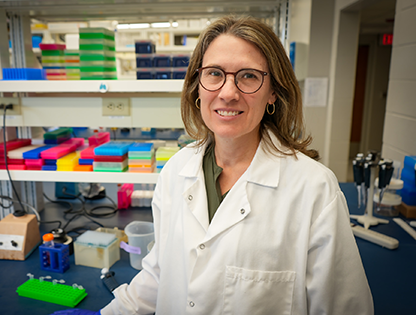
Overview Dr. Stephanie Langel is an Assistant Professor in the Department of Pathology at Case Western Reserve University School of Medicine, with a joint appointment in the Center for Global Health and Diseases. Her research focuses on mucosal immune responses, particularly IgA antibodies at maternal-neonatal interfaces and their role in protecting against viral pathogens like influenza, rotavirus, and SARS-CoV-2. She leads a multidisciplinary team using single-cell technologies, animal models, and human clinical samples. Education PhD in Virology/Immunology from The Ohio State University (2018), MS in Immunology from Virginia Tech (2013), BS in Animal Sciences from The Ohio State University (2011). Research Interests Maternal immunization strategies to boost breast milk immunity Mechanisms of maternal antibody interference in vaccine responses Mucosal immunization to block airborne virus transmission IgA immunobiology in the female reproductive tract Publications & Awards Over 20 peer-reviewed publications, including high-impact journals like Cell Host & Microbe and Mucosal Immunology . Recognized with awards including the 2022 Distinguished Alumni Award and Seed Fund Award. Active in professional societies like the Society for Mucosal Immunology. Labs & Collaborations Langel Research Team at the Center for Global Health and Diseases. Collaborates on projects involving mucosal immunity, maternal-neonatal health, and vaccine development for respiratory viruses.