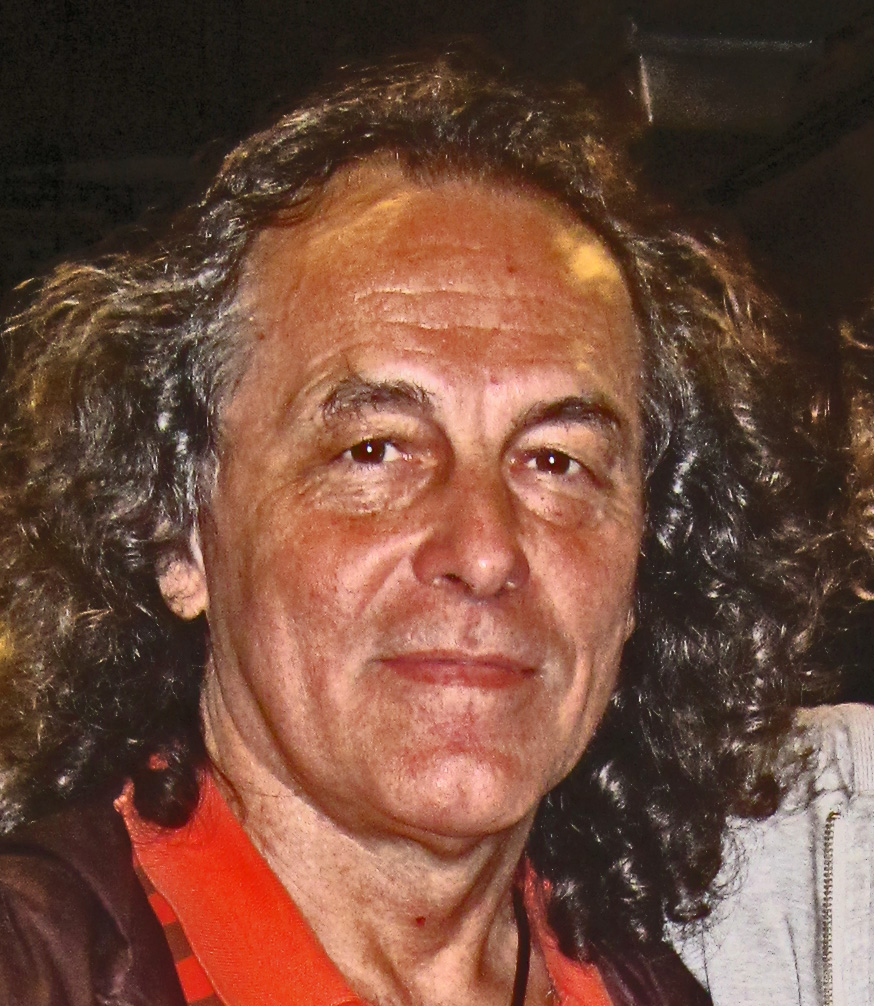
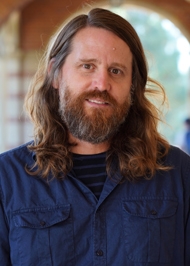
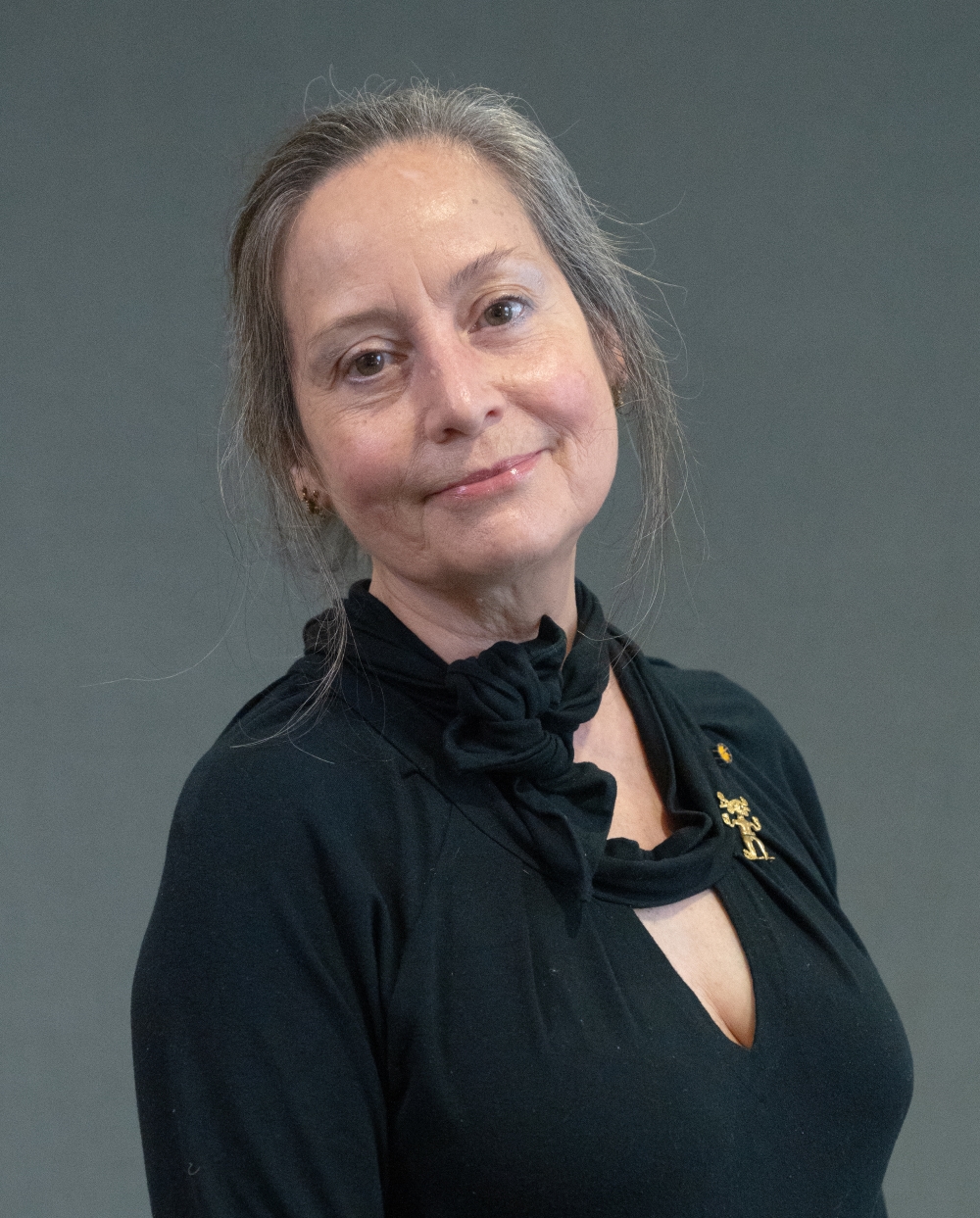
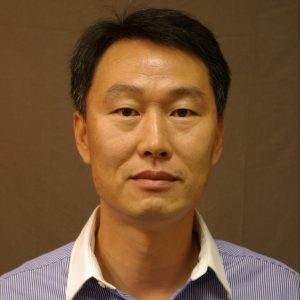
Adam C.N. Wong is an Assistant Professor in the Department of Entomology and Nematology at the University of Florida. His research focuses on host-microbe interactions, particularly how microbiomes influence insect behavior, physiology, and pathology. He employs multi-omics and molecular genetic approaches to study Drosophila species and non-model insects like chironomids and Drosophila suzukii. Key research themes include: 1) microbiome effects on host foraging and nutrient preference, 2) sex-specific microbiome-behavior interactions, and 3) microbiome roles in pest insect adaptation to new environments. Recent work explores microbiome-based strategies for sustainable pest control, collaborating with USDA-ARS on semiochemical development. His lab investigates mechanisms like microbiome-mediated metabolic shifts, virulence pathways of gut pathogens, and long-term developmental impacts of early microbiome perturbations. Research outputs span behavioral modulation, symbiosis dynamics, and agricultural applications of microbiome science. Contact: Steinmetz Hall, Gainesville, FL | adamcnwong@ufl.edu | Lab Website
Hardy Hanappi is a retired University Professor (Emeritus) at the Institute of Economics at the University of Technology, Vienna (TU Wien). He holds a Dr. (PhD) and Habilitation in Political Economy. His roles include former Head of the Institute of Economics, member of the Senate of TU Wien, and coordinator of research areas like 'Value and Needs' and 'Global Economic Policy' at EAEPE. Hanappi is a Jean Monnet Chair holder for the Political Economy of European Integration. Research & Education : Hanappi's work focuses on evolutionary economics, political economy, macroeconomic modeling, and institutional dynamics. He has conducted pioneering research on long-wave economic theories, simulation models (e.g., AUSTRIA 3), and the evolution of capital and institutions. His PhD (1987) and Habilitation (1994) centered on capitalist development stages and evolutionary economics. Key Contributions : Pioneered agent-based modeling in political economy, developed frameworks for evolutionary macroeconomic simulation, and explored systemic risks in financial markets. Authored over 200 publications, including books on evolutionary political economy and European integration. Active in research networks like COST Action IS0902 on systemic financial risks. Grants & Projects : Led major projects funded by the Austrian National Bank (Jubiläumsfonds), EU programs (e.g., EUROMOD), and others. Notable projects include modeling the Eurozone future, banking sector stability, and the evolution of institutions. Affiliations : Member of global associations like the European Economic Association, Society for the Advancement of Socioeconomics (SASE), and Game Theory Society. Former President of the Austrian Chapter of SASE and coordinator of international research networks.
H. Clark Barrett is a Professor of Anthropology at the University of California, Los Angeles (UCLA), affiliated with the Department of Anthropology within the College of Social Sciences. His research focuses on evolutionary psychology, biological anthropology, and cognitive development, particularly studying hunter-gatherer societies in South America such as the Shuar and Achuar. He holds a Ph.D. in Anthropology from the University of California, Santa Barbara (1999), and conducted postdoctoral research at the Max Planck Institute for Human Development in Berlin (1999–2001). Barrett's work examines the evolution of human cognition, including theory of mind, learning about danger, and cross-cultural variation in moral judgment. He has collaborated extensively with psychologists and social scientists on topics ranging from infant-directed speech to the evolution of morality. His fieldwork integrates anthropological and psychological methodologies to explore how cultural transmission interacts with evolved cognitive mechanisms. Key research themes include prepared learning about danger in children, the ecological basis of cooperation, and the role of cultural norms in shaping decision-making. His publications span journals like Evolution and Human Behavior , Proceedings of the Royal Society B , and Cognition , reflecting his interdisciplinary approach to understanding human cognition's evolutionary origins.
Dr. John Bothwell is an Associate Professor (Reader in Bioenergy) in the Department of Biosciences at Durham University. His work focuses on algal genetics, bioenergy potential, and seaweed systematics. He holds a DPhil in Biochemistry and has held academic positions at Queen’s University Belfast and postdoctoral fellowships at institutions including Cambridge and Plymouth. His research integrates molecular, genomic, and ecological approaches to study algal development and marine ecosystems. Education: DPhil in Biochemistry awarded in 2000. Notable career milestones include a year-long break from academia to pursue professional rugby in 2002-2003. Research interests span algal genetics and physiology, bioenergy applications, and the evolutionary biology of seaweeds. Recent work includes studies on cell wall composition in charophyte algae, biofuel extraction processes, and the molecular mechanisms driving multicellularity in seaweeds. His publications highlight interdisciplinary approaches in marine biology, genomics, and biotechnology. Advising includes supervision of Jessie Lauze and Reyna Garcia-Gonzalez (PhD candidate). Research has been applied to both fundamental biological questions and practical challenges in sustainable energy.
Dr Adrian Brennan is an Associate Professor in the Department of Biosciences at the University of Durham, UK. He holds leadership roles including Academic Lead of the Durham Genomics and Bioinformatics Facility (since 2024), Academic Director of Durham Botanic Garden (since 2022), and Deputy International Exchange Coordinator (since 2023). His research focuses on the genomic basis of adaptive trait variation, speciation, hybridization, and invasive species biology, primarily in plants like Linum (flax), Haeterina damselflies, and Centaurea solstitialis. He has a PhD (DPhil) and BA from the University of Oxford. Research Interests : Genetic architecture of adaptive traits Plant speciation and hybridization Invasive species genomics Domestication and crop wild relatives Teaching : Coordinates the Genomics course and teaches Evolution, Genes and Diversity workshops, and Research Skills at undergraduate and postgraduate levels. He actively supervises PhD and MSc students in flax genetics, wildflower seed mix efficacy, and plant breeding. Editorial Roles : Associate editor for Frontiers in Plant Science , AoB Plants , and Evolutionary Ecology . His recent publications (2020–2025) span genomic analyses of hybrid speciation, plant invasion mechanisms, and crop disease resistance.
Professor Jay Stock is a biological anthropologist at the Department of Anthropology, Western University. He holds a PhD from the University of Toronto (2002) and is affiliated with the PAve Lab (www.pavelab.ca). His research focuses on bioarchaeology, human biology, and paleoanthropology, with a particular emphasis on skeletal morphology, growth patterns, and evolutionary adaptations. Recent studies investigate ultra-endurance athletes as models for human physiological and cognitive adaptations, Neolithic mortuary practices in China, and the interplay between subsistence strategies and skeletal biology. Research interests include the ontogeny of skeletal structures (e.g., calcaneus, femur), the evolution of human body size and brain development, and the application of biomarkers to understand past health and demography. He has explored topics such as lactase persistence, climatic influences on human morphology, and the bioarchaeology of prehistoric populations in Malta and Sri Lanka. Recent funding has supported projects on the Mediterranean Neolithic transition, Sri Lankan prehistoric adaptations, and the biomechanics of Temple Period Maltese populations. He teaches graduate courses on human evolutionary biology and supervises students in bioanthropological research. His work bridges archaeological, biological, and historical datasets to address questions of human adaptation and resilience across time and space.
Christopher Kribs is a Distinguished Teaching Professor and Distinguished Research Professor in the Mathematics Department at the University of Texas at Arlington (UTA), holding a joint appointment in Curriculum & Instruction. A fifth-generation Dallasite, he has been at UTA since 1997 following graduate studies at the University of Wisconsin-Madison. His academic journey includes sabbaticals in Mexico (2003-04), France (2009-10), and Scotland (2021-22), reflecting his international research collaborations. His research spans two primary domains: mathematical population biology (specializing in epidemiology and ecology using dynamical systems) and mathematics education (focusing on rational numbers pedagogy and classroom discourse analysis). Key research themes include vector-borne disease modeling (particularly Trypanosoma cruzi/Chagas disease), dengue-Zika interactions, anthrax-rabies dynamics, and the development of mathematical frameworks for educational practices. His work frequently examines how behavioral heterogeneity, cross-immunity, and environmental factors influence disease transmission. Kribs has received numerous accolades including the National Academy of Inventors designation (2021), President's Award for Excellence in Teaching (2017), Regents' Outstanding Teaching Award (2016), and the Marie Curie Fellowship (2009). His recent publications demonstrate continued innovation in modeling complex disease interactions and educational practices, with significant focus on antibody-dependent enhancement effects in arboviral diseases and cognitive demand analysis in mathematics classrooms. Piper Professor Nominee (2022) National Academy of Inventors (2021) President's Award for Excellence in Teaching (2017) UTA Academy of Distinguished Scholars (2017) Regents' Outstanding Teaching Award (2016) Prix Sanofi-Pasteur (2010) As an advisor, Kribs has chaired six doctoral dissertations and served on numerous committees, mentoring researchers in mathematical epidemiology and education. His grant portfolio includes substantial funding from NSF, Texas Higher Education Coordinating Board, and private foundations, totaling over $3.5 million. Current projects focus on optimizing dengue vaccination strategies and analyzing classroom discourse patterns. He also directs professional development programs for K-8 mathematics teachers and maintains active collaborations with institutions in Mexico, Colombia, and Scotland.
Casey Youngflesh is Assistant Professor in Biological Sciences at Clemson University, leading the Quantitative Ecology Lab. Research combines ecological theory with Bayesian modeling and AI to study biodiversity patterns under global change. Uses 'big data' from community science, satellites, and camera networks to analyze population dynamics, phenological shifts, and species responses to environmental change. Focuses on birds and marine mammals as model systems. Article Trends: Recent publications focus on climate change impacts on phenology (35%), biodiversity modeling (25%), methodological innovation (20%), Antarctic ecosystems (15%), and microbiome dynamics (5%). Integrates field data with computational approaches across spatial scales.
Christopher Caudill is a Professor of Fisheries in the Department of Fish and Wildlife Sciences at the University of Idaho, within the College of Natural Resources. His research focuses on anadromous fish migration, thermal biology, and fish passage engineering, particularly involving Chinook salmon, steelhead, and Pacific lamprey. He has led numerous studies on salmonid migration behaviors, prespawn mortality, and the effects of hydropower infrastructure on fish populations. Education: Ph.D. in Entomology (2002), Cornell University; M.S. in Zoology (1995), University of New Hampshire; B.S. in Biology (1991), University of Maryland. Research Interests - Fish migration and passage dynamics - Thermal and environmental stressors on aquatic species - Conservation of Pacific salmonids and lamprey - Fish telemetry and behavioral studies - Hydropower dam mitigation strategies Key Projects Evaluation of fishway designs for lamprey passage at Columbia River dams Climate impacts on river habitats and salmonid populations Effects of temperature gradients on fish health and migration Analysis of prespawn mortality in Chinook salmon Awards 2013 Distinguished Project in Fisheries Engineering (Honorable Mention) 2005 Zayed International Prize for the Environment Grants & Funding U.S. Army Corps of Engineers: Over $2M in projects addressing salmonid telemetry and dam passage National Park Service: Water quality monitoring in the Upper Columbia Basin His work bridges ecological science and engineering to inform conservation strategies for migratory fish species in altered river systems.
Anna-Britt Coe serves as an Associate Professor in the Department of Sociology at Umeå University, Sweden. She coordinates the multidisciplinary Master’s Program in Leadership and Organization, collaborating across five departments including psychology, pedagogy, political science, business administration, and sociology. Her academic work spans undergraduate and graduate teaching in organizational sociology, qualitative research methods, and sociological theory. Her research centers on two primary domains: the societal and policy impacts of social movements, and young adults' political practices that blur boundaries between state and society. Key interests include gender, age, and racialization in power dynamics, with empirical focus on Swedish and Latin American activism concerning safety, feminism, and sexual/reproductive rights. Current collaborations examine rural youth political engagement, COPD stigma, cancer care pathways, and health management capacity building. Her publication portfolio demonstrates consistent output in political sociology and health systems research, with recent emphasis on place-based youth activism, cancer patient pathways, and feminist movement dynamics. The work shows strong interdisciplinary connections between social movement theory, health services research, and gender studies. Coe actively participates in research groups including Social Movements and Political Action, Sociology of Health, and Sociology of Organizations. She collaborates on multiple funded projects through 2024 examining intergenerational activism, rural youth politics, COPD management, and cancer care systems.
Lorena Madrigal is a Professor in the Department of Anthropology at the University of South Florida. Her academic credentials include a Ph.D. in Anthropology from the University of Kansas, an M.A. from the University of Cincinnati, and a B.S. from the University of Utah. She has held significant leadership positions including President of the American Association of Physical Anthropologists (AAPA) from 2011–2013 and a biological seat on the executive board of the American Anthropological Association (AAA) from 2014–2017. Research Focus: Dr. Madrigal specializes in human microevolution using demographic and population genetics approaches, with fieldwork concentrated in Costa Rica. Her research challenges established theories like the grandmother hypothesis and examines genetic evolution in Afro-Caribbean and East Indian diasporic communities. Key interests include: Biological anthropology and human longevity Gene flow and genetic drift in isolated populations Cardiovascular health in developing economies Maternal genealogy reconstruction Publication Trends: Her recent articles (2011–2021) demonstrate strong emphasis on mitochondrial genetics, longevity determinants, and diaspora health impacts. Over 60% focus on Costa Rican populations, employing methods from pedigree analysis to meta-analyses of physiological adaptations. Honors: President, American Association of Physical Anthropologists (2011–2013) Executive Board (Biological Seat), American Anthropological Association (2014–2017) Graduate Advising: Currently mentors five graduate students including Raymond Blair and Amanda Malerba. Teaching responsibilities span Biological Anthropology, Human Evolution, Anthropological Genetics, and Advanced Quantitative Methods.
JaeWoo Kim is an Assistant Research Professor in the Division of Animal Sciences at the University of Missouri’s College of Agriculture, Food and Natural Resources (CAFNR). His research focuses on genomic and transcriptomic analyses of livestock, particularly cattle and swine, with emphasis on infectious disease responses, reproductive biology, and production trait genetics. He holds a Ph.D. and is affiliated with the Animal Science Research Center. Research interests include bovine respiratory disease pathogenesis, viral-host interactions, genomic selection for feed efficiency, and functional genomics of reproductive traits. His work integrates advanced sequencing technologies (e.g., RNA-seq, ATAC-Seq) to understand transcriptome dynamics and identify biomarkers for disease and productivity. Key contributions involve studies on BoHV-1 and BRSV infections in calves, CYP19 paralogs in porcine development, and genomic associations with beef cattle traits. His publications highlight interdisciplinary approaches linking molecular mechanisms to agricultural applications. Kim’s research has implications for improving livestock health, breeding strategies, and sustainable production systems. He is contactable at kijae@missouri.edu and located in the Animal Science Research Center.
Dr. Charlotte Brassey is a Senior Lecturer in Zoology at Manchester Metropolitan University, specializing in functional morphology, comparative anatomy, and 3D imaging techniques. Her research explores mammalian genitalia evolution and animal kinematics using advanced imaging technologies. She serves as Associate Editor for Proceedings of the Royal Society B and is a grant reviewer for major UK research councils. Her research spans: Evolution of mammalian baculum and clitoris 3D shape quantification methods AI-based animal tracking Biomechanical modeling Her publications focus on comparative anatomy across species, employing CT scanning and morphometric analysis to understand functional adaptations in vertebrates and arthropods. The research shows consistent application of 3D imaging to evolutionary questions across diverse taxa. Dr. Brassey supervises PhD students investigating reproductive biomechanics in mammals and predatory structures in arthropods. She serves on governance boards including the EPSRC National X-Ray Computed Tomography Facility and NERC Peer Review College.
Dr. Stuart Reitz is Director at the Malheur Agricultural Experiment Station, Oregon State University, where he leads research and extension programming related to cropping systems in Malheur County. His work focuses on Integrated Pest Management (IPM), ecology and management of insect vectors of plant pathogens, particularly in onion and potato production systems in the Treasure Valley region of Eastern Oregon and Southwestern Idaho. Dr. Reitz's educational background includes: Ph.D. in Entomology from Clemson University (1994), with dissertation on "Reproductive Biology of Eucelatoria bryani and Eucelatoria rubentis (Diptera: Tachinidae), Larval Parasitoids of Helicoverpa zea (Lepidoptera: Noctuidae)." M.S. in Zoology from Clemson University (1988), with thesis on "Relationships of Feeding and Locomotor Activity to Intraspecific Social Dominance in Captive Wintering Savannah Sparrows." B.S. in Biology (minors in Geography and Chemistry) from University of South Alabama (1985). Dr. Reitz's research primarily centers on thrips management, particularly western flower thrips ( Frankliniella occidentalis ), and their role in transmitting plant pathogens like Iris yellow spot virus. His work spans entomology, plant pathology, food safety, and integrated pest management strategies for onion and potato production. He investigates biological control methods, insecticide resistance, and the impacts of agricultural practices on pest dynamics and pathogen transmission. His recent publications demonstrate a strong focus on food safety concerns related to onion production, particularly examining Escherichia coli contamination risks and mitigation strategies. There's also significant work on thrips ecology, invasive species dynamics, and novel pest management approaches including RNAi technology. His research bridges fundamental entomological questions with practical agricultural applications. Dr. Reitz has received numerous awards including: Oregon Farm Food Safety Team Award, OSU Extension Association (2019) Western Region Excellence in Multistate Research Award for "Managing Onion Pests and Diseases" (2018) Award of Excellence for Training IPM Professionals in Rural Areas (2017) "Ask-an-Expert" Outstanding Performer, Oregon State University Extension (2017) Strategic Impact Award, OSU University Outreach and Engagement (2016) Hoecker Newer Faculty Award, Oregon State University Extension Service (2016) Dr. Reitz actively mentors graduate students through both the Crop and Soil Science Department and the Entomology Program at Oregon State University. He has secured significant funding for research on onion pest management, food safety, and integrated pest management strategies. His work often involves collaboration with researchers across multiple institutions and states, particularly through multistate research projects focused on onion production challenges. Dr. Reitz leads research efforts at the Malheur Agricultural Experiment Station, where his team conducts field studies on onion and potato pests, pathogen transmission, and food safety concerns. His work directly informs extension programs that support regional onion growers in implementing effective pest management strategies while meeting food safety regulations.
Samia Khatun is a Senior Lecturer in History at SOAS University of London, affiliated with both the Department of History and the School of History, Religions and Philosophies. She holds a BA and PhD from the University of Sydney. Her research critically examines how modern history disciplines constructed racial hierarchies and feminist imaginations, emphasizing decolonial methodologies rooted in colonized peoples' intellectual traditions. Her work focuses on the global South, particularly South Asian and Australian colonial contexts. Key publications include Australianama: The South Asian Odyssey in Australia (2018), which challenged Eurocentric epistemologies, earning the Scholarly Non-Fiction Book of the Year award. She has also produced documentaries on Muslim migration and white nationalism for Australian national broadcasters ABC and SBS. Before joining SOAS, Dr Khatun was Associate Professor at the University of Liberal Arts Bangladesh (ULAB), where she pioneered undergraduate history programs in Bangladesh's private university sector. Earlier roles included Postdoctoral Fellow at the University of Melbourne and visiting positions at institutions like Zentrum Moderner Orient (Berlin) and Jadavpur University (Kolkata). Her advising and grant landscape reflects extensive mentorship and interdisciplinary engagement. Notable advisee: Dishan Abrahams (PhD Title: Digital Dislocations: The Music of the Sri Lankan Tamil Diaspora ). Her career trajectory demonstrates sustained commitment to decolonizing academic disciplines through teaching and research initiatives. She contributes to the School's mission of exploring Global South histories, religions, and philosophies through critical and interdisciplinary approaches. While no specific laboratory is mentioned, her work intersects with the School's Jaina-Prosopography project on monastic networks and patronage in South Asia.