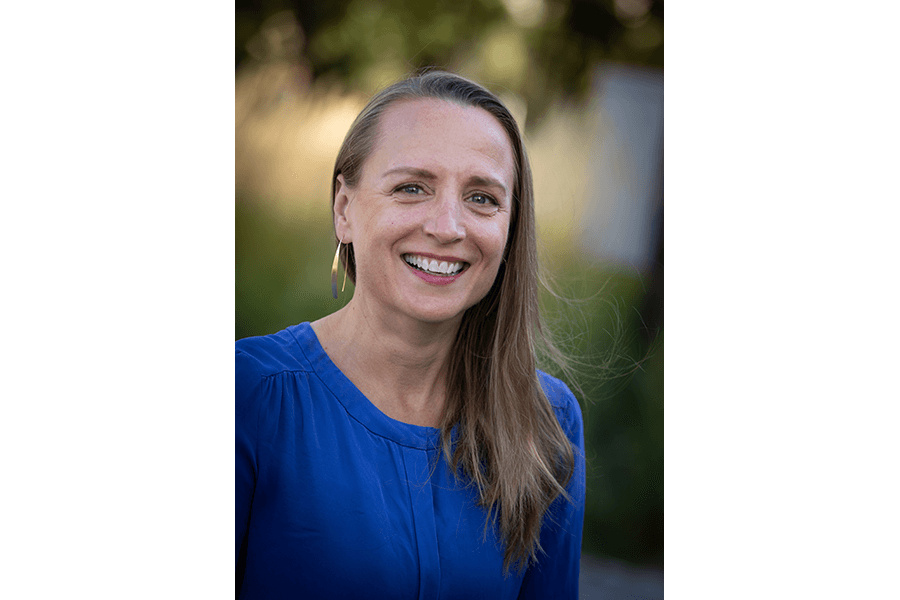
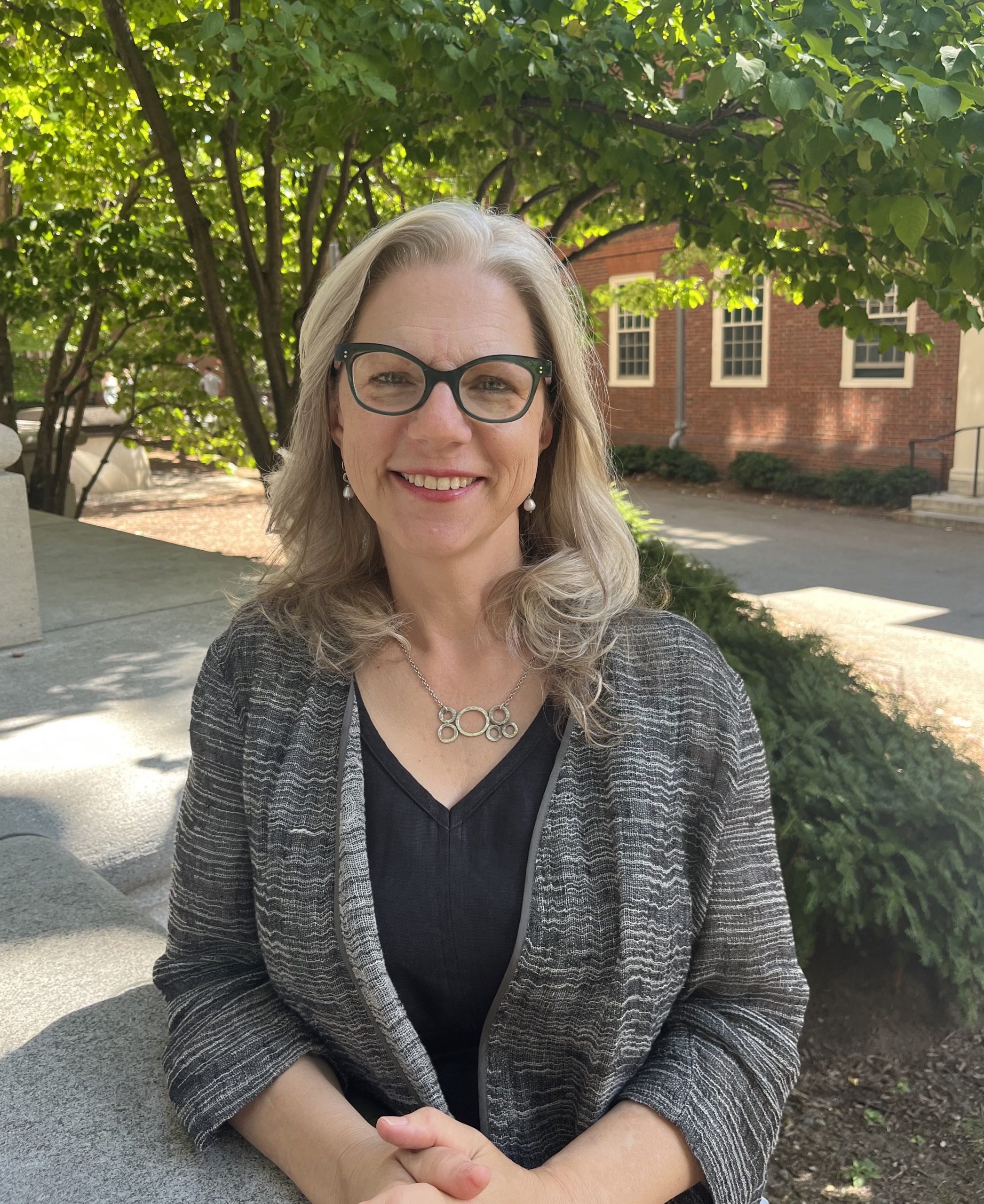
Dr. Winnie Lem is a Professor in the Department of International Development Studies and Gender and Social Justice program at Trent University. Her research focuses on migration, transnationalism, citizenship, and political economy with a regional emphasis on Europe and Asia. She holds a Ph.D. from the University of Toronto. Her academic work spans migration studies, urbanization, gender, and rural politics. Notable contributions include analyses of Chinese migrant entrepreneurs in France, militant populism in contemporary France, and the dialectics of migration. Lem has co-edited several volumes on migration and capitalism, including Migration Temporalities and Capitalism (2018) and Confronting Capital (2012). Lem teaches courses on global inequality, migration, and development studies. She actively contributes to interdisciplinary research through collaborations with institutions like the Canadian Anthropology Society. Her work often bridges anthropological theory with critical political economy frameworks, examining how global capitalism shapes migrant experiences and social structures. Her recent scholarship (2020) contextualizes the Gilets Jaunes movement within broader populist trends in France, while earlier work (2001–2009) explored labor dynamics in rural France and transnational migrant economies. Lem’s research emphasizes the intersection of class, gender, and ethnicity in migration narratives.
Shannon D. M. Moore is an Associate Professor at the Faculty of Education , University of Manitoba , where she teaches media education , social studies education , social justice pedagogy , and research methodologies. Her work critically examines the impacts of neoliberal reforms on public education, hockey culture , and gender-based sexual violence in schools. Education: 2014 — PhD, University of British Columbia 2008 — MA, University of British Columbia 2000 — BEd, University of British Columbia 1999 — BA, University of British Columbia Her research focuses on media literacies , neoliberalism , and creative pedagogies . Recent projects include the SSHRC-funded study We Interrupt this Programming , which analyzes institutional responses to gender-based violence, and co-planning the Hockey Conference 2025 in Winnipeg. She also serves as managing editor of the Manitoba Social Science Teachers' Association Journal and co-hosts the podcast Public Good . Recent publication trends include critiques of EdTech neoliberalism , education privatization , and homophobic/transphobic discourses in mainstream media. Her work bridges critical pedagogy with policy analysis and cultural studies , emphasizing the intersection of public education and social justice . Scientific Awards: Invited to testify before the House of Commons' Standing Committee on the Status of Women (2024) for her research on hockey culture and gendered violence Community & Leadership: As a founding member of People for Public Education and organizer of the Hockey Conference 2025, she advocates for systemic resistance to neoliberal education policies and works to amplify marginalized voices in educational discourse.
Rania Salem is an Associate Professor in the Department of Sociology at the University of Toronto Scarborough (UTSC). Her research focuses on the sociology of family, gender, and economic sociology of households and labor markets in the Middle East and North Africa (MENA) region. Research Interests Dr. Salem explores themes such as women’s agency, marriage practices, and the intersection of economic factors with social stratification. Her work often employs empirical methodologies to analyze household dynamics, gender roles, and cultural norms in Egypt, Jordan, and Tunisia. Publication Trends Her recent publications (2015–2022) emphasize gendered labor market effects on marriage timing, matrimonial expenditures, kin marriage rationales, and women’s empowerment in rural MENA contexts. These studies integrate qualitative and quantitative approaches to address social inequalities.
Priyank Chandra is an Assistant Professor at the University of Toronto's Faculty of Information and Director of the STREET Lab (SocioTechnical Resistance and Ethical Technologies Lab). His interdisciplinary research focuses on sociotechnical practices of marginalized communities, leveraging HCI, CSCW, STS, and development studies to design inclusive technologies. He holds a PhD in Information from the University of Michigan, along with MS in Economics and BE in Electronics Engineering. Chandra has received awards at ACM CHI and CSCW for his work on labor movements, digital resistance, and accessibility. Education: PhD in Information, University of Michigan (2019) MS in Economics BE in Electronics Engineering Research Interests: Chandra explores how marginalized communities reconfigure technologies to foster self-organization and resistance. His work bridges HCI/CSCW with theories from development studies and institutional analysis, emphasizing ethical, socially just systems. Recent projects include studying farmer movements in India, gig economy platforms, and weather risk communication for visually impaired Ontarians. Grants & Awards: SSHRC Grant: Repertoires of Contention in Digital Labour Platforms (2023-2024) NSERC Grant: Designing Inclusive Platforms for the Gig Economy (2022-2027) Connaught New Researcher Award (2023) ACM CHI/CSCW Awards for contributions to labor studies and accessibility Advising & Labs: Supervises students in ICTs, design, and marginality. Directs the STREET Lab at KMDI, focusing on ethical tech for vulnerable communities. Teaches courses on inclusive design and marginalized communities' ICT practices.
Dr. Laura Pacheco is an Assistant Professor at the School of Social Work at Memorial University. She holds a BSW and MSW from McGill University and a PhD in Rehabilitation Medicine from the University of Alberta. Her research focuses on reproductive justice, intellectual disability and parenting, structural violence against women with disabilities, neurodiversity in aging, and social justice within health and social service systems. She has conducted post-doctoral work on support needs for parents with intellectual disabilities and has been a clinician, advocate, and program coordinator in parenting services for over 14 years. She teaches courses emphasizing critical social work practice, anti-oppression, and disability studies. Her funded research includes studies on neurodiverse aging (2020–2023) and service pathways for parents with intellectual impairments (2018–2021). She is an executive member of the International Association on the Scientific Study of Intellectual Disability (IASSIDD) and has contributed to international workshops and conferences. Her work bridges academic research with community engagement, advocating for systemic equity and inclusive policies.
Ellen J Amster is the Jason A. Hannah Chair in the History of Medicine at McMaster University and holds a joint appointment as Associate Professor in the Departments of Family Medicine and Religious Studies. She is an interdisciplinary historian and qualitative health researcher specializing in global health, bringing together history with health and religious studies. Her work focuses on the history of medicine in the West, the Islamic world, and French empire. Dr. Amster received her B.A. from the University of Chicago and her Ph.D. from the University of Pennsylvania. She has established herself as an expert in the history of public health, Islam and North Africa, France and French empire, maternal and infant health, global primary care, Islamic studies, religion and nonwestern healing systems, colonialism and postcolonial theory, and women's histories and gender. Her research portfolio reveals strong thematic continuity across time periods, with a focus on the intersection of medicine, colonialism, and identity. Recent publications demonstrate increasing engagement with critical race theory in medicine, gender studies, and contemporary social justice issues including analyses of the George Floyd protests. Her work spans history of medicine, medical humanities, and global health policy, with particular attention to Morocco and French colonial contexts. Dr. Amster has secured funding from prestigious sources including the Canadian Institutes of Health Research (CIHR), the Social Sciences and Humanities Research Council (SSHRC), the IIE Fulbright-Hayes program, the Chateaubriand Program of the French Government, and the American Institute for Maghrib Studies. She teaches courses on gender and religion, public health, and Middle East/North Africa for the Department of Religious Studies, the Master of Public Health Program, and the Michael G. DeGroote School of Medicine. Dr. Amster also organizes the Hannah History of Medicine and Medical Humanities Speaker Series and created the History of Medicine and Medical Humanities Research Portal (https://medhumanities.mcmaster.ca/), funded by Associated Medical Services.
Trudo Lemmens is Professor and Scholl Chair in Health Law and Policy at the University of Toronto Faculty of Law. He holds cross-appointments at the Dalla Lana School of Public Health, the Temerty Faculty of Medicine, and the Joint Centre for Bioethics, reflecting his interdisciplinary expertise in health law, ethics, and policy. He has also held visiting positions at KU Leuven, Pontificia Universidad Javeriana, University of Otago, and Oxford, and was a member of the Institute for Advanced Study in Princeton. His research focuses on the legal, ethical, and governance challenges in healthcare and biomedical research. Key areas include medical assistance in dying, clinical trial transparency, pharmaceutical regulation, genetic data privacy, and conflict of interest. He has extensively analyzed how legal frameworks interact with ethical norms in contexts such as assisted human reproduction, end-of-life decisions, and public health emergencies. His work emphasizes human rights, equity, and the protection of vulnerable populations. His recent publications reveal a strong focus on the ethical and legal dimensions of medical assistance in dying, particularly regarding mental illness and advance requests. He has also published on vaccine mandates, pandemic triage ethics, and transparency in pharmaceutical data. His scholarship combines doctrinal legal analysis with empirical and policy insights, often addressing urgent public health debates. Fellowship, Royal Flemish Academy of Belgium for Science and the Arts (2006-2007) Membership, School of Social Science, Institute for Advanced Study, Princeton (2003-2004) Law Commission of Canada, Legal Dimensions Initiative Award (with Duff R. Waring) (2003) Graduate Student Paper Award, Association for Politics and the Life Sciences (1996) Doctoral Fellowship, Social Sciences and Humanities Research Council of Canada (1995-1997) Doctoral Fellowship, Fonds pour la formation de chercheurs et l'aide à la recherche du Québec (deferred) (1995-1998) Student Paper Award, Society for Health and Human Values (1995) Chief Justice R.A.E. Greenshields Memorial Scholarship for Graduate Studies in Law (1994) Trudo Lemmens has advised numerous national and international organizations, including the Pan American Health Organization (as a member of its Advisory Committee on Health Research), the World Health Organization, and the Council of Canadian Academies. He has served on expert panels examining access to health data and medical assistance in dying. His policy submissions to Canadian parliamentary committees have shaped national debates on end-of-life legislation. He has also contributed to inquiries into research ethics and institutional governance, including an independent inquiry into the University of Ottawa and its affiliated hospitals. He is actively engaged in public discourse, publishing op-eds in major media outlets and maintaining a presence on social media. His work bridges academia, policy, and public engagement, advocating for transparency, accountability, and ethical integrity in health systems and research.
Julie Yujie Chen is an Assistant Professor at the Institute of Communication, Culture, Information, and Technology (ICCIT) at the University of Toronto Mississauga, with a graduate appointment at the Faculty of Information. She holds a PhD in American Studies from the University of Maryland, College Park, and previously served as a Lecturer at the University of Leicester's School of Media, Communication, and Sociology. Her research focuses on the intersection of culture, digital technologies, and economic structures in shaping work experiences, particularly in China's platform economy. Key areas include ride-hailing and food-delivery sectors, worker resistance in digital capitalism, and the sociocultural impacts of platforms like WeChat. She is the lead author of *Super-sticky WeChat and Chinese Society* (2018), the first academic work analyzing WeChat's societal and political influence. Research interests: Digital labour, platform capitalism, AI-driven work, global labour patterns, and socio-technological change. Current supervision: Hiu-Fung Chung and Mathew Iantorno. Her recent work examines platform labour dynamics, national employment policies in China, and comparative studies of global digital economies. Articles often explore themes like worker agency, algorithmic management, and socio-technical resistance strategies.
Dr. Yujie (Julie) Chen is an Associate Professor (on leave) at the University of Toronto's Faculty of Information, affiliated with the Department of Communication, Culture, Information & Technology (CCIT). Her work focuses on digital media's political economy, platform capitalism, and digital labour studies. She authored Super-Sticky WeChat and Chinese Society , analyzing WeChat's societal integration and platform power dynamics in China. Her research critiques how labour is marginalized in datafication discourse, particularly in platform-mediated sectors like ride-hailing (DiDi) and food delivery. Key themes include algorithmic control, worker resistance, and the interplay between technology, state policies, and labour conditions in China. Dr. Chen’s work bridges sociotechnical systems analysis with critical political economy frameworks. Her recent studies explore temporal exploitation in platform labour (e.g., food delivery workers’ time management), gamification of work processes, and the 'digital utility' concept deployed by platforms to justify market dominance. She frequently presents at conferences like AoIR and ICA, emphasizing global platform capitalism’s socio-economic impacts. Dr. Chen is completing a book manuscript examining labour’s erasure in datafication narratives and advocating for analytical frameworks that foreground embodied labour experiences. Her research also intersects with global South labour comparisons, notably between China and the Philippines in platform economies.
Sharla Alegria is an Associate Professor at the University of Toronto (Downtown Toronto campus), specializing in sociological research focused on race, gender, and technology. Her work intersects colonialism, racialization, and indigeneity with computational methods and organizational studies. She examines how systemic inequalities manifest in tech workforces and AI systems, emphasizing intersectional analyses of labor markets and workplace dynamics. Her research interests include the sociology of artificial intelligence, racialized and gendered labor in tech industries, and the sociotechnical reproduction of inequality. She critiques structural barriers in STEM fields and explores pathways to enhance diversity and inclusion in science and engineering workforces through policy and organizational interventions. Key themes in her recent publications (2024–2016) include algorithmic bias in machine learning, gender pay gaps in federal science agencies, and the invisibility of marginalized workers in global tech supply chains. Her work bridges sociological theory with empirical analyses of contemporary technological and organizational challenges. Despite her prolific output, no specific awards or grants are explicitly listed in the provided materials. Her research often engages with interdisciplinary methods, combining quantitative and ethnographic approaches to study systemic inequities in high-tech environments.
Pamela Klassen is Professor and Chair in the Department for the Study of Religion at the University of Toronto, cross-appointed to Anthropology. She is a Fellow of the Royal Society of Canada and has held distinguished positions including William Lyon Mackenzie King Chair at Harvard University and Distinguished Visiting Professor at the University of Tübingen. Professor Klassen's research focuses on the anthropology of religion with particular attention to: Colonialism, treaties, and public memory in North America and Turtle Island Global Christianities and their relationship to Indigenous lands Religion, ritual, and museum studies Digital humanities approaches to religious history Gender, spirituality, and religious authority Her scholarly work demonstrates a consistent engagement with how religion shapes and is shaped by colonial histories, public memory, and contemporary political struggles. Klassen's research bridges academic inquiry with public-facing projects that collaborate with Indigenous communities, particularly the Rainy River First Nations. Among her notable awards are the American Academy of Religion Award of Excellence (2012), the Northrop Frye Award of Excellence (2015), and the Anneliese Maier Research Award from the Humboldt Foundation (2015-2020). She was elected as a Fellow of the Royal Society of Canada in 2019. Professor Klassen actively mentors graduate students and has supervised numerous PhD candidates working at the intersection of religious studies, anthropology, and Indigenous studies. Her current research includes a book on the public memory of gold rushes in settler colonies and ongoing collaborative work with the Kay-Nah-Chi-Wah-Nung Historical Centre. She leads several major collaborative projects including "Kiinawin Kawindomowin Story Nations," a digital storytelling initiative focused on restorying colonial documents about Manidoo Ziibi (Rainy River), and "Treaty Conversations," an educational resource about treaty relationships in Ontario.
Brenna Bhandar is an Associate Professor at the Peter A. Allard School of Law, University of British Columbia, specializing in property law, critical theory, colonial legal history, and critical race feminism. Previously, she was a Reader in Law and Critical Theory at SOAS, University of London, and held faculty positions at Queen Mary School of Law, Kent Law School, and the University of Reading Law School. She has also held visiting appointments at L'École des hautes études en science sociales (Paris) and Stellenbosch University Faculty of Law (South Africa). BA (Hons.) in South Asian Studies and History from University of Toronto (1996) LLB from UBC (1999) PhD from Birkbeck School of Law, University of London (2007) Professor Bhandar's research focuses on the intersections of property law, critical theory, race, gender, and colonialism. Her work examines how property laws and processes of racialization are intertwined within colonial and post-colonial contexts. She is particularly interested in the historical and contemporary effects of dispossession on society, especially on marginalized communities. Her research spans theoretical, transdisciplinary, and historically situated approaches to understanding law's role in shaping racial and gender formations. Her publications reveal a consistent focus on property as a central mechanism for understanding colonialism, racial capitalism, and dispossession. The articles demonstrate increasing attention to contemporary issues like housing markets, neoliberal legal transformations, and Palestine solidarity, while maintaining deep engagement with foundational questions about property, race, and law. Her work spans multiple disciplines including law, political theory, postcolonial studies, and critical race studies. Professor Bhandar is actively involved in supervising doctoral and post-doctoral researchers working in areas related to property, critical theory, race, geography, and colonialism. She has received funding from Allard Law Faculty and the Independent Social Research Foundation (Europe) for her research projects. She currently leads research projects on residential housing markets in the UK context, the doctrine of preemption in British Columbia, and is organizing a workshop on 'Dispossession and the Commons' with scholars from Europe, the UK, and the US. She serves on the editorial collective of Radical Philosophy and is a research associate at the Centre for Palestine Studies, SOAS, University of London.
Joanna N. Erdman is an Assistant Professor and MacBain Chair in Health Law and Policy at Dalhousie University's Schulich School of Law. Her work focuses on reproductive rights, health equity, and human rights within legal frameworks. She has extensively researched abortion law, global health policies, and gender equality in healthcare access. Erdman's scholarship addresses intersections between law, public health, and human rights, particularly in contexts like abortion accessibility, HPV vaccine equity, and prenatal care ethics. Her research interests emphasize harm reduction strategies, evidence-based lawmaking, and transnational legal perspectives. Erdman has contributed to influential discussions on constitutionalizing abortion rights in Canada, WHO guidelines on safe abortion practices, and the implementation of CEDAW in healthcare systems. Her work often critiques legal barriers to healthcare access and advocates for policy reforms grounded in human rights principles. Erdman has collaborated with leading scholars like Rebecca J. Cook and Bernard Dickens on publications analyzing abortion law and medical ethics. Her articles frequently appear in interdisciplinary journals such as the International Journal of Gynecology and Obstetrics and Emory Law Journal . While no formal grants or awards are cited here, her extensive citation count (over 5,000 downloads on SSRN) underscores her impact in health law research. Erdman’s recent work includes updating global abortion policy analyses and exploring gender equality in health systems through CEDAW frameworks. She maintains an active research agenda on transnational healthcare law and its implications for marginalized communities.
Dr. Heather Latimer is an Assistant Professor in the Gender, Women and Sexuality Studies department at the University of British Columbia's Irving K. Barber Faculty of Arts and Social Sciences. She teaches courses including Politics of Reproduction, Critical Sexuality Studies, Feminist Epistemologies, Gender and Popular Culture, and Gender, Race, Sexuality and Power. Her academic work focuses on feminist theories, sexuality studies, and reproductive politics across various cultural texts. Dr. Latimer earned her PhD in English from Simon Fraser University and her MA in Gender and Women's Studies from the University of British Columbia. Her educational background has shaped her interdisciplinary approach to examining reproductive politics through literary and cultural analysis. Her research primarily explores feminist theories and epistemologies, sexuality studies, science and technology studies, cultural studies, literature and film, with a particular focus on reproduction and pregnancy, reproductive technologies and politics, and reproductive governance and abortion. She is currently investigating the role of reproductive politics in contemporary dystopian fiction through an SSHRC Insight Development Grant-funded project that examines how fourteen core texts portray dystopian societies fixated on reproductive control. This research suggests these narratives reveal 'the political unconscious' of public and private discourses about reproduction. Dr. Latimer's publications demonstrate a consistent thematic focus on reproductive politics across literature, film, and political discourse. Her work connects feminist theory with contemporary political debates, particularly around abortion rights and reproductive justice. The articles show increasing engagement with intersectional approaches, examining how reproductive politics intersect with race, migration, and environmental concerns. SSHRC Insight Development Grant (2019-22) UBC Teaching and Learning Enhancement Fund Grant (2017-19) UBC Killam Teaching Prize (2017) Women's and Gender Studies and Recherches Féministes Outstanding Scholarship Award (2015) As a graduate student supervisor, Dr. Latimer mentors students interested in feminist theory, reproductive politics, and cultural studies. Her teaching philosophy emphasizes critical engagement with contemporary issues of power, conflict, and ideas as they relate to gender, sexuality, and reproduction. She maintains an active research agenda that bridges academic scholarship with current political debates around reproductive rights and justice.
Dr. Céline Castets-Renard is a Full Professor in the Civil Law Section of the Faculty of Law at the University of Ottawa and holds the Canada Research Chair in International and Comparative Law of Artificial Intelligence. She also serves as the University Research Chair on Accountable AI in a Global Context (2020-2024) and is an affiliated researcher at ANITI (Toulouse) and Yale Law School's Internet Society Project. She previously held senior academic roles at Université Toulouse Capitole and was a visiting scholar at institutions including Fordham Law School and Osaka University. Her research focuses on digital technology and AI governance from an international and comparative law perspective, emphasizing EU, Canadian, and US frameworks. Key areas include AI law, data protection, digital copyright, platform regulation, and the intersection of technology with human rights, equity, and gender issues. She has authored over 100 articles, 2 monographs, and edited 4 books. Dr. Castets-Renard advises on EU initiatives such as the AI Office’s General-Purpose AI Code of Practice and the Digital Markets Act. Her work bridges legal scholarship with practical challenges in AI accountability, privacy, and transnational governance. Awards include the Honorary Junior Membership of the Institut Universitaire de France (2015-2019).