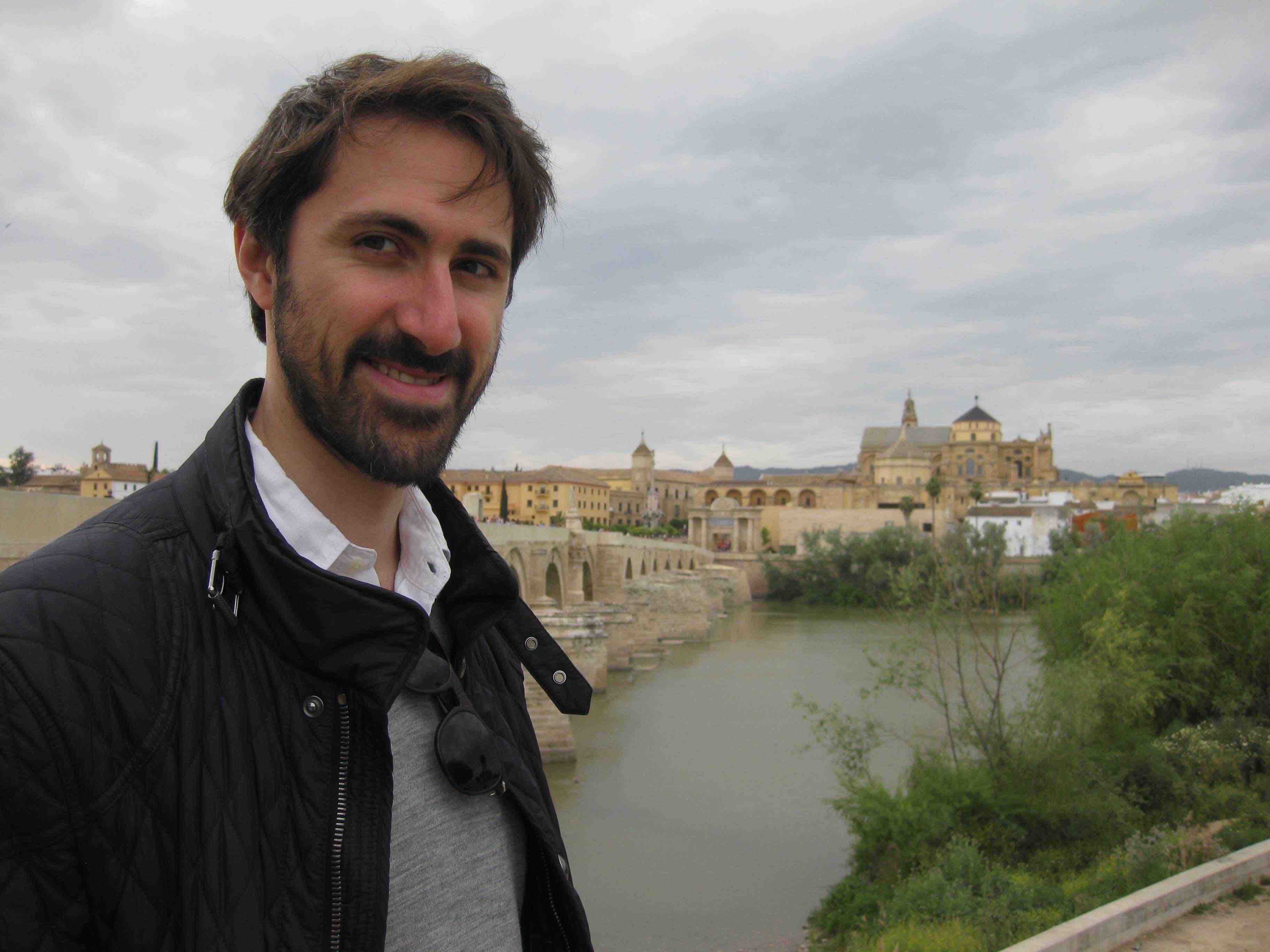
Dr. Katherine Herborn is a Lecturer in Physiology and Behaviour at the University of Plymouth's School of Biological and Marine Sciences within the Faculty of Science and Engineering. Her research focuses on applying thermal imaging, acoustic monitoring, and animal-mounted sensors to assess stress and emotional states in animals, aiming to improve farm welfare and wildlife conservation. She teaches modules including animal physiology, ethics, and conservation, and coordinates MSc work placements in Zoo & Aquarium Conservation Biology and Sustainable Aquaculture. Research Interests: Her work integrates technology-driven approaches to understand animal behavior and welfare, emphasizing non-invasive methods. Key areas include vocal stress indicators in domesticated species, thermal imaging for physiological stress assessment, and cognitive studies in equines. She also explores environmental and anthropogenic stressors' impacts on wild populations. Publications: Recent work spans 2010-2024, with notable contributions on vocal stress biomarkers in chicks, thermal imaging applications, and equine visual cognition. Her research bridges technological innovation with applied ecological and agricultural challenges. Teaching Roles: Module Lead: Principles of Physiology (BIOL133) Animal Ethics & Welfare (BIOL313) Conservation, Ecology & Society (ANIM5008) Aquarium Health & Nutrition (ANIM5012) Contributions to Sustainable Development Goals: Her work supports SDG 15 (Life on Land) and SDG 14 (Life Below Water) through animal welfare and conservation technologies.
Dr. Stuart Reitz is Director at the Malheur Agricultural Experiment Station, Oregon State University, where he leads research and extension programming related to cropping systems in Malheur County. His work focuses on Integrated Pest Management (IPM), ecology and management of insect vectors of plant pathogens, particularly in onion and potato production systems in the Treasure Valley region of Eastern Oregon and Southwestern Idaho. Dr. Reitz's educational background includes: Ph.D. in Entomology from Clemson University (1994), with dissertation on "Reproductive Biology of Eucelatoria bryani and Eucelatoria rubentis (Diptera: Tachinidae), Larval Parasitoids of Helicoverpa zea (Lepidoptera: Noctuidae)." M.S. in Zoology from Clemson University (1988), with thesis on "Relationships of Feeding and Locomotor Activity to Intraspecific Social Dominance in Captive Wintering Savannah Sparrows." B.S. in Biology (minors in Geography and Chemistry) from University of South Alabama (1985). Dr. Reitz's research primarily centers on thrips management, particularly western flower thrips ( Frankliniella occidentalis ), and their role in transmitting plant pathogens like Iris yellow spot virus. His work spans entomology, plant pathology, food safety, and integrated pest management strategies for onion and potato production. He investigates biological control methods, insecticide resistance, and the impacts of agricultural practices on pest dynamics and pathogen transmission. His recent publications demonstrate a strong focus on food safety concerns related to onion production, particularly examining Escherichia coli contamination risks and mitigation strategies. There's also significant work on thrips ecology, invasive species dynamics, and novel pest management approaches including RNAi technology. His research bridges fundamental entomological questions with practical agricultural applications. Dr. Reitz has received numerous awards including: Oregon Farm Food Safety Team Award, OSU Extension Association (2019) Western Region Excellence in Multistate Research Award for "Managing Onion Pests and Diseases" (2018) Award of Excellence for Training IPM Professionals in Rural Areas (2017) "Ask-an-Expert" Outstanding Performer, Oregon State University Extension (2017) Strategic Impact Award, OSU University Outreach and Engagement (2016) Hoecker Newer Faculty Award, Oregon State University Extension Service (2016) Dr. Reitz actively mentors graduate students through both the Crop and Soil Science Department and the Entomology Program at Oregon State University. He has secured significant funding for research on onion pest management, food safety, and integrated pest management strategies. His work often involves collaboration with researchers across multiple institutions and states, particularly through multistate research projects focused on onion production challenges. Dr. Reitz leads research efforts at the Malheur Agricultural Experiment Station, where his team conducts field studies on onion and potato pests, pathogen transmission, and food safety concerns. His work directly informs extension programs that support regional onion growers in implementing effective pest management strategies while meeting food safety regulations.
Michael Moore is an Assistant Professor in the Department of Integrative Biology at the University of Colorado Denver, part of the College of Liberal Arts and Sciences. His research focuses on evolutionary ecology, eco-physiology, and global change impacts on organisms. He investigates topics such as climate adaptation in dragonflies, thermal tolerance mechanisms, and the ecological consequences of sexual selection. Dr. Moore holds a PhD in Biology and has conducted extensive field and laboratory studies on insect behavior, physiology, and evolutionary processes. His work integrates comparative methods and citizen science to understand species responses to environmental change. Key research themes include rapid cold hardening in insects, mating behavior in wildfire-affected habitats, and the interplay between ornamentation and survival traits. Recent publications highlight his exploration of dragonfly ecology in altered landscapes, heat tolerance adaptations, and the evolutionary trade-offs between sexual display traits and survival. His studies often emphasize the urgency of understanding how organisms cope with escalating climatic pressures. No scientific awards are explicitly listed in the provided materials. He teaches courses in integrative biology and maintains active collaborations with researchers studying global change biology and ecological physiology.
MICHELLE ELMORE is an Extension Associate Professor in the Department of Animal Sciences at Auburn University, specializing in beef cattle extension. She coordinates the Alabama Beef Cattle Improvement Association (BCIA), promoting performance data usage and record-keeping practices among producers. Her work focuses on reproductive physiology, genetics, and marketing strategies for beef cattle. EDUCATION: Master of Science in Reproductive Physiology (Mississippi State University, 2001); Bachelor of Science in Animal Science (Mississippi State University, 1998). RESEARCH INTERESTS: She develops programs to improve beef herd efficiency through genetic selection tools, performance metrics, and data-driven decision making. Her work includes molecular studies on pregnancy outcomes in cattle and practical applications of reproductive management practices. AWARDS: Notable honors include the Beef Improvement Federation Continuing Service Award (2017), Alabama BCIA Honorary Appreciation Award (2014), and multiple recognitions from the National Association of County Agricultural Agents for educational outreach and publications. ADVISING & EXTENSION: Leads BCIA’s record-keeping programs and collaborates with producers on marketing strategies. No formal advisees listed, but actively mentors through extension initiatives. LABS/TEAMS: Coordinates with Alabama Cooperative Extension System and BCIA to deliver educational resources and field programs across Alabama’s beef industry.
Anita M. Kelly is an Extension Professor at Auburn University's College of Agriculture, School of Fisheries, Aquaculture & Aquatic Sciences. Her work focuses on fish health in commercial catfish and shrimp industries, with a particular emphasis on disease management and sustainable aquaculture practices. She is stationed at the Alabama Fish Farming Center in Greensboro, AL, collaborating with faculty and industry stakeholders to address challenges in aquaculture. Her research spans topics such as bacterial co-infections in farmed catfish, temperature tolerance in largemouth bass, and the economic impacts of avian predation on aquaculture. She has contributed to studies on dietary supplements, pond system optimization, and microbial interactions in aquaponics. Recent publications highlight her expertise in transcriptomics, microbial profiling, and disease pathology, with a focus on improving production efficiency and disease resilience in aquatic species. Her extension activities bridge academic research with practical solutions for Alabama's aquaculture industry.
Dr. Frank Hills is an Associate Professor in Cell Biology and Director of Program (DoP) for Natural Science at Middlesex University's Faculty of Science and Technology. He holds a PhD from Queen Mary University of London and has over 15 years of academic and research experience, including postdoctoral work at Imperial College London. His research focuses on placental pathology, biomarkers for exercise recovery, and cancer biology, with over 40 peer-reviewed publications. He teaches clinical biochemistry, cellular biology, and statistical analysis, and advises multiple PhD students. Education PhD in Medicine (2002), Queen Mary University of London BSc (Hons) Biochemistry, University of London Research Interests Role of growth factors and glycosaminoglycans in placental disorders (e.g., pre-eclampsia) Biomarkers for exercise performance and recovery Chemoresistance mechanisms in cancers (osteosarcoma, ovarian cancer) Therapeutic potential of human chorionic gonadotropin (hCG) Article Trends His recent work explores recovery modalities in exercise (e.g., cryotherapy), chemotherapy efficacy in osteosarcoma, and glycobiological markers in pre-eclampsia. Key themes include translational medicine bridging basic science and clinical applications. Advising & Grants Supervising 5 current PhD students Focus on placental pathology and cancer biomarkers Labs/Teams Affiliated with Middlesex University's Natural Sciences Department labs, collaborating on glycobiology and exercise physiology projects.
Florian Grond is an Assistant Professor in the Department of Design and Computation Arts within Concordia University's Faculty of Fine Arts. His interdisciplinary work bridges media arts, technology, and disability studies through innovative sonic research. His research focuses on Spatial and Immersive Audio , Assistive Technology Design , and Critical Disability Studies , with significant contributions to auditory display, human-computer interaction, and participatory design methodologies. Grond develops technologies that center disability perspectives, particularly through collaborations with blind scholars and autistic individuals. His publication trends reveal strong specialization in 3D sound recording techniques using Ambisonic microphone arrays Biomusic systems for autism intervention Ethical frameworks for disability technology Artistic sonification practices with recent work advancing brain-computer interfaces and spatial audio reproduction. Grond actively engages in artistic practice through installations like DELAY (collaborating with Mary Sherman and Piet Devos) and has curated disability-focused exhibitions including Hands On! at Concordia's Critical Disability Studies Working Group. His academic trajectory includes postdoctoral research at McGill University's CIRMMT and Shared Reality Lab, where he pioneered 6-degrees-of-freedom sound recording systems. He previously served as research lead for ZYLIA, a VR/AR microphone array company.
Dr. Richard Tettey Addo is a Professor of Pharmaceutical Sciences at Union University, where he teaches pharmaceutical calculations, Pharmaceutics, and sterile and non-sterile compounding to first and second year pharmacy students. He has previously served as an Assistant Professor of Pharmaceutical Sciences at Shenandoah University and as an Adjunct Professor of Pharmacogenomics at George Washington University School of Medicine. Dr. Addo's educational background includes: Ph.D. in Pharmaceutical Sciences from Mercer University College of Pharmacy and Health Sciences (2008) Bachelor of Science degree in Pharmacy (B. Pharm) from the University of Science and Technology, Ghana (2002) Dr. Addo's research focuses on innovative drug delivery systems, particularly in the areas of nanoparticle and microparticle formulation for protein pharmaceuticals. His work encompasses the stability of compounded formulations, dosage forms, and the development of delivery platforms for vaccines and cancer therapeutics. A significant aspect of his research involves creating controlled release biodegradable and targetable particle drug delivery systems prepared by one-step spray drying. His long-term research goal is to develop vaccine delivery strategies using micro- and nanoparticles that can stimulate the body's immune recognition and facilitate long-lasting immunity. Dr. Addo's scholarly output demonstrates a consistent focus on drug delivery systems, particularly for ocular applications, cancer therapeutics, and vaccine development. His work spans from fundamental formulation studies to preclinical evaluations, showing progression from basic research to more applied therapeutic development. The publications reveal expertise in albumin-based delivery systems, nanoparticle technology, and analytical method development for pharmaceutical products. Dr. Addo has received recognition for his scholarly work, including: Outstanding Poster and Presentation Award Winner at Graduate Research Association of Students of Pharmacy (GRASP), Florida A. and M. University, Tallahassee, Florida (2008) Dr. Addo has secured multiple research grants supporting his work in drug delivery and pharmaceutical formulation. These include funding from Union University's Pew Research Program for developing nano-sized particles containing anti-oxidants for age-related macular degeneration treatment, and grants from Main Street Pharmacy and the International Academy of Compounding Pharmacists for stability testing of compounded drugs. His grant portfolio reflects both academic and industry interest in his research on pharmaceutical formulation and drug delivery systems. While specific laboratory facilities aren't detailed in the available information, Dr. Addo's research program appears to focus on formulation development and characterization of drug delivery systems, particularly involving albumin-based micro- and nanoparticles. His work likely involves collaboration with other researchers in pharmaceutical sciences and potentially with clinicians for translational applications of his delivery systems.
Robert Bowen is a Professor of Biology at Union University. He holds a PhD in Biology from the University of North Carolina and a Post-Doctoral Fellowship in Molecular Endocrinology from Virginia Tech. His research focuses on hormonal regulation of physical activity, sex steroid effects on behavior, and molecular mechanisms underlying exercise physiology. Key areas include studying estrogen’s role beyond reproduction, dopamine pathways in voluntary exercise, and genetic influences on activity levels in mice. Education: Post-Doctoral Fellowship: Molecular Endocrinology, Virginia Tech PhD: Biology, University of North Carolina M.G.I.S.: University of Minnesota M.S.: Exercise Science, Northern Michigan University His research interests bridge molecular biology, endocrinology, and behavioral studies, with a focus on sex hormones, dopaminergic systems, and genetic factors shaping physical activity. Recent work examines estrogen’s prolonged effects on activity post-orchiectomy and estrogen dosage impacts on mouse behavior. Notable publications include studies on hormonal regulation of exercise patterns and genetic mapping of wheel-running behavior in mice. Awards include the 2016 Faculty Excellence Award and 2014 Vulcan Materials Teaching Award. His lab employs mouse models to explore how hormonal and genetic factors influence exercise behaviors, contributing to understanding human physical activity physiology. He has presented at conferences like Experimental Biology and the American College of Sports Medicine, addressing topics such as dopamine’s role in exercise, estrogen’s behavioral effects, and muscle efficiency in mice.
Dr. Tehia Starker Glass is a Professor in the Department of Reading and Elementary Education at the University of North Carolina at Charlotte's College of Education. She holds a Ph.D. in Educational Psychology from the University of Nebraska-Lincoln (2008), an M.A. in Educational Technology from the University of Northern Iowa (2003), and a B.S. in Elementary Education from Bethune-Cookman University (1999). She is the first Black woman to earn tenure in UNC Charlotte's College of Education. Her research focuses on: Culturally responsive teaching self-efficacy Teacher motivational factors in diverse classrooms HBCU impact on teacher education Race dialogue preparation for educators/caregivers Instructional design for equity Her publications demonstrate strong focus on racial equity in education, critical pedagogy, and healthcare disparities affecting Black communities. Recent work examines structural barriers in teacher education and maternal health outcomes across the Black diaspora. Awards include: Bethune-Cookman 40 under 40 UNC i3 Technology Fellowship (2016) Multiple nominations for diversity and teaching awards She mentors graduate students and teaches undergraduate/graduate courses including Educational Psychology, Multicultural Education, and Curriculum Theory. Active in professional organizations (AERA, NAME) and community groups supporting racial dialogue.
Jeffrey Dennis, PhD, is an Associate Professor (Tenured) in Public Health and the Assistant Dean for Student Affairs at the Julia Jones Matthews School of Population and Public Health, Texas Tech University Health Sciences Center (TTUHSC). He also directs the MPH Applied Practice Experience program. His expertise spans criminal justice-mental health intersections, population mental health, demography, and rural health. Dr. Dennis teaches courses like Social Epidemiology and Public Health Communication. He joined TTUHSC in 2015 after completing his PhD in Sociology at the University of Colorado Boulder. His research focuses on community health in the Texas Panhandle and mental health interactions with the criminal justice system. Key studies include analyzing mental health diversion programs, opioid use disorder terminology, and disparities in pediatric triage scores. He has received awards such as the 2018 IPUMS Research Award and the 2019 President's Emerging Engaged Scholarship Award. Dr. Dennis has led grants including a Department of Justice-funded collaboration on Lubbock County's mentally ill inmate population and a Laura W. Bush Institute project on gender differences in stroke/heart attack mortality. His 15+ peer-reviewed articles reflect diverse topics like arthritis CAM use, sleep-apnea-hypothyroidism links, and trauma bay mortality analysis. Teaching innovations include integrating community partnerships into public health curricula.
Dr. Jerry F. Husak is a Professor of Biology at the University of St. Thomas, College of Arts and Sciences. His research focuses on evolutionary physiology, ecophysiology, and endocrinology, particularly in reptiles. He has authored over 80 peer-reviewed publications and serves as an associate editor for Functional Ecology and Frontiers in Ecology and Evolution . His work integrates physiology, behavior, and life-history theory to study how natural and sexual selection shape physiological traits. Dr. Husak earned his PhD in Biology from Oklahoma State University, with prior degrees from Oklahoma State and Angelo State University. He has received funding from the National Science Foundation and National Geographic. His lab, the Lizard Lab, emphasizes undergraduate research and has explored topics like locomotor performance, immune trade-offs, and hormone regulation in anoles. He teaches courses including BIOL 211: Field Research in Costa Rica , Comparative Anatomy and Physiology , and Endocrinology . His lab’s research is highlighted in journals like Biology Letters and Journal of Experimental Biology , and he mentors students in both field and lab settings. The lab also contributes to public outreach through media like UST Newsroom and ScienceNews for Students .
Dr. Chris Ferns is a Professor in the English Department at Mount Saint Vincent University. His research focuses on historical fiction, gender studies, and utopian literature with particular attention to 19th-century British works like those of Walter Scott. He explores intersections of ideology, narrative form, and postcolonial re-readings in classic and modern texts. Key publications include Narrating Utopia (1999) and studies on authors like Aldous Huxley and Ursula K. Le Guin. Dr. Ferns can be reached at chris.ferns@msvu.ca . Research Interests: Gender dynamics in historical narratives Utopian/dystopian literary traditions Colonial discourse in fiction Authorial voice in postcolonial contexts Publications span critical monographs and peer-reviewed articles analyzing works by Scott, Huxley, Le Guin, and Charlotte Perkins Gilman. His scholarship emphasizes ideological critique and narrative form across eras and genres.
Julio Giordano is a Professor of Dairy Cattle Biology and Management in the Department of Animal Science at Cornell University. He serves as Director of the Dairy Cattle Biology and Management Laboratory, Director of the Cornell Agricultural Systems Testbed (CAST) for the Farm of the Future, and Associate Director of the Cornell Institute for Digital Agriculture (CIDA). His research focuses on integrating technology, data analytics, and biological principles to enhance dairy cattle reproduction, health, and farm profitability. Key projects include developing automated reproductive management systems, precision technologies for health monitoring, and data-driven decision tools for dairy farms. Giordano holds a DVM from Universidad Católica de Córdoba (Argentina), an MS from the University of Tennessee, and a Ph.D. from the University of Wisconsin-Madison. His work emphasizes translating research into practical solutions, such as the CAST initiative advancing climate-smart agriculture through sensor networks and IoT frameworks. He teaches courses on reproductive physiology, herd management, and digital agriculture. His articles explore topics like automated estrus detection, genomic integration in reproductive strategies, and the economic impacts of precision technologies. Giordano collaborates with industry partners to bridge academic research and on-farm implementation, aiming to modernize dairy production systems through innovation.
Dr. Eric Keaveny is a Reader in Applied Mathematics at the Department of Mathematics, Imperial College London. He is affiliated with multiple research groups including Applied Mathematics and Mathematical Physics, Biomathematics Group, Fluid Dynamics, and Mathematics in Medicine. His work focuses on computational modeling of fluid-structure interactions, particularly in biological systems such as microorganism locomotion and cilia-driven transport. He holds an EPSRC Standard Grant and an Imperial European Partners Fund Grant, and has received the Faculty of Natural Sciences Excellence in Teaching Award (2017). His research explores topics like coordinated motion of active filaments, stochastic suspensions, and hydrodynamic interactions in complex fluids. Education: Ph.D. in Applied Mathematics (Brown University, 2008), ScM Applied Mathematics (Brown University, 2006), B.S. Applied Physics (Columbia University, 2001). Research interests include microorganism locomotion, suspensions of interacting particles, low Reynolds number hydrodynamics, and numerical methods for fluid dynamics. His recent work involves simulating ciliary transport in lungs and developing algorithms for large-scale particle simulations. Grants/Awards: EPSRC Standard Grant (2017-2021), Imperial European Partners Fund Grant (2017-2019), Fulbright Fellowship (2012). He has supervised multiple interdisciplinary collaborations, including a joint Imperial-TUM doctoral program. Teaching: Currently lectures on Computational Dynamical Systems (MATH60023/70023). Previous courses include M3/4/5N9 (Autumn 2016).