Daylon James is an Assistant Professor in Stem Cell Biology at Weill Cornell Medicine , where he serves as Director of the Reproductive Endocrinology Laboratory and Manager of the Tri-Institutional Stem Cell Derivation Laboratory . His research program focuses on regenerative medicine and cell-based therapies for infertility , leveraging expertise in stem cell biology and xenograft models. PhD: The Rockefeller University Postdoctoral Training: Weill Cornell Medical College Research interests include: Stem cell differentiation for vascular and ovarian tissue regeneration Modified RNA delivery systems for fertility preservation Xenograft models in reproductive endocrinology Lipid metabolism in pluripotent stem cells Angiogenic and paracrine mechanisms for graft survival His publications reveal a focus on ovarian reserve disorders , anti-Müllerian hormone (AMH) applications , and endothelial cell engineering , with recent work exploring JAK inhibition for chemotherapy protection and cytoskeletal regulation in oocyte maturation. Labs and teams: Reproductive Endocrinology Laboratory Tri-Institutional Stem Cell Derivation Laboratory
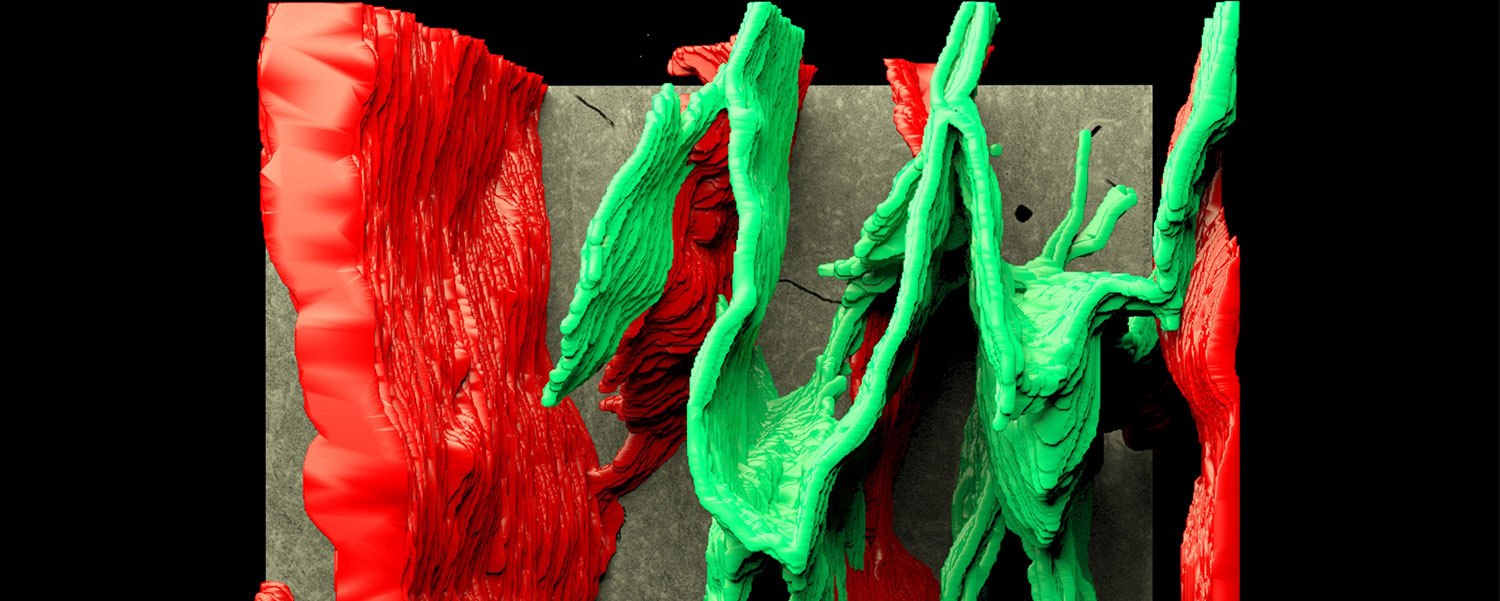
Jonathan I. Leckenby is an Assistant Professor in the Departments of Surgery (Plastic Surgery) and Neuroscience at the University of Rochester School of Medicine and Dentistry. He holds joint credentials and is affiliated with the UR Medicine Faculty Group and Accountable Health Partners. His research focuses on peripheral nerve regeneration, facial paralysis reanimation, and vascularized composite allotransplantation. He has been involved in groundbreaking work, including pioneering techniques like free functional platysma transfer for eye closure restoration and using 3D electron microscopy to study nerve regeneration. Dr. Leckenby’s academic journey includes degrees from King's College London and St. George's Hospital Medical School, followed by training in plastic surgery and postdoctoral research at Harvard under Jeff Lichtman. Education: Bachelor's in Basic Medical Science and Advanced Human Anatomy, King's College London M.B.B.S., St. George's Hospital Medical School Ph.D. in Neuroscience (postdoctoral, Harvard University) Research Interests: Dr. Leckenby’s lab investigates mechanisms to enhance peripheral nerve regeneration, reduce chemotherapy-induced neuropathy, and improve outcomes in facial paralysis surgery. His work integrates advanced imaging (e.g., diffusion MRI for facial nerve pathways) and 3D microscopy to visualize axonal behavior. Key projects include developing standardized outcome measures for facial reanimation and optimizing immunosuppression in transplant patients. Publications: His 2024 paper on rodent nerve regeneration models highlights advancements in repair techniques. Recent work includes systematic reviews on VCA complications and novel surgical techniques for facial paralysis. His research often bridges clinical practice and laboratory science, aiming to translate findings into patient care. Awards: Recipient of the CMSR Discovery Award (2021), W.G. Stuber Fellowship (2020), and the Wissenschaftpreis (2016). His contributions span international collaborations, including work in Switzerland and the U.S. Grants & Advising: Secured a Department of Defense grant for lymphatic system research in transplantation. Advised over a dozen students/postdocs, including Miranda Chacon and Scott Echternacht. His lab collaborates widely, focusing on translational medicine. Labs/Teams: Lead of the Leckenby Lab, which combines clinical innovation with basic science. Projects include developing an automated facial symmetry index (AFSI) and studying murine models for neuropathy prevention.
Prof. İlter Alkan is a Professor in the Department of Medicine at Yeditepe University Faculty of Medicine, specializing in Urology. His clinical expertise spans male reproductive health, prostate disorders, and kidney stone management, with active research contributions in molecular urology and andrology. His educational background includes: Master's degree from Ege University, Faculty of Medicine (1984-1990) Specialization in Urology from Marmara University, Faculty of Medicine, Department of Surgical Medical Sciences (1990-1995) Prof. Alkan's research focuses on oxidative stress mechanisms in male infertility, inflammatory biomarkers in Peyronie's disease, hormonal influences on sexual dysfunction, and molecular clock proteins in penile physiology. His work bridges clinical urology with biochemical analysis, emphasizing vitamin D, inflammatory ratios, and antioxidant pathways in disease pathogenesis and treatment. Analysis of his 15 most recent publications (2018-2024) reveals dominant trends in molecular andrology, particularly circadian rhythm studies in erectile function (2024), inflammatory parameter analysis in Peyronie's disease (2019-2020), and vitamin D's role in premature ejaculation (2019). His work consistently investigates biomarker correlations across prostate cancer, kidney stones, and chronic pelvic pain syndromes. No scientific awards were listed in the provided information. Prof. Alkan has supervised graduate theses though specific students are not named in the source material. He currently leads a TÜBİTAK 1001 project (2024, 1,600,000 TL) on molecular clock genes in penile erection mechanisms and previously completed a TÜBİTAK 1002 project (2022-2023, 45,000 TL) on molecular clock gene expression in cavernous tissue. He maintains active clinical practice across multiple Istanbul hospitals while contributing to urological education through laparoscopic and HoLEP technique workshops.
Dr. Matthieu Poyade is a Programme Leader and Lecturer in Medical Visualisation, Human Computer Interaction, and Extended Reality at the School of Innovation and Technology, The Glasgow School of Art. He holds a PhD in Human Computer Interaction from the University of Malaga, Spain, focusing on haptic feedback devices for industrial maintenance tasks. His academic roles include leading the MSc Medical Visualisation and Human Anatomy programme, a joint initiative with the University of Glasgow. **Research Focus**: Poyade's work spans medical visualization, VR/AR applications in healthcare education, and human-computer interaction. He has led EU-funded projects like ManuVAR (AR/VR in industrial maintenance) and contributed to initiatives in veterinary medicine, surgical training, and public health education. His research has been showcased globally, including at the Consumer Electronic Show (CES 2015) and TopCoder Open 2014. **Funding & Partnerships**: Projects are supported by the European Social Fund, Scottish Government, AHRC, MRC, Advanced Forming Research Centre, and European Space Agency. Collaborations include institutions like the University of Glasgow, NHS Education Scotland, and EuroXR (European Association for Extended Reality). **Key Projects**: Development of VR surgical simulators, AR tools for anatomy education (e.g., holographic brain visualization), 3D-printed medical models, and interactive apps for patient education (e.g., pancreatic cancer, neuroblastoma). Recent work includes AR applications for veterinary practices and public understanding of SARS-CoV-2 variants. **Awards & Recognition**: While no explicit awards are listed, his contributions to medical visualization and XR education have been recognized through publications in Springer’s Biomedical Visualization series and international conference presentations. **Labs & Teams**: Member of the Institute of Medical Illustrators and actively involved in EuroXR. Leads the MSc programme and collaborates with interdisciplinary teams in healthcare, technology, and art.
Sinan Haliyo is a Professor at the Institute of Intelligent Systems and Robotics (ISIR), Sorbonne University, Paris, where he leads the 'Multiscale Interactions' research team. His academic career spans over two decades, with significant contributions to robotics, particularly in micromanipulation, haptics, and human-computer interaction. Dr. Haliyo earned his Doctorate from Pierre and Marie Curie University in 2002 with a thesis on "Adhesion forces and dynamic effects for micromanipulation," supervised by Prof. Jean-Claude Guinot. In 2019, he obtained his Habilitation to Direct Research (HDR) from Sorbonne University with the thesis "Multi-Scale Interactions," demonstrating his capacity to lead independent research and supervise doctoral candidates. His research broadly focuses on robotics and interactivity—designing teleoperated robots for specific applications and developing systems that allow operators to perceive what they are controlling through haptic and multimodal interfaces. Starting with microrobotics in the late 1990s, his work has expanded to encompass human-robot interaction, haptics, virtual reality, and human-machine interfaces. His multidisciplinary approach involves collaboration with roboticists, psychologists, neuroscientists, and biologists. Analysis of his recent publications (2023-2025) reveals a strong focus on optical microrobotics, biomedical applications, and haptic interfaces. His team is advancing techniques for precise micro-manipulation using optical tweezers combined with deep learning, developing medical microrobots for applications like biliary procedures and in vitro fertilization, and creating innovative haptic interfaces for surgical training and virtual reality. The research spans multiple disciplines including robotics, biomedical engineering, computer vision, and neuroscience. IROS'09 Best application Mechatronics Journal 2010 Triennal Best paper MARSS 2019 Best Paper World Haptics 2021 Best ToH Short Paper Hon. Ment. ISOT 2021 Best Student Paper INTERACT 2021 IFIP TC13 Pioneers' Award for Best Doctoral Student Paper Dr. Haliyo has supervised 14 theses to completion with 6 currently in progress, representing a total supervision rate of 390% (approximately 60% per thesis on average throughout his career). He has coordinated multiple significant research projects including ANR IOTA (Interactive Optical Tweezers), ANR OptoBots, and 3BIOT (Robotic Optical Tweezers for Biology). His research is funded by Sorbonne University, the Ile-de-France Region, ANR grants, and private companies including Percipio Robotics, Robeauté, and Segula. As leader of the Multiscale Interactions team at ISIR (since January 2019), Dr. Haliyo oversees a research group comprising 4 faculty members, 4 researchers, and 15 PhD students. Previously, he animated the Microrobotics group within the ISIR interaction team (2016-2019) and has been responsible for the ISIR Assisted Micromanipulation Platform since 2015, which serves as a node of the CNRS National Micro-Nanorobotics Platform and recipient of the Labex Robotex.
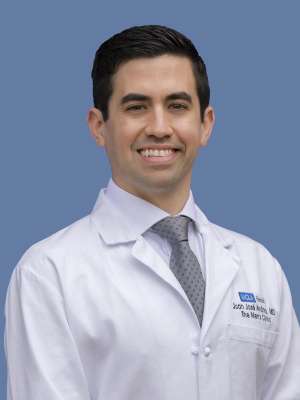
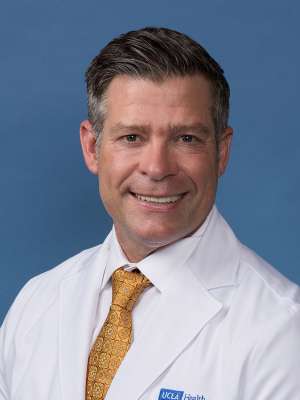
Dr. Juan José Andino serves as an Assistant Clinical Professor in the Department of Urology at the University of California, Los Angeles (David Geffen School of Medicine) and holds a dual appointment at Martin Luther King Jr. Community Healthcare where he established a Men's Health Clinic in Wilmington. His clinical practice focuses on specialized areas of male reproductive medicine and sexual health that extend beyond standard urological care. Dr. Andino earned his MD from the University of Michigan in 2017, followed by a Urology Residency at the University of Michigan Health System (2022), and completed advanced fellowship training in Male Reproductive Medicine and Surgery at UCLA (2023). He also holds an MBA from the Stephen M. Ross School of Business (2017). His academic credentials include board certification in Urology from the American Board of Urology (2025) and UCLA certification in Spanish-language medical proficiency. His research interests center on improving outcomes in complex urological conditions, with particular emphasis on penile prosthesis outcomes, priapism management (especially in Sickle Cell population), male infertility treatments, and telehealth applications in urologic care. Dr. Andino is an active collaborator in Mobyus, a national male fertility research consortium, and contributes to initiatives improving resources for Spanish-speaking patients in sexual medicine. His work bridges clinical innovation with health equity, focusing on expanding access to specialized care for underserved populations in South Los Angeles through his work at MLK Community Healthcare. Analysis of Dr. Andino's publication record reveals a consistent focus on improving surgical outcomes in specialized urological procedures, particularly penile prosthetics and microsurgery for male infertility. His research demonstrates particular interest in volume-outcome relationships, complication management, and innovative approaches to traditionally challenging conditions like priapism and Peyronie's disease. The growing emphasis on telehealth applications in his recent work reflects adaptation to changing healthcare delivery models while maintaining high-quality care standards. Super Doctors® Southern California Rising Stars, 2026 Best Poster - Surgical Treatment of ED, American Urological Association Meeting, 2025 Bruin Scholar Award, UCLA Health, 2023 John D Silbar Award, American Urological Association North Central Section, 2022 Men's Health Traveling Scholar, SMSNA & SSMR, 2021 Male Infertility Traveling Scholar, SMRU, 2020 As the urology lead for UCLA Health's Oncofertility Program, Dr. Andino provides advanced fertility-preserving options for cancer patients, particularly in cases where traditional sperm banking isn't possible. His advocacy work includes regional and national initiatives to improve resources for Spanish-speaking patients and providers in sexual medicine. He actively mentors medical students, residents, and fellows while serving on professional society committees to ensure research findings translate into real-world clinical practice improvements. Dr. Andino established the Men's Health Clinic at MLK Community Healthcare in Wilmington, significantly expanding access to specialized sexual and reproductive care for patients in South Los Angeles. Dr. Andino maintains active roles in multiple professional organizations including the Sexual Medicine Society of North America (SMSNA), where he was named Member of the Month in March 2024. He serves as a reviewer for Urology Gold Journal (Reviewer of the Month, October 2024) and contributes to national guideline development, including key updates to the AUA/ASRM male infertility guidelines. His clinical practice at The Men's Clinic in Santa Monica provides comprehensive care for complex male reproductive issues, with special expertise in penile prosthetics, microsurgery, and management of rare conditions like prolonged priapism.
Luk Rombauts is an Adjunct Clinical Professor in the Department of Obstetrics and Gynaecology at Monash University and a Research Fellow at the Hudson Institute. He serves as the Group Medical Director of Monash IVF Group and holds a prominent role in national and international reproductive medicine organizations. His academic and clinical work is deeply embedded in women’s health, with a focus on infertility, endometriosis, and reproductive surgery. His educational and professional training, though not explicitly detailed, is evident through his leadership roles, editorial positions, and subspecialty certification oversight via RANZCOG. He has played a key role in shaping clinical standards and training in reproductive endocrinology and infertility. Rombauts’ research interests center on endometriosis and embryo implantation, with strong emphasis on clinical and translational research. His work spans molecular mechanisms of implantation, biomarker discovery, AI applications in gynaecology, and long-term health outcomes of fertility treatments. He actively contributes to advancing evidence-based care through national guideline development and digital health implementation. His recent publications reflect a multidisciplinary approach, integrating molecular biology, epidemiology, bioethics, and health policy. Themes include miRNA regulation in endometrial receptivity, cardiovascular risks in ART patients, commercialization of fertility services, and innovative diagnostic tools using AI. These works demonstrate a consistent focus on improving patient outcomes and health system responsiveness. Past President, Fertility Society of Australia and New Zealand Past President, World Endometriosis Society Trustee, World Endometriosis Research Foundation Scientific Chair, 2008 World Congress on Endometriosis Scientific Chair, 2012 World Congress of Human Reproduction Associate Editor, Human Reproduction Member, RANZCOG Grants and Scholarship Committee Rombauts is actively involved in mentoring and training future specialists, serving as a supervisor and examiner for the Certificate of Reproductive Endocrinology and Infertility. He leads and collaborates on major research grants, including projects on mitochondrial donation (MitoHOPE), AI in endometriosis (EndoAIMM), and digital health optimization. He is a chief investigator on multiple national and international collaborative studies, reflecting his leadership in large-scale, interdisciplinary research initiatives. He is affiliated with key research networks including the Hudson Institute, Monash IVF Group, and the Australian Endometriosis Clinicians Collaborative (AECC), contributing to a robust ecosystem of clinical innovation and research translation in reproductive medicine.
Michael Coburn, M.D., F.A.C.S., is a Professor and Chair of the Scott Department of Urology at Baylor College of Medicine. He holds the Russell and Mary Hugh Scott Chair in Urology and serves as Urology Residency Program Director. Dr. Coburn earned his B.A. from Cornell University (1978), M.D. from New York University School of Medicine (1982), and completed internship, residency, and fellowship at Baylor College of Medicine. Education: BA, Cornell University (1978) MD, New York University School of Medicine (1982) Internship, Baylor College of Medicine (1983) Residency, Baylor College of Medicine (1988) Fellowship, Baylor College of Medicine (1990) Research Interests include urologic trauma, genital and urethral reconstructive surgery, and male reproductive medicine. His work focuses on improving surgical techniques for genitourinary tract reconstruction and advancing educational frameworks in medical faculty development. Clinical Interests encompass male infertility, reproductive disorders, microsurgery, and general urology. Scientific Awards : Dean of Medical Education’s Service Award (2008) Fulbright & Jaworski LLP Faculty Excellence Awards (2006-2008) Barbara and Corbin J. Robertson Jr. Presidential Award (2007) Master Teacher (1995-1997) Dr. Coburn is immediate past-Chair of the ACGME Residency Review Committee for Urology, Vice-Chair of Baylor’s Faculty Group Practice, and a Fellow of the American College of Surgeons.
Osama Kamal Zaki Mahmoud Shaeer is a distinguished researcher in urology specializing in male reproductive health and surgical innovations, with significant contributions to penile prosthesis implantation and congenital curvature management. His work advances clinical practices through novel techniques like the Cavernotome and infrapubic corporotomy. His research focuses on surgical precision in penile reconstruction, including length preservation during curvature correction and minimizing shortening in prosthesis procedures. Key interests span andrology, male infertility diagnostics, and ultrasound reference standards developed through European Academy of Andrology collaborations. Recent publications (2023, 2019) emphasize surgical optimization for patient satisfaction, while earlier works (2009–2004) established foundational methods for buried penis correction and vasovasostomy. Collectively, his articles demonstrate consistent innovation in enhancing surgical outcomes across male reproductive health domains. Securing sponsorships from the National Institutes of Health and Japan Society for the Promotion of Science, his grant-funded research reflects global scientific impact. Though specific advisees aren't documented, his 65 publications over 20 years indicate extensive mentorship in urological research training.
Marc Goldstein, MD, DSc (hon), FACS is the Matthew P. Hardy Distinguished Professor of Reproductive Medicine and Urology at Weill Cornell Medical College of Cornell University. He serves as Surgeon-in-Chief of Male Reproductive Medicine and Surgery and Director of the Center for Male Reproductive Medicine and Microsurgery at New York Presbyterian Hospital Weill Cornell Medical Center. Additionally, he is a Senior Scientist with the Population Council's Center for Biomedical Research at Rockefeller University. Dr. Goldstein's research focuses on male infertility treatment, particularly microsurgical techniques including vasectomy reversal, varicocelectomy, and sperm retrieval procedures. His work spans clinical outcomes research, surgical innovation, and global reproductive health initiatives, especially regarding male circumcision in Sub-Saharan Africa. He has pioneered numerous microsurgical techniques that have become standard practice worldwide. His publication record shows a consistent focus on improving surgical outcomes for male infertility, with recent work emphasizing evidence-based approaches to varicocele repair, vasectomy reversal techniques, and the application of new technologies including AI in male reproductive medicine. His research increasingly addresses global health issues related to male circumcision and HIV prevention. Master Teacher in Urology Award (1997) Distinguished Alumni Achievement Award (2002) Lifetime Achievement Award of The American Fertility Association (2007) Honorary Doctor of Science from SUNY Downstate Medical Center (2008) John Coleman, M.D. Teaching Award (2009) Distinguished Surgeon Award from Society of Reproductive Surgeons (2016) Kavoussi Family Outstanding Teacher Award (2017) Distinguished Reproductive Urology Award (2018) Lifetime Achievement Award from Society for Male Reproduction and Urology (2023) Dr. Goldstein has trained numerous fellows through the Cornell Microsurgery Training and Research Program, emphasizing the importance of microsurgical skills in treating male infertility. His surgical training app has modernized the teaching of microsurgical techniques. He has also been instrumental in developing surgical checklists to reduce errors, drawing from his experience as an Air Force flight surgeon. He leads the Center for Male Reproductive Medicine & Microsurgery, which includes specialized teams for microsurgical procedures, fertility preservation, and research into male reproductive health. The center collaborates with the Population Council's Center for Biomedical Research and maintains strong ties with international partners working on reproductive health initiatives.
Dr. Philip Shihua Li is a Research Professor in Urology and Reproductive Medicine at Weill Cornell Medicine, Cornell University. He serves as Director of the Male Infertility Microsurgical Research and Training Program and is an Adjunct Scientist at the Population Council's Center for Biomedical Research. With over 40 years of collaboration with Dr. Marc Goldstein, he specializes in male infertility microsurgery and global health initiatives. Education: Medical degree from Chongqing, China (1983); residency in surgery/urology (1986). Research: Pioneered no-scalpel vasectomy (NSV) and ShangRing male circumcision device for HIV prevention. Awards: Lifetime Achievement Award (WCCU, 2022), ASRM Outstanding Leadership Award (2022), multiple video awards at AUA and ASRM. Grants: Funded by NIH, Bill & Melinda Gates Foundation, and Canadian Challenge Fund for VMMC and HIV prevention projects. Leadership: Past President of Society for Male Reproduction and Urology (2021-2022); Vice President of Asian Association of Andrology (2016-2021). Media: Developed educational videos and smartphone apps for male reproductive health training.
Megan R. McMurray Bires is a urologist and Visiting Assistant Professor at the University of Utah, specializing in male infertility, men’s health, erectile dysfunction, Peyronie’s disease, hypogonadism, and surgical management of testicular pain. She completed her medical degree at Kansas City University and urology residency at Southern Illinois University School of Medicine, followed by a two-year fellowship in male infertility and men’s health at the University of Utah, gaining expertise in microsurgery and complex andrology procedures. Medical Degree: Kansas City University Residency: Southern Illinois University School of Medicine Fellowship: University of Utah (male infertility and men’s health) Her research and academic interests include male reproductive health, sexual health education, osteopathic medical education, gender dynamics in urology, clinical research standards, and medical device innovation. She emphasizes patient-centered care, collaborating with patients and partners to create individualized treatment plans, and mentors future physicians in urology. Clinically, she specializes in vasectomy reversal, male infertility treatment, penile prosthesis surgery, varicocelectomy, and comprehensive andrology care. Her work also explores integrating sexual health into palliative care frameworks.
Kian Asanad, MD, is an Assistant Professor of Clinical Urology at the Keck School of Medicine of USC and Director of the USC Fertility and Men’s Sexual Health Center in Beverly Hills. His clinical expertise focuses on men’s health, including male infertility, reproductive microsurgery, erectile dysfunction, Peyronie’s disease, and minimally invasive urological procedures. He completed his medical degree at UCLA, residency at Keck Medicine, and a fellowship in andrology at Northwestern University. Dr. Asanad’s research explores biomarkers for severe male infertility and AI applications in men’s health. He has co-authored over 40 peer-reviewed publications and lectures internationally. Awards include the USC Choi Family Award for Patient-Centered Care and the Outstanding Minimally Invasive Surgery Resident Award. He collaborates with reproductive endocrinology specialists at HRC Fertility to optimize male fertility treatments and supports cancer survivors through sexual health restoration at USC Norris Comprehensive Cancer Center. His clinical innovations include microsurgical sperm extraction and fertility preservation for young cancer patients. Education: MD, UCLA School of Medicine (Alpha Omega Alpha, Gold Humanism Honor Society) Urology Residency: Keck Medicine and LA General Medical Center Fellowship: Andrology/Infertility, Northwestern University Awards: USC Choi Family Awards for Excellence in Patient-Centered Care Outstanding Minimally Invasive Surgery Resident Award Advocacy & Innovation: Leads efforts in fertility preservation for cancer patients, develops AI-driven diagnostic tools, and improves post-prostate surgery quality of life. Active in professional societies including the American Urological Association and Sexual Medicine Society of North America.
Dr. Stanton Honig is a Professor of Urology at Yale School of Medicine, specializing in male fertility, sexual medicine, and reconstructive urologic surgery. He serves as Director of the Male Reproductive Health/Sexual Medicine Program and chairs the Reproductive & Sexual Health Committee in Urology. His clinical practice focuses on erectile dysfunction, Peyronie’s disease, vasectomy, and fertility challenges such as azoospermia and obstructive infertility. He collaborates with reproductive endocrinologists to support couples facing male-factor infertility. Education: MD from SUNY Stony Brook School of Medicine (1986), residency at Boston University (1992), and fellowship at Baylor College (1993). Board-certified in Urology since 1996. Research interests include advanced sperm retrieval techniques, vasectomy innovations, and treatments for hypogonadism. He leads national committees for the American Urological Association and CDC’s Male Infertility Working Group. His work emphasizes public health initiatives around fertility preservation for cancer patients and male reproductive health awareness. Recent publications focus on vasectomy protocols, posthumous sperm retrieval, and the impact of AI tools like ChatGPT on patient counseling in urology. His research bridges clinical practice with public health, addressing topics like Medicare drug costs for erectile dysfunction treatments and TikTok’s role in vasectomy education. Labs/Teams: Coordinates the Yale Medicine Male Reproductive Health/Sexual Medicine Program. Collaborates with institutions on translational research and guideline development.
Jesse N. Mills, MD is a Health Science Clinical Professor at UCLA's David Geffen School of Medicine, where he serves as Director of the Men's Clinic at UCLA, Fellowship Director of the UCLA male reproductive medicine and surgery program, and Director of UCLA Urology Santa Monica. His practice is exclusively devoted to urologic men's health issues with a focus on male fertility, hypogonadism, erectile dysfunction, Peyronie's disease, and microsurgery. Dr. Mills completed his MD at University of Iowa Hospitals and Clinics in 2001, followed by General Surgery internship and Urology residency at University of Colorado Health Science Center, culminating in a Fellowship in Male Reproductive Medicine and Surgery at Baylor College of Medicine in 2008. He is board certified by the American Board of Urology since 2010. His research interests center on men's health disparities, particularly access to care for minority populations, with ongoing support from Boston Scientific and Endo Pharmaceuticals Fellowship grants since 2015. Dr. Mills has published extensively on erectile dysfunction, Peyronie's disease, male infertility, and the impact of social media on men's health information. His recent publications demonstrate a strong focus on evaluating treatment efficacy, patient education, and addressing misinformation in men's health. Dr. Mills has received numerous professional recognitions including being named a Super Doctor in Southern California (2024-2025), Top Doctor by Los Angeles Magazine (2019-2025), and recognition as an LGBTQ+ Champion. He is actively involved in mentoring through the Urology Care Foundation, notably mentoring Dr. Denise Asafu-Adjei on disparities in men's health access. As a skilled surgeon, Dr. Mills has performed thousands of penile implants, vasectomy reversals, varicocelectomies, and complex Peyronie's disease surgeries. He is internationally recognized as a thought leader and proctors surgeons globally in microsurgery and penile implant procedures. His clinical work extends to fertility preservation in UCLA's gender health program and oncology programs, with special interest in restoring fertility and sexuality for men with spinal cord injuries.