Clementine Rossier is an Associate Professor at the University of Geneva , where she serves as Co-Director of the LIVES Swiss Center of Expertise in Life Course Research . Her work focuses on evolving reproductive and family practices, their implications for gender and social inequalities, and contraceptive/women's empowerment dynamics in sub-Saharan Africa. She collaborates with the World Health Organization (WHO), the Guttmacher Institute, and African research institutions like ISSP (Burkina Faso) and APHRC (Kenya). Current roles: Deputy Director of CIGEV, Co-Director of LIVES Center, Associate Researcher at INED (Paris) Research areas: Reproductive health, family sociology, life course analysis, contraception, sub-Saharan Africa Recent publications: Abortion safety measurement, contraceptive overuse, family policy impacts, and psychosocial barriers to reproductive health
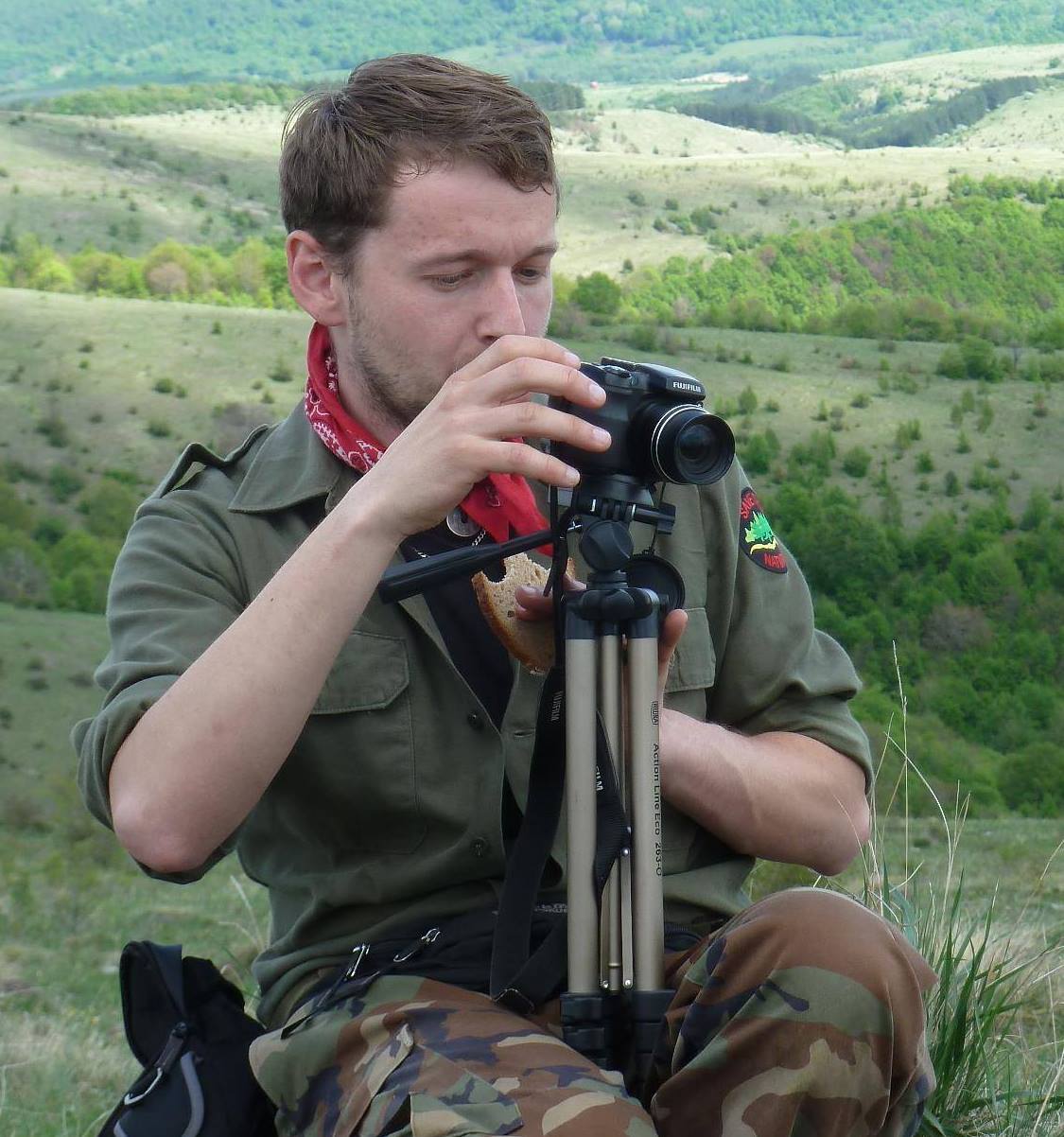
Daniela Pessani serves as a Contract Professor at the Department of Life Sciences and Systems Biology at the University of Turin, where she specializes in marine biology with particular focus on crustaceans, especially decapods and hermit crabs. Her research spans diverse marine and freshwater ecosystems, with significant contributions to Mediterranean Sea studies. Her research interests encompass marine biology with emphasis on hard substrate environments in meso- and infralittoral zones; Posidonia seagrass biocenoses; reproduction, development, and distribution of Decapod Crustaceans; ethology of hermit crabs; meroplankton studies; and the biology and ecology of native river shrimp. Dr. Pessani's work integrates field observations with laboratory analysis to understand behavioral adaptations and ecological relationships. Analysis of her publication record from 1998-2017 reveals consistent research themes in marine invertebrate ecology, particularly crustacean biology. Her work demonstrates expertise across multiple methodologies including taxonomic identification, behavioral observation, acoustic analysis, and environmental monitoring. The research shows strong regional focus on Mediterranean ecosystems while also including international collaborations examining penguin bioacoustics and tsunami-affected coastal areas in Southeast Asia. Dr. Pessani has maintained an active research profile with publications spanning marine ecology, taxonomy, bioacoustics, and conservation biology. Her collaborative work demonstrates engagement with interdisciplinary teams across multiple institutions. Dr. Pessani's laboratory work includes detailed behavioral observations of marine organisms, particularly hermit crabs, with studies on chromatic patterns, shell selection behavior, and communication mechanisms. Her field research encompasses biodiversity assessments in Mediterranean coastal zones and freshwater ecosystems in Piedmont.
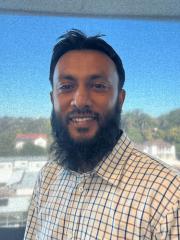
Dr. Md. Mehedi Hasan is a Postdoctoral Research Fellow at the UQ Poche Centre for Indigenous Health, Faculty of Health, Medicine and Behavioural Sciences, University of Queensland. With over eight years of professional experience in public health research across developing and developed countries, he has established expertise in quantitative data analytics and addressing critical health issues in low- and middle-income contexts. Dr. Hasan completed his PhD from the University of Queensland in 2022. His doctoral thesis, "Future direction of maternal and child health in low- and middle-income countries," utilized data from over 4.3 million participants across 284 national surveys in 75 countries to analyze future projections of maternal and child health indicators. Dr. Hasan's research focuses on reproductive, maternal, newborn, and child health (RMNCH), nutrition, non-communicable diseases, mental health, sleep health, and social determinants of health. His work examines geographical variations and socioeconomic inequalities in health outcomes across low- and middle-income countries, with particular emphasis on Bangladesh and Southeast Asia. He employs large-scale population data to identify patterns, risk factors, and opportunities for intervention. His extensive publication record demonstrates consistent focus on health inequalities, maternal and child health indicators, and the double burden of malnutrition. The research shows strong engagement with Global Burden of Disease methodology and cross-national comparative analyses, particularly examining how socioeconomic factors influence health outcomes across diverse cultural contexts. Dr. Hasan has received notable recognition for his work: Global Change Scholar (2018 cohort) of the University of Queensland National award in the Pregnancy Monitoring Innovation Challenge 2022 funded by Aspire to Innovate (a2i), Bangladesh Dr. Hasan is actively engaged in research mentorship as an Associate Advisor for PhD candidates. He serves as a peer reviewer for eight international journals and has contributed to numerous collaborative research projects. His current research focuses on environmental exposures in pregnancy and their relationship to adverse birth outcomes in Queensland, Australia. As an active member of several professional international collaborative groups including Global Burden of Diseases, the American Society for Nutrition, the International Health Economics Association, the Society for Research in Child Development, and Health Systems Global, Dr. Hasan maintains strong connections with the global public health research community.
Martin Myers is a Professor at the University of Michigan Medical School, holding appointments in Internal Medicine (Metabolism, Endocrinology, and Diabetes) and Molecular and Integrative Physiology. He serves as Center Director of the Caswell Diabetes Institute and as a member of the Michigan Diabetes Research Center. Undergraduate: AB in Molecular Biology, Princeton University (1988) MD and PhD in Cell Biology, Harvard Medical School (1997) His research focuses on the central nervous system's role in regulating blood glucose and body weight, particularly through leptin receptor signaling and hypothalamic circuits. His work explores neural mediators of metabolic diseases, obesity, and diabetes mechanisms. Recent publications highlight neuroscience-endocrinology intersections, including hypothalamic regulation, GLP-1/leptin dual agonism, and ERAD pathway contributions to metabolic control. Keywords span neural circuits, signal transduction, and energy homeostasis. Scientific Awards: Michigan Biomedical Sciences Scholar Award (2004) ASCI Membership (2005) Jerome Conn Award for Excellence in Research (2006) American Diabetes Association’s Outstanding Scientific Achievement Award (2010) Dr. Myers has received numerous grants from NIH, Novo Nordisk, and foundations like the Warren Alpert Foundation, focusing on neural mechanisms in diabetes and obesity. He leads the Caswell Diabetes Institute and collaborates on multidisciplinary metabolic research.
Dr. Fiona Hamilton is a Clinical Associate Professor at University College London's Primary Care & Population Health department, where she has been employed since March 2013. She holds a dual background in Public Health Medicine and General Practice, bringing clinical experience to her academic work. Hamilton works three days per week at UCL while maintaining additional professional commitments in public health and clinical practice. Associate Professor at UCL Primary Care & Population Health (2013-present) Public Health Consultant at Salford City Council (2022-present) Occasional volunteer locum GP at Hedena Health in Oxford NIHR Academic Clinical Lecturer followed by HEFCE-funded Clinical Lecturer at PCPH Promoted to Associate Professor in 2020 Hamilton's research centers on the evaluation of digital health interventions, with particular emphasis on health inequalities and the digital divide. Her PhD examined pay-for-performance schemes in primary care, including the Quality & Outcomes Framework (QOF), and their impact on prevention activities such as smoking cessation advice and alcohol screening. She has led significant work on the 'Living With Covid Recovery' intervention, a clinician-guided eHealth program for people with long Covid, where she headed the health inequalities work package within a large NIHR-funded multi-center study. Her publication record demonstrates consistent focus on digital health implementation across diverse populations, with recent work examining health inequalities in digital interventions for long COVID, menopause management, physical activity, and diabetes self-management. Hamilton's research consistently addresses how digital health tools can be designed and implemented to avoid exacerbating existing health disparities, particularly among vulnerable and marginalized populations. As an educator, Hamilton serves as module lead for Social Determinants of Health across all years of the MBBS curriculum and co-leads the Health Systems, Organisation, Economics and Policy module for UCL's online MPH program. She actively supervises PhD and Masters students in the field of digital health and health inequalities, contributing to the next generation of researchers in this critical area. Module lead for Social Determinants of Health (MBBS curriculum) Co-lead for Health Systems module (UCL online MPH) Supervisor for PhD and Masters students Teaching in digital health, primary care, and health inequalities Hamilton maintains an active dual career path, balancing her academic work at UCL with practical public health experience at Salford City Council and occasional clinical practice as a locum GP. This unique positioning allows her to bridge theoretical research with real-world implementation challenges in healthcare delivery, particularly regarding the integration of digital tools into everyday clinical practice while addressing equity concerns.
Dr. Christine Gray serves as an Assistant Research Professor at Duke University's Duke Global Health Institute (DGHI), where she is a core faculty member of the Center for Health Policy and Inequalities Research (CHPIR). Her work focuses on social epidemiology and mental health disparities in vulnerable populations including orphaned children, sexual and gender minorities, and communities affected by discriminatory practices, with research spanning global (Cambodia, Ethiopia, Kenya, Tanzania) and domestic (North Carolina) contexts. Her educational background includes a PhD in Epidemiology from the University of North Carolina at Chapel Hill and an MPH from Emory University. Prior to doctoral studies, she completed a three-year post-masters fellowship at the Centers for Disease Control and Prevention (CDC) and worked at the Center for the Study of Traumatic Stress at the Uniformed Services University of the Health Sciences. Dr. Gray's research examines social-environmental structures driving mental health and well-being disparities through implementation science and epidemiologic methods. Key focus areas include environmental health, maternal/child health, trauma, non-communicable diseases, and social determinants of health, with particular emphasis on intervention sustainment in resource-limited settings and structural drivers of health inequities. Her recent publications demonstrate consistent methodological rigor across diverse contexts: mental health intervention feasibility in Kenyan schools (2024), environmental quality impacts on birth defects (2023), urban greenspace effects on psychological health in Ethiopia (2022), and HIV testing predictors among orphaned youth in East Africa (2021). These works collectively highlight her expertise in longitudinal cohort studies, implementation science frameworks, and cross-cultural mental health research with vulnerable populations. Dr. Gray leads multiple NIH-funded projects including the SAGE study examining sustainment of school-based mental health interventions in western Kenya, the 15-year POFO longitudinal cohort of orphaned children across five countries, and the SMILE study establishing cohorts of sexual and gender minorities. She also directs a North Carolina feasibility study on SGM recruitment and collaborates with the Environmental Protection Agency on place-based equity research investigating how historical redlining influences present-day health outcomes through gentrification pathways. Her primary research hub is the Center for Health Policy and Inequalities Research at DGHI, where she coordinates international teams across Cambodia, Ethiopia, India, Kenya, and Tanzania. Current initiatives integrate community-engaged approaches with advanced epidemiologic methods to address mental health intervention gaps and structural determinants of health disparities in both global and domestic settings.
Seba Contreras is a Postdoctoral Researcher in the Physics of Disease Spread at the Max Planck Institute for Dynamics and Self-Organization . His work bridges mathematical modelling , dynamical systems , and infectious disease epidemiology to uncover principles in outbreak controllability and disease dynamics. Dr. rer. nat. (Physics of Biological and Complex Systems, 2023) - Georg-August-Universität Göttingen MSc (Extractive Metallurgy, 2019) - Universidad de Chile BEng & Dipl.-Eng. (Civil Engineering, 2017) - Universidad de Chile His research integrates complex systems and infectious diseases with a focus on: Non-pharmaceutical interventions during pandemics Competition and co-infection dynamics between diseases Information-disease feedback loops Statistical methods for epidemiological data correction Parameter inference from limited medical datasets Machine learning applications in protein engineering Recent publications demonstrate expertise in machine learning for biological datasets, epidemic models with heterogeneous populations, and data-driven public health policy . Collaborations span human genetics , theoretical ecology , protein engineering , and social sciences across institutions in Chile and Germany.
Wayne Brake, PhD is a Professor in the Department of Psychology at Concordia University, Montreal. His research focuses on neuroendocrinology and behavioral neuroscience, particularly estrogen's role in cognitive strategies and dopamine transmission. Education: BSc in Psychology (Dalhousie University), MSc in Psychology (Carleton University), PhD in Neurological Sciences (McGill University, 1999) Previous Positions: Assistant Professor at University of California, Santa Barbara; Postdoctoral Fellow at Rockefeller University Research Highlights The Brake lab investigates how ovarian hormones regulate brain plasticity through two major projects: Estrogen's modulation of memory systems (hippocampus vs. striatum) and dopamine transmission in female rats Hormonal influences on schizophrenia symptomology and antipsychotic drug responses Publication Trends Recent work emphasizes estrogen's effects on: Cognitive strategy selection (2013-2014) Dopamine receptor interactions (2013-2014) Postpartum neuroplasticity (2011) Neurodevelopmental programming from perinatal stress (2007, 2004) Sex differences in neurochemistry (2012, 2002) Lab Team Current Students: Anne Almey (PhD), Dema Hussain (PhD), Waqqas Shams (PhD), Arne Hantson (MA), Czarina Evangelista (MA) Alumni: Matt Quinlan (Cal State faculty), Dan Madularu (McGill Post Doc), Nicole Gervais (U Mass Post Doc)
Gaia Perego is a Fixed-Term Researcher (Type A) in Dynamic Psychology (M-PSI/07) at the Faculty of Psychology, Vita-Salute San Raffaele University, Milan since July 2024. Previously, she served as Contract Professor for Health Psychology, Health Policies, and Demo-ethno-anthropological disciplines across multiple degree programs including Psychology, Obstetrics, and Political Science. Her educational background includes: PhD in Psychology and Cognitive Neuroscience, University of Milan-Bicocca (2022) Specialization in Psychotherapy, Cognitive Therapy Center, Como (2022) Master's Degree in Psychology, Vita-Salute San Raffaele University (2016) Bachelor's Degree in Psychological Sciences and Techniques, Vita-Salute San Raffaele University (2014) Dr. Perego's research centers on health psychology with emphasis on oncology and women's health . She investigates psychological aspects of chronic illnesses (cancer, polycystic kidney disease), rare conditions (MRKH syndrome), and pandemic impacts through qualitative analysis and systematic reviews. Her work consistently addresses patient-centered care in multidisciplinary contexts, particularly focusing on vulnerable populations including cancer patients and women with gynecological conditions. Her recent publications (2022-2025) reveal strong thematic clusters in psycho-oncology and patient experience research . Key trends include non-pharmacological interventions for chemotherapy side effects, digital health applications (online yoga), psychosocial challenges in cancer survivorship and motherhood, mental health impacts of the pandemic on healthcare workers, and unmet needs in rare gynecological conditions. Her methodology favors systematic reviews and qualitative analyses of patient narratives. Dr. Perego has extensive teaching experience across undergraduate and graduate programs, including Health Psychology for Psychology and Obstetrics students, and Health Policies for Political Science. While specific grant details aren't provided, her prolific research output suggests active project involvement. She collaborates in multidisciplinary teams for chronic disease management, particularly in nephrology and oncology contexts, emphasizing integrated psychological support within medical care frameworks.
Maud Derbaix is an Associate Professor of Marketing at KEDGE Business School , affiliated with the Creative Industries Research Group . Her work bridges marketing theory with cultural consumption research. Current academic position: Associate Professor Institutional affiliation: KEDGE Business School Her research focuses on consumer behavior in arts and culture , examining: Narrative transportation through transmedia storytelling Authenticity perception in digital reproduction Intergenerational transmission of cultural tastes Music fandom and prosumer dynamics Interactive technologies in cultural tourism Informal learning communities in creative industries Recent publications reveal consistent exploration of audience engagement across multiple domains, including: Live performances and cultural events Virtual world consumer behavior Heritage marketing strategies Digital platform dynamics She collaborates with multiple researchers including: Marc Korchia Danièle Bourgeon-Renault Claire Derbaix Antoine Gombault
Dr. Marcus Fritze is a researcher in Applied Zoology and Nature Conservation at the University of Greifswald, with a dual affiliation since 2023 at the Competence Center for Bat Conservation Saxony-Anhalt within the South Harz Karst Landscape Biosphere Reserve. His work bridges scientific research with practical conservation applications, focusing specifically on bat ecology and conservation. Dr. Fritze's research spans multiple critical areas in bat conservation. He investigates population trends and demographic parameters through BfN-funded projects 'Threatened Data for Threatened Species' and BATTREND. A major output from these initiatives is BATLAS, an online platform for analyzing bat population data across Germany. His work addresses the 'green-green dilemma' between renewable energy expansion and wildlife conservation, particularly examining wind energy impacts on bats and the ecological consequences of light pollution. His physiological research examines hibernation (winter torpor) mechanisms in bats and how their immune systems function during this energy-conserving state, with special focus on white-nose disease. Through the F.U.N. initiative ('Forschung, Umweltbildung und praktischen Naturschutz'), he integrates research, environmental education, and practical conservation to support biodiversity. Current projects include 'Bats and Biosphere' (human-wildlife interactions) and 'Bats and Ponds' (role of water bodies in ecosystems). Analysis of Dr. Fritze's publication record reveals an interdisciplinary approach addressing conservation challenges at the intersection of ecology, immunology, policy, and technology. His work demonstrates particular expertise in developing evidence-based conservation strategies that effectively bridge scientific research with practical implementation. Dr. Fritze actively supervises numerous Master's and Bachelor's students on bat conservation topics, often in collaboration with other institutions including FH Bernburg, HTW Dresden, and TU Berlin. His current supervisees are investigating ecosystem services provided by bats in fruit orchards, urban pond habitats for bats, wind turbine mitigation measures, and spring activities of bats on orchard meadows. His collaborative approach extends internationally, such as with Universidad Autónoma Metropolitana in Colombia on jaguar conservation perceptions. Through his leadership in the Competence Center for Bat Conservation Saxony-Anhalt and various research projects, Dr. Fritze has developed effective frameworks for collaboration between scientists, amateur researchers, and volunteer conservationists. His work exemplifies how rigorous scientific research can directly inform and improve practical conservation outcomes in complex human-wildlife landscapes.
Dr. Julienne N Rutherford serves as Professor and John & Nell Mitchell Endowed Chair for Pediatric Nursing at the University of Arizona College of Nursing, where she directs a federally funded research program examining the intrauterine environment as a biosocial determinant of health. With over 20 years of expertise as a biological anthropologist, she integrates bioanthropological theory with biomedical science to investigate how maternal life history shapes developmental trajectories across generations. Her educational foundation includes: Ph.D. in Biological Anthropology from Indiana University (2007) M.A. in Biological Anthropology from Indiana University (2004) B.A. in Anthropology and Zoology (double major) from Miami University (1994) Dr. Rutherford's research centers on developmental origins of health and disease, employing innovative marmoset monkey models to study transgenerational effects of maternal experiences. Her work bridges biological anthropology with clinical obstetrics through investigations of placental biology, epigenetic mechanisms, and the impact of structural violence on maternal-child health outcomes. Justice-informed approaches characterize her studies on obstetric racism and pandemic-related disruptions to maternity care. Recent publications (2023-2025) reveal three dominant research trajectories: (1) epigenetic consequences of genocide exposure across generations in Rwandan populations, (2) placental biomarkers for predicting postpartum hemorrhage, and (3) structural determinants of health disparities among pregnant Black individuals. Her marmoset research provides critical nonhuman primate data on developmental programming mechanisms. Her scientific recognition includes: UIC Researcher of the Year Rising Star in Clinical Sciences American Society of Primatologists Legacy Awardee National Academy of Science Kavli Foundation Fellow American College of Nurse Midwives Excellence in Teaching Award Multiple University of Illinois at Chicago teaching awards As a dedicated mentor, Dr. Rutherford guides nursing students and faculty through her Robert Wood Johnson Future of Nursing mentorship role. Her research program has secured over $6M in federal funding, including NICHD R01 and NIA R56 grants examining marmoset developmental genetics and intergenerational pregnancy outcomes. Current NIH submissions focus on implementing prospective studies of obstetric racism's physiological impacts. She leads a multidisciplinary research team utilizing marmoset models to investigate developmental programming mechanisms, collaborating extensively with nurse midwifery scholars to translate findings into clinical practice improvements for maternal-child health equity.
Gerald Borgia is a Professor in the Department of Biology at the University of Maryland's College of Computer, Mathematical and Natural Sciences, with affiliations at the Brain and Behavior Institute. His office is located in the Biology-Psychology Building (4239). He earned his Ph.D. in 1978 from the University of Michigan, specializing in the evolution of mate choice, social structure, and sociobiology. Borgia leads the Borgia Lab, which studies the evolution of mate choice and male display in nonresource-based mating systems, using bowerbirds as a model system. His research focuses on sexual selection, lek mating systems, complex male displays, female mate choice strategies, threat reduction in courtship, and the co-option of display traits. The lab maintains a long-term field site at Wallaby Creek in Australia for studying satin bowerbirds. Analysis of Borgia's recent publications shows consistent themes in sexual selection and animal communication. His work demonstrates increasing sophistication in experimental approaches, including robotic females, chemical manipulation of bowers, and cognitive testing. Recent articles focus on the role of cognitive ability in mating success, chemical signaling through bower paint, dynamic adjustment of male displays, and the relationship between aerobic capacity and sexual performance. Borgia actively advises graduate students and maintains a substantial research team. He recruits field assistants for Australian fieldwork and laboratory volunteers for video analysis. His NSF-funded research supports graduate students working on diverse projects including mate searching, juvenile display development, male-female signaling dynamics, and aerobic capacity studies. The lab collaborates with molecular systematists at the Smithsonian Institution and National Zoo.
Jason Collins is a Senior Lecturer and Program Director for the Graduate Certificate and Master of Behavioural Economics at the University of Technology Sydney (UTS), within the Economics Discipline Group of the Business School. He holds a PhD from the University of Western Australia, focusing on the intersection of economics and evolutionary biology. His research explores how behavioral science can enhance AI systems in financial services and strengthen applied behavioral economics through improved theories and methods. Previously, he co-founded PwC Australia’s behavioral economics practice and led data science teams at ASIC. He blogs at jasoncollins.blog and has been published in outlets like the Economic Record . Collins teaches undergraduate and postgraduate behavioral economics courses, including subjects on industry projects, research design, and consumer decision-making. He has secured grants, such as a 2024 project on AI in consumer finance with the Commonwealth Bank. His peer-reviewed work spans topics like research reproducibility, evolutionary economics, and heritability of fertility.
David Suggett is a Visiting Professor in the Climate Change Cluster (C3) at the University of Technology Sydney (UTS), affiliated with the Faculty of Science. He leads the Future Reefs Program, focusing on coral reef resilience and restoration. His work integrates industry collaboration, notably through the Coral Nurture Program, which pioneers tourism-driven reef rehabilitation. He chairs the Coral Restoration Consortium's propagation working group and serves as Vice President of the Australian Coral Reef Society. Education: Postdoctoral Research Fellow and Lecturer in Marine Biogeochemistry at the University of Essex (UK) before joining UTS as an ARC Future Fellow in 2014. Research interests include coral symbiosis, active fluorescence monitoring, ocean deoxygenation impacts, and coral propagation techniques. His 2020 UTS Medal for Research Impact recognizes contributions to reef management tools. Key grants focus on deoxygenation thresholds, symbiont adaptation, and coral restoration efficacy. He co-leads SCOR Working Group 156 on fluorescence applications and advises on global reef conservation strategies. Teaching includes coordinating the Coral Reef Ecosystems course (91126). Impact initiatives include transforming tourism stewardship via coral propagation partnerships. Awards: UTS Medal for Research Impact (2020) Labs/Teams: Future Reefs Program, Coral Nurture Program, SCOR Working Group 156 Grants: ARC Discovery Projects, Royal Society of New Zealand funding