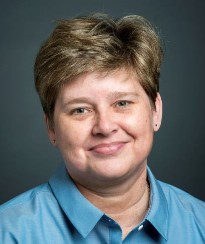
Zeyad El Nabolsy is an Assistant Professor of Philosophy at York University's Faculty of Liberal Arts & Professional Studies. His research examines African philosophy, Marxist theory, and decolonial epistemology through historical and critical frameworks. Education includes: Ph.D. and M.A. from Cornell University M.A. from McMaster University B.Eng from McMaster University Research focuses on modern African philosophy, analyzing thinkers like Paulin Hountondji, Amílcar Cabral, and James Horton to reconstruct intellectual traditions challenging Eurocentric epistemology. Work emphasizes scientific dependency, Marxist historiography, and critiques of racial ideology. Publications bridge classical German philosophy (Kant/Hegel), Marxian theory, and African thought, exploring how epistemological frameworks shape liberation struggles. Recent articles examine decolonial science studies and the weaponization of theory in anti-colonial movements.
Andrew Solomon is a Professor of Clinical Psychology at Columbia University Medical Center and a prominent writer, lecturer, and activist. His work spans psychology, politics, and the arts, with a focus on mental health, LGBT rights, and global health equity. He holds a PhD in Psychology from the University of Cambridge (2012) and has authored influential books such as *Far from the Tree* (2012), *The Noonday Demon* (2001), and *Far & Away* (2016), winning prestigious awards including the National Book Award and National Book Critics Circle Award. His research explores multiple sclerosis (MS) diagnosis, differential diagnosis protocols, and the intersection of travel with global health. He has collaborated extensively with institutions like Yale and contributed to groundbreaking studies on MS pregnancy registries, neuroimaging techniques, and cross-cultural diagnostic challenges. Solomon’s activism includes leadership roles in PEN American Center and advocacy for mental health and LGBTQ+ rights. His work bridges academia, literature, and public health, emphasizing interdisciplinary approaches to complex societal issues. Research Interests: Multiple Sclerosis diagnosis, neuroimaging biomarkers, mental health advocacy, cultural diversity in family structures, and the societal impact of travel. His recent focus on MS includes refining diagnostic criteria (e.g., Central Vein Sign integration) and addressing disparities in underdiagnosis across populations. Articles Overview: Solomon’s 2020s research emphasizes MS pathophysiology, leveraging neuroimaging and multicenter studies to advance diagnostic accuracy. Earlier works, like *The Noonday Demon*, critically examine depression’s societal and psychological dimensions. His recent book *New Family Values* explores contemporary identity dynamics, reflecting his dual expertise in psychology and cultural analysis. Awards & Recognition: National Book Critics Circle Award (2012), National Book Award (2001), Wellcome Prize, and PEN American Center Awards. His film adaptation of *Far from the Tree* (2025) highlights his cross-disciplinary influence.
Dr. Vivian Visser is an Assistant Professor in Governance & Pluralism at the Department of Public Administration and Sociology, Erasmus School of Social and Behavioural Sciences, Erasmus University Rotterdam. Her research lies at the intersection of Public Administration and Sociology, focusing on citizen participation, community self-organization, and the reproduction of social inequalities in governance processes. Her research interests include: Citizen participation and invitational governance Social and emotional dynamics in public engagement Status and educational disparities in civic initiatives Role of civil servants in inclusive governance Urban sociology and neighborhood livability Visser employs an interdisciplinary, mixed-methods approach—combining vignette survey experiments, ethnographic observations, and in-depth interviews—to investigate how public professionals can tailor participation strategies to diverse citizen groups. Her recent publications reflect a strong trend toward understanding the emotional, cultural, and structural barriers to inclusion, especially among less-educated populations. The research emphasizes actionable insights for policymakers and practitioners. She has received the Erasmus Graduate School Award for Best Dissertation and has been recognized for her impactful work through media coverage in outlets like NRC Handelsblad, De Jortcast, and Binnenlands Bestuur. Her research has also informed public discourse on participation through expert contributions. Visser is actively involved in knowledge exchange through initiatives such as: Kenniswerkplaats Leefbare Wijken : Co-creating knowledge on neighborhood livability GovLab010 : Fostering innovation in local governance She coordinates the Master’s program Polarisatie, Democratie en Samenleving and develops post-academic courses to equip public professionals with tools for inclusive participation. She is currently developing new educational content focused on engaging discontented citizens.
Camilo Mora is a Professor in the Department of Geography at the University of Hawaii at Manoa, where he maintains an active research laboratory and teaches courses on environmental issues, biogeography, and data analysis. His academic journey began with a BSc in Marine Biology from Universidad del Valle in Colombia (1999), followed by a PhD in Biology from the University of Windsor, Canada (2005). He completed postdoctoral fellowships at the University of Auckland (2005), Scripps Institution of Oceanography (2006-2008), and Dalhousie University (2008-2010). BSc, Marine Biology, Universidad del Valle, Colombia (1999) PhD, Biology, University of Windsor, Canada (2005) Postdoctoral Fellow, University of Auckland (2005) Postdoctoral Fellow, Scripps Institution of Oceanography (2006-2008) Postdoctoral Fellow, Dalhousie University (2008-2010) Mora's research spans interconnected lines focused on understanding biodiversity patterns and their modification by human activities, with particular emphasis on climate change impacts. His lab specializes in big data analytics applied to diverse environmental challenges including heatwaves, disease transmission, marine ecosystems, and even unconventional topics like Bitcoin's environmental footprint. The Mora Lab operates on a 'divide and conquer' approach to tackle large research questions by breaking data gathering into individual parts that can be concatenated into central databases. Mora has received the CSS Excellence in Research award (2014) for his significant contributions to environmental science. His influential publications include groundbreaking work on the global risk of deadly heat (2017), the projected timing of climate departure from historical variability (2013), and the finding that over half of known human pathogenic diseases can be aggravated by climate change (2022). CSS Excellence in Research (2014) Highly cited publications in Nature and Nature Climate Change Research featured in major international media outlets Development of innovative research methodologies for large-scale analyses Mora leads an active research group that engages students in the full scientific process from idea generation to publication. His approach to mentoring involves creating yearly classes where graduate students, professors, and international advisors collaborate to tackle significant research questions, with papers typically completed within a single semester. His Carbon Neutrality Challenge project, spearheaded by his daughter Asryelle Mora, provides a practical mechanism for individuals to offset carbon emissions through tree planting. The Mora Lab maintains a distinctive approach to environmental research, working on seemingly diverse topics from reef fishes to Bitcoin, united by their reliance on big data analytics. This interdisciplinary methodology has produced impactful research across multiple domains of environmental science and climate change impacts, establishing Mora as a significant contributor to our understanding of humanity's environmental challenges.
Ana Costa-Ramón is an Assistant Professor of Economics of Child and Youth Development at the Department of Economics, University of Zurich. She is also a Principal Investigator of the Health Economics Research Area and a Research Affiliate at the Centre for Economic Policy Research (CEPR). Her research focuses on Labor Economics, Gender Economics, and Health Economics, with a concentration on topics such as parental labor supply, child health outcomes, and public policy impacts. Costa-Ramón holds a Ph.D. in Economics from Universitat Pompeu Fabra (2020). Her recent work explores the long-term effects of medical interventions (e.g., cesarean sections), income shocks on children’s development, and maternal labor decisions influenced by cognitive biases. She has published in high-impact journals and contributes to policy-relevant research on youth and family economics. Her research has been recognized through affiliations with prestigious institutions, though no specific awards are mentioned. She advises students through her role at the Jacobs Center for Productive Youth Development and collaborates on grants related to health and economic disparities. Her work bridges microeconomic theory with empirical analysis, emphasizing real-world applications in healthcare and family policy.
Michael J. Sandel is a Professor of Government at Harvard University, renowned for his work in political philosophy and public ethics. His scholarship explores justice, democracy, market morality, and the ethical implications of biotechnology, reaching global audiences through his televised course Justice and BBC series The Public Philosopher . B.A., Brandeis University (1975) D.Phil., Oxford University (1981) as a Rhodes Scholar His research interrogates the moral limits of markets, genetic engineering, and the erosion of civic virtue in modern democracies. Notable works include What Money Can’t Buy (2012), which critiques market society, and The Case Against Perfection (2007), addressing biotechnology’s ethical challenges. Princess of Asturias Award in Social Sciences (2018) Member, American Academy of Arts and Sciences Rhodes Scholarship As a public intellectual, Sandel has lectured globally at venues like St. Paul’s Cathedral and Seoul’s Olympic Stadium, engaging debates on corruption, climate ethics, and intergenerational justice. His Tech Ethics course examines AI and social media’s moral dimensions.
Frans N. van de Vosse is a full Professor at the Department of Biomedical Engineering , Eindhoven University of Technology. He leads the Cardiovascular Biomechanics research group, focusing on computational and experimental analysis of cardiovascular systems, medical devices, and clinical applications. Academic Background: MSc in Applied Physics (1982), PhD in Numerical Carotid Artery Flow Analysis (1987) from TU/e Professional Affiliations: Full Professor (since 2001), Lecturer in Fluid Mechanics (1987–2001) Research Interests span cardiovascular biomechanics, including Blood in Motion , Heart at Work , and Vessels under Stress . His work emphasizes computational models, experimental techniques, and medical devices for clinical diagnosis and intervention. Key Article Trends include fetal hemodynamics, virtual patient cohorts for coronary disease, abdominal aortic aneurysm progression, and fluid-structure interaction studies in heart valves. Many publications align with UN Sustainable Development Goals related to health and well-being. Media and Public Engagement highlights his contributions to artificial womb technology discussions and clinical device validation studies. His research has been featured in Professional Commentary and PR Activities in cardiovascular engineering.
Jochen Wolf is Chair of the Evolutionary Biology Division at Ludwig-Maximilians-Universität München (LMU) and a Max Planck Fellow of the Max Planck Institute for Biological Intelligence since 2022. His research integrates evolutionary biology, genomics, and ecology to address fundamental questions about speciation, adaptation, and biodiversity across multiple biological systems. Dr. Wolf's research program applies an integrative approach to understand microevolutionary processes and genetic mechanisms underlying species divergence. His work combines large-scale genomic analyses with laboratory and field experiments to characterize genomic divergence across populations and species. Key empirical systems include natural populations of birds (particularly corvids, swallows, and cuckoos), marine mammals (pinnipeds and killer whales), plant communities, and experimental evolution in fission yeast. His research spans multiple scales from immediate microevolutionary processes to broader evolutionary patterns across time. His recent publications reveal a sophisticated integration of genomic, epigenetic, and ecological perspectives. A notable trend shows increasing focus on structural genomic variation, chromosomal rearrangements, and epigenetic mechanisms as drivers of evolutionary processes. His work demonstrates how these molecular mechanisms interact with ecological factors to shape patterns of biodiversity and adaptation. Dr. Wolf's research has gained significant recognition through publications in top-tier journals including Nature, Science, and Nature Ecology & Evolution. His groundbreaking studies on crow hybrid zones, killer whale ecotypes, and experimental evolution of speciation have been featured in prominent media outlets such as The New Yorker, The Guardian, Scientific American, and Der Spiegel, demonstrating the broad impact of his work. As Principal Investigator, Dr. Wolf actively mentors doctoral students and postdoctoral researchers, fostering the next generation of evolutionary biologists. His lab maintains strong international collaborations, particularly through affiliations with SciLifeLab in Uppsala. Research in his group is supported by multiple funding sources including German Research Foundation grants and European Union programs, enabling both fundamental research and applications to conservation biology. The Wolf lab operates within LMU's Division of Evolutionary Biology, which provides access to state-of-the-art facilities including the Leibniz Supercomputing Centre. The lab maintains strong connections with the Max Planck Institute for Biological Intelligence and SciLifeLab in Uppsala, creating a rich collaborative environment for interdisciplinary research in evolutionary genomics. This network enables comprehensive studies spanning from molecular mechanisms to ecological and evolutionary consequences across diverse biological systems.
Ewa Batyra is an Affiliate Researcher at the Laboratory of Fertility and Well-Being within the Max Planck Institute for Demographic Research (MPIDR). Her work focuses on global demographic patterns related to fertility, family formation, and socioeconomic disparities. Key Research Areas: Fertility dynamics, child marriage, union formation, and the impact of education on demographic transitions. Geographic Focus: Global South, particularly Sub-Saharan Africa and Latin America. Recent Trends: Batyra's publications analyze post-disaster fertility shifts, unintended pregnancy outcomes, and the role of income inequality in delaying parenthood. She employs cross-national datasets and advanced statistical methods like fixed-effects modeling. Collaborations: Works with institutions such as the University of Pennsylvania (Hans-Peter Kohler), University of Oxford (Tiziana Leone), and Brazilian research teams on fertility forecasting.
Prof. Dr. Susanne E. Ulbrich is a Full Professor of Animal Physiology at the Department of Environmental Systems Science, ETH Zurich, where she leads the Chair of Animal Physiology since September 2013. Her research focuses on livestock metabolism with emphasis on relationships affecting fertility and reproduction, contributing significantly to the World Food strategy of the Department of Environmental Systems Science and the Agrovet-Strickhof project in collaboration with the University of Zurich and the Canton of Zurich. Prof. Ulbrich's educational background includes studies in Agricultural Sciences with a focus on Animal Sciences at the Technical University Munich (TUM), followed by postgraduate studies in Biotechnology. She received her doctorate in physiology at the Science Center Weihenstephan of the TUM in 2005 with the distinction "summa cum laude" and subsequently managed a research group at TUM. Her international research experience includes research stays at the University of Adelaide in Australia and the Universidad de Concepcion in Chillán, Chile. Prof. Ulbrich's research interests span animal physiology with particular focus on reproductive biology, embryonic development, and metabolism. Her work on livestock metabolism has brought her international recognition, especially her research on embryonic diapause in roe deer, uterine fluid composition, and the effects of embryos on maternal physiology. She applies advanced techniques such as metabolomics, proteomics, and extracellular vesicle analysis to investigate reproductive processes across species. Her recent publications demonstrate a strong focus on comparative reproductive biology, particularly examining the European roe deer as a model for embryonic diapause and conceptus elongation. She also investigates mastitis mechanisms, bovine reproduction, and applications of extracellular vesicles in reproductive medicine. Her work bridges wildlife biology, livestock science, and human reproductive medicine, revealing fundamental principles of embryo-maternal communication. Graduation Award Bund der Freunde der TU München (2005) Research Award Dr.-Heinrich-Baur-Preis (2011) Prof. Ulbrich serves as a reviewer for numerous scientific journals and is an active member of professional societies including the German Society of Endocrinology, the Society for the Study of Reproduction, and the International Embryo Transfer Society. Her research is supported by grants such as "Embryonic Diapause: pluripotency on hold?" (SNF 185026), reflecting her leadership in understanding reproductive mechanisms across species. Her laboratory at ETH Zurich focuses on comparative reproductive biology, utilizing advanced techniques to study embryo-maternal communication, with particular emphasis on the European roe deer as a natural model of embryonic diapause. Her team comprises researchers with expertise in metabolomics, molecular biology, and reproductive physiology, working collaboratively to unravel the complex mechanisms governing early embryonic development and maternal recognition of pregnancy.
Dr. Cecilia D'Angelo is an Associate Professor at the University of Southampton, affiliated with the Institute for Life Sciences, Marine Biology and Ecology, and the Southampton Marine and Maritime Institute. Her research explores coral reef ecology, focusing on environmental stress responses, biomineralisation, and artificial light impacts. She investigates nutrient stress in reef corals, coral-symbiont interactions, and the effects of ocean warming. Her work bridges molecular biology and geochemical analysis, with a particular interest in nature-based solutions for reef conservation. Recent studies highlight her contributions to understanding coral bleaching mechanisms, symbiotic mutualism, and light pollution mitigation. Collaborations include Professor Joerg Wiedenmann and Professor Gavin Foster. Dean’s Prize for Outstanding Contributions in Research (2015) FNES Faculty Teaching Award (2018) She supervises PhD students George Clarke and Finley Spencer Chadwick, focusing on ocean and earth science topics. Her active projects span coral adaptation to warming, biomineralisation insights, and 3D-printed artificial reefs. Completed initiatives include ALAN impacts and nutritional bottlenecks in coral growth.
Adrienne Roberts is a Senior Lecturer in the Department of Politics at the University of Manchester and Director of the University of Manchester’s Political Economy Centre. Her work focuses on feminist global political economy, particularly gendered relations of finance, debt, development, and trade. She leads projects like the SSHRC-funded initiative on gender and global trade governance (with Erin Hannah and Silke Trommer) and studies gender dynamics in public banking through the Municipal Services Project. Roberts co-edits the journal New Political Economy and the Routledge/RIPE book series. PhD Supervision: Currently guiding 4 students on topics ranging from financialization in India to NHS workforce crises Key Research Themes: Social reproduction theory, fiscal policies, transnational business feminism, and global trade governance Her recent publications (2022–2025) analyze UK fiscal policy during the pandemic, central bank climate governance, and feminist critiques of trade policies. Roberts has co-authored major works including Handbook of the International Political Economy of Gender and Feminist Global Political Economies of the Everyday . She actively engages with policy through consultancy and media contributions, challenging neoliberal frameworks in trade and finance. Her research bridges macroeconomic governance and micro-level social impacts, emphasizing how financial systems perpetuate gendered inequalities. Current projects interrogate the intersections of austerity, corporate power, and global trade architectures.
David A. Aborn is a Professor in the Department of Biology, Geology, and Environmental Science at the University of Tennessee-Chattanooga (UTC). His primary research focuses on bird migration, urban ecology, and conservation, particularly studying stopover biology, habitat selection in urban environments, and the effects of urbanization on avian populations. He holds a PhD in Biological Science from the University of Southern Mississippi (1996), an MS in Zoology from Clemson University (1989), and a BS in Zoology from Clemson University (1985). His work integrates field studies, telemetry, and citizen science to address ecological questions. Dr. Aborn’s research projects include assessing urban greenspaces as stopover sites for migratory birds, studying overwintering Sandhill Cranes, and investigating the breeding biology of Tree Swallows. He has received grants totaling over $595,000 from organizations like the National Science Foundation and the Tennessee Wildlife Resources Agency. His publications span 40+ articles in journals such as Nature Ecology and Evolution , Wilson Journal of Ornithology , and Southeastern Naturalist , with a focus on avian behavior, habitat use, and conservation challenges. Key research trends in his articles include urban birdstopover dynamics, stress physiology in migratory species, and invasive species impacts. He serves on committees for UTC’s Environmental Task Force, Reappointment, and Promotion. As a certified Master Bird Bander (USGS), he actively engages in public outreach through roles like Chattanooga Audubon Society board member and frequent guest lectures at local schools and organizations. Dr. Aborn advises the UTC Wildlife Zoology Club and coordinates graduate programs in Environmental Science. His work bridges academic research with applied conservation, emphasizing the role of urban ecosystems in avian survival and biodiversity preservation.
Professor Surya Monro is a leading academic in Sociology and Social Policy at the University of Loughborough, where she joined in 2023. She previously held positions at the University of Huddersfield, Cambridge, Keele, Leeds, Sheffield, and Huddersfield. She is also a Visiting Researcher at the University of the Free State, South Africa, reflecting her strong international engagement. Her educational foundation includes a PhD from the University of Sheffield (2001), and she is an active member of the British Sociological Association and the European Sociological Association. Surya Monro’s research centers on gender, sexuality, intersectionality, and equality, with pioneering contributions to transgender studies, bisexuality, and intersex studies. Her work spans India, South Africa, and multiple European nations, combining theoretical innovation with policy relevance. She has authored influential books such as Bisexuality (2015), which topped Palgrave’s bestseller list, and is lead author of an upcoming monograph Intersex, Variations of Sex Characteristics, DSD: Critical Approaches (Routledge, 2024). Her research often bridges activism and academia, contributing to public debates and policy through media engagement and consultation with organizations like the DWP and NHS England. Her recent scholarly output reflects a deep engagement with LGBTQI identities, citizenship, and social justice. Themes across her publications include transgender rights, non-binary identities, intersex advocacy, forced migration, and the decolonization of queer theory. Her editorial leadership in journals like Sexualities , Critical Social Policy , and Culture, Health and Sexuality underscores her influence in shaping discourse in gender and sexuality studies. She has been recognized with scientific awards from the Council for European Studies and the Gender and Sexual Research Network for her collaborative research on Norway and post-Soviet countries. These accolades highlight the international impact of her work. Professor Monro actively supervises PhD students and collaborates with scholars across the Global South. She co-edited the influential volume Queer in Africa: LGBTQI Identities, Citizenship, and Activism (2020), which brings together interdisciplinary perspectives on sexual and gender diversity in Africa. Her involvement with the COST Action LGBTI+ Social and Economic (In)equalities network further demonstrates her commitment to transnational research collaboration. She is deeply engaged in public sociology, having been interviewed four times on BBC Radio 4 and contributing to public debates on equality and social policy.
Lisa Lindley is an Associate Professor in the Department of Community and Global Health at Lehigh University and serves as Director of the MPH program. She has held academic roles at George Mason University, the University of South Carolina, Western Kentucky University, and the University of Florida, contributing to public health education and LGBTQ+ health initiatives. Education: DrPH and MPH in Health Promotion and Education from the University of South Carolina's Arnold School of Public Health, BSEd in Community Health Education from George Mason University (1991). Dr. Lindley specializes in LGBTQ+ health disparities, sexual health promotion, and prevention of HIV/STIs and unintended pregnancies. Her work has focused on uncovering elevated health risks among bisexual women and sexual minority women, influencing CDC guidelines and Healthy People 2020 initiatives. She has received multiple teaching awards, including the Master Teacher Award at George Mason University and the James A. Keith Excellence in Teaching Award at the University of South Carolina. Her research has been cited in the New England Journal of Medicine’s Journal Watch as “practice changing” for studies on LGB high school students. Notable courses taught: Introduction to LGBTQ2+ Health (CGH 002), Sexuality Education (CGH 318, HLTH 482, HLTH 499), LGBTQ Health Research Policy Practice (CGH 325), Health Promotion and Education (PUBH 401), Program Planning & Implementation (PUBH 403), Program Evaluation Methods (PUBH 405), Applied Practice Experience (PUBH 410), and PUBH Capstone (PUBH 411).






.jpg)