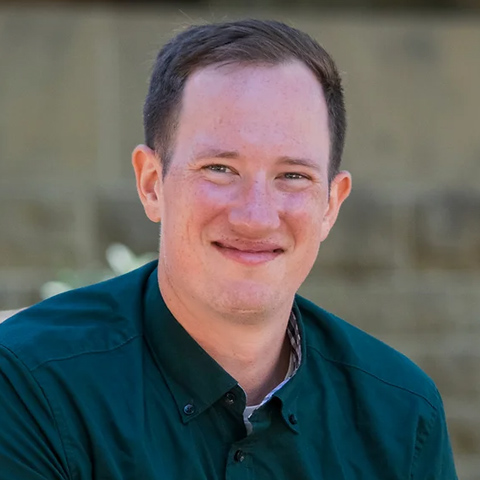
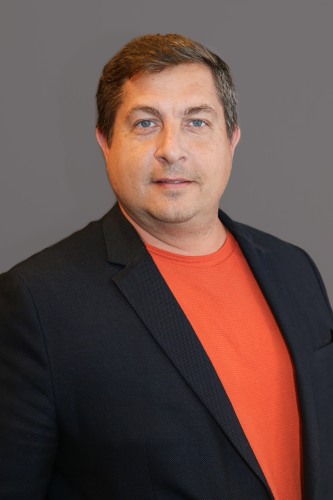
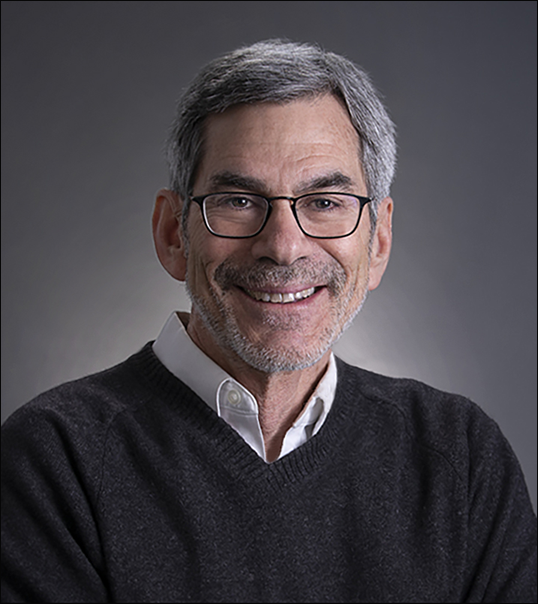
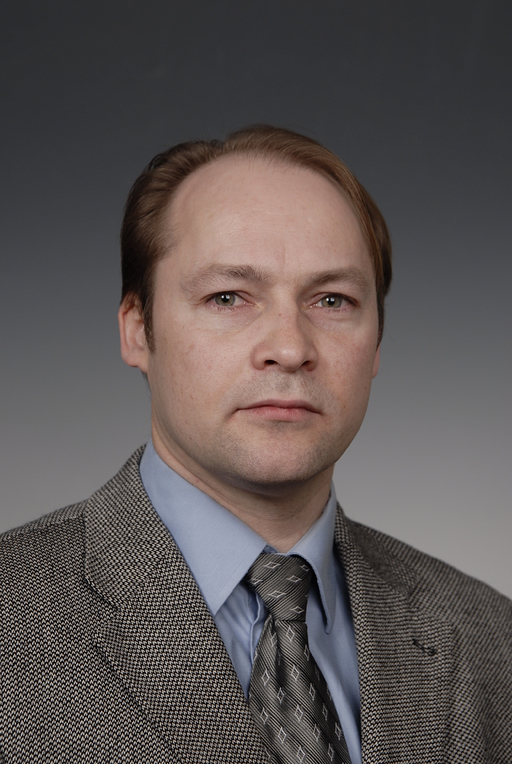
Jan G. Voelkel is an Assistant Professor at the Jeb E. Brooks School of Public Policy and the Department of Sociology at Cornell University. His research explores how micro-level preferences for equality and unity translate into macro-level political decisions, focusing on democratic attitudes, partisan dynamics, and moral framing. Ph.D. and M.A. in Sociology, Stanford University M.S. in Social and Behavioral Sciences, Tilburg University B.S. in Social Sciences, University of Cologne Voelkel’s work spans political psychology, metascience, and social policy, with a focus on interventions to reduce anti-democratic attitudes, partisan animosity, and gender bias in political leadership. His recent articles emphasize large-scale collaborations, reproducibility, and cross-partisan empathy. Scientific awards include: New Investigator Award (Behavioral Science & Policy Association) Public Sociology Award (American Sociological Association) Open Science Innovator Award (Stanford) Centennial Teaching Assistant Award (Stanford)
Ruoyu (Fish) Wang is an Associate Professor at the School of Computing and Augmented Intelligence, Arizona State University (Tempe campus). He also holds affiliations as Associate Director of Impact at the Global Security Initiative, Center for Cybersecurity & Trusted Foundations, and with the Biodesign Center for Biocomputing, Security and Society. His educational background includes: Ph.D. in Computer Science, University of California, Santa Barbara Professor Wang's research focuses on system security, with an emphasis on automated binary program analysis and reverse engineering of software. He is the co-founder and core developer of the angr binary analysis platform, which won third place in the DARPA Cyber Grand Challenge (2018). His work spans vulnerability discovery, fuzzing, and security tool development for binary program analysis. His current research interests include: Binary program analysis and reverse engineering Automated vulnerability discovery and mitigation Fuzzing techniques and robust testing Phishing and fraud detection in e-commerce Security of firmware and embedded systems Application of machine learning to security problems His recent publications (2024-2025) demonstrate cutting-edge research in fraud detection for e-commerce using LLMs, advanced fuzzing methodologies, and binary decompilation techniques. Key trends include bridging theoretical program analysis with practical security tools, as evidenced by extensions to the angr platform, and addressing emerging threats in financial ecosystems and client-side security. Dr. Wang has received notable recognition: Third place in DARPA Cyber Grand Challenge (2018) with team Shellphish As an active educator, he supervises graduate research (CSE 599/799) and teaches core cybersecurity courses including Software Security (CSE 545) and Information Assurance (CSE 365). His teaching spans multiple semesters through 2025, covering practicums, internships, and special topics in computing security. Dr. Wang co-founded the angr binary analysis platform and contributes to Arizona State University's security research ecosystem through leadership roles in the Center for Cybersecurity & Trusted Foundations and Biodesign Center for Biocomputing, Security and Society.
Yuri Bazilevs is the E. Paul Sorensen Professor of Engineering at Brown University's School of Engineering and Co-Director of the Mechanics of Undersea Science and Engineering Center. His research focuses on computational mechanics, isogeometric analysis, fluid-structure interaction, and high-performance computing. Prior to Brown, he held positions at UC San Diego, where he advanced to Full Professor in 2014 after a rapid tenure. He earned his PhD in 2006 and postdoc training in computational engineering at UT Austin's ICES. Research interests span computational fluid dynamics, solid mechanics, and advanced discretization methods like isogeometric analysis (IGA) and meshfree approaches. He has developed novel formulations for complex phenomena such as underwater explosions, composite material failure, and hypersonic flow dynamics. His work integrates cutting-edge numerical methods with practical engineering applications in aerospace, energy, and biomedical systems. Recent publications highlight advancements in IGA for architected materials, RKPM-based crack modeling, and stabilized formulations for compressible flows. His contributions bridge theoretical mechanics with computational innovation, addressing challenges in multiphysics coupling and large-scale simulations. Collaborations span academia and industry, emphasizing practical validation and real-world impact. Bazilevs' expertise includes variational multiscale methods, peridynamics for fracture mechanics, and immersive particle methods for fluid-structure interaction. His work has been applied to wind turbine aerodynamics, gas turbine optimization, and cardiovascular flow analysis. He actively contributes to computational infrastructure development, such as the tIGAr software framework for IGA automation.
Joshua D. Rabinowitz is a Professor of Chemistry and the Lewis-Sigler Institute for Integrative Genomics at Princeton University, where he also serves as Director of the Ludwig Princeton Branch. His research focuses on achieving a quantitative, comprehensive understanding of cellular metabolism, with applications in both basic science and medical research. Dr. Rabinowitz's research interests span multiple areas of metabolism and systems biology: Quantitative analysis of metabolic networks and regulation Metabolomics and measurement of metabolite concentrations and fluxes Cancer cell metabolism and therapeutic targeting Metabolic regulation in microbes (E. coli, Saccharomyces cerevisiae) Biofuel production (focusing on Clostridium acetobutylicum) Metabolic impact of pathogen infection (viral infection of human cells) His laboratory has developed innovative methods for measuring cellular metabolites using state-of-the-art mass spectrometry technology and approaches for quantitating metabolic fluxes through isotope-labeling data interpretation. Analysis of recent publications reveals a strong focus on NAD+ metabolism, cancer metabolism, metabolic adaptations in disease states, and the intersection of metabolism with immunology and neuroscience, particularly in areas like T cell metabolism, Alzheimer's disease, and cardiac function. Dr. Rabinowitz has received recognition as a Highly Cited Researcher by Web of Science, indicating significant impact in his field. He advises several graduate students and has mentored numerous alumni, including Michel I. Nofal, Edmundo Leiva III, and Sean Hackett. His research is supported by multiple programs including NIH NHGRI Training Program and QCB Graduate Program. The Rabinowitz Lab operates at the intersection of chemistry, biology, and computational science, with all projects involving a mix of biological experiments, metabolomics, and computation to achieve their goal of a holistic understanding of cellular metabolism.
Mike Kosek (Dr. rer. nat.) is a Research Fellow at the Chair of Connected Mobility (Department of Informatics) at the Technical University of Munich (TUM). His research focuses on transport protocols, congestion control, internet architecture, and internet measurements. Research Interests: Transport protocol design and analysis Congestion control mechanisms Internet architecture and measurement Network performance optimization DNS protocol behavior and privacy Applications in satellite and aerial communication Recent Research Trends: His publications emphasize QUIC protocol analysis, DNS over QUIC investigations, cross-layer protocol interactions, and satellite communication adaptations. Key methodologies include real-world measurements, protocol design extensions, and dataset creation for reproducibility. Contact: E-mail: kosek@in.tum.de Phone: +49 89 289-18665 Office: 01.05.038, Boltzmannstr. 3, 85748 Garching
Amir Shaikhha is an Associate Professor (Reader) in the School of Informatics at the University of Edinburgh. He was previously an Assistant Professor (Lecturer) at the same institution from 2020 to 2024 and a Departmental Lecturer at the University of Oxford until August 2020. He is also a Junior Research Fellow at University College, Oxford. His academic journey began with a Ph.D. from EPFL in 2018, where he was awarded the Google Ph.D. Fellowship in structured data analysis and a Ph.D. thesis distinction. His research centers on the design and implementation of data-analytics systems, drawing upon techniques from databases, programming languages, compilers, and machine learning. He develops high-performance systems such as SDQL.py, StructTensor, and VecHT, focusing on the compilation of data science workloads and optimization of tensor operations. His work bridges the gap between high-level abstractions and efficient execution, particularly in sparse and probabilistic computing domains. The recent publications highlight a strong trend in compiler-driven optimizations for data-intensive applications, including automatic differentiation, loop fusion, probabilistic programming, and domain-specific language (DSL) restaging. His research integrates machine learning for systems decisions and emphasizes reproducibility and performance. He has published consistently in top venues like PLDI, OOPSLA, SIGMOD, and CGO, reflecting sustained impact in programming languages and database systems. Dahl-Nygaard Junior Prize, 2025 Google Research Scholar Award, 2025 Most Influential Paper Award, GPCE 2024 Best Paper Award, GPCE 2017 Most Reproducible Paper Award, SIGMOD 2017 Google Ph.D. Fellowship, 2017 Amir Shaikhha has advised PhD students including Hesam Shahrokhi and has been nominated for Best Supervisor of the Year at the University of Edinburgh. He leads research projects that have received recognition and support through awards and grants, including the Google Research Scholar Award. He actively serves the community through program committees (e.g., GPCE, DBPL, DRAGSTERS), editorial roles, and peer review for premier journals. His leadership in organizing workshops and conferences underscores his role as a central figure in the programming languages and databases research communities. He leads a research group focused on compiler and database systems, with recent open-source releases such as StructTensor and VecHT. His team collaborates with researchers from institutions like MIT, EPFL, and TU Berlin, and he co-chairs workshops like Sparse@PLDI and DRAGSTERS. His lab emphasizes innovation in how data-intensive programs are compiled and executed efficiently across modern hardware.
Amy E. Stich is an Associate Professor of Higher Education and Director of Graduate Studies at the Louise McBee Institute of Higher Education at the University of Georgia. She also serves as an affiliate faculty member with the Interdisciplinary Qualitative Studies program and as a Research Fellow at the Georgia Policy Labs. Dr. Stich employs sociological perspectives and qualitative methodologies to investigate mechanisms that stratify and reproduce inequality in higher education. Her research interests include: Sociology of education Qualitative research methodologies Social theory applications Higher education inequality Educational stratification systems Postsecondary tracking mechanisms Class dynamics in educational settings Dr. Stich's scholarly work reveals consistent themes around how social structures and institutional practices create and maintain educational inequalities. Her publications demonstrate sophisticated applications of Bourdieusian theory to analyze educational tracking, social reproduction, and efforts to democratize access to higher education. Recent work examines democratic research practices, school counseling responses to dual enrollment policies, and the relationship between middle-class aspirations and higher education pathways. Her significant research contributions have been recognized through: 2016 National Academy of Education/Spencer Foundation Postdoctoral Fellowship Exemplary Reviewer Recognition by the Journal of Higher Education (2025) Dr. Stich serves on the editorial boards of the British Journal of the Sociology of Education, The Journal of Higher Education, and The Review of Higher Education. As Director of Graduate Studies, she plays a pivotal role in mentoring graduate students and shaping academic programs. She teaches advanced courses in qualitative research and social theory (EDHI 8990, EDHI 8930, EDHI 9060) that emphasize critical analysis of educational inequality. Current research includes a William T. Grant Foundation-funded project examining postsecondary debt repayment inequalities and an NSF-funded study on geographic influences on experiential learning opportunities.
Joel Greenhouse is a Professor of Statistics at Carnegie Mellon University (CMU), affiliated with the Department of Statistics & Data Science. He has been on the faculty since 1983 and held leadership roles, including serving as Associate Dean of the College of Humanities and Social Sciences from 1997 to 2002. He also holds an adjunct appointment as Professor of Epidemiology and Psychiatry at the University of Pittsburgh. His expertise spans statistical methodology, clinical trial design, and meta-analysis, with a focus on integrating data from multiple sources to address complex healthcare and public health challenges. Greenhouse earned his Ph.D. in Biostatistics from the University of Michigan and completed a postdoctoral fellowship at CMU. His research emphasizes developing statistical tools for observational studies, clinical trials, and meta-analytic frameworks, particularly in neurology, mental health, and public policy contexts. Notable contributions include analyzing the impact of media on youth suicide rates, improving aphasia classification through automated speech analysis, and evaluating highway safety through driver health data. Education: Ph.D. in Biostatistics, University of Michigan Affiliations: Adjunct Professor at University of Pittsburgh, Member of National Academy of Sciences’ committees Professional Service: Data and safety monitoring boards for NIH/VA studies, co-chair of Federal Motor Carrier Safety Administration review panels His awards include CMU’s Doherty Award for Education, Ryan Teaching Award, and E. Dunlop Smith Award for teaching excellence. His work bridges theoretical statistics with real-world applications, particularly in interdisciplinary collaborations across medicine, psychology, and public policy. Greenhouse’s recent articles highlight trends in leveraging large datasets for clinical insights (e.g., aphasiaBank), re-evaluating environmental and behavioral health associations, and advancing causal inference methods. His interdisciplinary approach ensures statistical rigor addresses societal challenges, from suicide prevention to highway safety.
Shiqing (Frank) Yao is a Senior Lecturer in Operations Management at the Department of Management, College of Business, Monash University. Holding a PhD in Decision Sciences and Managerial Economics from the Chinese University of Hong Kong, Dr. Yao's research focuses on analytical modeling approaches to supply chain management challenges. PhD - Chinese University of Hong Kong (Operations Management) His primary research interests include economic modeling in supply chains, quality management, collusion dynamics, and optimization strategies. Dr. Yao's work aligns with multiple UN Sustainable Development Goals, particularly those related to responsible consumption and production. Recent research outputs demonstrate expertise in anti-counterfeiting strategies, collusion risk mitigation, and sustainable operations. His publications cover topics ranging from digital transformation in retail to responsible audit systems. Scientific Awards: M&SOM Meritorious Service Award (2020) Dr. Yao maintains active editorial roles with leading journals including Operations Research, Management Science, and Transportation Research Part E. He is currently accepting PhD students for supervision.
Adam Doupé is an Associate Professor at Arizona State University's School of Computing and Augmented Intelligence (SCAI) and Director of the Center for Cybersecurity and Trusted Foundations (CTF). He holds a Ph.D. and M.S. in Computer Science from the University of California, Santa Barbara. His research focuses on cybersecurity, vulnerability analysis, web security, and hacking competitions. Notable awards include the NSF CAREER Award (2017), Best Teacher Award, and Outstanding Assistant Professor Award from ASU's Fulton Schools of Engineering. Education: Ph.D. and M.S. in Computer Science, UC Santa Barbara (2014, 2009). Research emphasizes automated vulnerability analysis, binary analysis, and cybersecurity education. Key contributions include frameworks like SCAMNet and SENSAI for fraud detection, and tools like Fuzz to the Future for uncovering future vulnerabilities. Recent articles highlight advancements in phishing ecosystem analysis, browser fingerprinting mitigation, and compiler-aware decompilation. Awards reflect his impact in both teaching and research. Advising and grants support his work in secure systems and ethical hacking. He co-leads the SEFCOM lab with Drs. Ahn, Shoshitaishvili, Wang, and Bao, and hosts CTF Radiooo for cybersecurity discussions.
Prof Ghassan Beydoun is a Professor and Head of Discipline (Information Systems) at the School of Computer Science, University of Technology Sydney (UTS). He leads the Information Systems discipline and is affiliated with the Centre for Advanced Modelling and Geospatial Information Systems (CAMGIS). His research focuses on AI-driven systems, agent-based modelling, ontologies, and disaster management, with notable contributions to knowledge graphs, enterprise architecture, and IoT applications. Beydoun actively supervises Masters and PhD students in these domains. His research interests span metamodelling, agent systems, and AI applications in disaster management (e.g., flood, landslide, and earthquake risk assessment), health systems, and smart infrastructure. He has pioneered frameworks for reproducible machine learning solutions, digital identity systems, and cloud migration strategies. Beydoun’s work integrates interdisciplinary methods, such as bibliometric analysis for journal evolution and XAI for spatial hazard prediction. Recent publications highlight his expertise in AI for climate-induced hazard modelling, agent-based knowledge transfer mechanisms, and metaverse applications in education. His funded projects include AI-powered circular economy initiatives, smart beach safety systems, and health data querying frameworks. Beydoun collaborates with industry partners like CSIRO, Capsicum Business Architects, and Data Zoo, translating research into practical solutions for enterprise architecture, cybersecurity, and public health.
Heikki Remes serves as Associate Professor in the Department of Energy and Mechanical Engineering at Aalto University's School of Engineering, where he investigates high-performance steel structures for marine environments with emphasis on lightweight ship designs using advanced materials and manufacturing techniques. His research integrates fundamental fatigue and fracture mechanics with practical structural challenges, spanning from crystal-level material behavior to continuum-scale modeling. Key focus areas include welded joint integrity, additive manufacturing defects, and computational analysis of marine structures under extreme conditions. Recent publications reveal strong trends in fatigue assessment methodologies for complex welded geometries, experimental validation of distortion effects, and AI-enhanced damage prediction systems, reflecting his commitment to bridging theoretical mechanics with shipbuilding applications. Scientific Awards: Aalto Education Impact Award (2018) for establishing Marine Technology study programs SNAME Honorable Mention for 2018 Vice Admiral E. L. Cochrane Award Teaching Award of Aalto School of Engineering (2012) for educational tools No specific student advising or grant information appears in available sources, though his active publication record indicates ongoing research leadership. He contributes significantly to the Marine and Arctic Technology research group, driving projects on structural integrity assessment and advanced manufacturing solutions for next-generation marine vessels.
Philippe Rocca-Serra is a Researcher at the Oxford e-Research Centre (OeRC), University of Oxford, and an Associate Member of the Engineering Science Department. Affiliated with Kellogg College, his work focuses on advancing open science through FAIR data principles, interoperable metadata standards, and translational biomedical data systems. He holds a DPhil in Molecular Genetics from the University of Bordeaux, supported by an EMBO Fellowship, and has contributed to major initiatives like the ISA-Tab format, the FAIR Cookbook, and the Translational Data Catalog. His research spans data standards for omics technologies, semantic validation frameworks (e.g., BioValidator), and infrastructure for reproducible research. Key contributions include the ISA API platform, metabolomics standards (nmrML, mzTab-M), and FAIRification frameworks. He actively collaborates with global initiatives such as ELIXIR, the Common Fund, and the Precision Toxicology Initiative. Rocca-Serra’s work emphasizes bridging data producers and consumers through machine-actionable metadata, fostering interdisciplinary research and policy compliance. He leads projects on clinical trial metadata profiling and has published extensively on data governance, computational workflows, and the role of FAIR principles in drug discovery and pandemic preparedness. Education: Ecole Nationale Supérieure d'Agronomie de Rennes (Diplôme d'Ingénieur), University of Bordeaux (PhD, Molecular Genetics) Key Roles: Group Coordinator at OeRC, Co-Investigator on international grants Tools Developed: ISAcreator, COPO, FAIR Cookbook, Data Tags Suite (DATS) Awards: EMBO Fellowship (2001) Labs/Teams: Oxford Data Readiness Initiative, FAIR Implementation Network
Carlijn Bouten is Full Professor of Cell-Matrix Interactions in Cardiovascular Regeneration at Eindhoven University of Technology. She leads the Soft Tissue Engineering & Mechanobiology group, investigating cellular interactions with extracellular environments in tissue growth, adaptation, and regeneration. Her research develops biodegradable heart valve prostheses that enable in vivo tissue regeneration, applying tissue engineering approaches to cardiovascular medicine. Professor Bouten holds an MSc from Vrije Universiteit Amsterdam and a PhD from TU/e. She completed postdoctoral research at Université Laval and University of London before joining TU/e's faculty. She directs the national Gravitation program 'Materials-Driven Regeneration' and received an ERC Advanced Grant for cardiac tissue organization research. Research Focus: Her interdisciplinary program spans: Mechanobiological cues in tissue regeneration Development of living heart valve replacements Advanced biomaterials for cardiovascular applications In vitro models for tissue development Soft robotic systems for cardiac assistance Recent publications demonstrate innovations in biohybrid devices, standardized biomaterial testing, and novel tissue patterning techniques. Her work integrates engineering, materials science, and clinical translation through collaborations with medtech spin-offs. Leadership and Recognition: Fellow of the European Alliance for Medical and Biological Engineering President-elect of the Heart Valve Society Member of AcademiaNet for Outstanding Female Scientists Recipient of NWO VICI grant and Aspasia award She leads multinational consortia in regenerative medicine and teaches courses on heart/blood physiology and regeneration. Her lab develops model systems spanning cellular to tissue levels to quantify mechanobiological processes.
Tetsuya Sakai is a Professor at the School of Fundamental Science and Engineering within Waseda University's Faculty of Science and Engineering. His work focuses on information access, retrieval, and natural language processing, with a particular emphasis on evaluation frameworks for search systems. Affiliations: Waseda University (Faculty of Science and Engineering, School of Fundamental Science and Engineering) Academic Rank: Professor Research Interests : Dr. Sakai's research spans four key areas: (1) Information Access —designing systems for direct and immediate information delivery, (2) Search Evaluation —developing metrics like Height-Biased Gain and hierarchical intent-based diversity measures, (3) Fairness in IR —pioneering frameworks for group fairness in conversational search, and (4) Statistical Reform —advocating Bayesian methods and robust experimental design. His work also addresses privacy inconsistencies in mobile apps and cognitive biases in LLMs. Scientific Awards : Notable recognitions include induction into the SIGIR Academy (2023) , ACM Distinguished Member (2018) , ACM Senior Member (2016) , and multiple DEIM/FIT/CSS Best Paper Awards . He has received teaching honors like the Waseda Presidential Teaching Award (2016) and WASEDA e-Teaching Award (2018) . Article Trends : Recent publications highlight: Advancements in LLM-assisted relevance assessments and hallucination diagnostics for tool-augmented models Conversational search fairness through multi-level evaluation frameworks and group diversity metrics Innovations in 3D medical reconstruction from clinical data and multimodal uncertainty modeling Statistical rigor via randomization tests , credible intervals , and topic set design Privacy analysis in mobile app descriptions and cognitive bias studies in search interaction