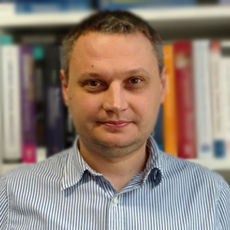
Thomas LengauerView profile
Professor
Prof. Dr. Thomas Lengauer is a leading figure in computational biology and applied algorithmics at the Max Planck Institute for Informatics, part of the Max Planck Society in Saarbrücken, Germany. He heads the Department of Computational Biology and Applied Algorithmics, where he drives research at the intersection of computer science, genomics, and medicine. His work integrates algorithm development with biological applications, particularly in viral genomics, epigenetics, and personalized treatment prediction. Research Interests: His research focuses on computational methods for analyzing complex biological data. Key areas include HIV and hepatitis virus evolution, antiretroviral therapy outcome prediction, DNA methylation and epigenomic analysis, machine learning applications in medicine, and the integration of big data in biological research. He has made significant contributions to understanding viral drug resistance and host-pathogen interactions through computational modeling. The recent publications (2019–2025) reflect a strong trend toward integrating temporal genomic data, machine learning, and public health surveillance. His work spans from fundamental algorithm development (e.g., RnBeads, MeDeCom) to applied clinical research (e.g., dolutegravir resistance, SARS-CoV-2 interventions). Key domains include epigenomics , virology , machine learning in healthcare , and biological database systems , increasingly incorporating AI-driven approaches. Scientific Awards: No specific awards are mentioned in the provided text. Advising and Grants: While no formal list of students is provided, Prof. Lengauer leads a large collaborative research group, evidenced by frequent co-authorship with researchers such as Walter, Bock, Müller, Kaiser, and Pirkl. He participates in major consortia (e.g., DEEP Consortium, Respiratory Virus Network), suggesting leadership in funded collaborative projects. His work is likely supported by Max Planck Society core funding and competitive third-party grants, though specific grants are not listed. Labs and Teams: He leads the Computational Biology and Applied Algorithmics group at the Max Planck Institute for Informatics. The team develops computational tools for epigenomic data analysis (e.g., RnBeads, DecompPipeline), viral resistance prediction, and public health modeling. The group collaborates extensively with clinical and biological researchers across Europe, functioning as a hub for interdisciplinary bioinformatics research.


.jpg)