University of Natural Resources and Life Sciences ViennaAustria
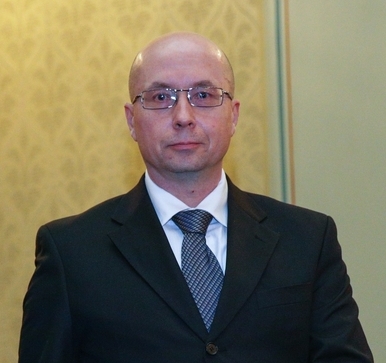
Ivan Sumerskii is a Researcher at the Department of Chemistry of Renewable Resources within the University of Natural Resources and Life Sciences, Vienna. He serves as the director of the Core Facility Analysis of Lignocellulosics , focusing on advanced analytical techniques for sustainable materials. His research spans renewable resource chemistry, with emphasis on lignocellulosic analysis and sustainable polymer development. The Core Facility under his leadership provides critical infrastructure for studying biomass conversion and green technology applications.
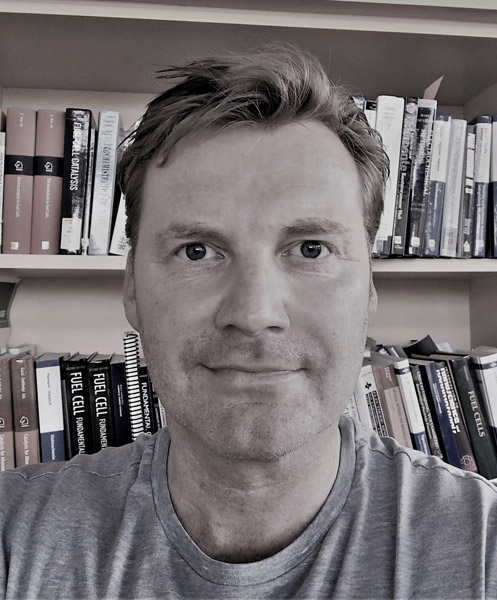
Peter Strasser is a Full Professor of Chemistry and Chemical Engineering at the Technical University Berlin, Germany. He holds a Diplom (MSc) in Physical Chemistry from Tübingen University (1995) and a PhD from the Fritz-Haber-Institute of the Max-Planck-Society (1999), supervised by Prof. Gerhard Ertl. His research focuses on electrocatalysis, CO₂ electroreduction, and materials science for energy storage/conversion. He has held roles at the University of Houston (2004–2007) and Symyx Technologies (2000–2004). Education : Tübingen University (1988–1995), Stanford University (1991), Università di Pisa (1992) Affiliations : German Chemical Society (GDCH) leadership roles, Electrochemical Society (ECS) committee memberships Research interests include structure-function relations in electrocatalysts, electrochemical oxygen evolution/reduction reactions, and in-situ spectroscopic techniques. He has organized major conferences such as the “Electrochemistry 2022” meeting and co-chairs symposia on fuel cells and electrolyzers. His entrepreneurial activities include mentoring startups like DexLeChem GmbH and LiquidLoop GmbH. Awards : Carl Wagner Memorial Award (2023), Faraday Medal (2021), Otto-Hahn Medal (2000) Grants/Advising : Extensive funding and mentorship in energy materials research He leads the Technische Chemie division at TU Berlin and collaborates internationally, including guest professorships in China. His work bridges fundamental electrochemistry with industrial applications in renewable energy systems.
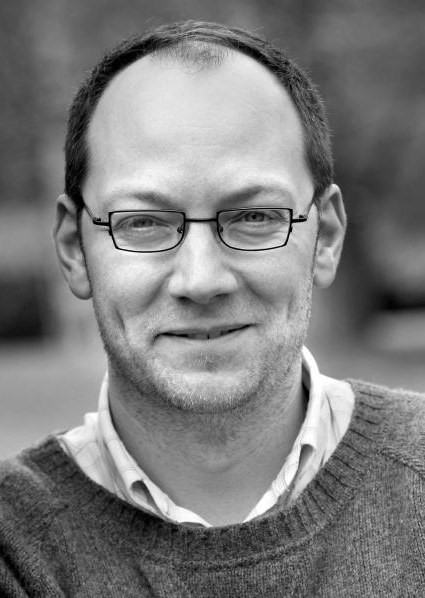
Kostya (Ken) Ostrikov is Professor of Nanotechnology and Molecular Science at the Queensland University of Technology (QUT), Faculty of Science and Engineering, Australia, and concurrently serves as CEO Science Leader and Chief Research Scientist (Plasma- and Nano- Technologies) at CSIRO Manufacturing Flagship. Beyond his primary appointments, he holds visiting or honorary professorships at more than a dozen institutions across six countries, including Peking University, Zhejiang University, the University of Sydney, University of Technology Sydney, University of Wollongong, Huazhong University of Science and Technology, Shanghai Jiao Tong University, Jiangnan University, Kharkiv National University, Nanyang Technological University, and the Jožef Stefan Institute. Education & Fellowships: Distinguished Doctor of Sciences, Kharkiv National University, Ukraine (2009) Alexander von Humboldt Research Fellowship, Germany (1997–1999) Royal Society Postdoctoral Research Fellowship, United Kingdom (1997) Japan Society for the Promotion of Science Invitation Fellowship (2000–2001) Lee Kuan Yew Research Fellowship, Singapore (2002) Australian Research Council (ARC) Queen Elizabeth II Fellowship (2004–2009) ARC Future Fellowship – Level FT3 (2011–2015) Research Interests: Professor Ostrikov is globally recognized as the pioneer of Plasma Nanoscience , a field he established and advanced through seminal reviews in Reviews of Modern Physics (2005) and Advances in Physics (2013). His research targets the fundamental challenge of controlling energy and matter at the nanoscale, translating insights into sustainable technologies. Core themes include: plasma-aided nanofabrication, functional nanomaterials synthesis, plasma catalysis, low-temperature plasmas for energy and environmental applications, plasma medicine and healthcare, and nano-plasmonics. The work bridges physics, chemistry, materials science and biotechnology, aiming at renewable-energy devices, environmental remediation, and next-generation health-care solutions. Grants & Funding: He has secured over AU $15 million in competitive research funding during the last six years alone, including flagship and centre-level grants from the Australian Research Council and CSIRO. Advising & Mentoring: Ostrikov has supervised approximately 65 PhD graduates and more than 92 research students (post-doctoral fellows, master’s and honours students). Alumni hold prestigious fellowships and faculty positions worldwide, attesting to the global impact of his mentoring. Leadership & Community: He is the Convenor of the annual iPlasmaNano international conference series (since 2009) and chairs the Executive Committee of the International Plasma Nanoscience Collaborative Research Network. These roles coordinate a vibrant community of >250 active collaborators, ensuring rapid dissemination of breakthroughs and fostering cross-disciplinary partnerships.
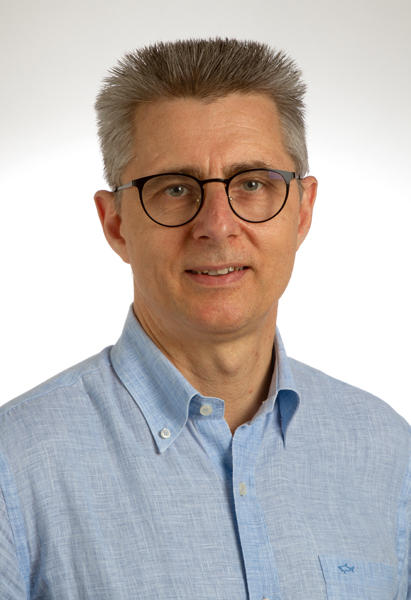
Professor Paolo Fornasiero is a Full Professor of Inorganic Chemistry at the University of Trieste, Department of Chemical and Pharmaceutical Sciences, where he has worked since 1998. He serves as Deputy Director of the department since 2021 and Scientific Responsible of the CNR Research Unit associated with the Institute of Chemistry of OrganoMetallic Compounds (ICCOM) since 2008. His career spans EU projects, bilateral collaborations with China, India, and Argentina, and leadership roles in journals like ACS Catalysis (Executive Editor since 2021). Full Professor (2016–present) Associate Professor (2006–2016) Assistant Professor (1998–2006) Post-Doc, University of Reading (1996–1997) His research focuses on multi-functional metal-oxide nanosystems for energy and environmental catalysis, including green hydrogen production , CO2 valorization , and methane emission control . He pioneered core-shell catalysts and single-atom systems for stability and selectivity. His work extends to solid oxide fuel cells and photocatalytic water depollution . Recent publications highlight trends in photothermal catalysis , single-atom catalysts , and CO2 electroreduction . His 280+ papers (3 in Science , 2 in Nature Communications ) reflect expertise across Environmental Catalysis , Nanomaterials , and Green Energy . 2022 Malatesta Medal 2021 European Academy of Sciences member 2017 Edoardo Kramer Award 2016 Heinz Heinemann Award 2013 Chiusoli Gold Medal He oversees PhD/postdoc advising and participates in global capacity-building via UNIDO and World Academy of Sciences . His lab collaborates with institutions like KAUST , Czech Academy of Sciences , and Dalian Institute of Chemical Physics .
Bert F. Sels is a Full Professor at KU Leuven (Catholic University Leuven) in the Faculty of Bioscience Engineering, Department of Molecular and Microbiological Sciences, where he founded and heads the Center for Sustainable Catalysis and Engineering (CSCE). He is also a Visiting Professor at the Chinese Academy of Sciences in Guangzhou and co-founder of the spin-off company Zeopore. Previously, he directed the Centre for Surface Chemistry and Catalysis (COK) from 2016-2019 and served as Head of the Division Bio-refinery and Sustainable Chemistry (2015). He obtained his Ph.D. in 2000 from KU Leuven under Professor Pierre Jacobs, specializing in heterogeneous oxidation catalysis. His research focuses on heterogeneous catalysis for sustainable industrial processes, with expertise spanning: Biorefinery and biofactory systems for chemical production Design of hierarchically structured zeolites and carbon materials Spectroscopic characterization of catalytic active sites Methane activation and small molecule kinetics Renewable chemistry and biomass valorization His group has published 350+ papers (h-index 88) and holds 30 patents. Publications demonstrate strong focus on catalytic biomass conversion, zeolite engineering, and sustainable fuel production, with recent work emphasizing lignin valorization, carbohydrate upgrading, and low-carbon chemical synthesis. Key trends include hierarchical catalyst design and integrated biorefinery processes. Awards and Honors: Green Chemistry Award (2015) INEOS Research Award (2019) European Academy of Sciences and Arts Membership (2018) DSM Chemistry Award (2001) TOTAL Research Award (2013) UMICORE Research Award (2012) First Clean Tech Challenge (2009) He leads the CSCE research group and co-founded the European Research Institute of Catalysis (ERIC). As former co-chair of the International Zeolite Association's Catalysis Commission and associate editor of ACS Sustainable Chemistry & Engineering, he maintains extensive collaborative networks.
University of Natural Resources and Life Sciences ViennaAustria
Assoc. Prof. Dietmar Pum is a leading researcher at the Institute of Biophysics, University of Natural Resources and Life Sciences, Vienna (BOKU). With a career spanning over three decades, he has pioneered work on S-layer proteins as nanobiotechnological tools and biomimetic surface functionalization. His research bridges microbiology, biophysics, and nanomaterials science. Education & Career Doctorate (1984) and Habilitation (1992) at Vienna University of Technology Awarded FEBS (1987) and EMBO (1982) fellowships Assoc. Univ. Prof. since 1997, Deputy Head of Biophysics Institute since 2014 Research Focus Dr. Pum's work centers on leveraging S-layer proteins for nanoscale fluid mechanics , molecular imprinting , and biohybrid materials . His projects explore: Self-assembly of 2D protein crystals Functionalization of carbon nanotubes Biomimetic sensor development Applications in diagnostics and environmental technology Publication Trends His recent publications (2025-2019) highlight interdisciplinary advancements in: Nanoscale biofluid dynamics Gold nanoparticle synthesis via microbial enzymes Archaeal S-layer characterization Protein-directed nanomaterials Biosensor platforms Lipid quantification via machine learning Scientific Recognition Philip Morris Research Prize (1998) Cardinal Innitzer Prize (1992) ÖAGM Prize (1986) Peer reviewer for Nature Materials , Advanced Materials , and Biophysical Journal Advising & Collaborations Dr. Pum has supervised over 15 theses, mentoring students in topics ranging from Caenorhabditis elegans imaging to nanomembrane fabrication. He leads international collaborations under EU Horizon and FWF grants, including the Stimuli Responsive Materials project (2020-2025). Labs & Networks As a core member of BOKU's Center for NanoBiotechnology and the Ludwig Boltzmann Institute for Molecular Nanotechnology , he develops bioinspired nanomaterials and contributes to global programs in molecular self-assembly.
Dr. Ajay V. Singh is an Associate Professor in the Department of Aerospace Engineering at the Indian Institute of Technology Kanpur, India. He leads the Combustion and Propulsion Laboratory and has established himself as a leading researcher in combustion science and propulsion technology in India. His work on detonation physics has positioned IIT Kanpur at the forefront of this field with the unveiling of "India's First Detonation Tube Research Facility". Dr. Singh's educational background includes: PhD in Mechanical Engineering from University of Maryland, College Park (2015) M.Tech in Aerospace Engineering from Indian Institute of Technology Kanpur (2008) B.Tech in Mechanical Engineering from U.P. Technical University, Lucknow (2006) His research spans fundamental and applied aspects of combustion science with particular focus on high-speed propulsion systems, detonation cycle engines, gas turbine combustion, soot formation and oxidation, flame-synthesized functional nanoparticles, and fire dynamics. His innovative work bridges theoretical understanding with practical applications in aerospace propulsion, energy systems, and fire safety engineering. The media has widely covered his research, with features in India Today, Times of India, Hindustan Times, and Republic Bharat. Dr. Singh's publication record shows a clear trend toward increasingly sophisticated detonation research and fire dynamics studies, with recent work focusing on turbulent wind-driven flames, detonation inhibition mechanisms, and alternative fuel combustion. His articles consistently address challenges in high-speed propulsion and fire safety, demonstrating both theoretical depth and practical relevance. His scientific contributions have been recognized with numerous prestigious awards including the Distinguished Paper Award from the Combustion Institute (the only faculty member in India to receive this honor), a nomination for the Silver Combustion Medal, multiple Best Paper Awards, and the Exemplary Performance in Teaching Award. As an educator and mentor, Dr. Singh has guided numerous PhD and Master's students through their research. His Combustion and Propulsion Laboratory is supported by multiple research grants from agencies including ISRO, ARDB, SERB, and ANRF. He has developed specialized courses including "Explosion and Detonation Physics," which is the first of its kind at IIT Kanpur. Dr. Singh's laboratory serves as a hub for cutting-edge research in combustion science, featuring India's first Detonation Tube Research Facility and advanced experimental setups for studying flame dynamics, soot formation, and detonation physics. His international collaborations include institutions such as Stanford University, University of Maryland, Peking University, and Beijing Institute of Technology.
Bert Sels is a full Professor at KU Leuven , leading the Center for Sustainable Catalysis and Engineering (CSCE) and previously directing the Center for Surface Chemistry and Catalysis (COK) . His work bridges Bioscience Engineering and Heterogeneous Catalysis , with a focus on Renewable Chemistry and Biorefinery applications. He co-founded the spin-off company Zeopore and has held visiting positions at the Chinese Academy of Sciences . Education: Ph.D. in Heterogeneous Oxidation Catalysis (2000), supervised by Professor Pierre Jacobs Research Interests center on designing heterogeneous catalysts for industrial and environmental challenges. His group specializes in Zeolite-based Materials , Kinetics of Catalytic Sites , and Small Molecule Activation , with applications in biorefineries and sustainable chemical production. Scientific Awards DSM Chemistry Award (2001) Green Chemistry Award (2015) INEOS Research Award (2019) Leadership Roles include co-chairing the Catalysis Commission of the International Zeolite Association (2014-2019) , founding the European Research Institute of Catalysis (ERIC) , and serving as Associate Editor for ACS Sustainable Chemistry & Engineering .
Xinliang Feng is a W3 Chair Professor at Dresden University of Technology, where he heads the Chair of Molecular Functional Materials. He also holds an Adjunct Chair Professorship at Shanghai Jiao Tong University, China. Previously, he served as a Distinguished Group Leader at the Max Planck Institute for Polymer Research in Mainz, Germany (2012-2014), and as a Group Leader at the same institute (2007-2012). His educational background includes a Bachelor's degree in Analytic Chemistry (2001), a Master's degree in Organic Chemistry (2004), and a PhD from the Max Planck Institute for Polymer Research (2008). Feng's research focuses on the frontier areas of nanomaterials science, particularly on 2D nanomaterials and low-dimensional nanostructures for energy applications. His work spans from fundamental organic synthesis to applied energy technologies. Key research areas include: Bottom-up synthesis of carbon nanostructures and graphene nanoribbons 2D polymers and supramolecular polymers with tailored properties Mesoporous covalent-bonding organic frameworks for energy storage Organic synthetic methodology in aromatic coupling reactions 2D carbon-rich conjugated polymers for electronic and optoelectronic applications His extensive publication record includes over 436 journal papers with significant impact, featuring publications in top-tier journals including Nature (3 papers), Science (1 paper), Nature Materials (2 papers), and numerous papers in Advanced Materials, Angewandte Chemie, and Journal of the American Chemical Society. His work has garnered over 34,797 citations in Web of Science (H-index ≥88) and over 44,959 citations in Google Scholar (H-index ≥101). Feng has received numerous prestigious awards recognizing his contributions to materials science and chemistry: Member of the German National Academy of Sciences (Leopoldina, 2024) Member of the Academia Europaea (2019) Fellow of the European Academy of Sciences (2019) EU-40 Materials Prize (2018) ERC Consolidator Grant Award (2018) Multiple years as a Highly Cited Researcher (2014-2018) ERC Starting Grant Award (2012) IUPAC Prize for Young Chemists (2009) He serves on the international/editorial advisory boards of 12 international journals and has organized or co-organized 30 symposia, workshops, and conferences. As the Head of the ESF Young Research Group "Graphene Center Dresden" and Working Package Leader for the EU GRAPHENE FLAGSHIP project, he plays a significant role in European materials research initiatives.
Harald Pichler is an Associate Professor and Team Leader at the Institute of Biotechnology (IMBT) at Graz University of Technology. His research focuses on membrane biology, enzyme engineering, and industrial biotechnology using yeast systems like Pichia pastoris . Key projects include engineering microbial membranes for protein secretion, optimizing biocatalysts for terpenoid synthesis, and studying lipid interactions with membrane proteins. Collaborations with companies like DSM and LONZA highlight industrial applications of his work. Research interests span microbial membrane modifications, sterol biosynthesis, and metabolic engineering for producing valuable metabolites. Major contributions include developing yeast strains for high-throughput screening of terpenoids and engineering hydratases for biocatalytic applications. His team also explores protein secretion pathways and membrane protein expression in yeasts, with patent filings for key genetic targets. Current projects involve lipid raft dynamics, SARS-CoV-2 spike protein interactions with membranes, and low-cost cell culture media alternatives. Collaborations with academic partners like the University of Geneva and Wageningen University emphasize interdisciplinary approaches. Publications frequently address membrane biophysics, enzyme mechanisms, and yeast strain engineering, reflecting a blend of fundamental and applied research.
Prof. Maurizio Musso is a Professor of Experimental Physics at the University of Salzburg , leading the Musso Group within the Faculty of Natural and Life Sciences . His research focuses on condensed matter physics, materials science, and Raman spectroscopy applications. The group specializes in the characterization of novel materials, including biofoams, nanomaterials, and sustainable biomaterials, leveraging advanced spectroscopic techniques such as Raman scattering and FTIR. Prof. Musso is also actively involved in teaching, contributing to courses in the Joint-Degree Bachelor’s Program in Engineering (PLUS-TUM), the Master’s program in Chemistry and Physics of Materials, and the Bachelor’s degree in Physics. Research activities emphasize multi-technique analysis of materials like tannin-furanic foams and nanostructured silicon, with applications in energy storage, environmental sensing, and industrial manufacturing. The Musso Group collaborates on projects related to sustainable materials development, plasmonic device fabrication, and electrochemical systems. Their work bridges fundamental research with practical applications, such as wastewater filtration and renewable energy solutions. Prof. Musso’s team includes researchers like Dr. Sonja Gamsjäger (visiting scientist), Gebhard Sabathi (MSc/Ing.), and Dr. Paolo Sereni (Senior Lecturer). They utilize state-of-the-art facilities for material synthesis, characterization, and nanofabrication. Current studies explore machine learning-driven data validation in Raman spectroscopy and the structural dynamics of polymers under varying conditions. Notable projects include the IN-CIMa initiative for smart material characterization and the PLUS Research programs on eco-sustainable materials. Prof. Musso’s contributions to Raman spectroscopy and material science have positioned him as a leader in experimental physics and sustainable technology innovation.
University of Natural Resources and Life Sciences ViennaAustria
Josef Eitzinger is a full Professor at the University of Natural Resources and Life Sciences, Vienna (BOKU), affiliated with the Institute of Meteorology and Climatology. His research bridges agricultural meteorology, climate change impacts, and sustainable farming systems. He holds a Dr.nat.techn. degree and completed postdoctoral work at Colorado State University. His research focuses on: Agricultural meteorology and microclimatology Climate change impacts on crop production and water resources Drought monitoring and forecasting systems Agrivoltaics and renewable energy integration in agriculture Recent publications (2023-2025) emphasize climate risk modeling, soil moisture dynamics, agrivoltaic design, and sustainable land management. Trends show strong integration of remote sensing, machine learning, and cross-disciplinary approaches to address agricultural resilience. Awards & Honors: Austrian Sustainability Award 2018 WMO Award as RA VI expert team leader (2014) Klimaschutzpreis (2002) Pöttinger Preis (2001) He leads 67+ projects including EU initiatives like CropShift (climate-driven crop shifts) and Machine Learning ET Estimation . His team develops tools like the Agricultural Risk Information System (ARIS) for real-time agrometeorological forecasting. At BOKU's Institute of Meteorology and Climatology, he oversees micrometeorological field studies and collaborates with European research networks on climate adaptation strategies.
Johan Hofkens is a full Professor at KU Leuven since 2008, with a career spanning over 25 years in advanced spectroscopy and microscopy development. His work bridges chemistry, materials science, and nanobioscience, focusing on optical spectroscopy techniques and superresolution microscopy applications. Current research integrates fluorescence/SEM microscopy (integrated microscopies) Specializes in single molecule detection (SMS) and perovskite synthesis Applies NASCA microscopy and RESOLFT techniques for nanoscale imaging His publications (>400) and high citation counts (H-index 69) reflect significant contributions to molecular (bio)materials and metal cluster spectroscopy. Awards include: ERC Advanced Grant (2012) Proteomass Scientific Society Award (2016) European Academy of Science membership Prof. Hofkens collaborates internationally through guest professorships at University of Parma and Hokkaido University, and has pioneered innovations in single molecule detection techniques.
Professor Dmitry Murzin holds the position of Professor in Chemical Technology at Åbo Akademi University, Turku, Finland, since August 2000. He has held senior roles at BASF Rus GmbH in Moscow (1996–2000) and has conducted research at institutions including BASF AG (Germany), Université Louis Pasteur (France), and the Karpov Institute of Physical Chemistry (Russia). His research focuses on catalytic processes, biomass transformations, and chemical reaction engineering. Education: Dr.Sc. (1999), Karpov Institute of Physical Chemistry, Moscow Ph.D. (1989), Karpov Institute of Physical Chemistry, Moscow M.Sc. (1986), Moscow Institute of Chemical Technology Research Interests: Biomass valorization and catalytic conversion Development of heterogeneous catalysts and reaction engineering principles Design of sustainable processes for bio-based chemicals and fuels His work bridges fundamental catalysis research with industrial applications, emphasizing renewable resources and green chemistry. Awards & Recognition: 2017 Honorary Professor, Tianjin University 2016 Knight, First Class, Order of the White Rose of Finland Member of Finnish Academy of Science and Letters (2017) Recipient of the Gadd Prize (2018) and Chancellor of Åbo Akademi Prize (2013) Leadership & Contributions: Organized major conferences such as Europacat VIII (2007), CAFC-10 (2013), and CatBior-5 (2019) Editorial roles in Catalysis Today , Chemical Engineering Journal , and others Member of European Federation of Catalysis Societies (Vice President, 2009–2013) Research Funding: EU Framework projects: Coordinator of Nanocat (2005–2007), Partner in KnowNOx, Ammonore, Copiride, Polycat, SusFuelCat Grants from Academy of Finland and National Technology Agency Academic Engagement: Opponent in 14 doctoral defenses across multiple countries Expert evaluator for research councils in Norway, Belgium, the Netherlands, and others
University of Natural Resources and Life Sciences ViennaAustria
Markus Neureiter is a Senior Scientist at the Institute of Environmental Biotechnology within the Department of Agricultural Sciences at the University of Natural Resources and Life Sciences, Vienna (BOKU). His research focuses on environmental biotechnology applications, particularly in bioprocess engineering, fermentation technologies, and waste valorization for sustainable chemical and biopolymer production. Key Research Areas: Bioprocess engineering, PHA production from agricultural and industrial waste, volatile fatty acid platform development, biorefinery processes, and renewable energy systems. Recent Trends: Publications emphasize pilot-scale biopolymer production, carbon source optimization, and integration of enzymatic pretreatment with microbial fermentation. Academic Awards & Community Services: Markus serves as a reviewer for journals including PLoS One , Metabolic Engineering , and Renewable Energy . He has organized conferences like the European Biotechnology Congress and contributed to EU-funded projects such as CAFIPLA and VOLATILE. Supervised Students: Guided 16 university theses (PhD and Master's) on topics like biopolymer synthesis, yeast cultivation, and waste-to-chemicals strategies.