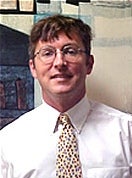
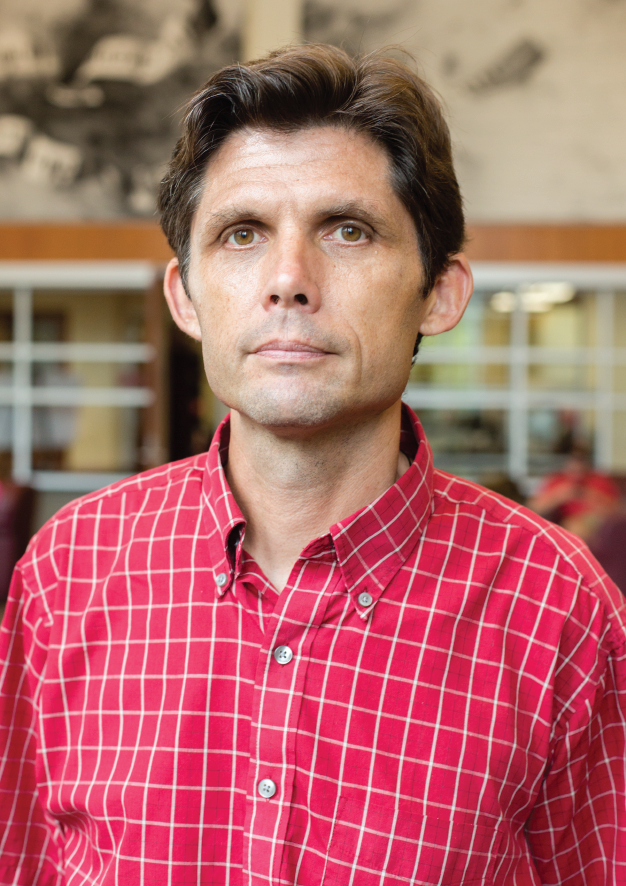
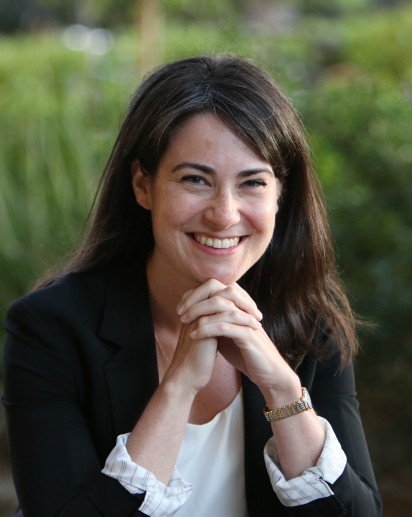
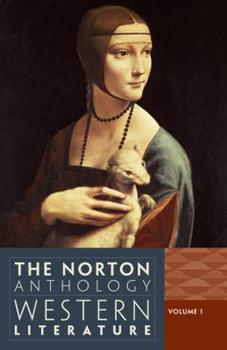
Thomas Herron is a Professor in the English Department at East Carolina University (ECU). His research focuses on early modern poet Edmund Spenser, Irish plantation history, and connections to figures like Sir Walter Raleigh and Thomas Harriot. He also specializes in Shakespeare, medieval and early modern Irish history, archaeology, and literature surveys. Herron earned a B.A. from Carleton College, followed by an M.A. and Ph.D. from the University of Wisconsin, Madison. His publications include the monograph Spenser’s Irish Work: Poetry, Plantation and Colonial Reformation (2007), co-edited volumes on Ireland in the Renaissance, and articles in journals such as Spenser Review and South Atlantic Review . He co-curated the Folger Shakespeare Library exhibit Nobility and Newcomers in Renaissance Ireland (2013) and edited the journal Explorations in Renaissance Culture . Teaching interests span Spenser, Shakespeare, Milton, Joyce, and Irish literature. He has developed courses on Renaissance literature, literary surveys, and digital humanities projects like Centering Spenser , a resource reconstructing Kilcolman Castle. His work integrates historical archaeology with literary analysis, emphasizing colonial dynamics and cultural memory.
Jamie H. Ferguson is an Associate Professor in the Department of English at the University of Houston, with a cross-appointment to the Honors College. He specializes in Renaissance and early modern literature, focusing on intersections between biblical hermeneutics, literary poetics, and translation theory. Renaissance Literature Shakespeare Studies Biblical Translation Great Books Tradition His research explores how theological debates shaped vernacular literary production in Early Modern Europe, with particular attention to textual materiality and interconfessional dialogues. Ferguson's publication record spans Latin, Italian, French, Polish, and English contexts. Recent projects include the annotated translation of Joachim du Bellay's Deffence et illustration de la langue françoyse and a forthcoming book on European Biblical Poetics . He has received multiple Martha Gano Houstoun Research Grants and been recognized with Honors College lecture awards.
Jessica C. Beckman is Assistant Professor of English at Dartmouth College, specializing in 16th-17th century literature. Holding PhD from Stanford, her research examines material texts and reading practices through formalist and book history lenses. Her monograph 'The Kinetic Text' analyzes how early modern books used spatial design to create literary effects. Current projects investigate embodiment in pre-modern character representation. Recognized with Huntington Library Fellowship and teaching awards for interdisciplinary humanities instruction.
Tamara Goeglein is a Professor of English and Program Chair of Comparative Literary Studies at Franklin & Marshall College. She has held multiple academic leadership roles, including English Department Chair, Associate Dean of the Faculty, and Secretary of the Faculty. Her research focuses on English Renaissance literature, early modern emblematics, and visual culture, with particular attention to figures like Edmund Spenser, John Donne, Shakespeare, and John Milton. Education: Ph.D. British Literature with Medieval Studies Certificate, Indiana University (1989) M.A. British Literature, Indiana University (1986) A.B. English, Earlham College (1982, with highest honors and Phi Beta Kappa) Research interests include the intersection of text and image in early modern works, particularly through emblem studies. Recent publications explore emblematic symbolism in John Donne’s poetry and Shakespearean drama, leveraging sources like the Antwerp Polyglot Bible. She has edited collections such as Textual Respect: Essays in Honor of Judith H. Anderson (forthcoming 2026) and authored chapters on topics like emblematic tabernacles and death imagery in early modern literature. Professional activities include reviewing for journals like Emblematica and serving on the John Donne Society’s Executive Board (2014–2017) and the Society for Emblem Studies (2012–2015). Courses taught include Medieval/Early Modern English Literature, Shakespeare studies, and the history of the book.
University of California, Los AngelesUnited States
Barbara Fuchs is a Professor in the Department of English at the University of California, Los Angeles, specializing in early modern European literature across Spanish, English, French, and Italian traditions from the 15th to 17th centuries. Her work emphasizes transnational contexts, theater and performance studies, and cultural production within imperial frameworks, with significant contributions to Mediterranean and transatlantic studies. Education Ph.D. in Comparative Literature, Stanford University (1997) B.A./M.A. in Comparative Literature (English, French, Spanish), summa cum laude, Yale University (1992) Research Interests Professor Fuchs' scholarship centers on transnationalism in early modern literature, examining how theater and performance negotiated imperial identities across Mediterranean and transatlantic contexts. Her work critically engages with race and religion in the early modern world, picaresque traditions, and Cervantes studies, revealing how cultural encounters shaped literary production. She bridges historical analysis with contemporary relevance through public humanities initiatives focused on classical Hispanic theater. Publication Trends Her recent publications demonstrate interdisciplinary innovation, merging literary analysis with performance studies and material culture. Recurring themes include transnational exchange mechanisms, racial formation processes, and textual materiality, while recent work addresses pandemic-era digital performance and modern adaptations of classical works. This trajectory highlights her commitment to connecting historical scholarship with current social and artistic practices. Scientific Awards Premio Ñ from the Instituto Cervantes (inaugural award) for promotion of Spanish language and culture Advising and Leadership Professor Fuchs mentors undergraduate and graduate students in early modern studies, translation, and performance. She leads the UCLA "Diversifying the Classics" initiative and LA Escena festival, securing institutional support for these collaborative projects. Her editorial leadership includes serving as articles editor for Renaissance Quarterly and co-editing the Norton Anthology of World Literature , demonstrating field-wide influence. Projects and Teams She directs the "Diversifying the Classics" initiative, which collaborates with theater professionals to adapt Hispanic classical works for contemporary Los Angeles audiences, and founded LA Escena—the biennial festival of Hispanic classical theater. These projects unite scholars, artists, and communities to explore historical texts through modern performance lenses, emphasizing accessibility and cultural relevance.
Ernest Julius Mitchell serves as Assistant Professor of English and Humanities at Yale University, where he contributes to the Department of English within the Faculty of Arts and Sciences. His interdisciplinary work bridges literature, philosophy, and religion with methodological grounding in Black studies. Education: Ph.D., Harvard University, 2019 M.T.S., Harvard Divinity School, 2009 A.B., Princeton University, 2006 Professor Mitchell's research centers on the intersections of literature, philosophy, and religion, with particular focus on the Harlem Renaissance viewed expansively as integral to transatlantic modernism. His work spans aesthetics and phenomenology in German thinkers from Kant to Benjamin, and religious traditions from the ancient Mediterranean to the contemporary Caribbean. He is currently completing three major book projects: a biography of Jamaican writer Claude McKay for Yale University Press, a new edition of Jean Toomer's Cane for the Norton Library, and a study of theological elements in Zora Neale Hurston's work, all reflecting his interest in questions of literary style—charm, revision, and grace. His scholarly publications demonstrate consistent engagement with African American literary traditions, particularly examining figures from the Harlem Renaissance era. Mitchell's work shows strong interdisciplinary connections between literary analysis, philosophical inquiry, and religious studies, with particular attention to how these fields shape modern consciousness and identity formation within Black literary production. Current Teaching: ENGL 351: Fictions of the Harlem Vogue (HUMS 370 / AFAM 354) ENGL 127: Readings in American Literature HUMS 223: Claude McKay: Interpretations (ENGL 242) DRST 002: Directed Studies: Literature
Michael Warner is the Seymour H. Knox Professor in the Department of English at Yale University, where he holds a prominent position in literary and cultural studies. His work bridges scholarship, theory, and public intellectual engagement across disciplines such as early American literature, queer theory, and the sociology of secularism. His research focuses on the interplay between media, reading practices, and the formation of social worlds. Warner explores how publics and counterpublics emerge through print culture and communication, with significant contributions to understanding the evangelical public sphere and the cultural roots of secularism in America. His interdisciplinary interests extend to new media, intellectual property, and political discourse. The recent articles reflect a strong trend in cultural and literary theory, with deep attention to public discourse, identity formation, and interpretive practices. Warner's work consistently engages with philosophical and historical dimensions of literature, often challenging normative frameworks in reading and social belonging. Co-editor, Varieties of Secularism in a Secular Age (Harvard University Press, 2010) Author, The Evangelical Public Sphere in Eighteenth-Century America (forthcoming, University of Pennsylvania Press) Author, Publics and Counterpublics (Zone Books, 2002) Author, The Trouble with Normal (Harvard University Press, 2000) Editor, The Portable Walt Whitman (Penguin, 2003) Warner has advised numerous graduate students and has been involved in major scholarly collaborations, though specific names are not listed. He has received support for his research through academic lectureships, including the Rosenbach Lectures (2009), and editorial projects with leading university presses. His work continues to influence both literary studies and social theory. He is associated with advanced research in secular culture and public discourse, particularly through his current book projects and lecture series. His intellectual leadership positions him at the center of debates on religion, modernity, and democratic public life.
Steven G. Kellman is a Professor of English at the University of Texas at San Antonio (UTSA), where he has taught since 1976. A leading scholar in comparative literature and literary translingualism, he was UTSA's first Ashbel Smith Professor (1995-2000) and has received numerous accolades including the National Book Critics Circle Balakian Citation and the New York Society Library Award for Biography. His academic foundation includes: Ph.D. in Comparative Literature, University of California at Berkeley (1972) M.A. in Comparative Literature, University of California at Berkeley (1969) B.A. in English & General Literature, State University of New York at Binghamton (1967) Kellman's research focuses on comparative literature, modern and contemporary literature, prose fiction, literary translingualism, film, and biography. He pioneered the study of writers who create in non-native languages, examining how linguistic displacement fuels creativity and shapes identity across cultural boundaries. His work bridges literary analysis with cultural history, particularly in American literature and biography. His recent publications demonstrate sustained engagement with translingualism, pandemic-era literary interpretation, and biographical recovery of marginalized voices. Articles from 2022-2025 reveal consistent thematic threads: re-examining classic texts like Camus' The Plague through contemporary crises, analyzing translingual writing as spiritual practice, and recovering erased narratives in literary partnerships. Honors include the National Book Critics Circle Nona Balakian Citation (2006), New York Society Library Award for Biography (2006), and Gemini Ink Literary Excellence Award (2008). Additional distinctions: UTSA COLFA Researcher of the Year Award (2019-2020) McGinnis-Ritchie Award for Nonfiction (2008) San Antonio Public Library Foundation Arts and Letters Award (2005) Two UTSA President's Distinguished Achievement Awards in Research Excellence (1990-91, 2005-2006) Kellman has secured prestigious fellowships including the Fulbright Distinguished Chair at Sofia University and Harvard's John E. Sawyer Fellowship. He served four terms on the National Book Critics Circle board and edits Brill's Literary Multilingualism series, demonstrating sustained commitment to advancing literary scholarship through editorial leadership and institutional service.
David Aers is the James B. Duke Distinguished Professor of English at Duke University, with affiliations in the Department of English, Religious Studies, and Divinity School. He holds academic appointments since 1994, including directorship of the Medieval and Renaissance Studies Center since 2019. His expertise spans medieval and early modern literature, theology, and political culture, with a focus on Christian tradition and its intersections with ethics, gender, and community. Education: PhD from the University of York (1971) and BA from the University of Cambridge (1968). Research interests include late medieval English writing (e.g., Chaucer, Langland), theological doctrines like election and sin, and the evolution of Christian thought across the medieval/early modern divide. His recent works explore themes like enemy love in theology, gender identity, and the legacy of Constantinian Christianity. Recognition includes the Duke Distinguished Professorship. Teaching spans courses on Milton, medieval literature, and historical theology. He has served as editor for journals like Journal of Medieval and Early Modern Studies and contributed to academic service through editorial roles and professional committees. Labs/Teams: Leads the Medieval and Renaissance Studies Center, fostering interdisciplinary research in premodern cultures.
Molly Murray is an Associate Professor of English and Comparative Literature at Columbia University. She holds a B.A. from Columbia (1994), M.Phil. in Intellectual History from Cambridge (1996), and Ph.D. in English from Yale (2004). Her research focuses on 16th-17th century English literature, exploring intersections of religion, politics, and poetic form. Key interests include the English Reformation, metaphysical wit, and the reception of St. Augustine. She is author of The Poetics of Conversion in Early Modern Literature (2009) and contributes to journals like English Literary History and Renaissance and Reformation . Current projects examine literature and imprisonment in early modern Britain. Education: Columbia, Cambridge, Yale Primary Research Areas: Early Modern Poetry/Poetics, Political Theory, Religious History Recent Work: Monograph on Donne to Dryden, studies on literary imprisonment Her scholarship bridges literary analysis with intellectual history, emphasizing how poetic forms mediated religious and political change. Publications address topics like metaphysical wit's role in conversion narratives and Augustinian thought's influence on early modern writers.
Rutgers, The State University of New JerseyUnited States
Ronald Levao is an Associate Professor of English at Rutgers University, specializing in Early Modern Literature, Literature and Intellectual History, and Shakespeare studies. He holds a PhD from the University of California, Berkeley, and has taught courses on Metaphysical Poetry, Milton, Renaissance Shakespeare, and graduate seminars on Doubled Selves in Shakespeare and Renaissance Sidney and Marvell. His research focuses on early modern literature’s intersections with philosophy, film, and myth, including studies on Shakespeare’s use of ghosts, Romanticism, and the cultural legacy of Frankenstein. His book Renaissance Minds and Their Fictions (1985) explores the intellectual legacies of Cusanus, Sidney, and Shakespeare, while his co-edited Henry IV, Parts I & II (2006) contextualizes Shakespeare’s plays within their cultural milieu. Levaeo has received notable awards, including the Guggenheim Fellowship (1988–89) and multiple teaching honors. His publications span journal articles, encyclopedia entries, and edited volumes, reflecting a commitment to interdisciplinary scholarship and literary pedagogy.
John Frymire is an Associate Professor in the Department of History at the University of Missouri, within the College of Arts and Science. He specializes in Late Medieval and Early Modern Europe, focusing on Germany and Italy during the Reformation and Counter-Reformation. His research examines Martin Luther’s influence and Catholic responses through sermons and pastoral literature. Education: B.A. from Augustana College (Illinois), Ph.D. in History from the University of Arizona (2001). He spent seven years in Europe as a student and researcher, primarily at the University of Tübingen. He has held prestigious fellowships, including a Fulbright Scholarship and a position at the Institut für europäische Geschichte in Mainz. Frymire teaches courses on late medieval Europe, Renaissance, Reformation, and European Witchcraft, as well as Honors College seminars. His recent research includes a study of Catholic preaching in Mainz post-Luther and analyses of Reformation-era sermons. Awards: Carl F. Meyer Prize, Fulbright Fellowship, multiple teaching and research grants. Grants: NEH Research Grant, UM Research Leave, system-wide fellowships. He leads seminars on witchcraft and deviance, natural disasters in pre-modern Europe, and Western Civilization surveys. Current projects include completing a monograph on Mainz cathedral sermons (1526–1534).
Lennard J. Davis is a Professor of English at the University of Illinois Chicago, affiliated with the College of Liberal Arts and Sciences. He holds cross-disciplinary roles in disability studies, literary theory, and critical theory. His work bridges academic and public scholarship through books like Enforcing Normalcy and The Disability Studies Reader . Education: Columbia University undergraduate and graduate studies, with prior faculty positions at Brandeis University, University of Pennsylvania, and others. Davis’s research focuses on disability studies, biocultures, and the intersections of literature and social structures. He has authored over 25 books, including memoirs like My Sense of Silence and novels like The Sonnets . His recent publications explore themes such as poverty representation ( Poor Things ), biopolitical frameworks ( In the Time of Pandemic ), and the socio-cultural construction of normality. Davis also contributes to public discourse through media commentary and NPR segments. Editorial leadership includes The Disability Studies Reader (5th ed.) and co-edited works on left politics and literary profession. His work challenges traditional academic boundaries, advocating interdisciplinary approaches to identity, disability, and modernity.
James P. Bednarz is a Professor of English at Long Island University, affiliated with the College of Liberal Arts and Sciences. He holds a B.A. from Columbia College and earned his M.A., M.Phil., and Ph.D. from the Columbia Graduate School of Arts and Sciences. A respected scholar of Shakespeare and the English Renaissance, Bednarz has made significant contributions to early modern literary studies through his publications, editorial work, and public engagement. His research focuses on Shakespeare and his contemporaries, including Christopher Marlowe, Ben Jonson, John Marston, and John Donne. He is the author of Shakespeare and the Poets’ War (2001), acclaimed as an 'International Book of the Year' by The Times Literary Supplement , and Shakespeare and the Truth of Love (2012), praised for transforming understanding of Shakespeare's work. His scholarship explores literary rivalry, intertextuality, authorship, and the political and religious contexts of Renaissance drama. His recent publications span topics such as Jonson’s satire of Shakespeare, the performance history of Volpone , the dating of Twelfth Night , and the cultural significance of quotation in early modern literature. These works reflect a deep engagement with textual analysis, historical context, and theatrical performance, particularly within the 'War of the Theaters' and Jacobean literary circles. Trustees’ Award for Excellence in Scholarship (LIU) Abraham Krasnoff Memorial Award for Excellence in Scholarship (LIU) David Newton Award for Excellence in Teaching (LIU) NEH Shakespeare Fellow Beverly Rogers Literary Award Essay (2020) Bednarz has advised university presses and journals, served on the PMLA advisory committee, and contributed to scholarly organizations such as the Shakespeare Association of America. He has also worked with theater groups like the Red Bull Theater and Theater for a New Audience to enhance public understanding of Shakespeare. Though no specific students are named, his mentorship extends to graduate education and teacher training programs. He has not received external grant funding mentioned in the text, but his fellowships from the Huntington Library underscore sustained research support. He is actively involved in academic and performance communities, serving as a consultant on Shakespearean productions and as a judge for the North Shore Student Shakespeare Festival. His work bridges the gap between scholarly research and public humanities, demonstrating a commitment to both rigorous criticism and accessible education.
Nathaniel Gilmore is an Assistant Professor in the Department of Government at the University of Texas at Austin, affiliated with the College of Liberal Arts. He earned his Ph.D. from the University of Toronto. His research focuses on Early-modern political and legal thought Roman influence in political philosophy Enlightenment thinkers like Montesquieu and Rousseau Classical reception in modern political theory Recent publications explore intersections between Aristotelian economics , Rousseau's philosophy , and Machiavellian analyses of republicanism . His work often examines how classical antiquity informs Enlightenment political reasoning. Professor Gilmore teaches courses spanning Capitalism and political psychology Tyranny and modern liberalism Classical political thought (Augustine, Hobbes, Montesquieu, Rousseau) Specialized seminars on Roman historians and Enlightenment figures