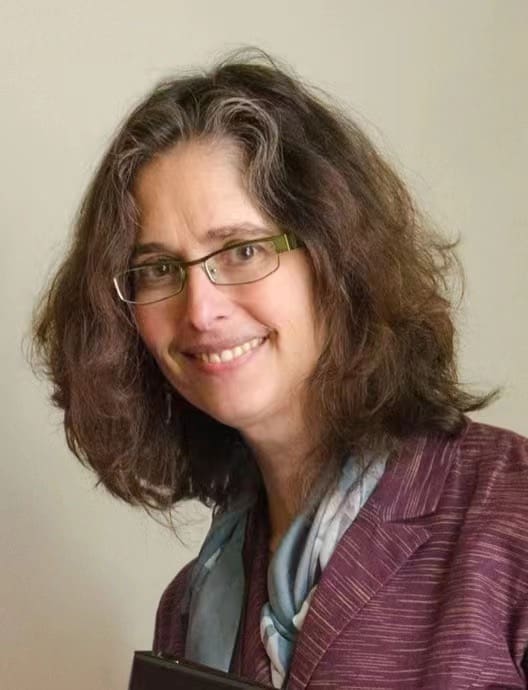
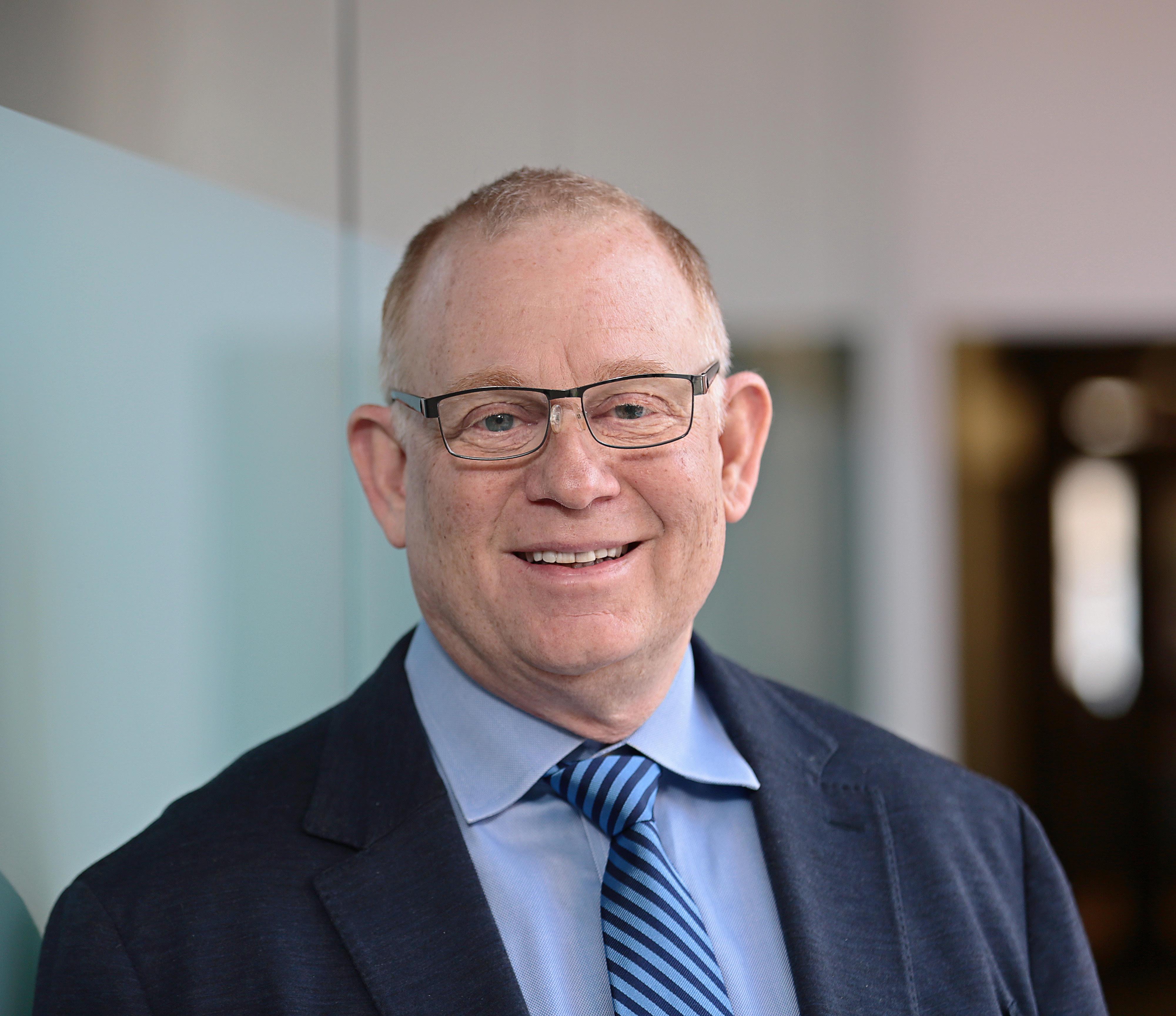
Janet M. Fuller is a Professor of Language and Society at the University of Groningen, Netherlands, and Chair of the Language and Society program within the Faculty of Arts. Her expertise spans Sociolinguistics, Discourse Analysis, and Multilingualism. She holds a Ph.D. from the University of South Carolina (1997), an M.A. from Freie Universität Berlin (1992), and a B.A. in Anthropology from Macalester College (1984). Fuller’s research focuses on language ideologies, migration discourses, and national belonging, particularly in Germany and the US. She has authored/co-authored influential textbooks like Introduction to Sociolinguistics and Spanish Speakers in the USA . Her recent work examines media discourses on migration and multilingual psychotherapy practices. She has held leadership roles, including Interim Chief Diversity Officer at Groningen and Director of Women’s Studies at Southern Illinois University. Awards include the 1999 Dean’s Appreciation Award and multiple grants supporting her research on bilingualism and migration. Fuller’s teaching spans undergraduate and graduate courses in Discourse Analysis, Language and Power, and Gender and Diversity research methods. She has supervised numerous theses on topics like Catalan language policy and North Korean media discourses.
Ryan Dunch is a Professor in the Department of History, Classics, and Religion at the University of Alberta's Faculty of Arts. His research focuses on Chinese Christianity, missionary history, and the intersection of religion with modernization and cultural identity in China. He leads the Bibliographic Database of Chinese Christian Publications, 1800-1911 and contributes to digital resources for Asian Studies. Courses taught include HIST 609: Directed Study for thesis-based M.A. students. His work explores topics such as Protestant women's conversion narratives, missionary education systems, and the adaptation of Christianity under socialism. Key themes include cultural hybridization, indigenous religious practices, and the global-local dynamics of Christian missions. Recent articles analyze contemporary Protestant communities in China and historical case studies like Fujian revolutionaries and Fuzhou's religious networks. No scientific awards are listed. Advising and grants are not detailed in the provided text, though his research projects suggest active involvement in academic collaborations. He is affiliated with the Faculty of Arts and contributes to interdisciplinary initiatives in Asian Studies.
Michael Frishkopf is a Professor and Director of Graduate Studies in the Department of Music at the University of Alberta, and Director of the Canadian Centre for Ethnomusicology. He also holds an adjunct professorship at the University for Development Studies in Ghana. His academic journey includes a BSc in Mathematics from Yale University (1984), MA in Ethnomusicology from Tufts University (1989), and PhD in Music from UCLA (1999). His primary roles include teaching ethnomusicology courses (e.g., MUSIC 148, MUSIC 465) and leading research initiatives in music and global health, soundscapes, and Islamic ritual studies. Education: BSc Mathematics, Yale University (1984) MA Ethnomusicology, Tufts University (1989) PhD Music, UCLA (1999) Research interests span ethnomusicology, Sufi music, sound in Islamic rituals, music and global health, machine learning applications, and social network analysis. He founded the West African Music Ensemble (1999) and Middle Eastern Music Ensemble (2004). His work bridges disciplines including anthropology, computer science, and public health. Key projects include the Autonomous Adaptive Soundscapes initiative for ICU patients, Music for Global Human Development (promoting health in Ghana, Liberia, and Ethiopia), and Music, Sound, and Architecture in Islam . He has published over 100 works and received awards such as the 2020 Edmonton Interfaith Advocate Award and 2018 Community Connection Award. Grants include funding from SSHRC, CFI, and the Fulbright Foundation. He advises numerous collaborative projects and serves on boards like the Egyptian Center for Culture and Art. His research emphasizes participatory action research, particularly using music as a tool for social change and health promotion. Labs/Teams: Canadian Centre for Ethnomusicology (CCE), Genetic Music Collective, TransCultural Orchestra. Current projects include AI for Sound Societies and Mindful Social Listening for student mental health.
Professor Tobie Meyer-Fong is a cultural historian specializing in early modern and modern China at Johns Hopkins University's Krieger School of Arts and Sciences. She serves as Department Chair and has been teaching at the university since 2000. With a PhD from Stanford University and bachelor's degree from Yale, her research examines social and cultural transformations in China since 1600. She has held visiting positions at multiple international institutions and serves as editor of Late Imperial China . Her scholarship focuses on East Asian social structures, religious practices, and identity formation during periods of political change. Meyer-Fong actively promotes language training and area expertise development, participating in public intellectual programs and contributing to media discussions on Chinese culture.
Nancy S. Steinhardt is a Professor of East Asian Art and Curator of Chinese Art at the University of Pennsylvania since 1982. She holds affiliations in the Department of History of Art, Department of Architecture, and the Penn Museum. With a PhD from Harvard (1981) and former Junior Fellowship there, her research focuses on Chinese art, architecture, and archaeology from the 2nd to 14th centuries, emphasizing cultural interactions at China's borders. She has authored/co-edited over 12 books, including China: an Architectural History (2019), and published over 100 articles. Steinhardt has received prestigious awards like the Alice David Hitchcock Book Award (2021) and multiple fellowships from the Guggenheim Foundation, NEH, and others. Her research projects include Mongolia: Architecture and Archaeology and Modern Chinese Architecture: 180 Years . She has organized major conferences on topics like 'Middle-Period Archaeology in Mongolia' and 'Global Cities.' As an advisor and guest curator for institutions like the Metropolitan Museum and the Penn Museum, she promotes international collaborations in China, Korea, Japan, Mongolia, and Russia. Her teaching spans courses on Chinese archaeology, East Asian funerary arts, and the architectural history of the Mongol Empire. Steinhardt’s work bridges academic and public spheres, with over 400 lectures and roles like Ailsa Mellon Bruce Senior Fellow at the National Gallery (2017). Her grants include the 2018 Penn Museum Director’s Field Research Grant and the 2001 Guggenheim Fellowship. She serves on the Society of Architectural Historians board, reflecting her leadership in architectural historiography.
Eivind Heldaas Seland is a Professor in Ancient History and Premodern Global History at the University of Bergen's Department of Archaeology, History, Cultural Studies and Religion. His research focuses on the interplay between economy, political power, and ideology in ancient societies, particularly in the Indian Ocean/Red Sea region, Near East, and Mediterranean. He has conducted extensive studies on Palmyra, examining its role as a trade hub and its environmental resilience in the Syrian Desert. Key research interests include Palmyrene caravan trade networks, climate history, and the socio-environmental dynamics of ancient urban centers. His work employs interdisciplinary approaches, combining archaeology, network analysis, and environmental science to explore topics like ancient trade routes, diaspora communities, and the impact of climate change on urban development. Recent publications (2023–2025) emphasize Palmyra’s global connections, its diaspora communities in Babylonia, and the climatic conditions shaping its rise as an anomalopolis. He has also contributed to understanding Roman Near Eastern geography and the role of trade in fostering cultural and religious cohesion across the ancient world.
Michael L. Satlow is a Professor of Religious Studies and Judaic Studies at Brown University, specializing in Early Judaism, digital humanities, and social history. He directs the Inscriptions of Israel/Palestine project and has held prestigious fellowships including the Guggenheim and Fulbright awards. His work bridges traditional scholarship with cutting-edge digital methodologies. Education: Ph.D. in Ancient Judaism (Jewish Theological Seminary of America), B.A. (Yale University) His research focuses on Jewish history from antiquity to Late Antiquity, with an emphasis on gender, sexuality, and methodological approaches to religious studies. Recent projects include computational analysis of rabbinic texts and machine learning applications in epigraphy. Satlow’s digital humanities work explores AI and inscriptions, reflecting his commitment to interdisciplinary innovation. Notable contributions include How the Bible Became Holy (2014) and edited volumes like Judaism and the Economy . He teaches courses ranging from ancient Jewish texts to modern religious ethics and digital humanities. Awards: ACLS Fellowship, Cogut Faculty Fellowships, NEH Public Scholars Fellowship Satlow’s grants include long-term funding from the Goldhirsh-Yellin Foundation for his inscription project. Collaborations with scholars like Michael Sperling highlight his team-oriented approach to research. His work often intersects with chemistry (e.g., crystallography studies) and pedagogical trends in higher education.
Shakuntala Banaji is a Professor of Media, Culture and Social Change at the London School of Economics and Political Science (LSE). She leads the MSc Media, Communication and Development program and lectures on topics including International Media in the Global South, film theory, and critical approaches to media and development. Her research focuses on intersections between socio-political contexts, media, identities, and participation, particularly regarding children/youth agency, disinformation, and hate speech in digital spaces. She has conducted major projects such as the EU-funded CATCHEyoU (on youth citizenship) and research on WhatsApp misinformation linked to Indian lynching cases. Her expertise includes Bollywood studies, media literacy, and the impact of social media on civic engagement. Banaji has authored influential books like Children and Media in India (2017) and Social Media and Hate (2022). Her work critiques exclusionary citizenship discourses and advocates for critical media education to combat disinformation and promote social justice. Recent research explores historical propaganda and contemporary disinformation in India, Brazil, Myanmar, and the UK, emphasizing grassroots resistance against hate speech. She collaborates internationally on projects addressing media ethics, youth activism, and the role of technology in democratic processes.
Matteo Gianni is a Full Professor and Director of the Department of Political Science and International Relations at the University of Geneva, Faculty of Social Sciences. He has been a faculty member since 2011, previously serving as Associate Professor and progressing from assistant and senior lecturer roles. He is affiliated with the Institute for Citizenship Studies (where he briefly served as Director in 2024) and the Institute for Gender Studies. He also holds a significant role in the NCCR – On the Move research consortium based at the University of Neuchâtel, leading research and serving on its management board since 2018. His research interests span a broad and interconnected set of themes in political theory and social policy, including Normative Political Theory, Migration and Mobility, Urban Citizenship, Deliberative Democracy, Integration of Muslims in Europe, Theories of Justice and Recognition, Secularism, and Epistemology of the Social Sciences . He has extensively examined the political integration of Muslims in Switzerland and Europe, the ethics of migration, and the role of public deliberation in democratic societies. The most recent publications reflect a sustained focus on issues of epistemic justice, multicultural citizenship, and the political dynamics of religious pluralism. His work often analyzes how migration, security policies, and integration discourses shape democratic citizenship in mobile and multicultural societies. He frequently collaborates with scholars across Europe and North America, as seen in his leadership of international research projects and co-supervision of PhD students. Matteo Gianni has supervised numerous doctoral students, many of whom have completed their theses on topics related to migration, citizenship, and political integration. He has received research funding from the Swiss National Science Foundation and has conducted scientific visits to Rutgers University and the University of Toronto. He was Vice-Dean of the Faculty of Social Sciences from 2016 to 2020 and is co-chair of the ASSP Political Theory Group. He has led major research projects such as Narratives of Crisis and Their Influence in Shaping Discourses and Policies of Migration and Mobility and Perimeters of Multilayered Democratic Citizenship in a Mobile and Multicultural World . He is actively involved in knowledge transfer and public engagement, as evidenced by his media contributions such as the article "We must make race visible" in Le Courrier (2022). His work bridges academic research and policy development, particularly through partnerships with public institutions like the Department of Social Cohesion in Geneva to create local participatory forums.
Paul C. Jones is Professor of English and Director of Undergraduate Studies & Advising Coordinator in the College of Arts and Sciences at Ohio University. He is based in Ellis Hall and teaches a wide range of courses in American literature from the colonial period to the present, with a particular emphasis on 19th-century literature, Gothic fiction, and Poe studies. His research focuses on American literature, especially the works of Edgar Allan Poe, abolitionist literature, gender and sexuality, and the Gothic tradition. He has published extensively on Poe’s engagement with queerness, temporality, and violence, as well as on 19th-century women writers like E. D. E. N. Southworth and Grace Greenwood. His recent scholarship demonstrates a sustained engagement with themes of sympathy, abolition, and non-normative identity in antebellum American literature. His publications span major academic presses and journals, including Oxford University Press, Cambridge University Press, and Studies in American Fiction , Poe Studies , and Legacy . He has also edited critical editions and contributed to authoritative handbooks. Samuel and Susan Crowl Professorship in English Literature (2015-2020) Nancy Dasher Prize for Literary Scholarship (2008) Kate and Hall Peterson Fellowship, American Antiquarian Society (2008) He has advised numerous undergraduate students and taught graduate seminars on American Gothic, Romanticism, and realism. His teaching includes both foundational courses like American Literature surveys and specialized topics such as Law and Literature and Poe’s engagement with race and slavery. He is actively involved in scholarly service, having served as Secretary/Treasurer of the Poe Studies Association from 2006 to 2011. His research is supported by fellowships and academic recognition, and he continues to contribute to the recovery and critical reassessment of marginalized voices in American literary history. He is affiliated with research initiatives focusing on 19th-century periodicals, sentimental literature, and the cultural politics of punishment.
Miriam Shadis is an Associate Professor in the Department of History at Ohio University, affiliated with the College of Arts and Sciences and the Center for Law, Justice & Culture. She teaches courses on medieval Europe, gender, religion, and interfaith relations, and serves as Director of Studies for the History Program in the Honors Tutorial College and as an advisor in the Margaret Boyd Scholars Program. Education: Ph.D. in History, Duke University (1994) Graduate Certificate in Women's Studies, Duke University B.A. in Intercultural Studies (minor in Arts and Aesthetics), Simon's Rock of Bard College Dr. Shadis specializes in medieval European history, with a focus on royal women in Iberia during the High and Central Middle Ages. Her research explores the political agency of queens, gender and power, religious identity, and interfaith dynamics in medieval Spain and Portugal. She has published extensively on Berenguela of Castile and is currently working on a book about the queens of early Portugal. Her work intersects with feminist historiography, legal traditions, and cultural studies. Her recent scholarly output shows a strong thematic focus on women in medieval courts, Marian symbolism in legal documents, and cross-cultural interactions in the Mediterranean. These works reflect interdisciplinary engagement with gender studies, religious history, and political theory. Scientific Awards and Recognitions: Fulbright Fellow, Lisbon, Portugal (2016) Junior Faculty Fellow, Charles Ping Institute for the Humanities (2006–2009) Dr. Shadis is actively involved in academic mentoring, having directed study abroad programs and served in leadership roles in honors education. She has participated in NEH and CIEE faculty development seminars, contributing to curriculum innovation and international academic collaboration. Though specific grant details are not listed, her Fulbright and NEH affiliations indicate significant external support. She is associated with the Mediterranean Seminar at UC Santa Cruz and contributes to the global network of medieval scholars. Her teaching and research emphasize interdisciplinary approaches, bridging history, law, gender, and culture.
Lloyd Kevin Sy is an Assistant Professor of English at Yale University, where he joined the faculty in 2022. He is affiliated with the Research in Text and Media (RITM) group and the Environmental Humanities program, reflecting his interdisciplinary engagement with literature, media, and ecological thought. His research focuses on American literature of the long nineteenth century, with specializations in Native American literatures, environmental humanities, American literary realism, and film. He explores how Indigenous writers respond to the ecological and economic transformations brought by settler colonialism, particularly through deforestation and labor history. His recent publications span leading journals such as American Quarterly , PMLA , ELH , and Early American Literature . These works collectively examine Indigenous epistemologies, literary form, and the intersections of ecology, identity, and resistance. His scholarship reveals a consistent trajectory of reinterpreting American literary history through Indigenous worldviews and environmental critique. His academic honors include being a Jefferson Fellow and Bradley Fellow during his doctoral studies at the University of Virginia. Jefferson Fellow Bradley Fellow He advises emerging scholars in American and Native literatures and is currently developing his first book, The Shape of Forest to Come , which investigates the relationship between deforestation, settler capitalism, and Native literary expression. He also contributes to interdisciplinary initiatives at Yale, particularly in environmental humanities and media studies.
James O. Fiet is a Professor of Management and the Brown-Forman Chair in Entrepreneurship at the University of Louisville College of Business . His work bridges strategy and entrepreneurship , with over 175 publications and leadership roles in academia. Education : PhD in Entrepreneurship & Strategic Management (Texas A&M), MBA in Entrepreneurship (USC), BA in English (Brigham Young University) His research spans entrepreneurship theory , strategic management , and social enterprises , focusing on institutional logics, poverty alleviation, and time-space dynamics. Recent publications include Time, Space and Entrepreneurship (2021) and Poverty Alleviation and the Science of What's Possible (forthcoming 2022). Scientific recognition includes being ranked 5th most productive U.S. entrepreneurship researcher (2009) and 8th globally . He served as editor of Entrepreneurship Theory and Practice , the #2 cited business journal globally. Awards: Top 1% entrepreneurship researcher (2021), Top 2% scientist worldwide (2021), Emerald Certificate of Excellence (2017).
Dr. Farah Aboubakr is a Lecturer in Arabic at the Department of Islamic and Middle Eastern Studies within the School of Literatures, Languages and Cultures at the University of Edinburgh. She also holds an IASH Affiliate status (2023-25) and has been nominated as a Fellow (2025) for the Institute for Advanced Studies in the Humanities. Additionally, she serves as a member of the Academic Committee of Edinburgh University Press. Dr. Aboubakr joined the University of Edinburgh in 2013 as a Teaching Fellow in Arabic and has since been actively involved in teaching, curriculum development, and research. Her educational background includes: Ph.D. (2014): 'The Palestinian Folktale as a site of Framing Palestinian Collective Memory and National Identity' - The Department of Translation & Intercultural Studies - The University of Manchester M.A. (Distinction) 2004: Translation and Interpreting (Arabic-English-Arabic) - The University of Salford B.A.(Hons) 2002: English Language and Literature - Mohammed V University, Morocco Dr. Aboubakr's research spans interdisciplinary subject areas combining theoretical frameworks from Arabic language and literature, memory studies, translation studies, postcolonial studies, and popular culture. Her work focuses on Palestinian cultural production, particularly examining how folktales, literature, and performative arts serve as sites of memory, identity formation, and resistance. She has made significant contributions to understanding the role of women storytellers and the political dimensions of cultural memory in conflict zones. Her publications demonstrate consistent engagement with Palestinian cultural identity, memory politics, and oral traditions. The progression of her work shows increasing sophistication in connecting folk narratives with broader political and social contexts, particularly regarding the Nakba, diaspora experiences, and contemporary Palestinian artistic expressions. Her research has evolved from analyzing folktales to examining contemporary performative arts as vehicles for memory transmission. Her notable awards and recognitions include: IASH Affiliate and fellow status (2023-2025) Susan Manning Workshop Fund by IASH (2024) Multiple research fellowships including those from ZMO, PARC, and CBRL Regular nominations for the EUSA Teaching Award Her monograph was nominated for the Palestine Book Award (2019) Dr. Aboubakr has supervised numerous academic programs including the MSc Advanced Arabic, MSc in Arab World Studies, and MSc in International Relations of the Middle East with Arabic. She has served in multiple administrative roles such as Student Exchange Officer, Career Adviser, and Year Abroad Coordinator. Her current CBRL-funded project 'Palestinian Transgressive Voices: Cultural Memory and Performative Arts in the Diaspora and Palestine' represents her ongoing commitment to interdisciplinary research at the intersection of memory studies, performance, and Palestinian cultural production. She is affiliated with several research centers including the Institute for Advanced Studies in the Humanities (IASH), Palestinian American Research Center (PARC), Council for British Research in the Levant (CBRL), and Leibniz-Zentrum Moderner Orient (ZMO).
Abdoulaye Sounaye is a Research Professor at the Leibniz Center for Modern Oriental Studies (ZMO) in Berlin, Germany, and an Associate Professor at Abdou Moumouni University in Niamey, Niger. His career spans over two decades, with roles including research fellowships, editorial contributions, and academic leadership in Islamic studies, African societies, and religiosity. Habilitation in African Studies (2021, University of Vienna) PhD in Religious Studies/Anthropology (2012, Northwestern University) MA in Religious Studies (2005, Arizona State University) Research Interests Dr. Sounaye's work critically engages with Islamic reform in West Africa, focusing on Salafism, state-society relations, and the role of media in reshaping religious practices. His scholarship interrogates how Islamic authority is constructed through audiovisual tools like CDs/DVDs, and how youth movements on university campuses negotiate religious identities within political frameworks. He has extensively analyzed transnational Islamic networks between Niger and Nigeria, particularly the influence of Hausa-language preachers (wa’azi) and their role in spreading Salafi ideologies. Recent Publications His 2023 edited volume Religiosity on University Campuses in Africa synthesizes interdisciplinary perspectives on campus religious dynamics. Earlier works like Salafi Aesthetics (2017) and Islam et Modernité (2016) explore the interplay between Islamic ethics, modernity, and reislamization processes in Niger. His articles in Journal of Religion in Africa and edited collections address topics such as ritual spaces in Berlin's West African diaspora and gendered dimensions of Islamic authority. Scientific Awards Dr. Sounaye has received prestigious fellowships including the Thyssen Foundation (2023), Volkswagen Foundation's Knowledge for Tomorrow (2018-2019), and Fulbright (2003-2005). He was a Presidential Fellow at Northwestern University and a Gwendolen M. Carter fellow, underscoring his expertise in Islamic studies and African societies. Advising and Grants He has led the ZMO research unit 'Contested Religion' since 2020, examining religiosity, morality, and intellectual culture. His projects often bridge academic research with policy analysis, as seen in his work on state-led Islamic deradicalization in the Sahel. Collaborations include Lasdel, the Nordic African Institute, and the West African Research Association. Labs and Collaborations Dr. Sounaye collaborates with institutions like Abdou Moumouni University, Northwestern University, and Arizona State University. His fieldwork in Niamey and cross-border studies in West Africa reflect his commitment to ethnographic approaches in studying Islamic media, youth activism, and transnational religious networks.