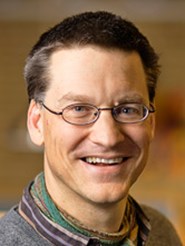
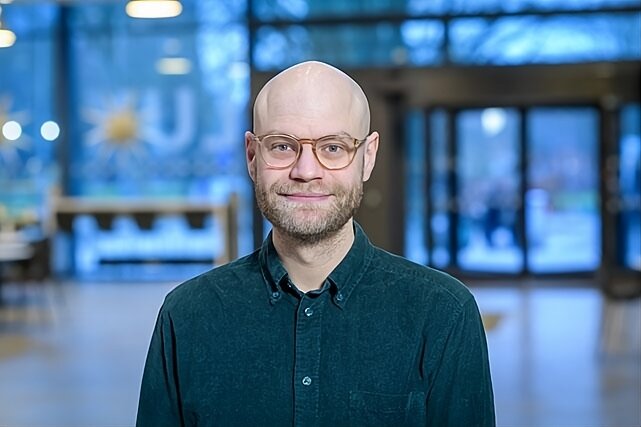
Olle Sundström serves as Associate Professor in the Department of Historical, Philosophical and Religious Studies at Umeå University, Sweden. His research examines religious policy, conflict, and dialogue across Northern Eurasia with dual focal points: Soviet suppression of indigenous religious practices in the Arctic and historical-contemporary dynamics between Christianity and Sami religion in Scandinavia. Sundström's expertise spans religious policy analysis, indigenous religious studies, and theoretical frameworks in religious scholarship. His work critically engages with Soviet-era religious suppression targeting Siberian and Sami communities, examining state mechanisms that targeted traditional worldviews. He simultaneously investigates the complex historical entanglement between the Church of Sweden and Sami populations, contributing to reconciliation efforts through white paper projects. Methodologically, he emphasizes source criticism and category formation challenges in religious studies, particularly regarding concepts like 'shamanism' in Soviet academic discourse. His recent publications (2022-2024) reveal concentrated scholarly activity in Arctic religious studies, with emphasis on Sami sacred site reclamation, Nganasan worldview documentation, and deconstruction of religious terminology in Soviet ethnography. Key thematic trends include indigenous religious identity reconstruction, colonial impacts on spiritual practices, and critical analysis of academic conceptualizations of indigenous religions. Sundström actively contributes to academic infrastructure as editorial secretary of the Journal of Northern Studies (published by Umeå University and the Royal Skyttean Society since 2007), where he has edited special issues honoring prominent scholars like Håkan Rydving. His leadership in the Church of Sweden's white paper project on Sami relations demonstrates applied scholarship influencing institutional reconciliation processes. His research extends through collaborative projects like 'Ethnic and Religious Minorities in Stalin's Soviet Union,' where he analyzes repression patterns against indigenous religious specialists in Siberian regions including Khabarovsk Krai. Current work increasingly addresses contemporary religious dialogue frameworks while maintaining historical rigor in examining Soviet religious policy implementations.