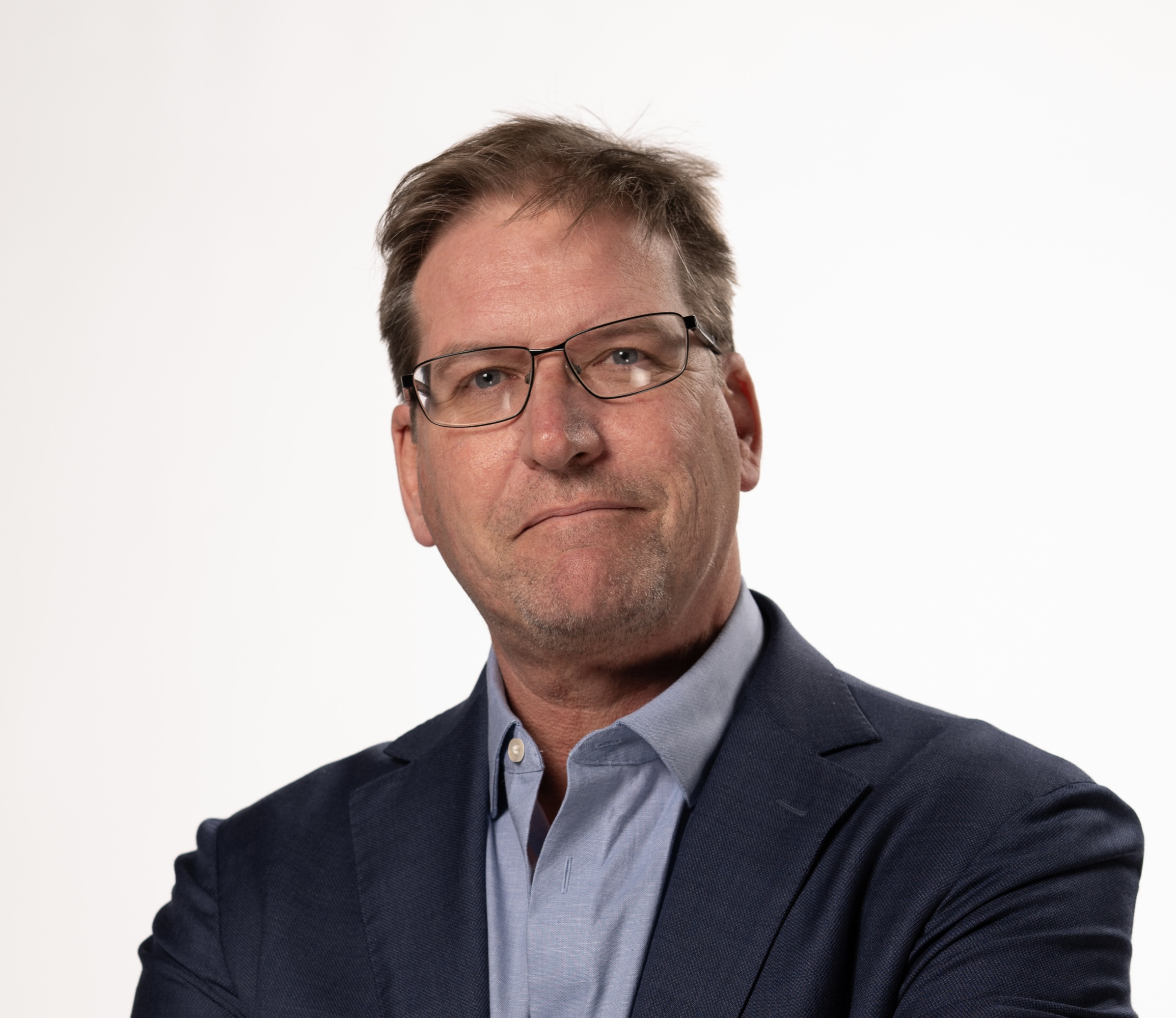
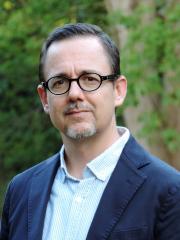
Andrew Connor is a Senior Lecturer in Archaeology and Ancient History at Monash University. He specializes in Ptolemaic and Roman Egypt, papyrology, and the social and religious history of ancient Egyptian communities. His research focuses on Egyptian temples during the Roman period, ancient economic practices, and the editing and publication of documentary papyri. Connor has particular expertise in the Fayum depression and Dakhleh Oasis regions. Connor's publications demonstrate a consistent focus on Egyptian religious institutions, economic systems, and textual evidence from archaeological sites. His recent work includes publications on temple administration, Greek papyri, and digital archaeology. He has received multiple teaching awards including the Faculty Citation for Outstanding Contribution to Student Learning (2017), Faculty Citation for Overseas Programs (2018), and Vice Chancellor's Citation for Outstanding Contribution to Student Learning (2018). Connor teaches courses on Greek and Roman history, archaeology, and ancient languages at both undergraduate and postgraduate levels. He serves as Honours Coordinator for the School of Philosophical, Historical, and International Studies.
Robert Wellington serves as Associate Professor and Director of the Centre for Art History & Art Theory at the School of Art & Design, Australian National University (ANU), within the College of Arts & Social Sciences. His academic leadership focuses on advancing art historical research and public engagement through institutional initiatives. His research spans Art History, Early Modern European Art (particularly Louis XIV's France), Museum Studies, Public Humanities, and Cultural Heritage. Wellington investigates transcultural object exchange, royal iconography, and identity construction through material culture, with emphasis on Versailles, medals, and marginalia. His work bridges historical scholarship with contemporary public humanities applications in museums and digital archives. Analysis of his 2020-2024 publications reveals concentrated exploration of Louis XIV's cultural legacy, Versailles' global impact, and the evolving role of humanities institutions. He pioneers digital critical editions while examining how objects shape identity across cultural boundaries, consistently connecting historical practices to modern museum and archival challenges. No scientific awards were documented in the provided materials. As Centre Director, Wellington oversees research programs and institutional partnerships, though specific student advisees and grant details remain unlisted in available sources. His leadership facilitates interdisciplinary projects including the Jean-Benjamin de Laborde digital edition initiative. The Centre for Art History & Art Theory functions as a research hub under Wellington's direction, driving public humanities innovation through the ANU's Art & Design Seminar Series, Visiting Artist Program, and collaborative projects with national collections. Current initiatives focus on digital heritage and community-engaged scholarship within the School of Art & Design framework.
Tom van Laer is an Associate Professor of Marketing and Deputy Head of Discipline, Research at The University of Sydney Business School. He is globally recognized as the leading expert in storytelling and narrative persuasion, currently occupying the top position on Elsevier's SciVal top 100 list for the most-cited researchers in this domain. His academic journey includes a BA and MA from Nijmegen and a PhD from Maastricht University. Dr. van Laer's research explores storytelling, persuasion, and messaging through an interdisciplinary approach that bridges behavioral experiments, quantitative modeling, and interpretive research. His work spans narrative transportation theory, consumer reviews analysis, digital storytelling, and the psychological mechanisms behind how stories influence consumer behavior. He has developed influential frameworks including the Extended Transportation-Imagery Model and narrative agency theory, with particular expertise in analyzing how stories shape responses to climate change communications and social conflict narratives. His publication record features articles in the most prestigious academic journals including the Journal of Consumer Research (where he serves as Area Editor), Journal of the Academy of Marketing Science, Journal of Business Ethics, Journal of Management Information Systems, and International Journal of Research in Marketing. His recent work shows a strong trend toward meta-analyses of narrative effects, climate change communication, and the psychological mechanisms of 'bleed' between fictional experiences and real-world behavior. Dr. van Laer is an active media commentator whose research has garnered extensive global coverage across Australia, France, Germany, the Netherlands, the UK, and the US, including national television and radio interviews. His media engagement focuses on storytelling in political campaigns, social media marketing, and the psychological impact of narratives in consumer contexts. He teaches MKTG3121 Advertising: Persuasive Principles and MKTG6006 Persuasive Advertising: Illuminating Dark Art, and has received recognition for both research and teaching excellence. His professional affiliations include the Association for Consumer Research, Australian Marketing Institute, Australian & New Zealand Marketing Academy, and International Society for the Study of Narrative. Dr. van Laer is a member of several university research centers including the Sydney Centre for Healthy Societies, Sydney Environment Institute, and Charles Perkins Centre, where he contributes his expertise in narrative persuasion to interdisciplinary research on societal challenges.
Lisa L. Wynn is Professor in the School of Social Sciences (Discipline of Anthropology) at Macquarie University in Sydney, Australia. She serves as Associate Editor of American Ethnologist (2022-2027) and previously held leadership positions including President of the Australian Anthropological Society (2020) and membership on the AAS Executive Committee (2018-2021). Wynn earned her PhD in 2003 from Princeton University's Anthropology Department, followed by postdoctoral positions at Princeton's Office of Population Research and Center for Health and Wellbeing. Her research program centers on gender, reproductive health technologies, sexuality, and religion, with continuous fieldwork in Egypt since 1998. More recently, she has expanded her work to examine ethics review bureaucracies, lay understandings of infectious disease, and young adult vaping behaviors in Australia. Her methodological approach combines deep ethnographic engagement with critical analysis of how power structures intersect with medical technologies and bodily experiences, particularly among marginalized communities. Analysis of her recent publications reveals an evolving trajectory that maintains her foundational interest in Middle Eastern contexts while increasingly addressing digital spaces (as seen in studies of online fatwas) and contemporary health crises (including pandemic responses and vaping culture), with consistent attention to bodily autonomy and reproductive justice. Her significant scholarly contributions have been recognized through multiple prestigious awards: Vice Chancellor's Teaching Excellence Award from Macquarie University (2009) Australian Award for Teaching Excellence (2012) OLT National Teaching Fellowship (2012-2014) Leeds Honor Prize from the Society for Urban, National, and Transnational/Global Anthropology (2008) Wynn actively mentors graduate researchers specializing in gender, sexuality, medicine and technology, with particular emphasis on sexual and reproductive health. Her research program has received substantial funding from the Social Science Research Council, Australian Research Council, Office of Learning and Teaching, and Hort Innovation. Notably, she co-led a major international project to develop multilingual sexual and reproductive health resources that have reached millions of users across 208 countries. She also created a free online ethics training program for humanities and social sciences researchers at Macquarie University. Through collaborations with Cambridge Reproductive Health Consultants and other partners, Wynn has successfully translated academic research into accessible public resources, including evidence-based information on medication abortion available in six languages (English, Spanish, French, Arabic, Turkish, and Farsi).
Dr. Gavin Mount is a researcher at UNSW Canberra , specializing in non-traditional security studies , ethnic conflict , and the sociopolitical implications of emerging technologies . His work bridges theoretical analysis with practical applications in conflict transformation and defense studies. Research Focus: Global politics of ethnic conflict, hybrid peace/war frameworks, and socio-political impacts of drone technology. Teaching: Courses like Ethnic Conflict in World Politics and Law, Force and Legitimacy , with a focus on military education and strategic studies. Publications: Recent work includes contributions to Thinking Swarms (2025) and Hybridity on the Ground in Peacebuilding and Development (2018). Grants: Leads the Curricula Integration of Student Wellbeing Resources project under HERDSA. Key Themes across his research include the intersection of technology and conflict, evolving defense paradigms, and pedagogical innovations in security studies.
Neil Pembroke is a Lecturer in Studies in Religion at the University of Queensland , affiliated with the School of Historical and Philosophical Inquiry . His academic work bridges theology, philosophy, and pastoral care, with a focus on spiritual formation, healthcare ethics, and the intersection of psychology and religion. Education : B.Eng (Agric.), B.Th (B.C.T.), BA (Hons), PhD (Edin) Teaching interests : Jung and Human Spirituality, Religion and Health, Mysticism, Psychology of Religion, Religion and Psychotherapies His research explores therapeutic preaching, spiritual maturity, and the role of empathy in Christian and interfaith contexts. He has contributed to organizational spirituality, particularly in church-sponsored healthcare, and examined compassion fatigue through Christian and Buddhist perspectives. Publications include books like Divine Therapeia and the Sermon and Renewing Pastoral Practice , with over 50 journal articles and 10 book chapters. Collaborative projects span international studies on pastoral care models and interdisciplinary dialogues on ethics. Neil Pembroke's work emphasizes the integration of theological and psychological insights into personal and communal spiritual growth, with a particular focus on shame, identity, and the relational Trinity as frameworks for pastoral practice.
Professor Paul A. Raschky is affiliated with the Department of Economics at Monash University , where he also directs the SoDa Labs and co-founded the KASPR Datahaus PTY LTD and IP Observatory . His academic focus spans Political Economy , Environmental Economics , Insurance Economics , and Development Economics , with a specialization in natural hazards and data science applications. Education: PhD (University of Innsbruck, 2008), with a postdoctoral research visit at the Wharton School . Research: Explores intersections of disaster risk , governance , and economic development , leveraging machine learning and big data . Recent Publications: Focus on generative AI productivity , ethnic favoritism , disaster insurance , and conflict economics . Awards: Recipient of the ABDC Award for Innovation and Excellence in Research (2022) and Dean’s Excellence in Research Award (2016) . Projects: Leads initiatives on internet suppression in Myanmar , news media availability , and AI-driven policy insights in South-East Asia and the Pacific. Future Work: Will be on sabbatical in 2025 , likely expanding on AI applications and disaster resilience .
Associate Professor Samantha Schulz is a sociologist of education at The University of Adelaide's School of Education, within the Faculty of Arts, Business, Law and Economics. She specializes in educational justice, focusing on First Nations education, race critical theory, affect studies, and gender equity. Her work spans international contexts including Kenya, India, China, and Australia's APY Lands. She is co-convenor of the Pedagogies for Justice Research Group, affiliated with CRESI and the Fay Gale Centre for Research on Gender. As Program Director for the Master of Teaching program, she emphasizes socially engaged pedagogies. Recent research includes the ARC-funded 'Culturally Responsive Schooling' project (2022-24) and studies on gender-based violence in educational settings. Her publications explore decolonial methodologies, critical race theory, and the intersection of affect and pedagogy. Her grants include leadership roles in projects addressing Indigenous sovereignty in education, culturally responsive curriculum design, and restorative practices. Notable collaborations involve UniSA and Open University of Cyprus. She co-edits the Routledge 'Local Global Issues in Education' series and actively publishes on topics ranging from toxic masculinity in academia to anti-racist policy frameworks. Her advising focuses on fostering critical scholarship in Masters and PhD candidates, with research supervision emphasizing justice-oriented educational practices. She leads initiatives like 'Teaching in an era of digital influence' and has contributed to policy discussions on preventing violent extremism in schools. Her work bridges theoretical rigor with practical advocacy for marginalized communities in education systems globally.
Julian Millie is a Professor in Indonesian Studies at Monash University, Faculty of Arts, where he coordinates and teaches in the Indonesian Studies program. His academic work bridges anthropology, religious studies, and Southeast Asian studies, with a focus on the social and political dimensions of Islamic practice in Indonesia. His research centers on embodied Islamic routines, including preaching, ritual, and commemoration of regional Islamic figures. He has led major ARC-funded projects such as Preaching Islam: politics, performers and publics and Glocalisation and sub-national Islams , and currently leads the international project Islamic Bureaucracies and Pious Publics in Turkey and Indonesia . Anthropology of Indonesia Islamic Culture and Society Ritual and Religion Public Islam and Preaching Social Change in Muslim Societies Political Anthropology His recent publications (2023–2024) reveal a continued focus on Islamic consumerism, reformist critiques of consumption, ritual embodiment, and the politics of Islamic education. These works span journals like Asian Studies Review and edited volumes on preaching and Malay-Indonesian Islamic studies, showing strong interdisciplinary reach into sociology, cultural studies, and education policy. Julian Millie has contributed to scholarly discourse through editorial roles, including guest editorships for Asian Studies Review (2023) and International Journal of Cultural Studies (2013). His media engagements highlight his commitment to public anthropology, commenting on the state of Indonesian studies in Australia and Islamic education policy. He is actively involved in research grants, including current funding from 2020 to 2025, and has collaborated with scholars across Australia, Indonesia, and Turkey. While no formal advisees are listed, his leadership in research projects suggests mentorship and team coordination. He is a central figure in the study of contemporary Indonesian Islam, contributing to both academic and public understanding.
Dr. Matthew Cipa is an Affiliate Research Fellow and Teaching Associate in Film and Television Studies at The University of Queensland's School of Communication and Arts. His work bridges film studies with philosophical inquiry, particularly exploring metaphysical dimensions of cinema and television. He holds a PhD in Metaphysical Film and Television from The University of Queensland (2020). Research focuses on philosophical analysis of film form, directorial auteurism, and representation of abstract concepts like empathy and existence. Notable projects include studies on Abel Ferrara's critical reception, autism portrayal in Being There/Phantom Thread, and metaphysical themes in films like EO and Au Hasard Balthazar. Published works include a 2024 monograph exploring metaphysical screen concepts and chapters in academic collections on Schiller's philosophy and directorial styles. His reviews engage with key texts in film philosophy and cognition theories. Teaching responsibilities include film theory and analysis courses within the School of Communication and Arts. Active in academic discourse through the Digital Futures Lab and scholarly collaborations with institutions like Edinburgh University Press and SUNY Press.
Associate Professor David Smith is a Senior Lecturer in American Politics and Foreign Policy at the University of Sydney, jointly appointed between the United States Studies Centre and the School of Social and Political Sciences. Dr. Smith earned his BA from the University of Sydney and his PhD from the University of Michigan. His academic journey has positioned him as a leading expert in American politics with a distinctive Australian perspective. Dr. Smith's research focuses on the intersection of religion and politics, American and comparative political development, collective violence, and theories of the state. His work often examines how religious identity shapes political behavior and policy outcomes, with particular attention to the American context. His comparative approach extends to examining Australian politics through the lens of American political development, creating a unique transnational perspective that informs both fields. His recent publications demonstrate a strong trend toward examining the relationship between identity politics, religious values, and public policy. He has made significant contributions to understanding vaccine policy acceptance across political spectrums, the role of religion in foreign policy decisions, and the dynamics of racism and anti-racism in contemporary politics. His research bridges theoretical political science with practical policy implications, particularly in the areas of public health communication and international relations ethics. Dr. Smith has supervised several graduate students including Anastasiya BYESYEDINA working on "The Re-construction of Ukrainian Identity During Revolutions" and Yiyang XU researching "Rationality and Beauty in International Politics." He is currently leading an Australian Research Council Discovery Project titled "The ideologies and practices of anti-racism in Australia" alongside colleagues Soutphommasane T and Park J.
Mark Harris is a Professor at Monash University's School of Philosophical, Historical and International Studies (SOPHIS). His research focuses on historical anthropology, ethnohistory, and Latin American societies, particularly in the Amazon region. He has held academic positions in the UK, US, Brazil, and Australia, and his work emphasizes interdisciplinary approaches to Indigenous studies, colonialism, and decolonization. Education: PhD in Anthropology (London School of Economics and Political Science, 1998), BSc in Anthropology/Psychology (University of London). Research interests include the intersection of environment and society in Amazonian contexts, Indigenous knowledge systems, and transatlantic histories. Recent projects include studies on Brazilian Amazonian cultures and Jesuit documentary sources. He has contributed to over 30 research outputs since 1998, emphasizing riverine societies, seasonal rhythms, and Indigenous histories. Notable awards include the British Academy Postdoctoral Fellowship (1996), Phillip Leverhulme Prize (2004), and Warren Dean Memorial Prize (2011). His funded projects explore Indigenous experiences in Brazil and Australia, aiming to create socially responsible knowledge communities. Advising and grants focus on fostering global interdisciplinary collaboration. His work aligns with UN SDGs related to education and sustainable development, emphasizing socially responsible research practices.
Associate Professor Paul Hogben serves as the Discipline Director of Architecture at the University of New South Wales within the Arts, Design & Architecture faculty and School of Built Environment. In this leadership role, he oversees three Architecture degree programs: Bachelor of Architectural Studies, Bachelor of Architectural Studies (Honours), and Master of Architecture, with a central aim of ensuring high-quality delivery of program courses that provide rich and rewarding learning experiences. Dr Hogben holds a PhD from UNSW and a Master of Architectural Studies from the University of Adelaide. His research examines various aspects of modern architectural history in Australia from the late nineteenth century until the present, with current focus on early American corporate imperialism exemplified by the foreign building program of the Equitable Life Assurance Society of the States in the 1880s and 1890s, and post-war architectural modernism in the Hunter region of New South Wales. A significant new research area explores the role of media within the Philippines in promoting visions of city reconstruction. His publication record demonstrates consistent scholarly output, with recent work showing particular emphasis on religious architecture, leisure spaces, and diplomatic buildings within Australian and regional contexts. The trend in his articles reveals strong focus on post-war architectural developments, media representation of architecture, and regional studies across Australia and Southeast Asia, often connecting architectural history with broader social, economic, and cultural contexts. Shortlisted for 2015 NSW Premier's History Awards in the Community and Regional History category (for 'Leisure Space: The Transformation of Sydney 1945-1970') Dr Hogben has been actively engaged in research supervision, having guided numerous PhD and Master's students to completion while currently supervising two PhD candidates. His grant history includes multiple internal faculty research grants and external funding from the City of Sydney. From 2011 to 2016, he convened the Urban Typologies Research Cluster at UNSW, which produced two edited books and hosted a major conference. From July 2019 to July 2023, he served as President of the Society of Architectural Historians, Australia and New Zealand (SAHANZ), an organization dedicated to promoting excellence in architectural history research with focus on Australia, New Zealand and the Asia-Pacific region.
Dr. Aaron Ghiloni serves as an Honorary Senior Research Fellow in Religious Studies at the School of Historical and Philosophical Inquiry, Faculty of Humanities, Arts and Social Sciences, at The University of Queensland. He is the author of Islam as Education: Pedagogies of Pilgrimage, Prophecy, and Jihad (2019) and John Dewey among the Theologians (2012), and editor of World Religions and their Missions (2015, 2nd ed. 2022). He also serves as Associate Editor for the journal Religious Education . Dr. Ghiloni earned his Doctor of Philosophy from The University of Queensland. His educational background forms the foundation for his interdisciplinary approach that bridges philosophy, theology, and educational theory. Dr. Ghiloni's research focuses on the intersection of religion and education, with particular expertise in Islam, Christianity, and interreligious studies. His work explores how John Dewey's pragmatist philosophy can inform religious education and interfaith dialogue. He examines educational approaches to supernaturalism, religious formation, and the role of religion in democratic societies. His scholarship addresses critical questions about how religious traditions can be taught respectfully in pluralistic contexts while maintaining academic rigor. Dr. Ghiloni's scholarly output demonstrates a consistent focus on religious education from multiple perspectives. His work bridges theological inquiry with educational theory, particularly through the lens of John Dewey's pragmatism. Recent publications emphasize interfaith education, comparative approaches to religious missions, and the challenges of teaching religion in pluralistic societies. His research shows an evolving trajectory from examining specific religious traditions to broader questions about religious education methodology and philosophy. Dr. Ghiloni actively supervises doctoral students working in religion and culture. He has served as Associate Advisor for at least one completed PhD dissertation on Wide-Awake In God's World: Bible Engagement For Teenage Spiritual Formation In A Culture Of Expressive Individualism (2018). His teaching portfolio at UQ includes subjects such as History of the Supernatural , Belief and Unbelief , World Religions , Spirituality in the Everyday , and Western Religious Thought from the Middle Ages to the Present .
Hakan Coruh is a Senior Lecturer in Islamic Studies at the Centre for Islamic Studies and Civilisation, Charles Sturt University. He joined the university in 2015 as a lecturer and was promoted to Senior Lecturer in November 2021. Dr. Coruh has served as the Higher Degree Research Coordinator (HDR) for master's and PhD candidates at the center from 2020 to 2022. He is actively involved in multiple academic associations including the Australian Association of Islamic and Muslim Studies (AAIMS), CRES (Centre for Religion, Ethics and Society), and PAPER (Practical and Public Ethics Research group) at Charles Sturt University. Dr. Coruh obtained his Bachelor of Divinity (Ilahiyat) degree from the Faculty of Divinity at Sakarya University. In 2007, he completed his master's degree in Qur'anic exegesis (tafsīr) at the same university. Between 2003 and 2008, he actively participated in academic circles and centers such as İSAM (Centre for Islamic Studies) in Istanbul. In 2015, he successfully earned his PhD from Australian Catholic University, focusing his research on the early modern exegesis of the Qur'an, specifically studying the works of Said Nursi, Muhammad 'Abduh, and Sir Ahmad Khan. Dr. Coruh specializes in Qur'anic exegesis (tafsīr) and actively teaches and writes on subjects related to Qur'anic studies, classical exegesis, and contemporary approaches to the Qur'an and Islam. His academic interests encompass various fields, including classical and modern Qur'anic exegesis, contemporary Islamic thought, Islamic Legal Theories (usul al-fiqh) and Jurisprudence (fiqh), Islamic Ethics (akhlaq), Islamic theology, Medieval Classics (Islamic, Christian, and Jewish), and Comparative Theology. His teaching includes subjects such as Usul al-Tafsir, Usul al-Fiqh, Islamic Family Law and Society, and Islamic Jurisprudence of Five Pillars. Dr. Coruh's research output shows a strong focus on Qur'anic hermeneutics, particularly examining the works of key figures like Bediuzzaman Said Nursi and Muhammad 'Abduh. His publications demonstrate interdisciplinary approaches, connecting Islamic studies with contemporary issues such as religious freedom, science and religion dialogue, bioethics, and interfaith relations. He has made significant contributions to understanding the relationship between traditional Islamic scholarship and modern contexts, especially regarding topics like religious freedom (Qur'an 2:256), the methodology of Qur'anic exegesis, and Islamic responses to contemporary challenges. Dr. Coruh supervises multiple research students, including PhD candidates David Drennan, Sarkhan Gasimov, and Nadia El-Mouelhy (as co-supervisor), as well as Master's students Ikramullah Ahmad and Ensar Cutahija. His supervision topics cover diverse areas such as Islamic legal theory, interfaith relations, and contemporary Islamic thought. Dr. Coruh is actively engaged with various academic communities, serving as a member of the CISAC Research Team, CISAC School Board, Sufi Studies Network at Monash University, and the Comparative Theology Reading Group at Australian Catholic University. In 2023, he held a visiting research fellow position at the Center for Islamic Legislation and Ethics (CILE) at Hamad Bin Khalifa University in Qatar.