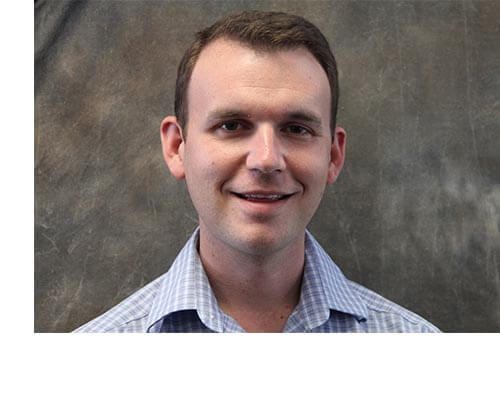
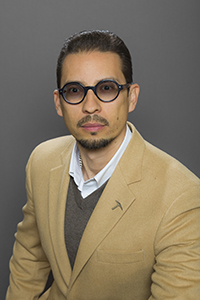
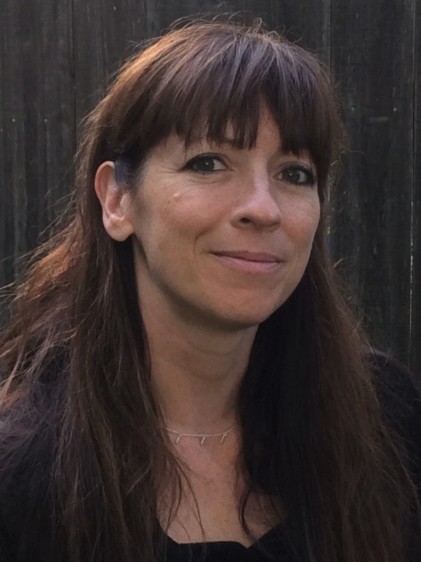
Joel Palka is an Associate Professor in the School of Human Evolution and Social Change at Arizona State University (ASU). His research focuses on Maya archaeology, ethnohistory, and cultural interaction in Mesoamerica, particularly in Chiapas, Mexico. He leads long-term collaborative projects with Lacandon Maya communities, emphasizing ritual landscapes, pilgrimage routes, and subsistence strategies. His work integrates archaeological, ethnographic, and historical methodologies. Key research areas include Mesoamerican warfare, sacred landscapes, and Lacandon Maya cultural resilience. He investigates how ritual practices, such as pilgrimage and cremation, reflect socio-religious dynamics. His projects at sites like Mensabak explore overland trade networks, fortified sanctuaries, and ecological adaptations like aquaculture. Recent studies highlight Lacandon Maya knowledge systems, including indigenous conservation practices and artifact repatriation. His interdisciplinary approach bridges archaeology with contemporary community engagement, addressing themes of identity, environment, and colonial impact. Publications span 30 years, with a focus on ritual symbolism, ethnohistory, and archaeological site analysis. He has collaborated with international scholars and institutions on projects such as the Paso de la Amada ceremonial center and the repatriation of Maya artifacts.
Amy G. Remensnyder is Professor of History and Giancarlo Family Provost's Professor of History at Brown University, where she has taught since 1993. She also holds the Royce Family Professor of Teaching Excellence title, reflecting her commitment to pedagogy. Her research focuses on medieval Europe, particularly the cultural and religious history of the Mediterranean, with emphasis on Muslim-Christian relations, monastic memory, and the global history of captivity. PhD, University of California, Berkeley (1992) A.B. summa cum laude, Harvard University (1983) Additional studies at Cambridge University and École des Hautes Études, Paris Her research interests include medieval Iberia, colonial Mexico, religious symbolism, transcultural history, and the role of memory in identity formation. She explores how religious figures like the Virgin Mary functioned as symbols of conquest, conversion, and interfaith entanglement. Her work bridges medieval and early modern periods, challenging disciplinary boundaries and incorporating insights from art history, anthropology, and literary studies. Her recent articles reveal a sustained engagement with themes of religious coexistence, sacred space, and cross-cultural devotion in the Mediterranean world. She examines how Muslim and Christian sailors shared shrines, how Moriscos developed their own Marian scriptures, and how Mary symbolized both war and diplomacy. Her scholarship combines deep archival research with theoretical sophistication, contributing to fields such as oceanic history, borderland studies, and the history of emotion. Van Courtland Elliott Prize (Medieval Academy of America) Fellow, Medieval Academy of America Berlin Prize, American Academy in Berlin Guggenheim Fellowship ACLS/SSRC/NEH Fellowship William G. McLoughlin Award for Teaching Excellence Remensnyder has directed major research initiatives and served on editorial boards, including Al-Masāq: Journal of the Medieval Mediterranean . She founded and directs the Brown History Education Prison Project, reflecting her commitment to engaged scholarship. She has received funding from the Swearer Center and has developed innovative courses on captivity and medieval lyric. Her leadership includes directing Brown’s Program in Medieval Studies (2010–2012) and serving on the Medieval Academy of America’s council. She is currently working on three book projects: Island of Trust in a Sea of Danger: Lampedusa , a maritime microhistory; Neighbors: Life in a Medieval Borderland , an archival study of Muslim-Christian relations in Iberia; and A Global History of Captivity , a synthetic overview of captivity across time and space.
Martin Nesvig is a Professor at the University of Miami in the Department of History, College of Arts and Sciences. He serves as Director of Undergraduate Studies and Co-Faculty Lead for Mexico and Mesoamerica in the University of Miami’s Interdisciplinary Programs (UMIA). His research focuses on colonial Latin America, particularly religious hybridism, inquisitorial systems, and decentralized power structures in Michoacán. University of Miami, College of Arts and Sciences Department of History Director of Undergraduate Studies Mexico and Mesoamerica Co-Faculty Lead Nesvig's scholarship interrogates the complexities of religious syncretism, bureaucratic conflict, and cultural negotiation in colonial Mexico. His work challenges traditional narratives of 'spiritual conquest' by highlighting the mutual adaptation between Spanish and indigenous communities, emphasizing the role of hallucinogenic rituals, vernacular scripture, and micro-imperial governance in shaping colonial religious practices. His 2010 Charles A. Ryskamp Research Fellowship supported his project on frontier religion in Michoacán, analyzing how Spanish clergy and laity adopted indigenous practices. His publications span topics from peyote use in Catholic rituals to the political implications of prohibited books and the dynamics of postcontact cultural liminality. Notable Works: Promiscuous Power: An Unorthodox History of New Spain , Peyote, Ever Virgin: A Case of Religious Hybridism in Mexico Awards: Charles A. Ryskamp Research Fellowship Nesvig’s research reveals a colonial state perpetuated through bureaucratic litigation rather than violence, with his irreverent historiographical style challenging academic conventions. His students and colleagues engage with his critical perspectives on power, religion, and cultural identity in early modern Latin America.
Eduardo Montero serves as an Assistant Professor at the University of Chicago's Harris School of Public Policy, specializing in development economics, political economy, and economic history with regional expertise in Central America and Central Africa. His research examines how institutions and culture shape development policy and long-term economic trajectories. His educational background includes: PhD in Economics, Harvard University (2018) MS in Statistics, Stanford University (2011) BA in Economics, Stanford University (2010) Montero's research integrates historical analysis with contemporary development challenges, focusing on land reform, disease control, religious institutions, and colonial legacies. His methodological approach combines empirical economics with deep contextual understanding of institutional frameworks in low-income regions, particularly investigating how cultural norms interact with policy interventions. Recent publications (2021-2025) reveal consistent thematic focus on institutional persistence, with major clusters examining: 1) Disease control impacts (Chagas/Ebola), 2) Land tenure systems (El Salvador/Central America), 3) Colonial legacies (Congo Free State), and 4) Cultural economics (religious festivals/Fair Trade). These works demonstrate methodological diversity spanning econometric analysis of historical data, field experiments, and policy evaluation. Key professional recognitions include: Faculty Research Fellow, National Bureau of Economic Research (NBER) Postdoctoral Scholar, Harvard Academy for International and Area Studies (2019-2022) Affiliate, Bureau for Research and Economic Analysis of Development (BREAD) As a faculty member at the Harris School, Montero advises graduate students in public policy and economics, though specific advisees are not publicly listed. His research collaborations involve multidisciplinary teams focused on Central America and Central Africa, supported through NBER and BREAD networks. Current projects extend his analysis of institutional evolution into contemporary policy challenges including climate adaptation and governance reform. He maintains active research partnerships with institutions in Costa Rica (his country of origin) and Brazil, with fieldwork informing his empirical studies of development interventions.
Javier Villa-Flores is an Associate Professor and Associate Director of the Graduate Division of Religion at Emory University. He holds a PhD in Latin American History from UC San Diego (2001), an MA (1998) from the same institution, and a BA in Sociology from the University of Guadalajara (1990). His research focuses on religion, colonialism, and social history in colonial Mexico, particularly examining the intersections of power, language, and legal systems. His major works include *Dangerous Speech: A Social History of Blasphemy in Colonial Mexico* (2006) and his current project on trust and risk in Bourbon New Spain through analysis of 'crimes of falsity.' He has contributed to journals like *Colonial Latin American Review* and co-edited volumes on archives, emotions, and colonial libraries. Teaching specialties include millenarian movements and religious martyrdom in Latin America. Villa-Flores has held fellowships from institutions including the NEH, Huntington Library, and Max Planck Institute. His work explores how colonial authorities used legal frameworks to enforce social control through concepts like blasphemy, forgery, and perjury, revealing how marginalized groups navigated these systems. Recent publications highlight the role of trust and its betrayal in shaping colonial governance and identity formation. Collaborative projects include special journal issues on archives and edited volumes on emotional history and library destruction. His research bridges historiography with interdisciplinary methods, emphasizing archival material and performative aspects of colonial power.
Farren Yero is an Assistant Professor in the History Department at Lehigh University's College of Arts and Sciences, where she specializes in the history of health, medicine, and gender with a focus on Latin America and the Caribbean. Her interdisciplinary scholarship bridges medical history, gender studies, and Atlantic world history, examining how race, gender, and power have shaped health experiences and medical practices in the early modern period. Dr. Yero received her Ph.D. in History and Gender, Sexuality and Feminist Studies from Duke University in 2020, an M.A. in History from Duke University in 2016, an M.A. in Latin American Studies from Tulane University in 2013, and a B.A. in Anthropology from the University of Florida in 2010. Her academic journey began with archaeological work at the Kingsley Plantation in Jacksonville, Florida, which shaped her interest in Atlantic history and the transatlantic slave trade. Yero's research focuses on health disparities, care practices, and disease experiences in the early modern Atlantic world, with particular attention to smallpox vaccination history. Her current book project, Atlantic Antidote: Race, Gender, and the Birth of the First Vaccine , explores racial and gendered intersections of labor, childrearing, and disease prevention in the Spanish Americas. She is also developing a history of the Caribbean's earliest smallpox epidemic (1519) through the life of America's first "patient zero." Her work consistently examines how marginalized communities navigated health challenges within colonial contexts. Her publications reveal a strong emphasis on vaccine history, gender and medicalization, Afro-Caribbean religious practices during epidemics, and the intersections of race, citizenship, and public health. Yero's scholarship demonstrates how medical history provides critical insights into broader social structures, particularly regarding race, gender, and power dynamics in colonial societies. Nineteenth Century Studies Dissertation Award from the Latin American Studies Association (LASA) Richmond Brown Dissertation prize, Honorable Mention, from the Latin American and Caribbean Section of the Southern Historical Association Dr. Yero has received significant research support from the National Endowment for the Humanities, American Council of Learned Societies, Fulbright-Hays program, Andrew W. Mellon Foundation, John Carter Brown Library, Newberry Library, Institute of Advanced Studies in the Humanities at the University of Edinburgh, and Omohundro Institute of Early American History and Culture. She previously held postdoctoral positions at Binghamton University, College of William and Mary, University of Edinburgh, and Duke University. At Lehigh, she teaches courses on health and society in Latin America, gender and medicine, pandemics, and digital/public history methods.
María González Pendás is an Assistant Professor of Architecture at Cornell University's College of Architecture, Art, and Planning. Her research focuses on the intersections of aesthetics, technology, and power in the Spanish transatlantic world, with a particular emphasis on fascism, coloniality, and the politics of religion. She holds a Ph.D. in Architecture History and Theory from Columbia University and a Master's in Architecture from the Polytechnic University of Madrid. Her current book project, Holy Modern: Technocracy, Theocracy and the Architectures of Hispanic Fascism , examines fascist architectural practices in postwar Spain. Other research interests include labor history in Mexico, concrete technology's colonial dimensions, and the global politics of secularism. She has received major grants from the Society of Architectural Historians, Graham Foundation, and Fulbright program. Her teaching experience includes roles at Vassar College and Columbia University, where she also led public humanities initiatives promoting civically engaged scholarship. Key awards include the Mellon Postdoctoral Fellowship (2016–19) and a 2021 seed grant for anti-racism initiatives. Her recent work bridges architectural history with urgent contemporary issues like spatial justice and urban inequality.
Joan C. Bristol is an Associate Professor at George Mason University's Department of History and Art History within the College of Humanities and Social Sciences. Her research examines colonial Latin America through interdisciplinary lenses including gender studies, racial ideologies, and commodity history. Education includes: Ph.D. from University of Pennsylvania M.A. from San Francisco State University A.B. from Bryn Mawr College Her scholarship focuses on the African diaspora in Mexico, religious syncretism, and the cultural history of commodities like pulque and chocolate. Current research project: Distilling Identities: From Pulque to Tequila in Mexico, 1428-Present . Publications consistently explore themes of cultural hybridity in colonial contexts, analyzing how race, gender, and material culture intersected in Spanish America. Dissertation supervision includes: David McKenzie (2021) John Rodriguez (2018)
Barbara E. Mundy is a Professor of Art History and holds the Martha and Donald Robertson Chair in Latin American Art at Tulane University's Newcomb Art Department within the School of Liberal Arts. She earned her Ph.D. from Yale University. Her research focuses on colonial Latin America, particularly Mexico/New Spain, examining Indigenous-settler interactions, cartography, urban history, and the history of the book. She has held prestigious fellowships including the 2021-22 Kislak Chair at the Library of Congress and contributed to major projects like Vistas: Visual Culture in Spanish America (1520-1820). Research Interests: Indigenous mapping traditions, decolonization methodologies, Nahuatl language studies, and digital humanities. Notable Works: The Death of Aztec Tenochtitlan (prize-winning), The Mapping of New Spain , and forthcoming Rock, Paper, Scissors . Her work bridges art history with ethnohistory and material culture, emphasizing Indigenous agency in colonial contexts. Mundy serves on editorial boards for The Americas and is a past president of the American Society for Ethnohistory.
Michael J. Sullivan is a Professor in the Department of International Studies and Global Affairs at St. Mary’s University. He holds a Ph.D. from Princeton University and teaches courses on ethics, human rights, and international relations. His research explores immigration ethics, citizenship theories, and human rights, with emphasis on care ethics and indigenous mobility. Publications analyze vaccine mandates, statelessness, and labor citizenship. Books include Earned Citizenship (Oxford, 2019) and Born Innocent (Oxford, 2023).
Laura Ammon is a Professor of Religious Studies and Director of the Watauga Residential College at Appalachian State University's Department of Philosophy and Religion. Her research focuses on colonial religious dynamics, particularly the interplay between Aztec and Catholic beliefs in 16th-century Mexico, and the legacy of colonialism on modern understandings of race and religion. She co-authored Religion in Sixteenth-Century Mexico , analyzing religious syncretism in New Spain. Her work also bridges religion with contemporary issues like artificial intelligence ethics and science fiction's portrayal of spirituality. Her academic journey includes a PhD from Claremont Graduate University (2006), an MA from the University of Chicago (undated), and a BA from Webster University (undated). Her teaching philosophy emphasizes public-facing pedagogy, as seen in collaborative publications on innovative classroom strategies. She explores how technology and media shape religious expression, such as analyzing Star Trek's implicit theology and AI's ethical implications in domestic spaces. Her publications span colonial religious history, digital humanities, and interdisciplinary approaches to religion. Notable works include essays on Bartolomé de las Casas' rhetoric and horror literature's sacred dimensions. She actively contributes to academic discourse through book reviews and media engagements, such as podcast discussions on climate change and religion. Laura's research and teaching reflect a commitment to understanding religion's fluidity across time and culture, blending historical rigor with modern societal questions. Her leadership in the Watauga Residential College underscores her dedication to fostering interdisciplinary academic communities.
Dr. Ignacio Martinez is an Associate Professor of History at the University of Texas at El Paso (UTEP), affiliated with the Department of History within the College of Liberal Arts. He holds a B.A. and M.A. from the University of New Mexico and a Ph.D. from the University of Arizona. His research focuses on Colonial Latin America, the Hispanic World, and the intellectual history of Latin America, with particular emphasis on the Spanish Borderlands. He authored The Intimate Frontier: Friendship and Civil Society in Northern New Spain (2019), which examines the role of friendship in shaping frontier societies. His current project explores the evolution from Creole Patriotism to Chicano Nationalism. Dr. Martinez has directed multiple National Endowment for the Humanities (NEH) Summer Institutes (2017, 2019, 2021, 2023), including the 2023 institute on borderlands narratives. He teaches courses such as World History to 1500 , Religion in Colonial Latin America , and graduate seminars on ethnohistory and colonial Latin America. He collaborates with UTEP's Center for History Teaching and Learning , Institute of Oral History , and the Borderlands Digital Humanities Center , advancing pedagogical and research initiatives in borderlands studies.
Catherine DiCesare is an Associate Professor of Art History and Undergraduate Coordinator in the Department of Art and Art History and Art Museum at Colorado State University (CSU). She holds a Ph.D. in Pre-Columbian Art History/Arts of the Americas from the University of New Mexico (2002) and an M.A. in Italian Renaissance Art from Syracuse University's Florence program (1994). Education: Ph.D. 2002, University of New Mexico M.A. 1994, Syracuse University B.A. Not specified Her research focuses on Mexican pictorial manuscripts, Aztec rituals, and pre-Columbian Mesoamerican art. She teaches courses on Mesoamerican art, Aztec festivals, and Italian Renaissance art. DiCesare also leads study abroad programs in Italy, emphasizing Western European art from Medieval to Baroque periods. Her work bridges art history with cultural anthropology, exploring how material culture reflects ritual practices and cosmological beliefs. Her publications analyze Aztec festivals like Ochpaniztli and Huey Tozoztli, emphasizing their symbolic and temporal dimensions. She engages with codices such as the Borbonicus to decode ritual meanings, while also examining gender roles in pre-Hispanic ceremonies. DiCesare’s expertise spans both Mesoamerican and Italian art traditions, integrating interdisciplinary methods to contextualize art within broader socio-religious frameworks.
Claudia Sadowski-Smith is a Professor of English at Arizona State University (ASU), specializing in American literature and border studies. She holds affiliations with the Humanities for the Environment Global Network, the Center for the Study of Religion and Conflict, the Melikian Center, and Jewish Studies. Her work bridges literary analysis with sociopolitical issues, focusing on migration, race, globalization, and border dynamics. Her research explores the intersection of literature and contemporary social phenomena, including post-Soviet migration, transnational adoption, and the cultural politics of borders. Key publications include The New Immigrant Whiteness (2018) and Border Fictions (2008). She has led projects like a US State Department-funded initiative with Pakistan’s Kinnaird College to globalize US literature studies. Her articles analyze border narratives, hemispheric studies, and the impact of neoliberalism on identity. She critiques the differential treatment of Canada-US and Mexico-US borders in academic discourse, advocating for a comparative framework. Her work highlights how migration policies and cultural representations shape transnational identities. Grants and collaborations include interdisciplinary projects on skilled migration, border enforcement, and diaspora studies. She actively contributes to academic networks addressing religion, conflict, and environmental humanities. Her affiliations with ASU’s centers reflect her commitment to interdisciplinary research and global engagement, bridging literary studies with sociopolitical analysis.
Paul Ramírez is an Associate Professor in the Department of History at Northwestern University’s Weinberg College of Arts & Sciences. He specializes in Mexican history, with a focus on the intersections of medicine, religion, and science in colonial contexts. His research has been supported by institutions such as the Newberry Library and the Harvard David Rockefeller Center for Latin American Studies. Ph.D., University of California, Berkeley (2010) His research interests include the history of medicine and religion in Mexico, global history, and the cultural dimensions of medical technology. His book Enlightened Immunity (2018) examines disease prevention efforts in rural Mexico during the Age of Reason, while his current project explores the religious and economic significance of salt in colonial Mexico. His articles and book chapters address topics such as smallpox epidemics, quarantine policies, and the role of religious institutions in public health. He has received awards including the LASA Tibesar Prize (2013) and the D. Scott Palmer Prize (2018). Teaching responsibilities include courses on colonial Latin America, disease and health, and the history of Catholicism in the Americas.