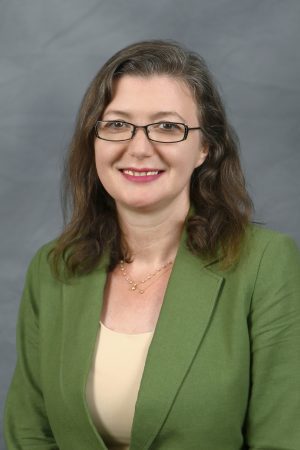
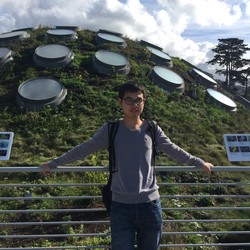
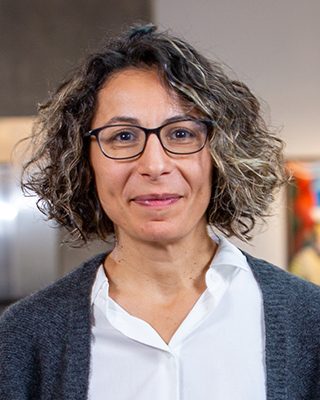
Rrezarta Krasniqi is an Assistant Professor in the Department of Software and Information Systems at the University of North Carolina at Charlotte. She holds a Ph.D. in Computer Science and Engineering from the University of North Texas (2024) and has previously taught at multiple institutions while working as a senior Java developer in industry. Research Focus: Her work centers on improving software quality through automated detection of quality-related bugs, using AI-driven approaches and empirical methodologies to address challenges in code scattering, requirement vagueness, and system-wide reliability issues. She specializes in semantic analysis, classifier development, and 3D visualization tools for codebase monitoring. Key Contributions: Developed RetroRank for bug-fixing comment recommendation (2021-2023) Pioneered SoftQualDetector for semantic quality concern mapping (2023-2024) Co-authored surveys on quality concern management in open-source communities Publications: Her work spans leading venues like EMSE'23, ICSME'23, SANER'23, and SQJ'23, with earlier contributions at ICSE'2017 and FSE'2018 through the TraceLab reproducibility framework.
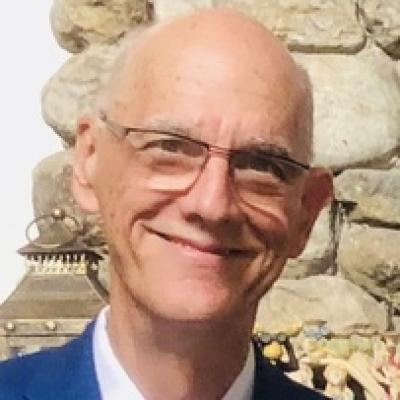
W. Bruce Croft is Distinguished Professor Emeritus at UMass Amherst's College of Information and Computer Sciences, where he founded the Center for Intelligent Information Retrieval (CIIR). His pioneering research in information retrieval spans retrieval models, web search algorithms, and cross-lingual information systems. Research focus areas include: Neural ranking models for information retrieval Query performance prediction Conversational search systems Distributed search architectures Professor Croft has supervised over 30 PhD graduates who now hold prominent positions in academia and industry. His textbook 'Search Engines: Information Retrieval in Practice' is widely used in graduate programs worldwide. Honors include the ACM SIGIR Salton Award for lifetime contributions to information retrieval and IEEE Technical Achievement Award.
Pradeep U. Kurup is a Distinguished University Professor in the Department of Civil and Environmental Engineering at the Francis College of Engineering, University of Massachusetts Lowell. He has been serving at UMass Lowell since 1997, progressing from Assistant Professor to Associate Professor (2001), Full Professor (2005), and ultimately to University Professor (2014), which is the highest faculty honor at UMass Lowell. Dr. Kurup's educational background includes: Ph.D. in Civil and Environmental Engineering (1993) from Louisiana State University M.Tech. in Civil Engineering (1987) from Indian Institute of Technology - Madras, India B.Tech. in Civil Engineering (1985) from University of Kerala, India Dr. Kurup's research focuses on the intersection of geotechnical engineering and advanced sensing technologies. His work spans multi-sensor data fusion for site characterization, novel sensing technology applications, finite element modeling, artificial neural networks for soil mechanics, calibration chamber testing, soil-structure interaction, and "Seeing-Ahead Techniques" for trenchless technologies. His recent publications demonstrate a strong trend toward integrating machine learning techniques with geotechnical instrumentation, particularly in developing electronic noses and tongues for environmental monitoring and contamination detection. Dr. Kurup has received numerous awards and honors, including University Professor (2014), Diplomat Geotechnical Engineering (2012), NSF CAREER Award (1999-2003), and CERF Career Development Award (1999). Dr. Kurup has secured substantial research funding from NSF, Federal Highway Administration, EPA, and U.S. Army Research Office. His research collaborations span academia, industry, and government agencies globally, including partnerships with Geoprobe Systems Inc., Fugro Engineers Inc., Norwegian Geotechnical Institute, and several international universities. Dr. Kurup leads research in innovative sensing technologies for geoenvironmental applications, including electronic noses for detecting hazardous chemicals and explosives, electronic tongues for heavy metal detection, and advanced cone penetrometer systems for subsurface characterization.
Dr. Ana Da Silva Filipe is a molecular virologist and Head of CVR Viral Genomics at the University of Glasgow's Centre for Virus Research. She has been with the university since 2008, accumulating extensive experience leading research in viral genomics and transcriptomics. Currently, she leads the CVR Genomics team, which provides expertise in high-throughput sequencing to contribute to the understanding of viruses and their impact on human health. Dr. Da Silva Filipe's research focuses on viral hepatitis and respiratory viruses, with particular emphasis on developing sequencing solutions for viral emergence and discovery. Her work bridges fundamental virology with clinical applications, applying genomic approaches to address critical questions in viral infections. Her research has significant public health implications, particularly in understanding viral evolution, transmission dynamics, and pathogenesis across diverse settings. Analysis of her recent publications reveals a strong focus on viral genomics applied to emerging and re-emerging viral threats, including SARS-CoV-2, influenza viruses, hepatitis viruses, and various zoonotic pathogens. Her work often involves international collaborations across Africa, Europe, and South America, leveraging advanced sequencing technologies to understand viral evolution, transmission patterns, and host-pathogen interactions. National Institutes of Health: Beyond discovery: bat behavior and virus shedding as drivers of spillover risk (2024-2025) Biotechnology and Biological Sciences Research Council: MonkeyPox - Rapid Response (2022-2023) UK Research and Innovation: Identification of viruses causing undiagnosed febrile illness in returning travellers to the UK (2022-2023) Medical Research Council: Interim support for ISARIC4C Clinical Characterisation Protocol (2022-2023) Biotechnology and Biological Sciences Research Council: SARS-CoV-2 infections in cats (2021-2022) UK Research and Innovation: Genotype to Phenotype Consortium (2021-2022) Dr. Da Silva Filipe leads the CVR Genomics team at the Centre for Virus Research, which serves as a hub for viral genomic analysis supporting both internal research and external collaborations. Her team's work has contributed significantly to understanding viral evolution, transmission dynamics, and pathogenesis across multiple viral families and hosts, with particular relevance to public health responses during outbreaks and pandemics.
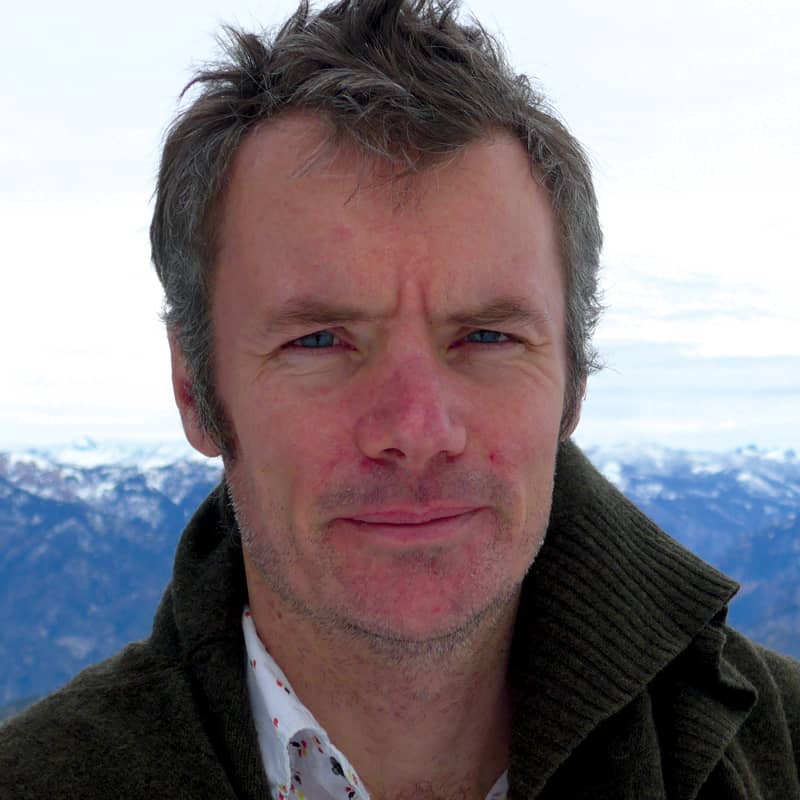
Dr. Jonathan Davies is an Associate Professor at the University of British Columbia's Faculty of Forestry, with dual affiliations in the Department of Botany and Department of Forest and Conservation Sciences. His research focuses on phylogenetic ecology, integrating evolutionary biology with ecological systems to address biodiversity conservation and climate change challenges. Academic Rank: Associate Professor Departments: Botany; Forest and Conservation Sciences Research Center: Biodiversity Research Center Email: j.davies@ubc.ca Research Interests : At the intersection of ecology and evolution, Davies' work explores phylogenetic approaches to conservation science, climate change biology, and disease ecology. His lab investigates: Climate change impacts on biodiversity and disease emergence Phylogenetic dilution effects in forest pest dynamics Evolutionary patterns in plant-herbivore interactions Statistical methods for phylogenetic analysis Global biodiversity patterns and diversification rates Eco-phylogenetics of protected area effectiveness
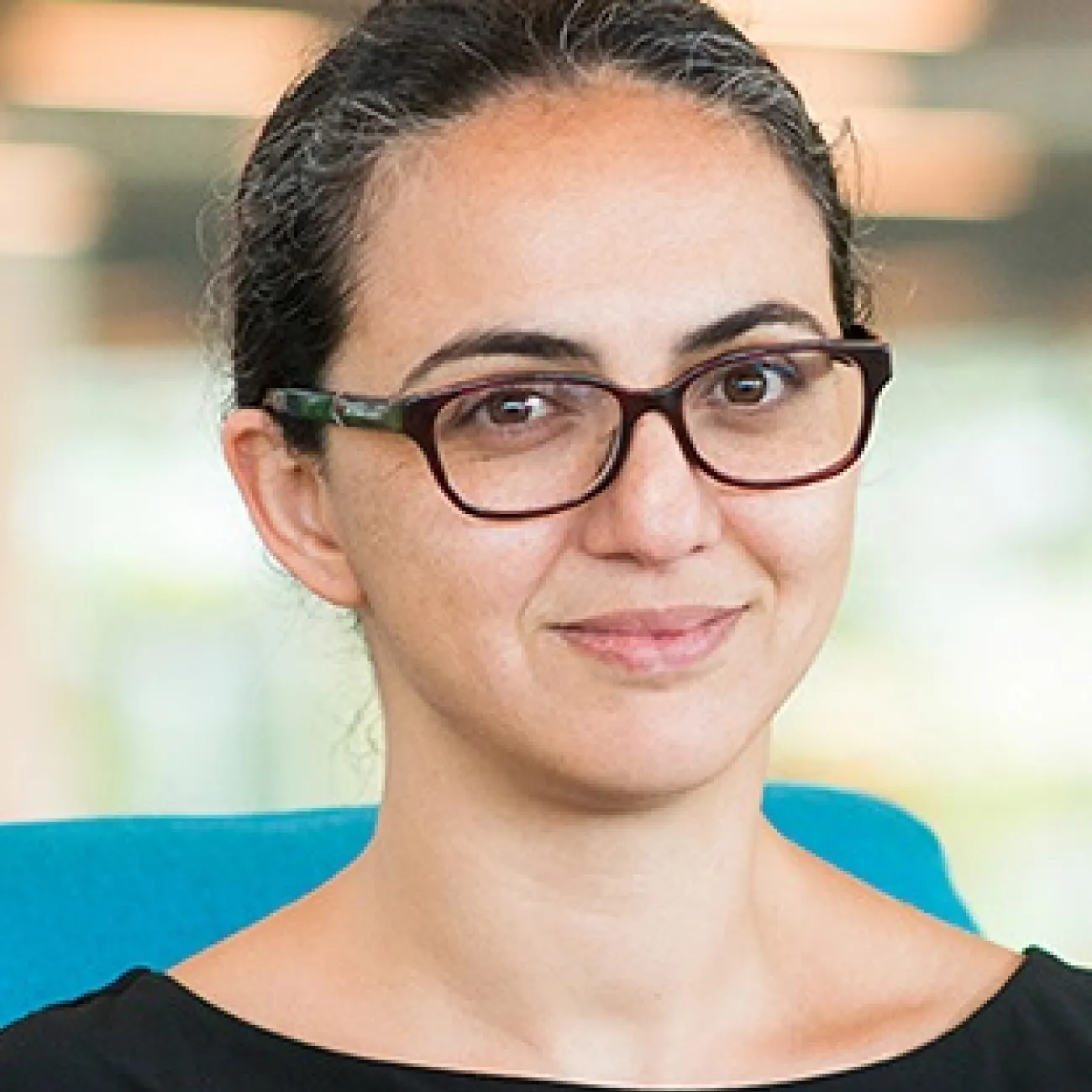
Prof. Selin Damla Ahipasaoglu is a Professor in Operational Research at the University of Southampton's School of Mathematical Sciences . She serves on the management team of the UKRI CDT SustAI (Artificial Intelligence for Sustainability) as Senior Tutor and Co-Lead for the Transportation and Logistics Theme . Her work bridges mathematical optimization with practical applications in sustainability, finance, and transportation systems. Research Interests : Convex Optimization Robust Optimization Discrete Choice Theory Experimental Design Machine Learning Current Research : Focused on robust optimization and its applications in discrete choice modeling, portfolio optimization, and transportation systems. She explores theoretical frameworks alongside real-world implementations, particularly through interdisciplinary projects like the UKRI CDT SustAI. Teaching : In the 2025/2026 academic year, she teaches MATH3017: Mathematical Programming and MATH2013: Operational Research II . She supervises PhD students in Mathematical Sciences, including Kexin Lai, Samuel Jericho Ward, and others.
Tao Yang is a Professor in the Department of Computer Science at the University of California, Santa Barbara, where he has been a faculty member since 1993. His research spans web search and mining, database and information systems, machine learning and data mining, parallel and distributed systems, and cloud computing. He serves as an active educator, teaching courses including CS170 Operating Systems (Spring 2024), CS291A Neural Information Retrieval (Fall 2024), and CS140 Parallel Computing (Winter 2025). PhD in Computer Science, Rutgers University ME in Artificial Intelligence, Zhejiang University MS in Computer Science, Rutgers University BS in Computer Science, Zhejiang University Professor Yang's research focuses on advancing the field of information retrieval with particular emphasis on neural approaches to search and ranking. His recent work explores neural document ranking, privacy-aware search systems, and versioned data search. He has led significant projects including Neptune clustering infrastructure, Sorrento self-organizing storage cluster, and TMPI for MPI execution optimization. His research bridges theoretical advances with practical implementations, particularly in scaling search architectures to handle billions of documents while maintaining relevancy, performance, and freshness. His publication record shows a clear evolution from foundational work in parallel and distributed systems toward contemporary research in neural information retrieval. Recent publications demonstrate expertise in optimizing both sparse and dense retrieval methods, with particular focus on efficiency improvements for multi-vector representations. His work consistently addresses real-world challenges in search scalability and privacy preservation. Faculty Research Award, Google Research Research Initiation Award, NSF (1994) UC Regents' Junior Faculty Award (1994) Computer Science Faculty Teacher Award (1995) CAREER Award, NSF (1997) Noble Jeeviant Award, AskJeeves (2002) Professor Yang has supervised numerous graduate students, many of whom have gone on to prominent positions at companies like Google, Apple, and Coursera, or academic positions at universities worldwide. His industry experience as Chief Scientist for Ask.com (2001-2010) and founding Chief Scientist for Teoma (2000-2001) has informed his research direction and provided valuable practical context for his academic work. He has served on program committees for major conferences including WWW, SIGIR, KDD, WSDM, CIKM, ECIR, and EMNLP. His research group maintains active projects in neural information retrieval, privacy-aware search, similarity computing, and parallel computing systems. The group collaborates closely with industry partners, particularly in the search technology space, and has developed systems that power major search engines serving over 100 million users.
Oleg Kitov serves as an Assistant Teaching Professor and Robert Martin Fellow in Economics at Selwyn College, University of Cambridge, where he also acts as Convener of Undergraduate Admissions for the Faculty of Economics. His academic profile centers on rigorous econometric methodology applied to macroeconomic phenomena and distributional economics, with significant contributions to time-series analysis and income inequality research. Kitov's primary research domains include Time-series Econometrics, Empirical Macroeconomics, and Income Distribution and Inequality. His methodological innovations focus on structural break detection in linear models using multiplicative indicator saturation, generative modeling of age-income dynamics, and cross-national Phillips curve analysis. His work bridges theoretical econometrics with empirical applications, particularly examining inflation-unemployment relationships across diverse economies and modeling long-term trends in income distribution using historical datasets. His publication trajectory reveals consistent methodological advancement from 2012-2022, with core themes spanning structural break detection in economic time series, generative income distribution modeling, and comparative Phillips curve analysis across 15+ countries. The research demonstrates increasing sophistication in handling non-stationary economic data while maintaining strong policy relevance for central banking and inequality measurement. Scientific Awards: Cambridge Centre for Teaching and Learning Technology-enabled Learning Prize (2021) As Convener of Undergraduate Admissions, Kitov shapes the academic cohort for Cambridge's Economics program while teaching advanced econometrics. His office hours (Tuesdays 11:15am-12:15pm in Room 79) support student engagement with complex quantitative methods, reflecting his dual commitment to research excellence and pedagogical innovation recognized by the 2021 teaching prize.
Stephen M. Miller is a Professor of Economics at the University of Nevada, Las Vegas, where he serves as Research Director for the Center for Business and Economic Research. He previously held positions at the University of Connecticut from 1970 to 2001, including serving as Department Head from 1989 to 2001, before joining UNLV as Department Chair from 2001 to 2012. Dr. Miller's research spans monetary, macroeconomic, and international finance theory and policy; economic growth empirics; financial institutions; and real estate lending. His work demonstrates particular expertise in time series analysis, long-memory processes, and econometric modeling of economic phenomena. He has developed significant economic indicators including the CBER-DETR Nevada Coincident and Leading Employment Indexes, which track contemporaneous and future movements in Nevada's employment situation. His extensive publication record includes over 190 journal articles in prestigious outlets such as the Journal of Macroeconomics , Journal of International Money and Finance , Journal of Real Estate Finance and Economics , and Empirical Economics . Recent work shows continued focus on income inequality dynamics, housing markets, monetary policy effects, and financial market interconnections using advanced econometric techniques including wavelet analysis and long-memory modeling. Dr. Miller has also been active in public discourse through numerous op-ed pieces in the Las Vegas Review Journal and other publications addressing economic issues relevant to Nevada and the broader U.S. economy. He has guided numerous graduate students to degree completion, with 16 MA students at UNLV and 18 PhD plus 2 MA students during his tenure at the University of Connecticut. His teaching portfolio includes courses in macroeconomics, money and banking, and mathematical economics at undergraduate, MA, and PhD levels.
Ford Ramsey serves as an Associate Professor in the Department of Agricultural and Applied Economics at the University of Georgia's College of Agricultural and Environmental Sciences. Based at Conner Hall in Athens, Georgia, his research program addresses critical challenges in agricultural economics through advanced quantitative methods, with particular focus on risk management systems and market dynamics in food production sectors. Research Focus: Dr. Ramsey's scholarly work spans multiple interconnected domains: Econometric modeling of agricultural risk and insurance mechanisms Labor market volatility in meat processing and food manufacturing Climate change impacts on crop yield stability and adaptation strategies Historical analysis of agricultural market integration and price formation Bayesian statistical applications in yield forecasting and policy evaluation Regulatory impacts on livestock and grain market efficiency His methodological approach frequently combines traditional econometric techniques with machine learning innovations to analyze complex agricultural systems. Publication Trends: Examination of his 2023-2025 publications reveals three dominant research streams: (1) Climate-agriculture interactions, particularly warming effects on wheat production and adaptation through genetic diversity; (2) Supply chain resilience, with emphasis on labor dynamics during disruptions in food manufacturing; and (3) Crop insurance innovation, focusing on Bayesian forecast combination methods and historical weather integration. These strands consistently demonstrate policy relevance through analysis of regulatory impacts, market integration, and risk management solutions for agricultural producers. Professional Activities: While specific advising relationships and grant details aren't documented in available sources, Dr. Ramsey maintains active engagement through the Agricultural & Applied Economics department's research initiatives. His work connects with broader university efforts in agricultural risk management and food system analysis, as evidenced by departmental affiliations and publication themes.
Justin A. Bosch is an Assistant Professor in the Department of Human Genetics at the University of Utah. His research focuses on inter-organ communication through blood-borne proteins, primarily using Drosophila as a model system with human-like organ systems. The Bosch Lab employs a multidisciplinary approach combining experimental and computational techniques to map protein origins and destinations in circulation. Research interests center on discovering novel circulating inter-organ factors that mediate communication between organ systems. Key areas include hormone signaling, protein trafficking mechanisms, and the functional characterization of blood proteomes. The lab develops innovative tools such as protein proximity labeling (TurboID), computational prediction of protein complexes (AlphaFold), and CRISPR-based genome engineering to overcome technical barriers in studying inter-organ communication. Analysis of recent publications reveals a strong focus on Drosophila genetics, proteomics, and CRISPR technologies. The research trajectory shows progression from foundational genetic tools development toward comprehensive mapping of inter-organ communication networks, with increasing integration of computational approaches and human disease relevance. The Bosch Lab maintains active funding and collaborations, including recent support from the U of U Health Philanthropic Partners Group for high-risk, high-reward projects. The lab has established critical infrastructure including a GPU node at the Center for High Performance Computing and utilizes the Cell Imaging Core for advanced microscopy. Current lab personnel include research technicians and undergraduate researchers working on projects related to characterizing candidate inter-organ factors, developing novel experimental tools, and investigating human missense variants in hormones and their receptors. The lab actively participates in academic symposia and retreats within the Department of Human Genetics and broader university community.
Celia Kjærby is an Associate Professor at the Department of Neuroscience, Faculty of Health and Medical Sciences, University of Copenhagen, where she also leads the Division of Sleep-Arousal State Transitions at the Center for Translational Neuromedicine. Her research focuses on understanding sleep micro-structures and their role in cognitive performance and brain health. Education: PhD, Graduate School of Health and Medical Sciences, University of Copenhagen (2012) M.Sc. (human biology), Faculty of Health and Medical Sciences, University of Copenhagen (2007) Bachelor of Science (biology), Faculty of Sciences, University of Copenhagen (2004) Kjærby's research investigates how sleep-arousal transitions impact restorative sleep processes related to memory consolidation and waste clearance. Her work is particularly relevant for understanding neurodegenerative and neuropsychiatric disorders where sleep disturbances play a significant role. She examines the complex micro-structures of sleep and how frequent short arousals contribute to normal sleep function. Her recent publications (2024-2025) reveal a strong focus on the glymphatic system, cerebral blood flow regulation during sleep, and the relationship between sleep disturbances and neurodegenerative conditions like Alzheimer's disease. Her research integrates advanced techniques including CRISPR/Cas9, fluorescent imaging, and machine learning approaches to analyze sleep patterns. Scientific Recognition: Member of Lundbeck Foundation Investigator Network (LFIN) (2022) Cover feature in Nature Neuroscience (August 2022) Kjærby has secured significant research funding including the Lundbeck Foundation Fellow award (2023), Lundbeck Foundation Seed Grant (2023), and an Inge Lehmann independent grant from the Independent Research Fund Denmark (2022). She serves on the editorial board of Frontiers in Neural Circuits and reviews for prestigious journals including Nature and Neuron. She is also active in scientific outreach, regularly participating in public lectures and media interviews about sleep science. She leads the research group focused on Sleep-Arousal State Transitions and has been instrumental in organizing neuroscience events including the monthly 'DIM the Brain' forum for students and postdocs at the University of Copenhagen since 2016.
Pourya Forooghi serves as Associate Professor in the Department of Mechanical and Production Engineering at Aarhus University's School of Engineering, Denmark. His active research profile is anchored in the university's heat and fluid flow group, with direct contact available via telephone (+45 93 52 23 03) and email (forooghi@mpe.au.dk). Current activities include conference contributions such as the 2024 ERCOFTAC Symposium lecture on electrolyzer modeling. Research Interests His work spans fundamental and applied fluid dynamics with emphasis on: Turbulent flow over complex rough surfaces (anisotropic, patchy, irregular) Thermohydraulic roughness characterization Data-driven modeling for drag and heat transfer prediction Power-to-X (PtX) energy systems Secondary flows in boundary layers Cryogenic heat transfer (frost formation, evaporators) Publication Trends Analysis of his 2023-2025 publications reveals a dominant focus on roughness effects in turbulent flows using DNS and data-driven methods. Key patterns include hydrodynamic/thermal property characterization of realistic rough surfaces, drag reduction via spanwise forcing, and laminarization techniques in pipe flows. Applications concentrate on energy systems like CO2 heat pumps, PtX electrolyzers, and refrigeration evaporators. Scientific Awards No scientific awards, fellowships, or medals were documented in the provided materials. Advising and Grants The source text contains no explicit information regarding graduate students, postdoctoral advisees, or grant funding activities. His research group involvement suggests likely supervision responsibilities absent specific listings. Laboratories and Teams Forooghi leads computational research within Aarhus University's heat and fluid flow group, utilizing DNS/LES techniques and data-driven frameworks. His work integrates high-fidelity simulations with engineering applications, particularly in energy conversion systems requiring advanced roughness modeling.
Yuncong Hu is an Assistant Professor at Shanghai Jiao Tong University specializing in applied cryptography, decentralized systems, and zero-knowledge proofs. Previously, he completed his Ph.D. at UC Berkeley's RISE Lab under Prof. Raluca Ada Popa and Prof. Alessandro Chiesa, and earned his Bachelor's degree from Shanghai Jiao Tong University in 2017 as a member of the ACM Honored Class. His educational background includes: Ph.D. in Computer Science, UC Berkeley (RISE Lab), advised by Prof. Raluca Ada Popa and Prof. Alessandro Chiesa Bachelor's degree in Computer Science, Shanghai Jiao Tong University, 2017 (ACM Honored Class) Dr. Hu's research focuses on practical cryptographic systems, particularly zero-knowledge proofs (zkSNARKs), with emphasis on efficiency, versatility, and real-world deployment. His work bridges theoretical cryptography with system implementation, addressing challenges in decentralized trust, secure computation, and privacy-preserving protocols. Key contributions include foundational work on preprocessing zkSNARKs, transparency log systems, and cryptographic primitives for emerging applications. Analysis of his 15 most recent publications (2020-2025) reveals a dominant focus on zkSNARKs optimization and novel applications, with significant contributions to vector commitments, range proofs, and federated learning security. His research trajectory shows increasing diversification into AI security (LLM fingerprinting) and hardware-aware cryptographic implementations while maintaining core expertise in proof systems. Publications consistently appear in top venues including Eurocrypt, S&P, and NeurIPS, demonstrating both theoretical rigor and practical impact. No scientific awards are mentioned in the provided information. Dr. Hu has not listed current advisees or major grants in the provided materials, but his active open-source contributions (arkworks, Merkle^2, Gemini) and program committee service for Asiacrypt 2023 and USENIX Security 2024 indicate ongoing research leadership. His work shows strong industry relevance through implementations targeting real-world constraints in IoT and decentralized systems. During his doctoral work at UC Berkeley's RISE Lab, he contributed to security-focused systems research. At Shanghai Jiao Tong University, he leads research advancing cryptographic protocols for next-generation applications, with particular emphasis on making zero-knowledge proofs accessible across diverse computing environments through projects like the arkworks ecosystem.
Sara Mostafavi is an Associate Professor at the Paul Allen School of Computer Science & Engineering at the University of Washington (UW), with a focus on Artificial Intelligence and Computational Biology. She is currently on leave (2024-2025) leading the Computational Biology and Translation Organization at Genentech. Mostafavi previously held faculty roles at the University of British Columbia (UBC) and the Vector Institute, where she received prestigious Canada Research Chair (CRC II) and Canada CIFAR Chair in AI (CIFAR-AI) awards. PhD in Computer Science, University of Toronto (2011) Postdoctoral Researcher, Stanford University Her research develops machine learning and statistical methods to study gene regulation, disease susceptibility, and molecular networks, with applications in immunology, genetics, and neuroscience. She has pioneered sequence-to-function models for understanding gene regulatory grammar and predicting disease mechanisms. Her publications highlight expertise in genomic data integration, interpretable AI, and cross-modality learning. Recent work includes analyzing mosaic chromosome loss in aging microglia, immune cell differentiation, and Alzheimer's disease networks. Scientific Awards Canada Research Chair (CRC II) in Computational Biology (2015–2020) Canada CIFAR Chair in Artificial Intelligence (CIFAR-AI) Co-founder of the Machine Learning for Computational Biology (MLCB) Conference Mostafavi has mentored numerous PhD and Master’s students, including Xinming Tu, Anna Spiro, Gherman Novakovsky (PhD 2023), and Elijah Willie (MSc 2020). Her lab collaborates with institutions like the Immunological Genome (ImmGen) Consortium and Canadian Institute for Advanced Research (CIFAR). She leads the Mostafavi Lab, which specializes in combining association evidence across genomics datasets and modeling biological pathways to disentangle spurious correlations. Her team develops tools like CEWAS, AI-TAC, and Brain xQTL web server.