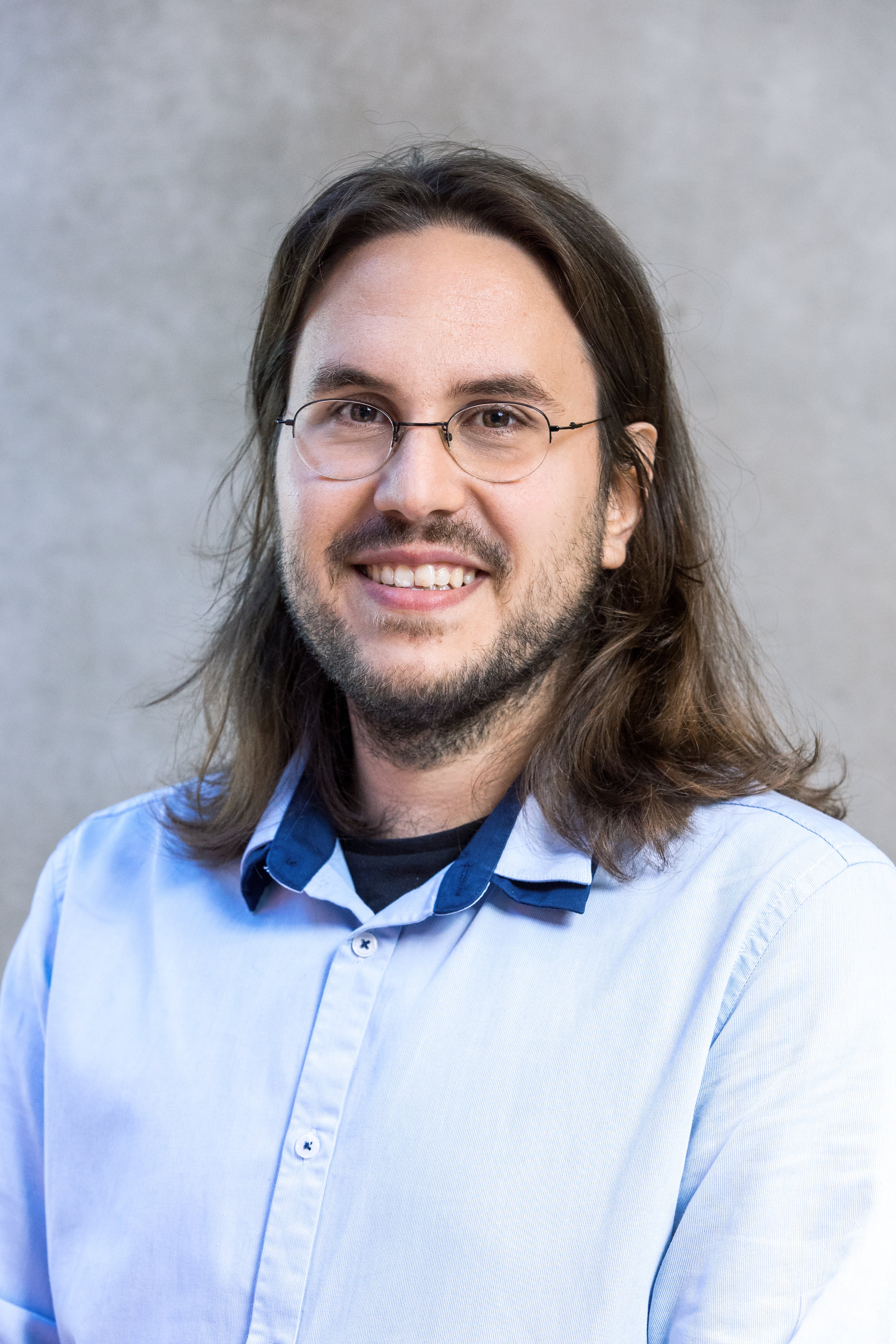
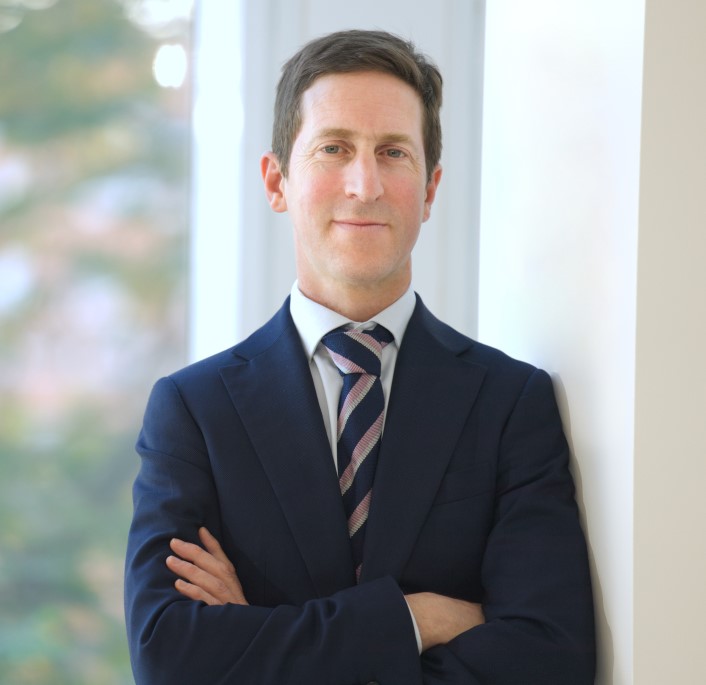
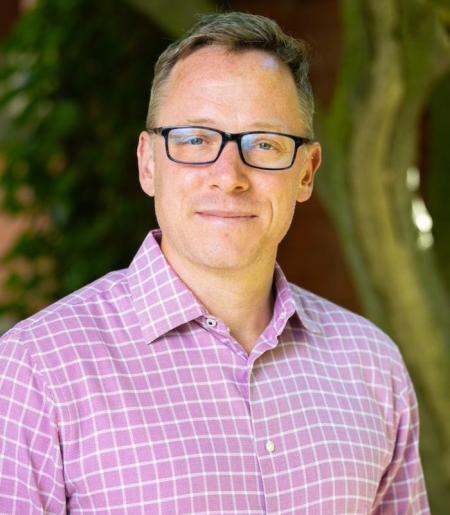
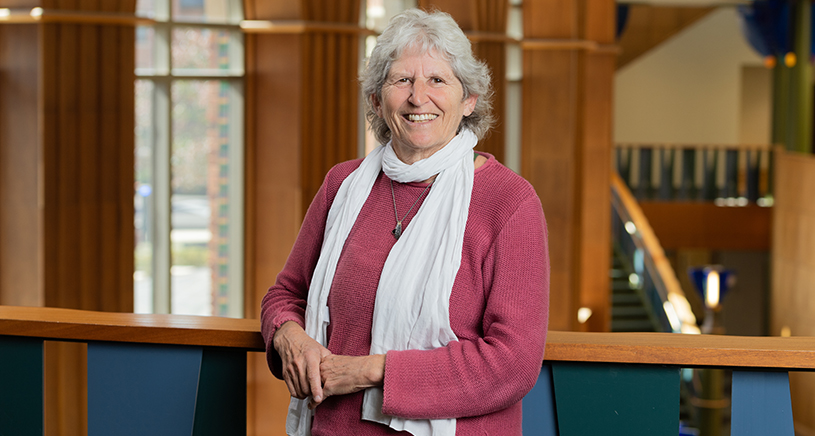
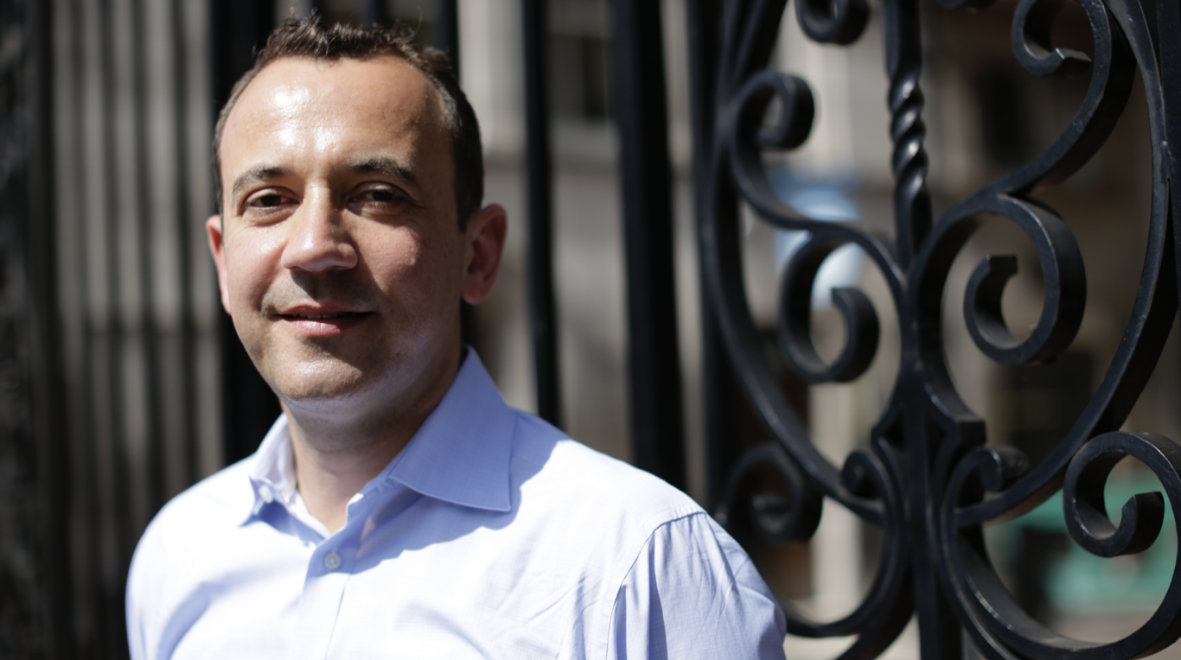
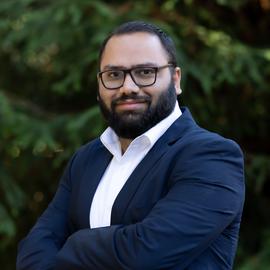
Sebastijan Dumancic is an Assistant Professor at Delft University of Technology, focusing on neuro-symbolic AI through program synthesis and probabilistic programming. He leads the RAIL lab and collaborates with institutions like Harvard, MIT, and CNRS. His research bridges symbolic AI and machine learning, applying program synthesis to scientific discovery, transportation, and robotics. He holds an FWO-funded PhD from KU Leuven and has participated in initiatives like ELLIS and the Symbolic Computation and Machine Learning Initiative. Program synthesis Probabilistic programming Neuro-symbolic AI Constraint-based learning His recent articles highlight advancements in program synthesis, neuro-symbolic integration, and constraint satisfaction. Projects like Find2Fix and Intelligent Greenhouse Horticulture (funded by NWO) demonstrate practical applications. ELLIS Membership University Teaching Qualification He supervises numerous MSc and PhD students in projects involving logic programming, program synthesis, and probabilistic modeling. Active in workshops and symposia, he contributes to neuro-symbolic AI and scientific discovery.
Aliya Saperstein is a Professor of Sociology and the Benjamin Scott Crocker Professor in Human Biology at Stanford University. She holds a Ph.D. in Sociology and Demography from the University of California, Berkeley (2008) and a B.A. in Sociology from the University of Washington. Her research focuses on the social processes through which racial and gender categories are constructed, how these classifications create and sustain inequality, and how methodological choices in survey research affect findings on stratification and health disparities. Stanford University faculty since 2011 Visiting Scholar, Sciences Po and Russell Sage Foundation Expert committee member for National Academies of Sciences consensus studies on race/ethnicity (2024) and gender measurement (2022) Her work has been recognized with multiple awards including the Population Association of America Early Achievement Award (2016) , Oliver Cromwell Cox Best Article Award (2014) , and IPUMS Research Award (2013) . She leads the Lab for Social Research at Stanford, which trains undergraduate researchers and collaborates with interdisciplinary teams. Research trends in her publications reveal a progression from foundational work on racial fluidity (2012-2014) to contemporary analyses of genetic ancestry testing's sociological implications. Her recent projects examine how direct-to-consumer genetic testing affects racial self-identification patterns and challenges traditional survey methodologies, particularly in multiracial populations and gender categorization. Scientific contributions include: Transforming sex/gender questions in the 2018 General Social Survey Key findings on how genetic ancestry testing increases multiracial identification Experimental evidence showing ancestry question order affects racial reporting Theoretical advancements in racial formation theory
Dr. Gaoheng Zhang is an Associate Professor of Italian Studies at the University of British Columbia's Faculty of Arts. His research analyzes cultural mobilities within Italy's and Western Europe's global networks with Asia, America, and Africa, focusing on transculturality and dialogism through multilingual and multisited methodologies. Key Focus Areas: Migration/Postcolonial Studies, Gender and Masculinity, Film/Communication Studies, Italian-Chinese Relations Teaching: Italian Food/Fashion Cultures, Mafia Movies, Pandemic Literature, (Post-)Colonial Cultures His scholarship includes pioneering works on China-Italy cultural exchanges through Mobility, Architecture, Chronotopes (2023), and the upcoming monographs Italian Dumplings and Chinese Pizzas (2025) and Fashion Communications Between Italy and China (2025). He is co-editing The Handbook on Modern China-Italy Relations (2026-2027) with Valentina Pedone. Dr. Zhang's research has received prestigious recognition including: SSHRC Insight Grant (2025-2029) UBC Killam Faculty Research Fellowship (2022-2023) Jean Monnet Fellowship (2022-2023) SSHRC Insight Development Grant (2018-2020) Provost’s Postdoctoral Scholarship at USC (2012-2014) He serves on the executive committee of UBC's Centre for Migration Studies and advisory board of Green College, while maintaining affiliations with the Centre for European Studies and Asian Canadian/Asian Migration Studies program.
Trevor Goodyear is an Assistant Professor at the University of British Columbia (UBC) Faculty of Applied Science, School of Nursing. His research explores substance use, mental health, and health equity among marginalized populations, particularly 2S/LGBTQ+ youth and people who inject drugs. Education: MSN, MPH, PhD Research Interests: Harm reduction, LGBTQ+ health, mental health, public health, health equity, social determinants of health His recent work examines harm reduction strategies, structural vulnerabilities, and health narratives in urban drug scenes. Publications analyze cannabis use, overdose prevention, conversion practices, and the intersection of gender identity with substance use. His research employs qualitative methods like photovoice and narrative analysis to center marginalized voices. Key trends in his articles include the role of stigma in healthcare, policy implications of substance use research, and the impact of the COVID-19 pandemic on mental health disparities. He advocates for evidence-informed policies and community-driven interventions to address systemic inequities.
Curtis Suttle is a Professor in the Department of Botany at the University of British Columbia's Faculty of Science. He also holds affiliations with Earth and Ocean Sciences, Microbiology and Immunology, and the Institute for Oceans and Fisheries. His research focuses on marine virology and the ecological roles of viruses in aquatic ecosystems, particularly their impact on phytoplankton and microbial communities. Dr. Suttle received his B.Sc. and Ph.D. from UBC, was a Coastal Marine Scholar at SUNY StonyBrook (1987-88), and served as Assistant/Associate Professor at the University of Texas at Austin (1988-96) before returning to UBC. His research program investigates the biology and ecology of viruses that infect microalgae and cyanobacteria. Key areas include discerning viral effects on primary productivity, isolating novel marine viruses, developing molecular identification methods, and studying viral distribution patterns. His work has revealed that viruses can occur in seawater at concentrations exceeding 10 5 ml -1 , with cyanophage concentrations reaching 10 6 infectious units ml -1 in coastal waters. Dr. Suttle's team has developed PCR primers specific for viral DNA polymerase genes, showing these viruses belong to a single family related to herpes viruses. Recent publications show a strong focus on marine viral ecology, with particular attention to oyster microbiomes, viral taxonomy, and the role of viruses in marine ecosystems. His research spans from coastal environments to the deepest ocean trenches, examining viral diversity across environmental gradients and investigating viral impacts on carbon cycling and marine food webs. Dr. Suttle leads an active research group with several post-doctoral associates, research scientists, and graduate students. His team conducts field work at multiple locations including the Naica Mine in Mexico, Pavilion Lake in British Columbia, Saanich Inlet, and the Strait of Georgia. Current projects include collaborations with the Hakai Institute, Line P Research Cruise, and CASES (Canadian Arctic Shelf Exchange Study). His laboratory has made significant contributions to understanding viral roles in marine ecosystems, particularly through expeditions to extreme environments like the Naica crystal caves and deep ocean trenches. Ongoing research explores viral impacts on microbial community structure, carbon cycling, and ecosystem function across diverse marine habitats.
Bernardo Jesús Periñán Gómez, currently a Professor of Private Law at Universidad Pablo de Olavide (Seville, Spain) , specializes in Roman Law and its reception into modern legal systems. He leads the research group From the European Common Law to Civil Law and has established research stations at institutions like Harvard and Pavia. His work bridges historical jurisprudence with contemporary legal challenges, particularly in pandemic-related obligations and urban liability frameworks. Education: Doctorate in Roman Law from Universidad de Sevilla (1997) focusing on the Senatus Consultum Macedonianum. Research: Explores Roman legal structures, comparative law, and globalization's impact on individual juridical capacity. Publications: Over 40 articles and monographs in journals like Revista Internacional de Derecho Romano and Boletín Mexicano de Derecho Comparado , emphasizing doctrinal continuity and adaptation. Awards & Roles: Serves on international scientific committees, directs doctoral theses, and contributes to editorial boards including Persona Collection at Comares Publishing.
Eliese-Sophia Lincke is a Junior Professor at the Department of History and Cultural Studies, Freie Universität Berlin, since May 2022. Her work bridges computational methods with Egyptology, focusing on digital tools for studying ancient texts. Bachelor's and Master's in Egyptology, Humboldt-Universität zu Berlin (2007) PhD in "The Conception of Spaces in Language" (TOPOI Cluster, 2012) Research interests include: Digital Humanities : Developing machine learning models for Hieroglyphic, Demotic, and Coptic text processing Linguistic Typology : Analyzing classifier systems in Ancient Egyptian and Sign Languages Spatial Linguistics : Investigating prepositions and spatial adverbs in Egyptian-Coptic Recent publications focus on Neural Lemmatization , OCR for Coptic , and Classifier Semantics , demonstrating her commitment to computational Egyptology. Scientific awards include the Humboldt-Preis 2008 for best Master's thesis and the Prize for Good Teaching 2014 . She has co-organized workshops like "Wege zum Ägyptischen" and served as Co-Editor for Lingua Aegyptia . Her teaching contributes to the Digital Studies of Ancient Texts Master's program.
Gavin Schwarz is a Professor and Head of School at the School of Management and Governance within the UNSW Business School . He specializes in organizational change , organizational failure and inertia , and the dynamics of virtual teams , with a focus on how organizations fail during change processes and how to develop applied strategies for change management . His work spans diverse sectors including healthcare, technology, and education, with publications in leading journals such as Academy of Management Learning and Education and Administrative Science Quarterly . Education : PhD in Management (University of Queensland), MPhil (Hons) in Management (University of Auckland), BA in Management and English (University of Auckland). Grants : 2020 Brock University grant for "University communication in times of COVID-19" , 2020 UNSW Medicine grant for "Translation and change: Embedding effective change management in health" , and earlier Australian Research Council and Gordon J. Samuels Fellowship awards. His research explores the development of knowledge in organizational theories , with an emphasis on collective responses to change , HR management during crises , and technology strategy . He has contributed to understanding organizational communication , team innovation , and structural inertia . His 15 most recent publications cover topics from AI’s role in organizational change to pandemic-driven research adaptation, with keywords spanning management science , behavioral economics , and digital transformation . Scientific Awards 2021-2023 : Outstanding Reviewer Awards (Academy of Management Review) 2017-2020 : Best Reviewer Awards (Journal of Organizational Behavior) 2019, 2013, 2011 : Best Paper Finalist/Awardee (Academy of Management divisions) 2007, 2006 : Editorial Board Excellence (Academy of Management Journal) and Gordon J. Samuels Fellowship As an active supervisor in organizational change and HR development , his work supports healthcare innovation and digital transformation. He serves as Editor-in-Chief for the Journal of Applied Behavioral Science and is on the editorial boards of Academy of Management Review , Journal of Management , and Journal of Organizational Behavior . Contact: g.schwarz@unsw.edu.au
Thomas Pepinsky holds the prestigious Walter F. LaFeber Professorship of Government and Public Policy at Cornell University, where he is a faculty member in the Department of Government within the College of Arts and Sciences. He additionally serves as a Nonresident Senior Fellow at the Brookings Institution, bridging academic research with policy engagement. His academic career, which began at Cornell in 2008 after earning his Ph.D. from Yale University, has established him as a leading scholar in comparative politics with deep regional expertise in Southeast Asia. Professor Pepinsky's research examines the complex interactions between political and economic systems globally, with particular attention to democratic backsliding in Southeast Asia and Europe, the evolution of social categories like ethnicity in the Malay world, and methodological approaches to social science explanation. His work consistently connects theoretical political science with empirical analysis of real-world political phenomena, often employing innovative methodological frameworks to understand complex political dynamics across different contexts. His scholarly output demonstrates a clear trajectory from foundational work on Southeast Asian politics to increasingly comparative analyses examining democratic erosion, electoral behavior during political transitions, historical persistence of political attitudes, and the intersection of social categories with political economy. Recent publications reveal growing attention to contemporary crises including refugee flows, pandemic politics, and the challenges to democratic institutions worldwide. Among his significant professional activities, Dr. Pepinsky serves as editor of the Journal of East Asian Studies and is a co-founder and Executive Board member of the Southeast Asia Research Group (SEAREG). He also contributes to the Association for Analytical Learning about Islam and Muslim Societies (AALIMS) and the International Political Economy Society (IPES), reflecting his interdisciplinary approach. At Cornell, he actively participates in the Southeast Asia Program (SEAP) and teaches courses including Introduction to Comparative Government and Politics, Southeast Asian Politics at both undergraduate and graduate levels, and independent study opportunities. His international scholarly engagement is evident through visiting appointments at institutions including Amsterdam, the Australian National University, Freiburg, Griffith University, the Hertie School, and the National University of Singapore.
Paul C. Adams is a Professor in the Department of Geography and the Environment at the University of Texas at Austin's College of Liberal Arts, where he has served as Director of the Urban Studies Program since 2003. His interdisciplinary work bridges geography, media studies, and communication, with a focus on digital media's sociospatial implications. Adams earned his Bachelor of Environmental Design from the University of Colorado-Boulder (1984) followed by an M.S. (1990) and Ph.D. (1993) in geography from the University of Wisconsin-Madison. His academic journey reflects a deep commitment to understanding spatial dimensions of human experience. His research explores geographical communications , place imagery in media , and digital disentanglement , with recent work examining geopolitical discourse, climate change communication, and refugee spatial experiences. As founder of the Association of American Geographers' Media Geography Specialty Group (now "Media and Communication"), he pioneered frameworks for analyzing how media shapes place perception and political subjectivity. Analysis of his 2021-2025 publications reveals three dominant trajectories: (1) Digital media's intimate politics through entanglement/disentanglement lenses, (2) Geopolitical discourse analysis applied to climate change and US-China relations, and (3) Spatial dimensions of forced migration and cultural landscape transformation. These intersect with subfields including media geography, political ecology, and digital humanities. Key honors include: Fulbright Research Fellowship to the University of Bergen (2010) Fulbright Fellowship to McGill University/University of Montreal (2001) Ander Visiting Professorship at Karlstad University (2016-2017) Adams teaches foundational courses including GRG 305 (This Human World) and URB 315 (Urban Studies Research Methods), alongside specialized seminars in media geography and political geography. His research has secured major funding including the Research Council of Norway's ViSmedia project (2015-2020), for which he held an Associate Professor II appointment at the University of Bergen. He leads the Media Geography Specialty Group and maintains active collaborations with scholars across Poland, Sweden, and Norway, driving international research on digital place-making and geopolitical discourse through collective publications and interdisciplinary projects.
Nicola Nicolici is a Professor in the Department of Electrical and Computer Engineering at McMaster University. His research focuses on methods and algorithms for the design of digital integrated circuits and systems, with significant contributions in manufacturing test, post-silicon validation and debug. His work has expanded to include embedded systems, low-energy computing, and custom hardware-accelerated computing systems. Professor Nicolici's research interests span multiple areas of digital system design and validation. His early work focused on manufacturing test methodologies and power-aware testing strategies for integrated circuits. More recently, he has made significant contributions to post-silicon validation techniques, including constrained-random stimuli generation, trace signal selection, and bit-flip detection. His research has evolved to address emerging challenges in embedded computing systems, low-energy design, and specialized hardware acceleration for various applications including deep neural networks and signal processing. His recent publications reveal a strong trend toward hardware acceleration for specialized computing tasks. The research spans matrix multiplication algorithms (Strassen and Karatsuba), memory system optimization (DDR5 calibration), FPGA-based radar processing, and neural network acceleration. His work consistently bridges theoretical algorithm development with practical hardware implementation considerations, particularly focusing on precision analysis, fault tolerance, and energy efficiency. The research demonstrates a clear progression from traditional digital circuit testing to more complex system-level validation and acceleration techniques. Professor Nicolici has been actively involved in teaching courses related to system-on-chip design and test, digital systems, and embedded systems. His teaching portfolio includes advanced courses such as System-on-Chip (SOC) Design and Test and Digital Systems Design , reflecting his expertise in the field. While specific grant information isn't detailed in the provided text, his extensive publication record suggests ongoing research funding support. His research has contributed significantly to the fields of digital circuit testing, post-silicon validation, and hardware acceleration. The work has practical applications in semiconductor manufacturing, embedded systems design, and specialized computing architectures. His recent focus on neural network acceleration and memory system optimization reflects the evolving landscape of computer architecture research.
Betsy Foxman serves as the Hunein F. and Hilda Maassab Professor of Epidemiology at the University of Michigan School of Public Health. She directs three major initiatives: the Center for Molecular and Clinical Epidemiology of Infectious Diseases, the Integrated Training in Microbial Systems program, and the Certificate in Healthcare Infection Prevention & Control. Her academic leadership spans decades with continuous research contributions. Dr. Foxman earned her PhD and MSPH from UCLA (1983, 1980) and BS from UC Berkeley (1977). Her research centers on infectious disease transmission, microbiome ecology, antibiotic resistance, and wastewater surveillance . Key projects include analyzing the oral microbiome in dental caries using genomic methods, studying nose/throat microbiome associations with respiratory infections in nursing facilities, and developing wastewater monitoring for antibiotic-resistant pathogens. Her work integrates next-generation sequencing with epidemiological analysis to identify novel interventions. Publication trends reveal consistent focus on microbiome-pathogen interactions across multiple body sites (oral, vaginal, gut, respiratory). Recent articles demonstrate methodological innovation in wastewater epidemiology (2024 Norovirus GII monitoring) and clinical applications like predicting vancomycin-resistant enterococci contamination (2023 Lancet study). Her research bridges molecular microbiology with population health, emphasizing translational potential for diagnostics and public health interventions. Fellow of the Infectious Disease Society of America Fellow of the American College of Epidemiology Fellow of the American Academy of Microbiology Dr. Foxman's advising portfolio includes numerous NIH-funded projects on microbiome dynamics and infection control. Her leadership in the Center for Molecular and Clinical Epidemiology drives collaborative research across departments. Current initiatives focus on wastewater surveillance standardization and microbiome-based diagnostics for infection prevention. She maintains active laboratories for genomic analysis of microbial communities and clinical sample processing.
Professor Alan Winston serves as Professor of Genito-Urinary Medicine within the Department of Infectious Disease at Imperial College London's Faculty of Medicine. He concurrently holds a Consultant Physician position at St. Mary's Hospital, London, where he directs the HIV and GU clinical trials unit managing over 20 active studies. His clinical and academic work bridges patient care with cutting-edge research in HIV comorbidities. Winston qualified from Glasgow University and completed specialized training in general medicine and HIV care across the UK and Australia. This foundation supports his current focus on non-infectious complications in the modern antiretroviral era, particularly neurological and mental health aspects. His research prominently explores central nervous system complications in HIV, cognitive impairment mechanisms, and mental health disparities including depression and anxiety. He investigates multimorbidity patterns in aging HIV populations and develops person-centered approaches to reduce stigma. His work integrates clinical trials, cohort studies like POPPY, and mixed-methods research to address quality-of-life challenges beyond viral suppression. Analysis of his 2024-2025 publications reveals three dominant trends: (1) neurocognitive effects of specific antiretrovirals (dolutegravir, bictegravir), (2) psychosocial determinants of cognitive performance, and (3) systemic barriers in mental healthcare access for HIV patients. The POPPY cohort study serves as a critical data source across multiple publications examining aging, polypharmacy, and multimorbidity. Winston leads the POPPY study tracking comorbidities in HIV-positive individuals over time and directs the St. Mary's clinical trials unit conducting therapeutic research. His team includes clinical project managers, trials coordinators, and research staff like PhD candidate Merle Henderson. While specific grants aren't detailed, his management of 20+ concurrent studies indicates substantial research funding from sources including European AIDS Clinical Society collaborations. His laboratory and clinical operations are centered at the Winston Churchill Wing of St Mary's Campus, with affiliations to the Section of Virology and St Mary's Clinical Trials Centre. He contributes to European guideline development, notably statin use recommendations for cardiovascular prevention in HIV patients.
Sainyam Galhotra is an Assistant Professor in the Department of Computer Science at Cornell University. His research focuses on developing data science tools for effective and responsible analytics, leveraging techniques from causal inference, data management, theoretical computer science, machine learning, and human-computer interaction to address challenges in trustworthy system design including robustness, explainability, and fairness. Education: Postdoc: University of Chicago PhD: University of Massachusetts Amherst (supervised by Barna Saha) BTech: Indian Institute of Technology Delhi (IIT Delhi) (supervised by Prof. Amitabha Bagchi) Research Interests: Dr. Galhotra's research spans several interconnected areas in data science and artificial intelligence. His work primarily focuses on Responsible Data Science , where he develops methods to ensure that data-driven systems operate fairly and transparently. Within this broad area, his specific interests include: Causal Inference techniques for understanding cause-effect relationships in complex data Algorithmic Fairness approaches to mitigate bias in machine learning systems Explainable AI methods that make black-box models more interpretable Data Management systems for efficient and reliable data processing Entity Resolution techniques for integrating data from multiple sources Trustworthy System Design that addresses robustness, explainability, and fairness His recent publications demonstrate a clear trend toward developing frameworks that combine causal reasoning with practical data management systems, particularly focusing on how to make data-driven decisions more transparent and equitable. The intersection of database systems with fairness considerations appears to be a particularly active area of his research. Scientific Awards: Rising Star in Data Science at the Data Science Institute, UChicago (Oct 2021) Computing Innovation Fellowship Award Recipient (by CRA, CCC and NSF) (Apr 2021) DAAD AInet Fellow (Feb 2021) ACM SIGMOD Entity Resolution Programming Contest – Top 5 finalist (May 2020) Most reproducible paper award in SIGMOD 2018 and 2019 (Jun 2019) First recipient of Krithi Ramamritham Computer Science Scholarship (Jun 2019) Best paper award in SIGSOFT FSE 2017 (May 2017) Dr. Galhotra is actively seeking students to collaborate with on his research projects. His work has been supported by various fellowships and awards, including the prestigious Computing Innovation Fellowship. He has mentored several students through his research projects, with a focus on developing the next generation of data scientists who can build responsible and trustworthy systems. His research group appears to focus on the intersection of database systems and responsible AI, developing tools like HypeR for causal reasoning, Ver for view discovery, and Nexus for correlation discovery in spatio-temporal data. This work suggests a cohesive research agenda centered around making data systems more transparent, fair, and user-friendly.
Mike Wood is an Assistant Professor at the Moss Landing Marine Laboratories (MLML) with a joint appointment in the Department of Computer Science at San José State University (SJSU). His research focuses on ice-ocean-biology interactions and sea level rise dynamics related to the Greenland Ice Sheet, utilizing satellite observations, numerical ocean models, and in situ measurements. He leads the Computational Oceanography lab at MLML. Research Themes : Ice-ocean interactions, climate change impacts on polar regions, satellite remote sensing, and computational modeling. Academic Affiliation : MLML (Computational Oceanography) and SJSU Computer Science Department. Methodologies : Numerical modeling, satellite data analysis, and field observations in Greenlandic fjords. His recent publications reveal a focus on Greenland glacial meltwater dynamics, fjord-scale oceanography, and bathymetric mapping. Mike enjoys surfing and climbing when not engaged in academic work.