María Nieves Rodríguez Brisaboa is a Professor in the Computer Science and Information Technology Department at the University of A Coruña. She is affiliated with the SUXI research group and has been active in teaching and research since 1994. 2025/2026: Final Degree Project (Computer Science) 2024/2025: Introduction to Databases (Bioinformatics) 2023/2024: Database Modeling (Data Science) Her research focuses on Databases , Data Science , Information Systems , and GIS Applications . She has contributed to the development of spatial and temporal databases, efficient data structures, and web-based GIS solutions. Recent publications include work in Information Sciences , Geo-spatial Information Science , and International Journal of Geographical Information Science , covering topics like spatial query optimization, data compression, and bioinformatics databases. Scientific contributions include: Patent: Eduardo Rodriguez López et al. (2013) Software Registration: Universidad da Coruña (2009) Software Registration: Gándara Portela et al. (2003) She has supervised multiple final degree and master's theses since 2013, including projects on film dubbing industry systems, elderly care organization management, and public transport analysis.
Cécile Duchêne is a lecturer and researcher at Gustave Eiffel University , affiliated with the National School of Geographic Sciences (ENSG) and the LaSTIG Laboratory 's MEIG team. With expertise in GIS, cartography, spatial analysis, and multi-agent systems, her work focuses on semantic enhancement of geographic data, qualitative spatial reasoning, and automated cartographic generalization.
Boris Bankov is a software developer and academic professional currently serving as an Assistant Professor at the Department of Informatics in the University of Economics - Varna. His work combines web development expertise with educational innovation. PhD in Informatics and Computer Science Deputy Director at Center for Electronic and Distance Learning Laureate of John Atanasoff Award (2022) His research interests focus on web development, gamification in education, and the intersection between game design principles and enterprise web applications. He has extensive experience working with technologies including PHP Laravel, MySQL, Bootstrap, and Unity/C# game development. Key publication areas include: Learning Management Systems in higher education, Gamification frameworks for educational environments, Responsive web design solutions, and NFT technology analysis. His work has been published in various academic forums since 2017. John Atanasoff Award of the President of Bulgaria (2022)
Michael Rubin, M.D., C.M., serves as Clinical Professor of Neurology at Weill Cornell Medical College, Cornell University, and practices as an Attending Neurologist at NewYork-Presbyterian Hospital. His clinical expertise spans neuromuscular medicine, neurophysiology, and electromyography with specialization in peripheral neuropathy, myasthenia gravis, and neuromuscular diseases. Education B.S., McGill University (Canada), 1978 M.D., C.M., McGill University Faculty of Medicine (Canada), 1982 Dr. Rubin's research focuses on autoimmune neurological disorders, HIV-associated neuropathies, and electrophysiological diagnostics. His work integrates clinical trials for nerve regeneration therapies and diagnostic criteria development for conditions like amyotrophic lateral sclerosis and myasthenia gravis, emphasizing translational applications in neuromuscular disease management. Current investigations explore neuroimmunology mechanisms in paraneoplastic syndromes and chemotherapy-induced neuropathies. Analysis of his 15 most recent publications reveals dominant themes in autoimmune neuromuscular disorders (35%), HIV-related neuropathies (25%), and electrophysiological diagnostics (20%), with growing emphasis on therapeutic interventions for neuropathic pain and surgical outcomes in nerve disorders. Scientific Awards American Diabetes Association Charles H. Best Medal (1994) Fred Plum & Jerome B. Posner Teaching Award (1995-96) Weill Cornell Teaching Excellence Awards (2000-2001) American Academy of Neurology Recognition Certificate (2002) New York Super Doctor designation (2011-2013) Dr. Rubin has received multiple teaching honors reflecting his dedication to neurology education, including mentorship of neurology residents and fellows. While no active grants are documented in institutional databases, his external collaborations with Merck & Co. include professional services and research interests in neuromuscular therapeutics. He directs clinical operations at the Neuromuscular Center, 520 East 70th Street, New York, overseeing comprehensive diagnostic and treatment protocols for complex neuromuscular conditions.
Agata Filipowska is an Assistant Professor at the Department of Information Systems, Institute of Informatics and Quantitative Economics, Poznań University of Economics and Business. Her work bridges computer science, semantic web technologies, and management studies, with a focus on data quality, profiling, and business process management. PhD in Computer Science (2010) and Economics (2009) Active in semantic technologies, machine learning, and art market analytics Key projects include FP7 LOD2 and USE-ME.GOV . Research Interests: Search systems, profiling, information extraction, business process management, and semantic web applications. Her interdisciplinary approach addresses challenges in data quality, user behavior, and art market analysis. Article Trends: Recent work emphasizes knowledge graph ensembles (2024), art market data enrichment, and mobility-based behavioral biometrics. Earlier studies focus on BPM, social telco applications, and Polish language NLP. Activities: She contributes to semantic interoperability, microgrid energy forecasting, and telecom data analysis. Her collaborations span 50 co-authors, including Anna Fensel, Dominik Filipiak, and Piotr Kałużny.
Dr. Carsten Simon is a Postdoctoral Researcher at the Helmholtz-Centre for Environmental Research (UFZ) in Leipzig, Germany, where he works in the Department of Analytical Chemistry as part of the MADDOMS project since June 2022. His research focuses on environmental analytical chemistry with specialization in dissolved organic matter analysis using advanced mass spectrometry techniques. Previously, he held postdoctoral positions at ETH Zurich and the Max Planck Institute for Biogeochemistry. Current Position: Postdoc, MADDOMS project at UFZ Leipzig Previous Positions: ETH Zurich, Eawag Dübendorf, Max Planck Institute Education: PhD in Geosciences from University of Jena and Max Planck Institute Simon's research interests center on understanding soil organic matter composition and transformation processes using ultrahigh-resolution mass spectrometry. His work examines molecular changes in dissolved organic matter during soil passage, carbon cycling in various ecosystems, and the impacts of agricultural practices on soil chemistry. He specializes in Orbitrap and FT-ICR mass spectrometry techniques to analyze complex environmental samples from terrestrial, aquatic, and marine systems. His publication record reveals a strong focus on environmental biogeochemistry with particular attention to soil-plant interactions, organic matter cycling, and analytical method development. Simon's most influential work includes studies on dissolved organic matter persistence in soils, international laboratory comparisons of organic matter analysis, and molecular signatures of terrestrial environments. His recent publications demonstrate increasing focus on agricultural impacts on soil organic matter, carbon cycling in wetlands, and advanced analytical techniques for environmental samples. Simon actively contributes to the scientific community through peer review for numerous high-impact journals including Nature Communications, Environmental Science & Technology, and Biogeosciences. He is a member of both the Deutsche Bodenkundliche Gesellschaft (DBG) and the European Geosciences Union (EGU), demonstrating his engagement with the broader soil science and environmental research communities. As a postdoctoral researcher, Simon collaborates extensively with international research teams across Europe and South America, particularly on projects related to Amazon rainforest ecosystems and European soil systems. His work bridges analytical chemistry, biogeochemistry, and environmental science to address fundamental questions about organic matter cycling in natural and managed ecosystems.
Dr. Lachlan Rash is an Associate Professor at the School of Biomedical Sciences , University of Queensland , with affiliations to the Centre for Innovation in Pain and Health Research (CIPHeR). His research focuses on venom peptides and their interactions with ion channels , particularly acid-sensing ion channels (ASICs) and voltage-gated sodium channels , exploring applications in pain research and neuroprotection . Education : BSc (1996) and PhD (2001) from Monash University , specializing in spider venom pharmacology Postdoctoral Fellowship with Prof. Michel Lazdunski at the Institute of Molecular and Cellular Pharmacology (France) Dr. Rash's work spans venom bioprospecting , ion channel characterization , and peptide drug development . His recent publications highlight ASIC inhibitors for multiple sclerosis and myocardial infarction , venom structure-activity studies , and computational modeling of peptide mechanisms. Key research trends include: Development of venom-derived neuroprotective agents like Hi1a and mambalgin-3 Molecular determinants of ASIC subtype selectivity in pain and ischemia Behavioral control of centipede venom composition through evolutionary constraints He actively supervises PhD students in projects related to venom pharmacology and neuroinflammatory diseases , with funding from the National Multiple Sclerosis Society , NH&MRC , and Multiple Sclerosis Research Australia . His laboratory employs patch-clamp electrophysiology and structural biology techniques to study venom-channel interactions.
Maxine Kuczawski is a Research Fellow in Health Services Research at the University of Sheffield , affiliated with the School of Medicine and Population Health and the Centre for Urgent and Emergency Care Research (CURE) . She is also a PhD student in the Department of Sociological Studies via the White Rose Doctoral Training Pathway. Education : MA Social Research Methods (2021), MSc Epidemiology (2007), BSc Environmental Chemistry (2001) Her research focuses on mixed-methods studies , young people’s mental health , and social determinants of health , with a background in epidemiology and emergency care research . Key projects include NIHR-funded studies on long lie after falls , anticoagulant management in head injuries , and virtual wards . Recent publications address anticoagulant-related trauma risks , CT scan protocols , and emergency care system design . She contributes to health data linkage and public health policy via the CUREd database and Connected Health Cities initiatives. Grants : ESRC 1+3 White Rose Social Sciences Doctoral Training Partnership Teaching roles include co-directing Evidence Based Emergency Medicine modules and supervising undergraduate and postgraduate students. She serves as a Research Ethics Committee member and Information Governance Lead at ScHARR.
Antone Robert Opekun is an Associate Professor in the Department of Medicine-Gastroenterology at Baylor College of Medicine in Houston, Texas, with joint appointments in Pediatrics and Health Professions. He is based at the McNair Faculty Center (Office A10.019). His education includes a Physician Assistant (P.A.) degree from Baylor College of Medicine (completed 1981) and a Master of Science (M.S.) from University of Houston Clear Lake (completed 2011). Dr. Opekun's research spans multiple areas of gastroenterology and medical science. His primary focus includes: Study of enteric pathogens like norovirus and Helicobacter Vaccine development strategies Disaccharidase deficiency syndromes (MGA and SI) and related polymorphisms Pediatric inflammatory bowel disease outcomes research Clinical applications of stable isotope-labeled substrates for diagnostic testing Innovations in medical education through problem-based learning Clinical research regulatory affairs and IND expertise Development of clinical trial database systems (CRIER® and URSALA®) No articles were found in the provided text. No scientific awards were mentioned in the source material. Dr. Opekun is involved in undergraduate didactic teaching and maintains expertise in regulatory affairs for clinical research. He has developed specialized software for clinical trial management. No information about specific grants, labs, or research teams was provided.
Stephen Aja is a Professor in the Department of Earth and Environmental Sciences at the School of Natural and Behavioral Sciences, City University of New York. His office is located at 4223 Ingersoll Hall, and he can be contacted via phone (718.951.5416) or email. He teaches undergraduate courses including 'The Dynamic Earth' (1010) and 'Water Resources Management' (1060). His educational background includes a B.Sc. (Hons) in Geology, M.Sc. in Industrial Mineralogy, and a Ph.D. in Geology from Washington State University (1989). Professor Aja's research focuses on mineral thermodynamics, clay mineral stability, and geochemical processes. Key areas include: Thermodynamic modeling of clay mineral equilibria Experimental studies of chlorite and illite stability Geochemical behavior of minerals in hydrothermal systems Surface chemistry of clay-water interactions Solid solution modeling in mineral systems His publications primarily explore mineral solubility, clay mineral thermodynamics, and sorption mechanisms, with recent work resolving fundamental questions about smectite and illite stability. Research consistently demonstrates advanced applications of thermodynamic principles to geological systems. No scientific awards or honors are mentioned in the provided documentation. No information is available regarding student advising, research grants, laboratory direction, or team collaborations.
Carlos David Barranco González is a Professor at Universidad Pablo de Olavide in Seville, Spain. He is affiliated with the Department of Sports and Information Technology, working within the School of Engineering. His primary research group is DATAi (Intelligent Data Analysis), and he previously was part of the DASE (Data Analytics Science & Engineering) research group. He contributes to PhD programs in Engineering, Data Science, and Bioinformatics. Department: Sports and Information Technology Research Groups: DATAi Intelligent Data Analysis, formerly DASE Data Analytics Science & Engineering PAIDI Areas: Information and Communication Technologies Dr. Barranco's research focuses on database systems with a specialization in fuzzy logic applications. His work centers on developing efficient indexing techniques for fuzzy and possibilistic data, particularly using B+ tree structures to optimize query performance in fuzzy relational database management systems. His research bridges theoretical database concepts with practical implementation challenges in handling uncertain and imprecise information. His publication history shows a consistent research trajectory since 2008, with his most recent work in 2021 focusing on interval B+ trees for possibilistic numerical data. His research consistently addresses the challenge of implementing fuzzy query processing using traditional database indexing techniques, demonstrating how classical RDBMS structures can be adapted for fuzzy data handling. His work has primarily appeared in top-tier fuzzy systems journals like Fuzzy Sets and Systems. Throughout his career, Dr. Barranco has maintained strong collaborative relationships, particularly with Juan Miguel Medina Rodríguez (his PhD supervisor), Jesús Roque Campaña, and international collaborators like Guy De Tré and Robin de Mol. His research has been cited multiple times, indicating its relevance to the database and fuzzy systems communities. As an academic advisor, he supervises doctoral research within the Engineering, Data Science, and Bioinformatics PhD programs at Universidad Pablo de Olavide. His expertise in fuzzy database systems provides valuable guidance for students working on advanced database technologies and information retrieval systems.
Prof. Dr. Burcu Aslantaş Ateş is a Professor at the Faculty of Economics and Administrative Sciences , Süleyman Demirel University , specializing in Banking and Finance . Her academic career spans over 15 years, focusing on Accounting and Wellbeing in economic contexts. Education: Licentiate in Business Administration (Anadolu University, 2000), Master's in Business Administration (Eskişehir Osmangazi University, 2003), Doctorate in Business Administration (Süleyman Demirel University, 2011) Her research explores intersections of financial technologies , behavioral accounting , and sustainability , particularly through the lens of UN Sustainable Development Goals. She has contributed to studies on cryptocurrency markets , healthcare cost analysis , and corporate social responsibility . Recent publications highlight trends in digital transformation (2020-2022), behavioral finance (2022), and wellbeing in higher education (2023). She actively participates in the TÜBİTAK 1001 project (2021-present) on digital transformation simulations. Notable collaborations include works with Elif Bengü (sustainability education), Mehmet Çelik (NLP in accounting), and Aygen Oksay (digital transformation projects). Her teaching includes courses on Sustainable Development Goal 3: Wellbeing .
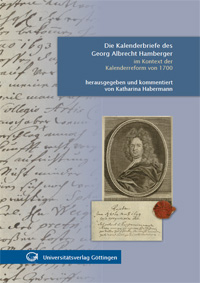
Katharina Habermann is a mathematician, lecturer, and researcher working as a subject librarian at the Göttingen State and University Library, where she is responsible for Mathematics and Computer Science. She serves as the overall project coordinator for the 'Mathematics Information Service' funded by the German Research Foundation (DFG) and is the scientific contact person for the Central Archive for German Mathematics Bequests, demonstrating her unique position bridging mathematical research and information science. PhD in Mathematics (Dr.rer.nat.) from Humboldt University of Berlin (1993) Habilitation (1999) Lecturer at Göttingen University (2005-present) Subject Librarian for Mathematics and Computer Science (2004-present) Her research spans two interconnected domains: mathematical sciences and information management. Early in her career, she focused on Differential Geometry, Global Analysis, and Mathematical Physics, particularly symplectic geometry and Dirac operators. More recently, her work has evolved toward the History of Mathematics, with special emphasis on Erhard Weigel (1625-1699), a key figure in 17th century mathematical sciences. Her information science expertise includes Mathematics Information Services, Information Literacy, Electronic Publishing, and Digital Libraries, creating a synergistic relationship between historical scholarship and contemporary information management. Her publication record reveals a clear trajectory from pure mathematics research to historical and information science topics. The earliest works focus on symplectic Dirac operators and twistor spinors, while more recent publications address Erhard Weigel's contributions, calendar reform history, and mathematical information systems. This evolution reflects her dual expertise as both a research mathematician and information specialist, with publications spanning prestigious mathematics journals and historical scholarship venues. Middle German Historian Prize in the 'History of Science' (2014) Gerhard Hess Award of the German Research Foundation (DFG) (2000) As both lecturer and subject librarian, Dr. Habermann coordinates significant DFG-funded projects that connect historical mathematical heritage with contemporary research needs. Her work on the Electronic Research Archive for Mathematics and vifamath initiative demonstrates practical applications of her research in creating accessible mathematical information resources. She has supervised numerous projects related to mathematical information infrastructure while maintaining active scholarly engagement through publications and conference organization. She leads the Central Archive for German Mathematics Bequests and coordinates the Mathematics Information Service, creating a vital link between historical mathematical heritage and current research practices. Her work with the Oxford Seminar in the History of the Exact Sciences and the Adam-Ries-Kolloquium demonstrates her commitment to fostering scholarly communities around mathematical history and information practices.
Dr. Penelope Ajani is an Adjunct Fellow at the School of Life Sciences, University of Technology Sydney (UTS), with over twenty years of experience in biological science, specializing in marine phytoplankton research. Her work spans academia, government, and private consulting sectors, with a strong focus on harmful algal blooms, phytoplankton dynamics, and the application of novel genetic tools to investigate marine ecosystems. Dr. Ajani earned her PhD from Macquarie University in 2014 and was awarded a UTS Chancellor's Post Doctoral Fellowship in the same year. Her educational background has provided a strong foundation for her research in marine biology and phytoplankton ecology. Dr. Ajani's research interests center on marine phytoplankton, particularly focusing on harmful algal blooms, phytoplankton dynamics in response to environmental changes, and the ecological interactions between phytoplankton and bacteria. Her work investigates how ecologically significant diatom species respond to ocean warming, providing critical insights into stress response mechanisms, gene function, and adaptive capabilities of marine organisms. She has developed innovative approaches using genetic tools to study the evolution, ecology, and toxicity of harmful algae, especially in relation to oyster farming and seafood safety. Analysis of Dr. Ajani's recent publications reveals a strong focus on marine microbial ecology, harmful algal bloom monitoring and prediction, and the application of molecular tools to aquaculture management. Her work spans diverse subfields including phytoplankton-bacteria interactions, diatom biogeography, climate change impacts on marine ecosystems, and the development of on-farm monitoring systems for shellfish safety. A significant portion of her recent research involves collaborative projects aimed at transforming Australian shellfish production through advanced monitoring techniques and environmental DNA analysis. ASLO Photographic Award "Microscopic Imagery" (2017) NSW Annual Coastal Management Innovation Award (2016) Chancellors Post Doctoral Research Fellowship (2015) ASLO Aquatic Sciences Meeting Early Career Travel Grant (2017) Australian Post Graduate Award (2010) NSW Food Authority PhD Top-up Scholarship (2010) Linnean Society Joyce Vickery Research Fund (2012) Macquarie University Post Graduate Research Fund (2012) Dr. Ajani has secured significant funding for her research, including grants from the Fisheries Research and Development Corporation, ARC Discovery Projects, UTS Seed Funding, and the Food Agility CRC. Her collaborative work extends across multiple institutions, with notable contributions to the Climate Change Cluster (C3) at UTS. She serves as a grant reviewer for Environmental Trust Grants and provides manuscript reviews for numerous prestigious journals in her field. As part of the Climate Change Cluster (C3) at UTS, Dr. Ajani contributes to interdisciplinary research teams focused on understanding and mitigating the impacts of climate change on marine ecosystems. Her work integrates molecular biology, ecology, and environmental monitoring to develop practical solutions for the aquaculture industry and environmental management.
Andrew Wolfe is a Visiting Assistant Professor in the Department of Mathematics and Computer Science at Loyola University New Orleans. With over three decades of software development experience, including cybersecurity work on defense intelligence systems since the 1980s and roles as a database architect for Oracle, he transitioned to academia part-time in the late 2000s. He became permanent faculty at Boston University in 2016 and joined Loyola in 2018, where he developed the Cybersecurity degree program launching in Fall 2020. Bachelor of Arts in Engineering and Applied Sciences from Harvard University (1983) Master of Science in Computer Science from Boston University (2005) His research and practice focus on Cybersecurity, Data Modeling, Database Implementation, Software Architecture, and Computer Science Education. Recent work explores modern teaching tools like GitHub Classroom, security gaps in web-based databases, and strategies for student success in IT courses. Articles highlight trends in database design, legacy system challenges, and cybersecurity pedagogy.