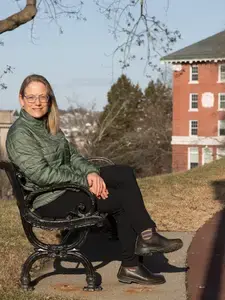
Dr. Julia Hoy is a Senior Lecturer at the University of Queensland's School of the Environment, specializing in wildlife conservation technology and animal behavior. Her research develops innovative solutions for wildlife management and conservation challenges. Key research areas include: Microchip-automated systems for wildlife monitoring and predator avoidance Behavioral ecology of Australian marsupials and predator-prey dynamics Conservation technology development and field applications Animal enrichment techniques for captive wildlife management Invasive species control methods Research outputs demonstrate: Pioneering work in microchip-automated conservation tools Innovative approaches to predator-prey management Interdisciplinary research combining ecology, technology and animal behavior
Sue McIntyre is an Honorary Professor at the Fenner School of Environment & Society, Australian National University (ANU), and an Honorary Fellow at CSIRO. She holds a BSc (Hons) and PhD in Botany from the University of Melbourne. Her research focuses on plant ecology, landscape ecology, and the interaction between natural ecosystems and human land use. She has led major projects in sustainable land use, including work with the rice and livestock industries, and contributed to global initiatives like the International Global Change and Terrestrial Ecosystems program. Key affiliations include the Mulligans Flat–Goorooyarroo Woodland Experiment (1,400 ha restoration project) and advisory roles on councils such as the Council for Sustainable Vegetation Management and the Threatened Species Conservation Committee. Her work emphasizes field-based management, restoration of grassy woodlands, and the integration of scientific research with practical conservation strategies. Her research interests span grassy ecosystems, grazing impacts, vegetation restoration using fire/weed management, and the effects of land use changes. She has over 100 refereed publications and is among the world's top 2% most highly cited scientists in ecology. Notable projects include the analysis of State and Transition Models for conservation planning and studies on herbivore management in the ACT. Qualifications: BSc (Hons) First Class (1980), PhD (1987), University of Melbourne Affiliations: ANU Fenner School, CSIRO, Bush Heritage Australia (board member, 8 years) Key Projects: Mulligans Flat restoration, Global Change and Terrestrial Ecosystems synthesis
Ross Crates is a Postdoctoral Research Fellow at the Fenner School of Environment & Society, Australian National University (ANU). His research focuses on ecology, evolution, and conservation, with a particular emphasis on birds. He leads projects on endangered species such as the regent honeyeater, King Island scrubtit, and brown thornbill, exploring habitat loss, predator management, and reintroduction strategies. Crates is also investigating animal cultures and the role of social learning in conservation outcomes. Education: BSc (First Class Honours in Ecology) from University of East Anglia (2006), followed by PhD research on regent honeyeater conservation. He previously worked as a research assistant at Oxford University’s Edward Grey Institute. Research interests include biodiversity conservation, population dynamics, and the impacts of environmental changes. He actively collaborates on projects addressing noisy miner management, mistletoe ecology, and genomic insights into endangered species. Grants and projects include funding from BirdLife Australia, Hunter LLS, and ANU initiatives. His work spans 43 publications and 17 active projects, emphasizing empirical and applied conservation science. Labs/Teams: Member of the Difficult Bird Research Group at ANU, leading interdisciplinary conservation efforts.
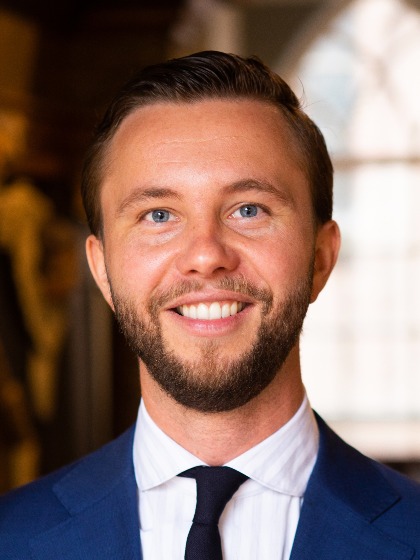
Christopher Li is an Assistant Professor of Economics and Political Science at Vanderbilt University , focusing on political economy and electoral systems . His work examines how polarization, policy sabotage, and behavioral voter dynamics influence governance and democratic accountability. Primary Affiliation: Department of Economics and Political Science, Vanderbilt University His research interests in political economy and public economics are reflected in publications analyzing electoral control, career concerns with observable actions, and policy design in polarized environments. The most recent articles span interdisciplinary domains, including medical research on colorectal cancer and physician-scientist training, alongside political economy studies on polarization and electoral accountability. Despite varied topics, the unifying theme appears to be systemic analysis of institutions and biological processes.
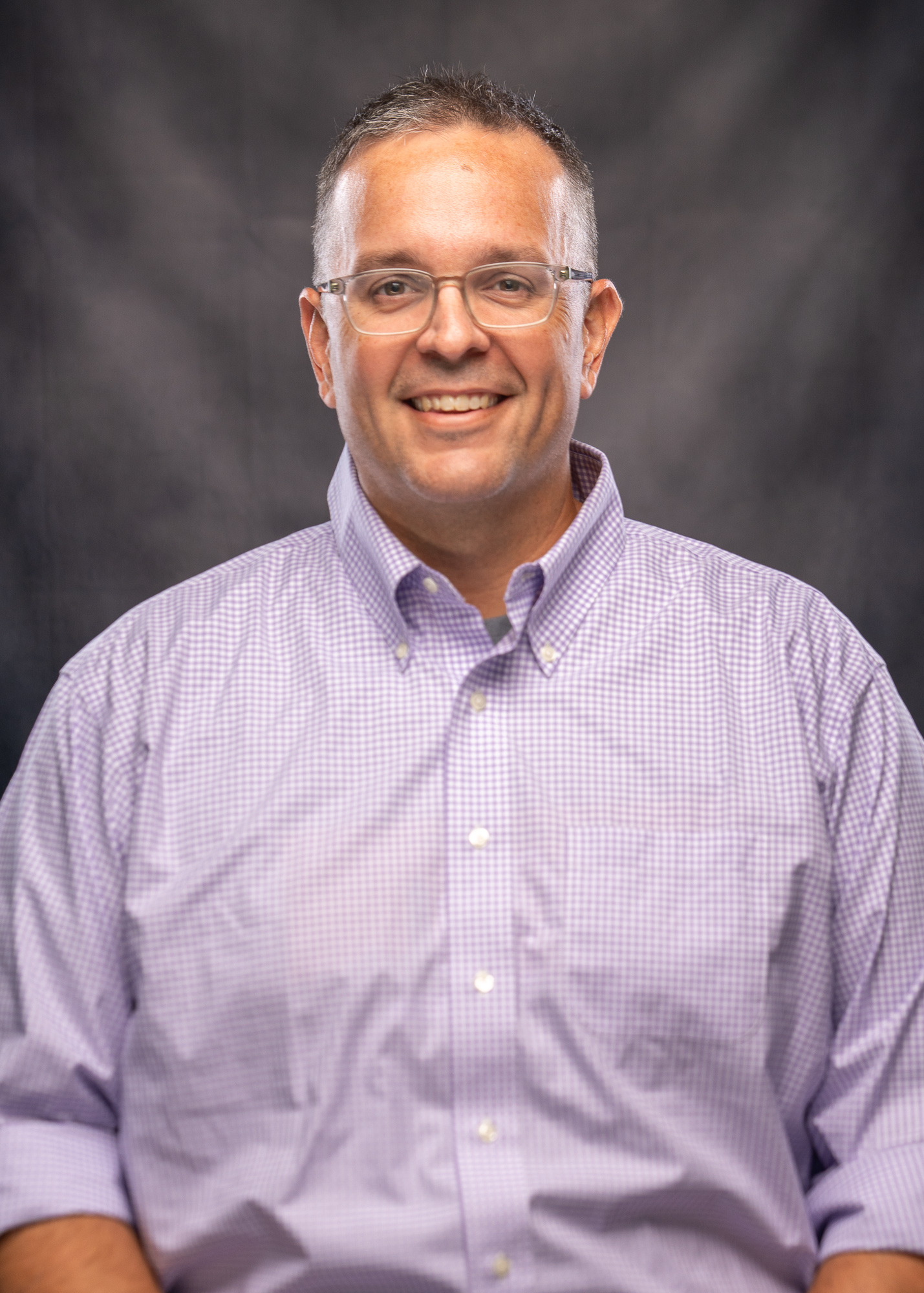
Dr Chris Field is a Reader in Environmental Ecology at Manchester Metropolitan University, focusing on plant and ecosystem responses to nitrogen air pollution and peatland restoration for biodiversity and carbon sequestration. His research has secured over £1.5M in funding from Natural England, BBSRC, NERC, and EU Interreg programs. He leads projects like the OPENpeat initiative and the Care-Peat restoration program, emphasizing sustainable agricultural peatland use and carbon farming. Field collaborates with NGOs and government agencies, including Natural England and DEFRA, to inform policy and land management practices. He contributes to the Great Manchester Wetlands Partnership and Lancashire Peatlands Initiative. Teaching responsibilities include undergraduate and postgraduate courses in ecology, environmental science, and restoration science. Field supervises three current PhD students and has completed four PhD supervisions. His work has influenced policy through the REF2021 Impact Case Study on habitat restoration and carbon storage. Key projects include the Horizon Europe-funded PalusDemos (€11M) and the Natural England Paludiculture Exploration Fund (OPENpeat, £330k). He also coordinates monitoring programs using Earth Observation and leads the NERC Policy Fellowship on atmospheric pollutants. Awards include the REF2021 Impact Case Study recognition and leadership roles in major EU-funded initiatives.
Dr. Sarah Griffiths is a Senior Lecturer in Molecular Ecology and Conservation Genetics at Manchester Metropolitan University. Her research explores genetic diversity in ecological systems, focusing on its implications for population ecology, community resilience, and biodiversity conservation. Primary study system: marine sponges and their microbiomes Conservation themes: ocean acidification, habitat restoration, disease dynamics Methodologies: population genetics, microbial ecology, gene expression analysis Her teaching spans undergraduate and postgraduate biological sciences programs, covering genetics, marine ecology, molecular biology, and environmental change. She also leads field courses in biodiversity monitoring. Recent research outputs reveal a focus on: Host-microbiome interactions across diverse ecosystems Genetic connectivity in marine species Applications of molecular tools for conservation Environmental stress responses in keystone organisms
Leila Philip is a Professor at the College of the Holy Cross, serving as Creative Writing Program Coordinator and Rev. John E. Brooks, S.J. Chair in the Humanities. Her expertise spans Creative Writing, Non-fiction, Poetry, and Journalism, with a focus on environmental narratives. Philip holds an M.F.A. from Columbia University. Her research explores intersections of wildlife conservation and human history, notably through her acclaimed book Beaverland , which investigates beavers' ecological and historical impacts in North America. She contributes to media platforms like The New York Times , Wall Street Journal , and CBS News Radio , addressing environmental policy and biodiversity issues. Philip’s work bridges literary creativity with scientific advocacy, emphasizing ecological restoration and climate resilience. Education : M.F.A., Columbia University. Research Focus : Environmental storytelling, beaver ecology, and the role of non-human species in shaping human history. Recent articles highlight beavers' roles in fire mitigation and hydrological systems, while her podcast and book explore colonial-era fur trade dynamics and modern conservation efforts. Awards & Recognition : Beaverland achieved New York Times Best Seller status, NPR Science Friday Book Club Selection, and New York Public Library Book of the Day honors. Grants & Advising : No specific grants listed; her advocacy work extends to partnerships with wildlife managers and environmental groups. No students listed, though she mentors through creative writing programs.
Dr. Andrew Coleman serves as an Assistant Professor of Biology at Talladega College since August 2019. He oversees the Biology Club and organizes study abroad trips to Belize, focusing on ecological fieldwork and cultural immersion. Prior to his academic role, he taught at multiple institutions including Hueytown High School, Jefferson State Community College, and University of Alabama at Birmingham. His professional experience also includes roles as Program Director at Alabama Audubon and Senior Research Scientist at the Institute for Marine Mammal Studies. Dr. Coleman holds a B.S. in Biology from the University of Alabama (Tuscaloosa), dual M.S. degrees in Biology (Appalachian State University) and Environmental Sciences & Policy (Johns Hopkins University), and a Ph.D. in Biology from the University of Alabama at Birmingham. His research focuses on turtle ecology and conservation, with emphasis on population dynamics, habitat preservation, and human-wildlife interactions. Key areas include sea turtle migration patterns, bycatch mitigation strategies, and urban wildlife demographics. Recent work explores predation behaviors of bald eagles on freshwater turtles and the status of endangered alligator snapping turtles in Alabama. Over 20 articles published since 2005 reflect his expertise in marine and freshwater ecosystems, including studies on Kemp’s ridley sea turtles, diamondback terrapins, and bottlenose dolphin distributions. His fieldwork spans the Gulf of Mexico, Mississippi Sound, and Alabama salt marshes. Advising roles and grants include leading student fieldwork initiatives and collaborating with institutions like the Institute for Marine Mammal Studies. His work bridges ecological research with applied conservation practices, emphasizing community engagement and policy-informed solutions.
Dr. Alexandra Pavlova is a Senior Research Fellow at Monash University's School of Biological Sciences. She co-leads the Wildlife Genetic Management Group and co-founded the Wildlife Genetic Management Hub. Her research focuses on applying evolutionary principles to enhance conservation strategies for wildlife populations, with expertise in conservation genetics and genomics. She collaborates closely with wildlife agencies to translate research into policy, ensuring genetic health and resilience of endangered species. Research interests include genetic management of fragmented populations, climate adaptation in wildlife, and bridging scientific research with practical conservation outcomes. Key projects include genetic rescue strategies for endangered fish and birds, and optimizing habitat connectivity. Her work contributes to UN Sustainable Development Goals related to biodiversity preservation and climate action. Recent projects include 'Upscaling genetic management of wildlife populations' (2024–2027) and 'Developing genetic management plans for Malleefowl'. She has led over 26 projects and published 66+ articles, emphasizing genomic tools for conservation and hybrid zone dynamics. Pavlova's research integrates mitochondrial and nuclear genomics to address climate-driven challenges in species survival.
Steven Osofsky is the Jay Hyman Professor of Wildlife Health & Health Policy at Cornell University's College of Veterinary Medicine, affiliated with the Department of Population Medicine and Diagnostic Sciences. He leads the Cornell K. Lisa Yang Center for Wildlife Health and co-founded the AHEAD (Animal & Human Health for the Environment And Development) Program. His work focuses on integrating conservation, public health, and sustainable development through a One Health/Planetary Health lens. Education includes an A.B. in Biology from Harvard College (1984) and a D.V.M. from Cornell University (1989). He has extensive field experience, including as Botswana’s first Wildlife Veterinary Officer and roles at the Wildlife Conservation Society and World Wildlife Fund. His research emphasizes transboundary disease management, wildlife-livestock interfaces, and policy solutions for biodiversity conservation. Key publications address wildlife health, pandemic prevention, and ecosystem health. He has received the Benjamin A. Trustman Travelling Fellowship and the Fossil Rim Wildlife Center Field Conservation Fellowship. His professional activities include over 100 lectures and workshops on One Health, Planetary Health, and conservation policy worldwide.
Dr. Marin Cvitanovic serves as Principal Academic in Human Geography at Bournemouth University, specializing in human-environment interactions during societal transformations including post-socialism and globalization. His research examines landscape changes, social structures, and environmental justice through mixed-method approaches combining qualitative/quantitative surveys and GIS analysis. He holds a PhD in Geography (2014) and Master of Education in Geography (2007), both from the University of Zagreb. His research interests focus on: Post-socialist landscape transformations in Eastern Europe Mangrove ecology and community resource use in East Africa Urban agriculture systems in transitional societies Biodiversity conservation in human-modified landscapes Recent publications reveal strong thematic consistency in environmental geography, with 70% of his 2019-2025 output addressing mangrove ecosystems or post-socialist landscape changes. His work consistently integrates social justice dimensions with ecological analyses, contributing to UN Sustainable Development Goals for Reduced Inequalities, Sustainable Cities, and Life on Land. His scholarly recognition includes: Fellow of the Royal Geographical Society (2018-present) Fellow of the Higher Education Academy (2017-present) As a supervisor, he currently guides PhD candidates Jack Olley and James Jackson, having successfully completed Amina Juma Hamza's doctorate. He actively reviews for leading journals including Tijdschrift voor Economische en Sociale Geografie and Human Ecology , while teaching undergraduate courses in Human Geography and Urban Social Geography. His international collaborations span Croatia, Kenya, Cyprus, and Indonesia.
Pippa Gillingham is an Associate Professor of Biogeography at Bournemouth University. She specializes in interdisciplinary research addressing climate change, biodiversity conservation, and sustainability, with a focus on species distribution, microclimate ecology, and nature-based solutions. She leads the Communicating Climate Change and Sustainability for Society research cluster and contributes to teaching at both undergraduate and postgraduate levels. Research Interests : Climate change adaptation, species distribution modeling, microclimate refuges, protected areas management, conservation genetics, and human-environment interactions. Supervision : Co-supervises six postgraduate research students and has guided 11 PhD and two MRes students to completion. Collaboration : Maintains partnerships with environmental organizations and co-led international networks in microclimate ecology. Her recent publications explore red squirrel conservation, river ecosystem dynamics, and climate-driven species distribution shifts. She emphasizes knowledge exchange and public engagement through outreach programs and conference presentations.
Professor Anne Goodenough is a leading academic in applied ecology at the University of Gloucestershire, specializing in wildlife survey techniques, conservation management, and the application of technology in ecological research. She holds a PhD in Conservation Biology and is a Chartered Biologist and Senior Fellow of the Higher Education Academy. Her roles include leading the MSc Applied Ecology program and teaching undergraduate and postgraduate courses in ecology, avian biology, and conservation. Her research focuses on optimizing survey methods using thermal imaging, acoustic sensors, and citizen science. Key areas include bat monitoring, African antelope surveys, and understanding starling murmurations through social media data. She collaborates with organizations like the Royal Society of Biology and chairs the Ecological Advisory Group for Gloucestershire. Professor Goodenough has received prestigious awards, including the National Teaching Fellow (2013) and Royal Society of Biology Fellow (2021). She supervises numerous PhD and MRes students, advancing topics such as climate impacts on bird distributions and parasite dynamics in African herbivores. Her external roles include trustee of Gloucestershire Wildlife Trust and external examining at Oxford and the University of Bedfordshire. Her work emphasizes bridging theory and practice through field courses, internships, and partnerships with industry. Notable publications include textbooks like Applied Ecology: Monitoring, Managing and Conserving and over 100 peer-reviewed articles.
Elizabeth Makings is a Researcher and Collections Manager at the Arizona State University Vascular Plant Herbarium within the School of Life Sciences. She oversees a collection of over 340,000 plant specimens and manages global loan/exchange programs. Her roles include teaching Arizona Flora, Grasses of Arizona, and Sonoran Desert Field Botany, while mentoring over 30 graduate and undergraduate students. She is an administrator for the Southwest Environmental Information Network (SEINet), contributing to digital data management. Education: MS in Plant Biology, Arizona State University (2003) B.A. in Environmental, Population, and Organismal Biology, University of Colorado, Boulder (1988) Research Interests: Focus on plant diversity, distribution, and evolutionary history, applied to conservation and outreach. Specializes in desert flora and cienega ecosystems. Active in floristic inventories (e.g., San Pedro Riparian NCA) and taxonomic documentation. Recent Publications Trends: Her work emphasizes endangered species conservation (e.g., Eryngium sparganophyllum ), floristic inventories in arid regions, and plant-insect interactions. Collaborations highlight interdisciplinary approaches to desert ecology and urban river restoration. Service & Outreach: Lead over 20 outreach initiatives (e.g., K-12 plant workshops, natural history field trips) Cofounder of the JEDI Biocollections Scholars Program for underrepresented students Consultant for law enforcement plant identification and botanical legal cases Advising & Grants: Supervised 20+ graduate theses/dissertations (e.g., Luke Ramsey’s work on Salt River wetlands). Secured grants for fieldwork, herbarium digitization, and conservation projects (e.g., SEINet maintenance). Labs/Teams: Directs ASU Herbarium operations and collaborates with the Natural History Institute on field expeditions. Active in the Society of Herbarium Curators and Arizona Native Plant Society.
Lolke Braaksma is an Assistant Professor at the Department of Constitutional Law, Public Law and Public Administration within the Faculty of Law at the University of Groningen. He holds a PhD from the University of Groningen (2023), for which he won the Praemium Erasmianum Dissertation Prize in 2024. His research focuses on environmental law , particularly reconciling socio-economic development with ecosystem conservation. Key interests include legal mechanisms for curbing pollution rights, integrated environmental governance, and the implementation of EU directives in national frameworks. He has published extensively on topics such as the programmatic approach to environmental regulation, wolf conservation legal frameworks, and waste management compliance. Braaksma serves on the Board of Appeal for Examinations (CBE) and the Commissie Rechtsbescherming Provincie Groningen . He teaches courses like Administrative Law and Market Regulation, and coordinates the first-year Honours College program. His work contributes to UN Sustainable Development Goals related to climate action and responsible consumption. Notable publications include analyses of the MSC Flaminia waste management case , legal strategies to halt Chemours operations, and the implications of EU rulings on wolf reintroduction ( WWF Österreich and ASCEL cases). Scientific Awards: Praemium Erasmianum Dissertation Prize (2024) Teaching: Courses on Administrative Law, European Constitutional Law, and Honours College modules on sustainable governance. Public Engagement: Commented on glyphosate use near schools and nitrogen crisis management strategies.