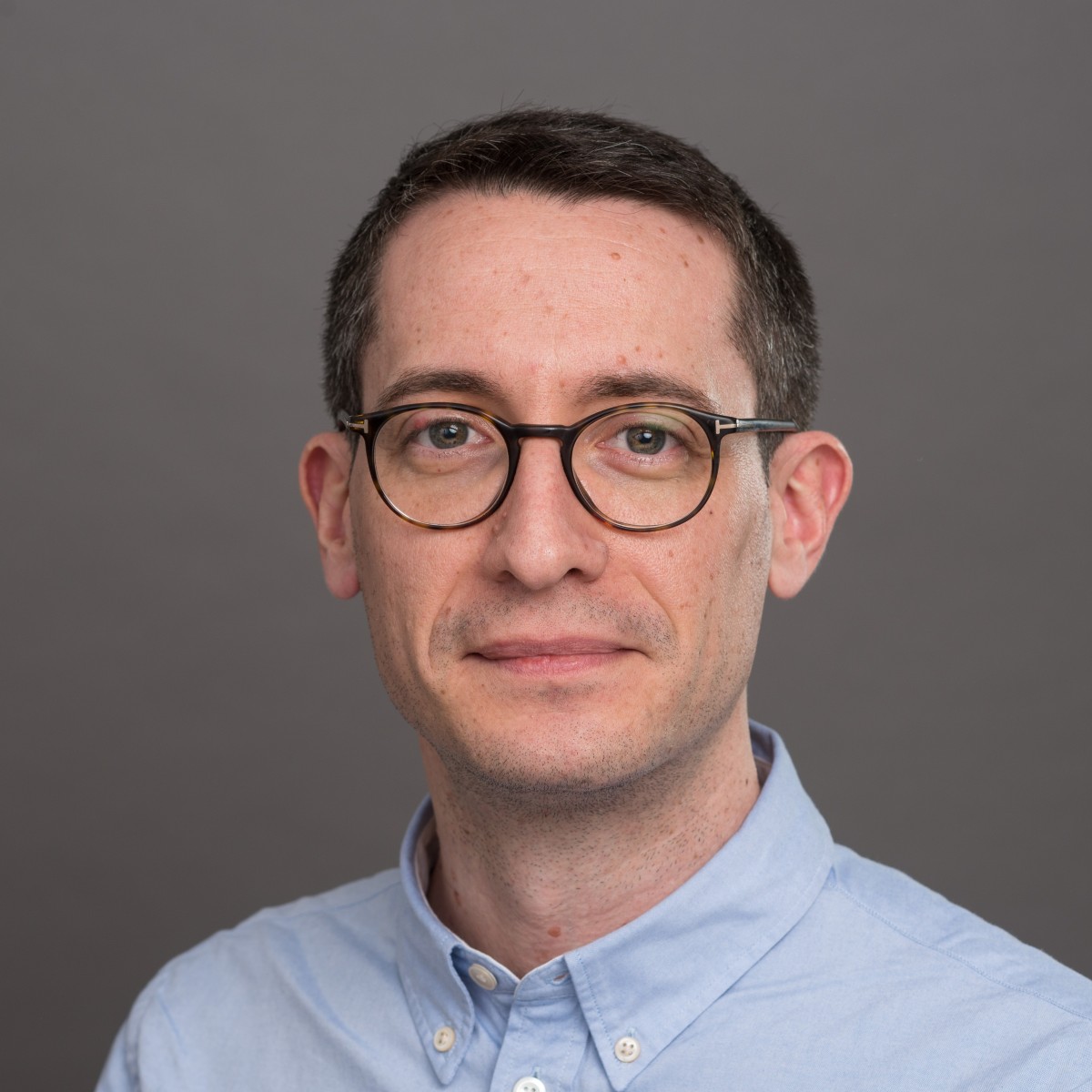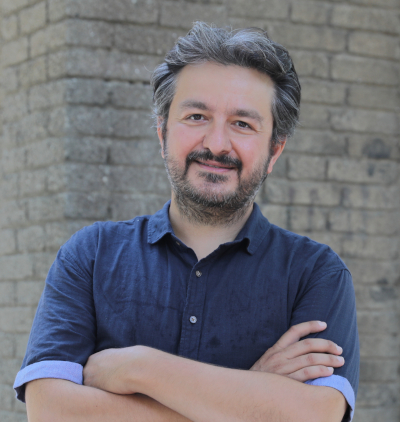
Bob KirschView profile
Professor
Bob Kirsch serves as Professor and Department Chair of Biomedical Engineering at Case Western Reserve University, where he also directs the Cleveland FES Center. His research focuses on restoring motor function for paralyzed individuals through neural engineering innovations in brain-computer interfaces and functional electrical stimulation systems. His educational background includes: Ph.D. in Biomedical Engineering from Northwestern University M.S. in Biomedical Engineering from Northwestern University (1986) B.S. in Electrical Engineering from the University of Cincinnati (1982) Dr. Kirsch's research spans intracortical brain-computer interfaces for movement restoration, neural decoding algorithms for grasp force and speech, and functional electrical stimulation integration with BCI systems. His work emphasizes closed-loop control architectures , artifact reduction in neural recordings , and reinforcement learning approaches for neuroprosthetic control, targeting clinical translation for tetraplegia rehabilitation. Analysis of his 2016-2020 publications reveals consistent focus on improving BCI calibration speed, enhancing movement decoding accuracy, and developing robust systems for real-world use. Key trends include leveraging human-generated rewards for controller training, addressing signal-independent noise limitations, and creating hybrid approaches combining cortical recordings with FES for functional movement restoration. His recognition includes: Faculty Distinguished Research Award from Case Western Reserve University (2023) As Department Chair and Cleveland FES Center Director, Dr. Kirsch leads multidisciplinary teams developing next-generation neuroprosthetics. His research program, supported by NIH and NSF grants, trains graduate students in neural engineering while advancing clinical applications through the BrainGate consortium collaboration. Current efforts focus on improving BCI communication rates and expanding movement restoration capabilities for paralyzed individuals. The Cleveland FES Center under his direction serves as a hub for neuroprosthetics innovation, integrating expertise in neural signal processing, biomechanics, and clinical rehabilitation to develop practical solutions for restoring lost motor function through implanted and non-invasive technologies.