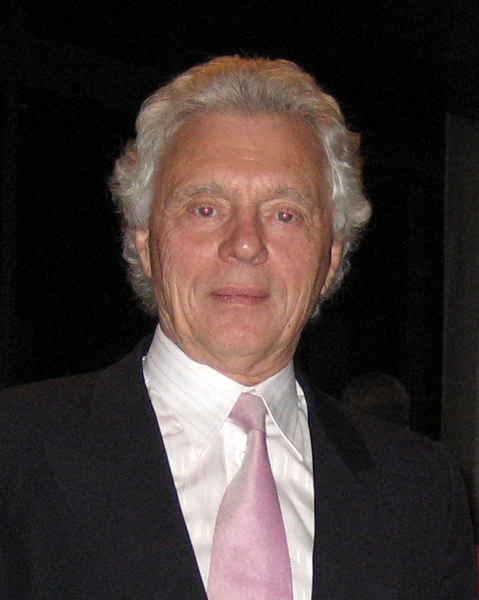
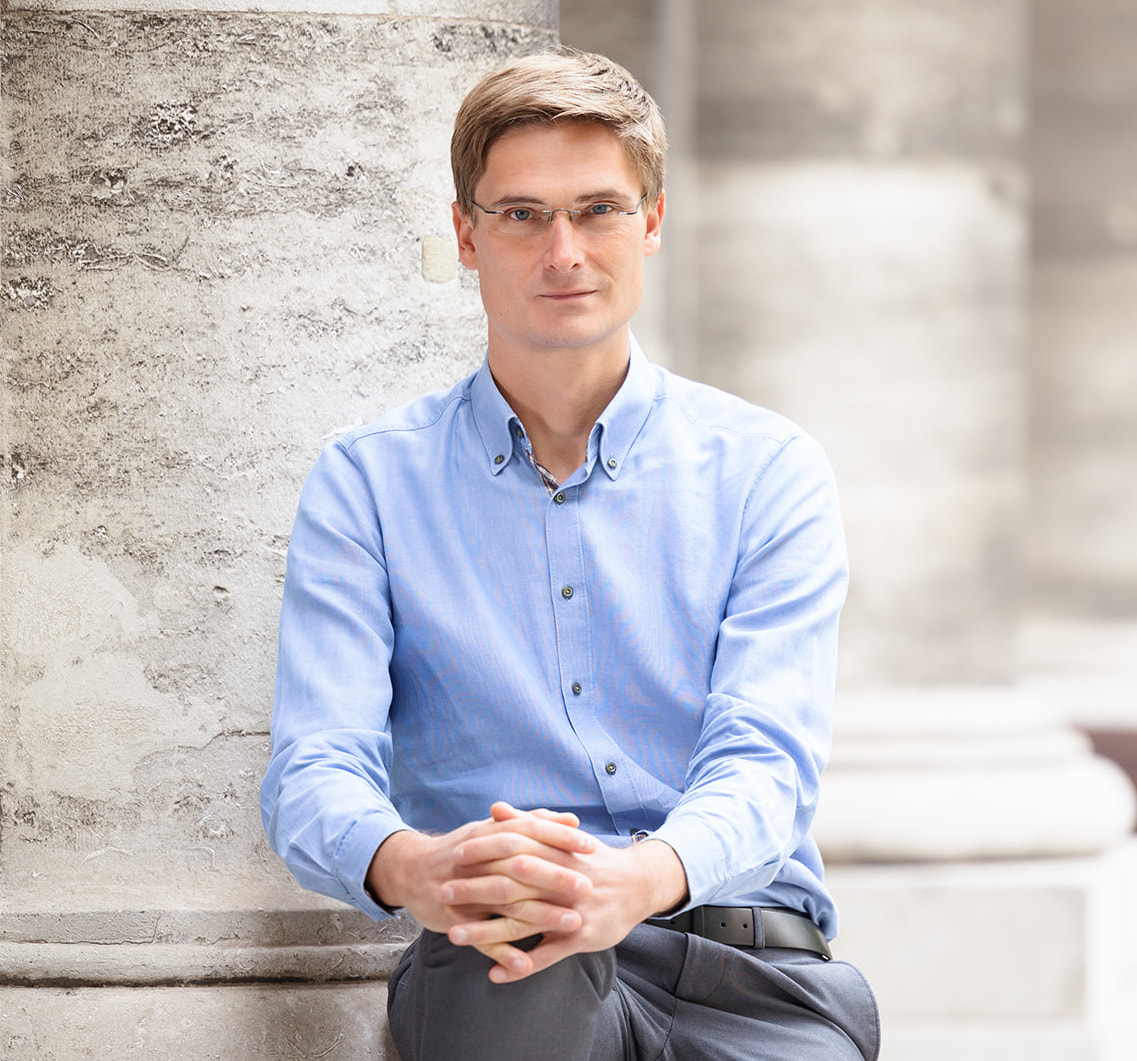
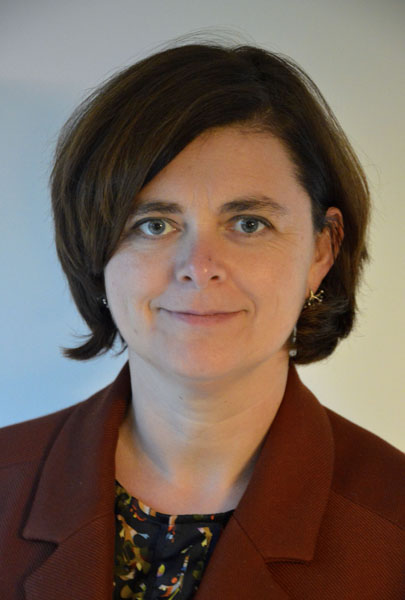
Allen J. Scott is a Distinguished Research Professor at the University of California, Los Angeles, with a joint appointment in the Department of Public Policy (School of Public Affairs) and Department of Geography. He has held prestigious positions at UCLA since 1994 and previously at the University of Toronto (1969–1994). His career spans over five decades, focusing on urban geography, regional development, and cultural economy. Education : BA (1961) from Oxford University; MA and PhD (1962, 1965) from Northwestern University. Research Interests include: Creative cities and cognitive-cultural capitalism Political economy of urbanization and globalization Industrial clusters and labor-intensive economies Human capital distribution in metropolitan areas Cultural landscapes and peripheral development Publication Trends (2005–2014) emphasize: Globalization's impact on low-technology industries Cognitive-cultural capitalism in urban contexts Human capital dynamics in metropolitan hierarchies Celebrity culture and urban glamour Creative field theories and urban policy implications Scientific Awards : 1986 Guggenheim Fellow 2003 Vautrin Lud Prize 2005 Meridian Book Prize 1999–2013: Chaires d’Excellence, Fellowships, and Doctor Honoris Causa 2008 Carol and Bruce Mallen Lifetime Achievement Award 2003 ISI Highly Cited Author
Angelo Peccerillo is a distinguished Full Professor of Petrology at the University of Perugia, Italy, with an extensive academic career spanning multiple Italian universities. He previously served as Full Professor of Petrology at the Universities of Calabria (1993-1997) and Messina (1985-1993), and as Associate Professor of Volcanology (1982-1985) and Assistant Professor (1971-1982) at the University of Florence. He earned his Laurea Degree in Geology from the University of Florence in 1970 and has been a member of Academia Europaea since his election. Peccerillo's research focuses on the petrology and geochemistry of magmatic processes, with particular expertise in igneous petrology, geochemistry, volcanology, orogenic volcanism, and continental rift magmatism. His scholarly work has established him as a leading expert in understanding the complex relationships between mantle processes, crustal interactions, and volcanic activity in the Mediterranean region and beyond. His research methodology integrates petrological, geochemical, and geophysical approaches to develop comprehensive models of magmatic systems. Analysis of Peccerillo's recent publications reveals a consistent focus on magmatic processes across diverse geological settings. His work spans from detailed studies of specific volcanic systems like the Aeolian Islands and Ethiopian Rift to broader investigations of mantle structure and geodynamic processes in the Mediterranean region. A recurring theme is the integration of multiple analytical approaches to model magma plumbing systems, understand mantle composition, and elucidate the geodynamic evolution of volcanic regions, particularly examining the relationships between deep and shallow mantle processes. Antonio Feltrinelli Price 2006 for Earth Sciences, awarded by the National Academy of Lincei, Italy Professor Peccerillo has supervised numerous MSc and PhD students both at his home institution and abroad. His editorial leadership includes serving as Chief Editor of the "European Journal of Mineralogy" from 2006 to 2008 and membership on the editorial boards of several prestigious journals including "Lithos," "Journal of Volcanology and Geothermal Research," "Geological Society of Italy Bulletin," and "Open Mineralogy Journal." He has been actively involved in research evaluation, serving on national and international panels for organizations such as NSF, ESF, CNR, MIUR, and NATO. Peccerillo maintains strong international scientific connections through visiting positions at institutions like the Australian National University, University of Gottingen, and University of Paris XI at Orsay. His leadership extends to professional organizations, having served as President of the Italian Petrology Group and currently as a Member of Academia Europaea. His administrative experience includes serving as Department Head and Coordinator of PhD programs at the Universities of Messina, Cosenza, and Perugia.
Andreas Eckert is Professor and Chair of African History at Humboldt University Berlin, where he also serves as Director of the International Research Centre "Work and Human Life Cycle in Global History" since 2009. Previously, he was Head of Department at the Institute of Asian and African Studies (2008-2009) and Dean of the Faculty of History and Philosophy at the University of Hamburg (2004-2006). His academic career includes visiting professorships at Harvard University, Maison des Sciences de l'Homme in Paris, and Indiana University. Professor Eckert's research focuses on African history in the 19th and 20th century , with particular emphasis on the history of the state, urbanization, and historiography. His scholarly work extends to comparative history of colonialism , history of work/labour history , and global history . His approach combines deep regional expertise in African contexts with transnational and comparative perspectives that challenge traditional historical narratives. Eckert's publication record demonstrates a consistent engagement with themes of state formation, labor relations, urban development, and historical methodology in African contexts. His work spans from detailed case studies of specific regions like Douala and Tanzania to broader conceptual explorations of how Africa fits into world historical narratives. A notable trend in his scholarship is the examination of entangled histories that connect local African experiences with global processes of colonialism, decolonization, and postcolonial state formation. His notable achievements include: 2012 Guest Fellowship at Freiburg Institute of Advanced Study Election as chairperson of "Forum Transregionale Studien" (2011) Major Grant from the German Ministry for Research and Education for the Institute "Work and Human Life Cycle in Global History" (2009) Election as chairperson of "Arbeitskreis für Moderne Sozialgeschichte" (2007) Managing Editor of the Journal of African History (2004-2011) Fellowship in the Royal Historical Society (2000) As Director of the International Research Centre "Work and Human Life Cycle in Global History," Eckert has secured significant funding including a major grant from the German Ministry for Research and Education (2009-2015). He has also served on the Board of the International African Institute in London and has been actively involved in scholarly organizations including the "Forum Transregionale Studien" and "Arbeitskreis für Moderne Sozialgeschichte." Under Eckert's leadership, the International Research Centre "Work and Human Life Cycle in Global History" brings together scholars from multiple disciplines and countries to examine the historical dimensions of work and human life cycles from a global perspective. The center serves as a hub for innovative research that transcends traditional geographic and disciplinary boundaries.
Philipp Budka is a Researcher (PostDoc) and Lecturer at the Department of Social and Cultural Anthropology, University of Vienna. He leads the North American research region for the ERC Advanced Grant project 'InfraNorth' and investigates transport infrastructures in northern Canada. Budka co-founded the Digital Ethnography Initiative and is a member of the Austrian Polar Research Institute (APRI). He holds a Mag.phil. in Cultural Anthropology and Communication Studies from the University of Vienna and Utrecht. His doctoral research focused on Indigenous digital infrastructures in northwestern Ontario, Canada. Education: Mag.phil. (2003), PhD in Cultural Anthropology (2017) Research Interests: Digital Anthropology, Infrastructure Studies, Media Anthropology, Indigenous Technologies His research explores sociotechnical systems, digital ethnography, and infrastructure sustainability in remote regions. Budka has co-edited volumes on media and conflict and ritualization, and is currently working on monographs about Indigenous online platforms and transport infrastructures in Canada. Grants: ERC Advanced Grant (InfraNorth), various teaching and research roles at FU Berlin and HMKW Berlin. He was co-leader of the Media Anthropology Network (EASA) from 2017–2024. Labs/Teams: Team of the Lehrendenvertretung (Teaching Representatives), Digital Ethnography Initiative, InfraNorth Project.
Giovanni Dosi is a Professor of Economics at the Institute of Economics, Scuola Superiore Sant'Anna, Pisa, Italy . He co-directs the Intellectual Property Task Force at Columbia University's Initiative for Policy Dialogue and serves as a Continental Europe Editor for Industrial and Corporate Change . Recognized as an ISI Highly Cited Researcher and a Corresponding Member of Accademia Nazionale dei Lincei , his work spans evolutionary economics and innovation studies. Education: Laurea in Philosophy (1976, University of Milan), PhD in Economics (1983, University of Sussex) Dosi’s research focuses on Economics of Innovation , Industrial Dynamics , and Agent-Based Macroeconomics , analyzing how technological and organizational innovations drive capitalist systems. His work examines global value chains, productivity slowdowns, and the role of policy in innovation ecosystems. Scientific Awards: 2022 Penrose Award (EURAM) for evolutionary economics 2016 Wiley TIM Distinguished Scholar Award ISI Highly Cited Researcher (since 2010) Honorary Professor, Manchester Business School (since 2009) Commendatore al merito della Repubblica Italiana (since 2014)
Gerald Pruckner is a Professor at the Department of Economics, Johannes Kepler University Linz (JKU), where he serves as Head of the Institute of Health Economics and Dean of the Kurt Rothschild School of Economics and Statistics (RoSES). His academic career spans over three decades with significant leadership roles including heading the Christian Doppler Laboratory for Aging, Health, and the Labor Market (2014-2021), and serving on the board of the Austrian Health Economics Association (ATHEA). He teaches multiple courses including Introductory Microeconomics, Empirical Economics, and Health Economics for the 2025W semester. Pruckner earned his PhD in Economics from the University of Linz in 1993. His academic journey began as an Assistant Professor at JKU (1989-2002), followed by a Professorship at the University of Innsbruck (2002-2006), then returning to JKU as Associate Professor (2006-2010) before his current Professorship (since 2011). He has held visiting positions at the University of Adelaide and UC Berkeley. His research focuses at the intersection of health economics, behavioral economics, and aging, examining healthcare systems, physician behavior, and the relationship between labor markets and health outcomes. Recent work investigates hospital crowding effects, gender differences in medical practice, chronic disease screening effectiveness, and child health services. His research consistently applies economic principles to understand healthcare delivery with emphasis on the Austrian context, often utilizing register data for evidence-based policy insights. Analysis of Pruckner's publication trends shows a sustained focus on practical healthcare issues with policy relevance. His work spans hospital management challenges, gender differences in medical practice, chronic disease screening effectiveness, and child health services. The research consistently bridges academic inquiry with practical health policy applications, with increasing attention to pandemic impacts and digital transformation in healthcare. Board member of Austrian Health Economics Association (ATHEA) since 2015 Member of Health Economics Committee (Verein für Socialpolitik) since 2013 Deputy head of national research network 'The Austrian Center for Labor Economics and the Analysis of the Welfare State' (2008-2013) Head of Christian Doppler Laboratory for Aging, Health, and the Labor Market (2014-2021) Pruckner actively mentors graduate students through dissertation colloquia and master's thesis supervision. His research portfolio includes 23 projects with significant funding, including current work on health services research in Upper Austria and empirical analysis of Linz healthcare provision. As Dean of RoSES and Head of the Health Economics Institute, he provides institutional leadership while maintaining an active research agenda with over 100 publications. He leads multiple research teams focused on health services research, with current projects examining healthcare provision in Linz, health indicators for the region, and broader health system analysis. His work bridges academic research and practical health policy applications through collaborations with regional health authorities and participation in professional associations.
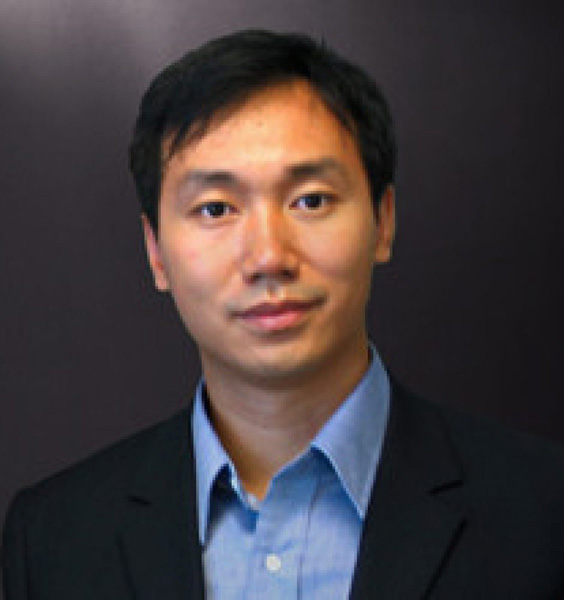
Lin Chen is the Chair Professor of Finance and Stelux Endowed Professor in Finance at the University of Hong Kong (HKU), serving as Associate Dean (Research and Knowledge Exchange) in the Faculty of Business and Economics. He holds a PhD from the University of Florida and has held academic leadership roles at HKU and Chinese University of Hong Kong (CUHK). His research focuses on financial technology, banking systems, corporate finance, and economic development, with notable contributions to understanding financial resilience during crises and institutional reforms. Educations: PhD/MBA in Finance from University of Florida, B.E. in Engineering from South China University of Technology Leadership roles: Associate Dean (HKU), Board Member of HKU-Standard Chartered FinTech Academy, Currency Board Committee member Research interests span financial innovation , banking competition , corporate governance , and ESG integration . Key projects include RGC Theme-based grants on FinTech stability/inclusion and HK's financial center development. His work is published in top journals like Journal of Financial Economics and Review of Financial Studies . He has advised major institutions including Hong Kong Monetary Authority, World Bank, and China Construction Bank. Awards include the Jensen Prize (2011), Nobel nomination (2016), and honorary professorships from Edinburgh and Berkeley. Grants coordination includes HK$24.4 million FinTech project (2020-2025) and leadership roles in research centers like HKU’s Financial Innovation & Development Centre. Active in editorial roles for Management Science and policy advisory groups. Media engagements include BBC, Bloomberg, and Harvard Law School forums. Current initiatives focus on Web3.0 development in HK and financial inclusion strategies.
Uwe Zdun is a Professor at the Faculty of Computer Science, University of Vienna, where he serves as Vice-Director of Studies for Computer Science and Head of the Research Group Software Architecture. His teaching portfolio includes core courses such as Software Engineering 2, Advanced Software Engineering, and Practical Software Courses for Bachelor's and Master's theses across multiple semesters (2024W-2025S). His research spans software architecture with emphasis on microservices, cloud computing, and DevOps. Key focus areas include architectural design decisions, infrastructure-as-code conformance, security in distributed systems, and the integration of machine learning operations (MLOps/RLOps). He investigates cognitive aspects of architecture practices through controlled experiments and develops model-driven approaches for quality assessment in complex systems. Recent publications (2024-2026) reveal three dominant trends: (1) Security and coupling analysis in infrastructure-as-code deployments, (2) MLOps/RLOps integration for Industry 4.0 cyber-physical systems, and (3) Performance optimization patterns for CI/CD pipelines and autoscaling. His work bridges theoretical architecture models with industrial practice, particularly in microservice ecosystems and reinforcement learning applications. Professor Zdun leads the Research Group Software Architecture at the University of Vienna's Faculty of Computer Science. The group focuses on empirical validation of architectural patterns, tool development for conformance checking, and advancing design decision methodologies in cloud-native and AI-driven systems.
Thomas Jaeger is a Professor of European Law at the University of Vienna’s Faculty of Law, specializing in the Internal Market and Competition within European Commercial Law. He leads the Institute for European, International and Comparative Law and serves as President of the Austrian Society for European Law (ÖGER), a member of FIDE, advocating for Austrian perspectives in EU legal developments. His research spans European Commercial Law, State Aid Law, Media Regulation , and Intellectual Property , with notable publications addressing EU legal frameworks for transport, digital markets, and gambling concessions. Recent lectures focus on state aid challenges, constitutional identity conflicts , and merger control . Jaeger supervises dissertations requiring significant scientific contribution and has organized events like the European Law Roundtable with CJEU and State Aid Law Day . He has held visiting roles at Hannover and Munich universities and previously worked at the Max Planck Institute and UNHCHR .
Averil Cameron is a distinguished Professor of Late Antique and Byzantine History at the University of Oxford, previously serving at King's College London from 1978–1994. Her research focuses on the intersection of political, religious, and cultural dynamics in late antiquity and Byzantium. She has held prominent roles such as President of the Council for British Archaeology in the Levant and has been honored with prestigious awards including the British Academy Kenyon Medal (2020) and DBE (2006). Her academic contributions include foundational texts on Procopius, Eusebius, and the Mediterranean world. Notable works like Byzantine Matters (2014) and Dialogues and Debates from Late Antiquity (2017) explore intellectual and religious discourses. She has edited volumes in the Cambridge Ancient History series, shaping scholarly narratives on Roman and Byzantine empires. Cameron’s publications consistently bridge micro-historical analysis with macro-historical trends, emphasizing how cultural and political shifts in late antiquity laid foundations for medieval Europe and the Islamic world. Her work integrates textual criticism, archaeological insights, and interdisciplinary approaches to reconstruct complex historical phenomena. Awards: Kenyon Medal, DBE, CBE, Fellow of British Academy Editorial Roles: Cambridge Ancient History series, British Archaeology Council Key Themes: Imperial governance, religious transitions, cultural continuity, and late antique socio-political structures
Heidi Vandebosch is a Professor at the University of Antwerp's Department of Communication Studies. A prominent figure in cyberbullying research since 2005, she combines academic rigor with practical applications through her role as senior member of the MIOS research group and leadership in international COST actions. PhD in Social Sciences from KU Leuven (1999) Postdoctoral grants from FWO and KU Leuven research council Academic career progression from assistant professor (2004) to full professor (since 2016) Research Focus : Cyberbullying prevalence, impact, and interventions; digital health games; media psychology; food literacy promotion through social media. Her work bridges theoretical research with practical implementation, including development of the Friendly ATTAC digital game and Cyberscan anti-bullying tools. Key Projects : Friendly ATTAC (€1.04M IWT SBO grant) Cyber-shoc interdisciplinary research BOF Concerted Research Project on adaptive health interventions Awards & Grants : Multiple prestigious FWO grants, IWT SBO funding, and BOF research support. She chairs expert panels and contributes to national educational policy through the Flemish Educational Board (VLOR). Teaching : Offers courses at all academic levels including Introduction to Communication Studies (1BA), Media Audiences & Effects (2BA), and Health Communication (MA). International Engagement : Active in COST actions, editorial roles at Communications. The European Journal of Communication Research , and advisory positions for media literacy initiatives.
Ulrich Ermann is a Professor of Human Geography with a focus on subject didactics at the Institute of Geography and Spatial Research, University of Graz, a position he has held since 2012. He teaches foundational and advanced topics in human geography, including economic geography, geographies of nutrition and consumption, regional development, and globalization. His research lies at the intersection of cultural and economic geography, emphasizing the social and material dimensions of markets and consumption. Key areas include agro-food systems, sharing economies, and the reconfiguration of human-nonhuman relations through science and technology studies (STS) and actor-network theory. Human Geography Economic Geography Agro-Food Studies Geographies of Consumption More-than-Human Geographies Science and Technology Studies His work explores the materiality of economic practices, particularly how goods, brands, and everyday consumption shape spatial relations between production and consumption. Regional research focuses on Austria, Germany, Southeast Europe, and Indonesia. Prof. Ermann maintains active teaching and student engagement, with regular office hours on Wednesdays from 9:00 to 11:00. He advises students and contributes to curriculum development in geography education. No specific scientific awards or publications were listed in the provided text. He is involved in theoretical and empirical research on integrative concepts bridging society and environment, nature and technology, with a strong emphasis on qualitative and social theory-informed methodologies.
Eva Vetter is a full Professor at the University of Vienna , affiliated with both the Department for Teacher Education and the Department of Linguistics . She specializes in multilingualism, language teaching methodologies, and minority language education, with a focus on integrating climate justice themes into linguistic pedagogy. Email: eva.vetter@univie.ac.at Office: Porzellangasse 4, 1st floor, 1090 Vienna Her research interests include: Applied linguistics in educational contexts Minoritized language preservation Language policy and equity Interdisciplinary approaches to multilingualism Recent teaching activities focus on: Developing communication spaces for multilingual learners Empirical research methods in language education Climate justice integration in linguistic curricula Doctoral supervision in applied linguistics She actively mentors educators through professional development programs and leads research initiatives at the intersection of linguistics and teacher education.
Vienna University of Economics and BusinessAustria
Gabriel Felbermayr is a Professor of Economics at Vienna University of Economics and Business (WU) and Director of the Austrian Institute of Economic Research (WIFO) since 2021. He holds a PhD in Economics and has held academic positions at the University of Munich (ifo Center for International Economics), Kiel University (Chair in Economics), and the University of Tübingen. University Professor: WU Vienna (2021–) Director: WIFO Vienna (2021–) President: Kiel Institute (2019–2021) Research Interests include international trade theory, labor markets in open economies, European integration, migration economics, and climate-trade intersections. His work combines theoretical models with empirical policy analysis, focusing on globalization challenges, supply chain disruptions, and economic sanctions. Current Projects Trump 2.0 Transatlantic Tariff Scenarios Scientific Awards include recognition for his research contributions, though specific award names are not detailed in the text. He has led major projects for institutions like the Austrian Economic Chamber and the Foundation for Family Businesses. Education includes studies at the University of Linz and University of Florence (PhD). His publications span journals like Journal of International Economics , Review of World Economics , and World Development .
Hannelore Reicher serves as Associate Professor at the Institute of Educational Science within the Faculty of Environmental, Regional and Educational Sciences at the University of Graz, Austria. Her research is anchored in the university's "Heterogeneity and cohesion" research network, addressing critical intersections between social pedagogy, education, and societal challenges. Current affiliations include active roles in editorial boards and major longitudinal studies. Her research program centers on vulnerable populations and systemic interventions: Social Pedagogy frameworks for contemporary welfare systems Emotional health dynamics in educational settings Social-Emotional Learning as inclusion catalyst Foster care systems and biological family perspectives Parent education program development 2024 publications reveal concentrated focus on social work's adaptation to instability, demonstrating how professional practice drives social transformation through participatory approaches. Her chapter on family perspectives in out-of-home care exemplifies applied research bridging theory and child welfare practice. Reicher leads two significant funded projects: the STEILA longitudinal study on student engagement (2020-2026) with public institutional support, and a sexual abuse prevention program accompanying Styria's "My Body Belongs to Me" theatre project (2024-2026). These initiatives reflect her commitment to evidence-based educational interventions. Professional leadership includes editorial roles for "Austrian Yearbook of Social Work" (since 2019) and "Socio-educational impulses" (since 2022), alongside historical contributions to Austria's Parent Educator Quality Seal Commission (2006) and International Pedagogical Conference advisory board (2013). Her directorship of the MLG Innovation-Oriented Management in Education consortium (2011-2017) demonstrates sustained institutional impact.