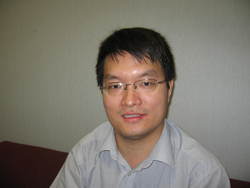
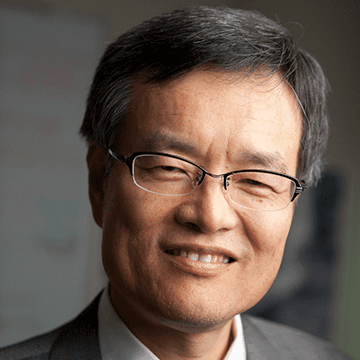
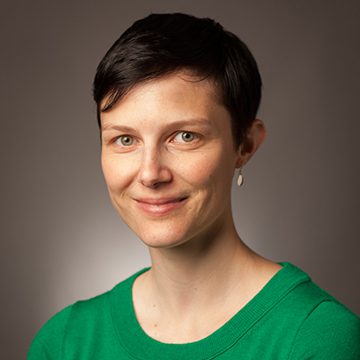
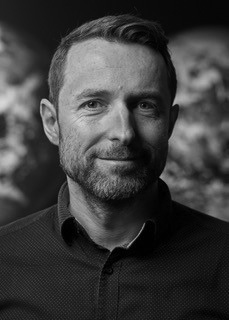
Xiaoqiang Wang is a Professor in the Department of Scientific Computing at Florida State University (FSU). His research focuses on numerical analysis, applied partial differential equations, mathematical biology, image processing, and scientific computing. He holds a Ph.D. from Pennsylvania State University (2005). His work emphasizes phase-field modeling for elastic bending energy, biological microstructures, and computational methods for complex systems. Notable contributions include advancements in centroidal Voronoi tessellation algorithms for image segmentation and high-performance computing techniques for scientific visualization. Recent publications highlight innovations in topology-preserving phase-field models, neural network-based energy minimization, and stochastic resource competition models. His research bridges theoretical mathematics with practical applications in biophysics, materials science, and biomedical engineering. Wang collaborates actively with interdisciplinary teams, contributing to FSU's computational science initiatives. His lab focuses on developing novel numerical methods and simulations for biological and physical systems, reflecting a commitment to both foundational and applied research.
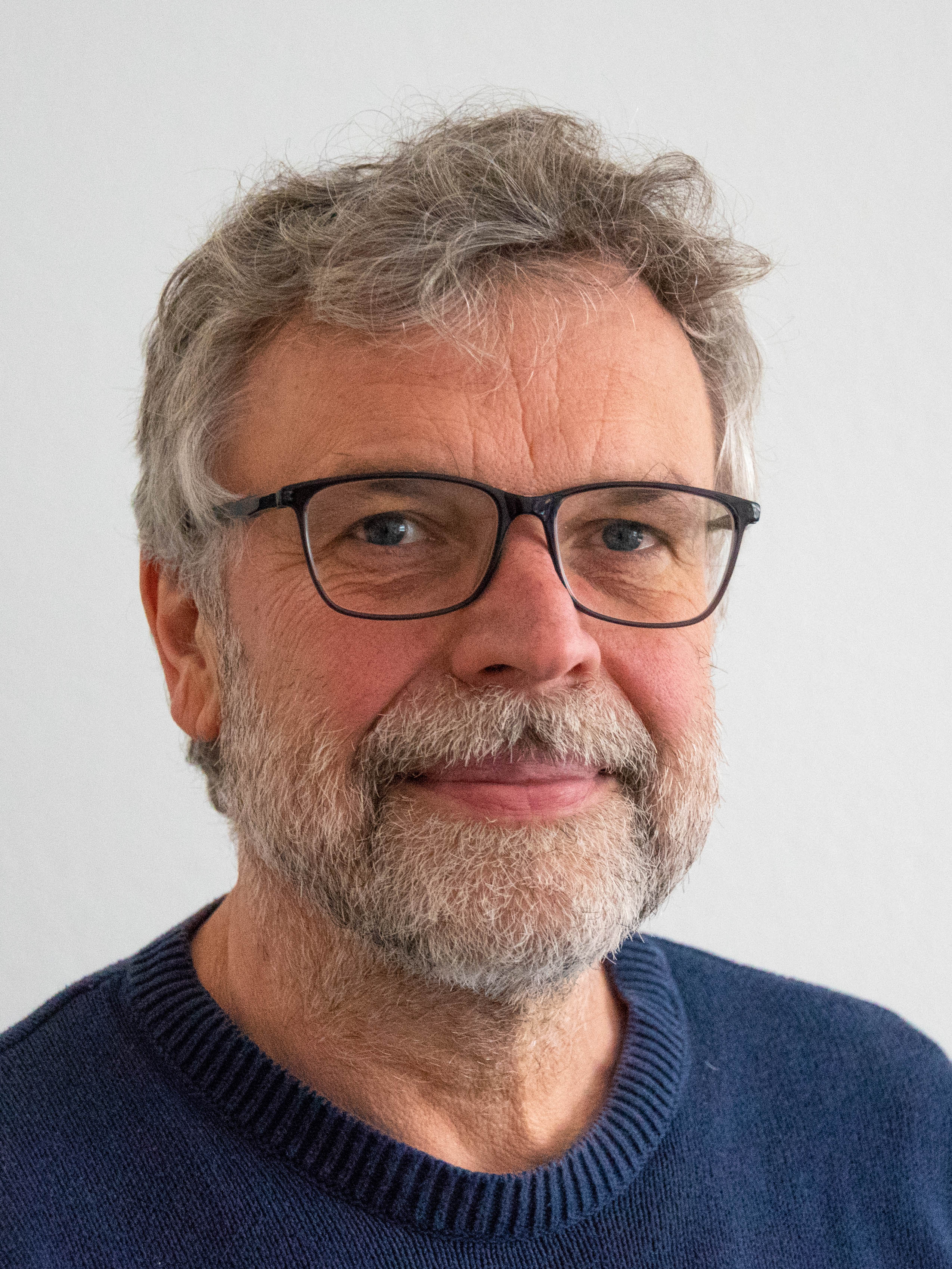
Prof. Dr. Siegfried Echterhoff is a Professor at the University of Münster, affiliated with the Mathematical Institute within the Faculty of Mathematics and Computer Science. He serves as an Investigator in Mathematics Münster and is a member of the Collaborative Research Center (CRC) 1442, focusing on Geometry: Deformations and Rigidity. His research expertise centers on operator algebras and mathematical physics, particularly C*-algebras, K-theory, and noncommutative geometry. Education: After completing a car mechanic apprenticeship, he studied Mathematics and Mechanical Engineering at the University of Paderborn. His academic journey reflects a strong foundation in both pure mathematics and applied fields. Research Interests: Echterhoff’s work spans operator algebras, including studies on C*-dynamical systems, crossed products, and fixed-point algebras. He collaborates extensively, with notable contributions to deformation theory, noncommutative Bernoulli shifts, and the Baum-Connes conjecture. His research bridges functional analysis, K-theory, and group actions, with applications in mathematical physics. Grants & Projects: Active in the CRC 1442, his projects include investigations into exotic crossed products, deformation of C*-algebras, and the interplay between algebraic structures and geometric concepts. He also contributes to educational outreach, serving as a liaison lecturer for the Friedrich Ebert Foundation. Labs/Teams: Leads the functional analysis and operator algebras research group at the Mathematical Institute, fostering collaborations with international researchers like Alcides Buss and Rufus Willett.
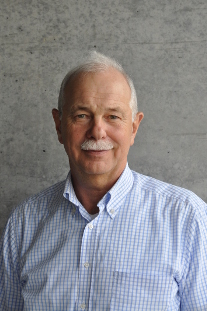
David Sherman is an Associate Professor in the Department of Mathematics at the University of Virginia, part of the College of Arts & Sciences. His research focuses on functional analysis and operator algebras, with specialized interests in noncommutative L p spaces, operator theory within von Neumann algebras, model theory of operator algebras, and noncommutative convexity. He has contributed to foundational studies of noncommutative L p spaces, isometries between operator algebras, and applications of logic to operator algebras. Recent teaching includes advanced calculus, linear algebra, and operator theory courses. His work bridges pure mathematics with interdisciplinary themes, such as applying set-theoretic methods to algebraic structures and exploring connections between operator algebras and logic. Sherman has co-authored significant papers on topics like support expansion C*-algebras and quantization of coarse spaces, reflecting his expertise in modern operator theory. His research outputs emphasize structural properties of operator algebras, with notable contributions to the classification of II₁ factors and model-theoretic approaches to noncommutative systems. While no specific awards are listed, his extensive publication record and teaching roles highlight his academic impact. Sherman maintains administrative involvement in undergraduate mathematics programs and graduate initiatives at UVA.
Matteo Viale is a Full Professor in the Department of Mathematics at the University of Torino. He specializes in mathematical logic with a focus on set theory, forcing axioms, and generic absoluteness. He is an active member of the Turin Logic Group and maintains international collaborations in foundational mathematics. His research explores advanced topics in set theory including forcing techniques, large cardinals, cardinal arithmetic, and their applications to mathematical foundations. Recent work investigates connections between forcing axioms and category theory, as well as absoluteness principles across different mathematical structures. Viale has advised numerous graduate students on theses covering boolean-valued models, forcing techniques, set-theoretic topology, and applications of logic to functional analysis. His pedagogical contributions include comprehensive lecture notes on forcing iterations, model companionship, and semiproper forcing. Notable recognitions include the Kurt Gödel Research Prize Fellowship (2010), Premio Fubini (2010), and Sacks Prize (2006) for his doctoral thesis on forcing axioms and cardinal arithmetic.
Jürgen Mlynek is a Professor of Experimental Physics at Humboldt-Universität zu Berlin, with a distinguished career spanning academia and research leadership. He served as President of the Helmholtz Association (2005–2015), Humboldt-Universität zu Berlin (2000–2005), and held a Vice-President role at the German Research Foundation (DFG) (1996–2001). His academic journey includes faculty positions at the University of Constance (1990–2000) and ETH Zürich (1986–1990), along with research roles at IBM and the University of Hannover. Research Interests: Experimental quantum optics Atomic physics Surface physics Scientific Awards: Physik-Preis (1987) Gottfried-Wilhelm-Leibniz Preis (1992) Max-Born Prize and Medal (1996) Urania Medal (2003) Order of Merit of Berlin (2008) Grand Cross of Niedersachsen (2009) Officer's Cross of Germany (2010) Honorary doctorate from Ulm University (2012) Ring of Honor of Garbsen (2014) His publications highlight innovations in quantum measurement techniques , atom interferometry , optical resonators , and single-photon states , reflecting contributions to quantum optics and precision measurement.
Łukasz Remisiewicz is a Lecturer at the Department of Sociological Theory and Social Research Methodology , Institute of Sociology , Faculty of Social Sciences , University of Gdańsk . He serves as the Editorial Secretary of the journal Miscellanea Anthropologica et Sociologica . His research spans multiple interdisciplinary domains , including sociology of science, philosophy of science, sociology of education, neurosociology, and sociology of examination. He explores the social contexts of academic assessment, cognitive development, and biological dimensions in sociological theory. His 15 most recent publications (2025-2017) focus on evaluative cultures, academic metrics, habilitation processes, family rituals, climate change discourse, disability marginalization, and biology-sociology interfaces. These works reflect his commitment to merging sociological theory with empirical and interdisciplinary analysis. Scientific Awards & Grants : Florian Znaniecki Award, 1st degree (2014) Honorable Mention, Polish Academy of Sciences (2016) Rector's Awards (1st, 2nd, 4th degrees, 2016/17–2024/25) Ministry of Science and Higher Education Scholarship (2017/18) Fulbright Junior Research Award (2018–2019) Mayor of Gdańsk & Gdańsk Scientific Society Award (2024) Florian Awards for 'Discovery of the Year' (2023) and 'Captain of Sociology' (2024) He is an active participant in international conferences, including ESA , Neurodidactics Symposium , and CHER Annual Conferences , presenting on topics ranging from emotional stratification to neurosociological models.
Frank Neese is the Director and Managing Director (since 2024) of the Max-Planck-Institut für Kohlenforschung in Mülheim an der Ruhr, Germany, where he leads the Department of Molecular Theory and Spectroscopy. He holds honorary professorships at the University of Bonn (since 2013) and the University of Duisburg-Essen (since 2020), reflecting his strong academic affiliations. His research program bridges theoretical chemistry, quantum mechanics, and spectroscopy with applications in bioinorganic and materials chemistry. Education: Diploma in Biology, University of Konstanz (1993) Ph.D. (Dr. rer. nat.), University of Konstanz (1997) Postdoctoral Research, Stanford University (1997–1999) Habilitation, Universität Konstanz (2001) Frank Neese's research focuses on the development and application of advanced quantum chemical methods for understanding molecular electronic structures, particularly in transition metal complexes and metalloenzymes. His work emphasizes spectroscopic simulations (EPR, XAS, MCD, etc.) and reaction mechanisms in catalysis. He is renowned as the lead developer of the ORCA quantum chemistry software, a widely used tool in computational chemistry. His theoretical frameworks integrate density functional theory, wavefunction-based methods, and multiscale modeling to achieve high accuracy in predicting chemical properties. The 15 most recent publications highlight a consistent trajectory in electronic structure theory, with strong emphasis on spectroscopy, transition metal chemistry, and method development. Key themes include double-hybrid functionals, spin-state energetics, spin-orbit coupling, and QM/MM modeling of biological systems. The interdisciplinary nature of his work spans chemistry, biochemistry, and materials science, often targeting challenges in catalysis and energy conversion. Scientific Awards: Gottfried Wilhelm Leibniz Prize (2023) Humboldt Research Award ISACS Award Fellow of the Royal Society of Chemistry Member of the North Rhine-Westphalian Academy of Sciences Member of the Leopoldina Neese has secured extensive third-party funding for his research, enabling a large, interdisciplinary team of scientists and students. He actively mentors PhD and postdoctoral researchers, fostering the next generation of theoretical chemists. His leadership extends to official functions in scientific societies and editorial roles in major chemistry journals. The ORCA development team, which he heads, is a central hub for innovation in computational chemistry software. He leads a vibrant research group focused on method development and applications in molecular spectroscopy and reactivity. The team collaborates internationally and organizes the ORCA User Meeting, fostering a global community of users and developers in quantum chemistry.
Hsiao-Dong Chiang is a Professor in the School of Electrical and Computer Engineering at Cornell University. He holds a Ph.D. in Electrical Engineering from the University of California, Berkeley, and has made significant contributions to nonlinear system theory and power system stability. His research spans theoretical development and practical applications in electric power systems, nonlinear optimization, and machine learning. B.S., Electrical Engineering, National Taiwan University, 1979 M.S., Electrical Engineering, National Taiwan University, 1981 Ph.D., Electrical Engineering, University of California, Berkeley, 1986 Chiang's research interests focus on nonlinear system theory , power system stability and control , nonlinear optimization , and their applications to modern power grids with high penetration of inverter-based resources. He is renowned for developing the BCU method and TRUST-TECH methodology , which have enabled fast direct stability assessment and global optimization in complex systems. His work bridges fundamental theory with industrial deployment through his companies, Bigwood Systems, Inc. and Global Optimal Technology, Inc. His recent publications (2024–2025) reflect a strong trend toward integrating machine learning and deep neural networks with power system analysis , particularly in state estimation, optimal power flow, and voltage control. There is a clear emphasis on handling uncertainty, non-convexity, and multi-scale dynamics in active distribution networks and integrated energy systems . His work increasingly focuses on resilience , real-time control , and user-centered methodologies for modern grid operations. Chiang has received numerous scientific honors, including: IEEE Fellow (1997) United States Presidential Young Investigator Award (1989) Multiple DOE Grid Optimization Challenge Awards (2020–2023) Best Paper Awards from IEEE Transactions and Conferences Outstanding Education Award, Cornell University (1990) He has successfully managed over 100 research projects and holds 28 U.S. and international patents. As the founder of Bigwood Systems, Inc., he has commercialized advanced software for utility companies across the U.S. and Japan. His team has published over 480 refereed papers and received more than 17,500 citations. He advises a large research group and leads innovations in computational methods for energy systems. His lab is actively involved in developing next-generation tools for grid security, optimization, and machine learning integration.
Nicole A. Benedek is an Associate Professor in the Department of Materials Science and Engineering at Cornell University, part of the College of Engineering. Her research group focuses on theoretical and computational approaches to understanding and designing functional materials, particularly complex oxides and perovskites. She integrates principles of crystal chemistry, symmetry, and density functional theory to uncover mechanisms underlying material properties and to guide the discovery of new materials with targeted functionalities. Her research interests include nonlinear phononics, ultrafast optical control of lattice dynamics, ferroelectricity, magnetism, and thermal transport in materials. She is particularly interested in how materials behave out of equilibrium and how external stimuli such as light can induce dramatic changes in their properties. This work has implications for low-power electronics, data storage, and dynamic optical devices. The recent publications from her group reflect a strong trend in controlling material symmetries and properties using light, especially through infrared and Raman resonant excitation. Her work bridges theory and experiment, often in collaboration with synthetic chemists, to validate predictions and discover new polar and multiferroic materials. She has made key contributions to understanding negative thermal expansion, light-induced phase transitions, and hybrid improper ferroelectricity. Scientific Awards: NSF CAREER Award, National Science Foundation (2015) Ralph E. Powe Junior Faculty Enhancement Award (2014) Journal of Materials Chemistry Emerging Investigator (2016) Australian Postgraduate Award (2003) Dr. Benedek advises graduate students in materials science and engineering and has mentored PhD candidates such as Ethan T. Ritz and Tucker Swenson. Her research is supported by the National Science Foundation (including the MRSEC program), the Department of Energy, and the Cornell Center for Materials Research. She leads the Benedek Group, which develops theoretical frameworks to explain and predict material behavior, emphasizing design rules for next-generation functional materials. The Benedek Group collaborates extensively with experimentalists, notably with Michael A. Hayward at Oxford University, to synthesize and characterize predicted materials. Their joint work has led to the discovery of new ferroelectric Dion-Jacobson phases and a deeper understanding of polar distortions in layered perovskites. The group combines computational modeling with physical insight to push the boundaries of materials design.
Jure Leskovec is a Professor of Computer Science at Stanford University, affiliated with the Stanford AI Lab, Machine Learning Group, and the Center for Research on Foundation Models. He holds academic appointments in the Department of Computer Science and is a member of Bio-X, the Institute for Human-Centered Artificial Intelligence (HAI), and the Wu Tsai Neurosciences Institute. Leskovec earned his BSc from the University of Ljubljana (2004), PhD from Carnegie Mellon University (2008), and postdoctoral training at Cornell University. His research focuses on social networks, data mining, machine learning, and computational biomedicine, with contributions to graph neural networks, drug discovery, and AI applications in healthcare. His work has been applied to combat the COVID-19 pandemic and integrated into products at major tech companies. Leskovec’s publications reflect his expertise in network analysis, medical AI, and biological systems. His recent work includes foundational contributions to graph neural networks (e.g., PyG) and medical AI frameworks. His research has garnered numerous awards, including the Microsoft Research Faculty Fellowship and ICDM Research Contributions Award. Leskovec advises numerous doctoral and postdoctoral researchers, contributing to over 200 publications. His interdisciplinary collaborations span computational biology, healthcare analytics, and social systems, with a focus on leveraging AI to address real-world challenges.
Sigve Tonstad, PhD, MD, holds dual faculty appointments at Loma Linda University: Assistant Professor in the School of Medicine (Department of Medicine) and Research Professor in the School of Religion (Department of Theological Studies). His interdisciplinary profile bridges medicine and theology, reflecting a commitment to integrating health and faith. BA, Andrews University (1974) MD, Loma Linda University (1979) MA, Loma Linda University (1990) PhD, Loma Linda University (2005) His research centers on theological and biblical studies, particularly within the Seventh-day Adventist tradition. Key areas include Pauline theology, the Book of Revelation, Sabbath theology, and theodicy. He explores the cosmic conflict motif, divine character, and the ethical implications of New Testament texts. His work often addresses the interplay between faith, identity, and divine action. The recent scholarly output, spanning from 2002 to 2024, reveals a consistent focus on New Testament exegesis and theological interpretation. His publications demonstrate deep engagement with themes such as the "Faith of Jesus," apocalyptic literature, and the Sabbath. The 2024 chapter in The Oxford Handbook of Seventh-day Adventism marks a significant contribution to contemporary Adventist scholarship. No scientific awards are listed in the provided text. No information is available regarding student advising or research grants. His profile does not mention any labs or research teams, though his interdisciplinary position suggests potential collaboration across medicine and religion. His dual expertise indicates a vocation centered on the integration of healing and theological reflection, in line with the Adventist medical-missionary ideal.
Alexander Damm is a Professor and head of the Remote Sensing of Water Systems (RSWS) group, holding a joint appointment between the Department of Geography at the University of Zurich (UZH) and the Swiss Federal Institute of Aquatic Science and Technology (Eawag). His research integrates advanced Earth observation technologies with environmental science to study water systems under changing climatic and anthropogenic pressures. University: University of Zurich Institutional Affiliation: Swiss Federal Institute of Aquatic Science and Technology (Eawag) Department: Department of Geography Alexander Damm obtained his MSc and PhD in remote sensing from Humboldt-University Berlin. Since 2008, he has been contributing to UZH’s leadership in imaging spectroscopy and Earth observation science. MSc, Remote Sensing, Humboldt-University Berlin PhD, Remote Sensing, Humboldt-University Berlin His research focuses on the fundamentals of remote sensing as applied to terrestrial and aquatic ecosystems, particularly in studying water dynamics and environmental change impacts. He specializes in sun-induced chlorophyll fluorescence (SIF), imaging spectroscopy, and the development of methods to monitor ecosystem productivity, drought responses, and biogeochemical cycles. His work bridges physics, ecology, and environmental engineering to improve understanding of plant-water relations and ecosystem resilience. The recent publications highlight a strong trend in using airborne and satellite-based spectroscopy to assess vegetation health, water stress, forest dynamics, and atmospheric constituents. Key themes include SIF retrieval, drought monitoring, canopy structure modeling, and air quality estimation. These works span applications from croplands and forests to tundra and inland waters, reflecting a broad interdisciplinary approach grounded in quantitative remote sensing. Alexander Damm is involved in several high-profile research initiatives, including: ESA’s FLuorescence EXplorer (FLEX) mission SNSF projects: FLUO4ECO, Spatial-sustainable-finance, DeltAs MeteoSwiss: UrbanNature EU Horizon: NextGenCarbon He leads the RSWS group, which develops and applies cutting-edge remote sensing methodologies for water system monitoring. The team collaborates across disciplines and institutions, focusing on integrating field measurements, airborne campaigns, and satellite data for environmental assessment. Damm’s leadership in projects like FLEX and HyPlant underscores his role in advancing spectroscopic remote sensing for global ecosystem monitoring.
Martha C. Nussbaum is the Ernst Freund Distinguished Service Professor of Law and Ethics at the University of Chicago, with appointments in the Law School and Philosophy Department. She also holds affiliations with the Classics Department, Divinity School, Political Science Department, and the Committee on Southern Asian Studies, reflecting her interdisciplinary scholarship. Her research spans political philosophy, ethics, law, emotions, feminism, human development, and animal rights. Nussbaum is renowned for developing the Capabilities Approach with Amartya Sen and for her work on the role of emotions in justice. She has published over 500 articles and more than 30 books, with recent works focusing on anger, fear, love, opera, and animal justice. Her latest books include Justice for Animals (2023), Citadels of Pride (2021), and the forthcoming The Republic of Love (2026). The trends in her recent publications reveal a deepening engagement with moral psychology, institutional accountability, and the ethical treatment of non-human animals. Her work consistently bridges classical philosophy and contemporary social issues, using insights from Greek tragedy, Stoicism, and literature to inform modern debates on democracy, dignity, and justice. Among her numerous honors are: Kyoto Prize in Arts and Philosophy (2016) Holberg Prize (2021) Balzan Prize (2022) Berggruen Prize for Philosophy and Culture (2018) Grawemeyer Award in Education (2002) Prince of Asturias Prize in Social Sciences (2012) Member of the American Academy of Arts and Sciences Fellow of the British Academy Academician in the Academy of Finland Recipient of 69 honorary degrees worldwide Nussbaum has advised numerous graduate students and is actively involved in research initiatives such as the Center for Comparative Constitutionalism, the Law and Philosophy Workshop, and the Animal Law Policy Initiative. She has received major teaching awards and is a Public Interest Faculty Mentor. Her work is supported by extensive publishing and public engagement, including frequent lectures and contributions to public philosophy. She leads the Center for Comparative Constitutionalism and participates in interdisciplinary teams focused on animal law, public service, and philosophical interventions in policy. Her collaborative projects often involve legal scholars, ethicists, and social scientists working on global justice and human rights.
Keli D. Yerian is Distinguished Teaching Professor in the Department of Linguistics at the University of Oregon, College of Arts and Sciences. She serves as Director of both the Language Teaching Studies (LTS) Master of Arts Program and the Second Language Acquisition and Teaching (SLAT) undergraduate certificate program. With over 25 years of experience in linguistics and language teacher education, she has taught ESL/EFL across the United States, Europe, and Africa, and previously held positions at Stanford University before joining the University of Oregon faculty in 2007. Her research focuses on language and interaction, particularly the role of gesture in first and second language speakers, as well as language teacher education and professional development. Her scholarly work spans topics such as pedagogical gesture, embodiment in teaching, multilingual practices, curriculum development, and language revitalization. Her recent publications reflect a strong emphasis on multimodal approaches to language learning, teacher identity, and innovative pedagogical practices. Her recent publications demonstrate consistent scholarly output in high-impact venues, with a thematic focus on gesture, embodiment, and multilingual education. These works collectively highlight her leadership in integrating nonverbal communication into language teaching theory and practice. Selected Presentations: "Open Pedagogy in action: Students' perspectives on authoring a textbook on language learning" (Open Education Conference 2024) "Gesture in the plurilingual classroom" (AAAL 2024) "Gesture and plurilingual practices in a World Language Classroom" (AILA 2023) "A multicompetence approach to awakening dormant languages" (LSA 2022) "Increasing gesture transparency in teacher candidates’ lexical explanations" (ACTFL 2019) She advises and leads program development within the LTS and SLAT programs, shaping curricula and mentoring future language educators. Her work in open educational resources and teacher training workshops further demonstrates her commitment to accessible and effective language education. She has taught a range of courses including LING 440/540 Linguistic Principles and 2nd Language Learning, LT 436/535 Design for Language Learning, and LING 144 Learning How to Learn Languages. While no formal lab is mentioned, her research is closely tied to the Language Teaching Studies program, which functions as a hub for applied linguistic research and teacher development. Her collaborative work, especially with Marion Tellier and others, suggests an active research team focused on gesture and multimodal pedagogy.
Karl-Erik Eilertsen is a Professor in Marine Biochemistry/Seafood Science at the Norwegian College of Fishery Science, UiT The Arctic University of Norway. He is based in Tromsø and is actively involved in research and teaching related to seafood composition, health effects, and sustainable marine resources. Research Interests: Seafood and health, particularly nutrition and cardiovascular disease Biologically active ingredients in seafood and seafood waste Effects of food processing on protein and lipid quality Antioxidant, anti-inflammatory, and anti-hypertensive properties of marine compounds Marine bioprospecting of benthic organisms His recent publications (2021–2025) focus on the nutritional analysis of Arctic macroalgae (e.g., Palmaria palmata), lipid extraction methods, bioactive peptides, and the use of low-trophic marine species in aquaculture and human nutrition. These works reflect a strong trend toward sustainable food systems, valorization of underutilized marine biomass, and the development of functional foods and feeds. Scientific Awards: No awards explicitly mentioned in the provided text. Advising and Grants: He supervises numerous students, as evidenced by co-authorship on multiple theses and research articles. He is a member of the SECURE project, which focuses on novel marine resources for food security and safety, indicating active grant involvement. Labs and Teams: Member of the Seafood Science research group at the Norwegian College of Fishery Science. Involved in collaborative research with colleagues such as Edel Oddny Elvevoll, Hanne K Mæhre, and Ida-Johanne Jensen.