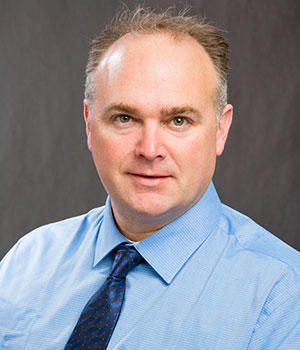
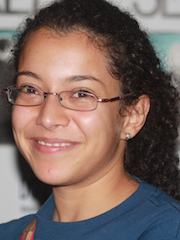
Natalia Kopteva is a Full Professor (Chair) in Applied Mathematics at the Department of Mathematics and Statistics, University of Limerick, Ireland. She holds a Ph.D. and M.Sc. in Computational and Applied Mathematics from Moscow State University. Her career includes academic positions at Moscow State University, University College Cork, and University of Strathclyde. Education: M.Sc. in Applied Mathematics, Lomonosov Moscow State University Ph.D. in Computational Mathematics, Lomonosov Moscow State University Her research focuses on numerical analysis of partial differential equations , particularly time-fractional and singularly perturbed subdiffusion equations , with emphasis on a posteriori error estimation , adaptive discretization methods , and maximum norm analysis . She has contributed to discontinuous Galerkin methods and Green's function estimates for convection-diffusion problems. Recent publications highlight trends in graded meshes for fractional calculus, pointwise error bounds , and time stepping adaptation for non-smooth data. Her work bridges applied mathematics and computational science with applications in reaction-diffusion systems and convection-diffusion equations . She serves as editor for SIAM Journal on Numerical Analysis and Advances in Computational Mathematics , and has held editorial roles for 8 international refereed journals. Additional affiliations include membership in the Centre for Research Training in Foundations of Data Science and the Mathematics Applications Consortium for Science and Industry (MACSI) .
Brigitte Pientka is a Full Professor in the School of Computer Science at McGill University, leading the Computation and Logic research group. She holds a PhD from Carnegie Mellon University (2003) and has conducted studies at the University of Edinburgh and Technical University of Darmstadt. Her research focuses on theoretical foundations of reliable software systems, combining programming languages, type theory, and theorem proving. Notable contributions include work on modal dependent type theory, contextual types, and mechanizing meta-theoretic proofs using the Beluga system. Her academic roles include serving as General Chair of POPL 2020, Program Chair for ICFP 2024 and CPP 2023/2024, and Executive Editor of Logical Methods in Computer Science. Awards include the Humboldt Fellowship and a Test of Time Award at PPDP'18. She actively contributes to conference PCs and editorial boards, emphasizing formal methods and programming languages. Pientka teaches advanced courses on programming languages (COMP 523, COMP 527), logic, and dependently typed systems (COMP 599, COMP 762). Her work spans theoretical advancements and practical tools, with a focus on educating students in functional programming and formal verification. She advocates for diversity in computer science, encouraging underrepresented groups to pursue research opportunities.
Don Sannella is a Professor of Computer Science at the University of Edinburgh, affiliated with the Laboratory for Foundations of Computer Science (LFCS) within the School of Informatics. His research focuses on formal methods, algebraic specification (notably the CASL language), security, and theoretical computer science. He has contributed to foundational work in specification languages and their implementation, including the CoFI initiative. Sannella has authored influential books on formal software development and algebraic specifications. He holds the rank of Fellow of the Royal Society of Edinburgh. His work spans academic leadership, editorship of Theoretical Computer Science , and projects like Mobility and Security (MRG) and App Guarden for secure mobile applications. His teaching includes courses on functional programming, computability, and formal methods. He has advised students such as Nikita Samarin and collaborated on research grants, including those in resource analysis and concurrency. Sannella’s contributions integrate rigorous formal techniques with practical software development challenges, emphasizing modularity, correctness, and security.
Roles and Affiliations: Dale Gary is a Distinguished Professor and Director of the Center for Solar-Terrestrial Research at New Jersey Institute of Technology (NJIT). He leads the Expanded Owens Valley Solar Array (EOVSA), a major community facility for solar and space weather research. His work focuses on solar flare physics, radio emission mechanisms, and space weather forecasting. Affiliations: Center for Solar-Terrestrial Research, NJIT Physics Department Research Infrastructure: EOVSA, OVRO-LWA Array, and AtLAST telescope development Education & Career Highlights: Gary has been a leader in solar radio astronomy for over 40 years, with extensive NSF and NASA grants. He was named Fellow of the American Astronomical Society in 2025. Research Interests: His work spans solar flares, magnetic field dynamics, and particle acceleration processes. Key areas include: Radio emission mechanisms (coherent bursts, gyroresonance) CME-driven shock waves and type IV radio bursts Coronal plasma diagnostics via microwave imaging Space weather impacts on Earth's ionosphere Grant & Project Highlights: NSF-funded EOVSA facility upgrades ($2.4M, 2023–2026) NASA studies on solar flare transport processes ($1.5M, 2022–2025) Multi-wavelength microwave imaging projects Awards & Recognition: Fellow of the American Astronomical Society (2025) Over 45 h-index with 8,174 citations Labs & Collaborations: Active in international collaborations including the AtLAST submillimeter telescope project and OVRO-LWA solar monitoring system. Directs NJIT's solar cyberinfrastructure initiatives.
Werner Dietl is an Associate Professor in the Department of Electrical and Computer Engineering at the University of Waterloo. His work focuses on programming languages, static analysis, software security, and formal verification techniques. He has contributed to type system design, low-power computing, and approximate data types through projects like EnerJ. His research also addresses challenges in compiler design, cryptographic protocol validation, and runtime enforcement mechanisms. Key research areas include: Type systems for imperative and domain-specific languages Static analysis of implicit control flow (e.g., Java reflection, Android intents) Approximate computing and energy-efficient computation Formal verification of security properties Publications span topics from unit measurement type inference to ownership-based security models, reflecting a focus on practical formal methods. His work emphasizes scalability and precision in type systems while addressing real-world software engineering challenges.
Farzaneh Bagheri is an active Assistant Professor in the Department of Electrical and Electronics Engineering at Antalya Bilim University, Turkey, since 2021, following her Research Assistant role at the same institution in 2019. She holds a Ph.D. from Eastern Mediterranean University (2019), M.Sc. from Azarbaijan Shahid Madani University (2010), and B.Sc. from Shahid Beheshti University (2005), all in Electrical and Electronics Engineering. As an IEEE and Industrial Electronics Society (IES) member, she serves as a regular reviewer for IEEE, Elsevier, and MDPI journals. Her educational background demonstrates a consistent focus on power engineering: Ph.D. in Electrical and Electronics Engineering, Eastern Mediterranean University, Cyprus (2019) M.Sc. in Electrical and Electronics Engineering, Azarbaijan Shahid Madani University, Iran (2010) Bachelor's in Electrical and Electronics Engineering, Shahid Beheshti University, Iran (2005) Research interests center on power electronics control systems with emphasis on power inverter control , microgrid stability , renewable energy management , and laboratory validation . Her work bridges theoretical control design with industrial applications, particularly in grid-tied systems for solar and wind energy conversion under unstable conditions. Publication trends (2021–2025) reveal deep specialization in sliding mode control variants applied to photovoltaic inverters, dynamic voltage restorers, and battery chargers. Key themes include chattering reduction, grid distortion resilience, and multi-level converter topologies for renewable integration, with increasing focus on AI-driven fault diagnosis and digital twin modeling in her 2025 output. Scientific awards are not explicitly listed in the source material. She contributes to European and national research/industrial projects in power systems and power electronics, though specific grant details are omitted. No student advising roles are documented, but her faculty position suggests graduate mentorship responsibilities. Laboratory validation work implies hands-on experimental leadership. Her IEEE/IES membership and journal reviewing activities indicate active participation in professional communities. Experimental research is conducted within power electronics laboratories, with recent projects emphasizing solar plant integration and AI maintenance tools.
Kyle Ebersole is a Professor in Athletic Training and Physical Therapy at the University of Wisconsin-Milwaukee, where he directs the Human Performance and Sport Lab (HPS Lab). His research focuses on injury prevention, physiological performance, and biomechanics for both sport and occupational athletes. His recent work includes exploring heart rate variability (HRV) as a recovery metric in baseball pitchers, developing muscle injury discrimination indices, studying massage effects on autonomic nervous system function, and refining movement screens for athlete and firefighter performance evaluation. He also investigates physiological markers in firefighters and develops performance screening tools tailored to their occupational demands. Kyle Ebersole's research trends emphasize firefighter health, focusing on HRV, autonomic recovery, movement quality, and workload quantification across emergency call types. His studies frequently intersect biomechanics, sports science, and occupational health to enhance performance and reduce injury risks. As a Licensed Athletic Trainer, Ebersole holds certifications from the National Academy of Sports Medicine as a Performance Enhancement Specialist (PES) and Corrective Exercise Specialist (CES). He is actively involved in professional organizations including the American College of Sports Medicine (ACSM), National Athletic Trainers' Association (NATA), National Strength and Conditioning Association (NSCA), and NASM. He serves as a performance consultant for professional sports clubs and contributes to academia through editorial board membership on the Journal of Athletic Training , manuscript reviewing for six scientific journals, and evaluating conference abstracts and student grants for the NSCA. His work bridges clinical practice with applied research in athletic training and rehabilitation sciences.
Han van Dobben is a researcher specializing in biodiversity and environmental policy at Wageningen Environmental Research, part of Wageningen University & Research. With 227 research outputs to his name, including articles, reports, and datasets, he has established himself as a significant contributor to environmental science in the Netherlands. Dr. van Dobben's research primarily focuses on nitrogen deposition and its effects on ecosystems, particularly in the context of Natura 2000 protected areas in the Netherlands. His work examines critical loads for different habitat types, salt marsh conservation under sea level rise, and soil subsidence impacts. He has been instrumental in revising nitrogen critical load values for Natura 2000 habitats, providing crucial scientific input for environmental policy decisions. His recent publication trend shows a consistent focus on refining methodologies for assessing nitrogen deposition impacts, with several 2024-2025 publications addressing response curves of habitat types to nitrogen. These works often involve collaborations with colleagues like Wamelink, Bobbink, and Roelofsen, reflecting a strong research network in Dutch environmental science. Dr. van Dobben has led multiple significant research projects including Urgente maatregelen voor behoud bedreigde Natura 2000 waarden (Urgent measures for preserving threatened Natura 2000 values) and Metamodellering Natuurplanner (Metamodeling Nature Planner). His work has been cited in policy documents and has received media attention, particularly regarding nitrogen policy in the Netherlands. He has supervised research work and contributed to the scientific understanding of coastal ecosystems, including studies on dune formation and vegetation development. His expertise is frequently sought for expert commentary on environmental issues, as evidenced by multiple press/media appearances discussing nitrogen policy and conservation challenges.
Christine Rizkallah is a Senior Lecturer in the School of Computing and Information Systems at the University of Melbourne, Australia. She joined the university in December 2021 after serving as a Lecturer at the University of New South Wales (UNSW) from April 2018 to December 2021. Her research focuses on interactive theorem proving, formal verification, programming languages, and systems, with an emphasis on building practical tools for high-assurance software development. She leads a research group working on the Cogent and Dargent languages, aiming to reduce the burden of formal verification in systems programming. Education: PhD in Computer Science, Universität des Saarlandes and Max-Planck-Institut für Informatik, Germany (2015), thesis: Verification of Program Computations , supervised by Prof. Dr. Kurt Mehlhorn. MSc in Computer Science, Universität des Saarlandes, Germany (2009), thesis: Proof Representations for Higher Order Logic , supervised by Prof. Dr. Gert Smolka and Dr. Chad E. Brown. BSc in Computer Science, German University in Cairo, Egypt (2007), thesis: X2-Planner: A Hierarchical Task Network Planner for Real Time Gaming Applications , supervised by Prof. Dr. Slim Abdennadher and Dr. Thorsten Maier. Her research interests lie at the intersection of programming languages and formal methods. She develops domain-specific languages with strong type systems and verified compilers to enable trustworthy software systems. Her work spans algorithms, logic, security, and social choice theory, reflecting a strong interdisciplinary approach. She has published extensively in top venues such as POPL, ICFP, ASPLOS, JAR, and PACMPL, with a focus on certifying compilation, refinement verification, and mechanized reasoning. Her recent publications reveal a consistent focus on formal verification of systems software, particularly through the Cogent language and its ecosystem. Key themes include verified data layout refinement (Dargent), property-based testing, termination analysis, cost modeling, and integration with foreign functions. Her work combines theoretical rigor with practical implementation, often involving mechanized proofs in Isabelle/HOL and Coq. Scientific Awards and Recognition: Distinguished Artefact Award at SLE'22 (awarded to Zilin Chen for work under her supervision). First Prize, SPLASH'22 Student Research Competition (undergraduate), won by Raphael Douglas Giles. Second Prize, ACM-wide Student Research Competition (undergraduate, 2023), won by Raphael Douglas Giles. She has supervised numerous PhD, Masters, and Honours students, many of whom have continued in academia or industry research roles. She has received research funding through institutional support and collaborative grants, though specific grants are not detailed in the provided text. She is actively involved in the programming languages community, serving on program committees for POPL, ICFP, CPP, PLDI, and others, and holding leadership roles such as Program Chair for FUNARCH'25 and Diversity and Inclusion Co-Chair for PLDI'25. She teaches core courses including Declarative Programming and Models of Computation at the University of Melbourne. She leads a vibrant research team and collaborates widely across institutions including UNSW, University of Pennsylvania, and international partners. Her lab focuses on building verified systems using functional programming and formal methods, with strong ties to the DeepSpec project and the Isabelle/HOL community.
Professor Sandra O'Toole is a distinguished Professor of Pathology at the University of Sydney's Faculty of Medicine and Health, School of Medical Sciences. She also serves as a Senior Staff Specialist at Royal Prince Alfred Hospital and a Senior Pathologist at the Garvan Institute of Medical Research. With internationally recognized expertise in breast cancer and molecular pathology, Professor O'Toole contributes significantly to both clinical practice and academic research in oncology. Professor O'Toole holds an MBBS (Hons I), BMedSc (Hons I), PhD, and is a Fellow of the Royal College of Pathologists of Australasia (FRCPA) and Fellow of the Faculty of Science (RCPA) (FFSc). Her extensive academic credentials reflect her deep expertise in pathology and medical sciences. Professor O'Toole's research spans multiple critical areas in cancer pathology, with a primary focus on breast cancer. She has internationally recognized expertise in breast cancer and molecular pathology, particularly in tumor microenvironment, DNA methylation in phyllodes tumors, and immune evasion in triple-negative breast cancer. Her groundbreaking work includes identifying collagen XII as a driver of metastasis and contributing to the development of a single-cell and spatial atlas of human breast cancers. She leads an international project to develop a single-cell and spatial breast cancer atlas, supported by significant funding from the National Breast Cancer Foundation (>$1.5 million) and the US Department of Defence (over USD $6 million). Professor O'Toole also leads research focused on phyllodes tumors of the breast, a rare and understudied tumor type, providing critical new insights into their epigenetic regulation. With over 150 publications to her name, Professor O'Toole's scholarly output demonstrates a consistent focus on advancing breast cancer diagnostics and treatment. Her work spans molecular pathology, tumor microenvironment analysis, and the development of novel diagnostic approaches. Recent publications highlight her leadership in creating comprehensive breast cancer atlases and refining diagnostic criteria for rare breast tumor types. Her research has significant translational impact, with findings directly influencing clinical practice and health policy. Professor O'Toole's exceptional contributions to cancer research have been recognized with prestigious awards: Eureka Prize 2022 (ANSTO prize for innovative use of technology) as part of NanoM team led by Prof Brian Abbey Roche scientific e-poster prize for DNA methylation in phyllodes tumors (RCPA Updates 2024) Professor O'Toole is deeply committed to mentoring the next generation of pathologists and researchers. She supervises research focused on translational cancer pathology, with particular interests in breast cancer. Her leadership extends to national policy and curriculum development, ensuring pathology remains central to medical and clinical scientific education. She has secured significant research funding, including a National Breast Cancer Foundation grant exceeding $1.5 million and US Department of Defence funding over USD $6 million for her international breast cancer atlas project. Professor O'Toole leads a collaborative research program centered at the Garvan Institute of Medical Research. She serves as the lead pathologist on an international project to develop a single-cell and spatial breast cancer atlas, working with Professor Alexander Swarbrick. She is also part of an international breast pathology expert group focused on phyllodes tumors, led by Professors Puay Hoon Tan and Emad Rakha. Her work involves close collaboration with institutions in Singapore, Sweden, Duke University, and McGill University, reflecting the global impact of her research.
Maximilian Brunner is a Postdoc at TU Wien's Institute of Analysis and Scientific Computing (E 101), specializing in Numerics of Partial Differential Equations (PDEs). He holds a Dipl.-Ing. (MSc) and Dr.techn. (PhD) from TU Wien, with his doctoral thesis on On optimal adaptivity for semilinear PDEs earning the 2025 Study Prize from the Austrian Mathematical Society (ÖMG). His research focuses on adaptive finite element methods (FEM), iterative solvers for nonlinear PDEs, and cost-optimality analysis. He collaborates with Prof. Dirk Praetorius and contributes to projects funded by the Austrian Science Fund (FWF). Previously, he was a PhD student (2020–2024) and taught courses in numerical mathematics and scientific programming. His work bridges theoretical advancements in adaptive algorithms with practical computational efficiency, addressing challenges in nonsymmetric and semilinear PDEs. Education: PhD in Technical Mathematics, TU Wien (2024), supervised by Dirk Praetorius MSc in Technical Mathematics, TU Wien (2020), supervised by Winfried Auzinger Research Interests: His interdisciplinary work centers on developing adaptive FEM strategies for cost-optimal solutions to PDEs. Key areas include: Contractive iterative solvers for nonlinear systems Goal-oriented error estimation for targeted accuracy Quasi-optimal computational cost in adaptive algorithms His methods prioritize minimizing computational resources while maintaining solution fidelity, with applications to elliptic and semilinear PDEs. Awards: 2025 Study Prize (ÖMG) for PhD thesis Grants & Funding: FWF Projects P33216 and P28367 Vienna School of Mathematics membership (2020–present) Labs/Teams: Core member of the Numerics of PDEs research group, part of TU Wien's ASC unit. Active in collaborative projects with international conferences and workshops.
Dimitar K. Gavrilov, M.D., Ph.D. is a Medical Geneticist and Internist at Mayo Clinic in Rochester, Minnesota. He serves in the Department of Laboratory Medicine and Pathology within the Mayo Clinic College of Medicine and Science, with additional affiliations in Clinical Genomics and Pediatrics. His clinical focus centers on metabolic disorders, particularly inborn errors of metabolism. Dr. Gavrilov's research interests span inborn errors of metabolism, genotype-phenotype correlations, early diagnosis, clinical presentation, and treatment of metabolic conditions. His work primarily focuses on improving newborn screening methods, understanding lysosomal storage disorders, and developing better diagnostic approaches for rare metabolic conditions. He has made significant contributions to the understanding of biomarkers for disorders like Krabbe disease, congenital disorders of glycosylation, and organic acidemias. His recent publications (2020-2024) demonstrate a strong focus on refining newborn screening methodologies, particularly through the development and implementation of second-tier testing to reduce false positives. His work frequently addresses lysosomal storage disorders, organic acidemias, and congenital disorders of glycosylation, with emphasis on improving diagnostic accuracy and understanding disease mechanisms through biomarker analysis. Scientific Awards: 1992 Travel Award from European Society of Human Genetics 1991 Travel Award from European Society of Human Genetics Dr. Gavrilov maintains active professional memberships in numerous organizations including the American Medical Association, Society for the Study of Inborn Errors of Metabolism, American Society of Human Genetics, and Society for Inherited Metabolic Disorders. His work contributes significantly to the advancement of diagnostic methodologies in metabolic genetics and supports clinical practice through evidence-based research.
Sukyoung Ryu is a Professor in the Department of Computer Science at KAIST's College of Computing, South Korea. Her research centers on programming languages and program analysis, with significant contributions to WebAssembly, JavaScript semantics, and language specification. She leads the Programming Languages Research Group (PLRG) at KAIST. Her research spans multiple critical areas including executable specification engineering, static analysis techniques, and language interoperability. Recent work focuses on WebAssembly conformance testing, C-to-Rust translation, and bridging real-world implementations with formal semantics. Her group develops practical tools like SpecTec for mechanized language specifications and JISET for JavaScript semantics extraction. Analysis of her 15 most recent publications reveals strong trends in executable specifications (7 papers), WebAssembly tooling (5 papers), and language translation (4 papers). Key methodological approaches include record-replay debugging, filtered-simulation for binary lifting, and algebraic data type transformations for memory safety. Ryu actively contributes to the programming languages community through leadership roles including Steering Committee Chair for APLAS, Program Co-Chair for SPLASH/OOPSLA, and committee positions at POPL, PLDI, and ICFP. She frequently organizes workshops on real-world language specification (RPLS) and presents keynotes on programming language research for social good. Her mentoring activities include co-chairing New Faculty Symposia and participating in RTFM panels on faculty mentoring. She advises students through KAIST's programs and supervises research in the PLRG lab, which focuses on building practical language tools with formal foundations. Current projects emphasize WebAssembly standardization, secure language interoperability, and specification-based testing frameworks.
Daniel C. Fredrickson is a Professor of Chemistry at the University of Wisconsin–Madison, where he leads the Fredrickson Group in the Department of Chemistry. His research program integrates solid-state synthesis, advanced crystallography, and quantum-mechanical theory to uncover the chemical principles governing the complex structures of intermetallic compounds and to exploit these principles for the design of energy-relevant materials. Education B.S. 2000, University of Washington Ph.D. 2005, Cornell University Postdoctoral Associate 2005–2008, Stockholm University Research Focus The Fredrickson group explores the intersection of solid-state chemistry, crystallography and chemical bonding theory . Core themes include: • Chemical Pressure Analysis : quantifying steric and electronic influences on intermetallic structures. • Structure–Property Engineering : using structural diversity to tune superconductivity, thermoelectricity and catalysis. • Quasicrystals & Complexity : deciphering long-period superstructures and incommensurate order. • Data-Driven Discovery : machine-learning approaches to accelerate materials discovery. Methodologically, the group couples density-functional theory (DFT) and extended Hückel calculations with high-temperature synthesis, single-crystal X-ray diffraction and custom open-source software (DFT Chemical Pressure, eHtuner, DFT-raMO). Selected Scientific Impact Between 2012 and 2023 the group published more than fifteen high-profile articles that collectively advance (i) theoretical frameworks for chemical pressure, (ii) predictive rules for electron counting in transition-metal intermetallics, and (iii) machine-learning models for navigating structural complexity. Studies range from fundamental analyses of NaCd 2 and YbCd 5.7 to applied investigations of Nb 3 Ge superconductors. Awards & Recognition No specific external awards are listed in the provided text; emphasis is placed on sustained publication record and leadership in the solid-state chemistry community. Students & Mentoring Recent Ph.D. graduates under his supervision include: Kyana Sanders (2023) Jonathan Van Buskirk (2023) Amber Lim (2023) Undergraduate alumnus Joe Kraus continued to MIT for doctoral studies. Laboratories & Facilities The group operates four integrated labs: Glove Box Lab: three inert-atmosphere glove boxes with arc-melter, pellet press and optical microscope. Furnace Lab: ten high-temperature furnaces (900–1800 °C) for annealing and flux synthesis. X-ray Crystallography Lab: dedicated single-crystal diffractometer for rapid structure solution. Library and Theory Lab: high-performance computing cluster (dual Xeon workstations + 60 parallel cores) for DFT and Hückel calculations.
Michael H. Borkowski is an Assistant Teaching Professor in the Department of Computer Science at Purdue University. He earned his Ph.D. from the University of California, San Diego (UCSD), specializing in software verification, type theory, and interactive theorem provers. His research focuses on developing techniques to ensure software correctness and performance through formal methods. Ph.D., UCSD Computer Science (2024) M.S., UCSD Computer Science (2019) B.A., Amherst College Computer Science (2016) His research interests include refinement types, functional programming, and mechanizing proofs. Recent work emphasizes software verification tools (e.g., the 2024 POPL publication on refinement types). Earlier contributions span plant biology and applied mathematics, including studies on auxin gradients and wood grain modeling. Notable awards include the Computer Science Prize and Phi Beta Kappa from Amherst College. Teaching roles include courses at UCSD (e.g., CSE 20 Discrete Mathematics) and Purdue. He was affiliated with UCSD’s ProgSys Group during his Ph.D.




.jpeg)