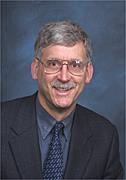
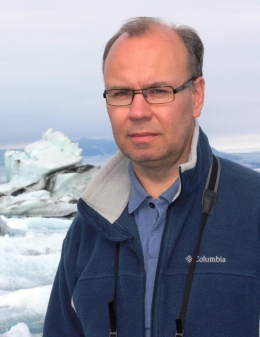
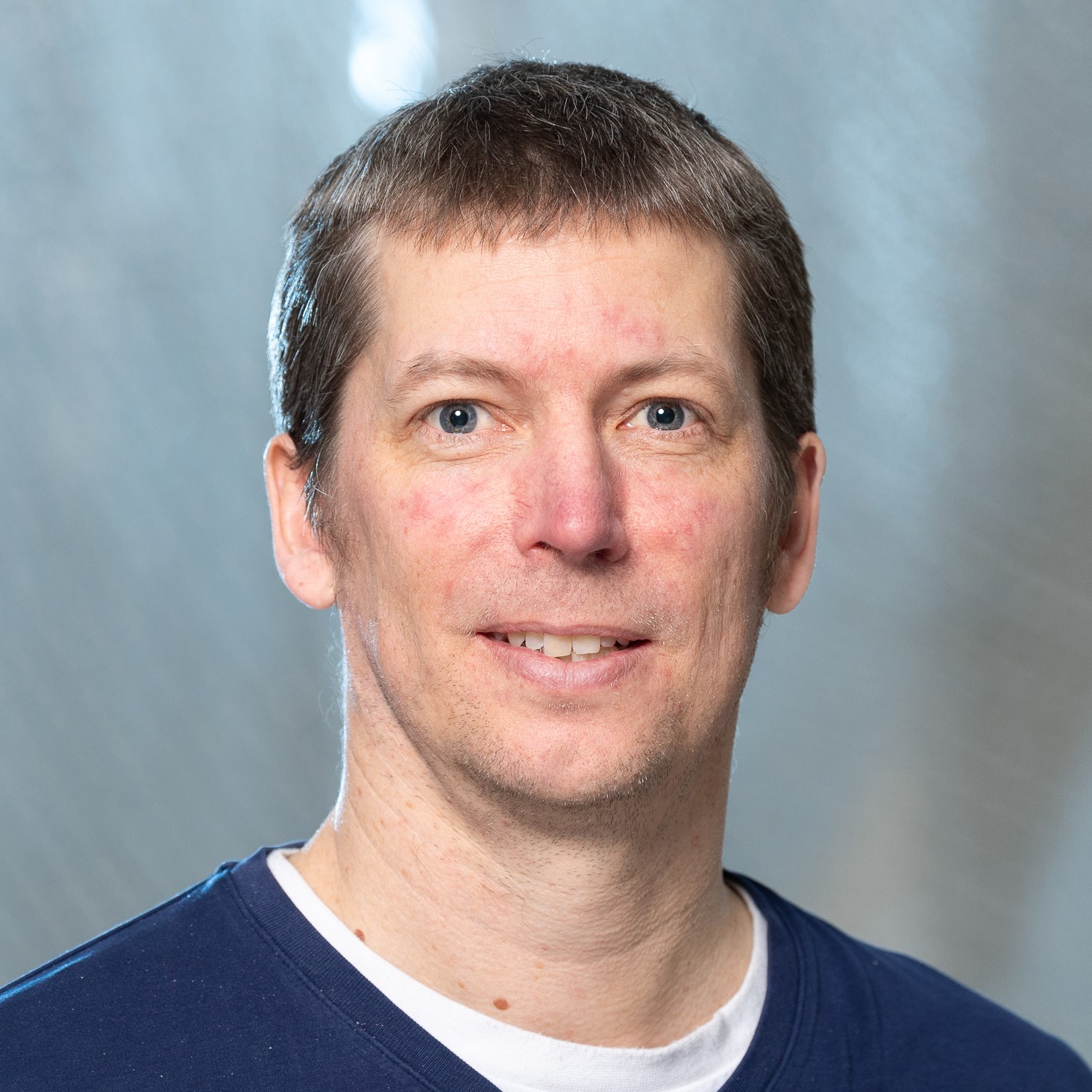
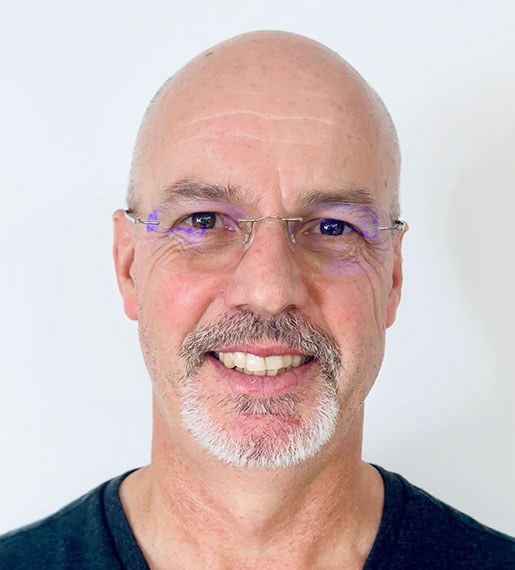
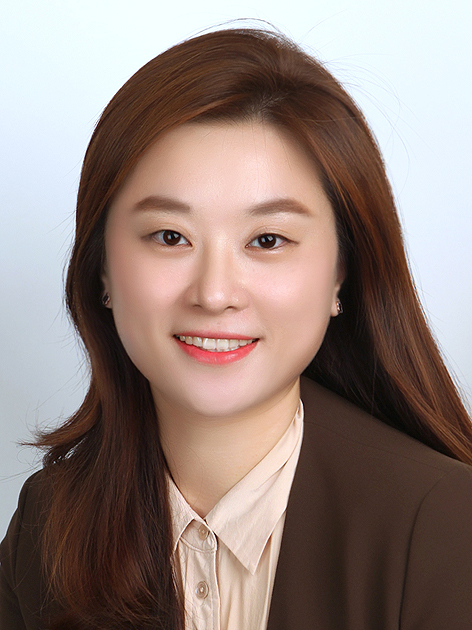
Andrew Bollen is a faculty member at the University of California San Francisco , specializing in neuropathology. His research focuses on central nervous system tumors, infections, and muscle/nerve pathology, with a dual MD (University of California San Diego) and DVM (University of California Davis School of Veterinary Medicine) background. Education : A.B. in Biology, Harvard College (1975) D.V.M., University of California Davis School of Veterinary Medicine (1980) M.D., University of California San Diego School of Medicine (1985) His work bridges human and veterinary medicine, emphasizing genetic mutations (e.g., SOX10 indels, FET-CREB fusions) in brain tumors like glioblastoma, schwannomas, and CNS lymphomas. Recent studies explore immune checkpoint therapies, tumor evolution, and epigenetic classifications. Publications highlight molecular profiling of glioblastoma subtypes, schwannomatosis genetics, and neuroinfectious diseases. Collaborative efforts span neurosurgery, oncology, and immunology departments. Scientific Honors : Phi Zeta Honor Society (1980) A. Baird Hastings Society (1985) Castle Connolly Guide: Top Doctors (2001-present) and Cancer Specialists (2005-present) Bollen contributes to refining CNS tumor diagnostics through multiplatform molecular analyses and identifies novel therapeutic targets in gliomas and rare posttransplant disorders.
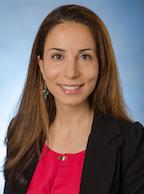
Rita Mukhtar, MD, is a surgical oncologist and Medical Educator at the University of California, San Francisco (UCSF) School of Medicine, Department of Surgery. Her clinical expertise includes breast surgery, total skin-sparing mastectomies, breast conservation, and sentinel lymph node biopsy. Education : AB in Molecular and Cell Biology from UC Berkeley (2000) MD from UC San Francisco (2006) Postdoctoral Fellowship in Advanced Training in Clinical Research at UCSF (2011) Residency in General Surgery at UCSF (2013) Fellowship in Breast Surgical Oncology at UCSF (2014) Her research program focuses on invasive lobular carcinoma (ILC), the second most common breast cancer type. Key areas include tumor biology, prognostic modeling, and optimizing surgical outcomes for ILC patients with comorbidities like elevated BMI. She leverages data from large clinical trials such as I-SPY2 to refine axillary management and neoadjuvant therapy protocols. Recent publications highlight her work on: Organoid modeling for DCIS diagnostics Residual Cancer Burden analysis in ILC Imaging biomarkers for neoadjuvant response Surveillance strategies post-ILC treatment Lymph node evaluation in HER2+ breast cancer Scientific Awards : Storer Scholarship (2003) Student Research Award (2005) Steinhart Scholarship (2006) Dr Galante Scholarship Award (2007) Resident Research Scholarship (2009) Teaching Award for Cherished Housestaff (2013) Lawrence Way Critical Thinking Award (2013) As Associate Program Director for the UCSF General Surgery Residency, she mentors medical students and residents. Her research is supported by grants from the American Cancer Society and the National Cancer Institute.
Mef Nilbert serves as an Adjunct Professor and Principal Investigator at Lund University's Faculty of Medicine, with primary affiliations at the Lund University Cancer Center (LUCC), EpiHealth: Epidemiology for Health, and the Breast Cancer Genetics research group. As a prominent researcher in cancer genetics, Dr. Nilbert leads multiple projects focused on hereditary cancer syndromes and sarcoma research. Dr. Nilbert's research program centers on two main areas: hereditary colorectal cancer (particularly Lynch syndrome and Familial Colorectal Cancer Type X) and sarcoma biology. The colorectal cancer research focuses on refined risk assessment modeling, identification of genetic causes, analysis of interval cancers, and development of new sequencing strategies to identify disease-associated genes. The sarcoma research aims to define genetic profiles of radiation-induced sarcomas, identify metastasis risk markers, and evaluate prognostic biomarkers in specific sarcoma types. This work contributes significantly to the UN Sustainable Development Goals related to health and well-being. The research output shows a strong emphasis on translational cancer genetics, with publications spanning molecular mechanisms of tumor development, clinical risk assessment, and population-based cancer screening. Recent work has particularly focused on mismatch repair deficiency in colorectal cancer and its implications for screening programs and genetic counseling. Dr. Nilbert actively participates in cancer research leadership, serving on program committees for major conferences including the Lund University Cancer Centre meetings, National Comprehensive Cancer Centre meetings, and the Medicon Valley Alliance Oncology Network. Current projects include 'Precision Medicine in Hereditary Cancer and Sarcoma' and 'Orthopaedic oncology; clinical management and outcomes of soft tissue sarcoma.' As a supervisor, Dr. Nilbert mentors multiple doctoral students and researchers, with 19 supervised works documented. The research network includes collaborations across multiple institutions focused on cancer genetics and epidemiology, with particular emphasis on international comparative studies in cancer screening and genetic risk assessment.
Dr. Emily Bergsland is a Professor of Medicine at the University of California, San Francisco (UCSF) School of Medicine, where she serves as Director of the UCSF Center for Neuroendocrine Tumors and Associate Director for Education for the UCSF Helen Diller Family Comprehensive Cancer Center. A leading expert in gastrointestinal malignancies, Dr. Bergsland has dedicated her career to advancing the understanding and treatment of neuroendocrine tumors through clinical practice, research, and education. Her leadership roles include past presidency of the North American Neuroendocrine Tumor Society, membership on the NCCN Neuroendocrine Tumor Guidelines panel, and former chair of the NET Task Force of the NCI Gastrointestinal Steering Committee. BS in Biochemistry/Molecular Biology, University of Wisconsin, Madison (1985) MD, University of Minnesota, Minneapolis (1989) Residency in Internal Medicine, UCSF (1992) Chief Residency, UCSF (1993) Fellowship in Medical Oncology, UCSF (1995) Molecular Medicine Training Program, UCSF (1998) Diversity, Equity, and Inclusion Champion Training, University of California (2019) Dr. Bergsland's research program focuses on neuroendocrine neoplasms of all grades, with particular emphasis on clinical trials, biomarker development, imaging techniques, and clinical outcomes. Her work bridges the gap between laboratory discoveries and patient care, with numerous publications addressing therapeutic strategies for neuroendocrine tumors. She has been instrumental in developing guidelines for neuroendocrine tumor management and has contributed significantly to understanding tumor biology, progression patterns, and treatment responses in this specialized field. Her research often examines disparities in cancer care and seeks to optimize treatment approaches for diverse patient populations. Analysis of Dr. Bergsland's recent publications reveals a strong focus on advancing the clinical management of neuroendocrine tumors through multiple approaches: refining diagnostic criteria and imaging techniques, developing consensus treatment guidelines, investigating molecular mechanisms of tumor progression, and evaluating novel therapeutic combinations. Her work spans basic science, translational research, and clinical implementation, with particular attention to health disparities and personalized treatment approaches. The publications demonstrate her leadership in multi-institutional collaborations and her commitment to establishing evidence-based standards for neuroendocrine tumor care. Past President of the North American Neuroendocrine Tumor Society Member of NCCN Neuroendocrine Tumor Guidelines panel Past Chair of the NET Task Force of the NCI Gastrointestinal Steering Committee Principal Investigator for NIH K12CA260225: UCSF Paul Calabresi K12 Career Development Program in Clinical Oncology (2021-2026) As Principal Investigator for the UCSF Paul Calabresi K12 Career Development Program in Clinical Oncology, Dr. Bergsland plays a critical role in mentoring the next generation of clinical oncology researchers. Her educational leadership extends to her position as Associate Director for Education at the UCSF Helen Diller Family Comprehensive Cancer Center, where she shapes training programs and educational initiatives. Dr. Bergsland has secured significant research funding to support her work on neuroendocrine tumors and has been instrumental in developing clinical trial networks focused on this specialized cancer type. Her collaborative approach has resulted in numerous multi-institutional studies that have advanced the field of neuroendocrine tumor management. Dr. Bergsland leads the UCSF Center for Neuroendocrine Tumors, which brings together a multidisciplinary team of medical oncologists, surgeons, endocrinologists, radiologists, pathologists, and researchers dedicated to providing comprehensive care for patients with neuroendocrine tumors. The center serves as a hub for clinical trials, translational research, and specialized patient care, with collaborations extending to national and international research networks. Through her leadership, the center has become a recognized center of excellence for neuroendocrine tumor diagnosis, treatment, and research.
Prof. Dr. Matthias Keller is a leading researcher in discrete spectral theory and graph analysis, affiliated with the Institute of Mathematics at the University of Potsdam since 2015. His work bridges geometric properties of graphs with spectral theory, focusing on Dirichlet forms, Schrödinger operators, and functional inequalities. Key Collaborations : Daniel Lenz, Radoslaw Wojciechowski, Yehuda Pinchover Books Authored : Graphs and Discrete Dirichlet Spaces (Springer, 2021) His research explores non-positively curved graphs, stochastic completeness, and magnetic sparseness. Recent projects include optimal Hardy inequalities and spectral analysis of fractional Laplacians. Scientific Awards : Swiss Fellowship (2023) Golda Meir Fellowship (2012-2013) Klaus Murmann PhD Fellowship (2007-2010) He advises PhD and Master’s students such as Yannik Thomas , Matti Richter , and Philipp Bartmann , while maintaining active roles in DFG-funded projects and international workshops.
Philipp Georg Haselwarter is an Assistant Professor at the Department of Computer Science , Aarhus University . His expertise lies in programming languages , formal verification , and cryptographic proofs . His research interests include Higher-order probabilistic programming Separation logic for program analysis Modular cryptographic proofs in Coq Resource-aware and cost-bounded formal methods Key trends in his recent publications span Formal verification techniques for probabilistic and cryptographic systems Integration of separation logic with cost and error analysis Development of frameworks like SSProve for cryptographic proofs Applications of type theory and higher-order logic in programming languages
Adam Guy Riess is an American astrophysicist and Bloomberg Distinguished Professor at Johns Hopkins University and the Space Telescope Science Institute. He is renowned for his groundbreaking research on the accelerating expansion of the universe, for which he shared the 2011 Nobel Prize in Physics with Saul Perlmutter and Brian Schmidt. Riess currently leads the SH0ES (Supernova, H 0 , for the Equation of State of dark energy) team, which has produced increasingly precise measurements of the Hubble constant. His educational background includes: Bachelor of Science from Massachusetts Institute of Technology (1992), where he was Phi Beta Kappa PhD from Harvard University (1996), supervised by Robert Kirshner and William H. Press Riess's research focuses on using Type Ia supernovae as cosmological probes to measure the expansion history of the universe. His early work with the High-z Supernova Search Team provided the first evidence for cosmic acceleration, suggesting the existence of dark energy. More recently, he has been at the center of the scientific debate regarding the 'Hubble tension'—a discrepancy between measurements of the universe's expansion rate using nearby supernovae and measurements inferred from the cosmic microwave background radiation. His work with the SH0ES team has achieved measurements of the Hubble constant approaching 1% precision. Analysis of Riess's publication record reveals a consistent focus on observational cosmology using supernovae as standard candles. His work has evolved from the initial discovery of accelerating expansion to increasingly precise measurements of cosmological parameters. Recent publications center on resolving the Hubble tension, with sophisticated analyses of Cepheid variables and Type Ia supernovae to refine local measurements of the Hubble constant. His research bridges observational astronomy, statistical analysis, and theoretical cosmology. Among his numerous scientific honors are: Nobel Prize in Physics (2011) Shaw Prize in Astronomy (2006) Breakthrough Prize in Fundamental Physics (2015) Albert Einstein Medal (2011) MacArthur Fellowship (2008) Gruber Cosmology Prize (2007) Riess has received substantial research funding supporting his work on cosmic expansion measurements. As a Bloomberg Distinguished Professor at Johns Hopkins University since 2016, he leads a research group focused on precision cosmology. He has mentored numerous students and postdoctoral researchers, though specific names aren't detailed in the source material. His work with the SH0ES team involves collaboration between Johns Hopkins University, the Space Telescope Science Institute, and other institutions worldwide. Riess leads the SH0ES collaboration, which utilizes the Hubble Space Telescope to measure the local value of the Hubble constant with unprecedented precision. The team combines observations of Cepheid variable stars and Type Ia supernovae to construct a cosmic distance ladder. Their work represents one of the most precise local measurements of cosmic expansion and continues to challenge our understanding of fundamental cosmology through the persistent Hubble tension.
Stefan Wastegård is Professor of Quaternary Geology with a specialisation in Quaternary Stratigraphy at Stockholm University's Department of Physical Geography, where he actively teaches bachelor's and master's courses. He leads the research group SUQuaTeSt (Stockholm University Quaternary Tephra Studies), focusing on volcanic ash layers as geochronological tools for correlating Late Quaternary climate records across marine, ice-core, and terrestrial archives in Scandinavia, the Azores, Patagonia, and the North Atlantic region. Wastegård's research centers on resolving uncertainties in Late Quaternary chronologies, particularly addressing radio-carbon dating limitations (radiocarbon plateaux, reservoir effects) and the scarcity of dating methods for periods before 40 ka BP. His work utilizes diverse climatic archives to examine climate synchrony across the North Atlantic, with emphasis on tephrochronology for identifying isochrons in peat bogs, lake sediments, and marine cores. Key interests include Younger Dryas dynamics, Holocene climate events, and volcanic ash dispersal mechanisms. Analysis of his recent publications reveals a sustained effort to expand tephrochronological frameworks geographically and temporally. Major contributions include the first geochemical confirmation of Laacher See Tephra in southern Sweden, extension of Azores tephra dispersal to Ireland, and identification of cryptotephras from moderate Icelandic eruptions in Finland. His studies consistently address methodological challenges while establishing new chronological markers for climate events like the 4.2 ka BP anomaly and Younger Dryas ice-sheet behavior. No scientific awards, prizes, or fellowships are documented in the provided texts. Wastegård has served as main supervisor for seven PhD students: Hans Johansson, Ewa Lind, Carl Lilja, Sofia Andersson, Anders Borgmark, Simon Larsson, and Christos Katrantsiotis. His current research project "Precise linking of late Quaternary palaeoclimate records in the North Atlantic region" compares climate signals across high-resolution archives to understand rapid climate transitions. He has secured funding for numerous completed projects including Holocene tephrochronology for the Faroe Islands and cryptotephra studies in Patagonia. As head of SUQuaTeSt, he directs Stockholm University's Quaternary Tephra Studies group which has pioneered tephrochronological applications in Scandinavia for decades. The team specializes in extracting and analyzing both visible and cryptotephra layers from organic-rich sediments using electron probe microanalysis, collaborating internationally on projects like PASADO in Patagonia and contributing to frameworks such as INTIMATE for glacial-interglacial transitions.
Mark Robinson is a Professor at the Department of Molecular Life Sciences, University of Zurich, and affiliated with the Swiss Institute of Bioinformatics. He leads the Robinson Research Group, focusing on Computational Biology Bioinformatics Single-Cell RNA Sequencing Statistical Genomics His work bridges computational method development with applications in cancer immunology, epigenetics, and developmental genetics. Key research contributions include Development of bioinformatics tools like pubassistant.ch, scDblFinder, and DESpace Advancements in spatial transcriptomics and single-cell data analysis Studies on epigenetic aging and tumor microenvironment dynamics Notable collaborations span institutions in Switzerland, Germany, and international agricultural pest research groups. His recent publications (2023-2025) emphasize Spatial omics data interpretation Interdisciplinary collaboration frameworks Optimized tissue processing methods Computational benchmarks for reproducible research While no specific scientific awards are mentioned in the data, his software tools and methodological papers demonstrate significant impact on open science and bioinformatics communities.
Assoc. Prof. Serap Kemali is an Assistant Professor at Akdeniz University's Technical Sciences Vocational School, Department of Architecture and City Planning. Her research focuses on mathematical analysis, particularly in convex functions, differential equations, and optimization. Her primary research areas include Mathematics Differential Equations Convex and Discrete Geometry Optimization Kemali has published extensively on convexity-related inequalities, including works on s-convex functions, Hermite-Hadamard type inequalities, and fractional calculus applications. Her research explores abstract convexity, B-convexity, and its generalizations, contributing to theoretical and applied mathematical analysis. Recent publications demonstrate expertise in Caputo fractional derivatives Integral inequalities Convexity refinements Curriculum development in mathematics education Kemali has advised 1 thesis and participated in funded projects like "B-Convexity and B^(-1) Convexity Comparisons" (2015-2018) "Mathematics in Our Life: Agriculture" (2015-2017)
Dr. Raphaela Goldbach-Mansky serves as Research Professor and Principal Investigator at the National Institutes of Health (NIH), where she leads the Translational Autoinflammatory Disease Section at the National Institute of Arthritis and Musculoskeletal and Skin Diseases (NIAMS). Her work bridges clinical rheumatology with cutting-edge molecular research to address rare autoinflammatory disorders. Her academic foundation includes: Medical degree from University Witten-Herdecke, Germany Combined residency in Internal Medicine and Pediatrics at Case Western Reserve University Rheumatology fellowship at NIAMS/NIH Goldbach-Mansky's research centers on interferonopathies and monogenic autoinflammatory diseases, with emphasis on CANDLE, SAVI, and COPA syndromes. She pioneers cytokine-targeted therapies and JAK inhibitor applications while developing diagnostic biomarkers through gene expression profiling. Her translational approach integrates patient phenotyping with molecular mechanisms to establish treatment protocols for these life-threatening conditions. Recent publications reveal accelerating focus on personalized management strategies for autoinflammatory disorders, particularly through stem cell modeling of genetic mutations and refinement of flare criteria for JAK inhibitor therapy. Her work increasingly addresses interferon signaling pathways across multiple disease entities, demonstrating cross-diagnostic therapeutic principles for type I interferon-mediated conditions. As Specialty Chief Editor for Frontiers in Immunology (Autoinflammatory and Autoimmune Disorders sections), she shapes scholarly discourse in the field despite no specific awards being documented in available materials. Her NIH program directs substantial research funding for clinical trials and mechanistic studies, mentoring a multidisciplinary team of clinicians and scientists. While specific trainee names aren't listed, her principal investigator role implies supervision of postdoctoral fellows and clinical researchers in rare disease investigation. The Translational Autoinflammatory Disease Section operates as a global referral center, combining patient care with laboratory discovery. Current initiatives include developing iPSC models for genetic validation, establishing international registries, and testing novel STING pathway inhibitors to address unmet therapeutic needs in interferonopathies.
Mike Wells is a Research Assistant Professor in the Department of Emergency Medicine at Florida Atlantic University's Charles E. Schmidt College of Medicine and an Honorary Professor at the University of the Witwatersrand, Johannesburg. He leads research in emergency weight estimation and drug dosing with emphasis on obese patients while supporting geriatric emergency medicine initiatives. His educational credentials include a Ph.D. (2018) and MSc(Med) (2008) in Emergency Medicine, MBBCh medical degree (1992), and intercalated BSc(Med) (1987) and BSc.Hons (1988) from the University of the Witwatersrand, plus a Diploma in Transthoracic Echocardiography (2013) from the Medical University of Vienna. Dr. Wells' research spans pediatric and adult emergency weight estimation systems, most notably the internationally endorsed PAWPER tape. His work integrates patient safety, metacognition, point-of-care ultrasound, prehospital care, and geriatric emergency protocols. He has pioneered methodologies accounting for body habitus in weight estimation and drug dosing calculations. His 2024-2025 publications reveal dual research trajectories: geriatric head trauma investigations focusing on anticoagulation risks, dementia complications, and fall-related injuries alongside technological innovations in weight estimation using 3D imaging and systematic validation of dosing protocols. This work bridges clinical emergency care with engineering solutions for vulnerable populations. Recognition includes: Order of the Emergency Medicine Society of South Africa (2016) Fellow of the College of Emergency Medicine (FCEM(SA)) Fellow of the Emergency Medicine Society of South Africa (FEMSSA) With over 20 Master's candidates supervised to completion, Dr. Wells maintains active editorial leadership as Deputy Editor-in-Chief of the African Journal of Emergency Medicine and Associate Editor for JACEP Open. His research is supported by ongoing collaborations with South African institutions and international emergency medicine societies. At Florida Atlantic University, he is building a dedicated research team focused on refining weight estimation tools for diverse body types and expanding evidence-based protocols for geriatric emergency care through interdisciplinary partnerships.
Kwon Yun-jeong serves as an Adjunct Associate Professor in the Department of Child and Family Studies at Seoul National University's College of Human Ecology. She concurrently directs the Korean Association of Applied Behavior Analysts (2022–present) and Mammoth Children and Youth Counseling Center (2019–present), while providing counseling services at the Central Childcare Comprehensive Support Center (2017–present). Her specialty focuses on clinical child psychology with emphasis on therapeutic interventions for diverse family structures. Her academic foundation includes: Ph.D. in Child and Family Studies (Seoul National University, 2007–2016) Master's in Child and Family Studies (Seoul National University, 2003–2007) Bachelor's in Child and Family Studies (Seoul National University, 1998–2002) Research centers on play therapy applications for children with ADHD, trauma, and behavioral issues, alongside multicultural family dynamics including attachment patterns and school adaptation. Her work demonstrates clinical innovation through parent-child play therapy models and culturally responsive interventions for North Korean refugees. Key themes include grief processing in bereavement, metacognitive anxiety strategies, and maternal behavioral control impacts on child development. Publication analysis (2010–2018) reveals evolving expertise from foundational multicultural family studies toward specialized therapeutic techniques. Early work established frameworks for school adaptation programs and language environments, while later research (2015–2018) developed targeted play therapy protocols for obsessive behaviors, ADHD management, and trauma recovery—showcasing clinical refinement through case study methodology. Research leadership includes: National Institute of Korean Language textbook development for multicultural families (2010) Daejeon Western Office of Education school adaptation program (2009) Jeju Provincial Office of Education multicultural family initiatives (2008) Ministry of Health and Welfare Comprehensive Survey on Children and Adolescents (2009) Her Mammoth Children and Youth Counseling Center functions as a clinical hub for evidence-based interventions, while directorship of the Korean Association of Applied Behavior Analysts positions her at the forefront of professional behavior analysis standards in South Korea.
Timothy E Reddy serves as an Adjunct Professor in the Department of Biostatistics & Bioinformatics and Associate Professor in Molecular Genetics and Microbiology at Duke University. He is a core faculty member of the Duke Center for Statistical Genetics and Genomics and the Center for Combinatorial Gene Regulation, with appointments spanning biostatistics, molecular genetics, and biomedical engineering. His research integrates computational and experimental approaches to dissect gene regulatory mechanisms underlying complex diseases. Education: Ph.D. in Genetics, Boston University (2007) Dr. Reddy's research centers on noncoding genetic variation, epigenome editing, and statistical genomics. He pioneers CRISPR-based high-throughput functional assays to annotate regulatory elements and elucidate disease mechanisms in conditions like multiple sclerosis, schizophrenia, and polycystic ovary syndrome. His work bridges genome-wide association studies with mechanistic validation through epigenome editing and multi-omics integration, emphasizing combinatorial effects of regulatory variants. His recent publications demonstrate a cohesive trajectory in developing and applying functional genomics tools, particularly CRISPR-based epigenome editing screens and statistical frameworks for variant interpretation. Key themes include cell-type-specific regulatory networks, noncoding variant pathogenesis, and translational applications for complex disease therapeutics across neurological, metabolic, and immune disorders. Dr. Reddy leads multiple NIH-funded initiatives including the Duke FUNCTION Center (NHGRI), with current grants spanning CRISPR-based GWAS refinement (Open Philanthropy), noncoding variation in multiple sclerosis (NIAID), and schizophrenia genomics (NIMH). His collaborative projects involve institutions including Northwestern University and Mount Sinai, focusing on metabolic and reproductive disorders through integrated omics approaches. As co-director of the Duke Center for Statistical Genetics and Genomics, he drives interdisciplinary efforts to map combinatorial noncoding causes of disease. His lab develops cutting-edge epigenome editing technologies like HyperCas12a for multiplexed regulatory screens while maintaining active collaborations with clinical researchers for translational applications.
Gerhard Henning Olsen serves as an Associate Teaching Professor in the Department of Materials Science and Engineering at the Norwegian University of Science and Technology (NTNU), where he directs both the bachelor's programme in Chemistry and Materials Engineering (BIKOM) and the master's programme in Materials Science and Engineering (MSMT). His teaching portfolio centers on foundational courses including General Chemistry for Engineers and Introduction to Materials Science, with emphasis on innovative pedagogical approaches for engineering students. Dr. Olsen completed his MSc in Materials Chemistry (2007-2012) and PhD in Materials Science (2012-2016, advised by Tor Grande) at NTNU, followed by postdoctoral research at Cornell University (2017-2019). His academic journey reflects deep integration of Norwegian and international research training. His research bridges educational innovation and advanced materials physics. In education, Olsen pioneers digital exam systems and student-active learning methodologies, particularly for laboratory instruction. His materials science work investigates structure-property relationships in functional oxides, specializing in defect chemistry and strain engineering of ferroelectric thin films through combined computational (DFT) and experimental approaches. This dual focus enables cross-pollination between pedagogical development and materials discovery. Publication analysis (2012-2021) reveals progressive specialization: early work established fundamental mechanisms in tungsten bronzes and manganites, while recent research addresses applied challenges in tunable dielectrics for millimeter-wave applications and thin-film manufacturing. This trajectory demonstrates increasing technological relevance while maintaining theoretical rigor in electronic materials design. No major scientific awards or fellowships are documented in available sources. As an educator, Olsen has supervised 28 bachelor's students across twelve externally collaborative projects and two master's theses (as of spring 2025), with recent work focusing on chemistry education research. His supervision model emphasizes industry-academia partnerships, reflecting NTNU's engineering education philosophy. While specific grant details aren't public, his sustained publication output suggests consistent project funding typical for materials science academics.