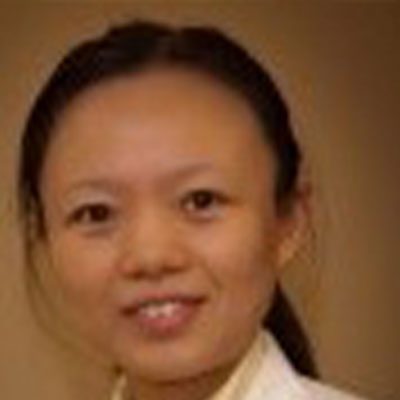
Teresa P. DiLorenzo is a Professor at Albert Einstein College of Medicine, holding dual appointments in the Department of Microbiology & Immunology and the Department of Medicine (Endocrinology). She is also the Diane Belfer, Cypres & Endelson Families Faculty Scholar in Diabetes Research, a title underscoring her dedication to advancing diabetes research. Her work is affiliated with Montefiore Einstein, where she contributes to patient care and research integration. Her research focuses on autoimmune diseases, particularly type 1 diabetes, investigating T cell-mediated destruction of insulin-producing beta cells. Using in vitro and in vivo models, structural biology, and humanized systems, her lab aims to understand disease mechanisms and develop antigen-specific therapies. Recent efforts include enhancing HLA-transgenic mouse models to better mimic human immune responses and studying non-contiguous T cell epitopes to refine therapeutic strategies. Publications highlight her contributions to CD8 T cell biology, GWAS-driven genetics, and preclinical therapeutics. Her work emphasizes translational research, bridging basic immunology with clinical applications to address diabetes complications and cures. She collaborates with institutions like the Diabetes Research Group and maintains active partnerships with the Jack and Pearl Resnick Campus facilities.
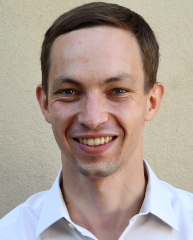
Aleksey Sikstel is a part-time faculty member at RWTH Aachen University , holding the title of Vertr.-Prof. (Part-Time Lecturer). His research focuses on advanced numerical methods for hyperbolic conservation laws, including Discontinuous Galerkin schemes, stochastic Galerkin formulations, and error estimation techniques. Key research areas: Numerical Analysis, Computational Fluid Dynamics, and Applied Mathematics Primary affiliation: Faculty 10 Institutions at RWTH Aachen University Contact: aleksey.sikstel@rwth-aachen.de His work emphasizes coupling hyperbolic systems, entropy-stable discretizations, and adaptive grid methods. Recent publications analyze Baer-Nunziato-type models, multiresolution strategies, and boundary control for hyperbolic equations.
Xiangrong Qi is a Clinical Professor in the Department of Radiation Oncology at the David Geffen School of Medicine, University of California, Los Angeles (UCLA). With expertise in radiation oncology and medical imaging, their research focuses on treatment optimization, computational radiotherapy planning, and precision medicine in cancer therapy. Their work spans multiple cancer types including mesothelioma , breast cancer , head and neck neoplasms , and prostatic neoplasms , emphasizing intensity-modulated radiotherapy , organs at risk , and image-guided radiation therapy . Recent publications highlight innovations in low-dose localization techniques and stem cell-related radioresistance mechanisms . Key collaborations include researchers such as Daniel Low, Michael Steinberg, and Steve Lee from UCLA. Their research integrates computer-assisted radiotherapy planning with radiation tolerance studies, aiming to improve quality of health care through organ-sparing treatments .
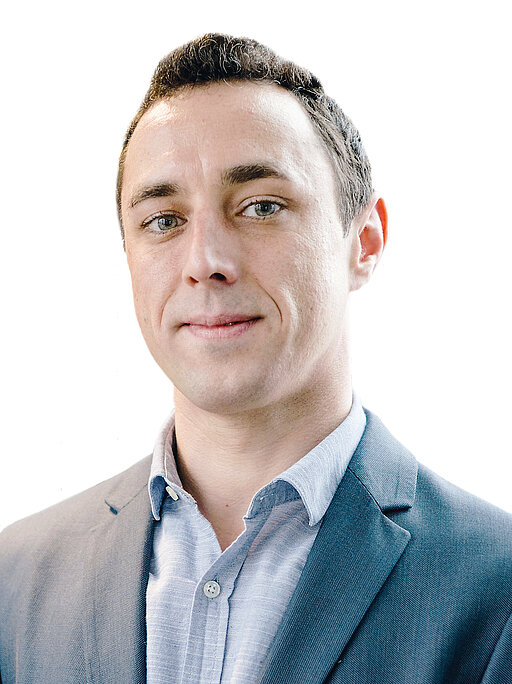
Jean-Baptiste Jeannin is an Assistant Professor in the Department of Aerospace Engineering at the University of Michigan — Ann Arbor, leading the MARVL group. He is also affiliated with the departments of Computer Science and Engineering and Robotics. His research focuses on formal verification of cyber-physical systems, logics and semantics of programming languages, and coinductive programming types. He holds a Ph.D. in Computer Science from Cornell University (2013) and a Diplôme d'Ingénieur from École polytechnique (2007), with prior roles at Samsung Research America and Carnegie Mellon University. His research interests include verification of aerospace applications, program logics, and formal methods applied to robotics and distributed systems. Notable work includes formally verified algorithms for collision avoidance, network consensus protocols, and numerical methods. He teaches courses such as AERO 552 (Aerospace Information Systems) and EECS 590 (Advanced Programming Languages). Jeannin's recent publications emphasize formal verification in hybrid systems, rounding error analysis, and hardware-software co-design. His work bridges theoretical foundations with practical applications in autonomous systems, cybersecurity, and computational physics. Collaborations include projects on certified approximations of mathematical functions and verified distributed system protocols.
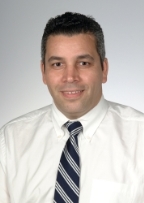
Omar Mohamed Moussa, PhD, serves as a Professor in the Department of Pathology and Laboratory Medicine at the Medical University of South Carolina (MUSC) College of Medicine. His academic career centers on advancing transplantation immunology through rigorous investigation of HLA antibody interactions, virtual crossmatch methodologies, and molecular mechanisms of antibody-mediated rejection across multiple organ systems including kidney, heart, and lung transplants. Dr. Moussa's research program demonstrates sustained focus on critical challenges in transplant immunology: Development of epitope-based immunological risk assessment models Resolution of technical artifacts in HLA antibody testing Identification of novel biomarkers for rejection monitoring Investigation of microRNA regulation in rejection pathways Optimization of virtual crossmatch accuracy for sensitized patients Analysis of his 15 most recent publications (2017-2023) reveals an evolving research trajectory emphasizing high-resolution HLA typing integration with epitope analysis to enhance virtual crossmatch precision. Key themes include addressing ambiguous single antigen bead results, characterizing non-HLA antibodies like AT1R, and exploring molecular biomarkers such as pentraxin and EGF in rejection pathogenesis. His work consistently bridges laboratory immunology with clinical transplantation outcomes, particularly in pediatric and sensitized patient populations where traditional crossmatch approaches present significant limitations.
Markus Weimar is a Lecturer at the Chair of Mathematics IX (Scientific Computing) at the University of Würzburg. He previously held academic positions at Ruhr University Bochum (Interim Professor, Assistant Professor), University of Siegen (Senior Lecturer, Interim Professor), and Philipps-University Marburg (Postdoctoral Researcher). Education: Dipl.-Math. (2009) and Ph.D. (2013) from Friedrich-Schiller-University Jena. Honors: Summa cum laude Ph.D. thesis, German National Academic Foundation support, and election to the Early Career Researchers Board at RUB. Research Interests include regularity theory for operator equations, partial differential equations, boundary integral equations, function spaces, numerical analysis, adaptive methods, and high-dimensional problems. His work focuses on overcoming the curse of dimensionality through techniques like wavelets, quasi-Monte Carlo methods, and discrepancy theory. Recent Publications highlight breakthroughs in Besov regularity for p-Poisson equations, adaptive wavelet boundary element methods, and tractability of high-dimensional permutation-invariant integration. His 2024 papers on Sobolev spaces with mixed weights and oscillation analysis in Morrey-type spaces indicate ongoing innovation in theoretical numerical analysis. Scientific Leadership: Senior member of the GAMM Junior Research Group at RUB, active in organizing workshops, and participant in international conferences like FoCM and MCQMC.
Anja Neundorf is a Professor of Politics and Research Methods at the School of Social and Political Sciences, University of Glasgow. She leads a five-year ERC Consolidator Grant project titled 'Democracy under Threat: How Education can Save it' (DEMED), which began in September 2020. Previously, she held positions at the University of Nottingham (2013-2019) and completed a Post-doctoral Prize Research Fellowship at Nuffield College, University of Oxford (2010-2012). She received her PhD from the University of Essex in 2010. Professor Neundorf's research applies advanced statistical methods to test and refine theories of political socialization, political attitudes, and electoral choice. Her work can be grouped into three broad themes: (1) Support for Democracies and Autocracies, focusing on how individuals form attitudes toward different political regimes and how (school and media) indoctrination and civic education affect democratic support; (2) Authoritarian Legacies and democratic transitioning, examining how past authoritarian regimes influence current democratic attitudes; and (3) Political Socialization, investigating how political attitudes originate through socialization processes across age and generational cohorts. Her recent publications demonstrate a strong emphasis on experimental methods to study civic education interventions, democratic resilience against authoritarian tendencies, and the effects of political socialization. She frequently employs cross-national comparative designs, with research spanning diverse political contexts from established democracies to new democracies and authoritarian regimes. Her methodological expertise includes survey experiments, advanced statistical modeling, and innovative data collection techniques using digital platforms. Among her notable achievements are securing substantial research funding including an ERC Consolidator Grant worth nearly 2 million Euros, multiple British Academy and ESRC grants, and funding from the Norwegian Research Council and Volkswagen Stiftung. She serves on the editorial boards of several leading journals including Perspectives on Politics, Comparative Political Studies, and Electoral Studies. Professor Neundorf actively supervises undergraduate and postgraduate theses in political behavior, public opinion, young people and politics, democratization, authoritarian regimes, and civic education. She has taught courses on Research Design and Authoritarianism at the University of Glasgow. Her research group has produced numerous high-impact publications in top political science journals, with a particular focus on how education can strengthen democratic resilience against authoritarian threats.
Rocío Martínez Regueiro is a Researcher at the Department of Clinical Psychology and Psychobiology, Faculty of Psychology, within the Institute of Psychology (IPsiUS). She holds a PhD from the University of Santiago de Compostela (2020), focusing on the neuropsychological profile of Spinocerebellar Ataxia Type 36 (SCA36) and the adaptation of a screening tool for Cerebellar Cognitive-Affective Syndrome (SCAS). Her research spans clinical psychology, neurodegenerative disorders, and genetic factors in neurodevelopmental conditions like ASD and Williams syndrome. She actively contributes to interdisciplinary groups such as NeuCogA-Aging, specializing in applied cognitive neuroscience and psychogerontology. Her academic work emphasizes translational research, including validation of diagnostic tools for cerebellar syndromes, neuroimaging studies of neurodegeneration, and genetic analyses of ASD. Her interdisciplinary approach bridges clinical practice with neuroscience, addressing both behavioral and biological dimensions of neurological disorders. She has published extensively on sensory processing in ASD, executive dysfunction, and the role of de novo mutations in neurodevelopmental disorders. Key areas of expertise include: Clinical neuropsychology of ataxias and neurodegenerative diseases Psychometric validation of neurological screening tools Genetic and neurobiological underpinnings of ASD and Williams syndrome Neuroimaging (PET/MRI) biomarkers for early neurodegeneration Her advisory role includes collaboration with senior researchers like María Jesús Sobrido Gómez and Manuel Arias Gómez. Current research projects focus on refining diagnostic methodologies and understanding cerebellar contributions to cognitive and affective functions.
Oriol Carbonell-Nicolau is a Professor in the Department of Economics at Rutgers University. He holds a B.S. from Universitat Pompeu Fabra and a Ph.D. from New York University. His research focuses on public economic theory and game theory, with specific interests in characterizing tax structures that reduce income inequality and polarization, as well as studying equilibrium concepts in games with general type and action spaces. His work examines how progressive tax schedules affect income distribution and economic polarization under different economic conditions. Professor Carbonell-Nicolau's publications primarily explore themes of economic inequality, tax policy, game theory equilibrium, and regulatory economics. Recent work shows a strong focus on mathematical modeling of taxation systems and their societal impacts. He maintains an active research profile with consistent publications in top economics journals exploring the intersection of economic theory and social policy.
Matthew Schmidt is a Professor in the Department of Workforce Education and Instructional Technology at the University of Georgia. His research sits at the intersection of artificial intelligence, educational technology, and learning experience design (LXD), with a strong focus on health and inclusion. He designs and studies innovative technologies including AI-powered learning tools and immersive VR environments to support individuals with disabilities and chronic medical conditions such as autism, traumatic brain injury, and diabetes. Education: PhD in Information Science and Learning Technologies, University of Missouri, 2010 MA in German Language and Literature, University of Missouri, 1999 BA in German Language and Literature, University of Missouri, 1997 Undergraduate studies at Truman State University Research Interests: Dr. Schmidt pioneers human-centered design of educational technologies through his Sociotechnical-Pedagogical Systems Theory. His work emphasizes ethical integration of AI, XR, and eHealth platforms to create accessible learning experiences for neurodiverse populations. Key focus areas include participatory co-design methodologies, usability of immersive environments for autism spectrum disorders, and mHealth interventions for chronic conditions like diabetes and epilepsy. His research bridges education and health professions to address social determinants of health through technology. Publication Trends: Analysis of his 2022-2025 publications reveals consistent focus on health-integrated educational technologies. Major themes include telehealth interventions for pediatric TBI families, medication adherence systems for epilepsy/diabetes, and inclusive game-based STEM learning for neurodiverse youth. His work increasingly incorporates participatory design with end-users and examines social determinants of health. The research output demonstrates strong federal funding support (NSF, NIH, DoD) and interdisciplinary collaboration across medical and educational fields. Scientific Awards: Multiple prestigious awards for innovative online, multimedia-based, and distance learning solutions Recognition for cutting-edge applications of VR/AI in special education contexts Advising and Grants: Dr. Schmidt leads multiple federally funded projects including NSF, NIH, and DoD initiatives focused on accessible learning technologies. His work involves mentoring graduate students in educational technology design though specific advisee names aren't publicly listed. Current grants support development of platforms like Storiza (AI reading fluency tool) and interventions including Diabetes Journey and Epilepsy Journey. His research emphasizes team-based, transdisciplinary approaches to solving complex educational-health challenges. Labs and Teams: While specific lab names aren't documented, Dr. Schmidt's work involves interdisciplinary teams spanning educational technology, clinical psychology, and medical fields. His projects utilize advanced technologies including spherical VR, biometric sensors, and generative AI. The River's Crossing facility at UGA serves as his operational base for developing and testing inclusive learning platforms focused on real-world healthcare and educational challenges.
Jennifer Saville is a Researcher and Scientific Lead at SA Pathology's National Referral Laboratory for lysosomal and related disorders, affiliated with the Adelaide Medical School at the University of Adelaide. She specializes in biochemical assessment of rare diseases, particularly using mass spectrometry to study substrate accumulation and neurodegenerative mechanisms. Her work focuses on improving diagnostic algorithms and understanding lipid roles in neurological decline. Education & Affiliations: Scientific Lead at SA Pathology's National Referral Laboratory Adelaide Medical School, Faculty of Health and Medical Sciences Research Interests: Her research emphasizes lysosomal storage disorders, rare disease diagnostics, and lipid metabolism's impact on neurodegeneration. She leads implementation of diagnostic tests to enhance accuracy and speed, with a focus on biomarkers for diseases like Gaucher, Pompe, and MPS types I, IIIA, and IVA. Publications: Recent work includes studies on sphingolipid metabolism in Gaucher disease, lipid biomarkers in neurodegeneration, and RNA-based therapies for Fabry disease. These publications highlight her focus on translational research and diagnostic innovation. Awards & Grants: No explicit awards mentioned, but her contributions to diagnostic advancements and lipid research are significant. She collaborates with institutions like SA Pathology and the University of Adelaide. Advising & Teamwork: Co-supervisor for PhD student Ashleigh Lake (project: Gaucher disease cell pathology). Mentored multiple placement, honors, and master's students. Active member of the Australian and New Zealand Society for Mass Spectrometry since 2007. Labs & Teams: Works under Professor Maria Fuller's guidance, focusing on lysosomal disorders. Collaborates with international teams on lipid profiling and biomarker development.
Niki Vazou is a Research Professor at the IMDEA Software Institute, a leading research institute in Spain. Her work focuses on program verification, refinement types, and formal methods, particularly through the Liquid Haskell project. She holds a PhD from the University of California, San Diego, USA. Her research interests include theorem proving, dependent types, and the application of formal methods in software development. Education: PhD in Computer Science, University of California, San Diego, USA Research Interests: Dr. Vazou specializes in program verification and theorem proving using refinement types. Her work emphasizes practical tools like Liquid Haskell, which integrates formal verification into Haskell programming. She explores topics such as termination analysis, natural deduction, and structural induction within the context of functional programming and formal systems. Her contributions bridge theoretical foundations and practical implementations, enabling rigorous software validation and static analysis. Professional Activities: She has developed course materials on refinement types, natural deduction, and program verification, reflecting her commitment to advancing both research and education in formal methods. Her work is part of the broader effort to improve software correctness through rigorous type systems and automated reasoning.
Marco Guarnieri is an Associate Research Professor at the IMDEA Software Institute in Spain. He holds a PhD in Computer Science from ETH Zurich (2017), an MSc in Computer Engineering from the Università degli Studi di Bergamo (2012), and a BSc in Computer Engineering from the same institution (2010). His research focuses on secure hardware-software co-design, microarchitectural side-channel attacks, and formal methods for verifying security guarantees. Education : PhD in Computer Science, ETH Zurich (2017) MSc in Computer Engineering, Università degli Studi di Bergamo (2012) BSc in Computer Engineering, Università degli Studi di Bergamo (2010) Research Interests : Security, privacy, programming languages, formal methods, and microarchitectural security. His work emphasizes practical systems for securing sensitive data storage and processing, with recent focus on leakage contracts for open-source processors and automated testing of secure speculation countermeasures. Awards : Best Paper Award at CCS 2024 for work on leakage contracts for RISC-V processors Distinguished Paper Award at CCS 2023 for Spectre attack detection Best Paper Award at S&P 2021 for hardware-software contracts for secure speculation Grants & Advising : He leads a research group at IMDEA, actively mentoring PhD students and postdocs in hardware-software security. His projects include AMuLeT (automated testing of secure speculation) and LeaVe (verifying leakage contracts). Labs/Teams : IMDEA Software Institute’s security research group, focusing on cross-layer hardware-software security solutions.
Dr Bhim Rai is a Research Fellow at The Australian National University (ANU), working in the Maddess Group under the Eccles Institute of Neuroscience at the John Curtin School of Medical Research. His primary focus is developing objective visual field testing technologies for diagnosing eye diseases such as AMD, diabetic retinopathy, and glaucoma. He holds a PhD and has over 15 years of clinical experience as an ophthalmologist, specializing in vitreoretinal surgery and public health initiatives in Bhutan. Dr Rai is also a faculty member at the Postgraduate Medical Education Centre, University Medical Sciences of Bhutan, where he teaches optometry and paramedic programs. Education: MBBS, DO, DNB, VR Fellow, FHEA, PhD Research Interests: Vitreoretinal diseases (AMD, diabetic retinopathy) Diabetic peripheral neuropathy, glaucoma, Alzheimer’s, and multiple sclerosis Medical technology innovation, low vision management Public health policy for eye care in underserved regions Dr Rai leads national programs in Bhutan, including the Diabetic Retinopathy Screening Program and Retinopathy of Prematurity Screening Program. His current projects include the FAME 1 study (Fenofibrate And Microvascular Events in Type 1 diabetes) and the OHIOH initiative (Our Health in Our Hands). His research emphasizes early detection and functional assessment of eye diseases using advanced diagnostic tools like the ObjectiveFIELD Analyser. Scientific Contributions: His work spans over 30 peer-reviewed articles on vitreoretinal epidemiology, diagnostic innovations, and clinical outcomes. Key themes include the diagnostic power of objective perimetry in Alzheimer’s, concussion, and diabetes-related retinopathy. Grants & Collaboration: Principal investigator on the ANU-funded project refining the ObjectiveFIELD Analyser for neuro-ophthalmic diseases. Collaborates with global teams on multi-center trials and public health initiatives. Labs & Teams: Active in the Maddess Group, specializing in pupillographic perimetry, and contributes to the Eccles Institute’s vision research programs.
Leonard Donald Shultz is a Professor at UMass Chan Medical School in the Department of Medicine, with a specific focus in the Division of Endocrinology & Diabetes. He maintains significant research affiliations with The Jackson Laboratory in Bar Harbor, ME. His research program centers on humanized mouse models for studying immunological diseases, diabetes, and cancer. Dr. Shultz received his BA in Biology from Northeastern University and his PhD in Medical Microbiology from the University of Massachusetts Amherst. His academic background has provided a strong foundation for his interdisciplinary research spanning immunology, endocrinology, and oncology. Dr. Shultz's research interests include: Development and application of humanized mouse models for immunological studies Diabetes research, particularly related to pancreatic islet biology and function Cancer immunology and development of mouse models for lymphoma and myeloma Translational medicine approaches to bridge basic research and clinical applications Immune system development and function in humanized models Analysis of Dr. Shultz's recent publications (2023-2024) reveals a strong focus on advancing humanized mouse models for various applications. His work spans diabetes research (particularly glucagon signaling and islet cell biology), cancer immunology (including lymphoma, myeloma, and acute myeloid leukemia), and infectious disease models (such as Salmonella pathogenesis). A significant portion of his research involves refining human immune system engraftment in immunodeficient mice to better model human diseases and test therapeutic interventions. Dr. Shultz has received recognition for his contributions to the field, particularly in the development of humanized mouse models, though specific awards are not listed in the provided information. His laboratory maintains extensive collaborations with researchers in immunology, diabetes, and oncology. Based on publication patterns, his work has significant implications for understanding disease mechanisms and developing new therapeutic approaches, particularly in the areas of diabetes and cancer immunotherapy. Dr. Shultz's research group likely maintains specialized mouse facilities for humanized mouse models and collaborates with clinical researchers to translate findings from preclinical models to human applications.