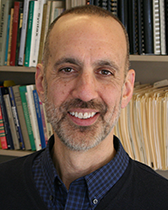
Michael Lucey is the Sidney and Margaret Ancker Chair and Distinguished Professor of French and Comparative Literature at the University of California, Berkeley. His work bridges French literature from the 19th to 21st centuries with social theory, sexuality studies, and linguistic anthropology. He has authored the critically acclaimed What Proust Heard: Novels and the Ethnography of Talk (2022) and Thinking about Sexuality with Novels (forthcoming). As founding director of the Center for the Study of Sexual Culture , he has shaped interdisciplinary research in queer theory and gender studies. Current research focuses on novels as ethnographic tools Specializes in Proust, Balzac, Woolf, and contemporary French fiction Translation work includes Didier Eribon and Édouard Louis His recent articles explore phonetics in narrative, readability frameworks, and sociological implications of literary form. He actively engages with comparative methodologies and critical theory, while his teaching spans British and American literature’s intersections with French modernism. Lucey’s academic leadership includes directing Berkeley’s Center for the Study of Sexual Culture, which supports global discourse through fellowships and conferences. His office hours are held in Dwinelle Hall and via Zoom. Contact: mlucey@berkeley.edu
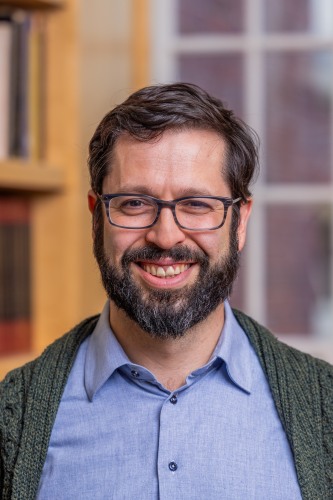
William S. Horton (Sid) is an Associate Professor in the Department of Psychology at Northwestern University , where he has taught since 2005 and directed the Cognition and Communication Lab (Cresap 108). Starting in September 2025, he will serve as Chair of the Department of Linguistics . His research focuses on socio-cognitive mechanisms in language use, particularly discourse pragmatics , perspective-taking , and non-literal language processing . Education: B.S. in Psychology/German from Duke University (1991), M.A. and Ph.D. in Cognitive Psychology from University of Chicago (1994/1999) Previous roles: Postdoctoral research at SUNY-Stony Brook, Cognitive Aging at Georgia Tech Research trends from his 20+ years of publications include common ground , memory processes , figurative language , and age-related communication changes . His work increasingly incorporates computational text analysis and real-time digital communication studies. Awards : Fellow, Society for Text and Discourse Students : Supervised Ph.D. theses on conversational alignment, common ground activation, and digital communication. Undergraduate honors projects explore inhibitory deficits, speech internalization, and perspective-taking in bilingualism. Cognition and Communication Lab investigates language processing in spoken/written contexts using experimental methods and computational models.
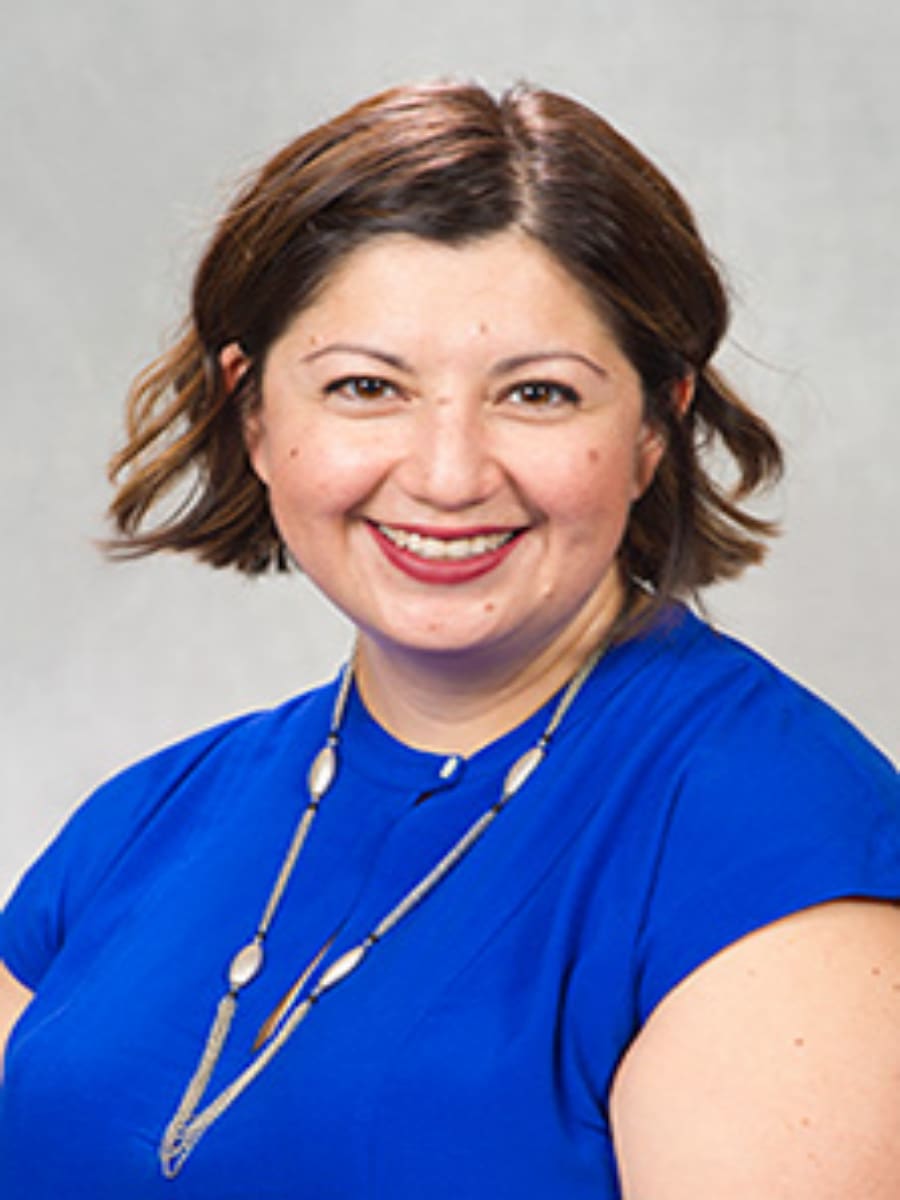
Gregory Ward is Professor of Linguistics, Gender & Sexuality Studies, and Philosophy at Northwestern University. His work bridges pragmatic theory, information structure, and intonational meaning, with a focus on reference/anaphora. He has taught courses like Pragmatics (LING 372) and Language & Gender (GSS 234), receiving the E. LeRoy Hall Award for Excellence in Teaching (2012). BA in Comparative Literature and Linguistics (1978, UC Berkeley) PhD in Linguistics (1985, University of Pennsylvania) His research explores how contextual meaning shapes linguistic structures, including demonstratives, implicatures, and noncanonical word order. He has contributed to experimental pragmatics, syntax-discourse interactions, and the semantics-pragmatics boundary, co-authoring key works like Information Status and Noncanonical Word Order in English (1998). Recent publications analyze deferred reference, event anaphora, and functional compositionality. These works span subfields such as pragmatic theory, syntactic variation, and discourse processing, reflecting his interdisciplinary approach. Scientific awards include: E. LeRoy Hall Award for Excellence in Teaching (2012) He served as Secretary-Treasurer of the Linguistic Society of America (2004-2007), co-PI on NIH and NSF grants, and Fellow at the Center for Advanced Study in the Behavioral Sciences (2004-05).
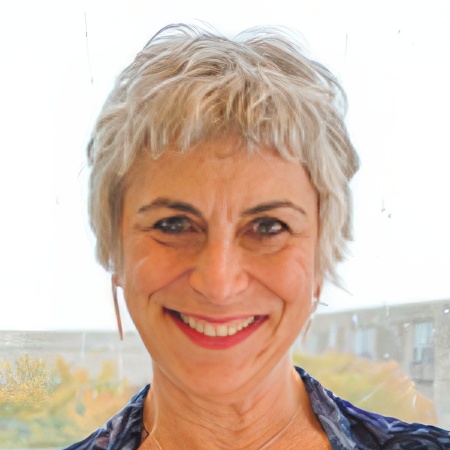
Roman Feiman is the Thomas J. and Alice M. Tisch Assistant Professor of Cognitive, Linguistic, and Psychological Sciences and an Assistant Professor of Linguistics at Brown University. He directs the Brown Language and Thought Lab, focusing on how humans combine words into meaningful sentences and develop logical reasoning abilities. His research integrates methods from cognitive developmental psychology, psycholinguistics, and formal semantics. Feiman holds a PhD in Psychology from Harvard University (2015), followed by postdoctoral training at Harvard and UC San Diego. His work explores the cognitive systems underlying language and thought, including negation comprehension, quantifier scope, and the development of exact equality concepts. He teaches courses such as Language Processing in Humans and Machines and Logic in Language and Thought . His research interests span cognitive development, linguistic pragmatics, and the language of thought hypothesis. Notable findings include studies on children’s understanding of negation and how logical principles shape early language acquisition. Feiman has been recognized with the 2023 Henry Merritt Wriston Fellowship. His lab investigates topics like word referencing, semantic development, and the interplay between language and nonverbal reasoning. Recent work examines how neural networks might model human cognitive processes, bridging AI and psychological theory.
University of California , Santa Barbara (UCSB)United States
John W. Du Bois is a Professor in the Department of Linguistics at the University of California, Santa Barbara (UCSB), within the College of Letters and Science. His work focuses on the interplay between discourse, grammar, and sociocultural contexts. Specializing in dialogic syntax, he explores how linguistic structures emerge from interactional dynamics, particularly in conversational coherence and stance-taking mechanisms. His research integrates corpus linguistics, computational methods, and ethnographic approaches to study languages like Mayan and Kazakh. Key research areas include: Discourse and grammar integration Dialogic resonance and affective alignment Corpus design and analysis Ritual language and cognitive models Mayan linguistic systems Recent studies emphasize computational tools like Rezonator for dialogue coherence visualization and remote corpus development methodologies. His work bridges theoretical linguistics with applied research in language documentation and education. Du Bois has contributed to foundational texts on discourse transcription standards and maintains active involvement in the Santa Barbara Corpus of Spoken American English project. His publications span over four decades, reflecting sustained engagement with linguistic complexity across multiple levels—from micro-level syntactic interactions to macro-level sociocultural frameworks. Current projects investigate dialogic syntax in autism and the evolutionary niche of language within social interaction.
Dr. Marianne Mason is an Associate Professor of Translation/Interpreting Studies and Forensic Linguistics at James Madison University (JMU), where she also coordinates the SETI minor and contributes to Linguistics and Legal Studies programs. Holding a Ph.D. in Linguistics from the University of Georgia, along with a BBA in Statistics and an MA in Translation, her expertise spans interdisciplinary research areas including language and law, discourse analysis, and translation studies. She is a 2018–2019 ACLS Fellow for her project on linguistic analysis in the American justice system. Her research focuses on police-layperson interactions, Miranda rights invocation, and interpreter-mediated legal discourse. Notable works include Police Interrogation, Language, and the Law (Cambridge UP, 2024) and co-editing The Discourse of Police Interviews (U Chicago Press, 2020). She has provided expert testimony in criminal cases and serves on editorial boards for journals like Translation and Interpreting Studies . Educations: Ph.D. Linguistics, University of Georgia MA Translation, [institution not specified] BBA Production Management/Statistics, [institution not specified] Research Projects: ACLS-funded study on language in the American justice system Custodial interrogation reform analysis Affiliations: International Association for Forensic and Legal Linguistics National Association of Judiciary Interpreters & Translators (NAJIT)
Yoshiko Matsumoto is the Yamato Ichihashi Professor in Japanese History and Civilization and Professor of East Asian Languages and Cultures at Stanford University, with a courtesy appointment in Linguistics. She has been a faculty member at Stanford since 1992, progressing from Assistant Professor to her current distinguished position. Matsumoto also serves as coordinator of the Japanese Language Program and has held significant administrative roles including Chair of the Department of Asian Languages (2003-2005) and Interim Chair of the Department of East Asian Languages and Cultures (2016). Matsumoto earned her Ph.D. in Linguistics from the University of California, Berkeley (1989), following M.A. degrees in Linguistics from UC Berkeley and General and Applied Linguistics from the University of Tsukuba, an M.I.A. in American Studies from the University of Tsukuba, and a B.A. in English Language & Literature from Japan Women's University. Professor Matsumoto's research focuses on linguistic pragmatics from cross-linguistic perspectives, with particular expertise in Japanese language. Her work spans structural and sociocultural aspects of language in use, including noun-modifying clause constructions, honorifics, discourse markers, and the intersection of language with gender and aging. She has pioneered research on conversational narratives of older adults, examining how ordinary framing strategies help individuals navigate difficult experiences. Her current projects explore intergenerational communication through haiku, communicative abilities of people with dementia, and noun-modifying constructions across Eurasian languages. Matsumoto's scholarship consistently bridges theoretical linguistics with practical applications for understanding human communication in diverse social contexts. Matsumoto's recent publications reveal a growing focus on practical applications of linguistic research for social benefit, particularly in intergenerational communication and dementia care. Her work increasingly integrates arts-based approaches, especially haiku poetry, to bridge generational divides and enhance communication with elderly populations. The research shows a consistent trajectory from theoretical linguistic frameworks toward applied, human-centered language studies that address real-world challenges in aging societies, with particular attention to how ordinary language practices help individuals navigate life transitions and difficult experiences. Dean's Award for Distinguished Teaching, School of Humanities and Sciences, Stanford University (2000) Richard E. Guggenhime Faculty Scholar, Stanford University (2000-2003) Violet Andrews Whittier Fellow, Stanford Humanities Center (2019-2020) Faculty Research Fellow, Michelle R. Clayman Institute for Gender Research (2014-2015) Research Fellow, Japan Foundation (2002) Internal Fellow, Stanford Humanities Center (2005-2006) Presidential Fund for Innovation in the Humanities, Stanford University (2009-2011) Professor Matsumoto has mentored numerous students through her teaching in Japanese language and linguistics courses, including specialized offerings on language and aging, points in Japanese grammar, and haiku-based communication. Her research has been supported by prestigious grants from the National Endowment for the Humanities, the Japan Foundation, and Stanford's Presidential Fund for Innovation in the Humanities. She has served on multiple editorial boards including the Journal of Pragmatics since 1992, demonstrating long-standing leadership in her field. Matsumoto has also advised students through individual studies and thesis projects in East Asian Languages and Cultures. Matsumoto leads several collaborative research initiatives including the 'Sharing Conversations' project which examines intergenerational communication through haiku, and research on communicative abilities of people with dementia. Her work often involves interdisciplinary teams spanning linguistics, gerontology, and creative arts, with fieldwork conducted in both Japan and the United States. The 'Noun-Modifying Constructions in Languages of Eurasia' project represents a major international collaboration examining linguistic structures across cultural boundaries. She also directs the 'Language, Old Age and Gender in Japan' project supported by the Stanford University/Japan Foundation, and the 'Difficult Conversations Continue: Memories of the 3.11 Disaster and Bereavement Narratives' project focused on post-disaster communication.
Paul L. Harris is the Victor S. Thomas Professor of Education at Harvard University's Graduate School of Education. He holds a D.Phil. from Oxford University (1971) and specializes in cognitive, emotional, and imaginative development in children. His research examines how children evaluate testimony about domains like history, science, and religion, focusing on their trust in others' claims versus firsthand observation. Key publications include *Trusting What You're Told: How Children Learn from Others* (2012, Harvard UP), exploring children's reliance on testimony. His work spans developmental psychology, epistemology, and cultural learning. He has served on editorial boards for journals like *Child Development* and is a Fellow of the British Academy. Notable awards include the 2017 APS Mentor Award and the 2009 William Thierry Preyer Award. He is affiliated with the British Academy, the Norwegian Academy of Science and Letters, and the Max-Planck-Institut für Evolutionäre Anthropologie. Currently retired from advising doctoral students, he remains active in research and publishing. Education: D.Phil. in Psychology, Oxford University (1971) Research Themes: Testimonial learning, imagination's role in cognition, moral development, cross-cultural emotional understanding Recent Work: Investigating children's skepticism of adult claims, the impact of religion on belief systems, and the development of empirical reasoning Grants & Fellowships: Recipient of the Guggenheim Fellowship (2005) and Fellow of the Center for Advanced Study in the Behavioral Sciences (1992). Collaborates with institutions like the Living Laboratory® for museum-based research.
Susan E. Brennan is a Distinguished Professor in the Department of Psychology at Stony Brook University, with joint appointments in Computer Science and an affiliation in Linguistics. She holds a Ph.D. from Stanford University (1990) and has been a faculty member since 1990. Her research focuses on the cognitive science of language use, particularly interactive spoken dialogue, eye-tracking as a communication tool, and human-AI interaction. She is also involved in projects exploring how technology interfaces with communication, including speech and language systems. Her academic roles include serving as Director of Graduate Studies and Associate Chair in Psychology. Brennan’s work has been continuously supported by the NSF, totaling over $3.5M in grants. Notable awards include the Chancellor’s Award for Excellence in Scholarship (2003) and the Dean’s Award for Excellence in Service (2012). Research interests span the psychology of language, multimodal communication, and the neural basis of dialogue. She has published extensively on topics like common ground in conversation, coordination signals, and the role of gaze in collaborative tasks. Her lab integrates behavioral experiments, eye-tracking, and computational models to study real-world communication dynamics.
Sid Horton is an Associate Professor and Director of Cognitive Psychology in the Department of Psychology at Northwestern University. He holds affiliations with the Northwestern Department of Linguistics and the Center for Technology and Social Behavior. Horton’s research focuses on psycholinguistics and pragmatics, exploring how social and cognitive factors influence language use, particularly in discourse production and comprehension of non-literal language. His work also examines epistemic judgments and theory-of-mind development. Education: B.S. Psychology/German (Duke University, 1991), M.A. and Ph.D. in Cognitive Psychology (University of Chicago, 1994 and 1999). Postdoctoral training at SUNY-Stony Brook and Georgia Institute of Technology. Editorial roles include Associate Editorships at Discourse Processes and Memory & Cognition . Research Interests: Pragmatics, discourse processing, figurative language, common ground, and aging effects on communication. His recent work investigates typing cues in written messages and analogical reasoning’s role in theory of mind. Awards: Fellow, Society for Text and Discourse (2011–2017). Teaching: Cognitive Psychology (PSYCH 228), Research Methods (PSYCH 205), and graduate courses on experimental pragmatics and dialogue. Labs: Cognition and Communication Lab (Swift 217 and Cresap 108), supervising undergraduate and graduate research on topics like bilingualism, emoji usage, and perspective-taking.
Valerie San Juan is an Assistant Professor in the Psychology Department at Bradley University's College of Liberal Arts & Sciences. With a Ph.D. in Developmental Psychology and Education from the University of Toronto, she completed postdoctoral research at both the University of Toronto (under Dr. Patricia Ganea) and the University of Calgary (with Drs. Susan Graham and Suzanne Curtin), supported by the Eyes High Fellowship and SSHRC grants. Education: Ph.D. in Developmental Psychology and Education, University of Toronto Her research focuses on children's social cognitive development and language acquisition, particularly how children understand others' mental states and integrate this knowledge into social interactions. Using innovative methods like computer-based games and eye-tracking technology, she investigates perspective taking, desire reasoning, and false-belief understanding in children aged 2-6 years. Recent publications demonstrate her expertise in referential communication, epistemic verb development, and social category inference. Her work appears in top journals including Journal of Experimental Child Psychology , Cognitive Development , and Journal of Child Language . These studies consistently examine how children's cognitive control, language development, and social understanding interact. Scientific Awards: Eyes High Fellowship program (University of Calgary) Social Sciences and Humanities Research Council of Canada (SSHRC) grant As director of the Social Minds and Language Lab (S.M.A.L.L.), she mentors undergraduate researchers and collaborates with local families to conduct community-based developmental studies. Her teaching portfolio includes Principles of Psychology, Experimental Psychology, and Developmental Psychology courses.
Sandra R. Waxman is a Professor of Psychology at Northwestern University with a joint appointment in the School of Education and Social Policy. She holds the Louis W. Menk Chair in Psychology and is affiliated with the Infant and Child Development Center and the Institute for Policy Research. Waxman earned her PhD from the University of Pennsylvania (1985), following MA (1981) and BS (1976) degrees. Her research focuses on language and conceptual development, early cognitive development, and cross-cultural studies of biological thought. Notable honors include Guggenheim and Cattell Awards, and she is a Fellow of the AAAS and APS. Her work bridges developmental and cross-linguistic evidence to explore how infants form expectations about language and categorization, with implications for bilingualism and language impairments. Recent studies investigate how children across cultures conceptualize biological hierarchies and human-animal relationships. Articles highlight mechanisms of verb learning, symbolic representation, and the interplay between speech and cognitive development. Awards: Louis W. Menk Chair, AAAS Fellow, Guggenheim Fellowship, James McKeen Cattell Award Grants & Research: Supported by NIH and NSF grants (not explicitly listed but inferred from institutional affiliation), focuses on cognitive development in diverse populations Labs/Teams: Active in the Infant Cognition Lab and collaborates with interdisciplinary teams at the Institute for Policy Research.
Rutgers, The State University of New JerseyUnited States
Dr. Ernie Lepore is a Board of Governors Professor of Philosophy and Cognitive Science at Rutgers University. He specializes in Philosophy of Language , Philosophy of Mind , and Philosophical Logic , with significant contributions to semantic theory, cognitive science, and metaphysics. Education : Not explicitly mentioned in the provided text. His research focuses on the intersection of linguistic meaning and mental representation, emphasizing the role of convention, context, and truth conditions in semantic theory. His work often bridges formal philosophy with cognitive science, exploring how language shapes thought and reality. Key trends in his publications include semantic externalism , pragmatic theories , and truth-conditional semantics , reflecting his collaborations with scholars like Donald Davidson, Herman Cappelen, and Kirk Ludwig. Scientific Awards : Board of Governors Professor As general editor of the Blackwell series 'Philosophers and Their Critics' , he has influenced scholarly discourse. His book What Every College Student Should Know provides practical guidance on academic advising and teacher evaluation.
Rutgers, The State University of New JerseyUnited States
Elisabeth Camp is a Professor in the Department of Philosophy at Rutgers University. She holds a PhD from UC Berkeley and previously taught at the University of Pennsylvania before joining Rutgers in 2013. Her work bridges philosophy of language, philosophy of mind, and aesthetics. Education: BA: University of Michigan PhD: University of California, Berkeley Postdoctoral Fellow: Harvard Society of Fellows (2003-2006) Research Interests: Her work investigates non-propositional thought and speech, focusing on: Metaphor and figurative language Loaded terms (e.g., slurs) Cognitive perspectives and emotional frames Non-sentential representation (maps/diagrams) Semantic-pragmatic boundaries Antagonistic conversation dynamics Scientific Awards: ACLS Fellowship (2020) NEH Fellowship (2019) Rutgers Board of Trustees Research Fellowship (2018) Key Article Trends: Recent publications explore metaphorical cognition, visual-verbal representation differences, and ethical implications of non-literal communication. Her 2017 work on Trumpian language became a reference in political discourse analysis.
Jared M. Novick is a Professor in the Department of Hearing and Speech Sciences at the University of Maryland, affiliated with the Program in Neuroscience and Cognitive Science and the Maryland Language Science Center. He directs undergraduate studies in Hearing and Speech Sciences (2022–present) and co-directs the Undergraduate Honors Program in Hearing and Speech Sciences (2018–present). He has held leadership roles such as Lead Faculty Fellow for University Honors (2020–2024) and Director of Admissions for the PhD Program in Neuroscience and Cognitive Science (2021–2025). Dr. Novick earned his PhD in Cognitive Psychology from the University of Pennsylvania (2000–2005), where he worked with John Trueswell and Sharon Thompson-Schill. He completed postdoctoral training in neuroimaging at MIT (2005–2007) under John Gabrieli, following an undergraduate degree in Brain and Cognitive Sciences from the University of Rochester (1998). His research focuses on real-time language comprehension, employing eye-tracking and EEG to study how cognitive control mechanisms (e.g., attention, executive functions) enable interpretation and re-interpretation of language. A key project, funded by the NSF, integrates EEG and eye-tracking to examine how attention and cognitive control influence sentence processing. His academic contributions span over 50 peer-reviewed articles, emphasizing interdisciplinary methods and topics like bilingualism, syntax-semantics interfaces, and neurocognitive mechanisms. He supervises PhD students in Hearing and Speech Sciences and Neuroscience and Cognitive Science at UMD, actively mentoring trainees in experimental design and cognitive neuroscience. Dr. Novick collaborates widely, leading grants and initiatives that bridge cognitive psychology, linguistics, and neuroscience. His work is published in top journals like Neuropsychologia , Journal of Experimental Psychology , and Brain and Language .