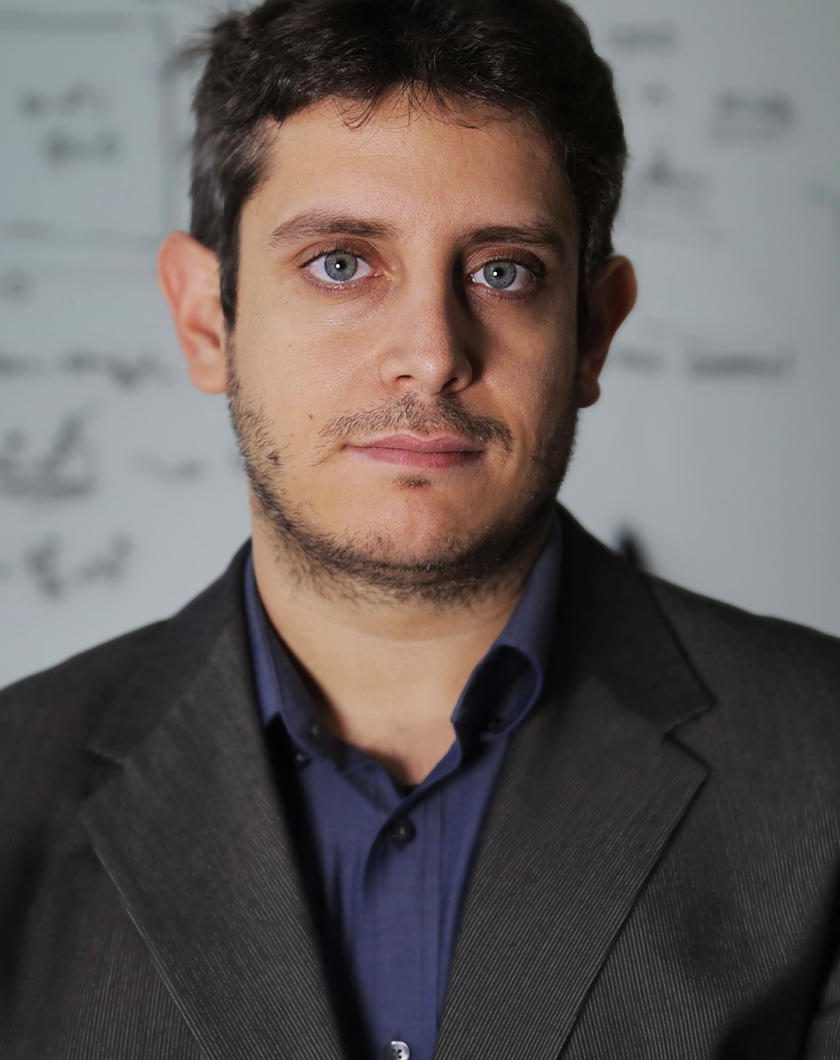
Thomas M. Antonsen Jr.View profile
Professor
Thomas M. Antonsen Jr. is a Distinguished University Professor at the University of Maryland, holding joint appointments in the Department of Electrical and Computer Engineering and the Department of Physics. He is affiliated with the Institute for Research in Electronics & Applied Physics (IREAP), Maryland Energy Innovation Institute, and the Institute of Physical Science and Technology. His research focuses on plasma physics, nonlinear dynamics, and high-power coherent radiation sources. Antonsen earned his B.S., M.S., and Ph.D. in electrical engineering from Cornell University (1973–1977) and has held visiting positions at institutions such as the University of California, Santa Barbara, and the École Polytechnique in France. **Education:** B.S., Electrical Engineering, Cornell University, 1973 M.S., Electrical Engineering, Cornell University, 1976 Ph.D., Electrical Engineering, Cornell University, 1977 **Research Interests:** Antonsen’s work spans magnetically confined plasmas, laser-plasma interactions, and advanced vacuum electronics. He has pioneered adjoint methods for optimizing beam-wave interaction systems and contributed to the development of high-power microwave amplifiers. His recent projects include wave chaos in complex systems and machine learning applications in nonlinear dynamics. **Awards & Honors:** James Clerk Maxwell Award (American Physical Society, 2023) IEEE Marie Sklodowska-Curie Award (2022) University of Maryland Distinguished University Professor (2017) IEEE Fellow (2012) **Teaching & Mentorship:** Antonsen teaches courses such as Physics 132 (Biophysics), Electrodynamics, and Plasma Physics. He mentors graduate students in plasma physics and vacuum electronics through his research groups at IREAP and the Bright Beams Collective. **Labs & Collaborations:** His research is supported by grants from the Department of Energy, NASA, and the Office of Naval Research. Key collaborations include the National Institute of Standards and Technology (NIST) and the European XFEL facility.