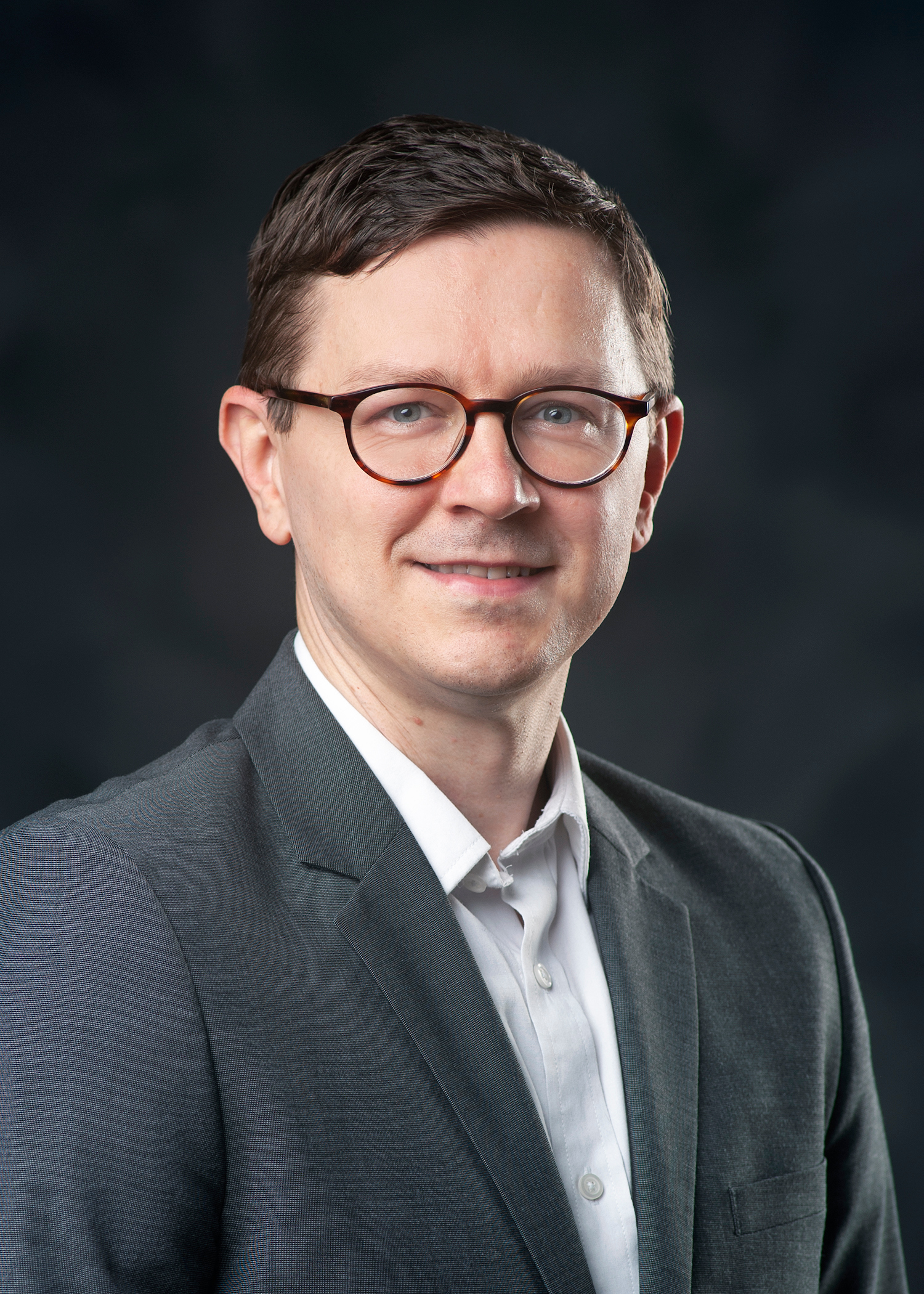
Mathias Funk is an Associate Professor in the Industrial Design department at Eindhoven University of Technology (TU/e), leading the Things Ecology lab. His research focuses on designing with data and systems behavior, particularly in IoT and medical technology contexts. He co-founded UXsuite GmbH and developed the OOCSI communication framework. With a PhD in Electrical Engineering from TU/e (2011), Funk has held academic roles since 2013, including postdoctoral positions in Electrical Engineering and Industrial Design. He teaches courses like 'Data-enabled design' and supervises projects on AI, data foundry, and OOCSI applications. His work bridges engineering and design, addressing sustainability and human values through systemic design approaches. Education: PhD in Electrical Engineering, TU/e (2011) Computer Science background from RWTH Aachen Postdoc at TU/e's Electrical Engineering and Industrial Design departments Research Interests: Data-driven design methodologies, IoT systems, medical technology innovation, sustainable design practices, and interactive systems for musical expression. Recent work emphasizes telemonitoring efficacy in heart failure care and federated learning applications. Awards: Best Paper Award (2014) Honorable Mention (2021) Grants/Projects: Leading initiatives like MEDICAID (medtech solutions), ACACIA (interpretable AI), and Data-Driven Servitizing in Professional Printing. Active in clinical workflow prototyping and cardiovascular disease detection projects. Lab Activities: Manages the Things Ecology lab, focusing on systemic design challenges in smart ecosystems. Collaborates internationally through spin-offs and visiting lectureships.
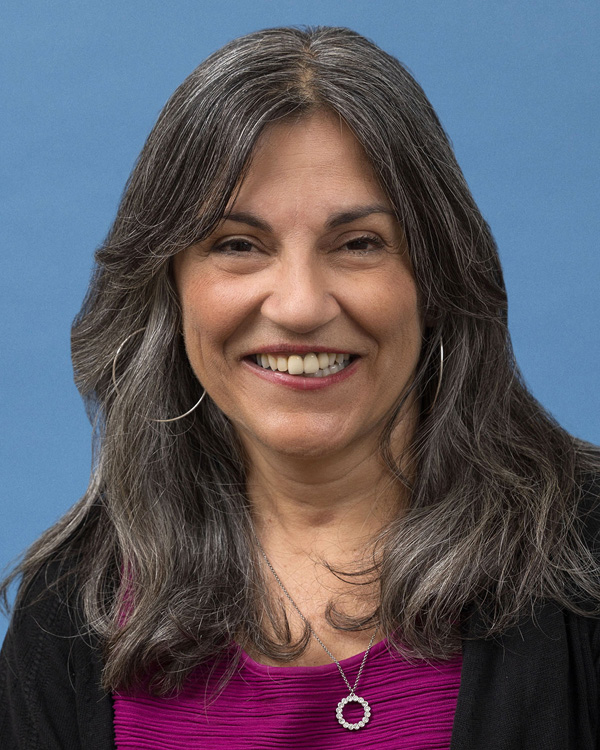
Alana Clifton-Cunningham is a dedicated educator and researcher in fashion and textile design at the University of New South Wales, Faculty of Arts, Design & Architecture. With over two decades of experience in higher education, she has established herself as a leader in sustainable and innovative design education. Her work bridges traditional craftsmanship with cutting-edge technologies, creating experiential learning environments that prepare students for contemporary design practice while addressing global sustainability challenges. Educational Background: 2021 | UNSW - Learn to Lead: Progress Needs Resilient Leaders 2019 | UTS - Graduate Certificate in Higher Education Transdisciplinary Learning 2008 | UNSW (COFA) - Master of Design (Hons) Research 2002 | UTS - Graduate Certificate in Higher Education Teaching and Learning 2001 | TAFE - Diploma of Marketing Management 1993 | UTS - Bachelor of Design (Hons) (Fashion and Textile Design) Clifton-Cunningham's research focuses on sustainable fashion practices, with particular emphasis on circular economy principles in textile production and garment design. Her work explores scalable models for textile remanufacturing, clothing waste reduction, and sustainable workwear systems. She is deeply engaged in addressing clothing sizing issues and standards in Australia, advocating for more inclusive approaches to fit and body diversity. Her commitment to equity, diversity, and inclusion underpins all aspects of her leadership and teaching, making her a strong advocate for responsible design futures that prioritize both environmental sustainability and social justice. Her publication record demonstrates a consistent focus on the intersection of design education, cultural exchange, and sustainable practices. Notable works include her 2022 book chapter on cross-cultural textile workshops in India, her 2018 analysis of undergarment technology evolution, and her contributions to exhibitions like 'Out of Hand' at the Powerhouse Museum. These works collectively highlight her emphasis on hands-on, experiential learning that connects students with real-world sustainability challenges and cultural contexts. Research Grants: 2024 | Redesigning Clothing Waste Using a Circular Design Framework - LP230200929 $220,473K 2024 | Department of Community and Justice - $17,900 2024 | Education Focussed Community of Practice (PVCESE) - $2,500 2023 | Department of Community and Justice - $15,900 2023 | Education Focussed Community of Practice (PVCESE) - $6,995 2017 | AbbVie Pharmaceutical Pty Ltd, HS Support Garments: Chief Investigator - $35,000 Clifton-Cunningham actively supervises research in fashion and textile design, with a focus on sustainable practices and innovative design processes. Her extensive industry network, including partnerships with major fashion labels, brings real-world insight into the classroom. She has led international global studios, including immersive programs in India where students collaborate with artisans. Her current ARC Linkage project 'Redesigning Clothing Waste Using a Circular Design Framework' represents a significant contribution to sustainable fashion research. Her creative practice is reflected in numerous exhibitions, including the Seoul International Fashion Art Biennale (2016, 2018), Wangaratta Contemporary Textile Awards, and the Powerhouse Museum's 'Out of Hand' exhibition. These artistic endeavors complement her academic work, demonstrating the practical application of her research interests in sustainable and innovative textile design.
Nicolas Riviere is a Professor at INSA Lyon in the Department of Mechanical Engineering, working within the Laboratory of Fluid Mechanics and Acoustics (LMFA - UMR 5509). He is part of the "Fluides complexes et transferts" (Complex Fluids and Transfers) group and the Environment team. His teaching activities primarily focus on fluid mechanics at the Mechanical Engineering Department of INSA Lyon, covering: General balances (mass, momentum, energy) Aerodynamics Compressible flows Numerical simulation of flows Free surface hydraulics Prof. Riviere's research centers on free surface hydrodynamics, with applications to natural and industrial risks. His work takes an experimental approach, utilizing the laboratory's channel facilities, particularly the channel intersection installation. His research spans river floods with compound beds, urban flooding, sanitation networks, torrential flows, and flow-obstacle interactions. He has developed a strong interdisciplinary focus, co-leading the "Baignades en Rivières Urbaines" studio with Oldrich Navratil from University Lyon 2 and the EVS Laboratory. His publication record demonstrates consistent contributions to the fields of fluid mechanics and environmental hydraulics, with recent work focusing on open-channel flows, urban flooding phenomena, vegetation-flow interactions, and experimental techniques for studying complex hydraulic phenomena. His research often bridges theoretical fluid mechanics with practical environmental applications. Prof. Riviere has received recognition for his work in environmental fluid mechanics, with numerous publications in high-impact journals in hydraulic engineering and fluid mechanics. He has supervised multiple PhD students and research projects related to environmental fluid mechanics and has collaborated with various institutions on interdisciplinary research projects addressing water-related challenges. The laboratory where he works, LMFA, provides extensive experimental facilities including wind tunnels, hydrodynamic channels, and advanced measurement techniques such as PIV (Particle Image Velocimetry), LDV (Laser Doppler Velocimetry), and other state-of-the-art instrumentation for fluid flow analysis.
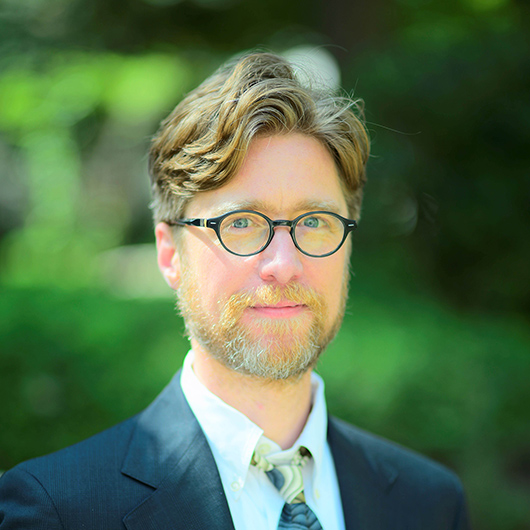
Simon Mahringer serves as a University Lecturer at Aalto University's Department of Architecture, where he actively engages in architectural design research, teaching, and competition participation. His work bridges academic instruction with practical design innovation, focusing on concrete-based experimentation and sensory spatial experiences. Mahringer's research spans Architecture, Architectural Design, Urban Design, Competition Design, and Exhibition Design, with particular emphasis on materiality and user experience. His projects frequently explore concrete architecture through initiatives like the Betonistudio (Concrete Studio), producing experimental pavilions and cultural facilities that integrate tactile and sensory elements into built environments. His publication record (2018-2025) reveals consistent engagement with architectural competitions and design projects, particularly in school centers (Neuried, Neubau Grundschule), museums (Oulu Museo- ja Tiedekeskus, Sara Hildén), and experimental pavilions. Key thematic threads include sustainable material use, urban integration, and the relationship between architecture and sensory perception. Notable recognitions include: Teacher of the year, Department of Architecture, Aalto University (2024) 1st prize in Oulun Museo- ja Tiedekeskus competition (2023) Triple honors (1st prize, honorary mention, purchase prize) in Jyväskylän Kankaan Suvanto competition (2022) Honorary mention in Sara Hildén Art Museum international competition (2021) While his lecturer role implies student supervision responsibilities, specific advising details are unavailable. Mahringer maintains active collaborations with Opus architects and colleagues including Paul Thynell and Matias Kotilainen through competition teams and research initiatives. He is central to Aalto University's Betonistudio, which functions as a research platform for concrete experimentation, and regularly participates in cross-institutional design teams for competition entries and built projects across Finland and Germany.
Jez Coram is a Lecturer in Digital Media Practice at the University of Leeds , School of Media and Communication. He holds a practice-led PhD in Fine Art, Film, and Digital Cultures from Newcastle University, supervised by leading figures in the field. With a background in the third sector, he has extensive experience in multimedia design, research, and community engagement. Research Focus: Expanded essay film, socio-cultural-techno perceptions, climate futures, hybrid documentary practices, and sustainability. Current Projects: Co-Investigator on the Polycrisis Research Network (Horizons Institute); leads the longitudinal study Essaying the Gare with Mick Schofield. Teaching and Professional Roles: Currently teaches on the BA Digital Media programme. Previously a Teaching Assistant at Newcastle University and a facilitator in community art projects like For the Love of People . Professional memberships include the Priestley Centre for Climate Futures and Advance HE (FHEA). Artistic Outputs: 15+ films/installations (2012–present) blending personal testimony, archive material, and speculative environments. Notable works: The Black Prince , Capteur , The Derealisation Effect , and We're All Someone's Daughter, We're All Someone's Son (Grenfell solidarity project). Grants and Collaborations: Funded by Horizons Institute, Arts Council England, Screen Yorkshire, and Freedom Studios. Collaborations span institutions like West Yorkshire Playhouse, Justice4Grenfell Campaign, and Purple Patch Arts board.
John L. Drever is a Professor in the Department of Music at Goldsmiths, University of London, affiliated with the Unit for Sound Practice Research. His work bridges acoustic ecology, sound art, and interdisciplinary studies, emphasizing aural diversity and the intersection of sound with environment, culture, and human perception. His research explores urban soundscapes, field recording methodologies, and the ethical implications of sound design for vulnerable populations. Education: Ph.D. in Sound Practice Research (Phonographies: Practical and Theoretical Explorations into Composing with Disembodied Sound, 2001) from University of Plymouth. Research Interests: Drever’s work focuses on acoustic ecology, soundscape composition, noise pollution’s impact on health, and aural diversity—advocating for inclusive soundscapes that account for varied hearing experiences. He has pioneered studies on hand dryer noise effects and urban soundscape design. His articles and books, such as Aural Diversity (2022, co-edited) and contributions to The Oxford Handbook of Sound Art , reflect his interdisciplinary approach. Key projects include London Street Noises (2021) and Sounding Dartmoor (2002). He actively participates in international conferences and soundwalk initiatives, emphasizing sound’s role in environmental and cultural preservation.
Aaron White serves as an Assistant Professor in the School of Architecture at Mississippi State University, where he contributes to both architectural education and research in architectural history. His work bridges historical scholarship with contemporary critical examinations of race, empire, and cultural identity in the built environment. White's educational background provides a strong foundation for his interdisciplinary approach: PhD in Architectural History and Theory from Columbia University MA in Architecture from Pratt Institute BA in Architecture from the University of Idaho His research focuses on the complex relations between classicism and colonization in late-sixteenth and early-seventeenth century English architecture. White examines how architectural forms and practices functioned within imperial frameworks, particularly exploring connections between built environments and racial constructions. His work on whiteness in early modern architecture represents a significant contribution to expanding architectural history to address racial formations in premodern contexts, as evidenced by his 2025 edited volume "Early Modern Architecture and Whiteness" published by Routledge. White's publication record reveals an evolving scholarly trajectory that increasingly engages with critical race theory while maintaining connections to his foundational interests in classicism and colonialism. His most recent works demonstrate sophisticated analysis of how architectural spaces participated in the construction of racial identities, particularly whiteness, in early modern England. The 2025 Routledge volume represents a major scholarly intervention that reframes architectural history through the lens of race studies, examining how premodern architecture contributed to racial hierarchies and power structures. White has presented his research extensively at major academic conferences including the Society of Architectural Historians annual meetings, Association of Collegiate Schools of Architecture conferences, and specialized forums such as the Southeast Society of Architectural Historians. His presentations demonstrate engagement with both architectural history specialists and broader scholarly communities interested in race, empire, and cultural studies. As an educator, White has developed innovative approaches to architectural history pedagogy, as evidenced by his 2025 work on integrating AI into architectural history courses. His teaching likely emphasizes critical perspectives that connect historical architectural practices to contemporary issues of race, representation, and social justice in the built environment. He is affiliated with research centers at Mississippi State University including the Fred Carl, Jr. Small Town Center and the Gulf Coast Community Design Studio, suggesting connections between his historical scholarship and community-focused architectural practice.
Yalda T. Uhls serves as Assistant Adjunct Professor in the Department of Psychology at the University of California, Los Angeles (UCLA), where she founded and directs the Center for Scholars & Storytellers. This initiative bridges academic research with entertainment industry practices to maximize positive media impacts on youth development through evidence-based collaborations with studios and platforms. Her academic foundation includes a Bachelor of Arts from the University of California, Berkeley, complemented by a Master of Business Administration and Doctor of Philosophy in Developmental Psychology from UCLA. Prior to her academic career, she spent 15 years as a senior film executive at major studios including MGM and Sony, providing unique industry insights that inform her translational research approach. Dr. Uhls' research program investigates how traditional and digital media shape preteen and adolescent social behavior, with particular emphasis on proactive strategies for families and content creators to harness media for positive health outcomes. Her work extends to critical examinations of diversity, inclusion, and implicit bias in media representation, reflecting her perspective as an American-born child of Iranian immigrants. She actively promotes evidence-based media practices through her advisory roles with organizations including Common Sense Media, YouTube Kids, and the Barbie advisory council. Analysis of her publication record reveals consistent focus on media's developmental impacts, with recent work exploring parental mediation techniques, cross-cultural digital behaviors, and screen-free environments for emotion recognition. Her 2014 study demonstrating improved nonverbal emotion skills in preteens after screen-free outdoor camps received widespread attention in outlets like Time Magazine and the New York Times. Her significant contributions have been recognized through: Society for Research in Child Development Outstanding Doctoral Dissertation Award (2015) UCLA Dissertation Award UCLA Service Award for Psychology in Action As an educator, she teaches the undergraduate course Digital Media and Human Development while mentoring students through Psychology in Action, a graduate-student-run program translating research for public audiences. Her industry-academic bridge-building has led to consultations with the White House, Google, Pixar, NFL, and Harvard Business School, alongside authoring the parenting guide Media Moms & Digital Dads. The Center for Scholars & Storytellers represents her flagship initiative, creating structured pathways for entertainment industry professionals to access developmental science through workshops, reports, and direct collaborations, thereby operationalizing her vision of media as a positive developmental tool.
Jacob Smith is a Professor and Associate Department Chair in the Department of Radio/Television/Film at Northwestern University's School of Communication, where he also directs the Master of Arts in Sound Arts and Industries program. His academic foundation includes a PhD in Communication and Culture from Indiana University. Smith's scholarly identity centers on the cultural history of media with specialized expertise in sound studies and environmental media, exploring intersections between auditory cultures, ecological systems, and technological evolution. Research trajectories reveal a sustained investigation into sound's role across historical and contemporary contexts—from phonograph cultures to digital sonic environments—with increasing emphasis on media ecology and the Anthropocene since 2015. His work bridges academic rigor and creative practice through experimental audiobooks that challenge traditional scholarly formats. Smith's publications demonstrate consistent innovation in media historiography, particularly regarding radio's evolution and sound's environmental dimensions. Recent outputs (2016-2020) coalesce around three thematic clusters: aeroecology/wildlife sound (e.g., Lightning Birds ), post-network media infrastructures (e.g., Travels with Jack ), and critical examinations of sound citizenship (e.g., Indian Sound Culture ). His scholarly impact is recognized through prestigious awards: SCMS Anne Friedberg Innovative Scholarship Award (2022) for Lightning Birds: An Aeroecology of the Airwaves Kraszna-Krausz Best Moving Image Book Award (2017) for Anatomy of Sound: Norman Corwin and Media Authorship Association for Recorded Sound Collections Award (2012) for Spoken Word: Postwar American Phonograph Cultures As program director, Smith advises MA candidates in Sound Arts and Industries while teaching graduate/undergraduate courses spanning recording industry history, environmental media, and sound studies. His editorial collaborations (e.g., Indian Sound Culture ) indicate significant interdisciplinary grant activity, though specific funding details aren't provided. The MA program he co-founded functions as a nexus for sound-art experimentation, connecting academic research with creative industry practices through studio-based learning.
Paul Théberge is a Professor at Carleton University, cross-appointed to the Institute for Comparative Studies in Literature, Art and Culture and the School for Studies in Art and Culture (Music). He teaches graduate courses in Cultural Mediations (technologies of culture), Film Studies (sound in visual media), and Music (sound studies), reflecting his interdisciplinary academic home within Ottawa's major research institution. His research interrogates the material and cultural dimensions of sound technologies, with core expertise in music-technology-culture intersections, internet-mediated musical practices, and sonic applications in film/television. Théberge's scholarship bridges musicology, media studies, and science and technology studies, examining how recording technologies reshape creative practice and auditory experience across historical periods from analog tape to digital streaming platforms. Analysis of his 15 most recent publications reveals persistent engagement with sound's materiality—from multichannel audio histories to the embodied nature of listening—and consistent exploration of technological transitions, particularly the internet's disruption of traditional music production/distribution models. His work demonstrates deep methodological versatility spanning archival research, ethnographic observation, and creative composition. Scientific recognition includes: International Association for the Study of Popular Music (US branch, 1998) Society for Ethnomusicology (2000) While the source text doesn't specify current advising activities, his extensive editorial work (e.g., co-editing Living Stereo ) and composition output suggest significant mentorship through collaborative projects. His research has been supported through Canada Research Chair funding and industry partnerships like Sony Classical International.
Naho Matsuda serves as a Senior Research Fellow at Northumbria University within the School of Design Arts and Creative Industries, focusing on critical design practices that bridge art, technology, and social justice. Her academic credentials include: BA in Information Design from Tama Art University (awarded 2014) MA in Other Courses (awarded 2014) Matsuda's research interrogates more-than-human ecosystems through eco-feminist lenses , specializing in multispecies design methodologies and public art interventions . Her work challenges anthropocentric urban frameworks by developing participatory tools for reimagining food systems and smart cities, often employing sensory ethnography and critical making to expose hidden power structures in technological environments. Recent publications (2024-2025) reveal a concentrated trajectory toward artistic activism in ecological crises , with recurring motifs of pig symbolism, urban regeneration, and feminist technoscience. These works consistently deploy collaborative design workbooks and site-specific installations to facilitate community-driven reimagination of sustainable futures, particularly within London's financial districts and food infrastructure. No scientific awards were documented in the provided materials. Matsuda's advisory and grant activities remain unspecified in available records, though her collaborative projects demonstrate significant external engagement with cultural institutions and academic networks. She operates within Northumbria's Interaction Research Studio, co-developing the More-than-Human Smart Cities design framework through projects like SOW—a public art commission generating discourse across X, Bluesky, and academic platforms—with collaborators including Ella Gladkova, Bill Gaver, and the Nature Scenes collective.
Ingvild Koksvik is a Researcher at the University of Agder, working in the Department of Popular Music. She is a Norwegian singer and songwriter with several albums of original music, commissioned works for festivals, and extensive touring experience in Norway and Europe. Her academic work bridges artistic practice and scholarly research in popular music production. Koksvik holds a master's degree in musicology from the University of Oslo, where she also served as a research assistant for two years. Her educational background combines formal academic training with extensive practical experience as a performing artist. Her research focuses on record production and songwriting , particularly examining how notions of space influence aesthetic, performative, and compositional aspects of popular music. A significant part of her doctoral work investigates the use of Dolby Atmos 3D audio format in setting new premises for staging compositional design from a recording artist's perspective. Her research methodology is practice-based, using her own artistic work as the foundation for scholarly inquiry. Analysis of Koksvik's publications reveals a strong focus on the intersection of artistic practice and academic research in music production. Her work explores mental imagery in song-making, spatial aspects of audio production, and the unsayable elements of musical ideas. A recurring theme is the application of innovative technologies like Dolby Atmos to expand creative possibilities in record production, while maintaining a strong connection to practical artistic experience. No specific scientific awards are mentioned in the available documentation. However, her ongoing research projects and publications in reputable venues demonstrate recognition within her academic and artistic communities. While specific details about advising relationships and research grants are not explicitly mentioned in the available information, Koksvik's doctoral project represents a significant research undertaking. Her collaborative work with researchers like Hallgjerd Aksnes and Svein Fuglestad on music therapy applications suggests interdisciplinary research partnerships. Koksvik is affiliated with research groups focused on Popular Music Studies, Popular Music Performance, and Songwriting and Production at the University of Agder. Her work appears to integrate closely with her artistic practice, suggesting a studio-based research environment where creative work directly informs scholarly inquiry.
Dr. Gijs Huisman is a researcher at the Delft University of Technology's Industrial Design Engineering faculty, specializing in Human-Centered Design and Perceptual Intelligence. His work focuses on haptics technology, mediated social touch, and multisensory interaction design. He leads projects like Dark Haptics and ShareYourReality , exploring haptic feedback in mobile interfaces and virtual avatar co-embodiment. His research bridges disciplines such as material science, cognitive science, and ethics to design inclusive technologies. Key Areas : Haptic wearables, affective computing, food interaction, and ethical AI. Recent Work : Investigating shape-memory alloys for assistive devices and developing tools for studying digital social touch ethics. Collaborations : Active in transdisciplinary teams addressing DEI in robotics and universal design. His research emphasizes practical applications in healthcare (e.g., fidget devices for stress reduction) and consumer products (e.g., aesthetically pleasing headphones). He teaches the Dare to Design Studio course, fostering innovative design thinking. Though no formal awards are listed, his prolific publication record (over 80 articles) demonstrates sustained impact in haptics and HCI fields. He actively engages with industry collaborations through TU Delft's research labs and graduate programs.
Lawrence Harvey is an Associate Professor in RMIT University's School of Design and founding director of SIAL Sound Studios. His practice-based research explores spatial sound through electroacoustic composition, urban soundscapes, and speaker orchestra performance. He has curated and performed 34 concerts for the RMIT Speaker Orchestra, a 32-channel spatial audio system, while leading research projects funded by the Australian Research Council. Recent collaborations include 'The Planting' with Indigenous thinkers and 'Site and Sound' exhibitions at McClelland Gallery. His publications investigate sound curation methodologies, noise transformation in urban environments, and interdisciplinary approaches integrating sound with architecture and drawing. Current research develops sonic responses to ecological challenges through critical listening practices.
Dr. Michael L. Austin is a Senior Lecturer in Music and Sound at Edge Hill University, serving as Programme Leader in Music Production since January 2023. He previously held academic roles at Louisiana Tech University, Howard University, and others. His research focuses on sound and music in interactive media, including video games, social media, and smart devices. He is Executive Director of the Society for the Study of Sound and Music in Games and a Research Associate at the Library of Congress's Radio Preservation Task Force. Education: PhD in Humanities (Aesthetic Studies) from the University of Texas at Dallas (2011), MA in Music Theory from UT Austin (2007), and BA in Music Composition from UT San Antonio (2005). Research interests include ludomusicology, cultural representation in media, sound design for UX, and algorithmic bias in emerging technologies. His 2024 monograph Audiovisual Alterity explores identity representation in music videos, while earlier works like Music Video Games: Performance, Politics, and Play (2016) analyze music's role in digital games. Publications span video game music analysis, algorithmic bias, and sound art. His talks include topics like 'Sounding Drag Identities in Video Games' and 'Algorithmic Bias in Emerging Media.' As a sound artist, his work has been exhibited at the Smithsonian and Dallas Museum of Art.