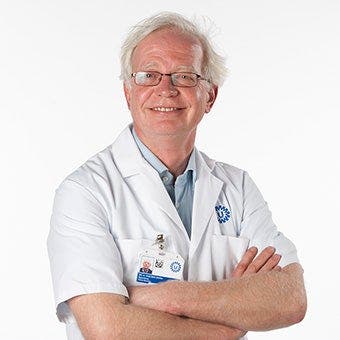
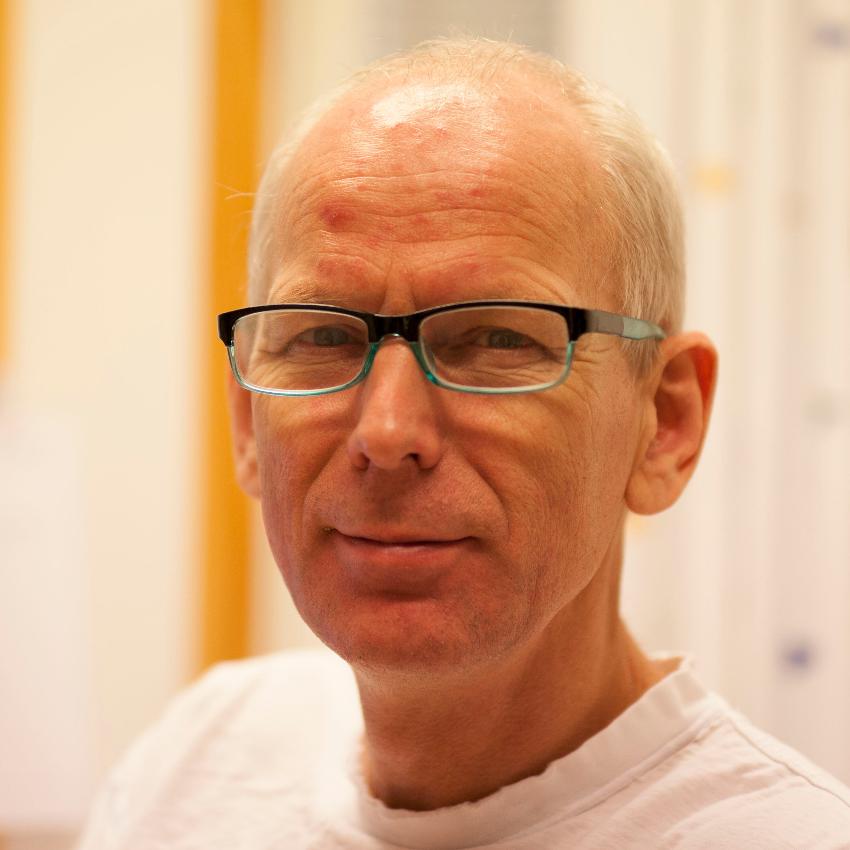
Louelle van der Aa serves as a Visiting Fellow within the Department of Plastic, Reconstructive and Hand Surgery at Amsterdam University Medical Centers, a leading academic medical institution formed by the merger of AMC and VUmc. Her clinical and research activities focus on advanced surgical techniques in plastic and reconstructive surgery, with specialized emphasis on hand trauma rehabilitation, microsurgical tissue transfer, and complex wound management. These domains address critical challenges in restoring functionality and aesthetics following severe injuries or congenital conditions. As a medical doctor engaged in surgical specialization, her work bridges clinical practice and translational research within Amsterdam UMC's integrated healthcare-academic framework.
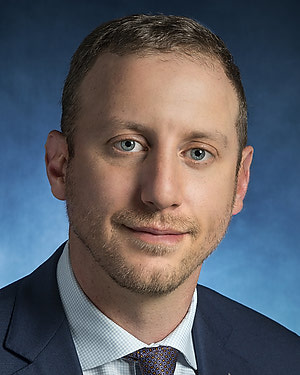
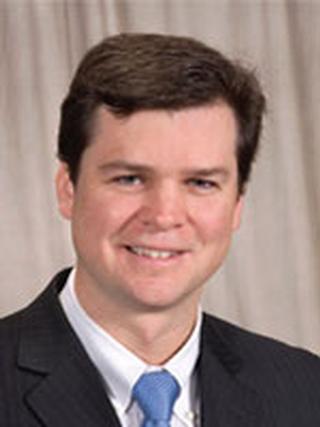
Dr. Sami H. Tuffaha serves as Associate Professor of Plastic and Reconstructive Surgery at Johns Hopkins University School of Medicine with cross-appointments in Orthopaedic Surgery, Neurosurgery, and Biomedical Engineering. He directs the Johns Hopkins Peripheral Nerve Surgery Center and maintains an active clinical practice specializing in hand and upper extremity surgery with emphasis on microsurgery and peripheral nerve disorders. His clinical expertise spans treatment of hand and wrist trauma, arthritis, vascular disorders, tendon injuries, and peripheral nerve conditions, including surgical restoration of function in patients with paralysis from spinal cord injury, cerebral palsy, and stroke. Dr. Tuffaha completed his medical education at University of Pittsburgh Medical Center (MD, 2011), followed by residency training in the Johns Hopkins/University of Maryland Plastic and Reconstructive Training Program (2018), and fellowship training in Hand and Upper Extremity Surgery at Mayo Clinic College of Medicine with emphasis on Microsurgery and Peripheral Nerve Surgery (2019). He is board certified by the American Board of Plastic Surgery (2020) and maintains active clinical practice at the Johns Hopkins Outpatient Center. His research program focuses on developing novel therapies to enhance functional recovery from nerve injuries, with particular emphasis on peripheral nerve regeneration and treatment/prevention of symptomatic neuromas. Dr. Tuffaha leads a comprehensive research initiative that integrates basic science, translational work, and clinical trials aimed at advancing care for patients with peripheral nerve and spinal cord injuries. His laboratory investigates growth factors, biomaterials, and nanotechnology approaches to improve nerve regeneration and functional outcomes after nerve injuries. Analysis of Dr. Tuffaha's recent publications reveals a strong focus on translational research bridging basic science discoveries with clinical applications. His work spans multiple domains including nerve regeneration mechanisms, surgical techniques for nerve repair and transfer, management of neuromas, and rehabilitation strategies for nerve injuries. A notable trend is his increasing investigation into pharmacological approaches (such as growth hormone, IGF-1, and agrin) to enhance nerve regeneration and prevent complications of denervation. J. Leonard Goldner Pioneer Research Award, American Society for Surgery of the Hand (2016) Adrian Flatt Basic Science Research Award, American Federation for Surgery of the Hand (2016) Discovery Award, Johns Hopkins University (2018, 2020) Dr. Chi-Tsung Su, M.D., Memorial Research Award, Johns Hopkins Department (2018) Scholarly Concentrations Excellence in Mentoring Award (2020) Cohen Translational Engineering Award (2021) Gelberman Scholar Award, American Society for Surgery of the Hand (2022) ASPN Travelling Fellowship, American Society for Peripheral Nerve (2022) Dr. Tuffaha serves as principal investigator for multiple research grants focused on nerve regeneration and peripheral nerve injury treatment. His research program includes over 180 publications with more than 39,000 reads and 2,000+ citations on ResearchGate. He has co-chaired major society meetings including the American Society for Peripheral Nerve (2023) and American Association for Hand Surgery (2020). His mentorship activities include the Scholarly Concentrations program at Johns Hopkins where he received the Excellence in Mentoring Award in 2020. Dr. Tuffaha leads the Johns Hopkins Peripheral Nerve Surgery Center, which integrates expertise from plastic surgery, neurosurgery, orthopaedic surgery, neurology, pain medicine, and physical medicine and rehabilitation. His research laboratory focuses on developing strategies to enhance nerve regeneration, including growth factor delivery systems, biomaterials, and novel surgical techniques. Current projects include clinical trials assessing therapeutic agents for nerve injury and translational work on nanoparticle-based drug delivery systems for peripheral nerve repair.
Nadia Rbia is a Researcher in the Department of Dermatology at Erasmus MC, specializing in regenerative medicine and neural tissue engineering. Her work bridges dermatological research with advanced nerve repair techniques. Her primary research focuses on mesenchymal stem cell applications for peripheral nerve regeneration, particularly using adipose-derived stem cells in decellularized nerve allografts. Key areas include gene expression profiling during nerve repair, angiogenesis enhancement, and biomaterial integration strategies. The fingerprint analysis reveals her dominant contributions to Gene Expression (100%), Adipose-Derived Mesenchymal Stem Cells (100%), and Nerve Allograft research (100%). Recent publication trends show concentrated work on nerve defect reconstruction (2020-2024), with significant citations in Microsurgery (24 citations) and translational studies in Neural Regeneration Research . Her 2024 Dutch-language article extends her expertise into primary care dermatology applications. Rbia actively collaborates internationally, with visible external partnerships across multiple territories. Her research network includes co-authors from diverse institutions, particularly in nerve regeneration and stem cell biology fields.
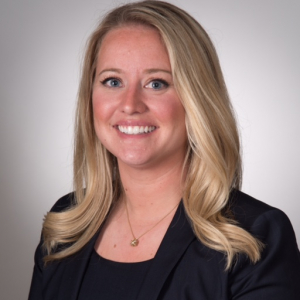
Alison Rasper, MD is an Assistant Professor of Urology specializing in the Reconstructive Division with a focus on Male Urology at the University of Kentucky College of Medicine. She is affiliated with the Department of Urology and maintains her clinical practice at the Medical Science Building (MS276B). Dr. Rasper completed her medical education at the University of Cincinnati College of Medicine, residency at Geisinger Medical Center, and fellowship at Wake Forest University, Bowman Gray School of Medicine. She holds board certification from the American Board of Urology. Her research focuses on reconstructive urology with expertise in penile transplantation, Peyronie's disease, urological prosthetics, and prostate cancer survivorship. Her work challenges existing paradigms in the field while advancing surgical techniques and patient outcomes. She has published extensively on topics ranging from immunological responses to quality improvement in urological care. Analysis of her publications reveals a consistent focus on improving outcomes for patients with complex urological conditions, particularly through innovative approaches to reconstructive procedures and challenging established beliefs in male urological care. Board Certification: American Board of Urology Dr. Rasper actively contributes to advancing reconstructive urology through her clinical practice, research, and academic appointments. Her collaborative approach addresses complex urological conditions while focusing on comprehensive patient care pathways and quality improvement initiatives.
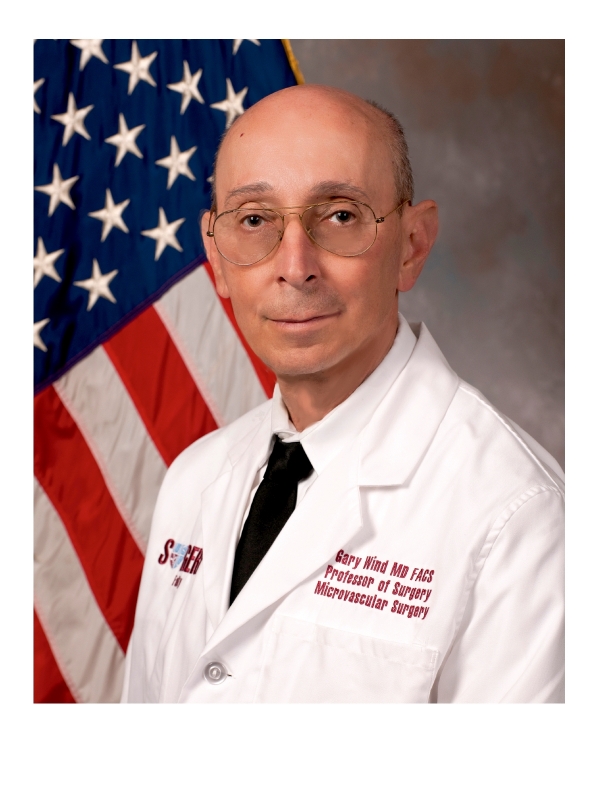
Dr. Gary G. Wind serves as Professor of Surgery at the Uniformed Services University of the Health Sciences (USUHS) in Bethesda, Maryland, with concurrent positions as staff surgeon at Walter Reed National Military Medical Center, Associate Chair for Appointments and Promotions in the Department of Surgery, and course director for the microvascular surgery program. Formerly president of the USUHS faculty senate, he maintains active academic and clinical roles within the School of Medicine. His educational foundation includes a BA from Rutgers University, MD from Temple University Medical School, and General Surgery Residency at Mount Sinai Hospital in New York, complemented by military service in the Air Force. This training established his dual expertise in clinical surgery and anatomical science. Dr. Wind's research centers on surgical anatomy and microsurgical technique , with significant contributions to vascular surgery , thoracic reconstruction , and medical illustration . His work uniquely integrates artistic precision with surgical science, evident in both his clinical practice and textbook illustrations. The development of Vesalius.com demonstrates his commitment to innovative surgical education through digital platforms. Analysis of his publications reveals enduring focus on anatomical precision across surgical specialties, with consistent emphasis on practical technique application. His textbooks—from 1980s chest wall reconstruction guides to the 2021 vascular surgery atlas—form a cohesive body of work establishing anatomical understanding as the foundation for surgical innovation, particularly in microvascular and reconstructive procedures. Professional recognition includes: Honored Membership in the American Association of Clinical Anatomists Award for Vesalius.com surgical educational website As microvascular surgery course director, Dr. Wind shapes surgical training through structured curricula and mentorship. His educational legacy extends through translated textbooks and the Vesalius.com platform, which has delivered weekly surgical publications since 1995. While specific grant details aren't documented, his sustained institutional roles indicate substantial support for his educational initiatives. Dr. Wind's artistic practice encompasses medical illustration and figurative sculpture, with non-medical works featured at garywind.com and Facebook's 'Art by Gary Wind' page, demonstrating his unique fusion of surgical expertise and artistic expression.
Professor Peter Maitz is a renowned academic and clinician in the field of burn injury and reconstructive surgery, holding the Chair for Burn Injury and Reconstructive Surgery at the University of Sydney's Concord Clinical School. His work focuses on advancing surgical techniques, wound healing innovations, and burn care protocols. He leads multidisciplinary teams addressing post-burn complications, including dysphagia, scar management, and infection control. Research interests span burn wound microbiology, therapeutic microorganisms, and advanced biomaterials for skin regeneration. He has pioneered studies on laser-based scar treatments and the impact of first aid on burn outcomes. His clinical expertise includes managing complex cases like Stevens-Johnson syndrome and toxic epidermal necrolysis, with a focus on integrating emerging technologies. Professor Maitz has authored over 150 publications, including landmark studies on inhalation injury recovery patterns and firework-related burns. He contributed to disaster medicine through lessons from the Bali Burn Disaster, emphasizing coordinated crisis response. His 2023 grant on antimicrobial peptide-selenium nanoparticle dressings highlights ongoing efforts to combat antibiotic resistance in burn care. He collaborates with global researchers on topics like dietary impacts on wound healing and novel dermal substitutes. His work bridges clinical practice and scientific innovation, shaping modern burn care standards.
Dino Ravnic is a Professor in the Department of Surgery, Division of Plastic Surgery at the Penn State College of Medicine, with dual affiliation at the Penn State Cancer Institute focusing on Next-Generation Therapies. He directs the Plastic Surgery Research Laboratory managed by Dr. Srinivas Koduru, driving innovation in reconstructive microsurgery through engineered tissue solutions. Education: Doctor of Osteopathic Medicine (DO) Master of Public Health (MPH) Master of Science (MSc) His research pioneers vascularized tissue engineering using adipose-derived stem cells and endothelial cells to create patient-specific implants that overcome donor-site morbidity in free-flap surgery. The lab specializes in 3D bioprinting vascular networks, scaffold fabrication from adipose biomolecules, and microvasculature optimization through cross-disciplinary collaboration with materials scientists and vascular biologists. Recent expansions include hernia/bone repair and clinical applications of small RNAs. Current publications (2024-2025) reveal three dominant trajectories: biomaterial innovation for implant monitoring (e.g., citrate polymers with dual-modal imaging), vascularized adipose engineering for soft-tissue reconstruction, and ultrasound-mediated therapeutic systems for bone regeneration and biofilm eradication. These works bridge biomedical engineering, clinical surgery, and molecular biology to solve perfusion challenges in tissue implants. As PI/Co-PI on six NIH-funded projects, Ravnic leads high-impact vascularization research: 3D Printing of Air (NIBIB 2024-2026): Sacrificial ink for vascularized tissue fabrication Host Tissue Manipulation (NHLBI 2023-2025): Inducing hierarchical microvasculature Mechanisms of Micropunctured Angiogenesis (NHLBI 2021-2022): Rapid perfusion for bioprinted flaps The Plastic Surgery Research Laboratory maintains a collaborative ecosystem with materials scientists for scaffold development, biomedical engineers for 3D bioprinting, and vascular biologists for microcirculation optimization. Current initiatives integrate computational modeling with clinical translation, targeting UN Sustainable Development Goals in health innovation through vascularized tissue solutions for cancer reconstruction and trauma recovery.
Dino Ravnic is a Professor in the Department of Surgery at Penn State University's College of Medicine, directing the Plastic Surgery Research Laboratory. His work focuses on creating autologous vascularized engineered tissue for reconstructive microsurgery applications. Primary affiliation: Penn State Cancer Institute Research emphasis: Tissue engineering, 3D bioprinting, and vascularization Research interests center on deconstructing adipose tissue elements for reconstructive purposes, utilizing mesenchymal stem cells and endothelial cells in 3D culture systems. The lab employs cross-disciplinary collaborations with materials scientists and vascular biologists. Key research areas: Vascularized tissue engineering Technologies: 3D bioprinting, scaffold fabrication Applications: Tumor resection repair, traumatic injury reconstruction Recent publications demonstrate expertise in citrate-based polymers for implant monitoring (2025), bone regeneration via ultrasound-mediated BMP-2 release (2025), and biofilm debridement technologies (2025). These works show continued innovation in surgical bioengineering and sustainable implant technologies. Collaborative projects include 5D monitoring systems (2025), hierarchical microvasculature engineering (2023), and sacrificial ink printing (2024), indicating strong interdisciplinary partnerships.
Mustafa Akyurek, MD, PhD, is an Associate Professor in the Department of Surgery at UMass Chan Medical School, affiliated with the T.H. Chan School of Medicine. He specializes in plastic and reconstructive surgery, with a focus on complex surgical techniques in breast reconstruction, facial trauma, and microvascular procedures. He trained at Hacettepe University in Ankara, Turkey, earning both his MD and PhD in Plastic Surgery. His research emphasizes innovative surgical approaches, including flap techniques for oncologic and traumatic defects, microsurgical replantation, and outcomes in breast and body contouring procedures. Key areas of investigation include pediatric orbital floor fractures, nasal valve dysfunction correction, and optimizing outcomes in flexor tendon repairs. His work spans over two decades, with contributions to surgical education through cost-effective documentation methods and anatomic studies. Collaborations include co-authorship with notable figures like Raymond Dunn and Diana Caragacianu. His networks extend to co-researchers in oncologic reconstruction, microsurgery, and anatomical variations affecting clinical practice.
Dr. David Gurpegui Gámiz is a specialist in Plastic, Aesthetic, and Reconstructive Surgery at the University of Navarra Clinic in Pamplona. He is also a Lecturer at Complutense University of Madrid (2019–2024), with research interests at the intersection of technology and health in plastic surgery, including complex reconstructions, human rejuvenation therapies, and innovative techniques like microsurgery and robotic surgery. He is a member of the Sophrosyne research group and coordinates the UNATI clinical trial.
Mario Nazareno Carvi Nievas is a Professor at the Faculty of Medicine , J. W. Goethe University Frankfurt , with a long-standing career in neurosurgery. He also holds a Visiting Professor position at European University Cyprus . His research and clinical work focus on neurosurgical interventions for vascular malformations, brain tumors, and spinal disorders. Education: MD and PhD in Neurosurgery from J. W. Goethe University Frankfurt. Clinical Expertise: Lead consultant neurosurgeon in Germany since 1995. His research interests include surgical techniques for intracranial hemorrhages, minimally invasive procedures, and outcomes in neurosurgical oncology. Key publications address vertebral metastases , deep ICBs , and cranioplasty timing . Recent presentations span topics like brain aneurysms and spinal stenosis . Scientific Awards : 1986: Award from the Congress of Neurosurgeons in Buenos Aires 1986-1987: Neurosurgery Advanced Training Scholarship 1988-1989: Microsurgery Fellowship at Henry Ford Hospital Carvi Nievas has supervised doctoral theses, served on editorial boards, and contributed to projects like experimental cerebral retro perfusion (1991-92). His work bridges clinical practice, education, and research in neurosurgery.
Prof. Bart van der Zwan serves as Professor of Vascular Neurology and Neurosurgeon at UMC Utrecht , Netherlands. With expertise in vascular neurosurgery and animal-free surgical education, he has pioneered alternatives to traditional training methods. Education: MD (1984), PhD (1991) from Utrecht University His research interests span: Neurosurgical techniques (ELANA/SELANA) Cognitive impacts of bypass surgery Intracranial aneurysm treatments Non-animal surgical training models Recent publications focus on medical simulation and cerebrovascular disease . He advocates for ethical surgical education using suture mats, flower petals, and noodles as training tools.
Louis de Weerd is a Professor at the Department of Clinical Medicine, UiT The Arctic University of Norway, specializing in plastic and reconstructive surgery with a focus on cold weather injuries and advanced imaging techniques. Institution: UiT The Arctic University of Norway Department: Department of Clinical Medicine Email: louis.d.weerd@uit.no His research integrates dynamic infrared thermography and indocyanine green fluorescence angiography to optimize flap perfusion in complex reconstructive procedures. He has pioneered techniques for frostbite sequelae treatment , vesicovaginal fistula closure , and lipedema surgical management , addressing gaps in circumpolar health and postoperative care. He actively collaborates with multidisciplinary teams in the Dermatoplastic Imaging Research Group , contributing to advancements in perforator flap surgery and dead space obliteration . His work extends to clinical education and international partnerships, particularly in circumpolar and tropical surgical contexts. Recent publications highlight his expertise in muscle flap applications , free fibula grafts , and innovative imaging protocols , with a focus on improving outcomes for patients with complex surgical needs.
Jose Guilherme Christiano, MD, FACS, is a board-certified plastic surgeon and Associate Professor of Surgery at the University of Rochester Medical Center. He holds dual certifications in Plastic Surgery and Surgical Critical Care from the American Board of Plastic Surgery and American Board of Surgery, respectively. Dr. Christiano earned his MD from Faculdade de Ciencias Medicas da Santa Casa de Sao Paulo in Brazil and completed residency and fellowship training in general surgery, trauma, and surgical critical care in Brazil, the University of Connecticut, University of Tennessee, and Johns Hopkins University/University of Maryland. Education: MD from Faculdade de Ciencias Medicas da Santa Casa de Sao Paulo (1997) Training: Residencies and fellowships in Brazil and U.S. institutions Professional Focus: Microsurgery, breast reconstruction, transgender surgery, wound healing, trauma care, and surgical critical care Dr. Christiano's research focuses on gender-affirming mastectomy outcomes, implant-based breast reconstruction techniques, abdominal wall reconstruction algorithms, and clinical informatics. His work emphasizes microsurgical collaboration, obese patient outcomes, and cardiac device infection salvage. Over the past decade, his publications highlight innovation in reconstructive approaches and patient-centered care. Scientific Awards: Scott B. Frame, MD Memorial Trauma Scholarship (2005, 2006) Kimball I. Maull Lecturer In Surgery Award (2015) Howard C. Filston Administrative Chief Resident Award (2008) Hiram Crutchfield Resident Teaching Award (2008) ACS Resident Award for Exemplary Teaching (nominee) He serves as teaching faculty in the plastic surgery residency program at URMC and contributes nationally to the American Society of Plastic Surgeons' In-Service Examination Committee. Dr. Christiano speaks English and Portuguese and maintains active professional roles in both clinical practice and surgical education.
Associate Professor Sydney Ch'ng is a plastic, reconstructive and cosmetic surgeon at the University of Sydney's Central Clinical School, specializing in head and neck cancer surgery and melanoma treatment. She holds affiliations with Royal Prince Alfred Hospital, Chris O'Brien Lifehouse, and Melanoma Institute Australia. Her surgical training includes fellowships at Chang Gung Memorial Hospital (Taiwan) and MD Anderson Cancer Center (USA). Her research focuses on head and neck melanoma, facial reconstruction techniques, vascularized composite allotransplantation, and patient-reported outcomes in reconstructive surgery. She leads significant studies on tumor biology and surgical innovations for skin cancers. Dr. Ch'ng's publications demonstrate consistent focus on surgical oncology outcomes, with recent work emphasizing neoadjuvant therapies, genomic profiling of skin cancers, and AI applications in surgical outcome measurement. Her research has influenced global skin cancer management guidelines. Key Awards: Top 100 Women of Influence in Australia (2015) Young Investigator Award (ANZHNCS) Louis Barnett Prize for Best Free Paper Sydney Local Health District Research Honor She actively supervises surgical trainees and medical students as Research Lead for Plastic Surgery at RPA Hospital, and has convened international surgical courses. Her team collaborations span medical oncology, radiation oncology, and pathology specialists.