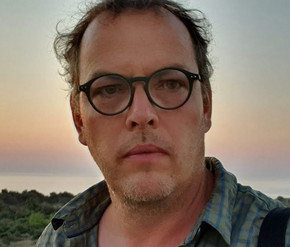
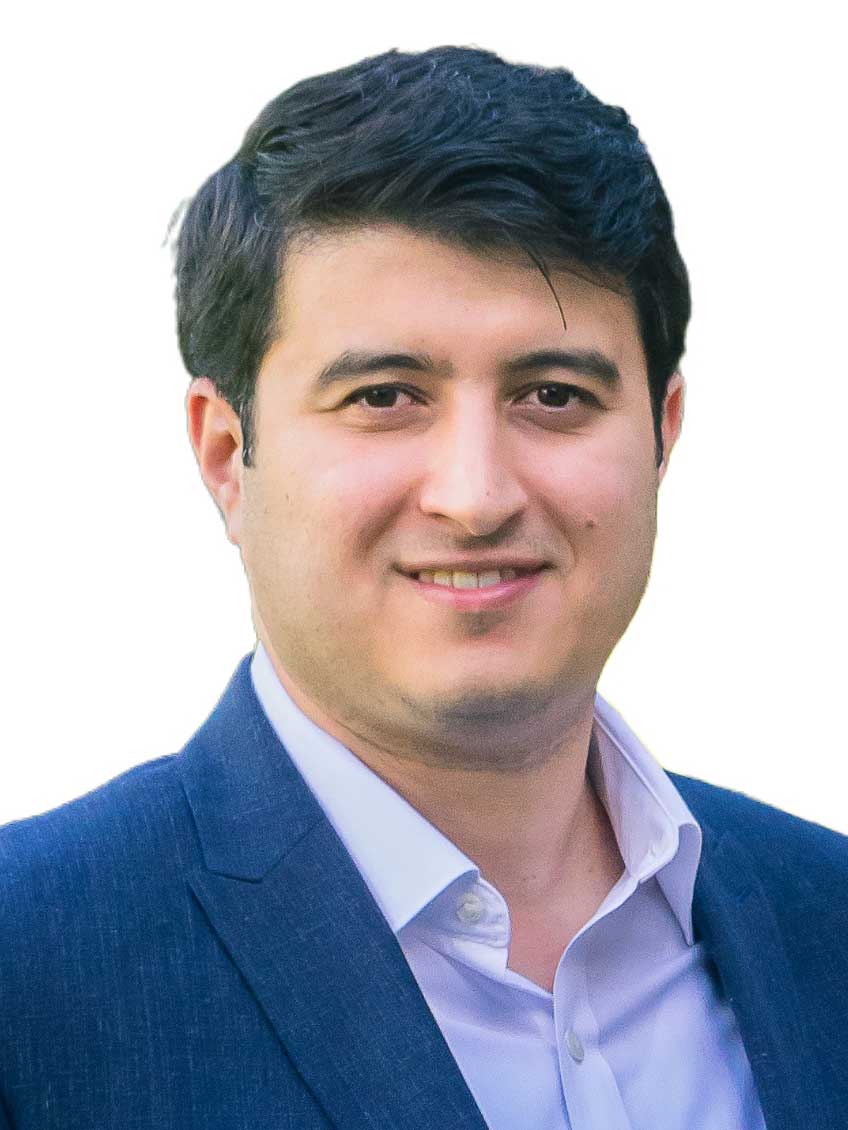
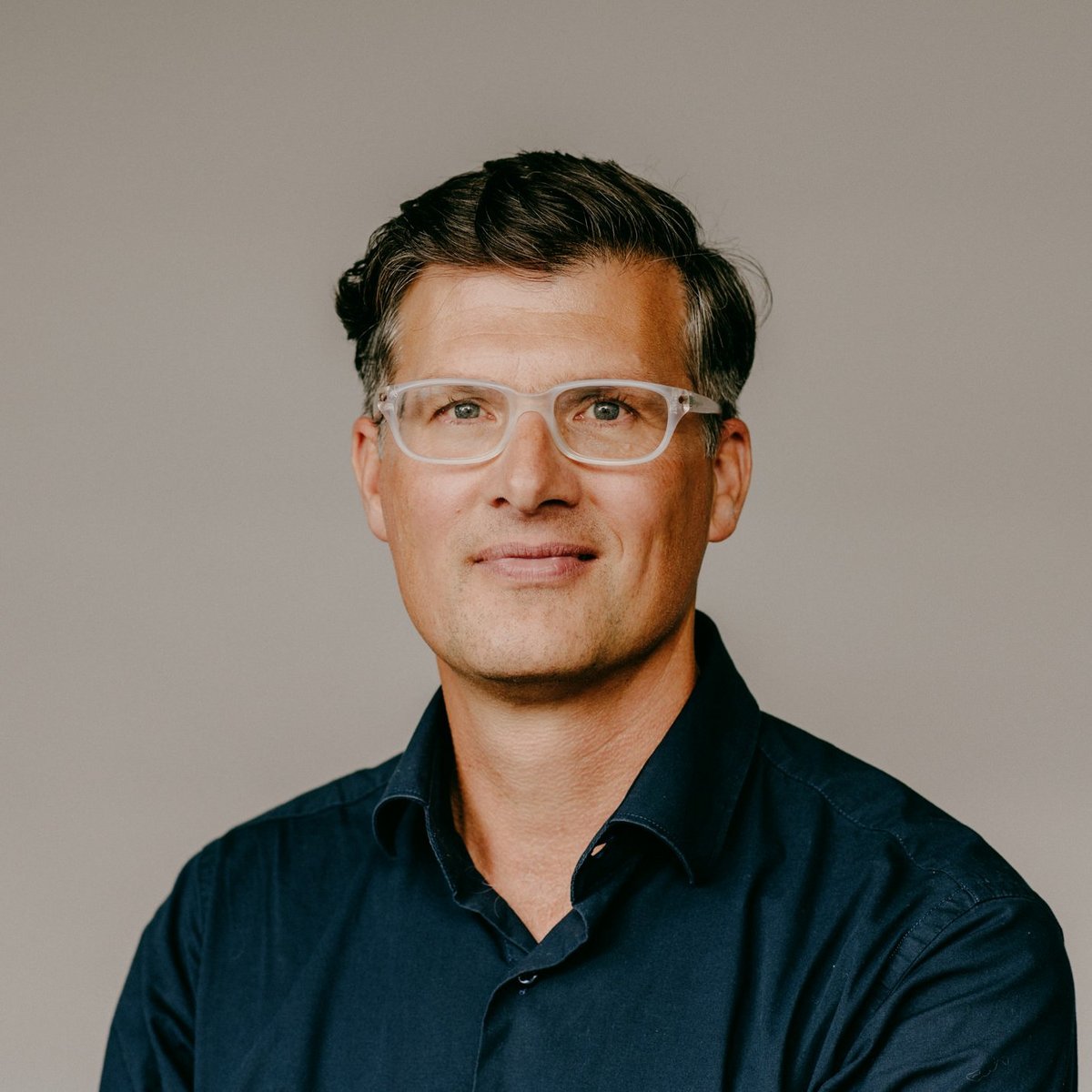
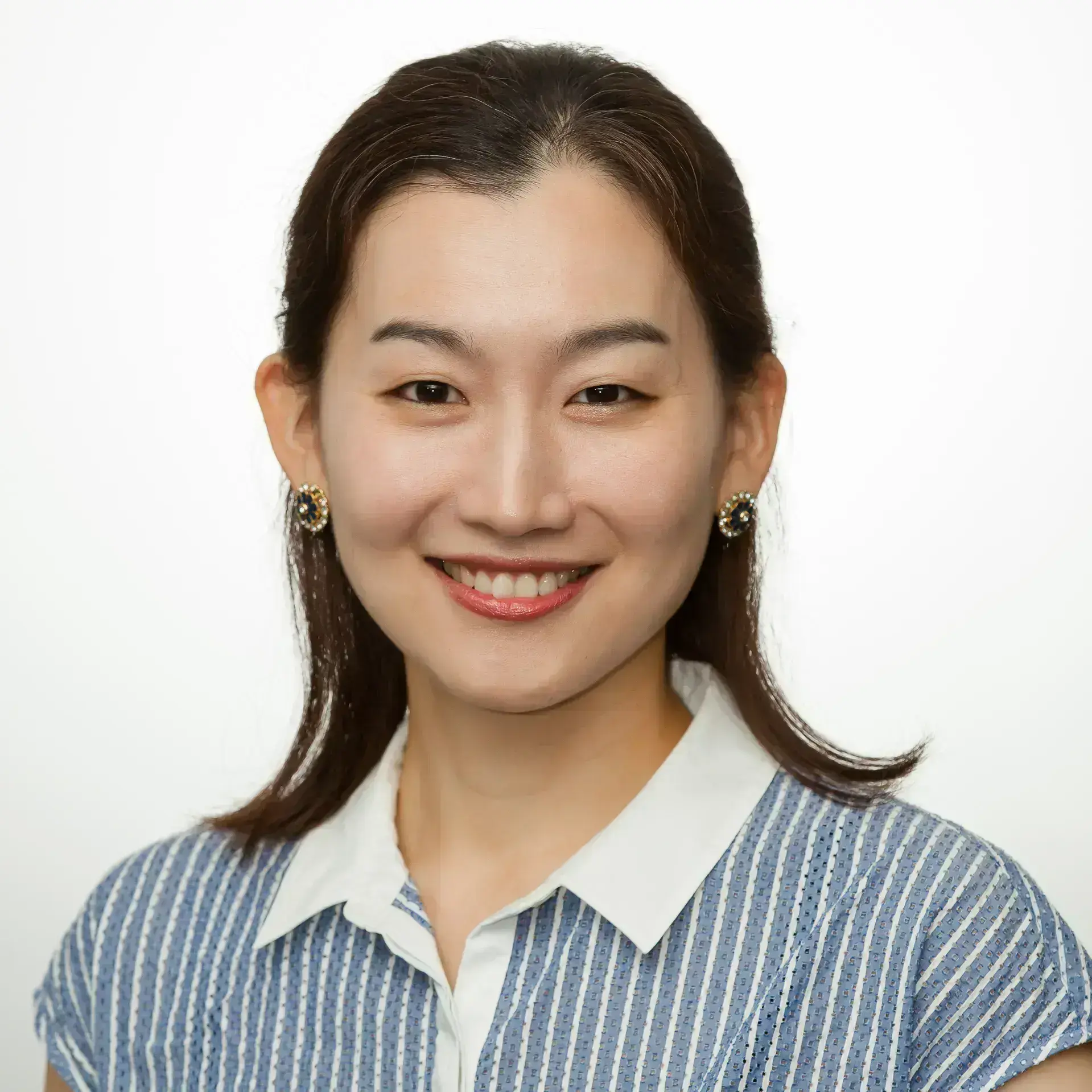
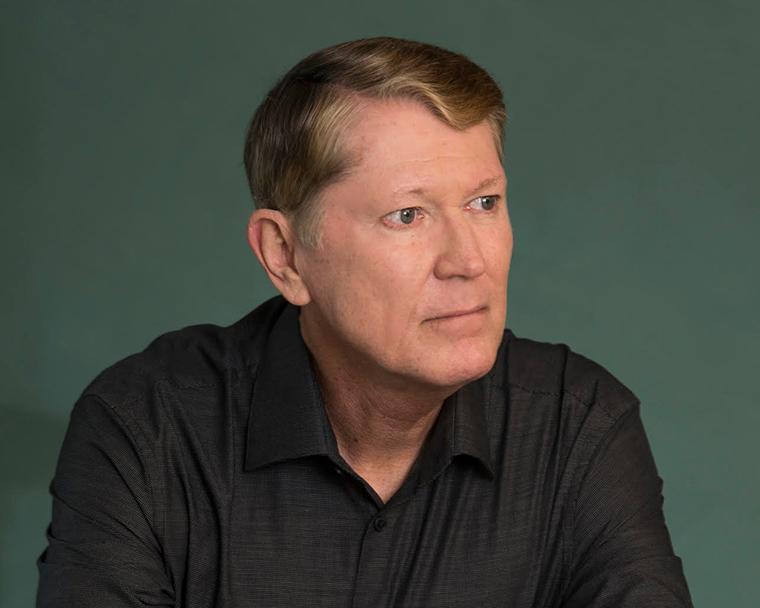
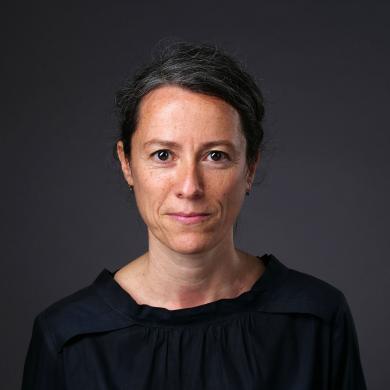
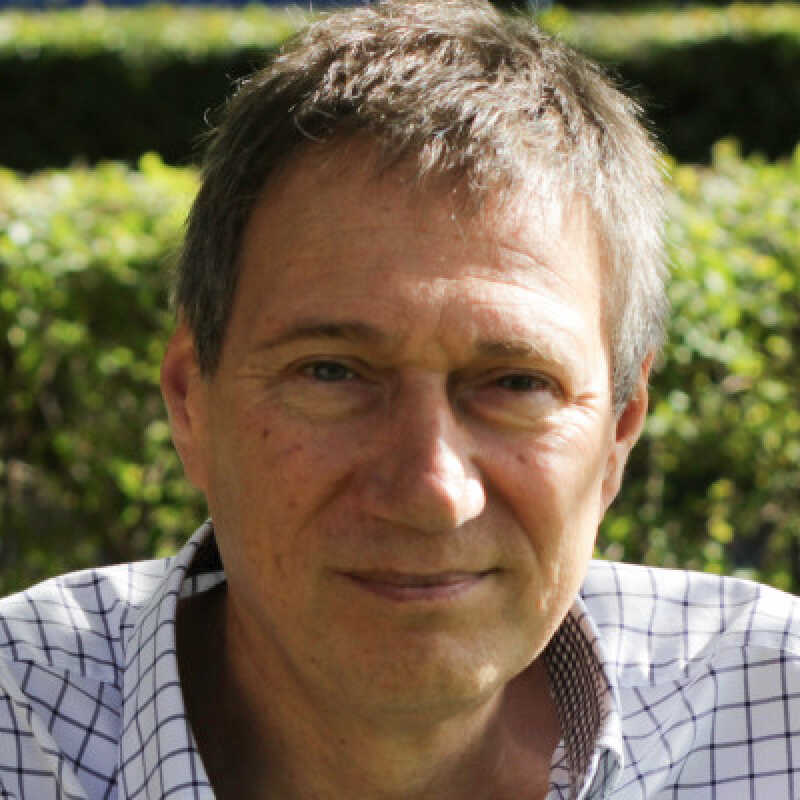
Ulrich Berger is a Professor of Economics at the Department of Economics of WU Vienna University of Economics and Business (WU Vienna). He serves as Editor-in-Chief of the journal Games and is actively involved in promoting science through the Vienna Skeptics Society. His research focuses on game theory, including non-cooperative, evolutionary, behavioral, and experimental variants. He has been recognized with multiple awards, including the WU Best Paper Award and an Outstanding Reviewer Award. His work explores dynamics of cooperation, reputation systems, and strategic behavior in economic contexts. Key research areas include evolutionary stability in reputation games, indirect reciprocity, and cognitive hierarchies in strategic interactions. His publications span peer-reviewed journals like PLoS ONE and Scientific Reports , as well as popular science articles in outlets like derStandard.at . Berger has led research projects on topics such as cognitive hierarchies in minimizer games and has contributed to policy discussions on access pricing in telecommunications. His academic contributions reflect a blend of theoretical rigor and practical engagement, with recent work emphasizing evolutionary mechanisms of deterrence and experimental validation of equilibrium concepts.
Dr. Burkhard Maess is a Research Professor and Group Leader at the Max Planck Institute for Human Cognitive and Brain Sciences, leading the Methods and Development Group Brain Networks. His research focuses on auditory and language processing, signal analysis, and dynamic modeling of neuronal networks. He holds a Diploma in Physics (University of Leipzig, 1987) and a PhD in Physics (University of Leipzig, 1990). His career includes postdoctoral positions at the Academy of Sciences of the GDR and the Free University of Berlin before joining the MPI in 1995. Since 2000, he has led research groups on MEG/EEG signal analysis and cortical network dynamics. His work integrates advanced neuroimaging techniques like MEG and EEG to study sensory processing, neural network dynamics, and the effects of aging on auditory attention. Key contributions include developing high-resolution BEM-FMM methods for source localization and analyzing cross-frequency coupling in neuroscience data. His group also explores spinal cord electrophysiology and the neural underpinnings of perceptual decision-making. Dr. Maess’ research spans cognitive neuroscience, biomedical engineering, and computational modeling, with a focus on bridging empirical findings with theoretical frameworks in neuroscience.
Jaal Ghandhi is a Professor in the Department of Mechanical Engineering at the University of Wisconsin-Madison. His research focuses on combustion and fluid mechanics in internal combustion engines, utilizing laser-based diagnostics to study temperature and concentration fields. He holds significant academic roles and has received multiple prestigious awards, including the John Bollinger Chair and ASME/Society of Automotive Engineers Fellowships. Education: PhD 1995 (Princeton University), MS 1988 (UW-Madison), BS 1986 (UW-Madison) His research interests include laser diagnostics, turbulent flow, and advanced engine design. Recent work emphasizes thermal barrier coating performance, diesel engine efficiency, and hydrogen-based fuels. Over 20 years, his publications span combustion dynamics, material durability, and engine thermodynamics. Awards include the NSF CAREER Award, Grainger Professorship, and multiple teaching accolades. He teaches graduate courses in energy sustainability, combustion, and engine experiments. His research contributes to sustainable engineering through improved engine efficiency and reduced emissions, with collaborations in automotive and energy sectors.
Rachel Nordlinger is a Professor of Linguistics and Director of the Research Unit for Indigenous Language at the University of Melbourne's School of Languages and Linguistics. Her research focuses on documenting and describing Australian Indigenous languages, with a particular emphasis on syntactic and morphological theory. She has conducted extensive fieldwork with communities speaking Bilinarra, Wambaya, Gudanji, Murrinhpatha, and Marri Ngarr, contributing to language preservation efforts. She holds a PhD from Stanford University and has authored influential works including A Grammar of Wambaya and co-edited volumes like The Languages and Linguistics of Australia . Nordlinger is a Fellow of the Australian Academy of Humanities (2017) and leads major grants like the ARC Centre of Excellence for Dynamics of Language (2014-2026). Her work integrates linguistic theory with community-driven language revitalization projects, emphasizing the interconnectedness of language and cultural knowledge. Key research grants include projects on polysynthetic language processing (2021-2025), Indigenous language documentation, and cross-linguistic syntactic analysis. Nordlinger collaborates with institutions such as PARADISEC and the Kanamkek-Yile Ngala Museum to preserve endangered language materials. Her interdisciplinary approach bridges formal linguistic analysis with applied community linguistics.
Benyamin Davaji serves as an Assistant Professor in the Department of Electrical and Computer Engineering at Northeastern University, where he joined in January 2022. He holds additional appointments as a Center Member of The Plastics Center and Core Faculty of the Institute for NanoSystems Innovation (NanoSI). His work bridges microsystems engineering, nanofabrication, and data science to develop next-generation sensing technologies. Dr. Davaji's educational background includes: Postdoctoral Associate in Electrical and Computer Engineering at Cornell University (2016-2021) Ph.D. in Electrical Engineering from Marquette University (2016) His research centers on integrated microsystems with emphasis on mechanical wave-based sensing and computation, ultrasound transducers, bio-interfaces, and microcalorimetry. The Autonomous Integrated Microsystems (AIMS) Laboratory combines physics with AI/ML to invent novel sensors and computational devices through advanced nanofabrication. Key thrusts include power-sustaining architectures and analog/digital computational integration. Recent publications (2024-2025) reveal strong trends in MEMS/NEMS optimization using digital twins, plasmonically enhanced infrared detection, ferroelectric actuators for high-speed scanning, and ultrasound-enabled metrology. His work increasingly integrates machine learning for design automation and process optimization across semiconductor manufacturing and flexible hybrid electronics. Dr. Davaji advises graduate students including Yilmaz Arin Manav (PhD'28), who won the FLEX 2024 Future Student Poster Award. He has secured over $3 million in competitive funding as PI/Co-PI, including a $550k NSF grant for MEMS actuators, $330k NSF grant for quantum detectors, and $2M DARPA grant for inertial sensors. He directs the interdisciplinary AIMS Laboratory focused on MEMS, ultrasound, and calorimetric technologies. The lab collaborates extensively with NanoSI and The Plastics Center, developing autonomous microsystems for biomedical, environmental, and industrial applications through advanced manufacturing techniques.
Alexander Stelzleni is a Professor and Graduate Coordinator in the Department of Animal and Dairy Science at the University of Georgia's College of Agricultural & Environmental Sciences. He has been with the University of Georgia since July 2007, progressing from Assistant Professor to Associate Professor in 2013, and ultimately to Professor in 2020. As Graduate Program Coordinator since January 2021, he oversees both the Animal and Dairy Science (ADSC) and Regenerative Bioscience (REBI) graduate programs. Dr. Stelzleni's research program maintains two central foci: (1) the influence of production and management on meat quality and yield with emphasis on southeastern and subtropical beef finishing systems, and (2) further processing to improve quality and safety of red meat and poultry. His lab has been particularly active in studying heat stress mitigation in Southeastern US beef finishing systems, sous vide as a consistent cookery method, further processing of poultry myopathies, and safety of low-thermal meat products. His scholarly work reflects strong expertise in meat science, with recent publications focusing on nicotinamide riboside effects, National Beef Quality Audits, dairy-beef crossbreeding, poultry myopathies, sous vide techniques, and high-pressure processing for pathogen control. The Stelzleni Lab has presented numerous studies at the Reciprocal Meat Conference in recent years, demonstrating consistent productivity and relevance to industry challenges. Student Career Success Influencer Award (2024) Multiple UGA Career Center Awards (2019, 2016, 2015, 2014, 2012) Larry Benyshek Excellence in Teaching Award (2016) ADSC 3650 recognized as top 5 college courses at UGA As an advisor, Dr. Stelzleni has mentored numerous graduate students including Clint Lee (MS thesis on heat stress mitigation), Cameron Catrett (MS 2024), and M. Junaid Nawaz (PhD student). His lab actively involves undergraduates in research and meat judging competitions, with students regularly presenting at professional conferences and winning awards in Iron Chef contests and meat judging events. Dr. Stelzleni directs the Meat Science Technology Center where his team investigates methods to improve meat quality, yield, shelf-life, and safety. The lab maintains strong industry connections with commodity groups, meat processors, and stakeholders to address current challenges in meat production and processing.
Elisa Santana Monagas is a Part-Time Substitute Professor at the Department of Psychology, Sociology and Social Work, Universidad de Las Palmas de Gran Canaria. She is affiliated with the Institute of Textual Analysis and Applications (IU IAText) and the ICP2 Project research group. Her research focuses on teacher-student communication styles, motivational messages in educational contexts, and their impacts on student motivation, academic performance, and psychological well-being. She employs sentiment analysis and longitudinal studies to explore reciprocal relations between teaching practices and student outcomes, particularly in secondary education settings. Her key research interests include developmental and educational psychology, with an emphasis on autonomy-supportive communication, relatedness in teacher-student relationships, and the role of emotional engagement in learning. She has contributed to understanding how classroom environments influence covitality, boredom reduction, and adaptive behaviors among adolescents. Notable contributions include analyzing reciprocal dynamics between motivational appeals and academic outcomes, gamification strategies in higher education, and the validation of assessment tools for teacher feedback. Her work bridges theoretical frameworks like self-determination theory with methodological innovations in sentiment analysis and needs-supplies fit processes. Elisa collaborates with interdisciplinary teams in the GIR IATEXT group, focusing on didactics and learning in specific educational contexts. She actively publishes in peer-reviewed journals and presents at conferences on topics such as teacher enthusiasm, empathetic communication, and the design of pedagogical interventions to enhance student well-being.
Dirk Leuffen is a Professor of International Politics at the Department of Politics and Public Administration at the University of Konstanz. Since April 2024, he has served as the University of Konstanz' Vice Rector for Research, Innovation and Impact, having previously held this position from 2015 to 2019. He is also a representative of the German Rectors' Conference (HRK) in the Committee for the selection and evaluation of International Max Planck Research Schools (IMPRS) since 2019. Leuffen directs the project 'Conditions of European Solidarity' (CONSOLI) with Sharon Baute at the Cluster of Excellence on the Politics of Inequality, and has led multiple significant research projects including 'EU3D: EU Differentiation, Dominance and Democracy' and 'EMU-SCEUS - The Choice for Europe since Maastricht.' Leuffen earned his doctoral degree from the University of Mannheim and previously worked as a Senior Researcher at ETH Zurich before joining the University of Konstanz. Professor Leuffen's research focuses on European integration, with particular emphasis on differentiated integration, decision-making processes within the European Union, and the interplay between domestic and international politics. His work examines how citizens perceive and respond to various forms of European integration, with a strong interest in the legitimacy of differentiated integration arrangements and public support for European solidarity. He investigates political preference formation, particularly how crises like the Eurozone crisis and the COVID-19 pandemic shape European policy preferences. His research combines theoretical frameworks from political science with empirical analysis of public opinion data across multiple EU member states. His recent publications reveal a strong focus on how democratic backsliding affects European solidarity, the role of fairness considerations in citizen evaluations of EU policies, and the institutional design features that foster public support for differentiated integration. Leuffen's work often employs experimental methods and comparative survey research across multiple European countries, demonstrating a methodological sophistication that bridges qualitative and quantitative approaches. His research consistently addresses the tension between national sovereignty and European integration, examining how citizens balance concerns about national autonomy with support for European cooperation. As Vice Rector for Research and a principal investigator on multiple major projects, Leuffen has secured significant research funding and leads interdisciplinary teams examining the politics of inequality and European integration. His leadership extends beyond his institution through his role in the German Rectors' Conference, where he influences national research policy and evaluation frameworks. Leuffen is an active member of the Cluster of Excellence on the Politics of Inequality at the University of Konstanz, where he contributes to the research group 'Political Science & International Politics.' His work often involves collaboration with researchers across Europe, reflecting the transnational nature of his research focus on European integration and solidarity.
Ankur Jain is a Professor in the Mechanical and Aerospace Engineering Department at The University of Texas at Arlington, with a joint appointment in Bioengineering. His research focuses on heat transfer in Li-ion batteries, microscale thermal transport, bioheat transfer, and additive manufacturing. He holds leadership roles, including serving as Associate Editor for IEEE Transactions on Components, Packaging and Manufacturing Technologies and Secretary of the ASME Heat Transfer Division's K16 Committee. Education: Ph.D. (2007) and M.S. (2003) in Mechanical Engineering from Stanford University; B.Tech. (2001) in Mechanical Engineering from IIT Delhi with top honors. Research interests span energy conversion/storage, thermal management of electronics, and biomedical heat transfer applications. Notable achievements include the NSF CAREER Award (2016), ASME Fellow status (2022), and UTA President's Award for Excellence in Teaching (2022). His work has been supported by NSF, DOE, ONR, and Indo-US Science & Technology Forum. Advancing thermal runaway prevention in Li-ion batteries and improving additive manufacturing processes are key current focuses. Collaborations include industry partners like Underwriters Laboratories and Cuberg, Inc.
Jeongyoon Lee serves as Associate Professor and Director of Graduate Studies for the MPA and MPP programs at the University of Kentucky's Martin School of Public Policy and Administration. Her research centers on intersectoral governance networks, nonprofit organizations, organizational sustainability, and mixed methods across public administration, public policy, and political science disciplines. Dr. Lee earned her Ph.D. in Public Administration and Policy from Rockefeller College of Public Affairs and Policy at the University at Albany, State University of New York, where she received the Distinguished Doctoral Dissertation Award. Her educational background provides foundational expertise in policy analysis and organizational theory. Her research investigates trust-distrust dynamics in adversarial policy networks (particularly hydraulic fracturing contexts), nonprofit financial health during economic recessions, and organizational resilience in challenging environments. She employs mixed-method approaches to analyze governance structures, policy implementation barriers, and resource management challenges, with publications spanning Journal of Public Administration Research and Theory, Public Management Review, and Journal of Environmental Policy & Planning. Analysis of her 15 most recent publications (2019-2025) reveals three dominant research trajectories: (1) network dynamics in contentious policy areas like hydraulic fracturing, (2) nonprofit financial sustainability and dissolution patterns, and (3) strategic planning effectiveness in local governance. Her work consistently bridges theoretical frameworks with practical policy implications. Her academic recognition includes: Distinguished Doctoral Dissertation Award from Rockefeller College As Director of Graduate Studies, Dr. Lee oversees MPA/MPP program development and student mentorship. Her research agenda suggests grant activity in environmental policy networks and nonprofit resilience, though specific funding details aren't provided. She teaches Public and Nonprofit Organizational Theory, Nonprofit Management, and Public Service Organizations, connecting classroom instruction with her field research on governance challenges. No dedicated research labs or specialized teams are mentioned in available materials, though her network analysis work implies collaboration with interdisciplinary policy research groups.
Jennifer E Miller is an Associate Professor of Medicine (General Internal Medicine) and Biomedical Informatics & Data Science at Yale School of Medicine. She serves as Co-Director of the Program for Biomedical Ethics and holds leadership positions including Director of the Good Pharma Scorecard (an index that ranks pharmaceutical companies on bioethical performance) and Founder of Bioethics International. Her academic appointments reflect her interdisciplinary expertise spanning clinical medicine, ethics, and data science. Dr. Miller's research program focuses on critical ethical dimensions of biomedical innovation, with particular emphasis on ethics, equity and governance in drug, vaccine, and medical device research, development, and accessibility. She specializes in developing metrics to enhance accountability and social responsibility in the pharmaceutical industry. Her work examines clinical trial diversity, international research ethics, healthcare data sharing, and the implementation of ethical frameworks in medical product development. Through the Good Pharma Scorecard initiative, she has created a systematic approach to evaluating pharmaceutical company performance across multiple ethical dimensions including clinical trial transparency, diversity in research participation, and access to medicines. Analysis of Dr. Miller's recent publications (2021-2025) reveals a strong thematic focus on diversity and equity in clinical research, with particular attention to demographic representation in trials, ethical considerations in international trial site selection, and equitable access to newly approved drugs and vaccines. Her work bridges bioethics, health policy, and data science, creating measurable frameworks for assessing ethical performance in the pharmaceutical industry. The interdisciplinary nature of her research connects clinical medicine, public health, and corporate accountability, with direct implications for regulatory policy and industry practice. Appointment to World Economic Forum Center for the Fourth Industrial Revolution, Precision Medicine Council (2019) Appointment to World Economic Forum Biotechnology Council (2018) Appointment to World Economic Forum Futures Council (2017) Appointment to World Economic Forum Human Enhancement Working Group (2017) Fellow at Foundation Brocher for Ethical Issues in Global Population Health (2014) As Director of the Good Pharma Scorecard and Founder of Bioethics International, Dr. Miller leads initiatives that connect academic research with practical applications in industry ethics. Her work involves collaboration with pharmaceutical companies, regulatory agencies, and patient advocacy groups to develop and implement ethical standards in biomedical innovation. Through editorial roles at journals including Nature Medicine, The BMJ, and JAMA, she influences discourse on research ethics and scientific integrity. Dr. Miller is actively involved in advising and mentorship through her academic appointments at Yale, where she contributes to training the next generation of researchers in biomedical ethics and data science.
**Jerry Burger** is a Professor of Psychology at Santa Clara University’s College of Arts and Sciences. His research focuses on obedience, compliance, social norms, and personality. Notably, he replicated Stanley Milgram’s obedience studies in 2006, demonstrating persistent obedience rates despite ethical safeguards. His work on compliance techniques (e.g., the low-ball procedure) and social norms has advanced understanding of behavioral persuasion and decision-making. Burger authored the textbook Personality (10th ed., 2019) and Returns Home , exploring nostalgia and childhood revisits. He has published over 100 articles and book chapters in journals like American Psychologist and Journal of Social Issues . Media features include ABC’s *Primetime* and the *New York Times*. His contributions span academic research, textbook writing, and creative fiction. Education: Ph.D. in Social Psychology from University of Missouri Key Research Areas: Obedience to authority, compliance strategies, descriptive norms, personality theories Notable Works: Milgram replication study (2009), Personality textbook, Returns Home nonfiction book, short stories in literary journals Burger’s interdisciplinary approach bridges empirical research and public engagement, with recent projects investigating everyday health behaviors and the psychological impact of revisiting childhood homes. His work emphasizes the enduring relevance of foundational social psychology concepts in contemporary contexts.
Marta Moita is a Research Professor and Principal Investigator at the Champalimaud Foundation's Champalimaud Research center in Lisbon, Portugal, where she leads the Moita Lab in the Behavioral Neuroscience research group. Her laboratory investigates the neural and behavioral mechanisms underlying threat responses in animals, with particular focus on how contextual cues influence defensive decision-making between freezing and fleeing behaviors. Dr. Moita's research spans multiple levels of analysis, from collective behavior in social contexts to detailed neural mechanisms. Her lab employs diverse model organisms, particularly fruit flies ( Drosophila melanogaster ) and rats, to study how animals integrate social, spatial, and internal state information to guide threat responses. Key research areas include fear conditioning, emotional contagion, social safety cues, and the neural circuits underlying defensive behaviors. Her work often bridges behavioral neuroscience with evolutionary biology perspectives, examining how defensive strategies have been shaped by natural selection. The Moita Lab's publication record demonstrates a consistent focus on innovative approaches to understanding threat processing across species. Recent work has revealed how looming visual stimuli drive defensive responses in rats, how social cues can override threat levels, and the physiological consequences of threat exposure. The lab frequently publishes in high-impact journals including Current Biology , Nature Communications , and Science Reports , reflecting the significance of their contributions to the field. Dr. Moita actively mentors several PhD and Masters students, including Charlotte Rosher, Violetta La Franca, Mariana Franco, Matilde Henriques, and Mirjam Heinemans. Her laboratory team also includes postdoctoral researchers like Alexandre Leitão, Anna Hobbiss, and Ricardo Neto Silva, along with research technicians and lab administrators who support the diverse research projects.
Yuhan Jiang is a Research Fellow in the Department of Mathematics at the University of California, Berkeley, where they work under the mentorship of Professor Sylvie Corteel. Previously, Jiang completed their PhD at Harvard University under the supervision of Professor Lauren K. Williams. Their academic address is 931 Evans Hall, Berkeley. Education: PhD in Mathematics from Harvard University, advised by Professor Lauren K. Williams Dr. Jiang specializes in algebraic combinatorics, with research spanning polytope theory, matroid theory, and algebraic statistics. Their work connects combinatorial structures with algebraic geometry and representation theory, particularly focusing on coinvariant rings, poset dynamics, and Ehrhart theory. Jiang's research demonstrates a strong interplay between discrete mathematics and geometric structures, often revealing deep connections between seemingly disparate areas of mathematics. Analysis of Jiang's recent publications shows a consistent focus on combinatorial structures with geometric interpretations. Their work on alternating diagonal coinvariants, echelonmotion, and positroid polytopes demonstrates expertise in connecting algebraic combinatorics with geometric reasoning. The publications reveal a progression from foundational combinatorial structures to applications in probability (through Markov chain analysis) and statistics (through algebraic statistical models). A notable trend is Jiang's ability to bridge theoretical combinatorics with concrete computational results, as seen in their work on Ehrhart series and k-ellipses. Dr. Jiang teaches Math 185: Complex Analysis for Fall 2025 at UC Berkeley, indicating active participation in the department's educational mission. While specific grant information isn't provided in the available text, their productive research output across multiple mathematical domains suggests successful funding support for their scholarly activities.
Professor Dominic Abrams is a leading academic in Social Psychology and Director of the Centre for the Study of Group Processes at the School of Psychology, University of Kent . His research focuses on group processes , intergroup relations , and social cohesion , with applications to prejudice reduction , ageism , and organizational identity . Current PhD students: Kimberly Sequeira, Jon Bowman, Alessia Bacigalupo Past PhD students: Ben Davies, Katie Goodbun, Maria Heering, Zafer Ozkan, Hilal Özkececi His work spans social identity theory , age stereotypes , and collective action , often intersecting with policy through collaborations with UK government bodies (DWP, MHCLG, Cabinet Office) and charities (Age UK, Belong, Anne Frank Trust). Recent publications analyze volunteering’s role in social cohesion , vaccine hesitancy , and honor values as identity content . Key grants: £500,000 (British Academy), £71,000 (Nuffield Foundation), €166,294 (European Commission FP7) Awards: OBE (2023), British Psychological Society Presidents’ Award, SPSSI Distinguished Contribution Award He co-edits the journal Group Processes & Intergroup Relations and leads the British Academy’s Understanding Communities and Social and Cultural Infrastructure programs, alongside advising on national surveys for ONS and the Equality and Human Rights Commission.