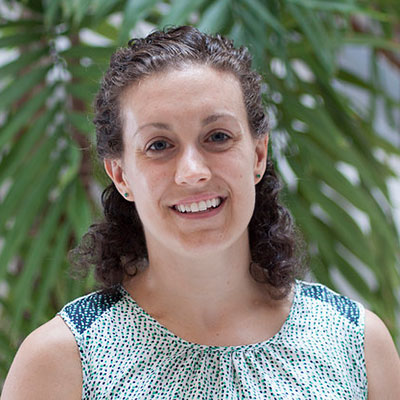
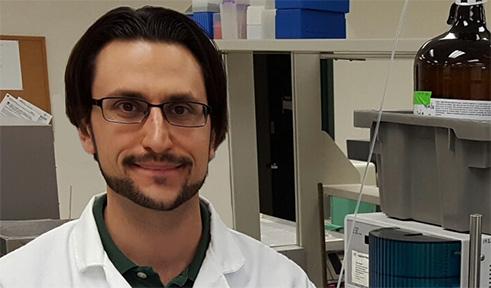
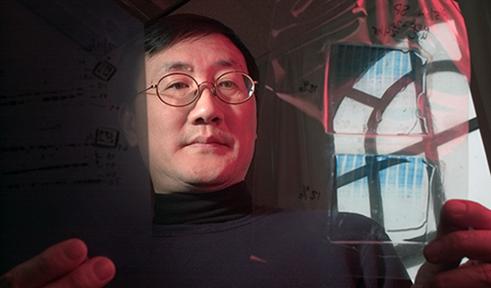
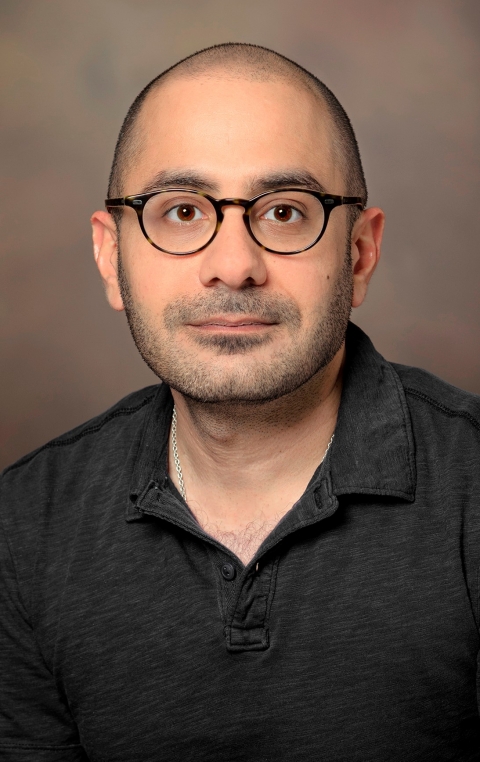
Alison Axtman, Ph.D., is an Assistant Professor at the Structural Genomics Consortium (SGC-UNC) and the UNC Eshelman School of Pharmacy. Her research focuses on using small molecules to explore disease mechanisms and develop therapies for neurodegenerative diseases such as Alzheimer’s and ALS. She holds affiliations with the Division of Chemical Biology and Medicinal Chemistry, emphasizing interdisciplinary work between chemistry and biology. Education: Ph.D. in Medicinal Chemistry from the University of Kansas (advisor: Brian Blagg) Postdoctoral studies at Stanford University (advisor: Paul Wender) Research Interests: Dr. Axtman’s work bridges medicinal chemistry and biological systems, aiming to discover small molecule probes and therapeutics. Key areas include: Inhibitors targeting kinases and lipid kinases Drug discovery for neurodegenerative diseases Chemical biology tools for studying disease pathways Publications: Her recent work includes development of chemical probes for PIKfyve, CSNK2, and CDKL5 kinases, with a focus on antiviral and neuroprotective applications. She collaborates widely to advance drug discovery in Alzheimer’s and ALS. Labs/Teams: She leads efforts at SGC-UNC, a collaborative hub for open-science drug discovery, and contributes to initiatives like the TREAT-AD Center targeting Alzheimer’s disease.
Daniela James is an Assistant Research Professor in the Department of Biochemistry and Molecular Biology at Pennsylvania State University, affiliated with the Mahony Lab. Her research focuses on genomics, epigenetics, and transcription factor analysis, with applications in cancer research and molecular biology. She holds a PhD in genetics, as evidenced by her 2016 dissertation on yeast chromosome segregation. Her work spans diverse topics, including regulatory element analysis using computational tools, antibody validation for transcription factors, and estrogen receptor-mediated apoptosis in breast cancer. Recent contributions include developing methods for multimapped read allocation and analyzing chromatin dynamics via neural networks. Earlier studies explored cell cycle regulation in fission yeast and ribosomal DNA dynamics. Dr. James has contributed to high-throughput screening of antibodies (2021) and explored structure-function relationships of estrogenic compounds in cancer (2020). Her lab’s research integrates bioinformatics, molecular biology, and pharmacology to address fundamental biological questions with clinical relevance. No scientific awards are explicitly mentioned. She advises students in her lab but no formal advisee list is provided. Her work is supported by grants focused on genomic technologies and cancer biology. The Mahony Lab serves as her primary research hub, collaborating on projects involving chromatin accessibility and transcription factor dynamics.
Gayle Doherty is a Senior Lecturer and Director of Impact at the School of Psychology and Neuroscience, University of St Andrews. She is affiliated with the Centre for Biophotonics and the Institute of Behavioural and Neural Sciences, reflecting her interdisciplinary research in neuroscience and neurodegeneration. BSc in Developmental Biology (1st Class Honours), University of Glasgow PhD in Developmental Neurobiology, University of St Andrews Her research focuses on the molecular signaling pathways that regulate neuronal survival and death during development and ageing. She investigates the neuroprotective effects of leptin and related adipokines, particularly in the context of Alzheimer's disease and amyloid-beta toxicity. Her work explores how leptin-based peptides can prevent synaptic loss and memory decline, with implications for dementia therapeutics. Recent publications highlight her contributions to understanding leptin’s role in preventing AMPA receptor internalization and neuronal degeneration, as well as innovations in remote patient monitoring through the Automated Remote Pulse Oximetry System (ARPOS). She also contributes to science education through co-curricular lab skills programs. Her research is supported by grants from Alzheimer's Research UK, The Wellcome Trust, and the Scottish Funding Council. She has led multiple projects focused on neuroprotection, public engagement, and entrepreneurial education. Principal Investigator, ARUK: Therapeutic potential of leptin and ghrelin in Alzheimer’s Disease Principal Investigator, ISSF6 Doherty (The Wellcome Trust) Co-Principal Investigator, Creating Impact through Entrepreneurial Education (CItEE) She actively supervises postgraduate students and contributes to academic service, including serving on the editorial board of the International Journal of Molecular Sciences and organizing neuroscience conferences. Her work aligns with UN Sustainable Development Goals related to good health and well-being.
Choon Lee is a Professor in the Department of Chemistry & Biochemistry at Northeastern University, under the College of Science and Engineering. His work bridges synthetic organic chemistry and biomedical applications, particularly in drug design and nanomaterials. Ph.D., Biomedical Sciences (Medicinal Chemistry), Northeastern University, 2000 M.S., Biomedical Sciences (Medicinal Chemistry), Northeastern University, 1997 Dr. Lee's research is centered on the design and synthesis of anti-cancer agents and dendritic antioxidants for biological use. His expertise spans medicinal chemistry , steroidal ligand design , and nanostructured materials . He has developed novel synthetic methods for estrogen receptor modulators and dendritic polyphenols with therapeutic potential. The body of his recent work reflects strong activity in medicinal chemistry and nanomaterial design , particularly in developing drug candidates targeting hormone receptors and oxidative stress. His publications span organic synthesis, polymer science, and biochemical applications, indicating an interdisciplinary approach focused on bioactive molecule development and functional nanomaterials . Dr. Lee is a member of the American Chemical Society . While specific awards are not listed, his patent filings and high-impact publications demonstrate significant scholarly contributions. He has advised students in research, though specific names are not listed. His work likely involves funded projects related to anticancer drug development and antioxidant technologies. He teaches Organic Chemistry I and II , Intermediate Organic Chemistry , and Organic Reactions and Synthesis , contributing significantly to undergraduate and graduate education. His research likely operates within a synthetic chemistry laboratory environment, possibly integrated with interdisciplinary teams in cancer research or nanomedicine, though specific lab names or team structures are not mentioned.
Prof. Zacharias Martin is a Professor of Molecular Dynamics at the TUM School of Natural Sciences at Technische Universität München (TUM). His research focuses on computational studies of biomolecular structure and dynamics, particularly using molecular simulations to understand protein-nucleic acid interactions and aggregation mechanisms. He has held academic positions at institutions including the Free University of Berlin, University of Houston, and Jacobs University Bremen before joining TUM in 2009. Education: PhD (1991) from Free University of Berlin, habilitation (Humboldt University Berlin), postdoctoral training at University of Colorado (USA). Research Themes: Biomolecular simulation methodologies, protein folding pathways, amyloid aggregation, and drug design via cyclic peptides. His work bridges computational biophysics with experimental biology, addressing fundamental questions in molecular recognition and disease mechanisms. Notable contributions include studies on γ-secretase modulation, fibril formation dynamics, and AI-driven biomolecular modeling. He has received accolades such as the Faculty of 1000 Membership (2009) and DFG scholarships. Current projects emphasize FAIR data principles in simulations, mechanistic insights into Alzheimer's-related amyloid β dynamics, and developing tools like cPEPmatch for peptide-based drug discovery.
Tana Tandarić is a Researcher at the Ruđer Bošković Institute within the Division of Organic Chemistry and Biochemistry , affiliated with the Lab for Computational Design and Synthesis of Functional Materials . She holds a PhD in Chemistry from the University of Zagreb (2021) and an MSc in Medicinal Chemistry from the University of Zagreb (2016). Her research focuses on theoretical and computational chemistry, particularly enzyme inhibition mechanisms, drug design, and reaction mechanistic studies. Education: PhD in Chemistry (2016–2021): University of Zagreb (Supervisor: Dr. Robert Vianello) MSc in Medicinal Chemistry (2011–2016): University of Zagreb (Thesis: Chlorination of 5-fluorouracil) High School: XV. Gymnasium, Zagreb (2007–2011) Research Interests: Tandarić’s work spans theoretical chemistry, organic synthesis, and medicinal applications. She specializes in computational modeling of enzyme-inhibitor interactions (e.g., monoamine oxidase B), drug design for neurodegenerative diseases, and eco-toxicological studies of pharmaceutical degradation products. Her recent projects include developing antiplasmodial agents through hybrid drug design and creating pH-sensitive fluorescent probes for biomolecular imaging. Key Achievements: 2022 Award for Young Scientist in Medicinal Chemistry Austrian Academy Scholarship (2021) Ruđer Bošković Institute Paper Awards (2019–2020) Thiene Poster Award (2019) Dean’s Awards for Outstanding Research (2013–2015) Teaching: Tandarić has instructed courses in Molecular and Statistical Mechanics at Uppsala University and General Chemistry at the University of Zagreb. She participates in academic editorial roles, co-editing conference proceedings like the 8th Mini Symposium of Medicinal Chemistry (2024). Labs/Teams: Collaborates closely with Prof. Robert Vianello’s group on drug design and Prof. Valerije Vrček’s team on mechanistic studies of pharmaceutical degradation. Engages in international projects (e.g., Max Perutz Labs, Sorbonne University).
David Roman, PhD, is a Professor of Pharmaceutical Sciences and Experimental Therapeutics at the University of Iowa College of Pharmacy, where he also serves as Associate Dean for Research and Graduate Education. His roles include overseeing research programs and graduate education initiatives. His research focuses on pharmacological mechanisms, particularly targeting G protein signaling pathways and adenylyl cyclase regulation. Key areas include developing novel therapies for chronic pain, identifying drug candidates through high-throughput screening, and understanding RGS protein interactions. Dr. Roman has received prestigious awards including the College of Pharmacy P1 Teacher of the Year Award and the University of Iowa Innovator Award. His work bridges basic science and translational research, with a focus on drug discovery for neuropharmacology and oncology applications. His lab employs advanced techniques such as NMR screening, protein structure analysis, and in vitro cell models to investigate molecular mechanisms of action. Current projects include exploring non-opioid pain treatments and inhibitors for oncogenic RGS proteins.
Justin M. Holub is an Associate Professor in the Department of Chemistry and Biochemistry at Ohio University's College of Arts and Sciences, where he also serves as the Online Graduate Recruitment Chair. His laboratory, the Holub Laboratory of Chemical Biology, is located in Clippinger Laboratories and is actively engaged in interdisciplinary research at the intersection of chemistry, biochemistry, and molecular biology. Education: B.S., Rider University Ph.D., New York University Post-doctoral training, Yale University Dr. Holub's research focuses on developing chemical tools to study and manipulate protein-protein interactions (PPIs), with applications in cancer, neurodegenerative diseases, and endocrine disorders. His lab employs multidisciplinary methods including organic synthesis, peptide engineering, protein expression, and fluorescence-based assays. Key research themes include re-engineering miniature proteins (e.g., scyllatoxin-based BH3 mimetics), surveying protein dynamics using bisarsenical dyes (e.g., FlAsH-EDT2), and developing therapeutic peptides targeting the human growth hormone receptor and tau phosphorylation pathways. His recent publications span high-impact journals such as Journal of Biological Chemistry , Organic & Biomolecular Chemistry , and Analytical Chemistry , reflecting a strong trend in chemical biology, protein engineering, and translational therapeutic development. His work frequently involves collaborations with other laboratories and institutions, including the Kopchick Laboratory and Leipzig University. Scientific Awards and Honors: Associate Professor with tenure, Ohio University (2019) NIH R21 grant recipient (2023) NSF MRI Grant recipient (2020) Ohio University Baker Fund grant (2021) Global Travel Fund Award (2018) Multiple PACE and internal funding awards (2018–2025) Dr. Holub actively mentors graduate and undergraduate researchers, many of whom have presented at national conferences and received university-level awards. He leads a dynamic research group with ongoing projects supported by external and internal grants. He has advised numerous students through Ph.D. and M.S. programs and has successfully placed alumni in academia, biotechnology, and professional programs. His laboratory has also contributed to instrumentation acquisition at Ohio University, notably the Bruker AutoFlex Max MALDI-TOF mass spectrometer. Laboratory and Collaborative Efforts: The Holub Laboratory is a vibrant research environment fostering innovation in chemical biology. It collaborates with the Kopchick Laboratory on growth hormone receptor antagonists and with the Chertok Laboratory on metabolite analysis. The lab has secured funding from NIH, NSF, Ohio University internal funds, and industry partners like Immunomic Therapeutics, Inc. It maintains active participation in professional societies such as ACS and ASBMB and regularly presents findings at regional and national meetings.
Shiyong Wu is a Professor in the Department of Chemistry and Biochemistry within the College of Arts and Sciences at Ohio University. His research focuses on molecular mechanisms of UV radiation-induced skin cancer, DNA damage, cell stress responses, and cancer signaling pathways. He is based at the Konneker Research Center on the Athens Campus. Research Interests: Dr. Wu's work centers on molecular carcinogenesis, particularly the roles of proteins like CIRP, prohibitin, and NF-κB in skin cancer development. His lab explores oxidative stress, chemoprevention using natural compounds like carnosol, and the regulation of apoptosis and cell survival after UVB exposure. He also investigates cancer metastasis, integrin signaling, and the impact of obesity and metabolic pathways on breast cancer progression. The recent publications (2014–2018) reflect a strong focus on UVB-induced cellular responses, DNA repair mechanisms, and signaling cascades in skin and breast cancers. His work spans in vitro models, co-culture systems, and molecular techniques, with an emphasis on stress-induced gene regulation and chemopreventive strategies. Scientific Awards: Advising and Grants: Dr. Wu leads an active research lab involving graduate students and collaborators. While specific grant details are not listed, his extensive publication record suggests sustained funding in cancer biology and photobiology. He has mentored research that appears in high-impact journals such as Oncotarget , Scientific Reports , and Cancer Letters . Labs and Teams: Dr. Wu runs a research laboratory at Ohio University, collaborating with scientists including Li Zuo, Liling Tang, Lingying Tong, and John J. Kopchick. His team employs techniques in molecular biology, cell culture, protein analysis, and mass spectrometry to study cancer mechanisms.
Ghassan Mouneimne, PhD, is an Associate Professor at the University of Arizona, affiliated with the College of Medicine – Tucson and the University of Arizona Cancer Center. His research focuses on how alterations in cytoskeletal organization influence cancer cell behavior, particularly invasion and metastasis. Academic Rank: Associate Professor Departments: Cellular and Molecular Medicine, Cancer Biology Research in the Mouneimne Lab explores the relationship between actin cytoskeletal architecture and cancer progression, emphasizing mechanosensing, tumor microenvironment interactions, and structural regulation of metastasis. Key methodologies include microfluidic models and 3D culture systems. Analysis of his publications reveals consistent themes in cytoskeletal dynamics, breast cancer metastasis, and tumor microenvironment regulation. Studies span from mechanistic investigations of actin remodeling to translational applications in anti-fibrotic therapies and organotypic modeling. The Mouneimne Lab operates at the University of Arizona Cancer Center (1515 N Campbell Avenue Lab #0983, Tucson, AZ), utilizing advanced tools like micropatterned tumor models and cryopreservation protocols to study cancer cell migration and stromal interactions.
Toral Surti is an Associate Professor of Psychiatry at Yale University School of Medicine, specializing in cognitive aspects of schizophrenia and related psychotic disorders. Her research focuses on understanding cognitive impairments in schizophrenia, sleep disorders in psychotic conditions, and the effects of cannabis on mental health and sleep patterns. Dr. Surti's educational background includes a BS in Molecular Biophysics and Biochemistry from Yale College (1998), followed by an MD and PhD from the University of California at San Francisco (2007). She completed her residency at Yale University School of Medicine (2012) and a research fellowship at Yale University School of Medicine and VA Connecticut Healthcare System (2014). Her primary research interests include cognition in schizophrenia, sleep disorders among individuals with psychotic disorders, and the intersection of cannabis use and mental health. Dr. Surti employs both clinical and neurobiological approaches to investigate cognitive training interventions, neuroplasticity, and novel pharmacological targets for cognitive enhancement in schizophrenia. Her work often examines how sleep disturbances impact cognitive function in psychotic disorders, and she has conducted significant research on cannabis effects on sleep architecture and cannabinoid receptor availability. Dr. Surti's recent publications demonstrate a strong focus on translational research bridging basic neuroscience with clinical applications. Her work spans from molecular studies of receptor availability to clinical trials testing cognitive interventions. Several publications examine the relationship between cannabis use and mental health outcomes, while others focus on sleep disorders in schizophrenia. Her research often involves interdisciplinary collaboration across psychiatry, neuroscience, and biomedical engineering, as evidenced by her work on radar-based vital sign monitoring in clinical settings. Sleep apnea research showing the impact of respiratory disorders on cognition in schizophrenia Clinical trials of glycine transporter inhibitors for cognitive enhancement Studies on dopamine receptor stimulation as a pro-cognitive target Investigations of cannabis effects on sleep architecture Research on illness phase as a critical window for psychosis intervention Dr. Surti serves as Principal Investigator for the 'Sleep Dependent Learning in Schizophrenia and Psychosis Risk Syndrome' study and is a Sub Investigator for multiple clinical trials investigating schizophrenia spectrum disorders, cannabis effects, and adolescent brain development. Her research program demonstrates a commitment to understanding the biological mechanisms underlying cognitive deficits in psychosis and developing targeted interventions.
Dr. Laila Kudsiova is an Associate Professor and Postgraduate Research Lead in the Department of Biomedical Sciences at the University of Birmingham, Dubai campus. She is also the Co-Programme Director of the Biomedical Sciences Programme in Dubai and plays a key role in leading PhD research initiatives in the region. Education: BSc (Hons) in Pharmacy, Liverpool John Moores University, 1999 PhD in Gene Therapy, King’s College London, 2004 Postgraduate Certificate in Academic Practice (PGCAP), King’s College London, 2009 Laila's research is centered on advanced drug and gene delivery systems, particularly focusing on nanocarriers for cancer and genetic diseases. Her work spans the design, formulation, and biological evaluation of lipopolyplexes, peptide-based vectors, and lipid nanoparticles. She has made significant contributions to understanding the structure-function relationships of gene delivery systems using techniques like Small Angle Neutron Scattering (SANS). Her recent publications highlight a strong trend in nanoformulations for targeted cancer therapy , pH-responsive gene silencing , and vaccine stability . The 2021 BMJ Open Science study on Pfizer-BioNTech vaccine stability had significant real-world impact on vaccination center practices. Scientific Awards and Recognitions: Overseas Research Student Award (ORSA) CW Maplethorpe Postdoctoral Fellowship EPSRC Postdoctoral Fellowship Lecturer of the Year (King’s College London) Laila has supervised multiple PhD students and leads postgraduate research in Dubai. She has secured competitive fellowships and led translational research projects. Her leadership extends to curriculum development and academic program direction. She has taught across a wide range of biomedical science modules, including Molecular and Cell Biology, Pharmacology, and Neuroscience. Her research has been conducted in collaboration with multidisciplinary teams across King’s College London, University of Brighton, and now the University of Birmingham. She continues to advance innovation in nanomedicine and gene therapy applications.
Steven M. Peseckis is an Associate Professor in the Department of Medicinal and Biological Chemistry at the University of Toledo's College of Pharmacy and Pharmaceutical Sciences. He holds a Ph.D. from MIT (1983) and a B.A. from Dartmouth College (1978), with postdoctoral experience at Princeton and the Sloan Kettering Institute. His research focuses on heterotrimeric G-protein-mediated signal transduction, integrating molecular biology, cell biology, synthetic chemistry, and computational modeling. Education : Ph.D., Massachusetts Institute of Technology, 1983; B.A., Dartmouth College, 1978. Dr. Peseckis' work spans infectious disease, oncology, and drug targeting, with a career spanning 29 years in higher education and 7 years in industry. He has mentored 5 Ph.D. students and served on over 75 graduate thesis committees. His recent articles highlight advancements in fatty acid-based drug delivery, receptor-ligand interactions, and protein modification techniques. Scientific awards include two U.S. patents for cardiotonic agents and multiple recognitions as Outstanding Professor by pharmacy students. He also serves in administrative roles including Vice Chair of the University of Toledo Institutional Biosafety and Review Boards.
Alla Zamyatina is an Associate Professor at the Institute of Organic Chemistry, University of Natural Resources and Life Sciences (BOKU), Vienna. Her research focuses on synthetic glycobiology, lipid A mimetics, and immunomodulatory glycolipids, with applications in innate immunity and vaccine development. Current projects include Phosphate modifications in LPS (FWF-funded, 2024-2027) and Enzymatic synthesis of zwitterionic glycans (2022-2026). She serves as editorial board member for Frontiers in Chemistry and Innate Immunity , and has reviewed for 20+ journals including Nature Communications and JACS . Research Interests: Synthesis of immunomodulatory lipopolysaccharide (LPS) mimetics Structure-function studies of TLR4/MD-2 ligands Development of synthetic glycoconjugates for vaccine candidates Elucidating bacterial carbohydrate biosynthesis pathways Publication Trends: Her recent work emphasizes TLR4-targeted glycolipids, conformationally constrained disaccharides, and novel synthetic strategies for heptose-containing immunogens. Key subfields include synthetic endotoxin mimetics, carbohydrate-based vaccine adjuvants, and bacterial pathogenesis modulation. Scientific Service: Editorial Board: Frontiers in Chemistry (2022), Innate Immunity (2020) Peer Review: Regular reviewer for journals like Chemical Science , Advanced Science , and European Journal of Medicinal Chemistry Advising: Supervised 8 doctoral theses on topics ranging from HIV-1 oligomannosides to plant glycosyltransferase substrates.
Dr.techn. Jean-Baptiste Weibel is a researcher at the Institut für Forsttechnik (Department für Agrarwissenschaften) at the University of Natural Resources and Life Sciences, Vienna (BOKU) . His work intersects synthetic biology , nanotechnology , and forest technology , focusing on biomolecular systems, membrane protein integration, and advanced materials. He has supervised PhD students, including Christoph Jacek Zaba (2016 dissertation on quantum dot synthesis for integrin receptor detection). The institute emphasizes structure-function relationships in cell membranes , membrane protein stabilization , and high-resolution microscopy applications, aligning with his research themes. Key research areas : Synthetic biology Nanocarrier systems Membrane protein engineering Environmental risk assessment of nanomaterials Biophysics of cell membranes Advising : Supervised Christoph Jacek Zaba 's dissertation (2016) on Quantum dot synthesis towards integrin receptor detection .