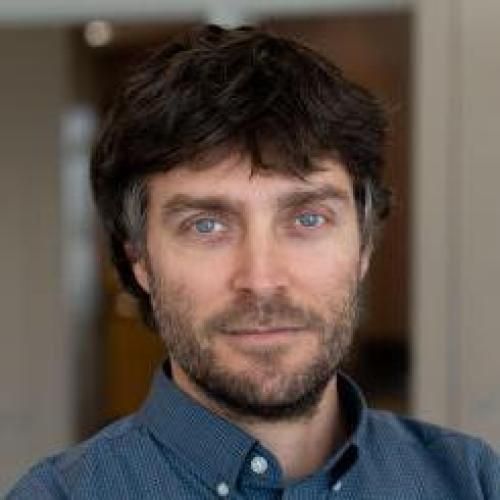
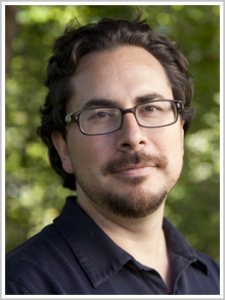
Philip Romero, Ph.D., is an Associate Professor in the Department of Biomedical Engineering at Duke University. He earned his doctorate from the California Institute of Technology in 2012 and leads the Romero Lab, which relocated to Duke in 2023. His research focuses on developing computational and experimental methods for protein engineering, with applications spanning therapeutics, biocatalysis, and synthetic biology. Research Interests: Romero's work integrates machine learning, microfluidics, and high-throughput experimentation to study protein fitness landscapes. Key areas include: Self-driving laboratories for autonomous protein optimization Neural network models for predicting protein functions Therapeutic enzyme engineering (ACE2, caspases, lysins) Microfluidic platforms for deep mutational scanning His recent publications demonstrate a strong emphasis on machine learning-guided protein design, with 80% of post-2022 publications involving AI/ML methods. Therapeutic applications against infectious diseases (particularly SARS-CoV-2) and microbiome engineering represent emerging directions. Lab & Advising: The Romero Lab develops novel technologies for protein engineering, including custom gene library assembly platforms and droplet microfluidics systems. Romero mentors graduate students (e.g., Nishit, who recently defended a thesis on transcription factor engineering) and has collaborated with researchers across computational biology, metabolic engineering, and virology.
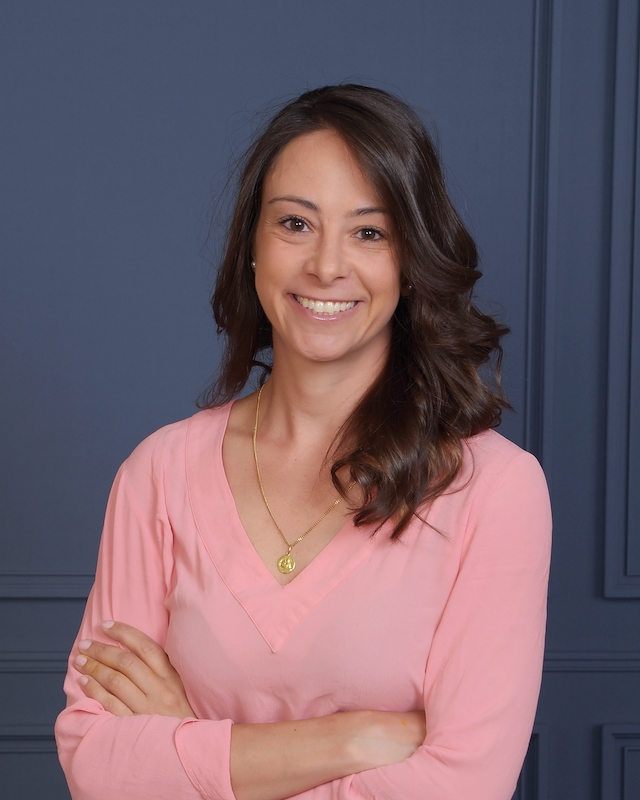
Tamara Bidone serves as an Assistant Professor of Biomedical Engineering and Adjunct Assistant Professor of Biochemistry and Molecular Pharmaceutics at the University of Utah, conducting interdisciplinary research through the Bioscience Programs with emphasis on computational approaches to biological macromolecules and cellular mechanics. Her academic foundation includes: B.S. from Polytechnic University of Turin, Italy M.S. from Polytechnic University of Turin, Italy Ph.D. from Polytechnic University of Turin, Italy Dr. Bidone's research program centers on elucidating structure-function relationships in biological macromolecules, particularly adhesion proteins and their role in cellular dysfunction and disease. She develops and applies advanced computational methodologies including molecular dynamics simulations, coarse-graining techniques, Brownian dynamics, and agent-based mesoscale modeling to investigate molecular and macromolecular dynamics. Her work spans biophysics, computational biology, and cellular mechanics with specific focus on integrin-mediated adhesion, cytoskeletal dynamics (actin and microtubules), and mechanical regulation of cellular processes. Analysis of her 15 most recent publications (2023-2025) reveals a dominant trend in computational modeling of cellular adhesion mechanisms and cytoskeletal dynamics. Key thematic areas include integrin activation pathways (particularly αIIbβ3), microtubule tip mechanics, actin bundle formation, and data-driven approaches integrating machine learning with biophysical simulation. Her methodological innovations feature generative modeling, manifold learning, and equation-free dynamics applied to complex protein systems, providing critical insights into force-regulated conformational changes and disease mechanisms. While no specific laboratory name is provided in available materials, her research contributes significantly to computational biosciences at the University of Utah, advancing fundamental understanding of cellular mechanics through sophisticated simulation frameworks that bridge molecular and cellular scales.
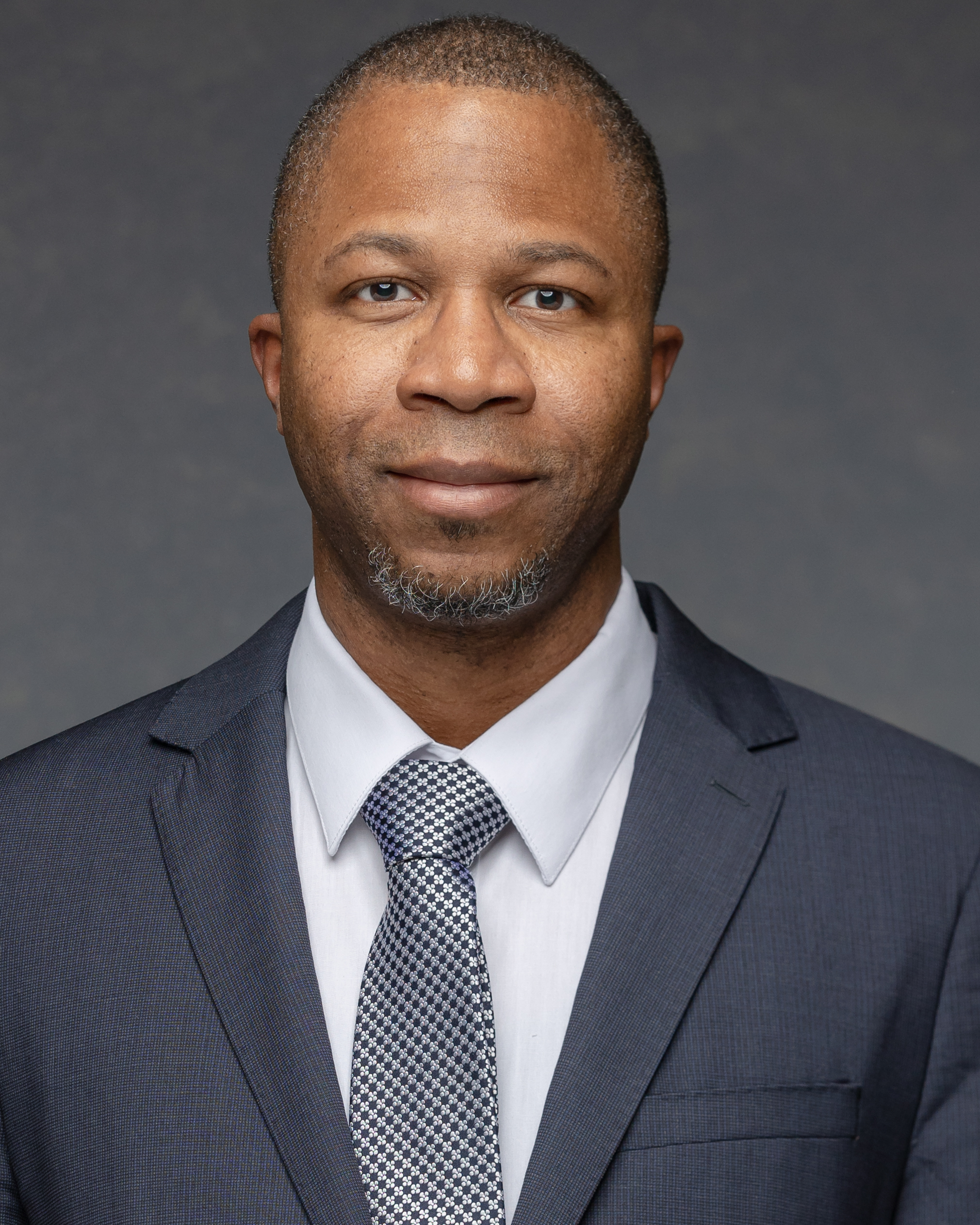
Dr. David C. Poole is a University Distinguished Professor of Kinesiology and Physiology at Kansas State University, holding the Elizabeth Chapin Burke Chair in Health and Human Sciences and the Coffman Chair for University Distinguished Teaching Scholars. He serves as Director of the Clarenburg Cardiorespiratory Lab within the College of Veterinary Medicine. His work bridges the fields of kinesiology, physiology, and veterinary medicine, focusing on understanding the fundamental mechanisms of oxygen transport and utilization in health and disease. Dr. Poole earned his B.Sc. from Liverpool Polytechnic and his Ph.D. from UCLA in 1986, followed by a Scientiae Doctor from Liverpool John Moores University in 2000. His academic journey has established him as an internationally recognized researcher in exercise and respiratory physiology. Dr. Poole's research focuses on the critical relationship between oxygen transport and metabolic demands in tissues, particularly during exercise. His laboratory investigates how skeletal muscles can require up to 100-fold more oxygen during exercise compared to rest, and how conditions like heart failure, diabetes, and cancer impair this vital process. Using innovative approaches such as nitrate supplementation and dietary interventions, his work aims to enhance therapeutic strategies for improving exercise tolerance and quality of life in patients with chronic conditions. His research has significantly advanced understanding of capillary function, oxygen uptake kinetics, and Critical Power in exercise physiology. Dr. Poole's extensive publication record includes over 350 peer-reviewed papers in leading journals such as Circulation Research , Journal of Clinical Investigation , and Journal of Applied Physiology . His recent work (2023-2025) demonstrates continued leadership in understanding oxygen transport mechanisms across multiple physiological systems, with particular emphasis on skeletal muscle microcirculation, respiratory muscle function, and the impact of aging and disease on exercise capacity. His research spans fundamental physiological mechanisms to translational applications in clinical settings. Scientiae Doctor from Liverpool John Moores University (2000) Adolph Distinguished Lecturer from the American Physiological Society (2018) Joseph B. Wolffe Memorial Lecture from the American College of Sports Medicine (2021) Higuchi-Dolph Simons Statewide Award for Biomedical Research Excellence (2024) ACSM Citation Award (2019) Fellow of the American College of Sports Medicine Fellow of the American Physiological Society As Principal Investigator, Dr. Poole has secured over $6 million in research funding, with an additional $31 million as Co-Investigator, primarily from the National Institutes of Health and the K-State Johnson Cancer Research Center. His laboratory maintains a vibrant scientific atmosphere with productive collaborations among faculty and students. Key collaborators include Dr. Thomas J. Barstow, Dr. Timothy I. Musch, Dr. Howard H. Erickson, Dr. M. Roger Fedde, Dr. Casey A. Kindig, and Dr. Brad J. Behnke. Dr. Poole's work has achieved an impressive h-index of 84 with over 26,000 citations, reflecting his significant impact on the field. Dr. Poole directs the Clarenburg Cardiorespiratory Lab at Kansas State University, which provides a dynamic research environment focused on understanding oxygen transport limitations from lungs to mitochondria. The lab employs a range of novel and established strategies to investigate tissue oxygenation and metabolic control, with applications to both healthy function and disease states including emphysema, diabetes, chronic heart failure, and cancer.
Dr. Ram Bhusal is an NHMRC Investigator Fellow in the Biomedicine Discovery Institute (BDI) at Monash University. His research focuses on tick salivary proteins (evasins) and their role in inhibiting human chemokines for anti-inflammatory therapeutic development. He also explores evolutionary mechanisms of evasins to understand protein sequence-structure-function relationships. Dr. Bhusal holds a PhD in Chemical Biology from the University of Auckland (2014–2018), a master’s in Medicinal Chemistry from Wonkwang University (South Korea), and a bachelor’s in Pharmaceutical Sciences from Pokhara University (Nepal). Research interests include structural biology of chemokine interactions, protein engineering for therapeutics, and tuberculosis metabolism. He leads projects like 'Harnessing ticks' tricks to develop therapies for inflammatory diseases' and collaborates internationally. Awards include NHMRC Fellowships and travel grants for conferences. Dr. Bhusal accepts PhD students and has contributed to over 24 publications since 2010, spanning structural biology, drug discovery, and food science. Education: PhD (Chemical Biology): University of Auckland (2014–2018) MSc (Medicinal Chemistry): Wonkwang University (South Korea) BSc (Pharmaceutical Sciences): Pokhara University (Nepal) Awards: NHMRC Investigator Fellow (Monash University) Australian Peptide Conference Travel Award (2022) BDI ECR Support Fund (2022) Biomedicine Discovery Institute Travel Grant (2021) Projects: Suppression of Treg Recruitment in Cancer Immunotherapy (2025–2028) Harnessing ticks’ tricks for anti-inflammatory therapies (2024–2028) Research outputs highlight structural studies of evasins, probiotic effects on food systems, and tuberculosis enzyme mechanisms. His work bridges basic science and translational medicine, addressing global health challenges like inflammatory diseases and antimicrobial resistance.
Professor Luke Guddat is a faculty member at the School of Chemistry and Molecular Biosciences, University of Queensland, serving as Director of HDR Students. His research focuses on structural biology, enzymology, and drug discovery, particularly targeting bacterial and fungal pathogens. Key areas include enzyme inhibition for herbicides and antimicrobials, structural analysis of mycobacterial transporters, and SARS-CoV-2 entry mechanisms. He leads projects on drug design using cryo-EM and X-ray crystallography. Academic Roles: Professor, Director of HDR Students Research Themes: Enzyme structures, antimicrobial drug targets, herbicide development Research Interests: Structural elucidation of enzymes involved in bacterial/fungal pathogenesis, drug resistance mechanisms, and agricultural biotechnology. His work integrates computational modeling, molecular biology, and biochemical assays to design novel therapeutics and herbicides. Recent studies highlight inhibition of mycobacterial efflux pumps, SARS-CoV-2 entry pathways, and development of antituberculosis agents. Collaborations span universities and institutions, with funding from NHMRC, ARC, and industry partnerships. Supervision: Over 25 PhD students, focusing on enzyme inhibition, drug discovery, and structural biology Grants: Macromolecular Crystallography CAP, EnzOnomy, and NHMRC IDEAS grants Labs/Teams: Active in crystallography, cryo-EM, and biochemical assay development. Part of multidisciplinary teams exploring antibiotic resistance and fungal pathogen targets.
Jason B. Castro is an Associate Professor of Neuroscience and Department Chair at Bates College. He is affiliated with the Department of Neuroscience and collaborates with institutions like the University of Pittsburgh and Oak Ridge National Laboratories. His work integrates neurophysiological techniques with computational methods to explore olfactory and sensory systems. Education: BS & BA, University of Rochester (2001) Liberal Arts Diploma, European College of Liberal Arts (ECLA) (2002) PhD, University of Pittsburgh (2008) Research Interests: Professor Castro focuses on two primary areas: 1) the neural circuitry underlying odor processing, particularly in the olfactory bulb, and 2) systematic relationships between chemical structures and odor perception. He employs electrical recording, imaging, and data-mining techniques to study how neural properties enable odor discrimination and to model odor quality predictions based on chemical features. Articles Trends: His publications span neurophysiological studies of olfactory and auditory systems, emphasizing mitral cell dynamics, glutamate signaling, and synaptic inhibition. Collaborative work with computational tools aims to bridge chemical structure and perceptual outcomes in olfaction. Scientific Awards: No awards explicitly listed in the provided text. Advising & Grants: No advisees or grants mentioned. Teaches courses including Computational Neuroscience, Psychobiology of Smell, and Introduction to Neuroscience.
Robert J. Doerksen is Professor of Medicinal Chemistry in the Department of BioMolecular Sciences at the University of Mississippi School of Pharmacy , Associate Dean of the Graduate School , and Research Professor in the Research Institute of Pharmaceutical Sciences . Since 2004 he has combined computational chemistry with experimental collaborations to advance drug discovery, particularly in glycoscience and cannabinoid research. Education: B.S. (Double First Class Honours) in Mathematics & Physics, University of New Brunswick, 1986 Graduate Diploma in Christian Studies, Regent College, Vancouver, 1996 Ph.D. in Chemistry, University of New Brunswick, 1998 (Advisor: Prof. Ajit Thakkar) Postdoctoral Fellow, UC Berkeley (with Prof. Martin Head-Gordon) Postdoctoral Fellow, University of Pennsylvania (with Prof. Michael Klein) Research Interests: Dr. Doerksen’s laboratory develops and applies computational medicinal chemistry approaches spanning chemoinformatics , molecular dynamics , virtual screening , and machine learning to understand how small molecules interact with proteins. Central themes include: Glycoscience : lectin–glycan interactions, glycosyltransferase regulation, glycomimetic design. Cannabinoids : CB1/CB2 receptor allosteric modulation, cannabidiol pharmacology, synthetic cannabinoid SAR. Neglected & Infectious Diseases : malaria, hepatitis B, tuberculosis, SARS-CoV-2, urinary-tract infections. Drug Delivery & Formulation : nanoparticle coatings, pharmacokinetic optimization, bioavailability enhancement. Publications Trend: Over 2023–2025 his 15 most recent papers reveal intense activity at the intersection of AI-driven discovery , glycobiology , and cannabinoid pharmacology , with emphasis on anti-infective, anticancer, and CNS-active agents. Key contributions include first-in-class MraY inhibitors for TB, cannabinoid-inspired antivirals against SARS-CoV-2, and glycomimetic antagonists of bacterial adhesins for UTI prevention. Scientific Awards & Honors: UM School of Pharmacy Faculty Service Award (2015–2016) UM School of Pharmacy Faculty Service Award (2010–2011) Editorial Boards: Molecules , AIMS Biophysics , Pharmaceutical Sciences , Perspectives in Medicinal Chemistry Repeated NIH, DoD, NSF, Wellcome Trust, and international grant-review panels (2010–present) Guest Editor for multiple special issues in Molecules and Frontiers journals Advising & Mentoring: As Associate Dean, Dr. Doerksen oversees University-wide graduate programs, chairs the Graduate Recruiting Fellowship and Scholarship Committee, and mentors students across disciplines. Faculty advisor for the UM chapters of the Christian Pharmacists Fellowship International (since 2005) and Taiwanese Student Association (2022–2025). He actively participates in PhD and MS thesis committees worldwide and has delivered NSF GRFP information sessions to support trainee funding. Laboratories & Teams: He directs research within the Computational Chemistry and Bioinformatics Research CORE (CCBRC) , fostering collaborative projects involving medicinal chemists, structural biologists, pharmacologists, and data scientists. The group leverages high-performance computing resources at the University of Mississippi to perform large-scale virtual screening, AI/ML model development, and integrative structural biology studies.
Dr. Che Colpitts is an Assistant Professor in the Department of Biomedical and Molecular Sciences at Queen's University, affiliated with the Faculty of Health Sciences and the Translational Institute of Medicine (TIME). She holds a PhD in Virology from the University of Alberta (2014), and completed postdoctoral training at the University of Strasbourg and University College London. Her research focuses on understanding how positive-sense RNA viruses, including hepatitis C virus (HCV), dengue virus, and coronaviruses, manipulate host cell biology to replicate and evade immune responses. Key research areas include: (1) roles of cyclophilin A in HCV immune evasion, (2) membrane rearrangements during viral replication, (3) TLR4 activation by viral glycoproteins, and (4) antiviral strategies targeting viral entry mechanisms. Current teaching includes MICR 451/BMED 851. The Colpitts Lab actively collaborates on projects involving ER stress responses, glycobiology, and broad-spectrum antiviral development. Notable recent publications explore SARS-CoV-2 pathogenesis, cyclophilin-mediated viral cloaking, and pan-coronavirus inhibitors. Her work bridges basic virology with translational medicine, aiming to identify novel antiviral approaches against emerging and untreatable viral threats.
Derek Wilson is a Full Professor in the Department of Chemistry at York University, holding the York Research Chair (Tier 2). His research focuses on protein dynamics and structural biology using advanced mass spectrometry techniques, including time-resolved electrospray ionization (TRESI) and hydrogen-deuterium exchange (HDX-MS). He leads the Wilson Lab, which investigates protein motions, enzyme mechanisms, and interactions with ligands, membranes, and other proteins. His expertise spans analytical and biological chemistry, with a strong emphasis on developing microfluidics-based tools for studying millisecond-to-second timescale processes. Key projects include elucidating the dynamics of antibiotic resistance enzymes (e.g., β-lactamases), intrinsically disordered proteins (e.g., tau in Alzheimer’s), and antiapoptotic proteins (Bcl-2/Mcl-1) involved in cancer. Education: Ph.D. in Chemistry (specific details not listed in text). Awards include the Tier 2 York Research Chair. The lab collaborates widely with institutions like the University of Chicago and St. Jude Children’s Hospital, advancing drug discovery and structural biology. Current students and alumni include researchers studying STAT5b oncogenic mutations, tau protein dynamics, and nanodisc technologies. The lab operates cutting-edge equipment such as the Synapt G2-S HDMS and VersaLaser microfluidic devices.
Dr. Agata Gitlin-Domagalska serves as an Adjunct Professor at the Faculty of Chemistry, University of Gdańsk, where she leads research in the Department of Molecular Biochemistry and Laboratory of Bioorganic Chemistry. Her work bridges peptide chemistry and bioorganic drug design, focusing on innovative synthetic strategies and therapeutic applications. Academic Affiliation: Faculty of Chemistry, University of Gdańsk Department: Department of Molecular Biochemistry Laboratory: Laboratory of Bioorganic Chemistry Specializing in peptide synthesis and prodrug development , Dr. Gitlin-Domagalska investigates strategies to enhance oral bioavailability of charged peptides through lipophilic charge masking and non-covalent inhibition of serine proteases like matriptase and furin . Her research extends to antimicrobial peptide conjugates with dual therapeutic functions and Zika virus suppression via protease inhibition. Recent publications highlight her expertise in peptide splicing mechanisms , solid-phase synthesis optimization , and nanoparticle-based delivery . She has developed cyclic RGD prodrugs for targeted intestinal permeability and bicyclic furin inhibitors using combinatorial chemistry approaches. Her work contributes to antibiotic conjugates with leukemia-selective antifungal activity , neuroprotective humanin analogs , and vasopressin derivatives with expanded therapeutic potential. Current trends emphasize matriptase-selective inhibitors and earthworm-derived antimicrobial nanoparticles . Dr. Gitlin-Domagalska employs model membrane biosensing for drug-membrane interaction studies and has pioneered high-shear mixing techniques to improve amide bond formation efficiency in peptide synthesis processes.
Giovanna Di Nardo is an Associate Professor at the University of Turin , affiliated with the Department of Life Sciences and Systems Biology . Her research focuses on the structure-function relationship of human aromatase , its role in brain function, and estrogen-dependent tumors. Key research areas include: Drug metabolism Post-translational enzyme regulation Electrochemical and spectroscopic methods X-ray crystallography Biocatalyst engineering Endocrine disruptor screening Recent publications highlight innovations in: P450-based drug discovery platforms Phosphomimetic protein studies Monkey/dog cytochrome P450 comparisons Pesticide endocrine disruption Genomic analysis of plant sterility She contributes to teaching in Biochemistry and participates in academic governance bodies.
Julian Hurdle, PhD, is a Professor at Texas A&M University and Director of the Center for Infectious and Inflammatory Diseases (CIID). His research focuses on antibiotic resistance in Clostridium difficile , novel therapeutic strategies, and chemical genetic approaches to pathogenic mechanisms. Research Interests: His multi-disciplinary work bridges high-throughput screening of chemical libraries, target identification via genomics, and in vivo modeling to understand C. difficile resistance and develop therapies. Collaborations with medicinal chemists and clinical scientists drive translational goals. Publications: His 15 most recent articles highlight studies on C. difficile's evolution of resistance, membrane-active antibiotics, and antivirulence strategies. Keywords span Microbiology, Pharmacology, and Chemical Genetics, with sub-fields like toxin-inhibiting mechanisms, phytochemicals, and drug hybridization. Academic Contributions: As Director of the IBT Postdoctoral Program, he mentors researchers in infectious disease innovation. His lab integrates molecular biology, animal models, and clinical data to impact human health.
Prof. Dr. Renu Batra-Safferling is a structural biology researcher at the Institute of Plant Biochemistry (IPB) within the Faculty of Mathematics and Natural Sciences at Heinrich Heine University Düsseldorf . Her work focuses on protein structure-function relationships through X-ray crystallography and biophysical analysis, particularly in signaling components of visual transduction pathways and LOV-family blue-light photoreceptors. Research Areas: Structural biology of signaling proteins, protein-ligand interactions, photoreceptor dynamics, and natively unfolded protein characterization. Techniques: X-ray crystallography, site-directed mutagenesis, transient/steady-state kinetics, dynamic light scattering, and CD spectroscopy. Her recent publications investigate phospholipase A mechanisms in Pseudomonas aeruginosa , LOV protein dark recovery kinetics, chemokine CCL16 dynamics, and arrestin activation via phosphorylated peptides. Collaborative work spans enzymology, photoreceptor biophysics, and protein aggregation studies. Students: Master student Lisa Jungbluth and Bachelor student Leon Hennecke Email: r.batra-safferling@fz-juelich.de
Dr. Eng. Damian Kułaga is a Research and Teaching Assistant Professor at the Department of Organic Chemistry and Technology (C-2) , Faculty of Chemical Engineering and Technology, Tadeusz Kościuszko Cracow University of Technology. He obtained his M.Sc. in Light Organic Technology (2015) and Ph.D. in Chemical Engineering (2023) from the same institution, with postgraduate pedagogical studies completed in 2020. Education M.Sc. in Light Organic Technology, Cracow University of Technology (2015) Ph.D. in Chemical Engineering, Cracow University of Technology (2023) Postgraduate Pedagogical Studies, Cracow University of Technology (2020) Kułaga's research spans Medicinal Chemistry , Organic Synthesis , and Computational Drug Design , focusing on: Designing bioactive compounds for CNS disorders (depression, schizophrenia) and oncology (TNBC, CRC) Lead optimization for improved pharmacological parameters (ADME-T) Docking and molecular dynamics for structure-based drug design Green chemistry methods (microwave/sound-assisted solvent-free reactions) Synthesis of heterocycles and steroid bioconjugates His work has produced 15+ publications (2016–2025) on topics including: Anticancer triazine derivatives for colorectal cancer Dual-target ligands for Alzheimer’s and CNS diseases Ultrasound/microwave-assisted drug synthesis protocols 5-HT7 receptor agonists/antagonists for psychiatric and oncological applications Scientific Awards : GOLD MEDAL ARCA 2017 (Trazodone synthesis method) BRONZE AWARD KIWIE2017 (Aripiprazole synthesis) GOLD MEDAL IWIS2018 (solvent-free active substance synthesis) Multiple international medals (SILVER, HONORABLE MENTION) for CNS and oncology drug innovations First place poster award at X Medical Chemistry Symposium (2021) Grants & Projects : NCBiR LIDER grants for 5-HT7 receptor ligands in TNBC (2022–2025) and CNS ligands (2016–2019) Subwencja N+B grant for indolyl aminotriazines (2021–) FNP/Proof of Concept grant for DK-AT390HCI small-molecule anticancer agent (2024–2025) International Collaborations : Research stays at Sapienza Universita di Roma (Italy), Institute of Pharmacology PAN (Poland), and Experimental & Innovative Medicine Center UJ-UR (Poland)
Professor Oliver P. Ernst is a Canada Excellence Research Chair in Structural Neurobiology and holds the Anne and Max Tanenbaum Chair in Neuroscience at the University of Toronto. His research focuses on transmembrane signaling mechanisms of G protein-coupled receptors (GPCRs) and channelrhodopsins, investigating their structural dynamics and interactions with signaling proteins using cryo-EM, x-ray crystallography, and EPR spectroscopy. He teaches advanced courses in membrane protein biochemistry and leads the Ernst Lab, which has made significant contributions to understanding rhodopsin-arrestin complexes and membrane protein crystallization techniques. Research Areas: GPCR signaling, channelrhodopsin function, proteasome localization, and membrane protein structure-function relationships Key Techniques: Cryo-EM, x-ray crystallography, EPR spectroscopy His recent publications reveal trends in light-gated ion channels, proteasome dynamics, and structural analysis of rhodopsin complexes. The lab's work spans fundamental mechanisms of cell signaling and innovative methods for membrane protein structural biology. Scientific Awards: Konrad Adenauer Research Award (2020), Canada Excellence Research Chair (2011-2017), Anne and Max Tanenbaum Chair (2011-2021) The Ernst Lab actively investigates GPCR phosphorylation codes, membrane protein crystallization techniques, and proteasome adaptations to metabolic stress, with significant implications for understanding health and disease mechanisms.