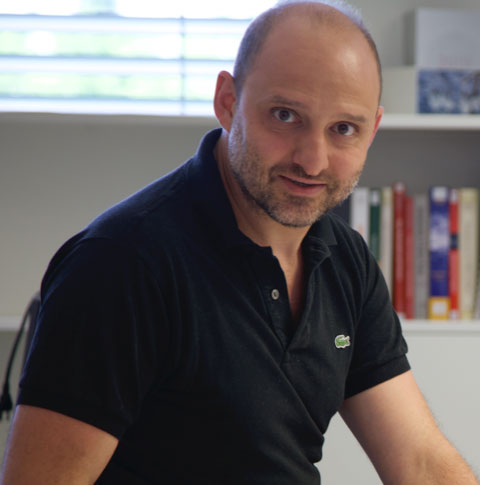
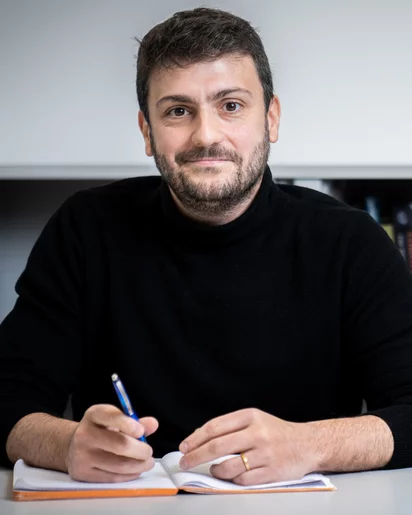
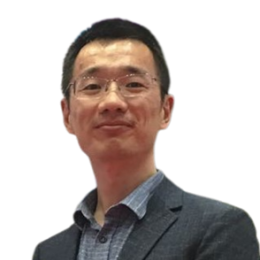
Pietro de Anna is an Associate Professor at the Institute of Earth Sciences (ISTE), University of Lausanne, since August 2021. He holds an Italian nationality and completed a Master's in Theoretical Physics (2009) at the University of Florence, followed by a PhD in Earth Sciences at the University of Rennes 1 (2012). His research focuses on reactive transport in porous media, filtration, and interactions between bacteriological activity and flow dynamics. He directs the Environmental Fluid Mechanics Laboratory since 2015, employing microfluidics, numerical simulations, and theoretical models to study coupled physical, biological, and chemical mechanisms in confined systems. He has published 21 peer-reviewed articles, teaches environmental science courses at the Bachelor's and Master's levels, and supervised two PhD theses and four postdoctoral researchers. His work includes investigations into microbial biomass accumulation in porous media, diffusion-limited mixing, and biocementation processes. Key research themes are spatial heterogeneity effects, chemotaxis, and quorum sensing in microbial systems. He has pioneered methods combining microfluidics with microscopy to analyze transport at pore scales.
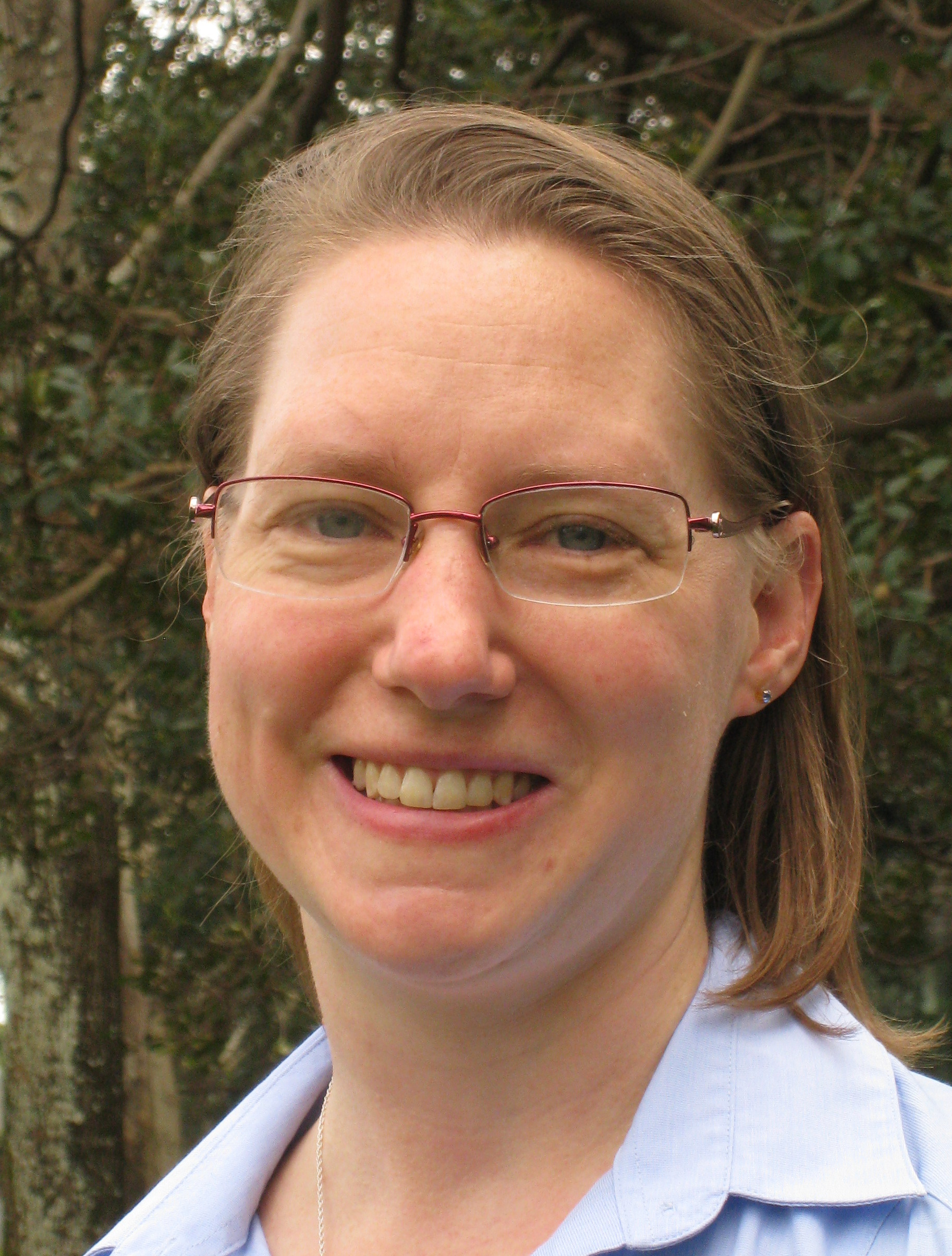
Associate Professor Judy Hart is a materials scientist at the School of Materials Science & Engineering, UNSW Sydney , specializing in the development of semiconducting materials for renewable energy applications. Her work integrates computational (DFT) and experimental approaches to understand composition-property relationships in systems like solid solutions , heterostructures , and doped materials for photocatalysis and solar cells . She leads projects funded by ARC Discovery and Linkage grants , including work on photo-electro-catalysis systems and stabilizing ceramic materials . Education: PhD in Materials Engineering (Monash University, 2007), BEng (Materials) (Monash, 2002) Professional Experience: Senior Lecturer (UNSW, 2017–), Lecturer (UNSW, 2013–2017), University of Bristol (2007–2012) Research Interests Her research focuses on designing materials for renewable energy , particularly photoelectrochemical water splitting and organic oxidation reactions . Key areas include Density Functional Theory (DFT) , defect engineering , band gap tuning , and nanostructured materials . She investigates ferroelectric polarization effects , metal oxide heterostructures , and stability of battery components , with applications in hydrogen production , CO2 conversion , and advanced battery materials . Scientific Awards Ramsay Memorial Fellowship (University of Bristol, 2007–2009) Teaching Contributions She is co-author of the 1st Australian & New Zealand edition of "Materials Science and Engineering: An Introduction" , and teaches courses on computational materials science , corrosion-resistant surfaces , mechanical behavior of metals , and materials design .
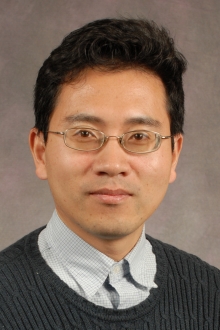
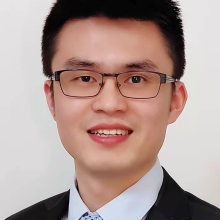
Dr. Zhigang Peng is a Professor in the School of Earth & Atmospheric Sciences at Georgia Institute of Technology, part of the College of Sciences. His research focuses on seismicity dynamics, fault zone imaging, and data science applications in geophysics. He holds a Ph.D. in Geological Sciences from the University of Southern California (2004), an M.S. in Electrical Engineering (2002), and a B.S. in Geophysics from the University of Science and Technology of China (1998). Dr. Peng’s work spans seismological studies of earthquake triggering mechanisms, fault zone structures, and deep-focus earthquakes. He has pioneered dense seismic array techniques to image fault systems and employs machine learning for event detection and phase picking. His recent projects include analyzing the 2023 Kahramanmaraş earthquake sequence in Türkiye and the 2024 Noto earthquake in Japan. He leads initiatives like the Center for Collective Impact in Earthquake Science (C-CIES), promoting inclusive scientific collaboration. Research Highlights: Fault zone imaging, dynamic triggering, AI-driven seismology Labs: ES&T 2235 (Seismology Lab), ES&T 2256 (Office) His awards include the 2002 AGU Outstanding Student Paper Award. He actively contributes to earthquake hazard assessment, nuclear explosion monitoring, and volcano-seismic interactions, with over 150 peer-reviewed publications.
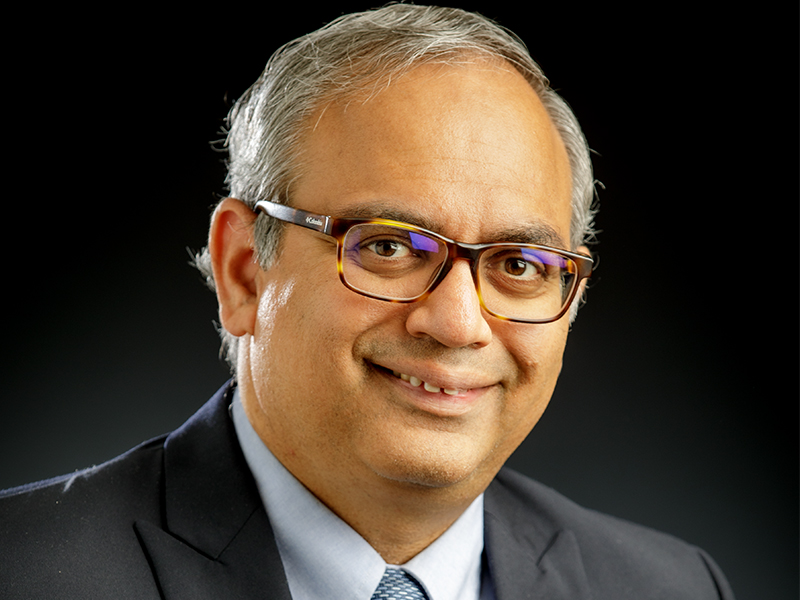
Jindal Shah is a Professor and holds the Anadarko Petroleum Chair in Chemical Engineering at Oklahoma State University, where he also serves as the Graduate Program Director. He is affiliated with the Department of Chemical Engineering within the College of Engineering at Oklahoma State University. Dr. Shah received his educational training from prestigious institutions worldwide. He earned his Ph.D. in Chemical Engineering from the University of Notre Dame in 2005, followed by an M.S. in Environmental Engineering from the University of Cincinnati in 1999, and completed his undergraduate education with a B.Tech. in Chemical Engineering from the Indian Institute of Technology (IIT) Bombay in 1996. Dr. Shah's research focuses on the application of molecular simulation methodologies to understand molecular-level interactions that give rise to macroscopic phenomena. His primary research interests include Monte Carlo and Molecular Dynamics Simulations, Phase Equilibria, Ionic liquids, and Dye-sensitized solar cells. A significant portion of his work centers on designing novel biodegradable ionic liquids with properties suitable for chemical processes, with applications in next-generation batteries and carbon capture. He also investigates molecular-level interactions responsible for device efficiency in dye-sensitized solar cells to rationally design novel dye molecules. Additionally, Dr. Shah employs data science and machine learning techniques to correlate properties of ionic liquids and generate new molecules with desired properties. An analysis of Dr. Shah's recent publications reveals a strong focus on ionic liquids and their applications in energy storage and carbon capture technologies. His work consistently bridges fundamental molecular-level understanding with practical applications, particularly in developing electrolytes for batteries and CO2 capture systems. A notable trend is the integration of machine learning techniques with traditional molecular simulation methods to accelerate materials discovery and optimization. His research demonstrates a progression from fundamental molecular simulations toward applied technologies with significant environmental impact, particularly in climate action (SDG 13) and affordable clean energy (SDG 7). Dr. Shah has secured substantial research funding from multiple prestigious sources including the National Science Foundation, U.S. Department of Energy, National Aeronautics and Space Administration, and industry partners. His funded projects include 'Collaborative Research: Cyber Training-Implementation, Medium, Establishing Sustainable Ecosystem for Computational Molecular Science Training & Education' (NSF), 'Ionic Liquids for Direct Air Capture of CO2 using Electric-Field-Mediated Moisture Gradient Process' (DOE), and 'CAREER: Computation-Enabled Rational Design of Cytochrome P450 for Ionic Liquid Biodegradation' (NSF). These grants support his research in computational molecular science, CO2 capture technologies, and the development of biodegradable ionic liquids. As an educator, Dr. Shah has been actively involved in teaching graduate courses including Principles of Chemical Engineering Thermodynamics, Doctoral Thesis supervision, and specialized courses such as Machine Learning for Chemical Processes and Introduction to Chemical Process Analytics. His teaching philosophy integrates cutting-edge research with educational practice, preparing students for the computational challenges of modern chemical engineering. He has also mentored numerous doctoral students through their dissertation research, contributing to the development of the next generation of chemical engineers and computational scientists.
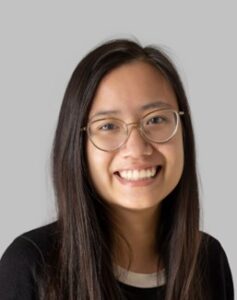
Athena Nghiem is an Assistant Professor at the University of Wisconsin-Madison, starting Fall 2024, specializing in biogeochemistry and hydrology. She currently holds an ETH Postdoctoral Fellowship at ETH Zürich, focusing on redox processes in groundwater systems. Education: PhD in Earth and Environmental Sciences from Columbia University, BA in Geophysics and Statistics from UC Berkeley Research interests: Environmental variability in hydrology, redox processes, groundwater contamination, data science in environmental research, and reactive transport modeling Her research combines traditional laboratory/field methods with data science to study trace element cycling, particularly arsenic release in aquifers. Recent work includes quantifying sulfate reduction's role in arsenic contamination and evaluating mitigation strategies. Notable awards: ETH Postdoctoral Fellowship (2022-2024), NSF Graduate Research Fellowship (2018-2021), and multiple academic honors during her UC Berkeley BA studies. Current advisees at UW-Madison: Juyong Bak, Savannah Finley, Logan Goulette. She actively encourages applications from diverse backgrounds for future lab positions.
Professor Balz Kamber is a renowned academic in the Faculty of Science at Queensland University of Technology (QUT), leading research in elemental and isotopic geochemistry paired with petrology. He holds the position of Professor in Petrology within the School of Earth & Atmospheric Sciences . His work focuses on Earth's differentiation into chemical spheres, with applications in climate science, planetary evolution, and resource exploration. Kamber has held prestigious roles, including Chair in Geology and Mineralogy at Trinity College Dublin and a Tier 1 Canada Research Chair at Laurentian University. Education: PhD (University of Bern, Switzerland), MSc (University of Bern) Professional Memberships: Royal Irish Academy (since 2018), European Association of Geochemistry Research interests include thermodynamic modeling of igneous processes, automated mineralogy, and the interplay between climate and geological history. His current projects address mantle dynamics, crustal evolution, and planetary weathering. Teaching focuses on Earth Materials, Petrology, and Climate Science at QUT. Notable achievements include editorship of Chemical Geology (since 2018) and contributions to understanding the Great Oxidation Event and Deccan Traps volcanism. His work bridges fundamental geochemistry with real-world challenges, such as climate change mitigation through enhanced rock weathering. Grants/Funding: Led the 23M Euro Irish Centre for Research in Applied Geosciences (2011–2018) Labs/Teams: Heads a dynamic research group advancing LA-ICP-MS methodologies and geochemical imaging
Cameron L. Bentley is a Senior Lecturer in the School of Chemistry at Monash University, Australia. He holds a PhD in Chemistry from Monash University (2015), focusing on electroanalysis in ionic liquids. After completing his doctorate, he worked at the University of Warwick (UK) through prestigious fellowships including Endeavour, Marie Skłodowska-Curie, and Ramsay Memorial. In November 2020, he returned to Monash to lead an independent research group funded by a DECRA Fellowship. Affiliations: School of Chemistry (Monash University), Warwick Electrochemistry and Interfaces Group (former) Research Focus: Nanoscale electrochemistry, electrocatalyst design for renewable energy (water splitting, CO₂ reduction), and single nanoparticle electrochemistry. Bentley’s research innovatively combines scanning electrochemical cell microscopy (SECCM) with correlative microscopy/spectroscopy to study structure-activity relationships in electrochemical materials. Key projects include nanoscale imaging of water-splitting electrodes and developing platforms to probe individual nanoparticles for battery materials. Research Outputs: Over 77 publications since 2013, with recent focus on SECCM advancements, electrocatalyst optimization, and nanoscale reaction imaging. His work addresses pressing challenges in renewable energy storage and nanomaterials. Awards: A.M. Bond Medal (2023), Early Career Analytical Electrochemistry Prize (ISE Division 1, 2020) Grants: ARC DECRA Fellowship, CSIRO collaboration (2023–2027) He supervises PhD students in nanoscale reaction imaging and single nanoparticle electrochemistry, requiring competitive scholarships for international candidates.
Yong Zhang is a Professor in the Department of Geological Sciences at the University of Alabama, serving as Undergraduate Program Director. His research focuses on stochastic hydrology, contaminant transport in soil/water/aquifers (including heavy metals, PFAS, microplastics, and antibiotics), and surface water-groundwater interaction. He has held postdoctoral positions at the University of California, Davis; Desert Research Institute; and Colorado School of Mines. Current research includes the 'Groundwater 2070' project in Baldwin County, Alabama, addressing climate change impacts and seawater intrusion. Education: BS in Hydrogeology and Geo-Engineering (Nanjing University, 1993), PhD in Hydrology and Water Resources (Nanjing University, 1998). He teaches courses like GEO 101, GEO 306, and specialized topics such as Fractional Calculus and Hydrogeophysics. His work integrates fractional calculus with hydrogeology, yielding models for non-Fickian transport and pollutant source identification. Students under his advisement include Jonathan Frame, Chaloemporn Ponprasit, and Hossein Gholizadeh. Research outputs emphasize environmental geochemistry, numerical modeling, and groundwater sustainability. Notable collaborations involve Dr. Geoff Tick on co-advised PhD students.
Prof. Dr. Aliaksandr Bandarenka is a Professor at the Technical University of Munich (TUM) in the TUM School of Natural Sciences , leading the Assistant Professorship of Physics of Energy Conversion and Storage . His research focuses on electrochemical surface science and energy materials development. Education: PhD in Chemistry from Belarusian State University (2005) Key Collaborations: Ruhr University Bochum, University of Twente, Technical University of Denmark Prof. Bandarenka's research explores: Design of electrocatalytic materials via bottom-up approaches Characterization of electrified interfaces Development of sustainable energy conversion/storage systems Surface structure-activity relationships in catalysis Recent article trends (2024) include: ORR electrocatalyst optimization using ZIF-8 templating Advanced impedance spectroscopy for battery/electrolyzer diagnostics Mesoporous oxide materials for energy applications Surface structure effects on double layer capacitance Scientific Recognition: Ernst Haage-Prize (2016) Hans-Jürgen Engell Award (2013) He teaches graduate courses on: Electrified interfaces Energy materials science Electrocatalysis fundamentals Hands-on experiments in battery technology
Guojun Chen is an Assistant Professor at the Department of Biomedical Engineering and a member of the Rosalind & Morris Goodman Cancer Institute (GCI) at McGill University . His research focuses on engineering intelligent biomaterials for precision medicine , with emphasis on non-viral genome editing , cold atmospheric plasma (CAP) therapy , and biomaterials-mediated immunotherapy . The lab operates in a multidisciplinary environment , integrating principles from materials science , chemistry , biology , and health sciences . Education : Ph.D. from University of Wisconsin-Madison (2017), Postdoc at UCLA (2020) Research Themes : Genome Editing Delivery : Designing non-viral vectors for efficient CRISPR/Cas9 delivery in vivo. CAP-mediated Immunotherapy : Developing portable cold plasma devices to synergize with immune checkpoint blockade and study CAP’s immunological mechanisms. Biomaterials-based Immunotherapy : Reprogramming tumor microenvironments using bioresponsive materials to enhance immune responses. Publication Trends : Recent work spans responsive nanomaterials , genomic editing systems , and plasma oncology , with a focus on cancer immunotherapy , diabetes diagnostics , and bioinspired medical devices . Scientific Awards : Canada Research Chair (2024, 2025) McGill's President's Prize for Emerging Researchers (2025) FRQS Chercheurs-boursiers (2022) Chinese Association for Biomaterials Young Investigator Award (2022) NSERC Discovery Grant (2021) Advising & Grants : Supervises 14 current graduate and undergraduate students. Secured $5M+ in funding from CIHR , NSERC , CCS , and CFI , including multi-institutional collaborations with Dr. Morag Park , Dr. Réjean Lapointe , and Dr. Ian Watson .
Jana Shen is a Professor in the Department of Pharmaceutical Sciences at the University of Maryland School of Pharmacy, where she leads an interdisciplinary research group at the intersection of chemistry, biology, physics, and computer science. Her lab develops and applies advanced simulation and data science tools to understand biomolecular mechanisms and accelerate drug discovery. Education: Postdoc, The Scripps Research Institute (2003–2007) PhD, University of Minnesota at Twin Cities (1999–2003) MS, University of Calgary, Canada (1996–1999) Diplom-Chemie, Bergische Universität Wuppertal, Germany (1991–1995) Her research focuses on molecular simulation , data science , and computational biophysics , with applications in kinases , GPCRs , transmembrane transporters , and pH-responsive materials . She has pioneered the development of continuous constant pH molecular dynamics (CpHMD) methods and their applications in drug design and biomolecular mechanisms. The recent publications highlight a strong trend in computational drug discovery , particularly in covalent inhibitors , opioid receptor mechanisms , antiviral design , and the integration of machine learning with molecular dynamics . These works span high-impact journals such as eLife , JACS , Nature Communications , and ACS journals. Scientific Awards: National Science Foundation CAREER Award American Chemical Society HP Outstanding Junior Faculty Award Junior Faculty Research Award (University of Oklahoma, 2008, 2009) Phi Kappa Phi, University of Minnesota Louise T. Dosdall Graduate Fellowship Nova Graduate Fellowship Dr. Shen has mentored numerous PhD students and postdoctoral fellows, many of whom have gone on to successful careers in academia and industry. Her research is supported by major agencies including the National Institutes of Health , National Science Foundation , and FDA . She leads the Shen Lab, which actively develops open-source tools such as DeepCys , CpHMD , and PKAD-3 , and maintains databases for covalent ligandability and pKa predictions.
Dr. Imad El Haddad serves as Group Head of the Molecular Cluster and Particle Processes group at the Laboratory of Atmospheric Chemistry (LAC), part of the Center for Energy and Environmental Sciences at Paul Scherrer Institute (PSI), Switzerland, since 2018. Previously, he held positions as Tenured Scientist and Deputy Head (2018-2019), Senior Scientist in the Smog Chamber group (2015-2018), and Postdoctoral Fellow (2011-2015) at PSI. His research aims to quantify how anthropogenic emissions alter atmospheric pollutant composition and impact Earth's climate and public health through molecular-level analysis using advanced mass spectrometry techniques. His academic background includes: Ph.D. in Atmospheric Chemistry, University of Provence, Marseille (2007-2011) Master's in Environmental Sciences (with distinction, rank 1/9), University of Provence (2006-2007) Master's in General Chemistry (with distinction, rank 1/10), Saint-Joseph University of Beirut (2005-2006) Bachelor of Science in Chemistry (with distinction, rank 1/14), Saint-Joseph University of Beirut (2002-2005) El Haddad's work centers on molecular fingerprinting of atmospheric aerosols , utilizing mass spectrometry (GC/MS, HPLC/APCI-MS2, HPLC/ESI-MS2) to identify primary and secondary molecular markers. He conducts smog chamber experiments to characterize emissions from wood burning, traffic, and cooking processes, determining secondary organic aerosol potential and oxidation state evolution. His group also studies in-cloud aqueous-phase aging and collaborates with global modelers to link aerosol composition to climate forcing and health outcomes like oxidative stress. Recent publications (2025-2024) reveal three dominant trends: (1) rigorous molecular-scale analysis of secondary aerosol formation under varying humidity/temperature, (2) source apportionment breakthroughs in diverse regions (India, Europe, Arctic) using 14C and AMS data, and (3) quantification of health-relevant aerosol properties such as oxidative potential through DTT assays. High-resolution mass spectrometry is a consistent methodological thread across these studies. His scientific awards include: MENRT research fellowship from French ministry of research (2007-2010) Excellence Scholarship (top 1% student, University of Saint Joseph, 2005) Distinction Prize (best student, University of Saint Joseph, 2005) As Group Head, El Haddad oversees the Molecular Cluster and Particle Processes group's research direction and mentorship of junior scientists. While specific grant details are absent from the text, his leadership in multi-institutional publications (e.g., CERN CLOUD, iCUPE) implies active grant management and international collaboration. The group's work bridges laboratory simulations, field deployments, and health/climate modeling to address air pollution complexities. The Molecular Cluster and Particle Processes group develops cutting-edge online/offline mass spectrometers for 1 Hz-resolution atmospheric analysis. They deploy instruments in laboratory smog chamber experiments and global field studies, focusing on molecular marker identification, emission source characterization, and aging process quantification. Collaborations with biochemists and climate modelers extend their impact beyond pure aerosol physics into health risk assessment and policy-relevant climate science.
Anna G Orr serves as Nan and Stephen Swid Assistant Professor of Frontotemporal Dementia Research and Assistant Professor of Neuroscience at Weill Cornell Medical College's Brain and Mind Research Institute since 2016, leading pioneering research on astrocyte biology in dementia pathogenesis. Her educational background includes: Ph.D. from Emory University (2008) B.S. from Allegheny College (2002) Dr. Orr's research program centers on astrocytic-neuronal interactions , mitochondrial signaling , and neuroimmune mechanisms through three interconnected pathways: neuroimmune , oxidative , and G protein-coupled signaling . Her lab investigates how these mechanisms influence neuroinflammation, protein aggregation, synaptic function, and behavioral outcomes in dementia, with parallel therapeutic discovery efforts targeting astrocytic pathways for novel dementia treatments. Analysis of her 15 most recent publications (2025-2010) reveals escalating focus on astrocyte-specific dementia mechanisms , particularly mitochondrial ROS signaling, sex-dimorphic memory effects, TDP-43 pathology interactions with antiviral pathways, and lipid dysregulation in neurodegeneration. Her work consistently bridges molecular discoveries with therapeutic applications, demonstrating increasing NIH funding support for translational approaches. Key scientific recognitions include: NIH K99/R00 Pathway to Independence Award (2017) Leon Levy Fellowship in Neuroscience (2021) Nan and Stephen Swid Endowed Professorship (2021) Outstanding Neuroscience Teaching Award (2021) Dr. Orr actively mentors eight trainees across career stages, including Ph.D. candidates Evelyn Hardin and Constance Zhou, while securing major NIH grants as Principal Investigator for projects like Uncovering Dementia-Related Lipid Alterations in Astrocytes (NIA 2024-2026) and Mitochondrial Complex III Free Radicals in Dementia Pathology (NIA 2020-2026), alongside collaborative awards from the Alzheimer's Association. Her Orr Lab maintains a dual focus on mechanistic astrocyte biology and therapeutic translation, with current projects examining astrocytic TDP-43 dysregulation, mitochondrial complex III signaling, and sex-specific memory mechanisms using advanced in vivo techniques and disease models.
Yu Xia is a Post Doc at the Department of Chemistry, Stockholm University, Sweden. He is affiliated with the Tom Willhammar Research Group, focusing on advanced electron microscopy and diffraction techniques for structural characterization of materials. PhD (2019–2023) from a joint program between the University of Birmingham (UK) and the Southern University of Science and Technology (China). Research emphasizes fabrication of metallic nanoparticles with non-equilibrium structures and shapes using gas-phase condensation and thermal shock methods. Specializes in scanning transmission electron microscopy (STEM), in-situ heating experiments, and electron energy loss spectroscopy (EELS) for nanoparticle analysis. Current work prioritizes 4DSTEM imaging for electron beam-sensitive materials and Python-based post-processing of electron microscopy datasets. Yu Xia's research spans Materials Science , Nanotechnology , and Electrocatalysis , with applications in photocatalytic hydrogen evolution , graphene composites , and advanced electron microscopy techniques . His work often integrates computational image processing with structural characterization to optimize material properties. Publications highlight innovations in heterostructure engineering , metallic alloy catalysts , and electron beam-sensitive material imaging . No scientific awards are explicitly mentioned in the provided text. Yu Xia's technical expertise includes Python scripting for image analysis, in-situ electron microscopy , and multifunctional graphene-based materials .
Prof. Dr. Oliver Schilling is an Assistant Professor of Hydrogeology at the University of Basel and affiliated with Eawag , the Swiss Federal Institute of Aquatic Science and Technology. He leads research on surface water-groundwater interactions using integrated surface-subsurface hydrological models (ISSHM) and novel tracer techniques including dissolved atmospheric noble gases, environmental DNA, and radioactive tracers. Research Focus : Surface-subsurface hydrology, ecohydrology, groundwater-surface water interactions, tracer hydrogeology, climate change adaptation in water systems Key Projects : Integrated Hydrological Modeling for Operational Forecasting, Sustainable Nitrogen Fertilization, Slow Water Initiatives, Cryosphere-Groundwater Connectivity in Alpine Regions Scientific Contributions include developing HGS-PDAF (modular data assimilation framework), advancing microbial transport algorithms in HydroGeoSphere, and pioneering online flow cytometry for microbial analysis in high-turbidity environments. His work addresses drinking water production via bank filtration along alluvial rivers, critical for 30% of Swiss and 50% of European drinking water supply. Scientific Leadership : Editor, Hydrogeology Journal (since 2025) Associate Editor, Frontiers in Water (since 2021) Coordinator, Swiss Water-Earth Systems (WES) PhD School (2020–2022)