Dr. Irene van de Vijver is an Assistant Professor at Utrecht University's Faculty of Social and Behavioural Sciences , affiliated with the Department of Experimental Psychology . Her research focuses on the intersection of cognitive neuroscience and behavioral control , particularly how frontal-subcortical networks support decision-making and habit formation across the lifespan. Key research areas: Brain connectivity , reinforcement learning , executive function , and emotion regulation Methodological expertise: EEG , MEG , MRI , and behavioral experiments Her work demonstrates how aging affects the balance between goal-directed and habitual behaviors, using multimodal neuroimaging and computational modeling. Recent publications highlight corticostriatal white matter as a critical substrate for rational decision-making and daily routine formation . She teaches at multiple levels including Applied Cognitive Psychology and Neuropsychology programs.
Walid Taha is a Professor of Computer Science at Halmstad University with a part-time research professor appointment at University of Houston. He serves as founding director of the Halmstad Colloquium and has held leadership roles in numerous academic conferences including founding the ACM Conference on Generative Programming and Component Engineering (GPCE) and the IFIP Working Group on Program Generation (WG 2.11). His research focuses on the design, semantics, and implementation of programming and modeling languages, with particular emphasis on cyber-physical systems. Taha is credited with developing the concept of multi-stage programming (staging) and has designed several influential systems including MetaOCaml, ConCoqtion, Java Mint, the Verilog Preprocessor, RT-FRP, and E-FRP. His work spans programming languages innovations such as statically typed macros, tag elimination, tagless staged interpreters, and event-driven functional reactive programming. Taha's publication record shows consistent contributions to cyber-physical systems modeling, with publications spanning from foundational programming language theory (Environment Classifiers, POPL'03) to practical applications in cyber-physical systems education and verification. His recent work focuses on executable models and simulation challenges in complex systems. His notable honors include an NSF CAREER award for developing Java Mint. He has served on program committees for numerous conferences including POPL, SPLASH, ICFP, and PEPM. As a principal investigator, Taha has secured research funding from the National Science Foundation (NSF), Semiconductor Research Consortium (SRC), and Texas Advanced Technology Program (ATP). His current work centers on the development of the Acumen modeling language for cyber-physical systems.
Professor Simon Kennedy is a Professor of Vascular Pharmacology within the School of Cardiovascular & Metabolic Health at the University of Glasgow, where he has been a faculty member since 2006. He currently serves as the Senior Senate Assessor for Student Conduct and holds various administrative roles including membership on the University Court, Education Policy & Strategy Committee, Finance Committee, and Audit and Risk Committee. Additionally, he is actively involved with the British Pharmacological Society, serving on their Finance and Awards Committees, and is a member of the editorial boards of two top-ranking pharmacology journals. Professor Kennedy's primary research focuses on vascular diseases and comorbidities, with particular emphasis on the role of perivascular adipose tissue (PVAT) in vascular function. His work investigates the effects of AMP-activated protein kinase (AMPK) within PVAT and the vascular wall, the impact of hypoxia on sphingosine kinase (SK) expression and function, and the role of connexins in cell communication affecting vascular function in both pulmonary and systemic circulations. His research spans cellular signaling mechanisms and vascular structure and function. Analysis of his recent publications reveals a consistent focus on vascular pharmacology with particular emphasis on AMPK signaling pathways, perivascular adipose tissue function, and vascular responses to various stressors. His work demonstrates strong interdisciplinary collaboration across pharmacology, vascular biology, and biomedical engineering, with increasing focus on translational applications including drug-eluting stent technology and vascular monitoring systems. Professor Kennedy serves as the coordinator for Level 4 of the Pharmacology degree program and teaches various final-year options, including an in vivo skills course funded by a British Pharmacological Society teaching grant. He acts as an academic advisor to approximately 40 undergraduate students and contributes to teaching across multiple degree programs including MBChB and BDS degrees. His external academic engagements include serving as an external examiner at two Russell Group universities and as treasurer of the Scottish Cardiovascular Forum. His research is conducted through the Cellular Signalling & Mechanisms and Vascular Structure & Function research groups, where he collaborates with colleagues within the School of Cardiovascular & Metabolic Health, College of Science and Engineering, and external partners. His work bridges basic science with clinical applications, particularly in understanding vascular pathophysiology and developing therapeutic approaches for vascular diseases.
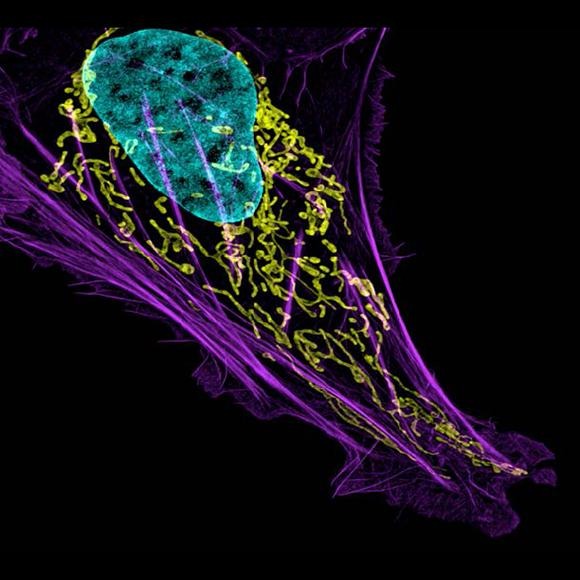
Jennifer Lippincott-Schwartz is a Research Professor leading the Lippincott-Schwartz Lab at the Janelia Research Campus of the Howard Hughes Medical Institute. Her laboratory focuses on understanding how diverse cell types comprising organs operate individually and interdependently to enable organ development, remodeling, healing, and computation. The lab employs cutting-edge fluorescence-based microscopy technologies to study subcellular organelle organization and trafficking pathways across different spatial scales. Dr. Lippincott-Schwartz's research centers on the dynamic interplay between membrane-bound organelles, membrane-less organelles, cytoskeletal structures, and metabolism in relation to cell type-specific organization and function. Her work spans multiple scales, from investigating fundamental cellular behaviors like cell crawling, surface polarization, cell-cell fusion, cytokinesis, viral budding, and intercellular transfer to understanding how these processes contribute to organ-level functions. She has pioneered numerous imaging techniques, particularly in the development and application of fluorescent protein technologies. The publication record reveals a consistent focus on advancing microscopy techniques and applying them to fundamental cell biological questions. Early work established foundational principles in fluorescent protein technology, while more recent publications demonstrate sophisticated applications of super-resolution microscopy, single-particle tracking, and correlative light-electron microscopy to study organelle dynamics, cytoskeletal organization, and cellular signaling. There is a clear trajectory from method development to increasingly complex biological applications, with recent work exploring neuronal calcium signaling, mitochondrial dynamics, and intermediate filament organization. Dr. Lippincott-Schwartz leads an interdisciplinary, international team comprising experts in cell biology, physics, chemistry, mathematical modeling, engineering, and computer science. Her lab actively collaborates with other Janelia research groups and project teams, reflecting the highly collaborative nature of modern cell biological research. The lab maintains strong connections with the Johns Hopkins University graduate program, participating in the joint Janelia/Johns Hopkins graduate program and hosting students through the Janelia summer undergraduate program.
Abdelali OUDRISS is an Associate Professor at the Department of Physics , La Rochelle University , France, and a member of the LaSIE UMR CNRS 7356 laboratory. He co-leads the Professional Bachelor for Optician program and serves as a teaching coordinator between La Rochelle University and EIGSI engineering school . Research Focus: Microstructure-electrochemistry coupling, hydrogen diffusion/trapping in metals, hydrogen embrittlement, and corrosion-fatigue interactions. Key Contributions: Mechanistic studies on hydrogen adsorption in nickel single crystals, modeling of hydrogen-assisted fracture, and characterization of archaeological iron alloys. Publications span Materials Characterization , Corrosion Science , and Acta Materialia , addressing hydrogen behavior in steels, nickel, and titanium alloys. His work emphasizes multi-scale analysis and experimental-numerical hybrid approaches. Administrative Roles: Secretary of SF2M West section, LaSIE council member, and teaching committee member. Techniques: EBSD, nanoindentation, thermal desorption spectroscopy, and finite element modeling.
Patricia Denning is an Adjunct Professor at the Institute for Biomedical Sciences, Georgia State University, and an Assistant Professor in neonatal-perinatal medicine at Emory University. Her research focuses on understanding the developmental regulation of intestinal innate immunity and its role in necrotizing enterocolitis (NEC) in premature infants. Her educational background includes: M.D. from Baylor College of Medicine (1991-1995) Pediatric Residency at Baylor College of Medicine (1995-1997) and Boston University Medical School (1997-1998) Clinical Neonatology Fellowship and GI Research Fellowship at Harvard Medical School (1998-2002) Dr. Denning's research centers on how immature intestinal host defenses predispose premature infants to NEC. She investigates bacterial-host interactions and the role of normal bacterial colonization in maturing intestinal innate immune responses. Her work has significant implications for developing preventive strategies against NEC, a leading cause of neonatal morbidity and mortality. Analysis of her recent publications reveals a strong focus on the interplay between gut microbiota (particularly probiotics like Lactobacillus) and intestinal immunity in neonates. Key themes include the mechanisms by which commensal bacteria and probiotics enhance host defenses, prevent NEC, and regulate inflammatory and apoptotic pathways in the developing gut. Her research spans molecular, cellular, and clinical aspects of neonatal gastrointestinal diseases. While specific laboratory or team details are not provided in the text, her extensive publication record in high-impact journals indicates an active research program investigating the developmental biology of gut immunity and NEC pathogenesis.
Ruben Hernaez is an Associate Professor at Baylor College of Medicine, Houston, Texas. He serves as a Core Faculty Investigator at the Center for Innovations in Quality, Effectiveness and Safety (IQuESt) and as a Clinical Staff Physician in Gastroenterology and Transplant Hepatology at the Michael E. DeBakey VA Medical Center. He is also an Associate Editor for GUT and on editorial boards for Hepatology and Liver Transplantation . His research focuses on acute-on-chronic liver failure (ACLF) , complications of cirrhosis , and methodological assessment of medical literature . Key areas include epidemiology , systematic reviews , and outcomes research in liver transplantation within Veteran Affairs populations. His recent work emphasizes biomarker development and palliative care in hepatology. Selected for Delta Omega , Phi Beta Kappa , and Alpha Omega Alpha honor societies, Hernaez has received awards such as the Saul Zukerman MD Humanitarianism in Medicine Award and multiple teaching honors. He directs resident research at Baylor's Internal Medicine Residency Program and mentors medical professionals globally.
Jean-Baptiste Eichenlaub is an Associate Professor at Université Savoie Mont Blanc (USMB), affiliated with the Laboratoire de Psychologie et NeuroCognition (LPNC). Previously, he held postdoctoral positions at Massachusetts General Hospital/Harvard Medical School and Swansea University. His work spans sleep research , cognitive neuroscience , and neural correlates of dreaming , with a focus on memory consolidation , dream recall frequency , and REM sleep mechanisms . Ph.D. in Cognitive Neuroscience (Lyon Neuroscience Research Center, 2011) Master of Physiology & Neuroscience (Lyon University, 2008) Bachelor of Biology (Lyon University, 2006) His research integrates neuroimaging , electrophysiology , and computational tools , exemplified by contributions like the DREAM EEG database and Spinky toolbox for sleep analysis. Recent publications examine sleep habits in preteens , dream-lag effects , and gamma oscillations in NREM sleep . Notable roles include: Junior member, Institut Universitaire de France (2024 - present) Co-responsible - Memory Team (2021 - present) Coordinator - 1st Year Bachelor's in Psychology (2021 - 2024)
Dr. Marco Pinho is an Associate Professor of Radiology at UT Southwestern Medical Center and serves as the Associate Chief of the Neuroradiology Division. His clinical expertise spans cross-sectional imaging of neurological diseases and oncologic imaging, with a particular focus on brain tumor characterization and neurological disorders. Dr. Pinho received his medical degree from Universidade Estadual De Campinas in São Paulo, Brazil. He completed his radiology residency and advanced fellowship training in neuroradiology at Universidade De São Paulo, followed by a research fellowship at Massachusetts General Hospital in Boston. Dr. Pinho's research program centers on the development and validation of advanced MRI techniques for evaluating central nervous system malignancies, with a particular emphasis on response assessment in clinical trials. His work involves close collaboration with basic scientists, neuro-oncologists, and neurosurgeons at UT Southwestern. His research spans multiple domains including: Advanced MRI techniques for brain tumor characterization Hyperpolarized metabolic imaging for neuro-oncology applications Neurovascular imaging and cerebrovascular reactivity mapping Deep learning applications for brain tumor segmentation and molecular classification Motion correction techniques in functional MRI Dr. Pinho's extensive publication record demonstrates a consistent focus on advancing neuroimaging techniques, particularly in the areas of brain tumor imaging, cerebrovascular disorders like Moyamoya disease, and the application of advanced MRI methodologies. His work frequently bridges the gap between technical MRI development and clinical applications in neuro-oncology and neurovascular disease. Dr. Pinho actively contributes to medical education and leadership at UT Southwestern, having previously served as the Associate Program Director of the Radiology Residency Program and coordinator of the Global Health Teleradiology program. He currently serves on several important committees including the Radiology Resident Selection Committee, the Clinical Competency Committee, the Brain Tumor Committee, and the Intracranial Pressure Disorder IPT. Dr. Pinho maintains active membership in numerous professional organizations: Radiological Society of North America International Society of Magnetic Resonance in Medicine American Society of Neuroradiology American Society of Spine Radiology American Society of Functional Neuroradiology Sociedade Paulista de Radiologia
Frédéric Gibou is a Professor in the Department of Mechanical Engineering, Department of Computer Science, and Department of Mathematics at the University of California, Santa Barbara. He is also a core faculty member in the Computational Science and Engineering program. His academic journey began with a PhD in Applied Mathematics from UCLA, followed by post-doctoral research in the Departments of Mathematics and Computer Science at Stanford University. PhD in Applied Mathematics, UCLA Post-doctoral research, Stanford University (Mathematics and Computer Science) Professor Gibou's research sits at the interface between Applied Mathematics, Computer Science and Engineering Sciences, focusing on the design of high resolution computational methods for large scale computations. His work spans Computational Materials Science, Computational Fluid Dynamics, and Computational Image Analysis. The common thread across these applications is that they involve complex/free boundaries and similar classes of nonlinear partial differential equations. His group develops computational strategies on spatially adaptive grids for massively parallel environments, increasingly incorporating Machine Learning algorithms to solve forward and inverse problems. His research output shows a clear trend toward integrating traditional numerical methods with machine learning approaches, particularly for solving partial differential equations with complex interfaces. The publications reveal a strong focus on developing sharp interface methods, adaptive grid techniques, and novel computational paradigms that can handle multiscale phenomena across various scientific domains. Alfred P. Sloan Fellowship in Mathematics Regent's Junior Faculty Fellowship NSF Mathematical Sciences Postdoctoral Fellowship Robert Sorgenfrey Distinguished Teaching award Professor Gibou leads a multidisciplinary research group called Computational Applied Science Laboratory (CASL), which has strong collaborations with experimentalists at UCSB and worldwide. His group has received substantial funding from various agencies, enabling them to tackle challenging problems in computational science. CASL focuses on designing computational methods on Quad-/Oc-trees grids in the level-set formalism for solving previously intractable problems in science and engineering. The group's work spans Computational Materials Science (including nanostructured polymeric materials and high temperature multicomponent alloys), Computational Fluid Dynamics (including flow over superhydrophobic surfaces, flow in reactive porous media, and multiphase flows), and Computational Image Analysis (including image guided surgery and image segmentation).
Rabéa Ameur-Boulifa is an Associate Professor at Télécom Paris, affiliated with the Communications and Electronics (Comelec) Department. She is a member of the LabSoc research team within the Information Processing and Communication Laboratory (LTCI). Her work focuses on integrated and embedded systems, emphasizing design, modeling, verification, and security. LabSoc (System on Chip research team) LTCI (Information Processing and Communication Laboratory) Her research spans formal methods for system verification, security guidelines specification, and compositional analysis of distributed systems. Publications highlight applications in automotive software safety, asynchronous component modeling, and detection of vulnerabilities like integer overflow in embedded systems. The majority of her recent work (2022–2025) centers on open automata refinements, formal requirement validation, and compositional verification techniques. Keywords include formal methods, embedded systems, security guidelines, and distributed component modeling.
Catherine Gaulon-Nourry serves as a Lecturer in the Faculty of Sciences at the University of Maine, conducting research within the IMMM Laboratory's Methodologies and Organic Synthesis team. Her academic career spans over 15 years at this institution, with additional postdoctoral experience at The Institute of Cancer Research in the UK. Her research focuses on organic synthesis for anticancer applications , particularly the development of peloruside A analogues and novel synthetic methodologies. Key projects include constructing macrocyclic molecules based on marine-derived peloruside A for antimitotic studies and pioneering new approaches using α-trialkylsilyl-α-diazoacetones. Her work involves interregional collaborations with CEISAM in Nantes and SCR in Rennes under the Cancéropôle Grand-Ouest network. Analysis of her publication record reveals a strong trajectory in medicinal organic chemistry , with early work on BRAF kinase inhibitors (2009-2010) evolving into specialized marine natural product synthesis (2012-2015). Her research demonstrates consistent innovation in diazo compound chemistry and cycloaddition methodologies, with applications spanning anticancer drug development and fundamental synthetic techniques. As an educator, she teaches organic chemistry across multiple levels (L2 to M2) with significant pedagogical responsibilities including Master 2 ChiMaNa program coordination and establishing a dual-degree program with Vietnam National University. Her research group includes doctoral students and postdoctoral fellows working on synthetic methodology development.
Ahmad Ghassemi serves as the ONEOK Chair in Natural Gas Engineering and Management and Associate Professor of Petroleum and Geological Engineering at the University of Oklahoma's Mewbourne School of Petroleum & Geological Engineering. He directs the Natural Gas Engineering and Management Program and leads one of the largest academic reservoir rock mechanics groups in the United States. His educational background includes: B.Sc. in Geological Engineering from the University of Oklahoma M.S. in Engineering Geology from South Dakota School of Mines (1988) M.S. in Geomechanics from University of Minnesota (1990) Ph.D. in Geological Engineering from University of Oklahoma (1996) Ghassemi specializes in geomechanics for unconventional petroleum and geothermal reservoir development, with nearly 30 years of research on high-temperature reservoir rock mechanics, hydraulic fracturing, and wellbore stability. His work emphasizes thermo-poroelastic effects, induced seismicity, rock heterogeneity impacts on stimulated reservoir volume, reactive fluid flow in fractures, and constitutive modeling for chemically-active rocks. Current research integrates experimental and numerical analysis of hydraulic stimulation under in-situ stress conditions. His recent publications (2023-2025) demonstrate intense focus on the Utah FORGE geothermal project, with recurring themes in thermo-poroelastic modeling, fracture propagation in heterogeneous rocks, proppant transport dynamics, and advanced monitoring techniques using fiber optics. Key subfields include natural fracture interaction, temperature-dependent rock properties, and coupled thermal-hydraulic-mechanical-chemical processes. Notable recognition: Geothermal Resources Council Special Achievement Award (2012) for contributions to coupled process modeling Funded by federal agencies and industry for two decades, Ghassemi has led extensive research programs including experimental characterization and numerical modeling of reservoir stimulation. He has served on numerous national/international panels for geothermal systems, CO2 sequestration, and induced seismicity, including SPE Geomechanics Forums, DOE workshops, and EPA technical committees. His group maintains strong industry connections through specialized reservoir geomechanics courses. Experimental work occurs within OU's integrated geomechanics/petrophysics characterization program, while numerical efforts employ finite element and boundary element modeling of THM processes. Current activities focus on Utah FORGE stimulation modeling, proppant transport in fracture networks, and thermal cycling effects on reservoir rocks.
James A. DeCaprio is a Professor of Medicine at Harvard Medical School and leads the DeCaprio Lab of Viral Oncology at the Dana-Farber Cancer Institute in Boston. His laboratory focuses on understanding how polyomaviruses transform normal cells into cancer cells, with particular emphasis on Merkel cell polyomavirus and its role in Merkel cell carcinoma. Dr. DeCaprio's research interests span viral oncology, cancer biology, and cell cycle regulation. His laboratory discovered the mammalian DREAM (DP, RB-related, E2F, and MuvB) complex, which serves as a master coordinator of cell cycle-dependent gene expression. His work has also elucidated how viral proteins interact with host cellular machinery to promote oncogenesis, particularly through studies of Merkel cell polyomavirus T antigens. Research spans molecular biology, proteomics, genomics, and bioinformatics to understand viral oncogenesis and identify therapeutic targets. Analysis of Dr. DeCaprio's recent publications reveals a strong focus on Merkel cell carcinoma, particularly the distinction between virus-positive and virus-negative subtypes. Key research themes include viral T antigens, cell cycle dysregulation, epigenetic modifications, and immune evasion mechanisms. His work has significant implications for understanding cancer development and identifying novel therapeutic vulnerabilities in Merkel cell carcinoma. Dr. DeCaprio actively mentors students and postdoctoral fellows, with recent lab members including Julia Schnabel (who received a Ruth L. Kirschstein F31 Fellowship), Matheus Lobo, and several summer interns. His laboratory collaborates extensively with researchers across Dana-Farber and Harvard, securing funding for innovative cancer research projects focused on viral oncology and cell cycle regulation. The DeCaprio Lab maintains active research programs studying the DREAM complex, Merkel cell polyomavirus pathogenesis, and the identification of human disease genes through viral protein-host cell protein interactions. The lab regularly welcomes new researchers and students, indicating an active and growing research program focused on fundamental biological processes that can be perturbed in cancer.
Jeremy Van Raamsdonk is an Associate Professor in the Department of Neurology and Neurosurgery at McGill University and a Scientist in the Metabolic Disorders and Complications Program at the Research Institute of the McGill University Health Centre (RI-MUHC). Embedded within the Centre for Translational Biology, his laboratory focuses on the genetics of aging and neurodegeneration, leveraging the nematode C. elegans to dissect how mitochondrial function, oxidative stress and innate immunity dictate lifespan and resilience. Research Focus: Molecular mechanisms that extend healthy lifespan (geroscience) Mitochondrial signalling pathways (UPR mt , ROS, dynamics) Neuroprotective strategies for Parkinson’s and Huntington’s diseases Translational workflows from worm discoveries to mammalian pre-clinical models His recent publications (2021-2023) converge on the concept that mild mitochondrial stress activates adaptive transcriptional programs—via ATFS-1, DAF-16/FOXO and p38 MAPK—that not only extend life but also protect against proteotoxic stress in neurodegenerative disease models. Exercise, endosomal trafficking proteins and redox systems emerge as modifiable nodes that can recapitulate these benefits. Scientific Awards: No specific honours or awards were detailed in the provided text; citations and h-index metrics (h-index ≈ 45) attest to substantial scholarly impact. Grants & Collaborations: While explicit grant numbers are not listed, his multi-author publications with cross-institutional teams (Harvard, UBC, Northwestern, Emory, etc.) indicate robust national and international funding and collaboration. Laboratory & Teams: Van Raamsdonk heads an active research group within the RI-MUHC Metabolic Disorders and Complications Program; trainees include post-doctoral fellows, graduate students and technicians working on C. elegans genetics, mammalian exercise physiology and high-throughput longevity assays.