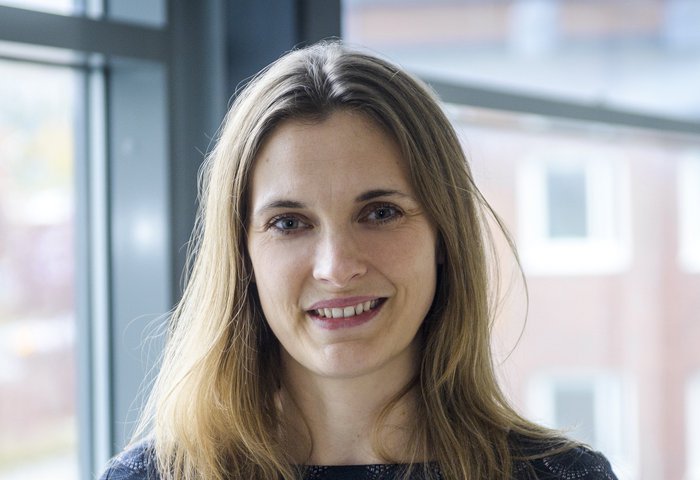
Robert Mayer leads the Emmy Noether Junior Research Group in Physical Organic Chemistry in Catalysis and the Emergence of Life at the Technical University of Munich. His research integrates experimental and computational approaches to study complex catalytic systems and prebiotic reaction networks. His group develops high-throughput physical organic chemistry methods, combining robotics, kinetics, and data science to predict organic reaction outcomes. Key investigations include catalytic mechanisms in water, nonenzymatic metabolic pathways, and the chemical origins of life. Dr. Mayer holds a Ph.D. from Ludwig Maximilian University Munich, where he developed nucleophilicity scales and Lewis acid ranking systems. As a postdoctoral fellow at Université de Strasbourg, he explored prebiotic amino acid metabolism. His honors include the Liebig Fellowship, Emmy-Noether program funding, and membership in the Bavarian Academy's Junges Kolleg. Research infrastructure includes stopped-flow kinetics, automated liquid handling systems, and computational resources for mechanistic modeling.
Professor Janos Urai is a renowned academic at RWTH Aachen University, specializing in structural geology and salt tectonics. He leads the Lehr- und Forschungsgebiet Geologie - Endogene Dynamik department, focusing on deformation mechanisms in evaporites, microstructural analysis, and the application of geological structures to energy and resource exploration. His research integrates field observations, laboratory experiments, and numerical modeling to understand salt diapir dynamics, fault mechanics, and rheological behavior of geological materials. Key areas of expertise include salt tectonics in Romania's Transylvanian Basin, microstructural analysis of glacier salt, and the influence of evaporite deformation on regional tectonics. He has contributed to understanding the geomechanics of salt caverns for radioactive waste storage and energy projects, while also exploring carbonation processes in peridotites and fracture network evolution in carbonate reservoirs. Professor Urai's work bridges fundamental geological research with applied challenges in mining, energy transition, and geohazard mitigation. His interdisciplinary approach combines structural geology, petrophysics, and geochemistry, with a strong emphasis on fieldwork in salt mines and ophiolite complexes such as the Samail Ophiolite in Oman.
Malte Braack is a Professor of Applied Mathematics at Christian-Albrechts-University of Kiel (CAU Kiel). He serves as Director of the Mathematical Seminar and Principal Investigator in the Cluster of Excellence 'The Future Ocean'. Additional roles include Editorial Board membership at the Journal of Applied Mathematics and Computing, participation in the SHUG Extended Executive Board, and involvement in DFG Priority Programs (e.g., Optimization with Partial Differential Equations, MetStroem). PhD: University of Heidelberg (1998) Habilitation: University of Heidelberg (2005) Diploma: University of Hamburg (1994) DAAD scholarship: University of Complutense Madrid (1991-1992) Braack's research focuses on computational mathematics and fluid dynamics, particularly stabilized finite element methods for partial differential equations, reactive flows, and ocean modeling. Recent work includes sedimentation models, Nash equilibria for collective choice, and CO2 leakage detection in marine environments. His 15 most recent publications (2019-2025) span fluid dynamics, numerical analysis, oceanography, and optimization. Key subfields include Navier-Stokes stabilization, reactive transport, deep learning for geoscience, and game-theoretic policy modeling. DAAD scholarship during studies at Madrid (1991-1992) Editorial Board: Journal of Applied Mathematics and Computing Membership: Sociedad Española de Matemática Aplicada (SEMA)
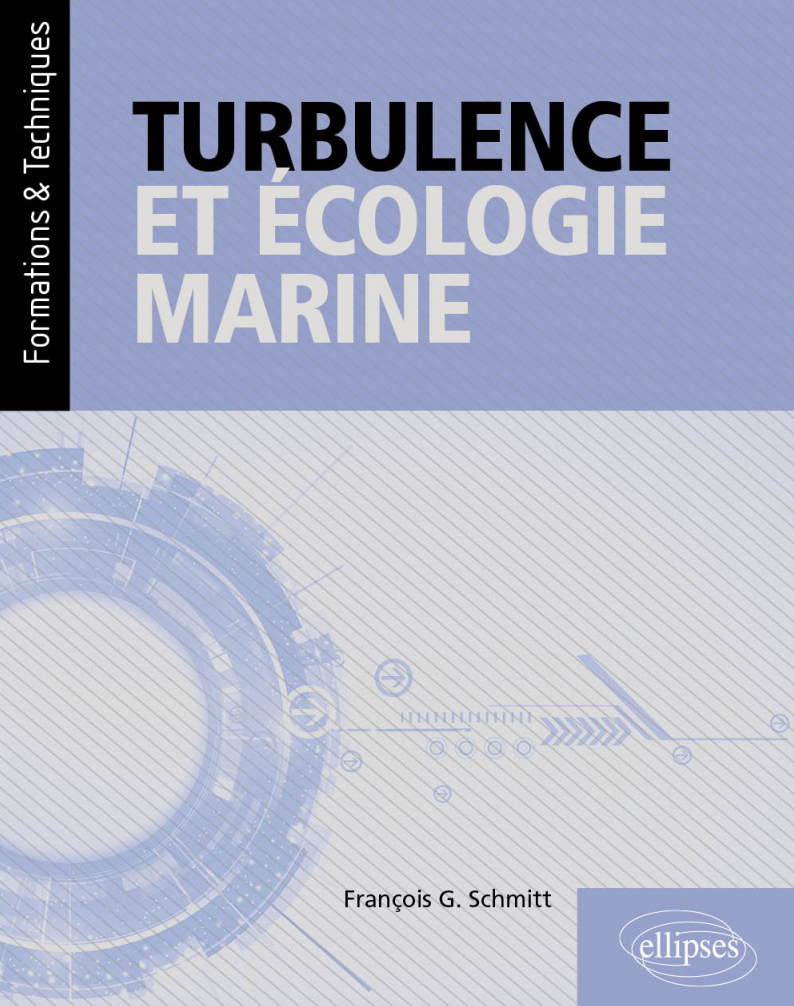
François G Schmitt is a Researcher at CNRS , focusing on turbulence and its applications in oceanography, astrophysics, and interdisciplinary science. His work spans: Turbulence modeling and multifractal analysis Physics-biology couplings in marine ecosystems Scaling processes in environmental systems Renewable energy applications Key research highlights include: 2024 study revealing Van Gogh's Starry Night contains scientifically accurate turbulence patterns 2022 papers on reactive scalars in turbulence and copepod behavior 2020 textbook Turbulence et Ecologie Marine His recent publications (2021-2024) demonstrate expertise in fluid dynamics, ecological modeling, and astrophysical turbulence. He advised PhD candidate Wenwei Wu (2021) and co-organized special issues on air-sea interactions. No scientific awards or part-time positions are documented.
Frieder Enzmann is an Associate Professor and Academic Director at the Institute of Geosciences, Johannes Gutenberg University Mainz. He leads the Computed Tomography Laboratory (currently out of service) and oversees projects like HyINTEGER, ReSKIN, ReSALT, ReSKIN_Move, BIOPORE, MABEIS I/II, and others. His research focuses on geophysical imaging, porous media dynamics, and subsurface processes using advanced computational and tomographic techniques. Research Interests: Computed tomography (CT) applications in geosciences Pore-scale modeling of fluid flow and mineral precipitation Rock physics and reservoir characterization Geomorphological hazards (e.g., landslides, debris flows) Climate-related studies involving ice dynamics and sediment flux Projects highlight interdisciplinary collaboration, such as analyzing rockfall risks in Rhineland-Palatinate and modeling geothermal dynamics in flooded mines. His work bridges geology, engineering, and computer science, with applications in energy storage and environmental risk assessment. Publications span over 20 years, with recent emphasis on AI-driven image analysis and pore-scale simulations. He collaborates internationally on projects like HyINTEGER (hydrogen storage) and ReSalt (reactive reservoir systems).
Prof. Rüdiger Deike is the Chair holder of the Chair of Metallurgy and Forming Technology at the University of Duisburg-Essen. His research focuses on metallurgical processes, raw material markets, recycling technologies, and sustainability in the foundry and steel industries. He leads the Institute for Metal Technologies (ITM), emphasizing innovation in material flow analysis, energy efficiency, and circular economy applications. Key research areas include analyzing global raw material market dynamics, optimizing waste-to-resource systems for foundries, and advancing metallurgical processes for non-ferrous and ferrous alloys. His work integrates numerical modeling of solidification behaviors and process optimization for industrial applications. Publications highlight trends in commodity markets, recycling strategies for valuable materials, and material recovery from industrial byproducts. His interdisciplinary approach bridges technical challenges with economic and environmental sustainability, influencing policy and industry practices. Laboratory and team activities center around the ITM, where research spans experimental and computational methods to address global metallurgical challenges. No specific grants or awards are listed, but his contributions are evident through extensive publication output and institutional leadership.
Bernd Flemisch is an Adjunct Professor at the University of Stuttgart, affiliated with the Department of Hydromechanics and Modelling of Hydrosystems within the Institute for Modelling Hydraulic and Environmental Systems. He holds a Dr. rer. nat. habil. (2013) and has been active in academic research since 2001. Education: 2001: M.Sc. in Mathematics, Iowa State University 2006: Doctoral Degree (Dr. rer. nat.), University of Stuttgart 2013: Habilitation (Dr. rer. nat. habil.), University of Stuttgart Research Interests: Flemisch specializes in discretization methods, solvers, and research software development for porous media flow. His work focuses on numerical simulation of multiphase systems, coupled flow processes, and adaptive multi-scale modeling. Key areas include computational geosciences, fluid mechanics, and energy storage solutions such as hydrogen and CO₂ sequestration. Professional Activities: Since 2024: Project leader in CRC 1667 and Base4NFDI/Jupyter4NFDI Since 2023: Dean of Studies for Civil Engineering at University of Stuttgart Leadership roles in NFDI4Ing (National Research Data Infrastructure for Engineering) Co-developer of open-source simulators like DuMuX and Frackit Lab & Teams: Engages in collaborative projects such as the FluidFlower CO₂ storage experiment and the Stuttgart Center for Simulation Science (SC SimTech). His work emphasizes reproducible research and sustainable software practices.
Julia Merrill serves as Adjunct Professor at the University of Kassel's Institute of Music and Senior Research Fellow in the Music Department at the Max Planck Institute for Empirical Aesthetics since 2014. Her academic journey includes a Habilitation in Musicology (2018, University of Kassel), PhD in Cognitive Science (2013, University of Potsdam), Diploma in Speech Science (2010, Martin Luther University Halle-Wittenberg), and Diploma in Church Music (2004, University of Church Music Heidelberg). Habilitation in Musicology, University of Kassel (2018) PhD in Cognitive Science, University of Potsdam (2013, summa cum laude) Diploma in Speech Science, Martin Luther University Halle-Wittenberg (2010) Diploma in Church Music, University of Church Music Heidelberg (2004) Merrill's research centers on the psychological and physiological dimensions of musical aversion, with groundbreaking work on disliked music's emotional and bodily impacts. Her concert research examines physiological synchrony during live performances, while vocal studies explore the speech-song boundary and aesthetic evaluation of voices. Current projects include investigating perceived versus felt emotions in music and analyzing pandemic-era shifts in musical engagement. Her publication trends reveal a methodological evolution from lesion studies and fMRI toward ecological concert research and psychophysiological measurement. Recent work emphasizes mixed-methods approaches combining self-report with cardiac/respiratory monitoring, particularly regarding musical dislikes and live audience experiences. No scientific awards are explicitly documented in available materials. Merrill has served as guest professor at Martin Luther University Halle-Wittenberg (2015-2016) and edited conference proceedings for the International Association for the Study of Popular Music. Current externally funded work includes the INHABIT Artist-in-Residence program at the Max Planck Institute. She collaborates extensively on interdisciplinary projects spanning music cognition, neuropsychology, and empirical aesthetics. Her laboratory work focuses on the Music Department at the Max Planck Institute for Empirical Aesthetics, where she leads research on disliked music and concert experiences. Current team initiatives include the Musicovid international research network examining pandemic impacts on musical behavior and projects studying physiological synchrony during ensemble singing.
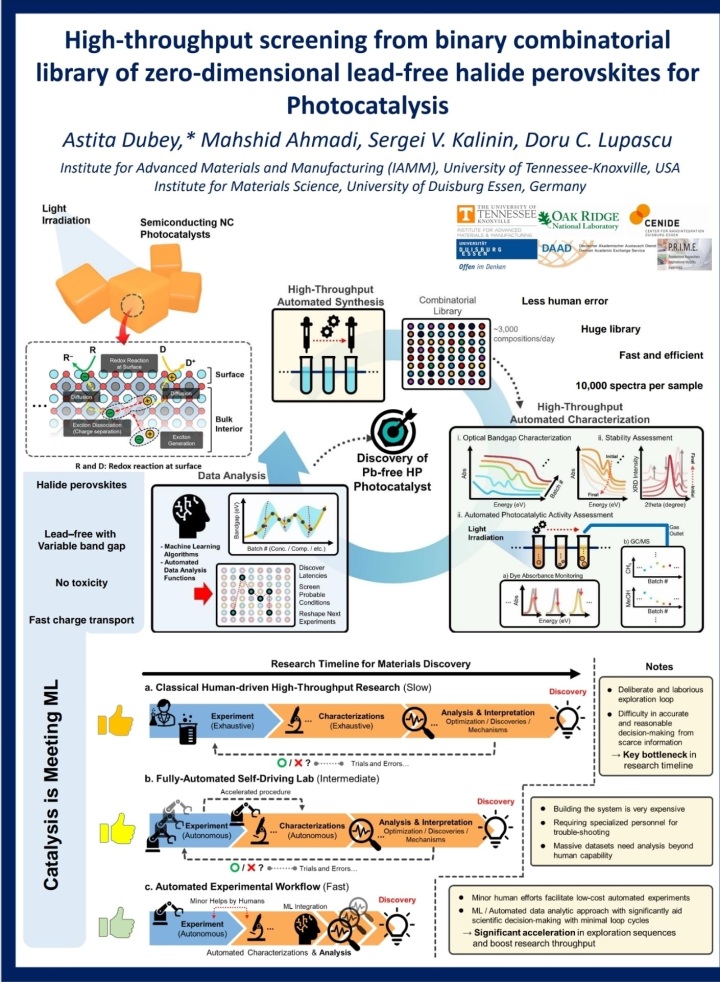
Prof. Doru C. Lupascu is a leading academic in Materials Science at the University of Duisburg-Essen . His research spans ferroic materials , perovskite solar cells , cement recycling , and electrocaloric effects . He supervises PhD students like Astita Dubey and Andrei Karabanov , whose work on photocatalysis and mechanical ice properties has earned recognition. Key Research Themes: Ferroic and multiferroic materials Lead-free perovskites for solar and photocatalytic applications Recycling of cement and concrete via thermal reactivation Electrocaloric and dielectric properties for cooling technologies Recent Article Trends highlight his group’s focus on machine learning in materials discovery , high-throughput screening of perovskites, and novel composite structures for energy storage. These works often intersect with environmental sustainability (e.g., UpCement project) and fundamental physics of ferroic systems. Notable Collaborations: The institute works with institutions like University of Cape Town (Antarctic sea ice expeditions), CentraleSupélec (relaxor ferroelectrics), and Oak Ridge National Lab (postdoctoral research). Projects such as UpCement and RelaxSolaire are funded by German and European agencies , including the Ministry for Economic Affairs and Climate Action (NRW) and DFG .
Philipp Brokof is a Researcher at the Professorship for Thermofluid Dynamics, Technical University of Munich (TUM), actively contributing to cutting-edge research in combustion systems and fluid dynamics. His work focuses on experimental and theoretical analysis of thermoacoustic phenomena within practical energy conversion systems, collaborating closely with Prof. Wolfgang Polifke's research group. Brokof's research spans thermoacoustics, combustion dynamics, fluid mechanics, and computational modeling, with specific expertise in linear stability analysis, structural sensitivity methods, and theoretical frameworks for reacting flows. He investigates critical instability mechanisms in combustion devices, including hydrodynamic shear effects in slit flames, swirling jet dynamics, and injector-coupled oscillations, aiming to develop predictive models for industrial applications. Analysis of Brokof's 2022-2024 publications reveals concentrated work on intrinsic thermoacoustic instabilities, where he advances momentum potential theory for reacting flows and develops sensitivity tools to pinpoint instability drivers. His research bridges fundamental fluid mechanics with practical combustor design, emphasizing nonlinear saturation mechanisms and acoustic-flame interactions across diverse burner configurations. Brokof has not been listed as recipient of any specific scientific awards in the provided information. However, his active publication record in high-impact journals and conferences reflects significant contributions to the field of thermoacoustics and combustion dynamics. Details about Brokof's academic advising responsibilities and research grant funding were not disclosed in the available text. As a researcher within the Thermofluid Dynamics group, he likely contributes to collaborative projects funded by national and international agencies. Brokof is embedded within TUM's Thermofluid Dynamics research group, which maintains strong industry partnerships and leads in thermoacoustic instability analysis. The team utilizes advanced computational tools and experimental diagnostics to address combustion challenges in gas turbines and rocket engines, regularly participating in international workshops like SoTiC and ICNC.
Holger Wrede is a Professor in Electrical Power Engineering at the Düsseldorf University of Applied Sciences since 2014. He leads the Research Group on Power Electronic Energy Systems , focusing on control strategies, system management, and dynamic behavior of power electronics-dominated electrical networks. His work connects with energy transition ( Energiewende ), renewable energy integration, and grid stability. He also serves as Prodekan für Finanzen (Deputy Dean for Finance) and is a member of the In-LUST institute for sustainable urban development. Key research areas: Power electronics, grid control, renewable energy systems Notable projects: 413 MW traction current converter system (Datteln), Waldeck II pumped storage plant expansion Memberships: VDI, VDE, IEEE Contact: Office: 05.1.037, Laboratory: 05.1.045
Prof. Dr. Christof Schulz is a full Professor at the University of Duisburg-Essen, leading the Chair for Reactive Fluids within the Institute for Combustion and Gas Dynamics at the Faculty of Engineering. His work focuses on nanoparticle synthesis, combustion diagnostics, and energy materials, particularly in applications for catalysis, batteries, and renewable energy systems. He is a Principal Investigator in the Collaborative Research Centre/TRR 247, investigating catalyst nanoparticles using spray-flame synthesis. Education & Career: PhD (Physical Chemistry) from the University of Heidelberg (1997) Habilitation (Physical Chemistry) at the University of Heidelberg (2002) Chair for Combustion and Gas Dynamics (since 2004; renamed to Reactive Fluids in 2012) Research Interests: Advanced diagnostics for reactive flows, gas-phase synthesis of functional nanoparticles (e.g., for Li-ion batteries), plasma processes, and energy conversion materials. Key projects include scalable synthesis of graphene and perovskites for energy storage. Awards: Leibniz Award (2014) BMW Scientific Award (1999) Freudenberg Award (1999) Leadership & Roles: Board of Directors, International Combustion Institute (since 2012) Founding Director, NanoEnergieTechnikZentrum (NETZ) Editorial Board member of Applied Physics B , Proceedings of the Combustion Institute Labs & Collaborations: EMPI-RF (Energy and Materials Processes) IUTA (Institute of Energy and Environmental Technology) Leading teams in nanoparticle synthesis, applied spectroscopy, and combustion imaging.
PD Dr. Michael Rohwerder is a Research Professor and Group Leader at the Max Planck Institute for Sustainable Materials in Düsseldorf, leading the Department of Interface Chemistry and Surface Engineering. His research focuses on corrosion mechanisms, advanced coatings, hydrogen embrittlement, and materials science. He holds a diploma in physics from the University of Hamburg (1992) and a PhD from the University of Düsseldorf (1997). After postdoctoral work at the University of Texas at Austin, he joined the University of Erlangen and later the Max Planck Institute, where he coordinates the Department since 2014. His work includes developing self-healing coatings, cryogenically processed alloys, and novel Kelvin probe techniques for corrosion analysis. He received the Christian Doppler Laboratory Award (2008) and declined a Full Professorship at Ohio State University due to a counter-offer. Education: Physics Diploma (1992), University of Hamburg PhD in Physics (1997), University of Düsseldorf Research Interests: Corrosion science and delamination Smart coatings and self-healing materials Hydrogen diffusion and embrittlement High-temperature oxidation and alloy design Awards: Christian Doppler Laboratory Award (2008) Grants/Labs: Scientific coordination of the Department of Interface Chemistry and Surface Engineering Development of the Scanning Flow Cell (SFC) and advanced Kelvin probe techniques
Franziska Thaler is a clinician-scientist and medical specialist in neurology at Ludwig-Maximilians-Universität (LMU) Munich, where she serves as a research group leader at the Institute of Clinical Neuroimmunology, Biomedical Center. She is affiliated with the Munich Cluster for Systems Neurology (SyNergy) as a GSN associate faculty and leads translational research on autoimmune encephalitis, particularly disorders involving anti-GAD65 antibodies. She is an active member of the German Network for Research on Autoimmune Encephalitis (GENERATE) and the Hertie Network of Excellence in Clinical Neuroscience. MD, Ludwig-Maximilians-Universität Munich (2011) Venia legendi (Habilitation) in Neurology, 2022 Medical specialist in neurology, 2021 Research fellowship at Max-Planck-Institute for Neurobiology, 2011–2012 Dr. Thaler's research focuses on understanding the immunopathogenesis of autoimmune encephalitis, particularly the role of B cells and autoantibodies. Her lab utilizes single-cell sequencing, stem cell-derived models, and clinical data to unravel mechanisms of neuroinflammation and neurodegeneration. Key areas include the B-cell repertoire in GAD65-associated disorders, antibody-mediated neuronal damage, and the intersection of hematological and neuroimmunological dysregulation. Her recent publications, including high-impact studies in Brain , Nature Communications , and Annals of Neurology , reflect a strong focus on translational neuroimmunology, genetic associations, and clinical characterization of autoimmune neurological syndromes. The work consistently emphasizes biomarker discovery, therapy response, and the development of human in vitro models to bridge the gap between animal studies and clinical application. Independent group leader award, Munich Cluster for Systems Neurology (SyNergy), 2021 Helmut Bauer Prize for MS research, 2015 Member, Hertie Network of Excellence in Clinical Neuroscience (2019–2022) Max Weber Scholarship, Bavaria (2008–2011) DFG Research Scholarship (2007–2008) Dr. Thaler mentors several students, including Katharina Eisenhut, Michelle Biljecki, and Jan Bartosch, and leads a multidisciplinary team in close collaboration with clinical departments. Her lab is supported by funding from the Hertie Foundation, Fritz Thyssen Stiftung, LMU Excellent, Novartis Pharma GmbH, and the Studienstiftung des deutschen Volkes. She is actively involved in national and international research networks, contributing to multicenter studies and advancing the understanding of autoimmune neurological diseases.
Prof. Dr. Anja Meissner is a leading physiologist at the University of Augsburg's Medical School, specializing in vascular biology with affiliations to Lund University and DZNE Bonn. Her research focuses on Sphingosine-1-phosphate (S1P) signaling in cardiovascular diseases, hypertension, and neurovascular interactions. University of Augsburg, Medical School Lund University collaborations DZNE Bonn partnerships Research Highlights: Investigates immune system roles in hypertension, heart failure's target organ effects, S1P pathway in stroke, cardiovascular risk factors' impact on brain function, and environmental influences on vascular health. Key methods include non-invasive imaging , flow cytometry , and in vitro/ex vivo models . Publication Trends: Recent work emphasizes microfluidic neurovascular models , glymphatic system dysfunction , and sex-specific cardiovascular responses . Collaborations span neurology, cardiology, and environmental science institutions. Awards & Grants: DFG Project Funding (2025-2028) Hjärnfonden Grant (2024-2025) Albert Påhlsson Foundation (2022-2025) Swedish Research Council (2023-2026) Educational Impact: Mentored 15+ PhD students including Lotte Vanherle and Frank Matthes. Leads international research teams with scholars from Sweden, Belgium, Italy, and Canada. Current grants focus on CFTR therapeutics and sex-specific hypertension consequences .