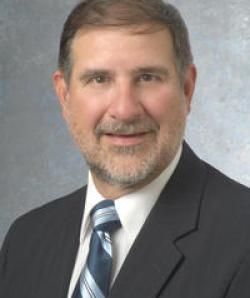
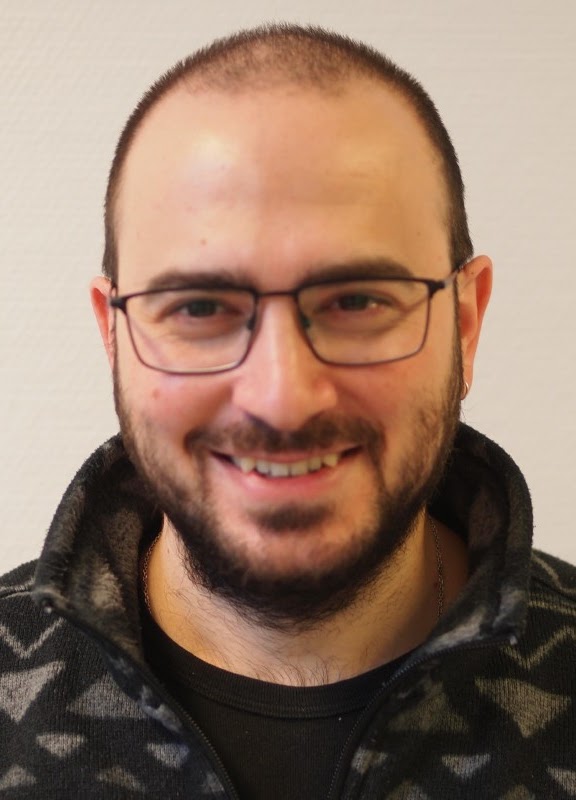
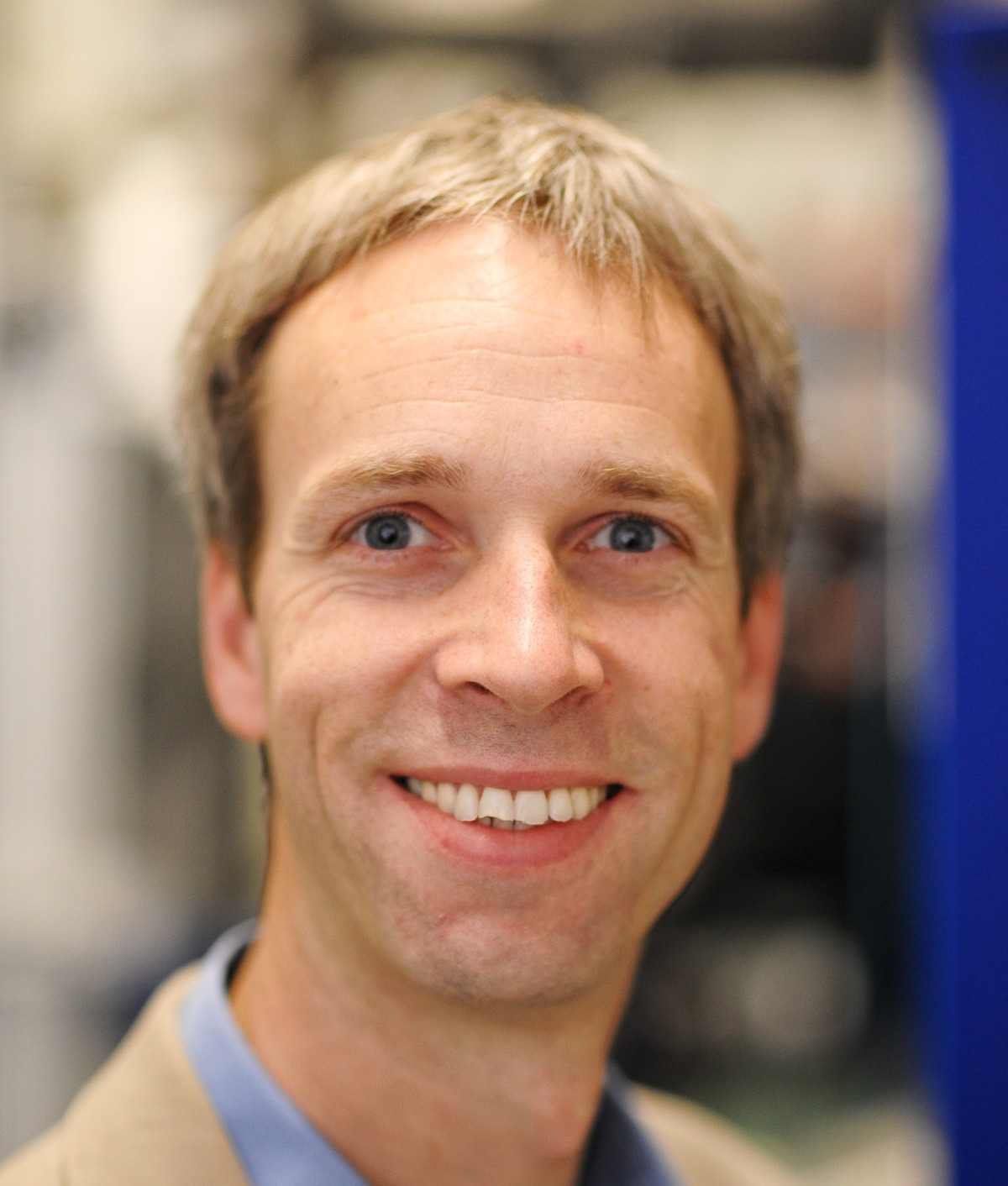
Russell Detwiler is an Associate Professor in the Department of Civil and Environmental Engineering at the Samueli School of Engineering, University of California, Irvine. He holds a Ph.D. and B.S. in Civil Engineering from the University of Colorado and University of Vermont, respectively. As Associate Director of the UCI WEX Center, his work combines laboratory experimentation with computational modeling to study subsurface fluid dynamics. Education: Ph.D., Civil Engineering, University of Colorado B.S., Civil Engineering, University of Vermont Research Focus: Detwiler's research examines fluid flow processes in porous and fractured media, with emphasis on multiphase flow, subsurface property alteration, and environmental applications. Key areas include contaminant remediation, CO2 sequestration, geothermal energy, and nuclear waste management. Publication Trends: His recent work (2022-2024) emphasizes subsurface PFAS behavior, coastal aquifer modeling, and fracture clogging dynamics. Earlier research (2019-2021) focused on mineral precipitation effects and kinetic modeling for contaminant removal. Common sub-fields span fracture sealing mechanisms, particle retention, and reactive transport modeling. Laboratory: Leads the Subsurface Processes Visualization Lab, developing parallel computational models to scale laboratory observations to field applications. Research integrates high-resolution imaging with numerical simulation for subsurface system analysis.
Ezra C. Wood is an Associate Professor in the Department of Chemistry at Drexel University, specializing in atmospheric chemistry research related to air pollution and climate change. His work focuses on quantifying primary pollutant emissions and elucidating secondary pollutant formation mechanisms, particularly ozone and secondary aerosol. Dr. Wood received his PhD from the University of California-Berkeley in 2004. His research employs optical and mass spectrometric techniques to measure trace atmospheric compounds at part-per-trillion levels. His work spans multiple research areas including: Atmospheric radical chemistry (HO x , RO 2 ) Urban air pollution dynamics Wildfire smoke chemistry Forest-atmosphere interactions Advanced atmospheric measurement techniques His research has been funded by the National Science Foundation, National Oceanic and Atmospheric Administration, and the Texas Air Quality Research Program. Dr. Wood has conducted extensive fieldwork in major urban areas (New York City, San Antonio, Philadelphia), forested regions (Indiana, Michigan), and wildfire-affected areas in rural Idaho. Dr. Wood teaches analytical, physical, and environmental chemistry courses at Drexel University, including Atmospheric Chemistry (Environmental Science 405/605), Analytical Spectroscopy (Chemistry 530), and Chemistry of the Environment (Environmental Science 401/501). His research group has developed specialized instrumentation including the Ethane CHemical AMPlifier (ECHAMP) for measuring peroxy radicals and operates a Chemical Ionization Mass Spectrometer (CIMS) for atmospheric analysis.
Dr. Jianqiang Cheng is an Associate Professor in the Department of Systems and Industrial Engineering at the University of Arizona, College of Engineering. He is also a member of the Graduate Faculty and affiliated with the Applied Mathematics and Statistics Graduate Interdisciplinary Programs. His research is centered on optimization under uncertainty with applications in energy systems and logistics. Research Interests: His primary research areas include stochastic programming, robust optimization, distributionally robust optimization, semidefinite programming, and chance-constrained optimization. He applies these methodologies to challenges in power systems, renewable energy integration, microgrid design, and resilient supply chains. The recent publications (2020–2022) reflect a strong trend toward data-driven and computationally efficient methods in optimization. Key themes include distributionally robust optimization under moment and Wasserstein ambiguity, chance-constrained AC optimal power flow, and resilient supply chain modeling under disruptions such as the COVID-19 pandemic. His work frequently appears in top journals like INFORMS Journal on Computing , IEEE Transactions on Power Systems , and European Journal of Operational Research . Scientific Awards: Best Short Paper Award, INFORMS Workshop on Data Science (Fall 2022) NSF CAREER Award, National Science Foundation (Spring 2022) Science Foundation Arizona's 2017 Bisgrove Scholar (Spring 2017) Dr. Cheng has secured significant research funding, including the NSF CAREER Award, supporting his work in data-driven optimization. He collaborates extensively with researchers in energy systems and operations research, including K. Pan, M. Cheramin, A. M. Fathabad, and A. Lisser. While specific advisees are not listed, his role as a member of the Graduate Faculty indicates active supervision of graduate students in systems engineering, applied mathematics, and statistics. His research contributes to the development of advanced optimization models for real-world systems affected by uncertainty, particularly in energy and logistics. Though no specific lab is mentioned, his work implies involvement in computational optimization and energy systems modeling research groups within the College of Engineering.
Robert F. Savinell is a Distinguished University Professor and George S. Dively Professor of Engineering at Case Western Reserve University's Department of Chemical and Biomolecular Engineering. He has held leadership roles including Director of the Ernest B. Yeager Center for Electrochemical Sciences (10 years) and Dean of Engineering (7 years). His research focuses on electrochemical solutions for energy conversion/storage, with emphases on flow batteries, electrochemical capacitors, and advanced materials. He serves as Editor-in-Chief of the Journal of the Electrochemical Society and holds fellowships from the Electrochemical Society, American Institute of Chemical Engineers, and International Society of Electrochemistry. Education: BS in Chemical Engineering (Cleveland State University, 1974), MS (University of Pittsburgh, 1974), PhD (University of Pittsburgh, 1977). Research Highlights: Current projects include novel electrode structures for hybrid flow batteries, slurry electrode conductivity, and high-temperature polymer electrolytes. Over 40 years of R&D in electrochemical engineering have produced breakthroughs in energy storage systems. Awards: 2022 Vittorio De Nora Award (Electrochemical Society), 2020 Frank and Dorothy Humel Prize (CWRU), 2018 DOE EFRC grant (BEES program). Grants/Advising: Directs the Breakthrough Electrolytes for Energy Storage (BEES) EFRC. Advises on projects spanning fundamental electrochemistry to commercial applications. Active in cross-institutional collaborations. Labs/Teams: Leads the Yeager Center for Electrochemical Sciences and collaborates with MIT, Denmark Technical University, and Yamanashi University through visiting professorships.
Audrey H. Sawyer is a Professor at The Ohio State University's School of Earth Sciences, where she leads the Computational Hydrogeology Research Group. Her work explores how surface water-groundwater exchange mediates geologic and ecologic processes, with applications to ecosystem health, contaminant transport, and climate impacts on water resources. Research interests include River-groundwater exchange Coastal surface water-groundwater interactions Coupled fluid/heat flow and reactive transport Numerical modeling of hydrologic systems Climate change effects on groundwater recharge Current and former students (e.g., Jacob Clyne, Hannah Field, Kira Harris) have received prestigious awards including GSA Graduate Student Research Grants and NSF Fellowships. She also holds a Visiting Scientist appointment at Universitat Politècnica de Catalunya.
Georgios Arvanitidis is an Associate Professor at the Technical University of Denmark (DTU) in the Department of Applied Mathematics and Computer Science, specifically within the Section for Cognitive Systems (CogSys). He has established himself as a leading researcher in geometric machine learning, focusing on the application of differential geometry principles to enhance machine learning models. His work bridges theoretical mathematics with practical applications in artificial intelligence, with particular emphasis on understanding the geometric structure of data manifolds and latent spaces. Dr. Arvanitidis completed his educational journey with a Bachelor's degree from the Department of Informatics at the Aristotle University of Thessaloniki, followed by a Master's degree in Computer Science from Saarland University supported by the Max Planck Institute for Informatics. He earned his PhD at DTU's Cognitive Systems section under the supervision of Søren Hauberg, with additional research experience at Philipp Hennig's Probabilistic Numerics group. Prior to his current position as associate professor, he was a PostDoc at the Max Planck Institute for Intelligent Systems working with Bernhard Schölkopf. Dr. Arvanitidis's research primarily focuses on differential geometry in machine learning , where he explores how geometric structures can enhance representation learning and statistical modeling. His work in generative models investigates how learning the geometry of data manifolds can improve deep learning architectures. In the domain of deep learning theory , he examines why deep learning models generalize effectively on unseen data, with particular attention to the curvature properties of loss landscapes. His research in approximate Bayesian inference applies geometric principles to improve uncertainty quantification in neural networks. Through his innovative approaches, Dr. Arvanitidis has established himself as a leading researcher in geometric machine learning, contributing to both theoretical foundations and practical applications across various domains including robotics and life sciences. The publication trends of Dr. Arvanitidis reveal a consistent and evolving focus on geometric approaches to machine learning problems. His recent work (2023-2025) demonstrates increasing sophistication in applying Riemannian geometry to deep learning architectures, with particular emphasis on latent space geometry, optimization on manifolds, and geometric interpretations of neural network behavior. A notable pattern is the progression from foundational work on geometric representations to more applied research in areas like robotics and causal inference. His publications span top-tier conferences including NeurIPS, ICML, ICLR, and AISTATS, reflecting the high impact of his research. The interdisciplinary nature of his work is evident in collaborations across mathematics, computer science, and robotics domains, with recent papers addressing challenges in multimodal sampling, safety guarantees for dynamical systems, and counterfactual explanations. Dr. Arvanitidis has received several notable scientific awards and recognitions: Sapere Aude starting grant from the Independent Research Fund Denmark (DFF) GADL funding i-Rase, Pathfinder, and EIC (European Innovation Council) funding Best reviewer award for NeurIPS 2019 Best reviewer award for NeurIPS 2018 Best student paper award at Robotics: Science and Systems (R:SS) 2021 Dr. Arvanitidis actively mentors PhD students and researchers, currently supervising Alejandro Valverde, Johanna Gegenfurtner, and Albert Kjøller Jacobsen. He has previously co-supervised Alison Pouplin's PhD and worked with research assistant Georgios Pantis. His group receives substantial funding through multiple prestigious grants including the Sapere Aude starting grant from the Independent Research Fund Denmark, as well as European Innovation Council funding. He has been instrumental in creating opportunities for students interested in geometric machine learning, offering BSc and MSc thesis projects focused on generative models, deep learning theory, and optimization techniques. Dr. Arvanitidis also contributes significantly to the academic community as a reviewer for top conferences including ICLR and TMLR, and as an area chair for NeurIPS, ICML, AISTATS, and UAI. He co-organized the Machine Learning Summer School 2020 in Tübingen, further demonstrating his commitment to education and community building. Dr. Arvanitidis leads a vibrant research group focused on geometric machine learning within the Cognitive Systems section at DTU. His team includes multiple PhD students working on cutting-edge research at the intersection of differential geometry and artificial intelligence. The group has developed notable software tools, including the "geometric_ml" GitHub repository with over 70 stars, which contains implementations for applying Riemannian geometry in machine learning. His research has practical applications in robotics, where geometric approaches enable more robust motion planning, as evidenced by his work on "Reactive Motion Generation on Learned Riemannian Manifolds" which received a best student paper award. Additionally, his methodologies have found applications in life sciences, as mentioned in his 2022 AISTATS paper. The collaborative nature of his work is evident through extensive partnerships with researchers at institutions including the Max Planck Institute for Intelligent Systems, University of Cambridge, and various European universities. His recent news items indicate active engagement with the academic community through talks, conference presentations, and ongoing supervision of new PhD students joining his group.
Rémy Jacquemond is a Postdoctoral Researcher at Eindhoven University of Technology's Department of Chemical Engineering and Chemistry, working within both the Membrane Materials and Processes Group and Electrochemical Materials and Systems Group. His research focuses on developing advanced materials for next-generation redox flow batteries, with particular emphasis on membrane technology and electrode engineering. His academic background includes: BSc in General Chemical Sciences from Institut Universitaire de Technologie (IUT), Montpellier, France MSc in Chemical Engineering with materials science specialization from Ecole Nationale Superieure de Chimie de Montpellier (ENSCM), France Second MSc in Nanoscience, Materials and Processes from Universitat Rovira I Virgili (URV), Tarragona, Spain PhD in Chemical Engineering and Chemistry from Eindhoven University of Technology (2023) His research centers on solving critical challenges in redox flow battery technology, particularly the development of ion exchange membranes stable in organic solvents and engineered porous electrodes. He pioneers the application of neutron radiography for in-situ diagnostics of battery operation and employs non-solvent induced phase separation techniques for precise electrode microstructure control. His work directly contributes to UN Sustainable Development Goals related to clean energy and responsible consumption. Analysis of his publication record reveals a strong trajectory in advanced battery diagnostics and materials engineering, with increasing focus on neutron-based visualization techniques and microstructure-controlled electrode fabrication. His 2024 Nature Communications paper on concentration distribution mapping represents a methodological breakthrough, while his consistent development of phase separation techniques for electrode engineering demonstrates systematic innovation in manufacturing approaches. He has received significant recognition for his contributions: Energy Technology Division Graduate Student Award sponsored by Bio-Logic for work on porous carbon electrodes As an active postdoctoral researcher, Jacquemond contributes to research supervision and project leadership within his groups. His current work focuses on membrane diagnostics and novel porous materials development, with emphasis on improving battery efficiency, longevity, and compatibility with organic electrolytes. He maintains strong industry and academic collaborations, evidenced by multiple co-authored publications with international research teams. He operates within Eindhoven University of Technology's cutting-edge research infrastructure, utilizing specialized facilities for membrane synthesis, electrode fabrication, and advanced characterization including neutron imaging capabilities through partnerships with major research facilities. His work bridges fundamental materials science with practical energy storage applications.
Igor Jankovic is an Associate Professor in the Department of Civil, Structural and Environmental Engineering at the University at Buffalo's School of Engineering and Applied Sciences. His research focuses on groundwater flow and contaminant transport in heterogeneous aquifers, with particular emphasis on the impact of aquifer heterogeneity on solute movement and transport modeling. Education: PhD in Civil Engineering, University of Minnesota (1997) MS in Civil Engineering, University of Minnesota (1993) BS in Civil Engineering, University of Split, Croatia (1990) His work addresses critical issues in groundwater hydrology including: Advective transport mechanisms in heterogeneous media Breakthrough curve prediction and analysis Effective hydraulic conductivity modeling Upscaling of flow and transport parameters Application of the Analytic Element Method (AEM) for complex aquifer simulations Comparison of transport models (CTRW, MRMT) in heterogeneous environments Research trends in his publications reveal a focus on: Three-dimensional heterogeneous aquifer modeling Non-Fickian and anomalous transport behavior Impact of spatial variability on contaminant migration Development of numerical algorithms for large-scale groundwater simulations Validation of stochastic transport theories against field experiments (e.g., MADE and Borden aquifers) Interaction between physical and chemical heterogeneity in reactive transport
Nuria Fernández Monsalve is a Professor in the Department of Physiology at the Faculty of Veterinary Medicine, Universidad Autónoma de Madrid. She earned her doctorate from Complutense University of Madrid in 1994 with a thesis on the function of nitric oxide in cerebral circulation regulation. Her research focuses on vascular physiology, particularly examining cerebral and coronary circulation responses to various vasoactive substances. She has extensively studied endothelin-1 effects, ischemia-reperfusion injury, and vascular responses in diabetic and hypertensive conditions. Her work often investigates gender differences in vascular reactivity and the role of nitric oxide and prostanoids in vascular regulation. Analysis of her publication history reveals a consistent research trajectory spanning over two decades, with recent work focusing on the long-term effects of early overnutrition on cardiac function and the role of the renin-angiotensin system. Her studies typically employ animal models including goats, rats, and rabbits to investigate vascular responses under controlled experimental conditions. Dr. Fernández Monsalve's research demonstrates significant contributions to understanding vascular pathophysiology, particularly in the contexts of diabetes, hypertension, and ischemic conditions. Her work has been published consistently in reputable physiology and pharmacology journals, reflecting her standing in the cardiovascular research community.
Jeff M Phillips is a Professor in the Kahlert School of Computing at the University of Utah, specializing in algorithms for big data analytics, computational geometry, and machine learning. He holds a BS in Computer Science and Mathematics from Rice University (2003) and a PhD in Computer Science from Duke University (2009). He serves as Director of the Utah Center for Data Science, Director of the Data Science Program in the Kahlert School of Computing, and Faculty Co-Director of the One U Data Science Hub. His research focuses on geometric data analysis, coresets, sketches, and handling uncertainty in data. Education: BS/BA (Rice University, 2003), PhD (Duke University, 2009) CI Postdoctoral Fellow at University of Utah (2009–2011) His research interests include algorithms for big data analytics, computational geometry, machine learning, spatial statistics, and AI. He has led NSF-funded projects on spatial data analysis, cosmic origins via AI, and reactive flow data modeling. Phillips has advised numerous PhD and master’s students, contributing to topics like trajectory classification and bias mitigation in word embeddings. His publications span computational geometry, data science, and machine learning. Notable work includes coresets for kernel density estimates, bias mitigation in language models, and scalable spatial scan statistics. Phillips is also active in academic service, serving as co-PC chair for SoCG 2024 and on program committees for major conferences like NeurIPS and ICML.
Roger Beckie is a Professor in the Department of Earth, Ocean & Atmospheric Sciences at the University of British Columbia (UBC), part of the Faculty of Science. His research focuses on physical, geochemical, and biological processes in environmental systems, particularly in hydrogeology, mine drainage, and groundwater contamination. He holds a B.A.Sc. from the University of Waterloo and a Ph.D. from Princeton University, and is a Professional Engineer (P.Eng.). Key research areas include fugitive gas migration from energy wells, mine waste rock geochemistry, and groundwater hydrology. His work addresses challenges such as acid rock drainage prediction, metal attenuation mechanisms, and the impacts of subsurface gas migration in petroleum development regions. He collaborates with industry and government to advance environmental management strategies and has contributed to large-scale field experiments, including controlled gas release studies in northeastern British Columbia. Beckie supervises graduate students in interdisciplinary projects, emphasizing field investigations and numerical modeling. He is affiliated with UBC's Institute of Applied Mathematics and teaches advanced courses in groundwater hydrology and contamination. His research integrates hydrological, geochemical, and isotopic tools to address complex environmental systems, with applications in mining, oil and gas, and groundwater sustainability.
Klaus Mosthaf is an Associate Professor in the Department of Environmental and Resource Engineering at the Technical University of Denmark (DTU), where he conducts research on contaminant transport and numerical modeling in porous and fractured media. His work focuses on protecting groundwater resources through advanced modeling of contamination from substances like PFAS, chlorinated solvents, and pesticides. He is actively involved in teaching and academic leadership, coordinating the Nordic Masters program Enviro5Tech and the Sino-Danish Center module on Pollutants and Pollution Control. Research Interests: Transport processes in porous media Groundwater contamination and remediation Numerical modeling of reactive transport Aquifer Thermal Energy Storage (ATES) Fractured and variably saturated geologies Coupled porous-medium and free-flow systems His recent publications reveal a strong focus on PFAS fate, bioremediation in ATES systems, and tracer-based characterization of glacial tills. He employs tools like COMSOL Multiphysics, Python, and FEFlow to develop predictive models grounded in laboratory and field data. Scientific Contributions: Active contributor to over 60 publications in hydrogeology and environmental engineering Key developer of models for coupled processes in subsurface systems Organizer and speaker at international conferences on multiphase flow and contaminant transport Advising and Grants: Klaus Mosthaf supervises multiple PhD students and has coordinated significant research projects, including those on PFAS transport and bioremediation. He is the main supervisor of two active PhD projects and has previously co-supervised two others. His leadership extends to board membership in the Danish Academy of Technical Sciences on Soil and Groundwater (ATV Jord og Grundvand), where he fosters collaboration among academia, consultants, and public authorities. Laboratories and Research Groups: His work is conducted within DTU Sustain, a leading research environment in environmental engineering, where he collaborates with experts in hydrogeology, bioremediation, and sustainable technologies. He is deeply integrated into a network of national and international collaborators focused on groundwater protection and sustainable subsurface utilization.
Prof. Sebastian Kaiser is a full professor at the University of Duisburg-Essen's Institute for Combustion and Gas Dynamics, where he leads research on reactive fluid dynamics since 2011. His academic background includes a Bachelor's from Dartmouth College, Diplomingenieur from RWTH Aachen, and PhD from Yale University, followed by postdoctoral work at Sandia National Laboratories. Research Focus: Kaiser specializes in optical diagnostics for reactive systems with emphases on: High-speed imaging of combustion processes Nanoparticle synthesis via spray-flame techniques Tribology and fluid-structure interactions Engine diagnostics using laser-based methods His work bridges experimental techniques and simulation development for energy and propulsion systems. Publication Trends: Recent articles (2023-2025) demonstrate consistent focus on advanced optical diagnostics applied to combustion systems, nanoparticle synthesis, and engine research. Key methodologies include laser-induced fluorescence, high-speed imaging, and machine learning for fluid dynamics analysis. Awards & Honors: Harding-Bliss Prize for Engineering Excellence (Yale, 2005) SAE Excellence in Oral Presentation Award (2008) NRW Returning Scientists Grant (2010) Professional Affiliations: Member of Society of Automotive Engineers (SAE) and The Combustion Institute, with extensive experimental facilities for reactive flow characterization.
Peter Bach Andersen serves as Head of Section and Senior Researcher at the Department of Wind and Energy Systems, Technical University of Denmark (DTU). Based at Elektrovej 329A in Kgs. Lyngby, he leads research in electric vehicle integration and prosumer energy systems with an ORCID identifier 0000-0002-5202-3584. His work spans grid services, battery storage, and smart charging infrastructure within DTU's EV Lab ( www.evlab.dk ). Andersen's research focuses on electric vehicle grid integration , specializing in charging infrastructure planning, battery energy storage systems, and virtual power plant concepts. His fingerprint analysis reveals dominant expertise in Electric Vehicle Engineering (100%), Battery Engineering (13%), Ancillaries (12%), and Power Engineering (11%). Current projects emphasize flexibility quantification, grid service delivery through EV clusters, and Nordic grid characteristics. His work contributes significantly to UN Sustainable Development Goals related to clean energy and sustainable cities. His publication portfolio shows strong trends toward grid-interactive EV systems with recent emphasis on conditional connection agreements, fast-charging urban impacts, and data-driven battery health prognosis. The research demonstrates increasing focus on practical implementation challenges and market integration aspects of vehicle-grid systems. Andersen actively supervises four PhD students (Menchaca, Striani, Unterluggauer, Sevdari) across projects including charging infrastructure planning, EV clustering methods, and urban charging infrastructure impacts. He leads the FLOW project (2022-2026) investigating flexible energy systems for optimal EV integration while participating in multiple EU-funded initiatives. His research group maintains strong industry connections through DTU's EV Lab, focusing on real-world validation of grid services using commercial EVs and chargers.
Jean Lachaud is a researcher at the Institute of Mechanics and Engineering (I2M) affiliated with the TREFLE - Transfers, Fluids and Energy department at the University of Bordeaux. His work focuses on thermal and mechanical behavior of porous and reactive materials, particularly in high-temperature environments. Research Interests : Porous media physics, pyrolysis modeling, thermal protection systems, acoustic wave propagation, multiscale simulations. Projects : Involved in ANR, PEPR, and European initiatives related to energy efficiency, material durability, and environmental engineering. His recent publications emphasize thermal non-equilibrium models , biomass pyrolysis , and ablative material response for aerospace applications. He develops computational tools like PATO and integrates experimental data with numerical simulations to study gasification, oxidation, and heat transfer phenomena. Contact : jean.lachaud@u-bordeaux.fr