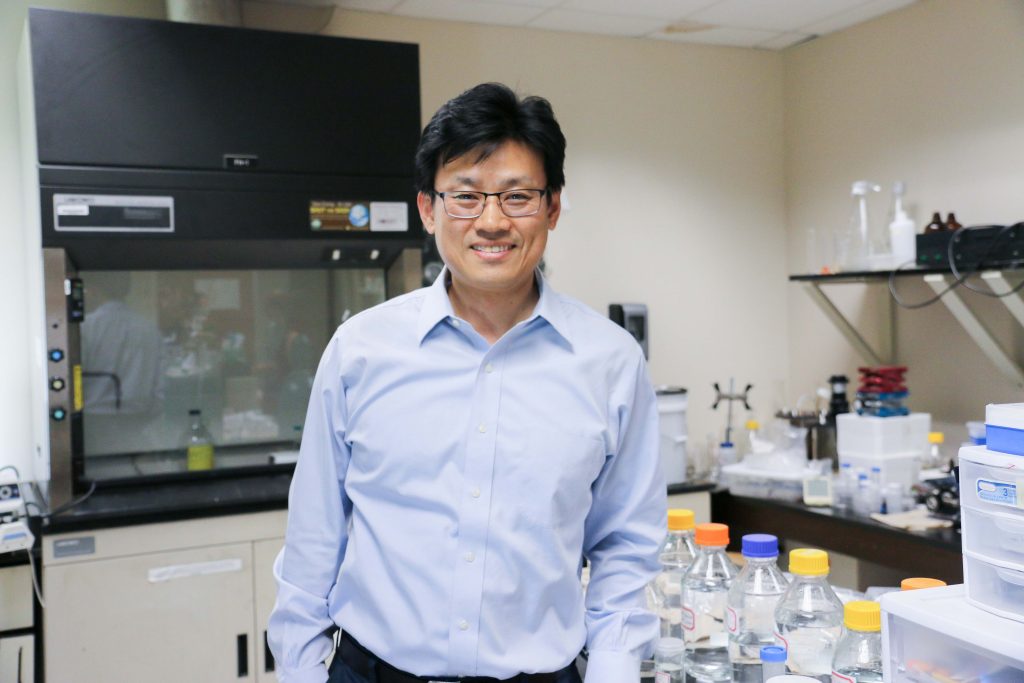
Boris Kholodenko is a Professor at Yale School of Medicine, specializing in systems biology and cancer research. His work focuses on understanding cellular signaling networks, drug resistance mechanisms, and cell state transitions in cancer. Key research areas include computational modeling of signaling pathways, ERK signaling inhibition, and therapeutic target identification in oncology. Research Interests: Cell signaling, cancer biology, systems biology, drug resistance, computational modeling, and network dynamics. Recent Publications Highlight: Analysis of endothelial cell cycle regulation in vascular remodeling (Science Advances, 2025), and development of drug combinations for RAS-mutant leukemia (Blood, 2024). Collaborations: Works with researchers like Oleg Rukhlenko, William Kolch, and Martin Schwartz on cancer cell state transitions and signaling networks. His articles emphasize interdisciplinary approaches combining systems biology with clinical oncology, particularly targeting ERK signaling and therapeutic strategies to reverse pathological cell states.
Dr. Samantha Johnson is an Assistant Professor of Chemistry at the Colorado School of Mines. She previously served as staff at Pacific Northwest National Laboratory (PNNL) from 2019, following a postdoctoral fellowship in the Center for Molecular Electrocatalysis there. Her research focuses on solvation effects in catalytic systems, ammonia oxidation, and hydrogen storage solutions. She holds a B.S. in Chemical Engineering from the University of Colorado, Boulder (2011), and a Ph.D. in Materials Science from Caltech (2017), where she was supported by the NSF Graduate Fellowship and Resnick Fellowship. Her work integrates computational methods (e.g., DFT) with experimental approaches to study molecular behavior in solvents, particularly in energy-related applications like flow batteries and catalytic systems. Recent studies emphasize the role of molecular surroundings in reaction mechanisms, including ion transport in electrolytes and ligand interactions in metal complexes. Key research trends across her articles include advancing ammonia oxidation pathways, optimizing solvation structures for energy storage, and elucidating hydrogen atom abstraction mechanisms in transition metal systems. She has contributed to innovations in porous liquids, electrolyte design, and catalyst immobilization strategies. Awards: National Science Foundation Graduate Fellow (2017), Resnick Fellow (2017). Dr. Johnson’s lab (Johnson Group) investigates interdisciplinary challenges at the interface of materials science and electrochemistry, with a focus on sustainable energy solutions. No formal advising or grant details are listed in the provided texts.
Alexis Navarre-Sitchler is a Professor and Department Head in the Department of Geology & Geological Engineering at Colorado School of Mines, holding the Ben Fryrear Endowed Chair for Innovation and Excellence. She also serves as a Joint Faculty Appointee at Los Alamos National Laboratory. Her research focuses on aqueous geochemistry, mineral dissolution kinetics, and reactive transport modeling. She earned her Ph.D. (2008) in Geochemistry from Penn State University, M.S. (2006) from Colorado School of Mines, and B.S. (2000) from Mesa State College. Her work explores water-rock interactions, porosity quantification via micro-CT and neutron scattering, and field-to-lab extrapolation. Key contributions include studies on CO2 sequestration risks and geochemical response modeling. She teaches courses like Petrology and Chemical Modeling of Aqueous Systems. Navarre-Sitchler leads the RTM-HUB initiative, fostering collaborative research in reactive transport modeling. Her recent work highlights groundwater-stream connectivity impacts on metal cycling and post-wildfire phosphorus dynamics. She actively participates in conferences and peer-reviewing for journals like Geochimica et Cosmochimica Acta and NSF grants. Her advising includes students like A. Wunsch and K. Mouzakis. Beyond academia, she engages in landscape photography, showcasing natural beauty through her portfolio.
Woo Hyoung Lee is an Associate Professor in the Department of Civil, Environmental and Construction Engineering at the University of Central Florida (UCF), College of Engineering and Computer Science. He leads the Microsensor Biofilm Research Lab and is a registered Professional Engineer (PE). His research focuses on smart water and wastewater treatment using environmental nanotechnology and biotechnology, with a strong emphasis on electrochemical sensors for water quality monitoring. Ph.D., Environmental Engineering, University of Cincinnati (2009) M.S., Environmental Engineering, Korea University (2001) B.S., Environmental Engineering, Chonnam National University (1996) Dr. Lee's research spans environmental electrochemistry , biofilm and corrosion in drinking water systems , renewable bioenergy production from waste , and advanced water treatment technologies . His work integrates sensor development, machine learning, and sustainable engineering solutions for real-world environmental challenges. He emphasizes interdisciplinary approaches, often collaborating with chemistry and materials science researchers. His recent publications (2022–2023) highlight trends in smart sensing for contaminants (e.g., lead, microcystins, illicit drugs), forward osmosis for algae harvesting , and AI-driven water quality prediction . These works appear in high-impact journals such as Water Research , Trends in Analytical Chemistry , and Separation and Purification Technology , reflecting a strong focus on both fundamental mechanisms and practical applications in environmental monitoring and treatment. Dr. Lee has received numerous scientific awards and recognitions: ONR Summer Faculty Fellowship (2014–2018, 2023) U.S. EPA P3 Awards (2015, 2017, 2018, 2020, 2023) SERDP Project of the Year (2022) Finalist, Water Council Tech Challenge (2022) Teaching Incentive Program Award, UCF (2020) He has mentored 37 students, many of whom have become practicing engineers. His lab has secured 32 research grants from agencies including the EPA, USDA, DOE, and NASA. His students have published in top journals (including cover features in Analytical Chemistry and Micromachines ), won national design competitions, and developed practical tools like a biopolymer-based lead detection kit. He supports student development through programs such as RAMP, EXCEL-COMPASS, and Summer Undergraduate Research Fellowships, and encourages interdisciplinary engagement across departments. Dr. Lee leads the Microsensor Biofilm Research Lab , where undergraduate and graduate researchers collaborate on projects involving sensor development, biofilm characterization, and sustainable water technologies. The lab fosters innovation through hands-on research, strong industry and government partnerships, and participation in national expos and competitions.
Liangliang Huang is an Associate Professor at the University of Oklahoma, affiliated with the Sustainable Chemical, Biological and Materials Engineering school. His academic journey includes a Ph.D. from North Carolina State University (2012), and M.S. and B.S. degrees from Nanjing University of Technology (2007 and 2003). His research focuses on molecular simulation-driven advancements in nanomaterials and catalysis. Key areas include biofunctionalization of graphene oxide for drug delivery, mesoporous titanium dioxide for catalytic reactions, and the design of materials for environmental and biomedical applications. Recent studies explore mechanisms of drug delivery via GO functionalization, optimizing TiO₂ catalysts for reaction-diffusion processes, and understanding material behavior at interfaces. His work integrates multi-scale modeling with experimental collaborations to address challenges in energy storage, pollution control, and biomedical engineering. Publications span over 50 peer-reviewed articles since 2006, emphasizing computational studies of adsorption, catalysis, and nanomaterial behavior. His research has implications for drug delivery systems, pollutant degradation, and sustainable energy solutions.
Lindsey Corson is a Teaching Professor in Mathematics and Statistics at the University of Strathclyde, where she also holds a PhD (2012) in Geochemical effects on natural convection in porous media. She previously earned a Master of Science from Pennsylvania State University (2008) and a Bachelor of Science from the University of Strathclyde (2007). Her research spans pedagogical innovation and applied mathematics. Pedagogically, she investigates student engagement with online quizzes and interdisciplinary collaboration. Her mathematical work focuses on modeling real-world phenomena, including porous media convection and fluid dynamics under electric fields. Research Interests : Her studies include reactive convection in porous layers, high Rayleigh number convection, and electric field effects on both isotropic and anisotropic fluids. She has contributed to projects like soil remediation modeling and liquid crystal deformation analysis. Awards : Best presentation by a young researcher (2015) Fellowship of the Higher Education Academy (2019) Grants & Projects : Principal Investigator: Mechanistic modelling of smouldering remediation (Carnegie Trust, 2015–2016) Researcher: Anisotropic liquid dielectrophoresis (EPSRC, 2012–2015) Teaching Leadership : She organized the Mathematics & Statistics Teaching Away Days (2024–2025), emphasizing pedagogical advancements in higher education.
Dr Roman Arguello is a Lecturer in Genetics, Genomics, and Fundamental Cell Biology at Queen Mary University of London, leading the Theme for Genomics of Evolution and Development within the School of Biological and Behavioural Sciences. His research focuses on evolutionary and functional genomics, particularly investigating the genetic and cellular mechanisms underlying sensory system diversification and their evolutionary implications. He is affiliated with the Centre for Evolutionary and Functional Genomics, Centre for Brain and Behaviour, and Centre for Molecular Cell Biology. Arguello’s work integrates evolutionary/population genomics with neurobiology to study how genetic changes drive sensory system adaptations, including local adaptation, gene flow, and demographic histories shaping phenotypic diversity. His lab uses Drosophila as a model system to explore topics like olfactory receptor evolution, neuronal plasticity, and host specialization. He currently supervises Sarah Hume (starting 2024) and has been supported by grants such as the £59,906 Swiss National Science Foundation grant (2024-2025) for studying the molecular and cellular evolution of sensory organs. Key research contributions include elucidating mechanisms of sensory neuron expansion, copy number variation in odorant receptors, and demographic histories of Drosophila populations. Though no explicit scientific awards are listed, his publications in high-impact journals like Nature and Nature Communications highlight his significant academic impact.
Zhaoxin Ren is a Senior Lecturer in Aerospace Engineering at Swansea University, serving as the primary link to the UK-ARC Hydrogen Theme Group. He holds a MSc (2014) and PhD (2017) from Tsinghua University, followed by roles as Assistant Professor at Northwestern Polytechnical University (China) and Research Fellow at the University of Warwick (UK). His research focuses on turbulent multiphase flows, reacting flows, cryogenic hydrogen, detonation, and their applications in advanced aerospace propulsion and clean energy systems. Education: MSc in Engineering, Tsinghua University, 2014 PhD in Aerospace Engineering, Tsinghua University, 2017 Research Interests: Computational Fluid Dynamics (CFD) of compressible, multiphase, and reacting flows Supersonic and hypersonic combustion Rotating detonation engines and cryogenic hydrogen applications Detonation wave propagation and stabilization Energy conversion systems for clean energy Publications Highlight Key Themes: Cryogenic hydrogen jet dynamics and flame properties Rotating detonation wave behavior in kerosene-air mixtures Oblique detonation wave stabilization under varying conditions Supersonic spray combustion in scramjet environments Advising and Teaching: Supervising PhD research on cryogenic hydrogen multiphase flows Teaching modules: EG-194 (Introduction to Aerospace Engineering), EG-M329 (Advanced Propulsion) Labs/Teams: Active collaboration with the UK-ARC Hydrogen Theme Group and Swansea University’s research networks in propulsion and energy systems.
Philipp Schulze is a Researcher and Lecturer at Technische Universität Berlin's Faculty II - Mathematics and Natural Sciences, within the Institute of Mathematics. His primary focus is on modeling, simulation, and optimization of real processes, particularly in the realm of model reduction for complex systems. Current roles include Lecturer for Model Reduction (Summer 2024) and Research Associate in the Department of Modeling, Simulation and Optimization of Real Processes under Prof. Tobias Breiten. Education: Bachelor's in Energy and Process Engineering (2008–2012) Master's in Scientific Computing (2011–2014) PhD in Mathematics (2023) Research Interests: Structure-preserving model reduction, port-Hamiltonian systems, numerical methods for transport-dominated phenomena, and applications in fluid dynamics, combustion, and two-phase flows. His work emphasizes energy-based approaches and nonlinear approximation techniques for systems with complex dynamics. Publications: Recent work focuses on nonlinear embeddings for Hamiltonian systems, error bounds for port-Hamiltonian model reduction, and efficient simulations of wildland fires and two-phase flows. Contributions highlight the development of reduced-order models that preserve physical structures like energy conservation and port-Hamiltonian properties. Grants & Awards: No specific awards listed, but active in collaborative projects involving digital twins and combustion control. Labs/Teams: Part of TU Berlin's Modellierung, Simulation und Optimierung realer Prozesse group and previously worked with Prof. Volker Mehrmann's Numerical Mathematics team.
Associate Professor Dom Wolff-Boenisch is affiliated with Curtin University's School of Earth and Planetary Sciences (EPS) within the Faculty of Science and Engineering. He holds an office in the Provost's portfolio. His research focuses on geochemical processes related to CO2 and hydrogen storage in subsurface environments, particularly in basaltic formations. Key areas include carbon mineralization, hydrogen-wettability of clays, and thermodynamic modeling of subsurface reactions. Wolff-Boenisch has contributed significantly to projects like the CarbFix initiative in Iceland, which aims to permanently store CO2 in basalt. His work bridges experimental geology (e.g., column reactors, flow-through systems) with applied engineering for climate mitigation. He has over 150+ publications, including studies on gypsum crystal growth kinetics and carbonate dissolution dynamics. He also engages in pedagogical research, such as analyzing student perceptions of online learning. His lab facilities include specialized tools like syringe samplers for CO2-rich fluid analysis and high-pressure experimental setups.
Manouchehr Haghighi is an Associate Professor in the Petroleum Engineering Discipline at the University of Adelaide's School of Chemical Engineering. He holds a PhD from the University of Southern California and has over 15 years of industry experience in reservoir simulation. His research focuses on integrated reservoir simulation, CO2 sequestration, unconventional resources, and machine learning applications in energy systems. Notable projects include a Santos-sponsored study (2014-2016) on nanoparticle-enhanced oil recovery and investigations into hydrogen storage and CO2 cushioning mechanisms. He is eligible to supervise PhD and Masters students in areas like reservoir simulation and energy systems. His recent work emphasizes hydrogen storage feasibility, geomechanical modeling for fault reactivation, and AI-driven solubility predictions. He has published extensively on topics ranging from hydraulic fracturing to low-salinity waterflooding. Research collaborations include industry partnerships and global case studies such as Frances Creek Mine (Australia) and Japanese depleted gas fields. His work bridges reservoir engineering fundamentals with emerging energy technologies like underground hydrogen storage systems.
Dr. Tao Yuan serves as a Researcher in the Hydrogeology workgroup within the Department of Geosciences at the University of Tübingen's Faculty of Science, a position he has held since September 2022. His academic credentials include: Ph.D. in Petroleum Engineering from the University of Houston, USA MS in Petroleum Engineering from the University of Houston, USA BS in Theoretical and Applied Mechanics from the University of Science and Technology of China Dr. Yuan's research program centers on coupled subsurface fluid flow and multicomponent reactive transport processes, with particular emphasis on mineral-fluid interactions. His methodology involves developing multi-scale numerical models using Computational Fluid Dynamics techniques. These approaches have significant practical applications in nuclear waste repository systems, groundwater contamination studies, and petroleum reservoir management. Previously, from March 2019 to August 2022, he contributed to the 'Integrity of nuclear waste repository systems - Cross-scale system understanding and analysis' (iCross) project at the Helmholtz-Zentrum Dresden-Rossendorf. His professional contact information is maintained through the University of Tübingen: Office: Room 6R14 Phone: +49-(0)7071-29-73173 Email: tao.yuan@uni-tuebingen.de
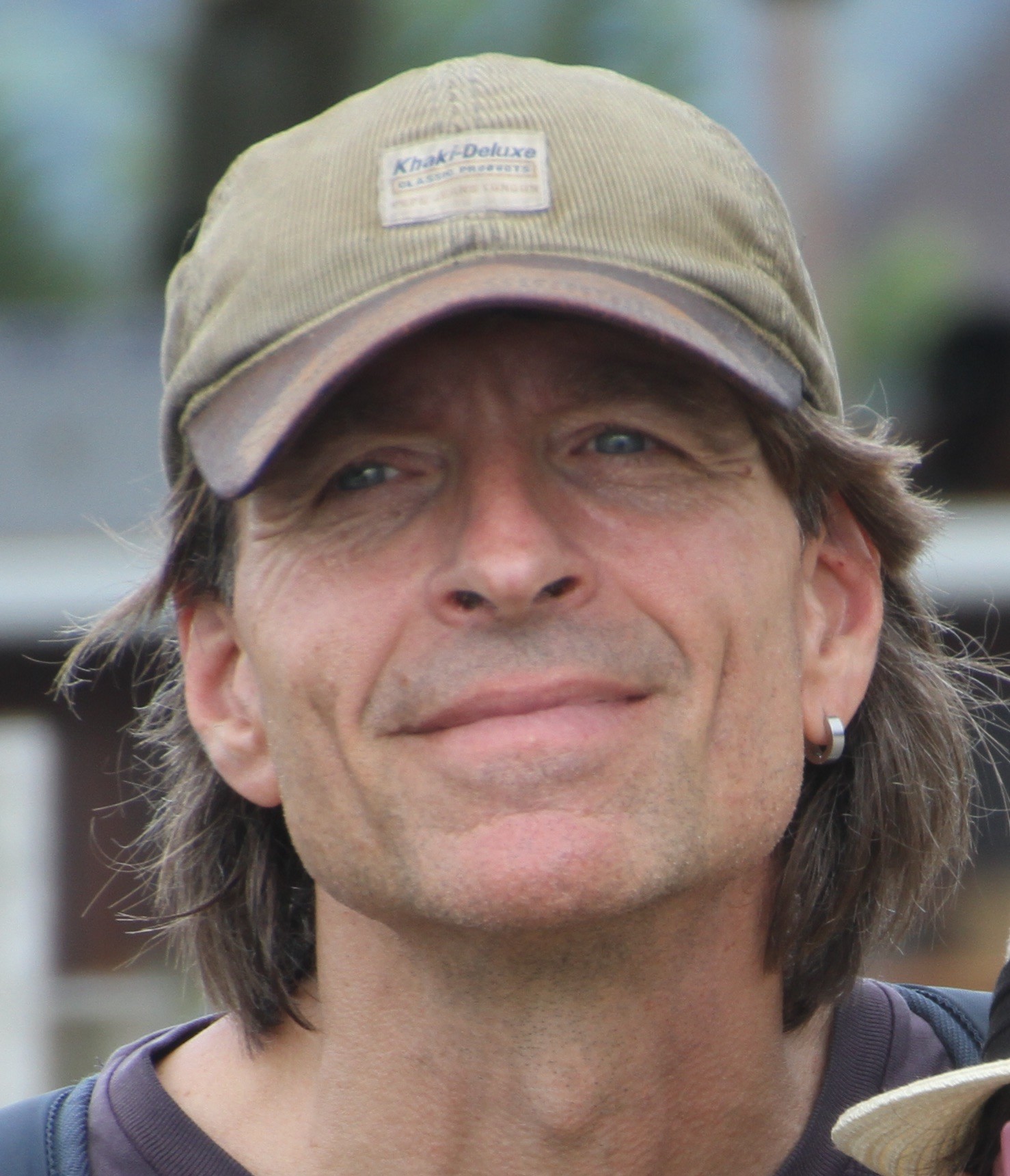
Cara M Santelli is an Associate Professor in the Department of Earth and Environmental Sciences at the University of Minnesota-Twin Cities. Her research focuses on biogeochemical cycling of metals and metalloids, particularly examining the role of microorganisms in these processes and their environmental applications. Her recent projects include: The Combined Impacts of Climate Change and Intensive Agriculture on Manoomin/Psi (Wild Rice) - Co-Principal Investigator with USDI U.S. Geological Survey Convergence Accelerator Track L: Real-time water pollutant monitoring with National Science Foundation - Principal Investigator Linking Manganese Reduction to Hydrocarbon Degradation with MN Pollution Control Agency - Principal Investigator CNH2-L: Co-creating socio-ecological knowledge with Indigenous communities - Collaborator Metal-Filtering Microbes project - Principal Investigator Her research outputs show a strong focus on: Manganese and iron biogeochemistry Sulfur cycling in subsurface environments Fungal metal oxidation and reduction Bioremediation techniques Environmental impacts on wild rice Microbial community analysis in extreme environments Her work has been recognized through citations in Scopus and readership metrics across various platforms including Mendeley and Bluesky. Santelli collaborates extensively with researchers from multiple disciplines and institutions.
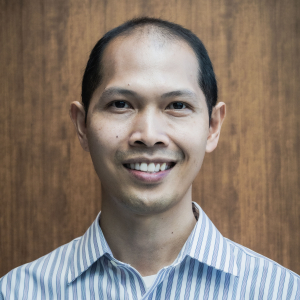
Pradoldej (Bob) Sompol, PhD, is an Assistant Professor at the Sanders-Brown Center on Aging, University of Kentucky. He is also affiliated with the Department of Pharmacology and Nutritional Sciences. His research focuses on understanding the role of reactive astrocytes in age-related neurodegenerative diseases, particularly Alzheimer’s disease. His research interests include: Reactive astrocytes and glial signaling Oxidative stress and mitochondrial dysfunction in neurodegeneration Neurovascular coupling and cerebrovascular pathology Calcineurin/NFAT signaling pathways Synaptic plasticity and network hyperexcitability Neuroprotective strategies using small molecules and natural compounds The recent publication trends highlight a strong focus on molecular mechanisms in Alzheimer’s and traumatic brain injury models, with particular emphasis on astrocyte-mediated neuroinflammation, synaptic dysfunction, and therapeutic interventions targeting neuroprotection and neurogenesis. Techniques such as intravital imaging, electrophysiology, and behavioral assays are central to his research approach. Scientific awards: No awards explicitly mentioned in the provided text. Dr. Sompol actively leads a research program investigating neurodegenerative mechanisms using human postmortem tissue and transgenic animal models. While specific student mentees are not listed, his publications suggest collaborative mentoring in neuroscience and pharmacology. His lab has developed innovative models combining vascular and amyloid pathologies, contributing to a deeper understanding of mixed dementia etiologies. There is no mention of external grants, but his work implies funding support for advanced imaging and molecular studies. His research team operates within the Sanders-Brown Center on Aging, a leading institution in aging and dementia research, and collaborates extensively across disciplines, particularly in pharmacology and neuroscience.
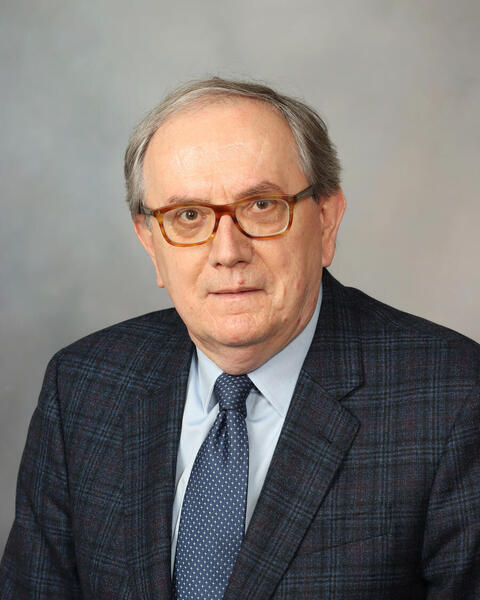
Zvonimir S. Katusic, M.D., Ph.D., is a Professor in the Department of Anesthesiology and Pharmacology at Mayo Clinic, Rochester, Minnesota. His primary academic role is as a Consultant in the Department of Anesthesiology and Perioperative Medicine. He holds dual appointments as a Professor of Anesthesiology and Professor of Pharmacology. Education: Mayo Clinic Scholar in Neuroscience (1993), PhD and MS from University of Belgrade (1988, 1985), MD from University of Belgrade (1977). Research focuses on cerebral vascular endothelium, mechanisms of stroke, Alzheimer’s disease, and endothelial dysfunction. Key areas include nitric oxide signaling, amyloid precursor protein processing, and vascular contributions to cognitive decline. His work is funded by NIH, American Heart Association, and other agencies. Notable awards include the Bugher Foundation Award (2000), Excellence in Teaching Award (2003), and the First Independent Research Support Award (1990). Active in professional organizations such as the American Heart Association and American Physiological Society. Current projects investigate BACE1/BACE2 roles in endothelial function, senescence in vascular fistulas, and amyloid angiopathy pathogenesis. His lab has published over 250 peer-reviewed articles, with recent work on cerebrovascular endothelial dysfunction and neurovascular protection mechanisms.