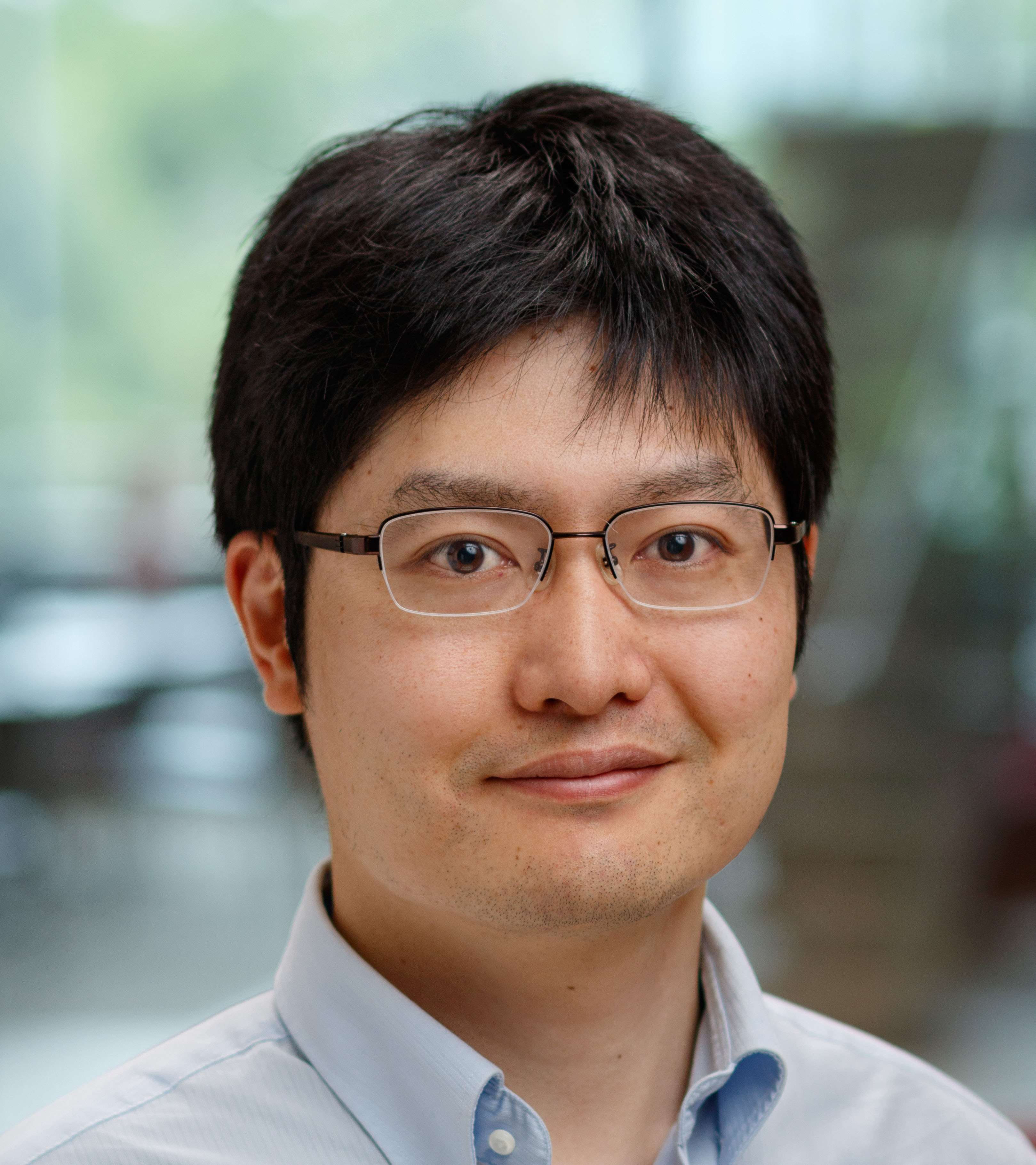
Satoshi ShimadaView profile
Lecturer
Satoshi Shimada, PhD, is an Instructor in the Department of Physiology at the Medical College of Wisconsin. His research focuses on renal physiology, hypertension mechanisms, and kidney metabolism, with a particular emphasis on cardiorenal syndrome and salt-sensitive hypertension. He completed his MD and PhD at Tohoku University in Japan, followed by residency training and postdoctoral work under Dr. Allen Cowley. His technical expertise includes chronic renal hemodynamic measurements, surgical techniques in rodents, and metabolomic analyses. Education: PhD, Graduate School of Medicine, Tohoku University (2019) MD, School of Medicine, Tohoku University (2013) Residency in Internal Medicine, South Miyagi Medical Center (2012–2015) Postdoctoral Research Fellow, Medical College of Wisconsin (2018–present) Research Interests: Dr. Shimada investigates mechanisms underlying renal fibrosis, hypertension-induced kidney damage, and metabolic adaptations to high-salt diets. His work combines advanced surgical techniques (e.g., chronic renal blood flow monitoring) and molecular approaches to study pathways like mTOR signaling, oxidative stress, and mitochondrial dysfunction. Recent findings include the role of NADPH oxidase 4 in renal oxygen consumption and the impact of mTORC2 inhibition on sodium transport. Article Trends: His publications emphasize high-salt diet effects on renal metabolism, mitochondrial dysfunction in Dahl salt-sensitive rats, and the interplay between renal hemodynamics and inflammation. Key themes include metabolic shifts in proximal tubules, oxidative stress pathways, and mechanistic insights into salt-sensitive hypertension. Awards: 2021 Renal Section Research Recognition Award 2019 AHA/ASH New Investigator Award 2017 Japanese Society of Pathophysiology Award Labs/Teams: He conducts research in Dr. Allen Cowley’s renowned renal physiology laboratory, focusing on developing novel methods for studying kidney function in conscious animals to minimize anesthesia-induced artifacts.