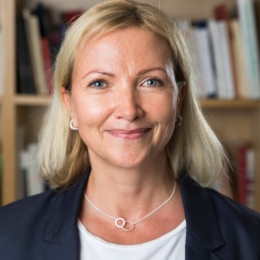
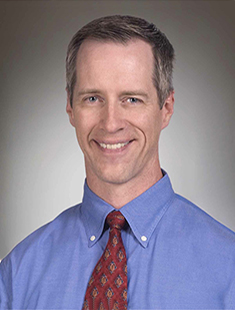
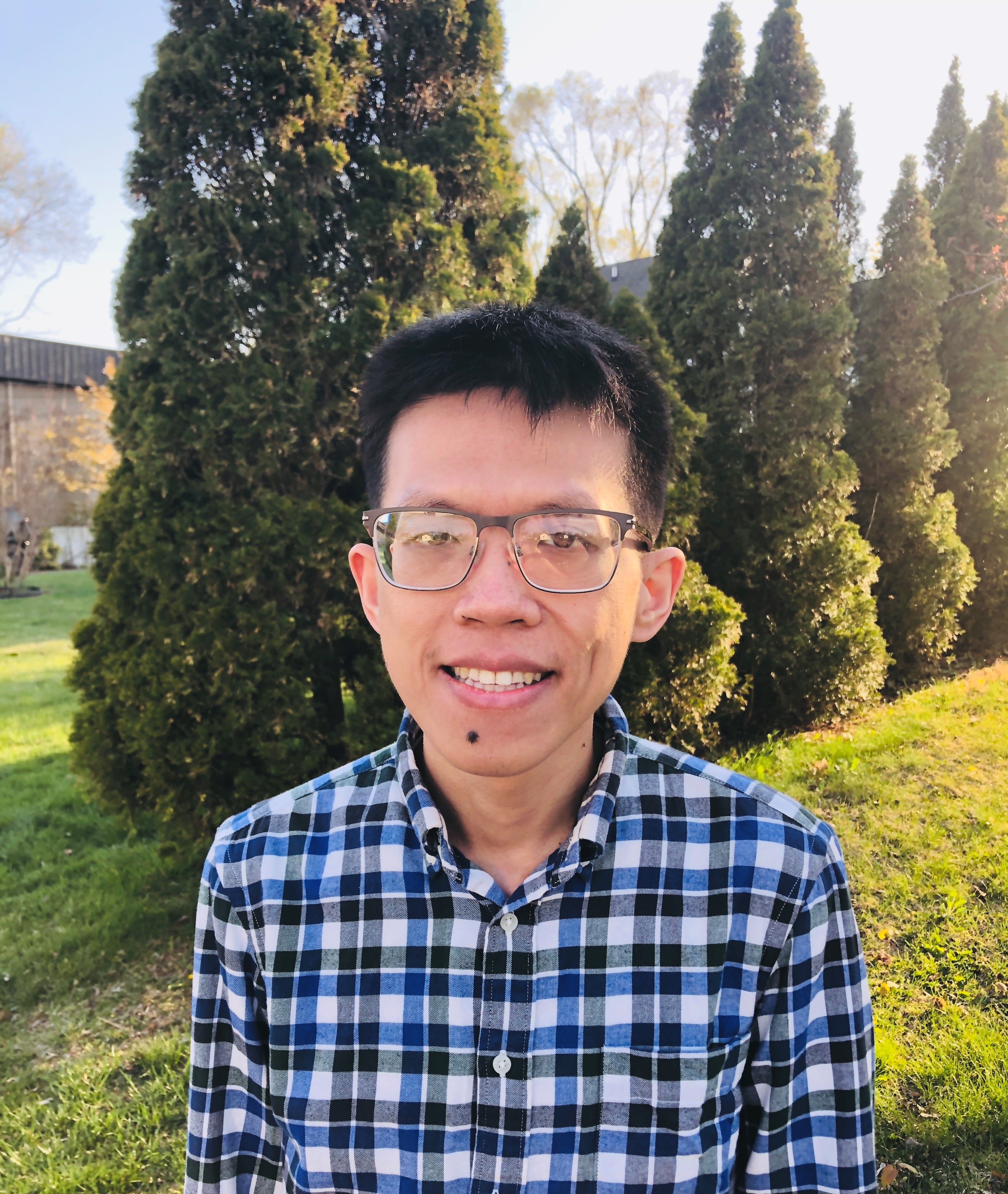
Georgios Keramidas is an Assistant Professor in Computer Architecture at the Department of Informatics, Aristotle University of Thessaloniki . He also holds an Adjunct Professor position at the Hellenic Open University and collaborates with institutions like the University of Peloponnese and University of Patras . Research Interests : Computer Architecture, Memory Systems, Multicore/GPU Design, Low-Power Techniques, Fault-Tolerant Systems His work focuses on cache optimization , energy-efficient computing , and security-aware memory design . Key contributions include DVFS frameworks , reuse-distance prediction , and non-deterministic cache mechanisms . Recent article trends highlight innovations in computation-in-memory , IoT platform components , and security/low-power co-design . Patents on image compression and GPU optimization reflect practical applications of his research. Academic Network : Collaborates with institutions including University of Patras , University of Manchester , and TU Dresden
Jennie Scarvell serves as Deputy Dean of the Faculty of Health and Adjunct Professor of Physiotherapy at the University of Canberra, where she leads the Clinical Research Rehabilitation and Translation Group. Her leadership roles include former positions as Associate Dean of Research and Innovation, Head of School of Health Sciences, and Head of Physiotherapy. Her academic credentials include: Graduate Certificate in Higher Education (2019) PhD in Kinematics and degenerative change in ligament-injured knees, University of Sydney (2004) Bachelor of Applied Science in Physiotherapy, University of Sydney (1985) Professor Scarvell's research program centers on physiotherapy interventions for arthritis and orthopaedic conditions, with specialization in medical imaging analysis of joint kinematics. Her clinical trials investigate knee osteoarthritis management, spinal fusion outcomes, and rehabilitation protocols for hip/knee replacements and chronic back pain. She developed the University of Canberra's Physiotherapy curriculum in 2004 and has 15 years of clinical experience across Australian and Canadian healthcare settings. Her publication record demonstrates consistent focus on knee biomechanics and osteoarthritis, with recent work examining total knee replacement designs, deep knee flexion mechanics, and subchondral bone changes. Key methodological approaches include statistical shape modeling, medical imaging registration, and randomized clinical trials. Professor Scarvell has secured over $1.8 million in research funding and supervised 18 HDR students to completion. Current projects include Best Practice Pathway for Knee Osteoarthritis and Alignment of Total Knee Replacement using mechanical/kinematic axes. She maintains active clinical research links as a Visiting Fellow at Canberra Hospital's Trauma and Orthopaedic Research Unit and contributes to UN Sustainable Development Goal 4 (Quality Education) through her academic leadership.
Ingve Simonsen is a Professor in the Department of Physics at the Norwegian University of Science and Technology (NTNU), specializing in surface physics and light scattering phenomena. His research focuses on the theoretical and experimental characterization of randomly rough surfaces, electromagnetic wave interactions, and nanoscale optical phenomena. Affiliated with NTNU's Faculty of Natural Sciences, he maintains an active research program with extensive collaborations across international institutions. His research interests center on surface physics and light scattering , particularly the inversion of scattering data for surface characterization, plasmonics in nanostructures, and statistical properties of rough surfaces. His work bridges theoretical modeling with experimental validation, applying techniques like Mueller matrix ellipsometry and reduced Rayleigh equations to solve complex problems in optical metrology and nanomaterial characterization. Analysis of his recent publications reveals strong emphasis on multi-scale surface topography , polarized light interactions with disordered systems, and nanophotonic applications . His research demonstrates consistent innovation in developing computational frameworks for surface characterization and exploring novel optical phenomena in two-dimensional materials. Professor Simonsen actively mentors students and researchers, evidenced by frequent co-authorship with junior researchers on complex projects. His collaborative approach spans disciplines including condensed matter physics, materials science, and biomedical optics, as seen in his work on graphene-based virus detection sensors.
Eva Skovlund is a Professor at the Department of Public Health and Nursing , Norwegian University of Science and Technology (NTNU), Faculty of Medicine and Health Sciences. Her work bridges applied statistics with clinical research in cancer, obesity, and chronic disease management. Education : PhD in Medical Statistics, University of Oslo (1990) MSc in Pharmacy, University of Oslo (1985) Research Interests : Eva focuses on applied statistical methods , clinical cancer research , controlled clinical trials , and drug safety assessment . Her work spans hypertension management in Nepal, neuro-oncology, and metabolic effects of bariatric surgery. Publication Trends : Recent articles (2021–2025) emphasize brain metastases prognosis hypertension interventions in South Asia pharmacokinetic studies in obesity statistical modeling for multimorbidity maternal and child health risks Scientific Contributions : While no specific awards are listed, her extensive peer-reviewed publications in Cancers , BMJ Open , Clinical Pharmacokinetics , and Tidsskriftet underscore her impact.
Carina Wikman is a Lecturer in Special Education at Stockholm University's Department of Special Education. With a PhD earned in 2023, her academic career combines empirical research with practical teaching experience from primary and secondary school settings. PhD in Special Education (2023) Expertise in classroom climate assessment Developed EduCAT observation instrument Focus on teacher-student interaction Her research portfolio emphasizes social-emotional learning environments and ethical teaching approaches . Key projects include validating classroom observation tools like EduCAT against established metrics (CLASS), and evaluating the Berättarministeriet educational initiative through teacher coaching programs. The article analysis reveals consistent engagement with psychometric validation , prosocial behavior assessment , and supportive learning environment development . Methodologies include cross-sectional studies, confirmatory factor analysis, and longitudinal intervention trials. Her work addresses urgent questions about value-based education and plurality in democratic frameworks , as evidenced by her 2011 thesis on ethical approaches in teaching. Current research focuses on refining assessment protocols for Swedish educational contexts.
Jan Novák is a researcher in computer graphics with a focus on physically-based rendering and global illumination. He completed his PhD at Karlsruhe Institute of Technology (KIT) in 2014 under Carsten Dachsbacher, with prior degrees from Czech Technical University in Prague and academic experience at Union College (US) and Nanyang Technological University (Singapore). He has held research internships at Disney Research Zurich (2011) and Pixar Animation Studios (2012), before joining Walt Disney Animation Studios in 2013 and returning to Disney Research Zurich in 2014. Education : B.Sc. and M.Sc. from Czech Technical University in Prague (2007-2009) PhD in Computer Science at Karlsruhe Institute of Technology (2014) Research Interests include global illumination, participating media, ray tracing acceleration techniques, and GPU computing. His work addresses challenges in realistic light transport simulation for scenes with complex volumetric effects and glossy materials. Publication Trends reveal a consistent focus on light transport optimization through GPU-accelerated techniques. Key contributions span visibility caching, path-space manipulation, beam/light representations for volumetric effects, and bias compensation methods. His research bridges theoretical advancements with practical implementations for scalable rendering systems. Teaching Experience includes multiple practical courses on GPU computing and graphics programming at KIT between 2010-2013. He also served as a reviewer for prestigious venues including ACM Transactions on Graphics, Eurographics, and SIGGRAPH conferences. Student Supervision covers bachelor and diploma theses on advanced rendering topics, including visibility caching techniques, virtual spherical lights, subsurface scattering algorithms, and 2D path tracing implementations.
Christopher Gustafson is a Professor in the Department of Agricultural Economics at the University of Nebraska-Lincoln, housed within the College of Agricultural Sciences and Natural Resources (CASNR). His office is located at Filley Hall (FYH) 314A, Lincoln, NE 68583-0922, with contact via phone (402-318-5712) or email (cgustafson6@unl.edu). His research bridges agricultural economics, behavioral science, and public health through rigorous experimental methodologies. Professor Gustafson's work centers on consumer decision-making processes in food and health contexts. He investigates how information exposure, health prompts, and environmental messaging influence nutritional choices, portion size selection, and responses to food fraud. His experimental approach employs economic tools like auctions and discrete choice experiments to quantify behavioral responses, with particular focus on cognitive processes during food selection, pandemic-driven dietary shifts, and interventions for healthier eating. Key themes include information avoidance during health crises, personalized nutrition strategies, and the impact of socioeconomic factors on healthcare access. Analysis of his recent publications (2023-2025) reveals consistent emphasis on experimental validation of behavioral interventions. His research demonstrates how point-of-decision prompts increase attention to health attributes without altering time preferences, how personalized product sets improve dietary choices, and how information framing affects valuation of sustainable products. Methodologically, he combines laboratory experiments with real-world applications, particularly examining honey fraud responses, plant-based meat adoption, and pandemic-related consumption changes through causal inference frameworks. No scientific awards were mentioned in the provided text. The provided documentation contains no details regarding Professor Gustafson's student advising activities or grant funding history. His professional focus appears centered on experimental research design and publication rather than mentorship documentation in the available materials. While specific laboratory facilities aren't described, his research methodology consistently employs experimental economics techniques including incentivized choice tasks, discrete choice experiments, and cognitive process tracking. This suggests involvement with behavioral economics labs capable of conducting controlled food choice experiments, though no named research teams or collaborative groups are specified in the source material.
Associate Professor Belinda Parmenter is an adjunct clinical academic and accredited exercise physiologist (AEP) with the UNSW Medicine & Health Lifestyle Clinic, School of Health Sciences, Faculty of Medicine & Health. She serves as a member of the SPHERE Cardiac and Vascular Clinical Theme Leadership Group and is the co-founder and national co-chair of the Australian Cardiovascular Alliance (ACvA) Peripheral Artery Disease (PAD) Working Group. With over 25 years of clinical experience, she specializes in assessing, prescribing, implementing and supervising exercises for people at risk of or with cardiovascular disease. Dr. Parmenter earned her PhD from the University of Sydney in 2012, where her research investigated high-intensity progressive resistance training for patients with intermittent claudication from PAD, earning her the Exercise and Sports Science Australia (ESSA) Medal for the most outstanding thesis. She completed her Bachelor of Health Science (Exercise and Sports Science) at Griffith University in 1996. Her research focuses on the effect of cardiovascular disease on aerobic capacity and muscle strength and endurance, as well as how exercise reduces symptoms in those with and at risk of cardiovascular disease across the lifespan. Current projects include investigating ways to improve regular incidental physical activity, developing eHealth interventions for adolescents to increase physical activity levels, and exploring optimal exercise prescriptions for cardiovascular risk amelioration and peripheral artery disease treatment. Her work often bridges clinical practice with research innovation, particularly in exercise physiology applications. Dr. Parmenter's publication portfolio demonstrates a strong focus on systematic reviews and meta-analyses in exercise physiology, with significant contributions to understanding resistance training for cardiovascular conditions, peripheral artery disease management, and physical activity monitoring technologies. Her research trajectory shows increasing emphasis on digital health interventions and multi-condition approaches addressing comorbidities. 2023 UNSW Sydney School of Health Sciences Researcher of the Year 2022 UNSW Sydney Faculty of Medicine & Health Education Innovation Award 2022 The MHS Learning Network Inc Award in Therapeutic and Clinical Services 2020 UNSW Faculty Heroes Award for improving student experience 2019 UNSW School of Medical Sciences Paper of the Month 2012 ESSA Medal for outstanding PhD thesis As an active grant recipient and chief investigator, Dr. Parmenter has secured over $15 million in research funding since 2010, including significant MRFF grants for cardiovascular health, diabetes management, and mental health interventions. She supervises multiple research projects including the Diabetes Clinic feasibility study, STREss less Exercise for Blood Pressure, and the UPLIFT study on progressive resistance training for alcohol use disorder. Her teaching responsibilities include convening the HESC3504 Physical Activity and Health course for the Bachelor of Exercise Physiology program, focusing on exercise effects across healthy populations and those with cardiovascular risk. Dr. Parmenter leads several major research initiatives including Health4Life, MERIT, SHAPE, and the Meta-Health Clinic, working collaboratively with institutions like the Matilda Centre at Sydney University to develop comprehensive exercise and eHealth interventions for diverse populations from adolescents to older adults with complex health conditions.
Mark E. Benden is a Professor and Director of the Center for Worker Health at Texas A&M University's Department of Environmental & Occupational Health. His research focuses on ergonomics and occupational health interventions targeting sedentary behavior, obesity, and workplace design across office and educational settings. Education: PhD in Interdisciplinary Engineering, Texas A&M University MS in Industrial Engineering, Texas A&M University BS in BioEngineering, Texas A&M University Dr. Benden's work pioneers stand-capable workstation implementations, demonstrating measurable impacts on physical activity, productivity, and health outcomes. His research spans childhood obesity interventions in classrooms, remote worker ergonomics, and digital human modeling applications. He has developed patented ergonomic solutions including adjustable footrests and deployable floor mats that address workplace sedentariness. His 2024-2025 publications reveal expanding focus areas: accessibility of assistive technology, health equity in obesity interventions, and specialized ergonomic challenges in dental professions. Recent work increasingly integrates digital human modeling for remote work solutions while maintaining core emphasis on sedentary behavior reduction. Scientific Awards: Fellow, National Academy of Inventors (2023) Innovation Award, Texas A&M System (2018) Inc 5000 Company Honor, Stand2Learn (#567 Fastest Growing Company) (2018) Aggie 100, Stand2Learn (#5) (2018) US Top 10 Most Innovative Product Designer, Healthcare Design Magazine (2008) Buildings Magazine Editor's Top 100 for Ntune Seating System (2007) Platinum ADEX Award for NeXtepTM and BalanceTM Chair (2005-06) Platinum ADEX Award for AbStoolTM (2004-05) As Director of the Center for Worker Health, Dr. Benden leads research translating ergonomic principles into commercial products through Stand2Learn, which achieved national recognition as a top-growing company. His work informs ANSI/HFS 100 computer workstation standards and drives evidence-based interventions for worker health improvement.
Lauren Sullivan is an Assistant Professor at Michigan State University’s Kellogg Biological Station, Department of Plant Biology, and Ecology, Evolution & Behavior Program. She earned her Ph.D. from Iowa State University and specializes in plant population/community ecology, movement ecology, species invasions, and conservation/restoration ecology. Her research combines field experiments and theoretical models to understand how global change drivers (habitat fragmentation, nutrient loading, herbivore shifts) affect plant dispersal and ecosystem outcomes. Her lab focuses on the interplay between seed dispersal, nutrient enrichment, and herbivory in shaping grassland biodiversity. Recent work explores wind seed dispersal mechanics, fire impacts on Ozark woodlands, and climate-dispersal interactions in Geum triflorum . Her team emphasizes inclusivity, antiracist practices, and mental health support for lab members. Lauren’s publications (2025–2018) span seed bank limitations in prairie restoration, soil microbial responses to nitrogen, forb diversity conservation, and modeling frameworks for dispersal and productivity. Key themes include global change impacts, ecological modeling, and sustainable restoration strategies. She has mentored students like Laís, Ale, and Kate, while advocating for equity in STEM through lab initiatives. Scientific contributions include advancements in understanding biodiversity-productivity relationships, herbivore-assisted reinvasions, and ethical specimen collection. Her work often bridges theoretical and applied ecology, with applications in conservation policy and ecosystem management. Lab updates highlight her mentorship of graduate students and ongoing efforts to foster diversity in plant ecology, aligning with her commitment to creating inclusive scientific environments.
Dr. Robert Hecht is a Clinical Professor at the Yale School of Public Health and President of Pharos Global Health Advisors . With over 30 years of experience, he has held senior management roles at the World Bank, UNAIDS, the International AIDS Vaccine Initiative, and Results for Development. Education: PhD in 1981 from Cambridge University BA in 1976 from Yale University Research Interests: Infectious Diseases (HIV/AIDS, Viral Hepatitis) Global Health Policy Health Care Financing Nutrition Interventions Public Health Modeling Stunting Reduction Frameworks Resource Allocation Ethics Publications Trends: Focus on mathematical modeling for disease prevention Health financing transitions in developing countries Cost-effectiveness of malnutrition programs Policy analysis for hepatitis and HIV scale-up Equity-focused frameworks for global health investments Donor coordination strategies Professional Roles: Lecturer at Yale's Jackson Institute for Global Affairs since 2014 Clinical Professor at Yale School of Public Health since 2017 Email Contact: robert.hecht@yale.edu
Pei-Hsun Hsieh is a Postdoctoral Researcher at the University of Pennsylvania, focusing on political and social behavior in democratic societies. They hold a Ph.D. in Political Science from Stony Brook University (2023) and specialize in examining public perceptions of government influence, electoral behavior, and policy support for inequality and climate change mitigation. Doctoral Degree: Political Science, Stony Brook University, 2023 Dr. Hsieh combines theory-driven and data-driven methodologies, including natural language processing, statistical modeling, economic games, and agent-based simulations. Their work explores the intersection of political economy, social norms, and environmental policy through large-scale social media analysis and behavioral experiments. Key research trends include analyzing how crises like pandemics affect climate change discourse, redistributive preferences under merit-based systems, and the role of emotions in policy debates. Publications span journals like PNAS, Journal of Environmental Psychology, and Humanities and Social Sciences Communications. Teaching includes Computational Text Analysis for Social Sciences , covering machine learning and NLP techniques. Current projects investigate plant-based diets as climate solutions, sanction effectiveness in international politics, and the dynamics of norm strength in cooperative settings. Affiliated with the Center for Social Norms and Behavioral Dynamics and the Philosophy, Politics, and Economics program at UPenn, they apply computational methods to understand political behavior, policy preferences, and institutional trust.
Bethany A. Teachman is a Professor of Psychology at the University of Virginia, where she serves as Director of Clinical Training and co-Director of Diversity, Equity and Inclusion for the Department of Psychology. She leads the Program for Anxiety, Cognition and Treatment (PACT) Lab, which focuses on cognitive processes underlying anxiety disorders and emotion dysregulation. Her work bridges clinical psychology with digital health innovation to increase access to evidence-based mental health interventions. Dr. Teachman's research centers on cognitive processes that contribute to anxiety disorders and emotion dysregulation, with particular emphasis on automatic thinking patterns outside conscious control. Her lab investigates how digital technologies like mobile apps and web-based cognitive bias modification programs can shift anxious thinking and overcome barriers to treatment access including cost, transportation, and stigma. Recent work explores dynamic monitoring approaches using mobile sensing to identify anxiety moments and deliver timely interventions. Her publication trends reveal a strong focus on digital mental health innovations for anxiety disorders, particularly cognitive bias modification techniques. She examines emotion regulation diversity, social anxiety mechanisms, and implementation challenges in real-world settings. Her work increasingly integrates cultural considerations, with recent studies on Spanish-language adaptations of interventions and culturally informed engagement strategies for Latinx populations. American Psychological Association Division 12 Society of Clinical Psychology Invited Speaker for the APF Spielberger EMPathy Symposium (2023) Featured Woman of the Month by the Committee on Women in Medicine and Science at UVA (2023) Inaugural Psychology Dept. Excellence in Diversity, Inclusion, and Equity Award (2020) Fellow, American Association for the Advancement of Science (2019) Public Voices Fellowship with the Op-Ed Project (2019) American Psychological Association Presidential Citation (2019) University of Western Australia Institute of Advanced Studies Visiting Fellow (2019) Society for a Science of Clinical Psychology Lawrence H. Cohen Outstanding Mentor Award (2018) Dr. Teachman actively mentors graduate students and has developed innovative approaches to support underrepresented students in psychology doctoral programs. Her grant-funded research focuses on developing and testing digital interventions for anxiety disorders, with recent projects examining culturally adapted interventions and implementation strategies for real-world settings. She serves as Director of the MindTrails public website for cognitive bias modification research. The PACT Lab maintains a strong commitment to anti-racism in psychological science, with explicit goals to recruit and support marginalized scholars, integrate sociocultural considerations into anxiety research, and increase access to digital mental health interventions across diverse communities. The lab actively works to create inclusive spaces for all members to contribute ideas and receive feedback about bias and privilege.
Jinshuo Li is a Research Fellow and Health Economist at the University of York's Health Sciences department. With extensive experience in health economics and public health interventions, she has established herself as a leading researcher in economic evaluation of clinical and public health programs. Her work spans multiple countries and diverse populations, addressing critical health challenges through rigorous methodological approaches. Dr. Li's educational background includes a BA in Public Health Administration and an MPhil in Health Economics, Policy and Management. She began her studies at the Department of Public Health, Fudan University in Shanghai, China, followed by professional experience at the Shanghai Huangpu Centre for Disease Control and Prevention. She furthered her training at the Department of Medicine, University of Oslo, Norway, and worked as an Analyst for the National Association Against Substance Abuse in Oslo before joining the University of York. Her primary research interests focus on the economic evaluation of public health and clinical interventions, with particular expertise in smoking cessation programs, mental health services, diabetes management, and substance abuse treatment. Dr. Li has led and contributed to numerous large-scale research projects including ADVANCE, ARROW, CASPER PLUS, SCIMITAR+, CATFISH, Y-SBNT, TEC study, PROTECT, Preloading trial, ODHIN, and web-based self-management support for diabetes. Her methodological strengths include cost-effectiveness analysis, randomized controlled trials, and implementation research across diverse settings from emergency departments to homeless support centers. Dr. Li's publication record demonstrates a strong trajectory of high-impact research, with recent work focusing on innovative approaches to smoking cessation (particularly among vulnerable populations), mental health interventions, and integrated care models. Her research frequently addresses health inequalities and seeks to develop evidence-based solutions for complex health challenges through rigorous economic evaluation. As a member of the Trials and Statistics research group at the University of York, Dr. Li collaborates extensively with multidisciplinary teams across the UK and internationally. Her work has significant policy implications, particularly in tobacco control, mental health services, and public health economics.
Gil Greengross is a Lecturer in Psychology at Aberystwyth University, holding a PhD in Evolutionary Anthropology from the University of New Mexico. Originally from Israel, he completed his undergraduate studies in psychology, anthropology and sociology at Ben-Gurion University of the Negev, followed by dual master's degrees in Statistics and Evolutionary Anthropology from the University of New Mexico. His primary research interests focus on evolutionary psychology and the psychology of humor and laughter, taking an interdisciplinary approach that draws from psychology, anthropology, biology and consumer behavior. His work examines the evolutionary origins of humor, gender differences in humor production and appreciation, the role of humor in mate selection, and the psychology of individuals with extreme creative abilities such as stand-up comedians and magicians. Analysis of his recent publications (2020-2025) reveals a strong focus on the psychology of magic performers, gender differences in humor production, and the relationship between creativity and mental health. His research demonstrates a consistent application of evolutionary theory to understand humor as a social and cognitive phenomenon, with increasing attention to methodological rigor through meta-analyses and twin studies. Dr. Greengross has been actively involved in academic dissemination through conference presentations at venues including the International Society for Humor Studies and the Science of Magic Conference. His research has received significant media attention, with 27 press/media mentions covering topics such as magicians' mental health and the impact of humor on elderly relationships. He has supervised doctoral students including Chloe Enid Lloyd and Heather Heap in the Department of Psychology at Aberystwyth University. His research has been supported by external funding, including a project on humor production among bilingual speakers completed in 2017.