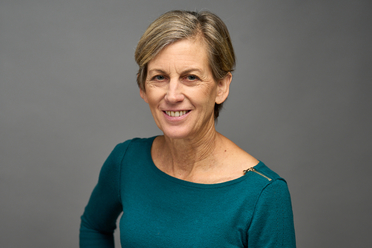
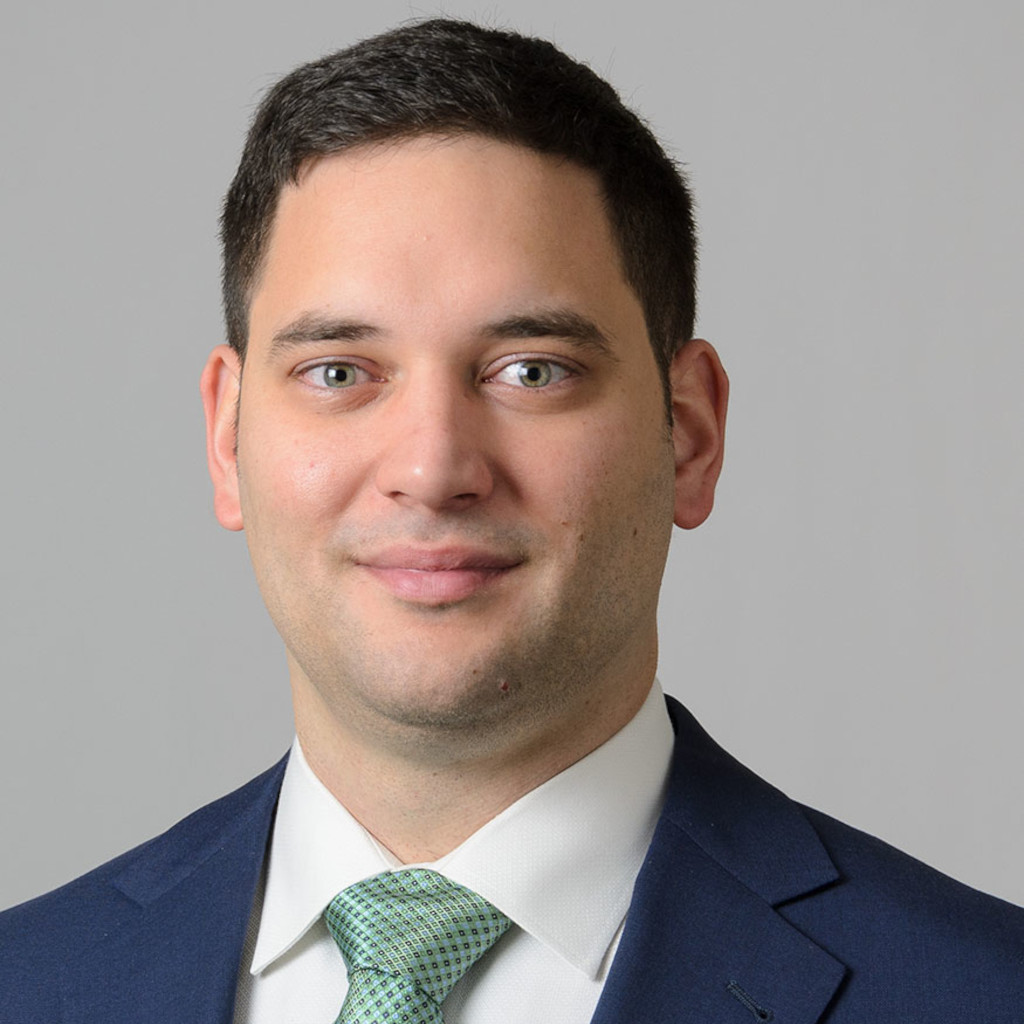
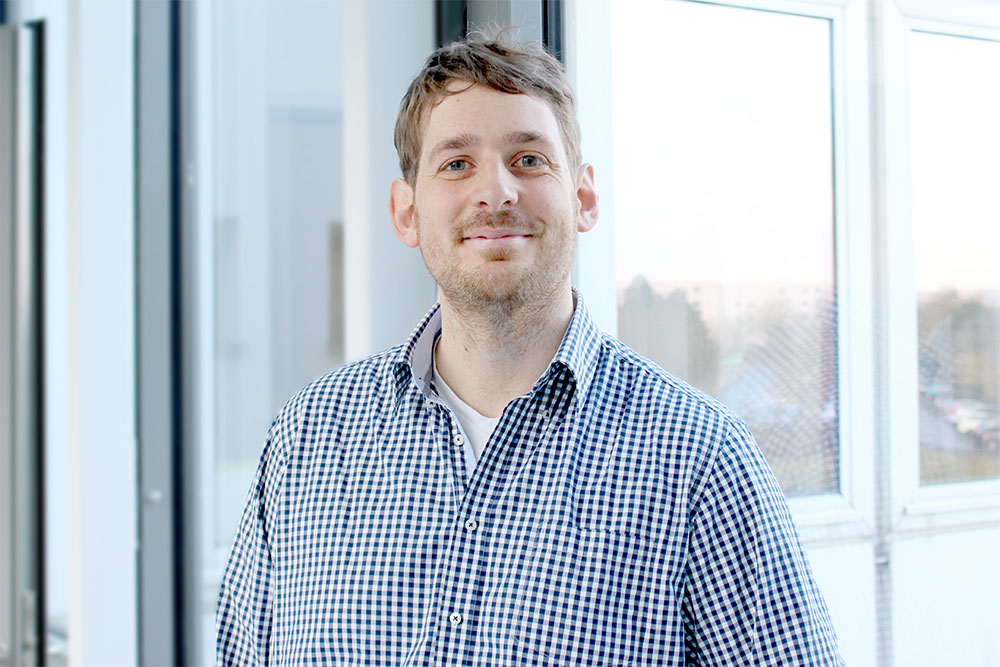
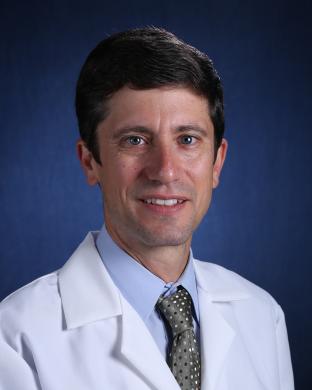
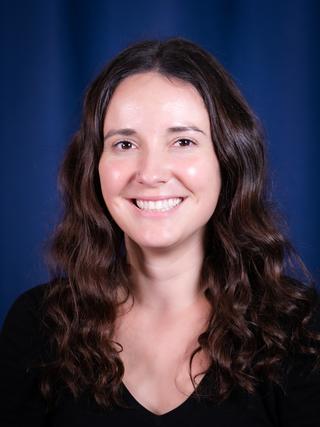
Stine Lindahl Jacobsen is an Associate Professor at Aalborg University's Department Department of Communication and Psychology within the Faculty of Humanities and Social Sciences . She leads the Art, Aesthetics & Health section since 2022, focusing on music therapy applications for vulnerable populations. Her research explores music therapy for children and adolescents psychometric tool development (APCI) arts-based health interventions interdisciplinary collaboration She has supervised PhD students since 2016 and contributed to 105+ publications. Key awards: SparNord Fondens Forskningspris 2013 Recent work focuses on AI-assisted rehabilitation music, family dynamics, and well-being capacity building through arts.
Philip Russo is a Professor in the School of Nursing and Midwifery at Monash University, Australia, and Director of Research for Nursing and Midwifery in the Faculty of Medicine, Nursing and Health Sciences. He also serves as Director of Nursing Research at Cabrini Health. His roles include leadership in infection prevention and control, including past presidency of the Australasian College for Infection Prevention and Control (ACIPC) and membership in national healthcare advisory committees such as the National Health and Medical Research Council Infection Control Guidelines Advisory Committee. Education: PhD (Queensland University of Technology, 2016), Master of Clinical Epidemiology (Monash University, 2002), Bachelor of Nursing (Deakin University, 1994). He holds an external position as Conjoint Lecturer at Avondale University. Russo’s research focuses on healthcare-associated infections (HAIs), infection prevention strategies, surveillance systems, and quality improvement in healthcare. His work emphasizes reducing HAIs through evidence-based practices, including enhanced cleaning protocols, antimicrobial stewardship, and implementation science. He has led or contributed to major studies such as Australia’s National Healthcare-Associated Infection Point Prevalence Survey and the CALIPSO trial on cardiac surgery prophylaxis. Key awards include the National Health and Medical Research Early Career Fellowship (2019). He has secured over $162k in research funding from the WHO and Australian government bodies. His 100+ peer-reviewed articles and book chapters address infection control, patient safety, and healthcare epidemiology. Grants and projects include leadership roles in initiatives like the REBUILD project (reducing HAI burden) and A-PRECISE (aged care infection prevention). He actively supervises students and contributes to editorial boards (e.g., American Journal of Infection Control ). Labs/Teams: Involved in multidisciplinary groups such as the COMBAT-AMR consortium and collaborations with institutions globally (e.g., Papua New Guinea, Philippines).
Susan Kohl Malone is an Assistant Professor at the College of Nursing, New York University (NYU), where she conducts research on chronic disease prevention, with a focus on sleep, circadian rhythms, and cardio-metabolic health. She is actively involved in funded intervention studies, including those addressing metabolic syndrome and prediabetes, and accepts PhD students into her research program. PhD, University of Pennsylvania MSN, University of Pennsylvania BSN, Georgetown University Postdoctoral Fellowship, Center for Sleep and Circadian Neurobiology, University of Pennsylvania Her research centers on how timing and rhythmicity of lifestyle behaviors—such as sleep, eating, and physical activity—affect health outcomes. She investigates circadian disruption, social jet lag, and sleep variability in diverse populations, from adolescents to older adults, using both actigraphy and population-level data. Her work bridges nursing science, public health, and behavioral medicine, with applications in diabetes, obesity, and cardiovascular disease prevention. Her recent publications (2023–2024) show a strong trend in examining the interplay between sleep timing, metabolic health, and social determinants. Themes include the impact of automated insulin delivery on sleep, the role of social isolation in insomnia, and how variability in sleep and eating patterns contributes to subclinical atherosclerosis. Her research increasingly integrates real-world, free-living data and emphasizes health equity. Marion R. Gregory Award (2015) Heilbrunn Nurse Scholar Award (2014) Research Poster Winner, National Association of School Nurses (2013) Leadership Identification Scholarship (1985) Susan Kohl Award, Georgetown University Susan Malone has been principal investigator on multiple NIH-funded projects, including NYU’s P20 Exploratory Center for Precision Health in Diverse Populations. She leads a randomized controlled trial on sleep and glycemic control in prediabetes and has developed culturally appropriate recruitment strategies for diverse research populations. Her work is supported by grants from the National Institute of Nursing Research and other federal agencies. She is a member of several professional societies, including the American Academy of Nursing, Sleep Research Society, and Society for Research in Biological Rhythms. She leads a research team focused on behavioral interventions that incorporate circadian principles to improve chronic disease outcomes. Her lab uses actigraphy, continuous glucose monitoring, and mixed-methods approaches to study sleep, metabolism, and behavior in real-world settings.
Dr Debbie Ling is a Lecturer in the Department of Social Work within the Faculty of Medicine, Nursing and Health Sciences at Monash University. She is a leading researcher and educator in compassion and common humanity, with a strong focus on healthcare settings, burnout prevention, and prosocial behavior. Her work integrates qualitative and quantitative methodologies and has led to the development of evidence-based compassion training programs adopted by medical curricula at Monash and Warwick Universities. Institution: Monash University School: Faculty of Medicine, Nursing and Health Sciences Department: Department of Social Work Academic Rank: Lecturer Debbie’s research interests center on compassion, common humanity, in-group/out-group dynamics, prosocial behavior, compassion in healthcare, doctor burnout, and mental health. She has pioneered interventions that enhance compassion through training, particularly in high-stress medical environments. Her doctoral research (awarded 2019) provided the first empirical evidence that perceiving common humanity increases compassion among healthcare workers. Her recent publications and projects reflect a strong trend in compassion-focused interventions, medical education reform, and mental health promotion. Articles span topics such as compassion training for paramedics, values in healthcare, and cross-cultural caregiver support. Her work increasingly emphasizes implementation science, with compassion training now embedded in core medical curricula. Dr Ling has received multiple awards for her educational and research impact, including the 2022 Dean's Award for Excellence in Education, the 2023 Dean's Award for Programs that Enhance Learning (Team), and the 2024 Monash Education Academy The Pitch Finalist. She was also awarded a 2023 Monash-Warwick Alliance grant for a mixed-methods evaluation of compassion training. Monash-Warwick Alliance grant (2023) Dean's Award for Excellence in Education (2022) Vice-Chancellor's Award Commendation (2022) Research Impact Award (2020) Three Minute Thesis Winner (2019) Dean's Award for Programs that Enhance Learning (2023) Monash Education Academy Finalist (2024) Debbie supervises PhD students and contributes to grants totaling $557,000. She is actively involved in advising and research collaboration, particularly through her leadership in compassion training implementation. She also serves on several external advisory boards, including the Centre for a Compassionate Society and the Charter for Compassion. Her private practice as an Accredited Mental Health Social Worker complements her academic work, bringing over 25 years of clinical experience in health, mental health, child protection, and aged care. Dr Ling leads the Monash 'Compassion Training for Healthcare Workers' online course, which has trained over 3,000 professionals and students. She is Principal Chief Investigator on active projects including a randomized controlled trial on paramedics and a study on culturally diverse carers. Her affiliations include advisory roles with UNESCO Inclusive Policy Lab, the Australian Compassion Council, and Epworth HealthCare (until 2024).
Dr. Georges Pavlidis is an Assistant Professor in the Department of Mechanical Engineering at the University of Connecticut. He holds an M.Eng from Imperial College London and an M.S/Ph.D from Georgia Institute of Technology. His research focuses on developing nanoscale thermal metrology techniques for energy, medical, and quantum engineering challenges. Key areas include thermal conductivity of wide bandgap semiconductors (e.g., GaN), 2D materials, and phase change photonic devices. He pioneered microheater engineering for multi-level optical switching and AFM-IR methods for nanoscale transport analysis. Education: M.Eng (Imperial College London, 2013); M.S./Ph.D. (Georgia Tech, 2018) Postdoctoral Work: NIST (2020–2022) using AFM methods on isotopically-enriched 2D materials Research interests span thermal management in 6G+ electronics, neuromorphic device failure mechanisms, and quantum material thermal properties. His NSF EAPSI fellowship supported GaN thermal studies under Nobel laureate Hiroshi Amano. He has published over 25 articles on nanoscale thermal characterization and photonics. Key Awards: NSF EAPSI Fellowship (2018) Grants and advising: No specific grants listed in text, but active in mentoring graduate students through UConn’s mechanical engineering program. His lab focuses on interdisciplinary nanotechnology and energy systems.
Dr. Martin Kerwer is a Researcher and Manager of the KLARpsy service at the Leibniz Institute for Psychology Information (ZPID) since 2023. He oversees initiatives to translate psychological evidence into accessible formats, such as plain language summaries for meta-analyses. His role includes managing the KLARpsy platform and guiding projects like PLan Psy, DDP-Bildung, and DataWiz. With a PhD in Psychology (Dr. rer. nat.) from Trier University (2021), his work bridges academic research and public understanding of science. Education: PhD in Psychology (Dr. rer. nat.) from Trier University, Germany (2021) Research Interests: Science Communication: Developing guidelines for accessible research summaries Epistemic Beliefs: Exploring how individuals perceive and trust scientific evidence Data Management: Creating standards for psychological research data handling Key Contributions: Co-developed KLARpsy guidelines for German-language plain language summaries of meta-analyses Conducted randomized controlled trials evaluating the effectiveness of plain language summaries Authored over 50 peer-reviewed publications on science communication and epistemic cognition Grants & Projects: Third-party funded projects at ZPID include work on data management plans and science literacy initiatives Collaborated with institutions like the Swiss Society of Early Childhood Research and the German Psychological Society (DGPs) Labs/Teams: Active in ZPID's Science Reception Lab and Metascience Lab, focusing on improving research communication and science policy.
Pieter Serneels is Professor of Economics at the University of East Anglia, School of Global Development, and holds a PhD from the University of Oxford. He is also a Visiting Professor at the University of Oxford, and affiliated with multiple research networks including IZA, CSAE, J-PAL, EGAP, and CBESS. His research focuses on development economics using behavioural and experimental methods in low-income countries. Education: PhD, University of Oxford His research interests span applied microeconomics, behavioural and labour economics, and political economy, with applications in education, health, service delivery, and climate change. He leads the Behavioural and Experimental Development Economics Research Group (BEDERG) and is an executive member of the Centre for Behavioural and Experimental Social Sciences (CBESS) at UEA. His recent work explores climate change impacts on labour, mental health in conflict zones, teacher incentives, and health interventions in developing contexts. His publications appear in leading journals such as American Economic Review , Journal of the European Economic Association , World Bank Economic Review , and The Lancet Global Health . Key themes across his recent articles include the role of health in productivity, educational reforms, psychological aspects of poverty, and experimental policy evaluation. He has led major research projects funded by US AID, British Academy, FCDO, and Innovations for Poverty Action. Scientific Awards: Mid-Career Fellowship, British Academy Pieter Serneels advises on policy through affiliations with RISE and FCDO, where he served as Economics Senior Research Fellow. He teaches development economics, microeconomics, and econometrics at undergraduate and postgraduate levels, and co-directs the MSc in Development Economics. He has also contributed to policy blogs including Development Impact and VoxDev, emphasizing evidence-based decision-making. Research Groups and Labs: Behavioural and Experimental Development Economics Research Group (BEDERG), UEA – Team Leader Centre for Behavioural and Experimental Social Sciences (CBESS), UEA – Executive Member Tyndall Centre for Climate Change Research – Member Impact Evaluation – Member
Professor Marcus White is a distinguished academic and practitioner in architecture and urban design at Swinburne University of Technology, where he serves as Professor in the School of Design and Architecture. He co-directs the architectural firm Harrison and White Pty Ltd and leads the Spatio-Temporal Research Urban Design and Architecture Lab (STRUDAL) at Swinburne. His work bridges academia and professional practice, focusing on sustainable urban development, digital design, and healthcare environments. Education: PhD in Spatial Information Architecture, RMIT University (2009) Professor White’s research centers on innovative urban design solutions using computational methods such as parametric modeling, agent-based systems, virtual and augmented reality, and machine learning. His work addresses critical urban challenges including walkability, noise pollution, aging populations, and equitable access to public space. He also pioneers patient-centered design in stroke rehabilitation, integrating clinical insights with architectural innovation through Living Lab frameworks and VR-based co-design. His recent publications span topics such as pedestrian safety in metro stations, traffic noise annoyance mapping, AI-based SDG classification, and age-friendly urban design. These works reflect a consistent trend toward interdisciplinary, human-centered, and data-driven approaches to shaping healthier, more sustainable cities. Scientific Awards: National Citation for Outstanding Contributions to Student Learning Venice Biennale selection (2010, 2025) Victorian Architecture Medal (2018) Australian Institute of Architects Urban Design and Jackson Educational Awards (2018) European Healthcare Design Award (2022) RAIA Haddon Travelling Scholarship (2002) AIA National Emerging Architect Award Professor White actively supervises PhD students and has secured major grants from the Australian Research Council (ARC), The Florey Institute, and iMOVE Australia. His leadership in projects like NOVELL (Neuroscience Optimised Virtual Environments Living Lab) demonstrates a strong commitment to translating research into real-world impact. He collaborates extensively with clinicians, urban planners, and technologists to advance evidence-based design across sectors. Labs and Teams: Spatio-Temporal Research Urban Design and Architecture Lab (STRUDAL) NOVELL (Neuroscience Optimised Virtual Environments Living Lab) Collaborations with The Florey Institute of Neuroscience and Mental Health ARC Training Centre for Next-Gen Architectural Manufacturing
Ewan Davies is an Assistant Professor in the Department of Computer Science at Colorado State University, where he conducts research at the intersection of combinatorics, theoretical computer science, and statistical physics. He has previously held positions as a Postdoctoral Researcher at CU Boulder, a Research Fellow at the Simons Institute, and a Postdoc at the University of Amsterdam. His educational background includes a Ph.D. in Mathematics from the London School of Economics and Political Science (2013–2017), an M.Math from the University of Cambridge (2012–2013), and a B.A. (Hons) in Mathematics from the University of Cambridge (2009–2012). Davies’s research focuses on probabilistic and extremal combinatorics, particularly in graph coloring, independent sets, partition functions, and spin models such as the hard-core and Potts models. He employs techniques from statistical physics, entropy compression, and the Lovász local lemma to develop algorithmic frameworks for coloring and counting problems. His work often bridges theoretical insights with practical algorithmic implications, especially in the context of approximate counting and sampling. The trends in his recent publications reveal a sustained focus on algorithmic graph theory, with major contributions to list packing, local graph degeneracy, and computational thresholds in spin systems. His work frequently appears in top-tier venues such as FOCS, STOC, ICALP, and journals like Random Structures & Algorithms and SIAM Journal on Computing . He has co-authored numerous papers with leading researchers in the field, including Ross J. Kang, Will Perkins, and Alexandra Kolla. Sampling and Optimization under Global Constraints, NSF Grant #2309707 PhD Prize for Outstanding Academic Performance, London School of Economics Mathematics Department New Teacher Prize, London School of Economics Foundation Scholarship and R.A. Watchman Prize, Jesus College, Cambridge Foundation Scholarship and Sir Harold Spencer Jones Prize, Jesus College, Cambridge Foundation Scholarship and Ware Prize, Jesus College, Cambridge Foundation Exhibition and Bronowski Prize, Jesus College, Cambridge Davies actively mentors students, having supervised multiple undergraduate and graduate research projects in areas such as redistricting and graph coloring. He is also involved in organizing academic workshops, including the upcoming Rocky Mountain Summer Workshop on Algorithms, Probability, and Combinatorics. His research is supported by the National Science Foundation, and he continues to contribute to both theoretical advances and interdisciplinary applications in computer science and mathematics. He leads research on graph structure via local occupancy, regularity inheritance in hypergraphs, and the algorithmic analysis of phase transitions in statistical mechanical models. His work on the occupancy fraction and fractional coloring has provided new insights into longstanding conjectures in graph theory.
Dr. Mi-Ok Kim is a Professor in the Department of Epidemiology and Biostatistics at the University of California San Francisco (UCSF) and serves as the Director of the Biostatistics Core at the Helen Diller Family Comprehensive Cancer Center (HDFCCC). She joined UCSF from Cincinnati Children’s Hospital Medical Center, where she led the Biostatistics Unit for the Cancer and Blood Diseases Institute. Her role involves leading strategic development of shared biostatistical resources and providing expert statistical support across basic, clinical, and population sciences research. Dr. Kim earned her MS (2000) and PhD (2003) in Statistics from the University of Illinois at Urbana-Champaign. Her research program centers on methodological advancements in biostatistics, including non- and semi-parametric inference, longitudinal and survival data analysis, and causal inference using structured data from registries, network databases, and electronic health records. She has a strong focus on comparative effectiveness research (CER) and patient-centered outcomes research (PCOR), particularly in the context of hierarchical data structures. Her recent publications reflect a broad interdisciplinary reach, spanning oncology, pediatrics, public health, and machine learning applications in healthcare. Themes include health disparities, clinical trial design, biomarker analysis, and statistical methods for integrating aggregate and individual-level data. She has published in high-impact journals such as JAMA Dermatology , Annals of Applied Statistics , and Pediatrics . Dr. Kim has received multiple honors and awards, including: Fellowship, University of Illinois at Urbana-Champaign (1997) First Prize, Capital One Financial Data Challenge Competition (2001) Norton Prize, Robert Bohrer Workshop for Student Papers in Statistics (2002) Junior Faculty Travel Award, International Conference on Robust Statistics (2004) Travel Award, AACR Cancer Biostatistics Workshop (2008) She has served as Principal Investigator on numerous grants from NIH, NSF, and PCORI, supporting research in areas such as pediatric Crohn’s disease, kidney transplantation, and meta-analysis methods. Her work emphasizes rigorous statistical methodology to reduce bias and improve efficiency in real-world data analysis. She collaborates extensively with multidisciplinary teams across UCSF and beyond, contributing to clinical studies, protocol development, and outcomes research. Dr. Kim leads a research team focused on optimal handling of complex data structures in treatment selection and outcome analysis, with applications in chronic disease management and cancer care. She is also engaged in developing frameworks for post-market monitoring of machine learning-based medical devices, reflecting her forward-looking approach to biostatistical innovation.
Gareth Clegg serves as a Senior Clinical Lecturer at the Centre for Population Health Sciences within the Usher Institute, College of Medicine and Veterinary Medicine at the University of Edinburgh. Based at the Edinburgh BioQuarter (5-7 Little France Road, Edinburgh EH16 4UX), his work focuses on optimizing out-of-hospital cardiac arrest (OHCA) response systems through interdisciplinary approaches spanning emergency medicine, public health, and behavioral science. Dr. Clegg's research centers on critical gaps in the OHCA 'chain of survival,' with particular emphasis on bystander intervention barriers , defibrillator accessibility equity , and resuscitation communication dynamics . His methodology integrates geospatial modeling of AED placement, linguistic analysis of emergency calls, and behavioral interventions to address socioeconomic disparities in survival outcomes. Recent work demonstrates innovative applications of narrative medicine to improve clinical practice and examines how depression and sex characteristics modify resuscitation outcomes. Analysis of his 2023-2025 publications reveals a strategic shift toward implementation science , with increasing focus on feasible real-world solutions like bystander support services and socially primed CPR training. His Scottish-centric research leverages national health data to address rural-urban divides and develop equity-focused interventions, while maintaining rigorous mixed-methods approaches combining quantitative modeling with qualitative insights from emergency call recordings. No scientific awards were documented in the source materials. Though specific student mentorship isn't listed, Dr. Clegg's work involves substantial collaboration with Scottish Ambulance Service, NHS Scotland, and public health agencies. His research program appears grant-funded through UK public health initiatives, particularly evident in geospatial modeling projects and nationwide cohort studies spanning 2011-2020. As part of the Centre for Population Health Sciences, he contributes to Edinburgh's leadership in emergency care epidemiology. His current work suggests active involvement in Scotland's OHCA strategy development, with emerging focus on post-resuscitation psychological support systems and advanced resuscitation technologies like extracorporeal CPR.
Nazir Lone is a Professor of Critical Care and Epidemiology at the University of Edinburgh's Usher Institute, College of Medicine and Veterinary Medicine. He serves as Honorary Consultant in Critical Care at the Royal Infirmary of Edinburgh, NHS Lothian, and holds leadership roles in national critical care research through the Intensive Care Society and Scottish Intensive Care Society Audit Group. Current roles: Clinical Lead for MSc Data Science for Health and Social Care, Director of Edinburgh Critical Care Research Methods Course, Deputy Director of Multimorbidity PhD Programme for Health Professionals Funding: NIHR, Innovate UK, Wellcome Trust His research focuses on health services research, quality improvement in acute/critical care, multimorbidity analysis, and AI applications in healthcare. Key projects include the AIM-CISC study for AI-driven adverse event reduction and Innovate UK-funded multimorbidity recognition tools in emergency settings. Recent publications highlight his work in: Critical care outcomes and geographic disparities Post-COVID rehabilitation and long-term sequelae Optimizing sedation protocols in ICU Maternal critical care risk modeling Global critical care access in Africa Psychotropic medication use post-discharge Awards include Fellowships from the Higher Education Academy (FHEA), Royal College of Physicians (FRCP Edin), and Faculty of Intensive Care Medicine (FFICM). He supervises PhD, MD, MPH, and BSc students while contributing to undergraduate (MBChB) and postgraduate (MPH, MSc) teaching in epidemiology and data science.
Marco Guarnieri is an Associate Professor at IMDEA Software Institute in Madrid, Spain. His research focuses on the design, analysis, and implementation of practical systems for securely storing and processing sensitive data, with particular emphasis on security at the hardware-software boundary and microarchitectural attacks and defenses. Guarnieri received his PhD in Computer Science in 2017 from ETH Zurich's Institute of Information Security, following an MSc (2012) and BSc (2010) in Computer Engineering from Università degli Studi di Bergamo. His research spans security and privacy, program verification, programming languages, and formal methods. Guarnieri's work has particularly focused on addressing vulnerabilities related to speculative execution (Spectre attacks), side-channel analysis, hardware-software security interfaces, and leakage contracts. His approach often combines formal verification techniques with practical system implementation to develop robust security solutions. Guarnieri's publications reveal a strong focus on microarchitectural security, with recent work addressing secure speculation countermeasures, compiler security guarantees against Spectre attacks, side-channel security of cryptographic implementations, and hardware-software leakage contracts. His research shows a progression from database security early in his career to the hardware-software security boundary that characterizes his current work. Among his notable achievements are a Best Paper Award at CCS 2024 and Distinguished Paper Awards at CCS 2023 and CCS 2022. His paper 'Hardware-Software Contracts for Secure Speculation' also received a Best Paper Award. Guarnieri actively contributes to the academic community through program committee roles, including the PriSC Steering Committee, and has organized events such as PLMW@PLDI 2023. He is seeking talented researchers (interns, PhD students, and postdocs) to join his group at IMDEA Software Institute to work on security at the hardware-software interface.
Dr. Joshua R. Ehrlich is an Associate Professor in the Department of Ophthalmology and Visual Sciences at the University of Michigan Medical School and a Research Associate Professor at the Survey Research Center, Institute for Social Research. He holds the Paul R. Lichter Research Professorship in Ophthalmology and serves as Co-Director of the Kellogg Eye Center for International Ophthalmology. Dr. Ehrlich completed his undergraduate education at Washington University in St. Louis, studying anthropology and Spanish. He earned his MD from Weill Cornell Medical College with honors in research and an MPH in epidemiology from Columbia University's Mailman School of Public Health. His clinical training includes an ophthalmology residency at Wills Eye Hospital and fellowships in glaucoma/anterior segment disease and research at the University of Michigan's Kellogg Eye Center. Dr. Ehrlich is a population health and health services researcher whose work integrates epidemiology, survey research, and mixed-methods approaches. His primary research focus is on understanding how vision impairment affects health, disability, and quality of life, particularly among older adults. His work examines the relationship between visual decline and cognitive, psychosocial, and physical wellbeing, with emphasis on developing better measurement tools for visual disability and investigating vision's role in optimal aging. Analysis of Dr. Ehrlich's recent publications reveals a strong emphasis on the vision-cognition relationship, particularly how vision impairment contributes to dementia risk and cognitive decline. His research spans epidemiological studies of vision impairment prevalence, investigations into how vision affects daily activities and healthcare utilization, and global health initiatives focused on vision care delivery systems. Much of his recent work leverages large population-based studies like the National Health and Aging Trends Study (NHATS) and LASI-DAD. Dr. Ehrlich has received significant recognition including a K23 Career Development Award from the National Institutes of Health (K23EY027848) for developing and validating survey measures of visual disability. He serves on the Lancet Global Health Commission on Global Eye Health, the Advisory Board for the Center for Vision and Population Health at Prevent Blindness, the editorial board of Ophthalmic Epidemiology , and the WHO Vision Loss Experts Group. His research is funded by the National Institutes of Health and various private foundations. Dr. Ehrlich serves as an invited member of several important committees including the Lancet Global Health Commission on Global Eye Health and the Vision Loss Experts Group, a technical advisory group to the WHO and Global Burden of Disease project. He is also Co-Investigator for major population-based panel studies of older adults including NHATS and LASI-DAD. Through the Kellogg Eye Center for International Ophthalmology, Dr. Ehrlich leads global health initiatives focused on research collaborations, capacity building, and strengthening eye care delivery systems worldwide, with particular emphasis on work in India and East Africa. His interdisciplinary research group draws on epidemiology, demography, health services research, and clinical insights to study healthy and optimal aging with special attention to sensory health impacts.
Aileen Aldalur is a licensed Deaf clinical psychologist and Assistant Professor in the Department of Psychiatry at the University of Rochester's School of Medicine and Dentistry. She serves as the Research Director at the Deaf Wellness Center, focusing on culturally adapted mental health care for Deaf adults. Education: Ph.D. in Clinical Psychology, Gallaudet University (2020) Her research examines Deaf cultural influences on mental health, acculturative stress, evidence-based treatment adaptation, suicide risk prevention, and professional development challenges in Deaf communities. She has developed assessment tools like the SAFE-D scale and investigates systemic barriers in academic medicine. Research Trends: Her publications span clinical psychology, addiction medicine, and cultural adaptation, with recent work on pandemic impacts on AUD, Deaf healthcare access, and interdisciplinary interventions. Key Roles: Research Director, Deaf Wellness Center Individual/Couples Counseling for Deaf Adults