Fendy SantosoView profile
Researcher
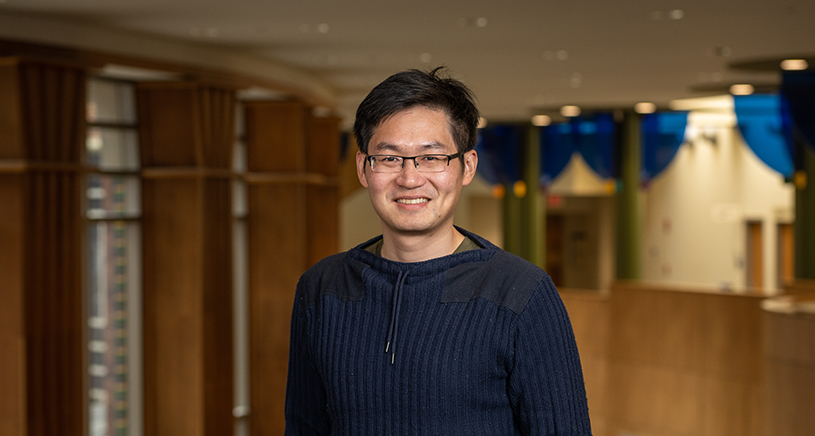
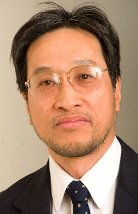
Dr. Fendy Santoso is a leading researcher and Cyber-Physical Lead at the Artificial Intelligence and Cyber Futures Institute, Charles Sturt University, Australia. He also holds a Visiting Fellow position at the School of Engineering and Technology, UNSW Canberra, and has held visiting roles at the University of Cambridge and Cranfield University. His work bridges cybersecurity, AI, and autonomous systems, with significant impact in UAV security and cyber-physical resilience. Education: PhD in Electrical Engineering, University of New South Wales (Awarded: 21 Jun 2012) Master of Electrical and Computer Systems Engineering, Monash University (Awarded: 07 Jun 2007) Dr. Santoso’s research focuses on adversarial machine learning, UAV security, intrusion detection in robotic systems, and cyber-secure digital twins. His work integrates AI, control theory, and cybersecurity to enhance the resilience of autonomous systems. He has pioneered research in securing ROS-based platforms and defending against GPS spoofing and DoS attacks in unmanned vehicles. His recent publications (2020–2025) highlight a strong trend in applying deep learning, fuzzy logic, and physics-informed models to detect and mitigate cyberattacks in UAVs and UGVs. Key themes include intrusion detection systems, secure digital twins for agriculture, and intelligent transportation systems enabled by drones. His work is frequently published in IEEE Transactions and top-tier conferences. Scientific Awards and Grants: Vice-Chancellor’s Distinguished Early Career Travel Fellowship, University of Wollongong (2019) ARC Linkage Project Grant (LP230100083) on adversarial machine learning for UAVs (2024) CSIRO-funded AgriTwins project on cyber-secure digital twins for agriculture (2024) Dr. Santoso has secured over AUD 3 million in competitive research funding and actively supervises postgraduate students. He serves as a reviewer for the Australian Research Council and technical program committees of major AI and engineering conferences. His collaborative work spans defence organisations like DSTG and the U.S. Army Ground Vehicle Systems Centre, as well as international academic institutions. He is a Senior Member of IEEE and leads research in labs focused on cyber-physical systems, autonomous robotics, and AI-driven security frameworks. His team develops real-time detection tools for cyberattacks on military and agricultural robots, contributing to critical infrastructure resilience.