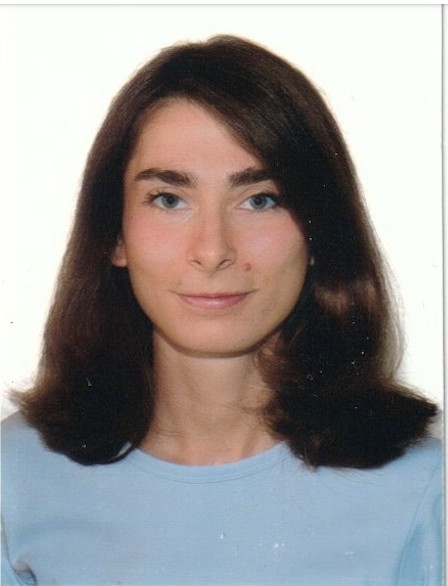
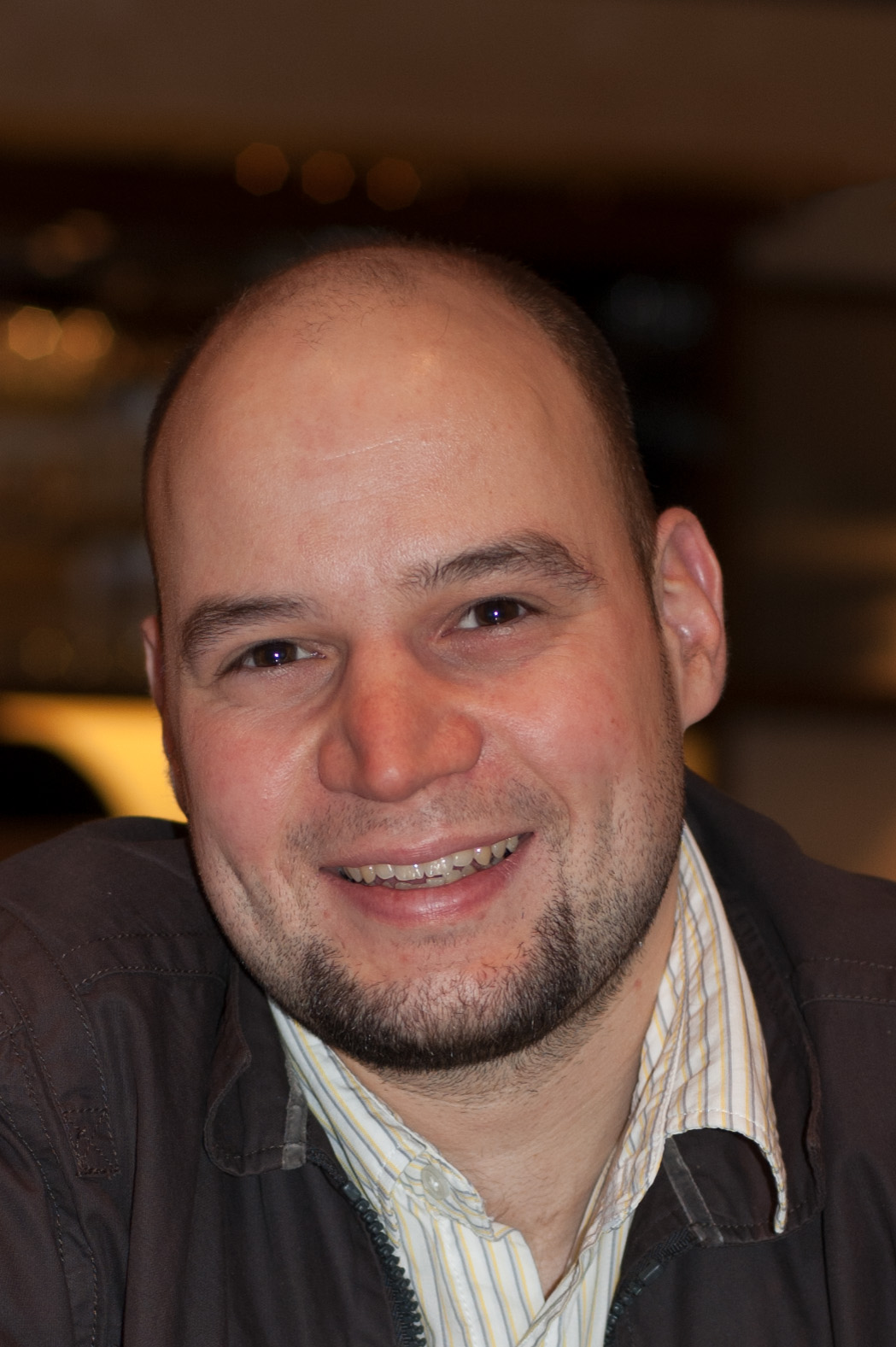
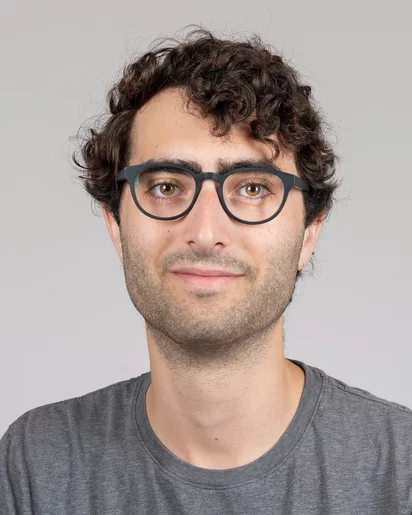
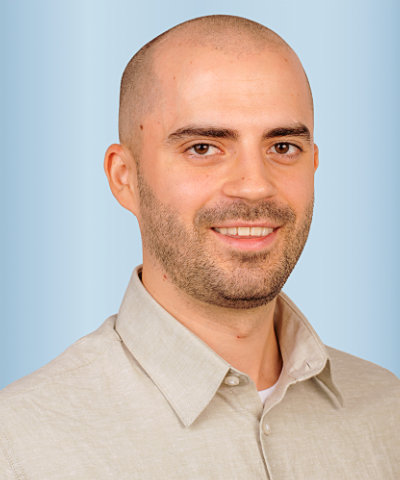
Dr. Anna Scampicchio is a Researcher at ETH Zürich, affiliated with the Professorship for Intelligent Control Systems. Her work focuses on advancing control theory and machine learning methodologies, particularly in data-driven control systems, model predictive control, and Bayesian learning techniques. She has contributed to the development of algorithms for system identification, optimal control, and robust control strategies. Her research integrates theoretical analysis with practical applications in robotics and dynamical systems. Key publications include studies on kernel methods, randomized signatures for learning dynamics, and Bayesian multi-task learning approaches. Dr. Scampicchio holds a Ph.D. (implied by her title) and has published extensively in top-tier journals and conferences, addressing challenges in intelligent control systems and machine learning integration.
Ola Svensson is an Associate Professor at the School of Computer and Communication Sciences, EPFL. His research focuses on approximation algorithms, combinatorial optimization, computational complexity, and scheduling. He has been supported by grants including the ERC Starting Grant "OptApprox" (2014-2019), SNF grants, and the ERC Consolidator Grant "POTCO" (2023-). He teaches courses such as Advanced Algorithms and Approximation Algorithms and Hardness of Approximation. Education: PhD from IDSIA - Universita della Svizzera italiana (2009) and Master's from Uppsala University (2005). Research Interests: Design and analysis of approximation algorithms for NP-hard problems, scheduling, and computational complexity. He explores limitations of approximation techniques through hardness results and contributes to theoretical computer science. Publications span clustering, scheduling, and graph problems like the Traveling Salesman Problem. Recent work includes learning-augmented algorithms and robust optimization. Awards: I&C teaching award and best paper awards at FOCS (2017) and STOC (2018). Over a dozen PhD students advised, many entering postdocs or industry roles. Labs/Teams: Part of the theory group at EPFL, collaborating on academic projects and course development.
Prof. Ingo Scholtes is a Full Professor of Machine Learning for Complex Networks at Julius-Maximilians-Universität Würzburg's Center for Artificial Intelligence and Data Science (CAIDAS). He holds a doctorate in computer science and mathematics from the University of Trier and has held roles including SNSF Professor at the University of Zurich, Full Professor at Bergische Universität Wuppertal, and Senior Assistant at ETH Zürich. His research focuses on higher-order graph analytics for temporal networks, machine learning, and computational social science. Education: PhD in Computer Science (University of Trier, Germany), Postdoctoral Research at ETH Zürich (2011–2016), and prior roles at Karlsruhe Institute of Technology and CERN. Research Interests: Machine learning on graphs, temporal network analysis, higher-order network models, and their applications in software engineering and social systems. He develops open-source tools like pathpy and git2net for network analysis. Recent Work: Focuses on causality-aware graph neural networks, temporal graph isomorphism, and network science applications in AI. Recent articles include studies on temporal network dynamics, path prediction, and Bayesian inference of network transitions. Awards: SNSF Professorship (2018), Junior-Fellowship (2014), and German Academic Scholarship Foundation (2004-2005). Active in editorial roles for EPJ Data Science and leadership in GI's Computational Social Science working group.
Abraham Lewis Levitan is a Postdoctoral Fellow (PSI-FELLOW-III-3i) at the Paul Scherrer Institute (PSI) in Switzerland, where he is a member of the Computational X-ray Imaging group within the Laboratory for Synchrotron Radiation and Femtochemistry (LSF). His research focuses on the development of ptychography and coherent lensless imaging methodologies for X-ray microscopy, with particular emphasis on single-shot reconstructions and the mathematical underpinnings of phase retrieval. Education: Ph.D. from the Massachusetts Institute of Technology (MIT), Photon Scattering Lab Research Interests: Levitan's work spans computational imaging, X-ray microscopy, ptychography, coherent lensless imaging, phase retrieval, and optics. He develops advanced algorithms for reconstructing high-resolution images from diffraction patterns, with a focus on single-shot and randomized illumination techniques. His research addresses fundamental challenges in wave field reconstruction, particularly for partially coherent light, and integrates deep learning for probe calibration and image reconstruction. Publication Trends: His recent publications (2020-2025) in leading optics journals (Optics Letters, Optics Express) consistently advance computational methods for X-ray imaging. Key contributions include single-shot ptychography as structured illumination, error metrics for partially coherent fields, deep learning-based probe imaging, maskless Fourier transform holography, and single-frame diffractive imaging with randomized illumination. These works demonstrate a trajectory toward robust, real-time imaging solutions for dynamic samples. Grants: PSI-FELLOW-III-3i fellowship Laboratory and Team: Levitan is an active contributor to the Computational X-ray Imaging group at PSI, which pioneers novel imaging techniques using synchrotron radiation and free-electron lasers. The group's work enables unprecedented resolution in materials science, biology, and chemistry by overcoming the limitations of traditional lens-based microscopy.
Prof. Jérôme Schmid is a Full Professor (Professeur HES ordinaire) at the Haute école de santé - Genève, part of the Faculty of Health. His expertise spans medical image processing, artificial intelligence (AI), and their clinical applications. He leads innovative projects addressing challenges in diagnostics, surgery planning, and medical education. Key roles include Principal Investigator in grants funded by Swiss National Science Foundation, Swiss Innovation Agency, and others. Research Focus: Combines AI with medical imaging for applications such as Parkinson’s disease detection via SPECT, breast lesion analysis using ultrafast MRI, and AI-driven radiography training tools. Projects emphasize interdisciplinary collaboration with hospitals and industry partners. Projects: DeepDAT (2022–2025): AI for Parkinson’s diagnosis via SPECT imaging. SUBREAM (2022–2025): Rapid breast MRI protocols with AI integration. AIRx (2019–2020): AI-based radiography simulation for student training. MyHip (2012–2014): Patient-specific hip arthroplasty planning. Publications: Focus on AI-driven diagnostics, imaging techniques, and medical education. Recent works address drowning detection via post-mortem CT, multimodal AI fusion for breast cancer, and serious games in radiology training. Grants & Partnerships: Swiss National Science Foundation: FAI analysis via multi-modal imaging. Innosuisse: Low-cost X-ray detectors for developing countries (GlobalDiagnostiX). Swiss Cancer Research Foundation: Breast MRI advancements (SUBREAM). Labs/Teams: Collaborates with the Geneva University Hospitals, EPFL, and industry (e.g., Medacta International SA) on hardware and clinical AI solutions.
Lukas Eggenberger is a doctoral researcher at the University of Zurich, affiliated with the Risk & Resilience Research Laboratory at the Jacobs Center for Productive Youth Development (under Prof. Lilly Shanahan) and the Laboratory of Experimental and Clinical Pharmacopsychology at the Psychiatric University Hospital of Zurich (under Prof. Boris Quednow). His academic background includes bachelor's and master's degrees in psychology from the same institution, where he also served as a student assistant in the Department of Clinical Psychology and Psychotherapy. Focus: Traditional masculinity ideologies and men's mental health Current Research: Adolescent substance use effects on cognition and real-life functioning His research integrates psychology, gender studies, and clinical psychiatry, with recent publications exploring topics such as suicidal ideation, cosmetic surgery trends, AI gender stereotypes, and psychotherapy dropout rates among men. The majority of his work employs rigorous methodologies, including longitudinal studies and randomized controlled trials. Key collaborations include institutions like the Psychiatric University Hospital of Zurich and the Jacobs Center. His work contributes to understanding gender-specific mental health challenges and developing tailored interventions.
Dr. Surya Gupta is a PostDoc researcher at the University of Basel's Department of Environmental Sciences, Faculty of Science, working within the FG Alewell research group. He joined the university in April 2022 after completing his Ph.D. at ETH Zurich. His research focuses on the intersection of soil science, hydrology, and remote sensing applications, with particular emphasis on digital soil mapping and the relationship between soil properties and erosion processes. Education: Ph.D. in Environmental Sciences (2018-2021), ETH Zurich M.Tech in Remote Sensing and GIS (2013-2015), Indian Institute of Remote Sensing, Dehradun B.Tech in Agricultural Engineering (2009-2013), Punjab Agricultural University, Ludhiana Dr. Gupta's research primarily centers on soil hydraulic properties and their applications in environmental modeling. His work involves developing advanced methods for global and national digital mapping of soil properties, particularly saturated hydraulic conductivity and van Genuchten parameters. He investigates the complex relationship between soil erosion and soil hydraulic properties, examining how incorporating hydraulic properties changes soil erosion modeling outcomes. A significant portion of his research focuses on machine learning applications in soil science, where he works on reducing clustering and overfitting in algorithms while developing Pedo-Transfer Functions (PTFs) and Covariate-based GeoTransfer Functions (CoGTFs). His methodological approach combines extensive field data with remote sensing datasets and sophisticated computational techniques to address critical environmental questions related to soil health and water management. Analysis of Dr. Gupta's recent publications reveals a strong focus on global-scale soil property mapping using machine learning approaches. His research demonstrates increasing sophistication in integrating legacy soil data with modern environmental covariates to produce high-resolution global datasets. A notable trend is his work bridging soil physics with practical applications in erosion modeling and agricultural management, particularly in how soil hydraulic properties influence crop responses to climate variability. His publications span top-tier journals in soil science, hydrology, and environmental modeling, indicating strong recognition within these interdisciplinary fields. Dr. Gupta has demonstrated exceptional productivity with numerous first-author publications in high-impact journals. His collaborative network is extensive, working with researchers across multiple institutions in Switzerland, Europe, and India. While no specific major grants are mentioned in the provided text, his publication record suggests involvement in significant research projects addressing global soil and water challenges. As part of the Department of Environmental Sciences at the University of Basel, Dr. Gupta contributes to the institution's strong research profile in environmental systems science. His work aligns with the department's focus on understanding complex Earth system processes and human-environment interactions, particularly through the integration of field observations, remote sensing, and computational modeling approaches.
Olivier Lévêque is a Senior Scientist at the École Polytechnique Fédérale de Lausanne (EPFL), affiliated with the School of Computer and Communication Sciences. He conducts research at the Laboratory of Information Theory (LTHI) and holds teaching responsibilities in both Communication Systems (SSC) and Computer Science (SIN) sections. Additionally, he contributes to the Interface EPFL-Gymnases initiative. Lévêque obtained his Physics diploma (1995) and PhD in Mathematics (2001) from EPFL, with a visiting lectureship at Stanford University's Electrical Engineering Department in 2005-2006. His research explores fundamental aspects of information theory , random matrices , and stochastic calculus , with applications in wireless communications and network theory. Key interests include capacity scaling laws in ad hoc networks, diversity-multiplexing tradeoffs, and mathematical frameworks for communication systems. Recent publications demonstrate broad interdisciplinary engagement, spanning computational thinking assessment (2022), digital education frameworks (2019), satellite positioning systems (2018), and theoretical advances in probability (2018). His work consistently integrates mathematical rigor with practical communication challenges, particularly in wireless network optimization and information-theoretic security. He has supervised four doctoral students at EPFL and teaches courses including Information, Computation, Communication , Markov Chains and Algorithmic Applications , and Cryptography . Lévêque leads research activities within the Laboratory of Information Theory, focusing on theoretical foundations of modern communication systems.
Dr. Anik Debrot is a Senior Lecturer and researcher at the LIVES Centre, University of Lausanne. Her work focuses on grief counseling, interpersonal touch dynamics in relationships, and digital health interventions. Senior Lecturer, LIVES Centre, University of Lausanne Research on touch in bereavement, couple relationship quality, and internet-based therapeutic programs Research Interests: Debrot's studies explore the intersection of touch physiology and emotional regulation in couples, with special attention to trauma recovery , attachment theory , and digital mental health applications. Publication Trends: Recent work includes Randomized controlled trials of grief interventions Dyadic trauma response studies Touch as a stress-buffering mechanism Design of multilingual internet-based therapies Collaborations: Debrot works with institutions in Switzerland on digital health protocols and cross-cultural adaptation of therapeutic tools.
Rafael Lalive is a Professor at the University of Lausanne's Faculty of Business and Economics and a core member of the LIVES Centre, a Swiss National Centre of Competence in Research. Based at the Internef Building in Lausanne, he leads interdisciplinary research on labor market dynamics and social policy evaluation. His research spans Labor Economics, Gender Economics, and Public Policy, with specialized focus on job search behavior, unemployment insurance systems, gender diversity in workplaces, and family policy impacts. He employs causal inference methods using natural experiments like the Swiss language border to isolate cultural effects on economic decisions, and analyzes policy interventions through quasi-experimental designs. Recent publications reveal strong trends in gender economics (examining vacancy preferences and workplace diversity) and family economics (assessing maternity leave mandates and fertility outcomes). His work increasingly integrates crisis response analysis, including pandemic effects on youth mental health and consumption patterns, while maintaining methodological rigor through randomized trials and large-scale data. As part of the LIVES Centre's leadership team, Professor Lalive coordinates a multidisciplinary network studying life course inequalities, collaborating with researchers across the University of Lausanne and University of Geneva to translate empirical findings into evidence-based social policies.
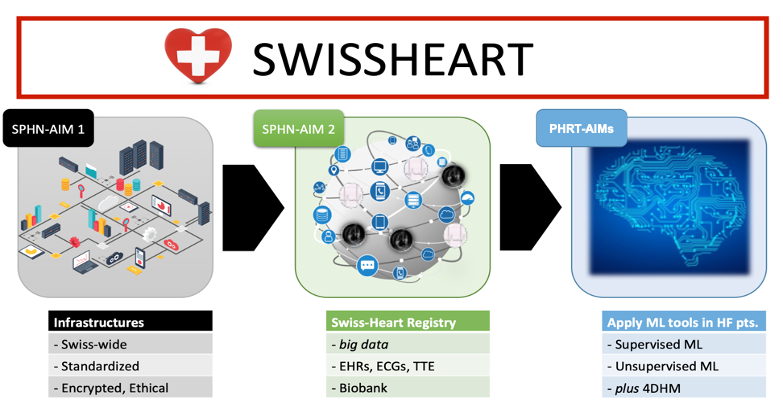
Christian M. Matter is a Professor of Cardiology at the University Hospital Zurich , where he leads Translational Research and the Cardio-oncology service . A board-certified internist and cardiologist with training in Lucerne, Zurich, and Boston, he combines basic research (using cell culture and genetic mouse models) with clinical studies in myocardial infarction, heart failure, and cancer patients. His work focuses on the intersection of inflammation , immunometabolism , and atherothrombosis . Research Interests: Immuno-metabolic pathways in atherothrombosis Role of PARP1, JNK2, Sirtuins 1/3/6 in cardiovascular disease Clonal Hematopoiesis of Indeterminate Potential (CHIP) in mice Machine learning-based risk prediction for ACS patients Cardio-oncology (immune checkpoint inhibitors, myocardial damage) Microbiome-immune-cardiovascular interactions Collaborative Projects: Co-PI of Special Program University Medicine (SPUM) ACS-inflammation cohort (5,000 patients) Main applicant for SwissHeart Failure Network (SHFN) with ETH Zurich's Joachim Buhmann Collaborations with dermatology (Reinhard Dummer), immunology (Burkhard Ludewig), and microbiome experts (Michael Scharl) Key Findings: Developed machine learning mortality prediction models for ACS patients Demonstrated SIRT3/SIRT6 protective roles in thrombosis and atherogenesis Elucidated PARP1/JNK2 mechanisms in endothelial dysfunction Identified FAP as atheroprotective target Grants & Collaborations: Funded by Swiss Academy of Medical Sciences (SAMW) Supported by Swiss Heart Foundation Industry partnerships with Novartis, Sanofi-Regeneron, Amgen Collaborative networks in Basel, Bern, Geneva
Professor Jenny leads the Jenny Research Group at ETH Zürich, specializing in turbulent reactive flows, rarefied gas kinetics, and biomedical fluid dynamics. Her work bridges fundamental research with industrial applications in energy systems and fluid mechanics. Develops advanced turbulence models (TDDM, hybrid LES/RANS) for multi-scale flows Pioneers data assimilation frameworks for RANS simulations using adjoint methods Advances particle-based stochastic algorithms for fractured porous media transport Her recent publications emphasize adaptive time integration techniques, probabilistic modeling of non-linear transport phenomena, and optimized simulation tools for hydrogen storage systems. The group's methodological innovations focus on reducing computational costs while maintaining physical accuracy through novel regularization strategies. Key applications include combustion device optimization, high-pressure tank filling analysis, and fractured reservoir simulations. Current projects integrate machine learning with traditional CFD methods to address challenges in droplet clustering, flame surface density propagation, and supersonic spray dynamics. The research framework spans from direct numerical simulations of fundamental flow physics to industrial-scale hybrid modeling implementations.