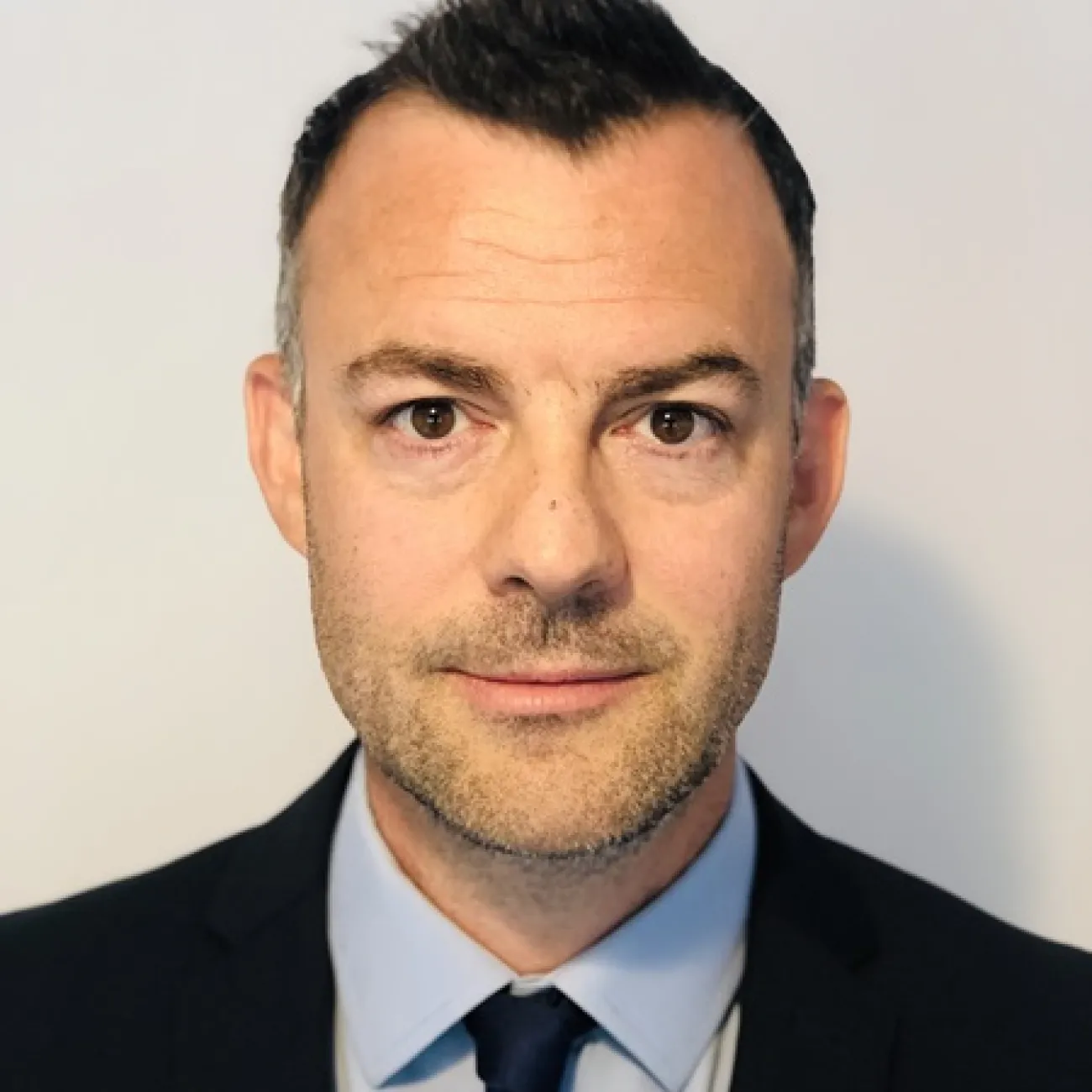
Dr. Abigail Morris is a Lecturer in Organisational Health and Well Being at the University of Lancaster's Faculty of Health and Medicine. Her work focuses on developing and evaluating workplace health interventions, integrating mixed-methods research to address sedentary behavior, physical activity promotion, and climate change impacts on health. Collaborations include projects with Lancaster Environment Centre exploring local authority climate strategies and Net Zero goals. She has led initiatives like the SLAMM intervention for call center workers and process evaluations of eHealth/mHealth tools such as 'Exertime' and 'Rise and Recharge.' Research interests span interdisciplinary approaches to workplace health, with particular attention to innovative technologies and reducing health inequalities. Projects include feasibility studies on active commuting and the intersection of mental health with dental care access via link workers. Morris has presented at conferences including the International Society of Physical Activity and Health and UK Active Summit, and contributed to policy discussions through events like the Cycling UK Big Bike Revival Parliamentary Event. Awards include the Deans Award for Outstanding Contribution to the Faculty. She supervises PhD students Miriam El Irani and Ming Jin, and participates in research groups like the Centre for Organizational Health and Well Being and FHM Mental Health Theme.
Sarah Peters is a Professor in Psychology within the Division of Psychology & Mental Health at the University of Manchester's Faculty of Biology, Medicine & Health. She currently serves as Co-Director of the Equity, Diversity and Inclusivity Research Unit (EDI-RU) GMH (2021 to date) and was previously Director of the Manchester Centre for Health Psychology (2021 to 2025). She also leads the Greater Manchester qualitative and health psychology stream of the NorthWest NIHR Research Design Service. Her research focuses on healthcare communication, particularly within challenging contexts such as medically unexplained symptoms, unhealthy behaviours and suicide. The goal of her work is to improve patient care through equipping health professionals to communicate more effectively with patients, relatives and colleagues. She specializes in integrating qualitative methods within randomised controlled trials to examine mechanisms of action, acceptability, feasibility and implementation of psychological and educational interventions. Her recent publications demonstrate strong trends in qualitative methodologies applied to healthcare communication challenges across diverse populations including older adults in primary care, postpartum women with eating disorders, culturally diverse patient groups, and individuals with chronic conditions. Her work consistently emphasizes patient-centered communication and the development of practical interventions to improve clinical interactions. Professor Peters serves on editorial boards for prestigious journals including the British Journal of Psychiatry, Social Science and Medicine, British Journal of Health Psychology, and Psychology & Psychotherapy: Theory, Research and Practice. She previously served as External Examiner for the MSc Health Psychology program at St Andrews. She has supervised 38 doctoral students to completion and currently mentors 8 doctoral candidates working on diverse topics including laryngeal hypersensitivity, pain communication in children, ethnic diversity in health research, therapeutic alliance in online therapy, cultural differences in primary care, language of 'Teachable Moments' in midwifery, postnatal behavior change conversations, and suicide research guidelines. Professor Peters leads research within the Manchester Centre for Health Psychology and is actively involved in multiple research projects including the STAR study focusing on chronic musculoskeletal pain in children, NIHR Research Support Service, and BART II investigating cognitive behavioral therapy for young adults at high risk of developing bipolar disorder.
Professor Aymen Al-Shamkhani is a leading immunologist at the University of Southampton within the School of Cancer Sciences and the Centre for Cancer Immunology . His research focuses on Cancer Immunotherapy , Immunobiology of costimulatory receptors , and Immunostimulatory antibodies . Investigating receptors and signaling pathways regulating T cell responses Developing antibody therapies for anti-tumour immunity Studying CD8 T cell differentiation and tumor immune evasion His recent publications highlight trends in immunotherapy mechanisms , antibody engineering , and T cell activation strategies . Current projects include collaborations with Cancer Research UK , Verastem Inc , and Blink Biomedical . He supervises PhD students such as Samuel Tong , Yuao Sun , and Lucy Wilkinson . External roles include reviewing for Frontiers in Immunology and serving on Cancer Research UK committees.
Manu Shankar Hari is a triple-doctorate clinical academic (MB BS MD PhD[immunology] MSc[Epidemiology]) holding specialist fellowships in anaesthesia, intensive-care medicine and epidemiology (FRCA EDIC FFICM). His research fingerprint centres on COVID-19 immunopathology, post-COVID-19 syndromes, sepsis-related platelet biology and T-cell immunosenescence, evidenced by >350 citations and leadership of large UK consortium studies such as PHOSP-COVID and ISARIC4C. Education & Qualifications: MB BS – primary medical degree MD – higher medical doctorate PhD in Immunology MSc in Epidemiology FRCA – Fellowship of the Royal College of Anaesthetists EDIC – European Diploma of Intensive Care Medicine FFICM – Fellowship of the Faculty of Intensive Care Medicine Research Interests: Dr Hari’s work integrates bedside critical care with translational immunology. He interrogates how accelerated immune ageing shapes COVID-19 severity, delineates platelet–immune crosstalk in sepsis, and identifies determinants of recovery from post-COVID-19 dyspnoea using multicentre prospective cohorts and randomised trials. Publication Trends: Recent first-author or senior-author papers in Immunity & Ageing , The Lancet Respiratory Medicine , The Lancet Regional Health – Europe , Shock and JAMA reveal a coherent programme spanning immunosenescence, antiplatelet therapy in COVID-19, and long-COVID respiratory sequelae. Collaborations & Funding: He leads or co-leads national UK consortium grants (PHOSP-COVID, ISARIC4C) involving hundreds of investigators and institutions, supported by NIHR/MRC/UKRI funding streams, with extensive international collaboration networks.
Halima Jibril serves as Assistant Professor (Research) in Entrepreneurship and Innovation at Warwick Business School, University of Warwick. She is Co-Investigator on the UKRI-funded Innovation and Research Caucus (IRC), a research centre dedicated to enhancing evidence-based practices in research and innovation funding policy. Her research examines business innovation determinants, firm resilience, and performance drivers with dual focus on internal enablers and external business support systems. She specializes in rigorous evaluation of business support programmes using experimental and quasi-experimental methodologies, bridging academic theory with practical policy implementation across multiple government contexts. Analysis of her 2019-2022 publications reveals consistent exploration of SME productivity dynamics amid digital transformation, pandemic recovery, and net zero transitions. Her work demonstrates methodological sophistication through mixed-methods designs and randomized trials, consistently targeting policy-relevant insights for economic resilience and innovation ecosystems. Scientific Awards: No specific awards or fellowships were documented in the source material. Halima supervises Master's dissertations in Management, Entrepreneurship and Innovation while teaching Advanced Quantitative Research Methods at PhD level. Her grant portfolio includes leadership in the UKRI-funded IRC and multiple government-commissioned evaluations including the Evolve Digital programme for family firms and Cavendish Enterprise's Business Boost project, demonstrating strong policy engagement. She operates within the Innovation and Research Caucus framework, collaborating with interdisciplinary teams to translate research into actionable funding strategies for research and innovation ecosystems, with particular emphasis on evidence-based policy design.
Dr Juliana Souza de Oliveira is a Postdoctoral Research Fellow at the Institute for Musculoskeletal Health , a partnership between the University of Sydney and Sydney Local Health District. She holds an Adjunct Senior Lecturer position at the Sydney School of Public Health , Faculty of Medicine and Health. Her research focuses on physical activity interventions to promote healthy ageing and prevent falls in older populations, particularly through yoga and digital health (teleyoga) programs. Primary Affiliation: University of Sydney Sub-Affiliation: Sydney School of Public Health Research Partners: Sydney Local Health District, WHO, NHMRC Research Themes include fall prevention , healthy ageing , digital health interventions , and physical activity promotion . Her work spans clinical trials, systematic reviews, and meta-analyses, with a focus on community-dwelling older adults. Recent Publications (2024-2015) address topics such as fall risk factors , yoga-based interventions , sarcopenia in chronic kidney disease , cost-effectiveness of exercise programs , and teleyoga adoption during pandemics . These studies employ methodologies like randomised controlled trials , systematic reviews , and realist evaluations . Scientific Awards and Grants include funding from the Physiotherapy Research Foundation , NHMRC , and AHRA Women's Health Research Network . Her work also intersects with organisations like the Australian Association of Gerontology and International Society of Behavioral Nutrition & Physical Activity (ISBNPA) . Advisory and Collaborative Efforts extend to Charlotte KILMARTIN and Ima STRKLJEVIC , with whom she explores inpatient fall reduction and physiotherapist-led activity promotion . She collaborates extensively on NHMRC-funded trials and WHO guideline development .
Professor Stephen Morris is a faculty member at Manchester Metropolitan University , serving as Professor of Evaluation since 2016. He specializes in causal inference , program evaluation , and mixed-method social science research , with applications in education , social care , labour markets , and crime and justice . Morris pioneered randomised trials in UK social policy and co-authored the government’s Magenta Book . Editorial Board : Sociological Research Online (2020–2023) Advisory Roles : UK Government Trial Advice Panel, What Works Centre for Children’s Social Care, Youth Futures Foundation, Youth Endowment Foundation, Education Endowment Foundation. Honorary Positions : Honorary Fellow of the Institute for Employment Studies. Morris’s research focuses on evaluation methodology , particularly cluster randomised controlled trials (RCTs) , formative assessment tools , and intervention studies in education and social policy. His recent work includes evaluations of educational technology , literacy programs , and mentorship initiatives for at-risk youth. Trends in his publications emphasize quantitative methods , policy impact , and program design . Scientific Awards : Honorary Fellow of the Institute for Employment Studies. Advising and Grants : Morris supervises Gail Mann (focus: agency and reflexive interventions) and Andrew Smith (generalisability of RCT findings in education). He has secured substantial funding for high-profile national evaluations, including projects for the Education Endowment Foundation , Youth Endowment Fund , and UK Ministry of Justice , with grants ranging from £2,400 to £649,753. His consultancy spans UK and international organisations , focusing on programme evaluation.
Marcelo B. Sztein, MD is a tenured Professor of Pediatrics at the University of Maryland School of Medicine (UMSOM). Since 1989 he has been a key leader within the Center for Vaccine Development (CVD) , serving as Chief of the Cellular Immunology and Flow Cytometry Section, founder of the CVD Immunology Group, and—since 2010— Associate Director for Immunologic Research . He holds secondary appointments in the Departments of Medicine and Microbiology & Immunology and directs the CVD Flow & Mass Cytometry Core that supports campus-wide cutting-edge single-cell analysis. Education & Training High School #4, Nicolás Avellaneda, Argentina — B.S., Biology, 1970 University of Buenos Aires School of Medicine — M.D., 1976 National Research Council, Argentina — Fellow, Immunology, 1976–1979 National Institutes of Health — Visiting Fellow, 1979–1982 George Washington University Medical Center — Research Fellow, Cancer Research Laboratories, 1982–1983 Research Focus Dr. Sztein is an internationally recognized authority on the immunology of infectious diseases , with emphasis on mucosal and systemic immunity elicited by vaccines. His work deciphers human host responses to Salmonella Typhi/Paratyphi, Shigella , ETEC, Plasmodium falciparum , dengue virus, Ebola virus, H. pylori , and influenza. Using controlled human infection models, non-human primates, and novel organotypic intestinal models, his laboratory identifies correlates of protection, dissects multifunctional T-cell subsets (CD4⁺, CD8⁺, MAIT, regulatory T cells), and explores how the gut microbiome modulates vaccine-induced immunity. Current projects under the NIH-funded Cooperative Center for Human Immunology (CCHI) integrate multi-omics , single-cell mass cytometry (CyTOF) , and high-dimensional flow cytometry to accelerate rational vaccine design. Recent Publication Trends Between 2014 and 2016 Dr. Sztein’s group published >25 high-impact papers that collectively advance three major themes: (1) elucidating multifunctional T- and B-cell signatures associated with protection following typhoid and Shigella vaccination; (2) applying controlled human infection models to rigorously benchmark new vaccines; and (3) pioneering 3-D organotypic intestinal cultures and mass cytometry panels to study mucosal responses at single-cell resolution. These studies are shaping the next generation of enteric vaccines for global health. Grants & Funding Leadership Principal Investigator, NIH U19-AI082655 “Mucosal and Systemic Immunity, Vaccines and Microbiota Interplay in Humans” (2014–2019) Principal Investigator, NIH R01-AI036525 “Immune Mechanisms of Protection in S. Typhi Vaccines” (2013–2018) PI Research Project 1, NIH U19-AI109776 “Immunoprophylactic Strategies to Control Emerging Enteric Infections” (2014–2019) PI of Immunology Core, NIH U19-AI110820 “Host, Pathogen, and the Microbiome” (2014–2019) Senior Immunologist, VTEU Contract HHSN2722013000221 (2013–2023) Laboratory PI, HHSN27200012 & HHSN27200010 cytokine/immune-phenotyping service contracts Co-Director of Immunology, T32-AI07524 Training Grant (2013–2018) Laboratory & Core Facilities Dr. Sztein directs the CVD Flow and Mass Cytometry Core , housing state-of-the-art BD LSR-II, Beckman-Coulter Astrios EQ cell sorter, Fluidigm CyTOF 1, and CyTOF Helios instruments. The core supports up to 19-parameter cell sorting and 35-plus-parameter mass cytometry, enabling investigators across UMSOM and collaborating institutions to perform advanced single-cell multi-omics studies under BSL-2/3 containment.
Susan Bock is a researcher affiliated with the Department of Sport and Exercise Sciences at Durham University , within the Faculty of Social Sciences . Her work bridges physical activity measurement in youth populations and pedagogical strategies in higher education. Her research focuses on motivational climates in youth sport , high-intensity interval training (HIIT) interventions in school settings, and energy expenditure modeling in children and young adults. She has contributed to studies like Project FFAB and The MOVE Project , which explore health promotion and educational outcomes . Using hybrid methodologies like accelerometry and heart rate synchronization , her work addresses public health challenges related to adolescent inactivity. She has presented at major conferences including the American College of Sports Medicine Annual Conference , with outputs spanning journal articles and conference contributions .
Professor Paul Carding is a distinguished academic and researcher at Oxford Brookes University, where he serves as Professor and Director of the Oxford Institute of Allied Health Research (OxInAHR) within the Oxford School of Nursing and Midwifery. He also holds esteemed affiliations as Senior Research Fellow at University College London and Honorary Professor at Newcastle University and Australian National Catholic University. His research expertise lies in multidisciplinary clinical practice, with a focus on voice and swallowing disorders, complex healthcare interventions, and supportive cancer care. Collaborations span surgery, psychology, nursing, oncology, and palliative care. He has secured over £5 million in research funding from NIHR, MRC, Wellcome Trust, and Cancer UK. Paul Carding’s recent publications reveal a strong trend in clinical trials and systematic reviews related to voice therapy, dysphagia management, laryngeal surgery outcomes, and healthcare team dynamics during the pandemic. His work integrates clinical practice with rigorous research methodology, particularly in evaluating interventions for head and neck conditions. Honorary Professorial roles at Newcastle University and Australian National Catholic University Senior Research Fellow at University College London National Research Advisor to RCSLT (1998-2002) Non-Medical Fellow of Royal Society of Medicine (2006-present) Highly commended grants from NHMRC and NIHR He has supervised over 22 PhD and MPhil students to completion and currently mentors three PhD candidates. His grant portfolio includes major projects funded by NIHR, UKRI, and Health Education England, focusing on persistent throat symptoms, COVID-19 team dynamics, and remote consultations. He is Chair of the Oxford Brookes Healthy Ageing and Care Research and Knowledge Exchange Network and leads multiple research groups within OxInAHR. Professor Carding leads key research entities including the Oxford Institute of Allied Health Research (OxInAHR), which hosts the Centre for Movement, Occupational and Rehabilitation Sciences (MOReS), the Centre for Healthcare Research, and the Centre for Healthy Living Research. He is also involved in the NIHR Speech Pathology Research Group and the NIHR Academy Incubator for Robotic and Minimally Invasive Surgery.
Satya Prakash Singh is an Assistant Professor in the Department of Mathematics and Statistics at the Indian Institute of Technology Kanpur (IIT Kanpur), one of India's premier educational institutions. Education: PhD from IIT Bombay Research Interests: Dr. Singh specializes in optimal design of experiments, with particular focus on cross-over trials, cluster randomised trials, longitudinal studies, and ordered experiments. His work contributes to statistical methodology, providing robust frameworks for experimental design across clinical research, agricultural studies, social sciences, and industrial quality control where efficient experimental design is crucial. Professional Affiliation: As faculty at IIT Kanpur, Dr. Singh teaches undergraduate and postgraduate courses in statistics and mathematics. The Department of Mathematics and Statistics is part of the Faculty of Science and is recognized for its strong research focus and academic excellence in theoretical and applied mathematics. He is based in Room FB 589 with office phone 0512-259 2254.
Professor Catherine Green is an Associate Professor at the University of Oxford, jointly appointed at the Wellcome Trust Centre for Human Genetics within the Nuffield Department of Medicine and also affiliated with the Department of Zoology at the University of Cambridge. She leads the Chromosome Dynamics Group , focusing on fundamental questions surrounding DNA replication and genome stability in mammalian cells. Her research investigates the intricate choreography of proteins at replication forks, particularly the multifaceted roles of the sliding-clamp protein PCNA. By mapping the full complement of PCNA interactors and dissecting how these interactions shift under replication stress, her team seeks to uncover how genomic instability and cancer-driving alterations arise. Additional projects explore the three-dimensional architecture of replication foci, the transmission of epigenetic marks during DNA synthesis, and the identification of substrates for protein methyltransferases that fine-tune chromatin states. The recent publication record underscores her dual commitment to basic chromosome biology and translational medicine: from mechanistic studies on aluminium-induced genomic instability (2020) to high-impact clinical trials of the ChAdOx1 nCoV-19 (AZD1222) vaccine across multiple continents (2020–2021). These articles collectively highlight her expertise in molecular medicine, cancer genomics, immunology, and large-scale clinical vaccinology. Contact & Affiliations: Email: cmg1003@well.ox.ac.uk Web: NDM Profile Address: Henry Wellcome Building of Genomic Medicine, University of Oxford
Associate Professor Katie Anders is an NHMRC Research Fellow at Monash University's School of Public Health and Preventive Medicine, within the Planetary Health division. She leads research on vector-borne disease control, focusing on dengue and arboviruses in the Asia-Pacific region. Previously, she directed impact assessment for the World Mosquito Program, evaluating Wolbachia-based interventions across 14 countries. Education: PhD in Epidemiology & Preventive Medicine (Monash University), MSc in Control of Infectious Diseases (London School of Hygiene & Tropical Medicine). Research Interests : Her work emphasizes scaling effective dengue control strategies, analyzing interactions between environmental and macro-level drivers of disease, and implementing Wolbachia mosquito replacement programs. Key areas include epidemiological research, disease surveillance, and clinical trials. Recent Research Trends : Articles focus on Wolbachia deployment efficacy, economic evaluations, and dengue incidence reduction in Indonesia, Vietnam, and Colombia. Studies highlight interrupted time series analysis, randomized trials, and surveillance-driven elimination planning. NHMRC Research Fellowship Advising & Grants : Leading a 5-year project (2025-2029) to optimize dengue elimination strategies in the Asia-Pacific. Collaborates with global partners through the World Mosquito Program and Monash Health & Climate Initiative.
Professor Nidhi Sofat is a Professor of Rheumatology at St George's, University of London, and a Consultant Rheumatologist at St George's University Hospitals NHS Foundation Trust. She leads the NIHR Integrated Academic Programme for Clinical Academic Trainees, overseeing research and training programs such as the PGCert in Research Skills and Methods. She qualified in medicine from University College London (1996) with First Class Honours, completed specialist rheumatology training in 2007, and earned her PhD from the Kennedy Institute of Rheumatology (Imperial College London). Her research focuses on understanding pain and inflammation in musculoskeletal diseases, particularly osteoarthritis and rheumatoid arthritis. Her group pioneered the Osteoarthritis Bone Score (OABS), the first histological scoring system for bone marrow lesions in osteoarthritis. Key research areas include mechanisms of pain sensitization, imaging techniques (MRI), clinical trials (e.g., DUPRO, PAPO), and collaborations with institutions like the University of Nottingham and Royal Veterinary College. She has received awards such as the Michael Mason Prize (2013) and Wellcome Trust Fellowship (2003). Her clinical roles include managing general rheumatology, inflammatory arthritis, and osteoarthritis at the Hotung Centre. She has contributed to national guidelines via the Arthritis and Musculoskeletal Alliance (ARMA) and served on committees like the British Society for Rheumatology's Heberden Committee. Major grants include funding from NIHR, Versus Arthritis, and the Wellcome Trust. Collaborations span academic and industry partners, including Pfizer and Merck. Her translational research facility bridges clinical and experimental work, aiming to improve diagnostic tools and therapies for arthritis.
Dr James Self is an Associate Professor at the University of Southampton with a focus on improving clinical outcomes for children with visual disorders. His research integrates genetics, bioinformatics, and clinical trials to address conditions like albinism, nystagmus, and amblyopia. PhD in Ophthalmic Molecular Genetics (MRC Clinical Research Training Fellowship) Higher specialist training in Paediatric Ophthalmology (Southampton, Manchester) Research Interests span: Genetic eye disorders Neuro-ophthalmology Translational medicine Machine learning in diagnostics Publications highlight: Neurodegenerative retinal pathology in mouse models Portable diagnostics for albinism Machine learning biomarkers for retinal morphology Scientific Awards : Technology Advancement Award (2025) Advising & Grants includes supervision of 5 PhD students across institutions and mentorship leading to a GW4 WELLCOME PhD award. Externally, he chairs the NIHR paediatric and neuro-ophthalmology Clinical Study Group and has held leadership roles in genomics and research ethics.